
Majathal Wildlife Sanctuary
Wildlife sanctuary near Kufri, Himachal Pradesh
11 km from Kufri
The nearest town, for stays, food and fuel.
Majathal Wildlife Sanctuary is a rugged Himalayan conservation reserve situated near Darlaghat in Himachal Pradesh, set along the steep slopes above the Sutlej river valley. The sanctuary is best known among birdwatchers and naturalists as a crucial habitat for the vulnerable cheer pheasant and high-altitude ungulates like the goral. Travellers seek out this quiet sanctuary for tranquil nature walks, rugged hiking trails, and authentic Himalayan wilderness far removed from busy hill stations.
Getting there
By road
- From KufriNearest town1 hr 35 min · 33 km
- From Chandigarh3 hr 50 min · 126 km
- From Ludhiana4 hr 55 min · 188 km
- From Dehradun6 hr 5 min · 250 km
Typical drive times without traffic. Stations and airports from OLA Maps; distances and typical drive times from OpenStreetMap (© OpenStreetMap contributors); notes from creators' Reels.
About Majathal Wildlife Sanctuary
Written with AI from map data and general knowledge. Check prices and timings locally before you go.
About Majathal Wildlife Sanctuary
Majathal Wildlife Sanctuary covers a precipitous and dramatic stretch of landscape in Himachal Pradesh, located close to Darlaghat and the catchment of the Sutlej River. Characterized by steep valleys, rocky crags, and open forest patches, the sanctuary preserves an important transitional ecological zone in the lower and middle Himalayan foothills.
Unlike many conventional sanctuaries that feature motorable vehicle safaris, Majathal demands exploration on foot. The terrain is remarkably steep and challenging, with narrow trails winding along rocky spurs and forested ridges. This vertical geography has helped safeguard the area from extensive human encroachment, providing a protected pocket where native flora and mountain-adapted fauna continue to thrive in an unspoiled natural setting.
Flora and Fauna at Majathal
The vegetation of Majathal Wildlife Sanctuary is dominated by chir pine forests interspersed with broadleaf species, thorny scrub, and open grassy slopes that cling to the rocky faces. This diverse mix of cover and open grazing ground creates the perfect environment for species that rely on precipitous terrain to evade predators.
The sanctuary is celebrated above all for its population of the cheer pheasant, a globally vulnerable bird species whose distinct calling can be heard echoing through the grassy ravines at dawn. In addition to cheer pheasants, birdwatchers can encounter kalij pheasants, black francolins, raptors, and an array of Himalayan songbirds.
Mammals here are equally adapted to the rugged topography. The Himalayan goral, an agile goat-antelope, is one of the most frequently sighted residents, moving effortlessly across near-vertical cliffs. Leopards, barking deer (muntjac), rhesus macaques, and wild boars also inhabit the sanctuary, using the dense scrub and forested folds of the hills as cover.
Read more
Best Time to Visit Majathal
Majathal Wildlife Sanctuary can be visited throughout much of the year, but the experience changes considerably across the seasons. The autumn and winter months, running from October to March, are generally considered the best period for wildlife spotting and birdwatching. During this time, the weather remains cool and clear, offering sharp visibility across the valleys. Winter mornings can be brisk, so warm layers are necessary.
Spring, covering April and May, brings pleasant daytime temperatures, blossoming trees, and active birdlife, making it ideal for walking the forest routes before the summer heat intensifies.
The monsoon months between July and September bring heavy rainfall across Himachal Pradesh. During this period, the steep trails can become slippery and prone to landslips, while the tall undergrowth reduces wildlife visibility. Travellers visiting during the rainy season should check local weather advisories and trail conditions before venturing into the sanctuary.
How to Reach Majathal Wildlife Sanctuary
Majathal Wildlife Sanctuary is accessible by road from key transit hubs in Himachal Pradesh and neighbouring states. The town of Darlaghat serves as the primary gateway, connected by well-paved highways that link Shimla and Bilaspur.
If you are travelling from Chandigarh, the road route heads northeast via Pinjore, Solan, and Darlaghat. For travellers based in Shimla, the sanctuary lies around 26 to 30 kilometres away in direct terms, though mountain roads require careful driving along winding routes through foothill towns.
The nearest broad-gauge railway station and major airport are located in Chandigarh, from where private taxis and regional buses run regularly toward Darlaghat and Solan. From Darlaghat, local transport or private cabs can bring you close to the trail entry points of the sanctuary.
Tips for Visiting Majathal
Because the terrain at Majathal is steep and demanding, wearing sturdy trekking boots with good ankle support and reliable grip is essential. Walking sticks or trekking poles can also be immensely helpful when negotiating downhill stretches and loose gravel.
There are few commercial facilities within the sanctuary itself, so carry an adequate supply of drinking water, energy snacks, a basic first-aid kit, and sun protection. If you plan to birdwatch, a dependable pair of binoculars and a camera with a telephoto lens will greatly enhance your chances of viewing pheasants and gorals from ridge lines.
Always adhere to responsible outdoor etiquette: stay on marked walking tracks, avoid making loud noises that disturb wildlife, and carry back all non-biodegradable waste. It is wise to inquire with local forest department offices regarding current entry rules, permitted zones, and whether hiring a local guide is recommended for navigating the slopes.
Places to Visit Nearby
A trip to Majathal Wildlife Sanctuary can be paired with several notable historical and natural destinations across the region. Just about 14 kilometres away lies the historic town of Arki, famous for Arki Fort and the cave-carved Lutru Mahadev Temple, offering a fascinating glimpse into the heritage of the former princely state of Baghal.
History enthusiasts can also travel toward Malaun Fort, located approximately 20 kilometres away, known for its strategic military past in early 19th-century hill conflicts. If you head toward the outskirts of Shimla, Chadwick Falls provides a scenic forest cataract, while the iconic Ridge and Christ Church in Shimla showcase classic colonial architecture and panoramic mountain vistas.
Those interested in regional culture will appreciate stopping at local shrines such as the Shiv Guffa Mandir and Maa Shali Temple, both situated within easy driving distance across the surrounding valleys.
Where to Stay
Accommodations directly adjacent to Majathal Wildlife Sanctuary are limited, preserving the peaceful, undeveloped character of the sanctuary surroundings. Travellers generally stay in nearby rural outposts, hillside hamlets, or the town of Darlaghat.
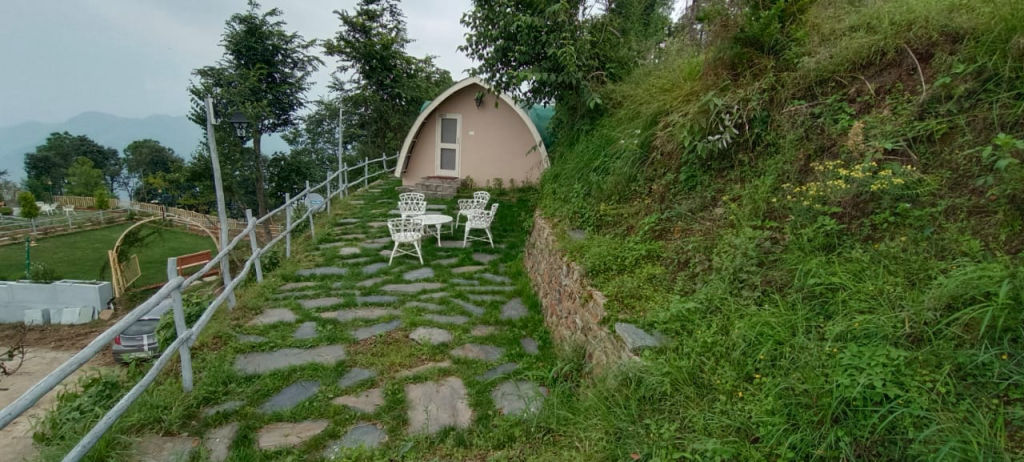
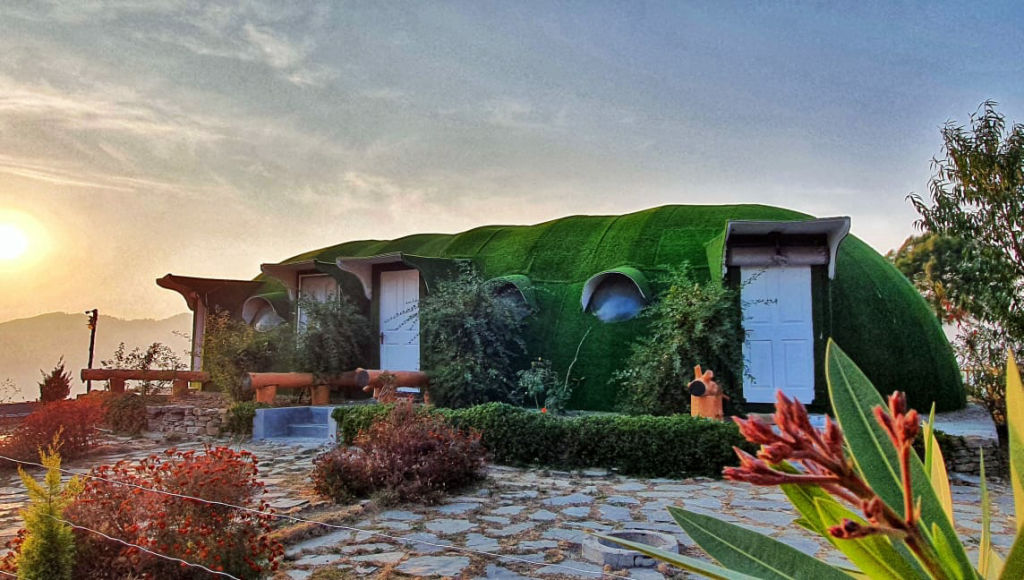
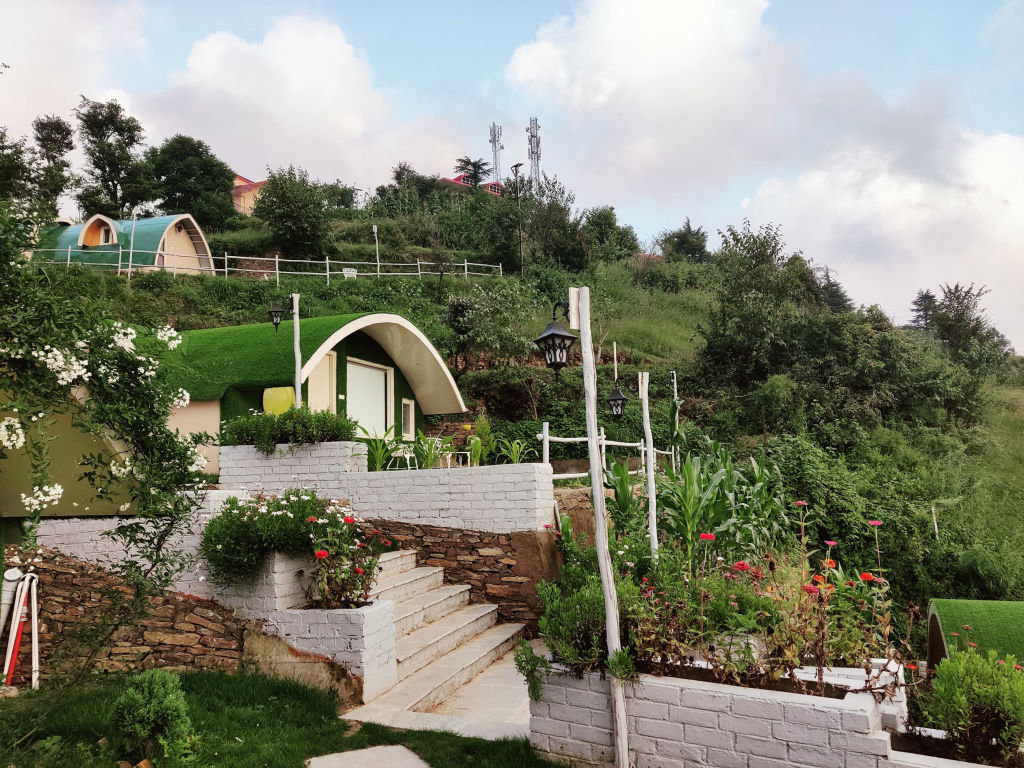
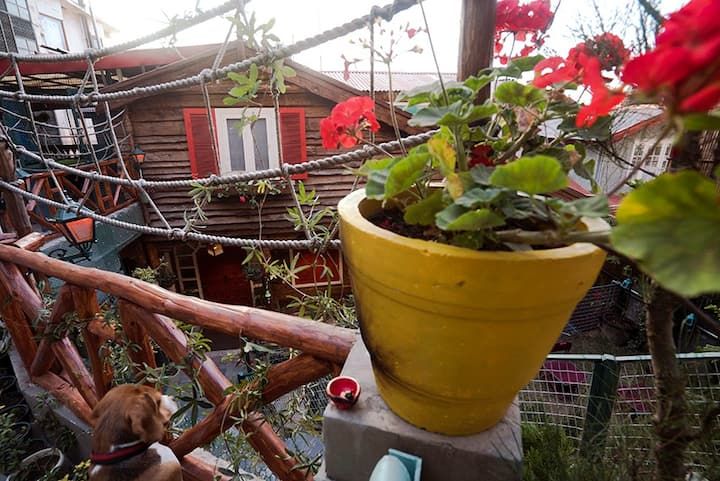
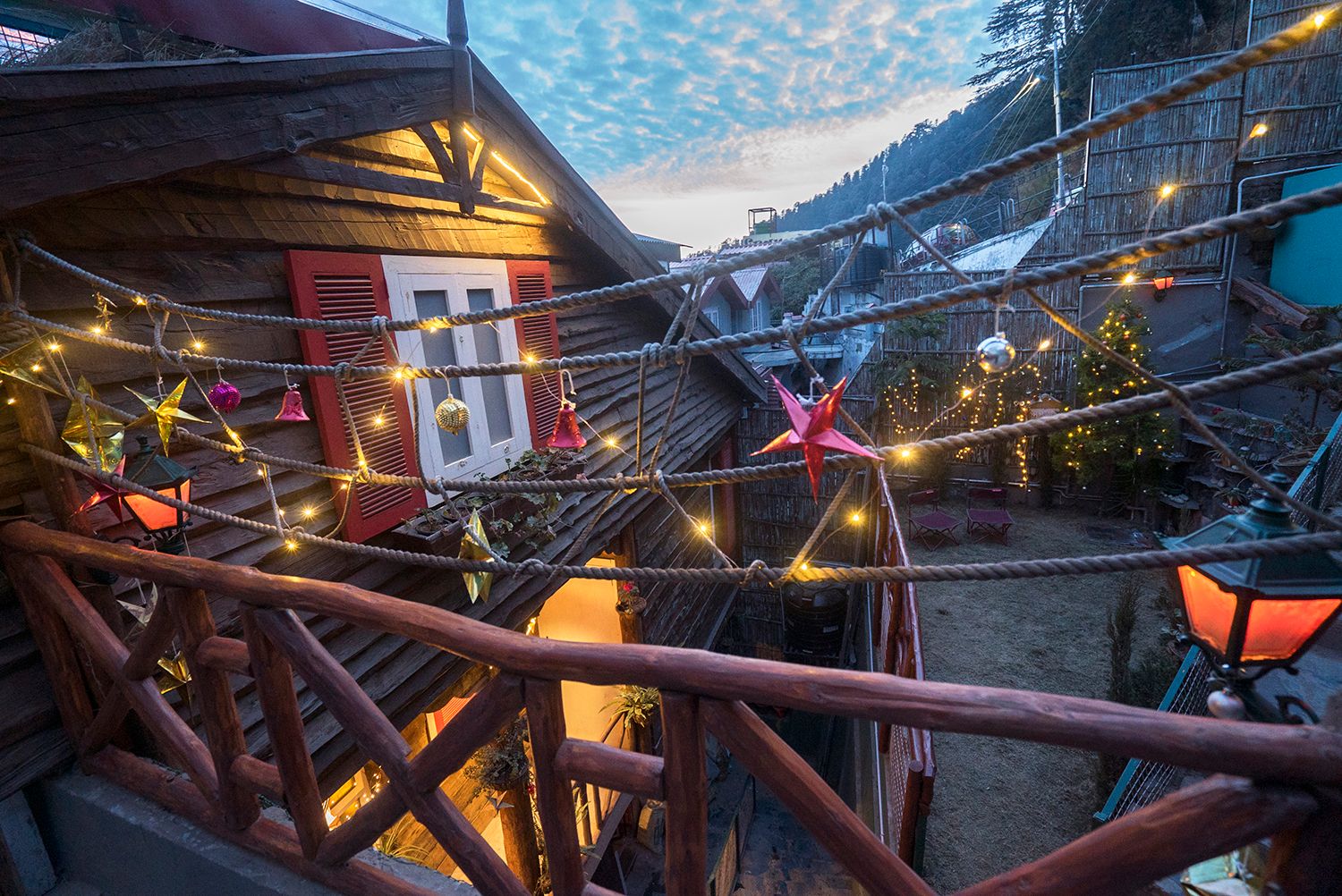
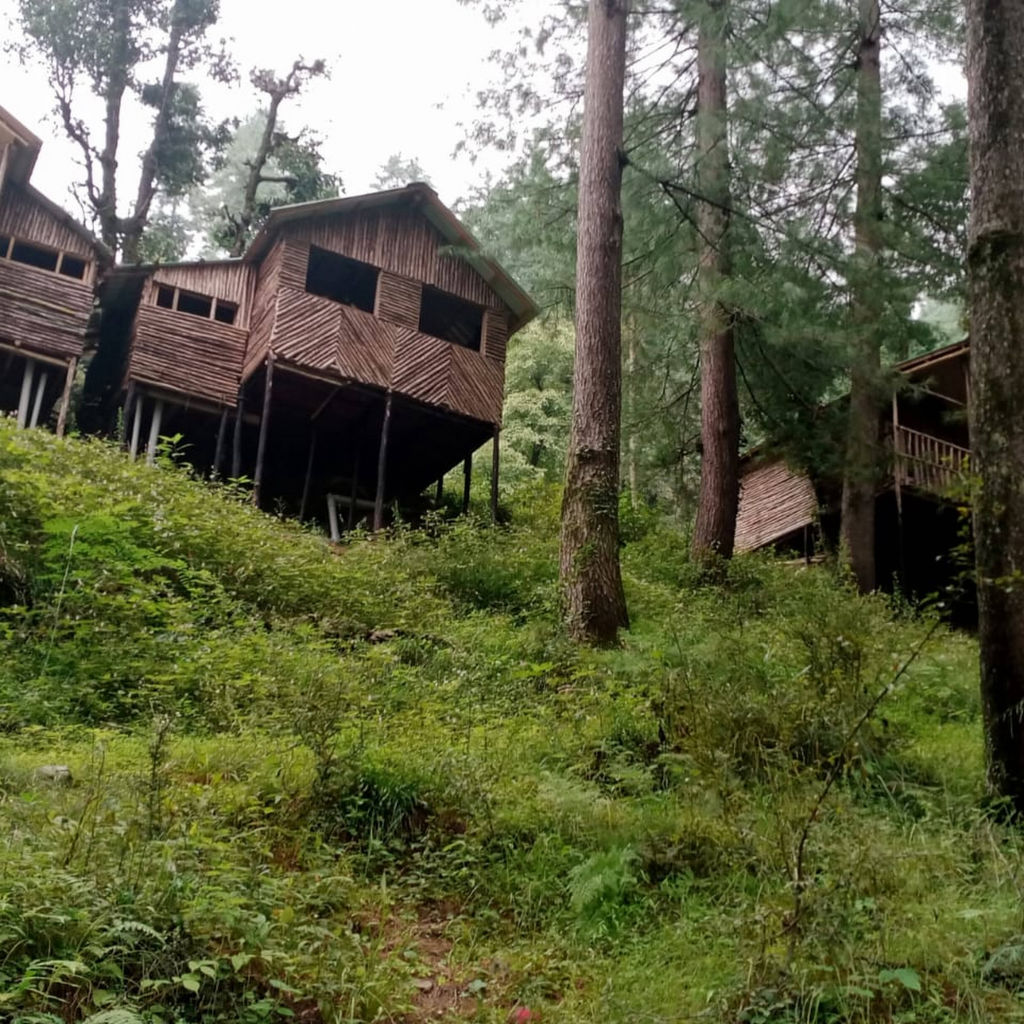
For those looking to immerse themselves in nature, peaceful farm stays, homestays, and outdoor campsites are available throughout the Solan and Shimla districts. You can discover and book verified homestays, nature retreats, and eco-friendly campsites close to the sanctuary on HireACamp to make your Himalayan getaway both comfortable and memorable.
Frequently asked questions
What is Majathal Wildlife Sanctuary known for?
Majathal Wildlife Sanctuary is widely renowned for harbouring a significant population of the rare and vulnerable cheer pheasant, as well as agile mountain ungulates such as the goral.
Can you do a jeep safari in Majathal Wildlife Sanctuary?
No, Majathal features extremely steep and precipitous mountain terrain that is not suited for conventional vehicular safaris. The sanctuary is primarily explored by walking and trekking along rugged foothill paths.
Where is Majathal Wildlife Sanctuary located?
The sanctuary is located near Darlaghat in Himachal Pradesh, overlooking the Sutlej river catchment roughly 26 to 30 kilometres northwest of Shimla.
What should I pack for a trek in Majathal?
Carry sturdy trekking footwear with good traction, plenty of water, high-energy snacks, sun protection, binoculars for birdwatching, and seasonal warm layers if visiting during the winter months.
Do I need permission to visit Majathal Wildlife Sanctuary?
Visitors should check locally with regional Himachal Pradesh Forest Department authorities in or around Darlaghat regarding current access guidelines, permits, and designated trails before entering the reserve.
Where you'll be
Darlaghat, HP · 8 stays nearby shown with prices
Stays near Majathal Wildlife Sanctuary
Book a place to stay close by

More places near Majathal Wildlife Sanctuary
Within 20 km


Lists for this area
Ranked by how many creators recommend each place

Built from 0 Instagram posts by 0 creators. Every tip links back to the post it came from, and where creators disagree we show both sides.






