
Maa Chamunda Devi Mandir
Temple near Bandla, Himachal Pradesh
700 m from Bandla
The nearest town, for stays, food and fuel.
Maa Chamunda Devi Mandir is a revered Hindu shrine nestled along the banks of the Baner River in the Kangra Valley near Palampur, Himachal Pradesh. Dedicated to Goddess Chamunda, a fierce incarnation of Durga, the temple attracts pilgrims and outdoor travellers seeking spiritual solace amid scenic mountain views. Overlooking the forested foothills and the snow-capped Dhauladhar range, it remains one of the most prominent cultural and sacred landmarks in the region.
Getting there
By road
- From BandlaNearest town2 min · 1 km
- From Ludhiana4 hr 35 min · 214 km
- From Amritsar4 hr 45 min · 229 km
- From Chandigarh5 hr 5 min · 228 km
Typical drive times without traffic. Stations and airports from OLA Maps; distances and typical drive times from OpenStreetMap (© OpenStreetMap contributors); notes from creators' Reels.
About Maa Chamunda Devi Mandir
Written with AI from map data and general knowledge. Check prices and timings locally before you go.
About Maa Chamunda Devi Mandir
Maa Chamunda Devi Mandir stands as one of the most venerated pilgrimage destinations in the Kangra Valley. According to Hindu belief, this site marks the spot where the Mother Goddess vanquished the demon generals Chanda and Munda after an epic confrontation described in ancient texts. Chamunda, an aspect of Devi embodying protective power and primal energy, is worshipped here in an active, living temple setting that has served local hill communities for centuries.
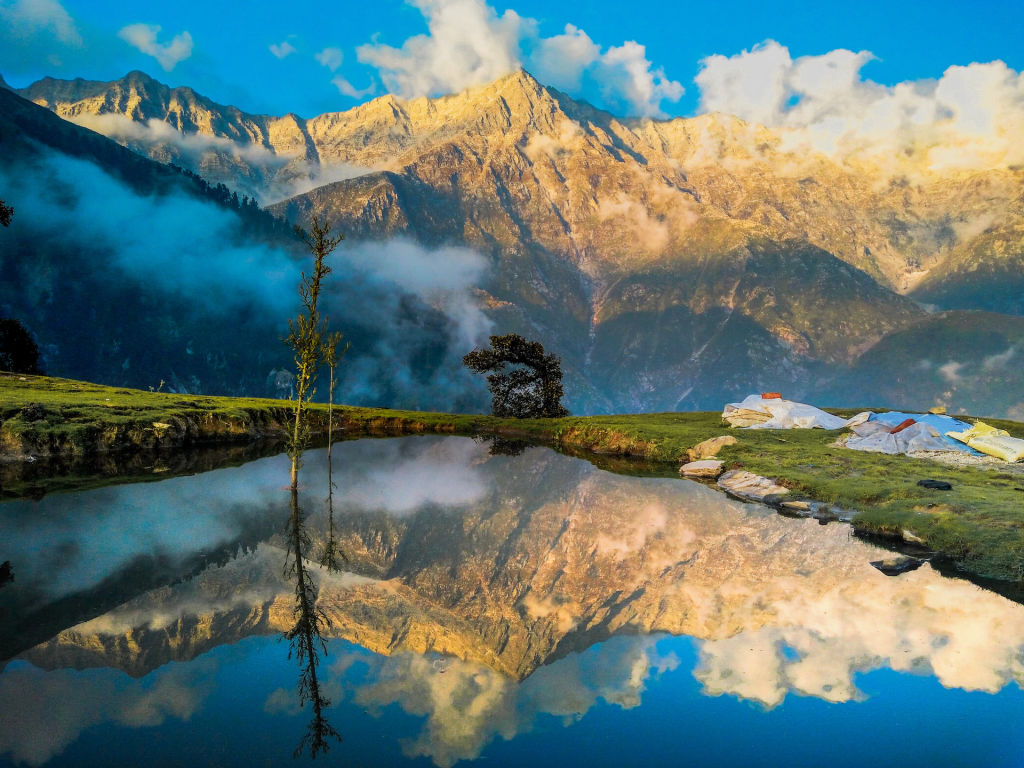
The complex sits on the banks of a roaring mountain stream, where the rushing glacial waters create a continuous, rhythmic backdrop to the ringing temple bells. Unlike quieter forest shrines, Maa Chamunda Devi Mandir buzzes with traditional worship, devotional songs, and the movement of families offering prayers. The shrine courtyard looks outward across the valley floor towards the dramatic vertical wall of the Dhauladhar mountains, offering a blend of spiritual devotion and natural Himalayan grandeur.
The Temple Complex and Atmosphere
Approaching the temple, visitors pass through entrance courtyards adorned with traditional carved woodwork and stone pillars typical of hill architecture in Himachal Pradesh. The central sanctum houses the primary idol of the goddess, draped in bright red and gold fabrics, receiving offerings of flowers, coconuts, and sweets from visiting devotees. Behind the sanctum, a rock-carved shrine dedicated to Lord Shiva in the form of Nandikeshwar represents the eternal companion to the Goddess, anchoring the temple's philosophical significance.
A notable characteristic of the temple is its riverside bathing ghat and cremation grounds, reflecting ancient traditions where life, death, and spiritual release coexist in the presence of the divine. Steps lead down towards the river, where cold, clear Himalayan waters flow over rounded boulders. Travellers often pause by the riverbanks to wash their hands and feet before entering the sacred halls, or simply sit on the stone embankments to absorb the crisp mountain air and spiritual ambience.
Read more
Best Time to Visit
The temple can be visited throughout the year, but the experience changes considerably with the turning of the Himalayan seasons. Spring and early summer, spanning from March to June, offer pleasant weather with mild daytime temperatures and clear skies. This period is ideal for travellers looking to combine temple visits with walks through the surrounding tea estates and pine forests around Palampur.
The monsoon months between July and September bring heavy rainfall across the Kangra Valley. During this time, the river swells into a thunderous torrent and the surrounding slopes turn intensely green, though roads can occasionally face rain-induced disruptions. Autumn, running from October to November, provides sharp views of the snow-dusted Dhauladhar peaks, cool mountain breezes, and festive energy during regional autumn festivals. Winter brings a sharp drop in temperatures, with crisp, chilly mornings and quiet afternoons that appeal to those who prefer contemplative, uncrowded journeys.
How to Reach Maa Chamunda Devi Mandir
Maa Chamunda Devi Mandir is conveniently located in the Palampur sub-district, well connected by road to major towns across the Kangra region. The temple sits along the road corridor connecting Dharamshala and Palampur, making it easy to access by private car, taxi, or local state transport buses that run regular routes between these key transit points.
For those travelling from farther away, the nearest broad-gauge railway hub is Pathankot in Punjab, from where local buses and shared vehicles travel up into the hills. The regional airport at Gaggal near Kangra serves flights from major northern Indian cities, situated a short road journey away from the temple complex. Narrow-gauge toy train services also operate through the Kangra Valley, stopping at nearby stations for travellers who prefer a slow, scenic route winding through the terraced hill country.
Places to Visit Nearby
A trip to Maa Chamunda Devi Mandir can easily be paired with other scenic and historical attractions in the Kangra district. Just a short drive eastward lies Palampur, celebrated for its sprawling tea estates, colonial-era architecture, and pine-shaded walking paths. Visitors can explore local tea gardens and unwind at riverside spots along the Neugal Khad stream while sampling regional hill snacks.
Heading westward takes travellers towards the ancient Kangra Fort, situated roughly twenty-six kilometres away, which offers a deep look into the military history and royal heritage of the Katoch dynasty. Further northwest lies McLeod Ganj, roughly twenty-four kilometres from the temple, known for its vibrant Tibetan culture, monastery complexes, and mountain trailheads. Outdoor enthusiasts looking for raw wilderness can venture towards Lapas Waterfalls, situated about thirty-two kilometres away along the foothills, providing quiet natural scenery away from towns.
Tips for Your Visit
Visiting a sacred mountain shrine requires mindfulness of local customs and traditions. Guests are expected to dress modestly, covering their shoulders and knees before entering the inner sanctum. Footwear must be removed at designated shoe stalls outside the entrance before proceeding onto the clean stone courtyards of the temple.
Photography is typically restricted or prohibited inside the main sanctum sanctorum, so look out for signage and follow the instructions given by temple attendants. The riverside steps can be slippery, especially during and after showers, so take care when walking near the riverbanks. Because mountain weather can change swiftly, bringing sudden chills even on bright sunny afternoons, keeping a light jacket or shawl on hand is always sensible when exploring the Kangra Valley.
Where to Stay
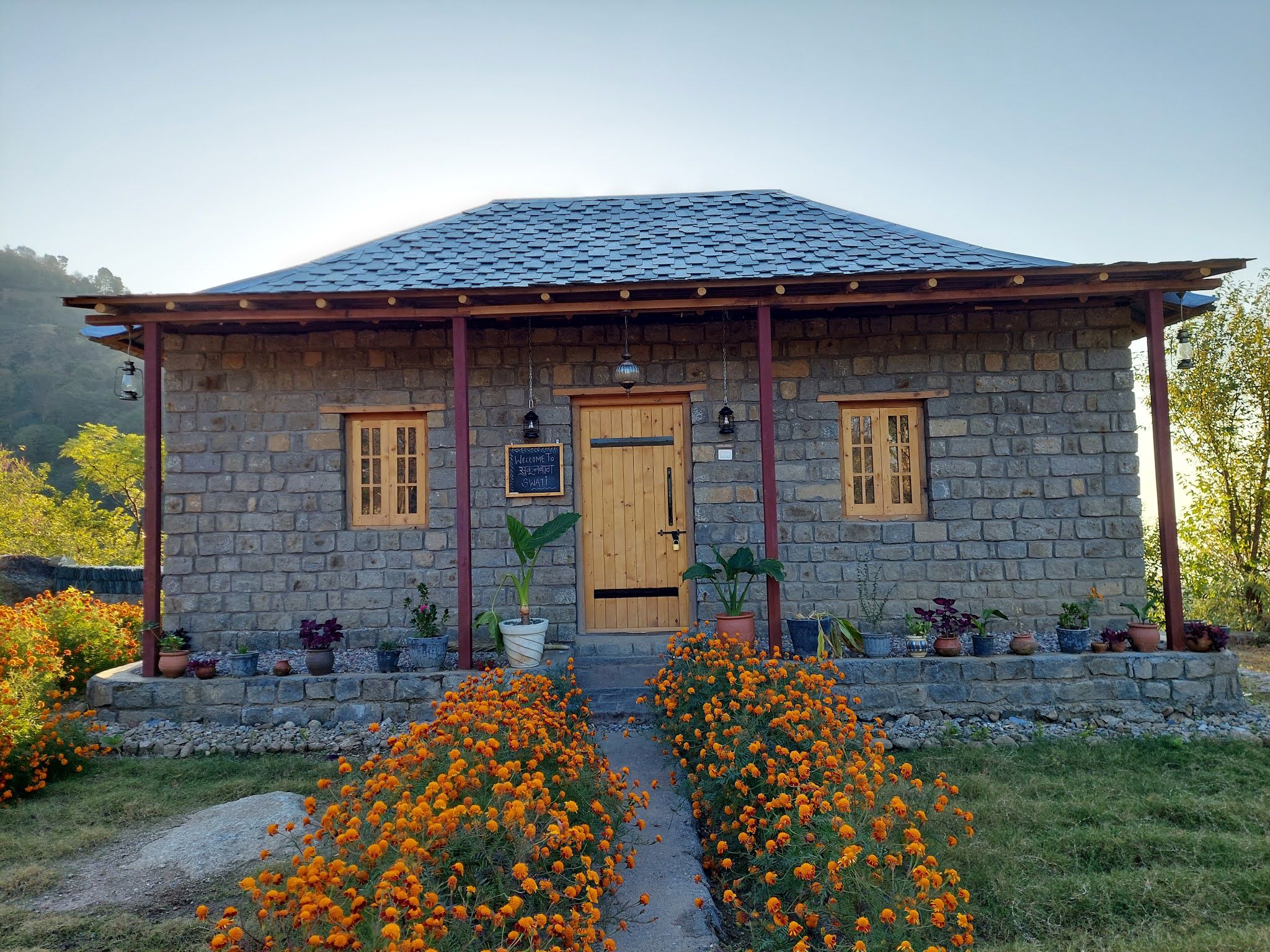
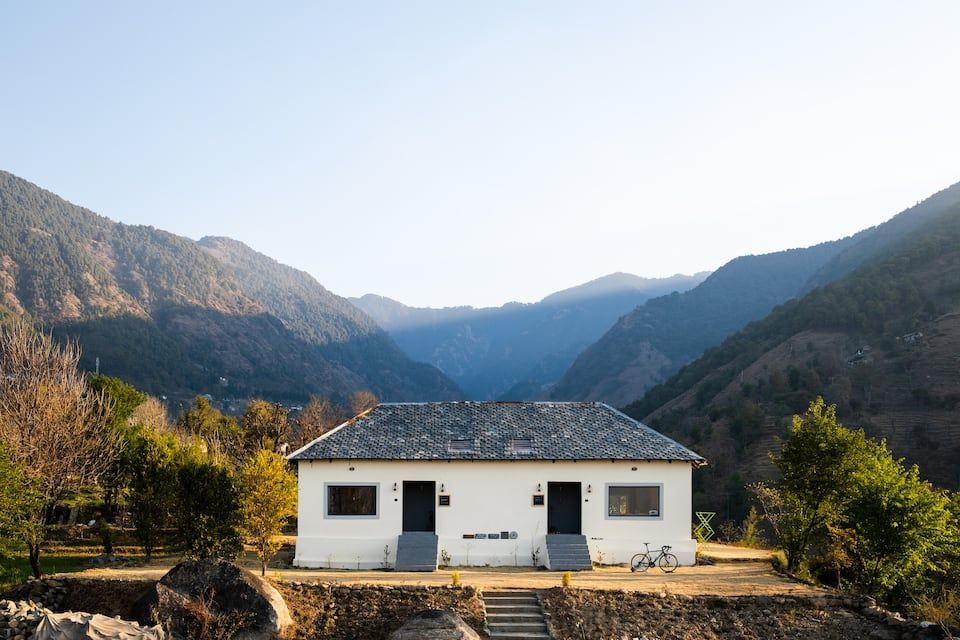
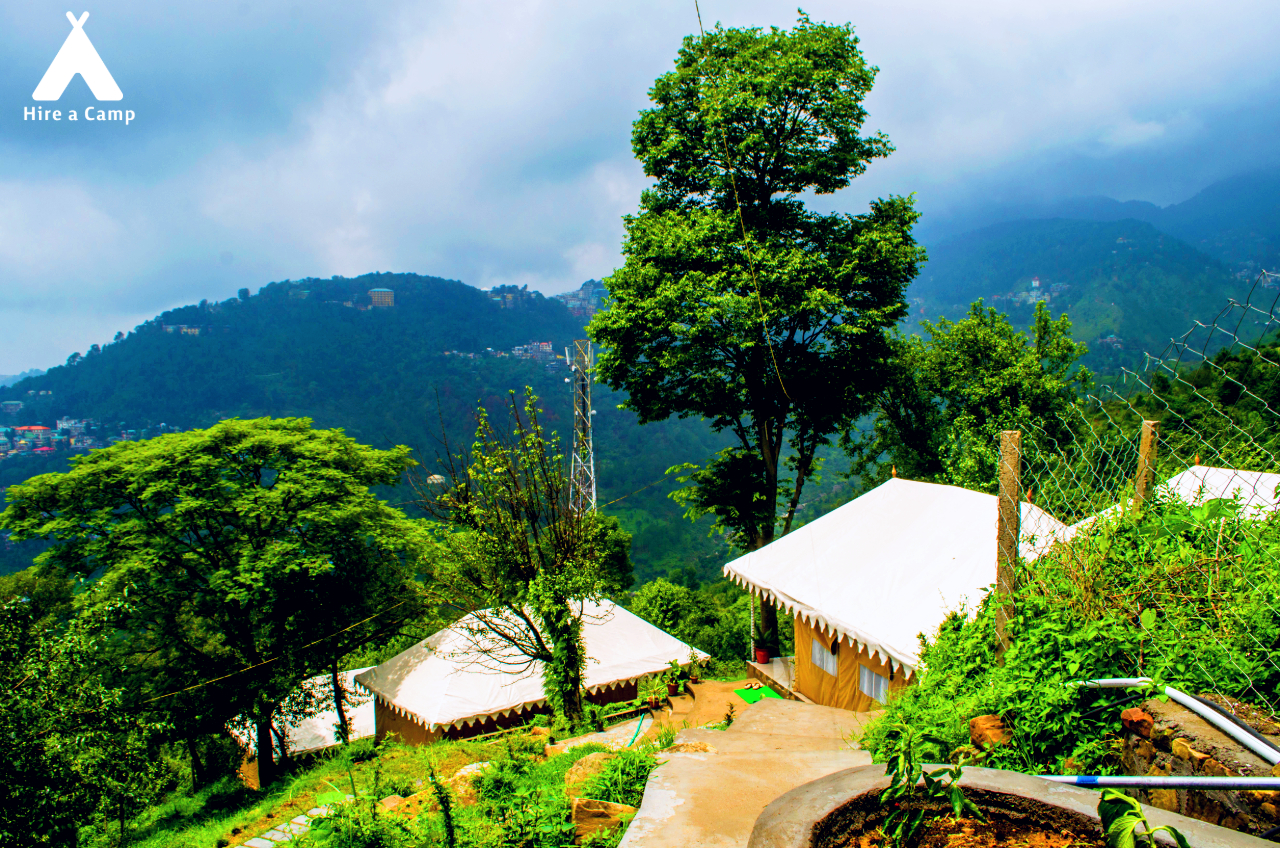
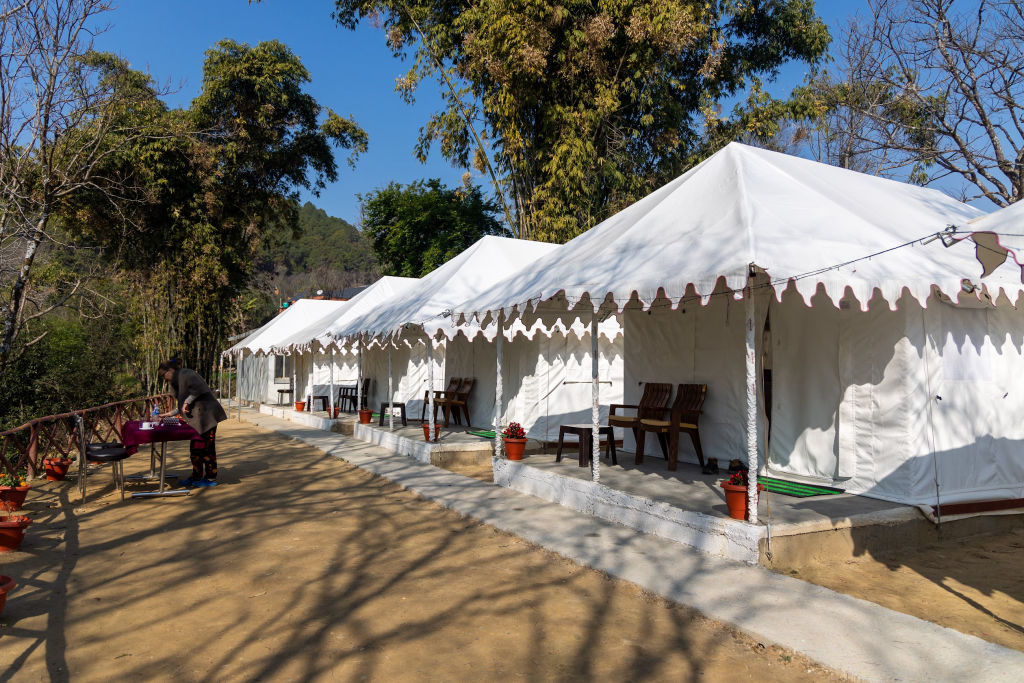
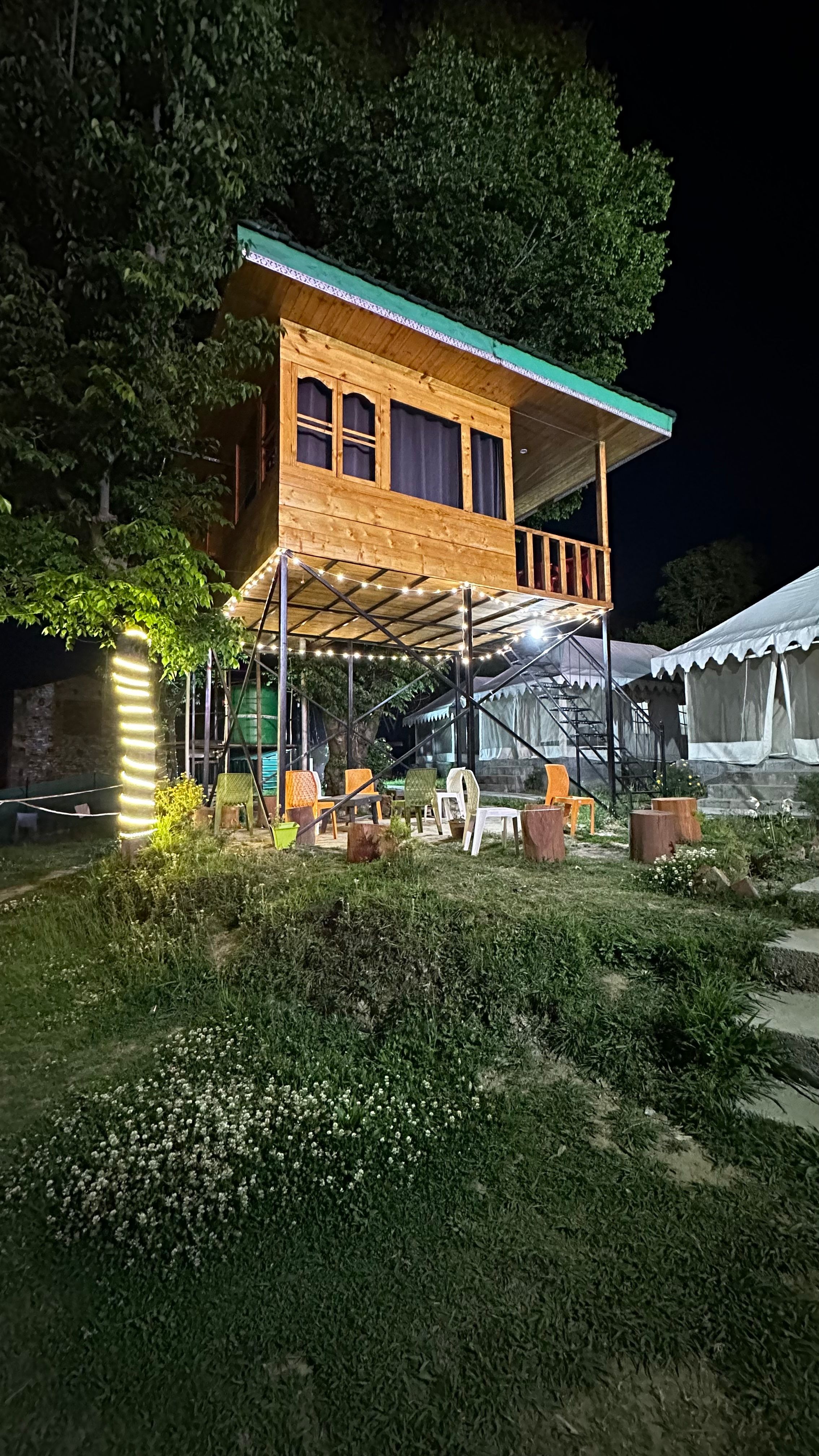
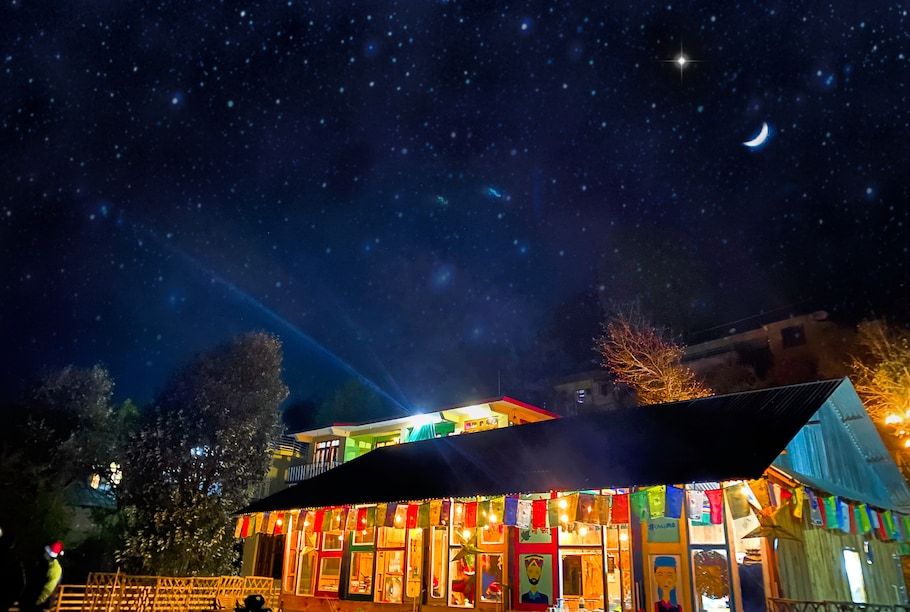
The region around Palampur and the Kangra Valley offers a wide range of stay choices suitable for different travel styles, from rustic homestays tucked into terraced farms to comfortable family stays surrounded by pine woods. Travellers can find eco-camps, heritage homes, and peaceful mountain stays nearby on HireACamp. Staying near Palampur or along the scenic rural roads outside town allows you to visit the temple early in the day while enjoying quiet mountain evenings.
Frequently asked questions
Where is Maa Chamunda Devi Mandir located?
The temple is located along the Baner River in the Palampur sub-district of Kangra, Himachal Pradesh, easily accessible from both Palampur and Dharamshala.
What is the best time of year to visit the temple?
The ideal time to visit is from March to June for pleasant weather, or between October and November for clear views of the Dhauladhar range and festive celebrations.
Is there a dress code for visiting the temple?
Yes, visitors should dress modestly with shoulders and knees covered, and all footwear must be taken off at the entrance before stepping inside the shrine complex.
What attractions can be explored near Maa Chamunda Devi Mandir?
Nearby attractions include the tea gardens of Palampur, the historic Kangra Fort, the cultural hub of McLeod Ganj, and natural spots like Lapas Waterfalls.
How do I find accommodation near the temple?
You can find pleasant homestays, nature retreats, and mountain campsites near Palampur and the Kangra Valley by searching on HireACamp.
Where you'll be
Maa Chamunda Mandir, Palampur Sub-District · 7 stays nearby shown with prices
Stays near Maa Chamunda Devi Mandir
Book a place to stay close by
More places near Maa Chamunda Devi Mandir
Within 20 km


Built from 0 Instagram posts by 0 creators. Every tip links back to the post it came from, and where creators disagree we show both sides.






