
Palampur
Destination in Himachal Pradesh
Palampur is a serene hill town in Himachal Pradesh's Kangra Valley, known widely as the tea capital of northwest India. Framed by the jagged, snow-dusted Dhauladhar range and enveloped in fragrant pine forests, the town draws travellers seeking quiet walks, historic architecture, and expansive green tea gardens. It serves as an unhurried mountain base with easy access to cultural hubs, trekking trails, and heritage sites across Kangra.
Getting there
By road
- From Ludhiana4 hr 50 min · 221 km
- From Amritsar5 hr · 237 km
- From Chandigarh5 hr 25 min · 236 km
- From Dehradun8 hr 45 min · 418 km
Typical drive times without traffic. Stations and airports from OLA Maps; distances and typical drive times from OpenStreetMap (© OpenStreetMap contributors); notes from creators' Reels.
About Palampur
Written with AI from map data and general knowledge. Check prices and timings locally before you go.
About Palampur and Kangra Valley
Palampur sits at an elevation of roughly 1,220 metres above sea level in the foothills of the western Himalayas. Its mild climate, steady rainfall, and abundant streams flowing down from the Dhauladhar mountains made it an ideal location for tea cultivation when British botanists first established plantations here in the mid-nineteenth century. Unlike heavily commercialised hill stations, Palampur has managed to retain an understated, residential rhythm where vast stretches of tea bushes meet dense stands of chir pine and deodar trees.
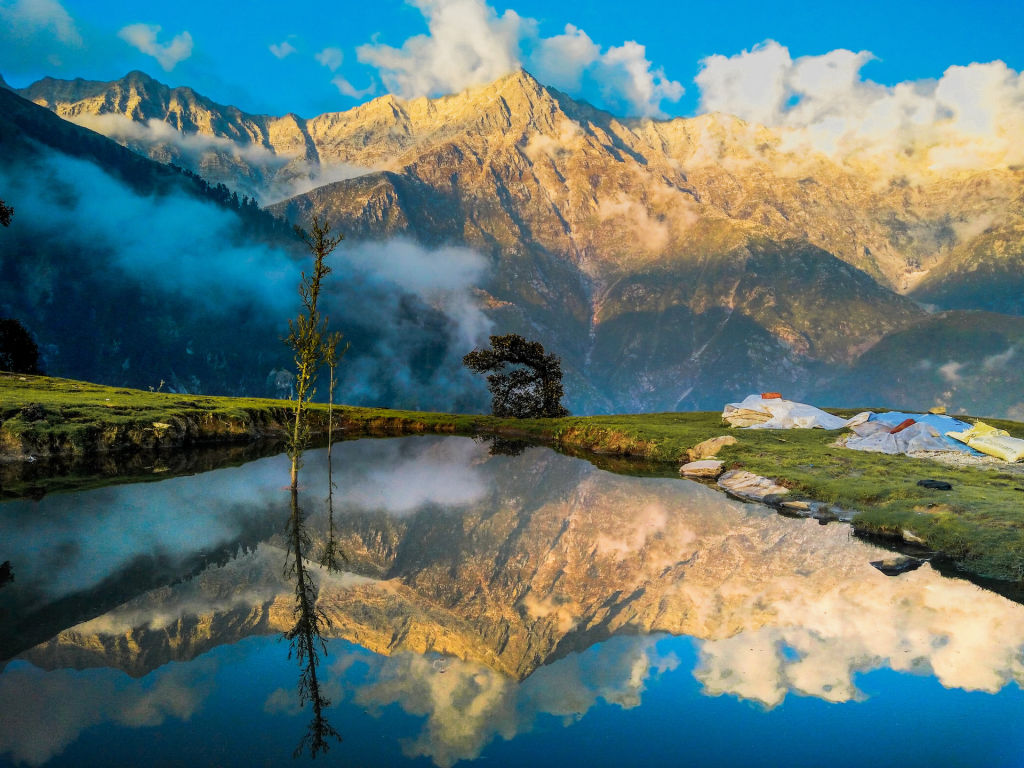
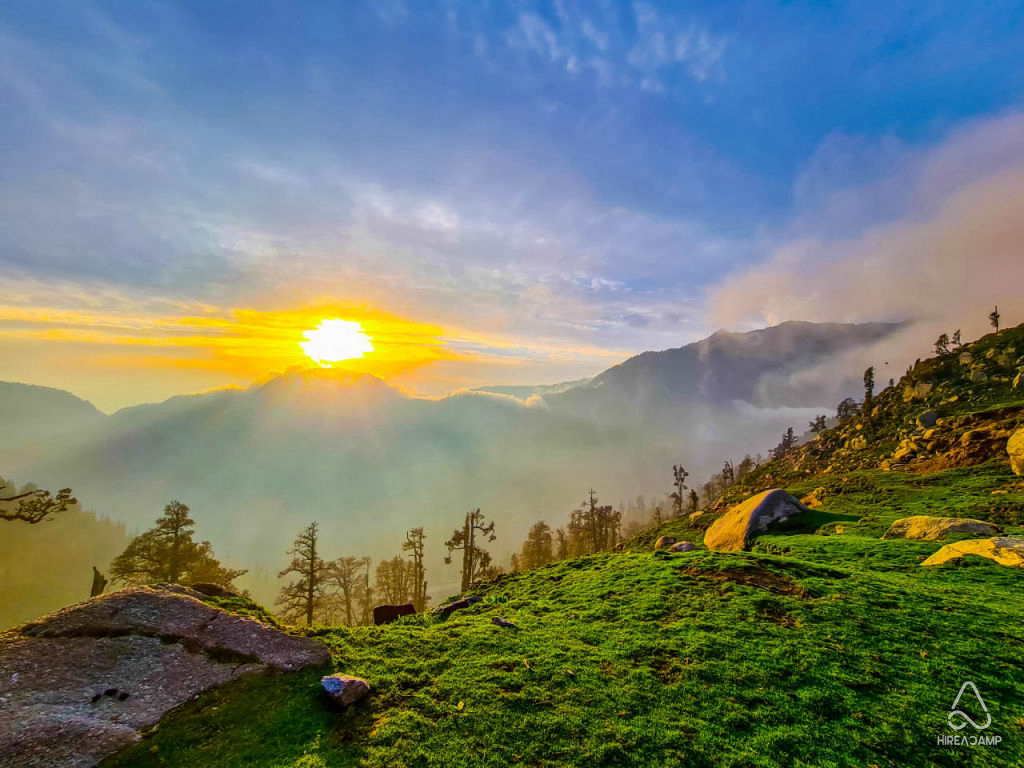
The town draws its identity from water and greenery; in fact, the name Palampur originates from 'pulum', a local term for abundance of water. Meltwater channels and the Neugal Khad river cut through deep rocky chasms right on the edges of town, providing sweeping views of the vertical mountain ridge that rises immediately behind the valley floor. It is a destination defined not by hurried sightseeing itineraries, but by calm mornings, refreshing mountain breezes, and leisurely outdoor walks.
Things to do in Palampur
Walking through the manicured tea estates is central to the Palampur experience. Pathways wind gently between low green tea bushes, where you can watch tea pluckers at work during harvesting seasons and take in the contrasting backdrop of dark pine slopes and high mountain crags. Several cooperative and historic tea factories welcome curious travellers to observe how green and black Kangra teas are processed, graded, and dried, offering tea tastings that showcase the delicate floral notes characteristic of the region.
Another defining landscape feature is Neugal Khad, a wide pebble-strewn river chasm carved out by mountain torrents. The banks of Neugal Khad provide a tranquil setting for afternoon strolls and photography, particularly on clear days when the snowy ridges of the Dhauladhar reflect against the water. For those interested in regional arts, the neighbouring hamlet of Andretta is an easy excursion. Known historically as an artist colony, it continues to foster traditional studio pottery and features heritage galleries dedicated to regional painting and theatre traditions.
Read more
Outdoor experiences and walking trails
Palampur is an excellent hub for walking enthusiasts who prefer gentle forest trails over strenuous high-altitude mountaineering. Numerous winding village roads and forest footpaths lead out of the town centre into forested hillsides scented with pine resin. Early mornings are rewarding for birdwatching, as the varied habitat of agricultural terraces, tea gardens, and mixed pine woods attracts Himalayan birds including whistling thrushes, barbets, minivets, and flycatchers.
For more adventurous hikers, the terrain gradually steepens north of Palampur towards the lower flanks of the Dhauladhar range. Day hikes along village trails lead towards scenic ridgelines, secluded temples, and terraced farms that overlook the broader Kangra Valley. The flowing mountain streams around the outskirts of town also offer quiet spots to sit by cool waters, read, or sketch in relative isolation.
Places to visit around Palampur
A short journey beyond town unlocks some of Himachal Pradesh's most celebrated cultural and natural landmarks. Roughly 22 kilometres away lies McLeod Ganj, the vibrant residence of the Dalai Lama and the seat of the Tibetan government-in-exile. Set higher up in the hills, McLeod Ganj offers bustling markets, traditional Tibetan monasteries, meditation centres, and winding alleys lined with mountain cafes.
History enthusiasts can head approximately 24 kilometres west to explore Kangra Fort, one of the oldest surviving forts in India. Built on a dramatic cliff overlooking the confluence of the Banganga and Majhi rivers, this imposing citadel has stood witness to centuries of invasions and royal dynastic shifts, complete with massive stone gateways, ruined courtyards, and ancient shrines. If you seek undisturbed natural scenery, Lapas Waterfalls, located about 35 kilometres away, makes for a refreshing outdoor escape. Tucked into lush forested folds of the valley, the falls cascade into clear natural pools and offer a peaceful spot for a picnic away from major highways.
Best time to visit Palampur
Palampur enjoys a relatively temperate climate compared to both the lowlands of Punjab and the extreme cold of higher Himalayan passes. Spring and summer, spanning from March to June, bring bright, pleasant weather with temperatures rarely reaching uncomfortable highs. This period is ideal for walking through tea estates, visiting nearby landmarks, and escaping the severe summer heat of northern India's plains.
The monsoon arrives between July and September, bringing intense and frequent rainfall to the southern slopes of the Dhauladhar. While heavy rains can occasionally disrupt road travel, the valley becomes remarkably lush, with mist swirling through tea bushes and waterfalls flowing at full strength. Autumn, covering October and November, is widely regarded as one of the best times to visit; the skies clear completely, humidity drops, and the Dhauladhar peaks appear sharply etched in brilliant white against clear blue skies. Winter runs from December to February, bringing crisp, cold days and freezing nights, making it a wonderful season for those who enjoy wood fires, winter sunshine, and uncrowded streets.
How to reach Palampur
Reaching Palampur is straightforward by air, rail, or road. The nearest airport is Kangra Airport at Gaggal, which connects the valley with scheduled domestic flights from major cities like Delhi. From the airport, taxis and local buses travel directly into Palampur via scenic valley highways.
For train travellers, the broad-gauge railhead at Pathankot is the main point of arrival. From Pathankot, you can board the historic Kangra Valley narrow-gauge toy train, which chugs gently up through pine-clad ridges and across arched bridges to the Maranda railway station, located just a few kilometres outside Palampur. The town is also well served by state transport and private buses operating from Delhi, Chandigarh, Shimla, and Dharamshala, while motorists can enjoy a scenic drive through well-paved mountain roads via the Pathankot-Mandi highway.
Where to stay in Palampur
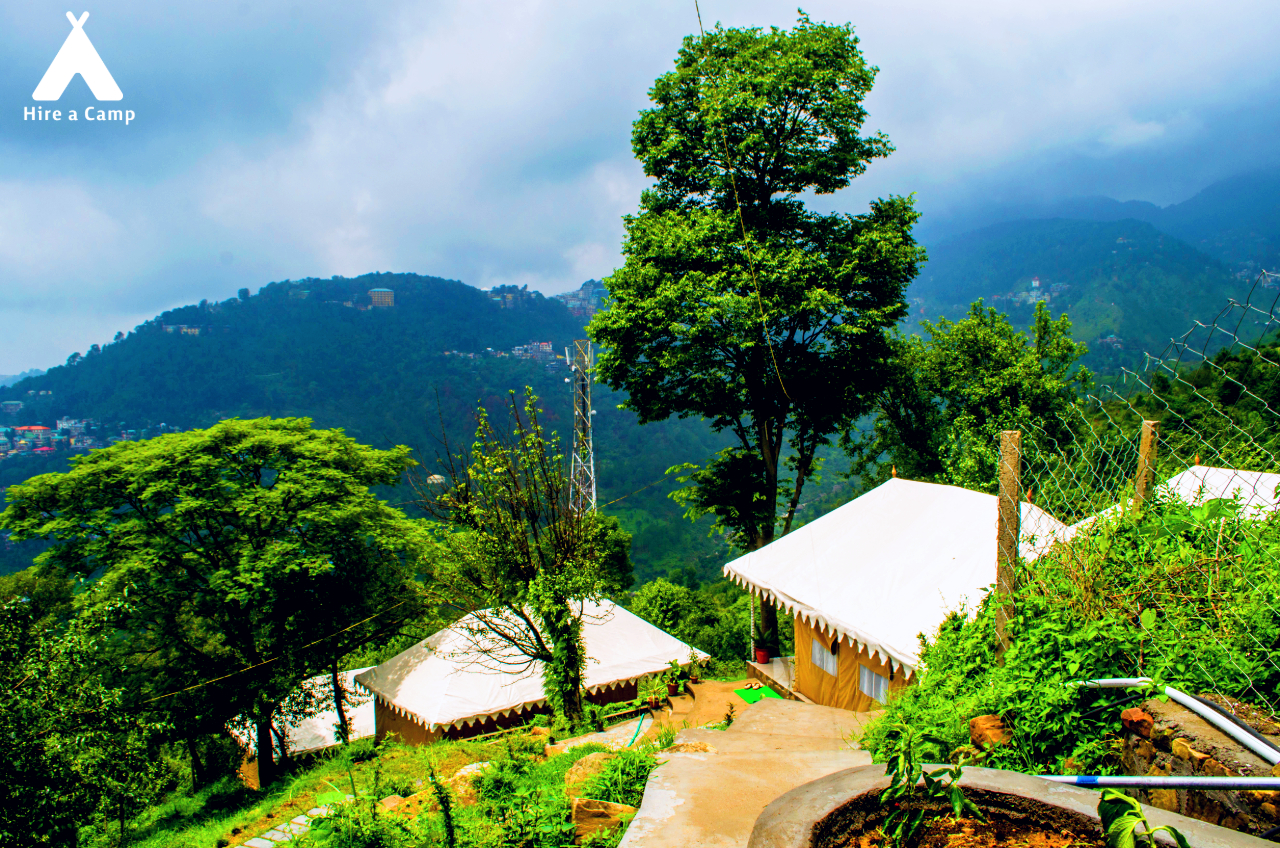
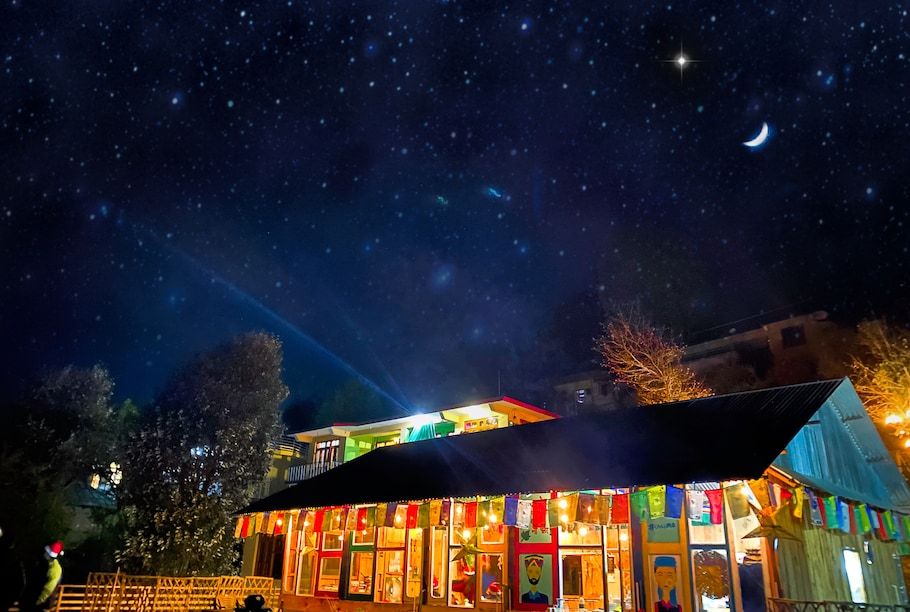
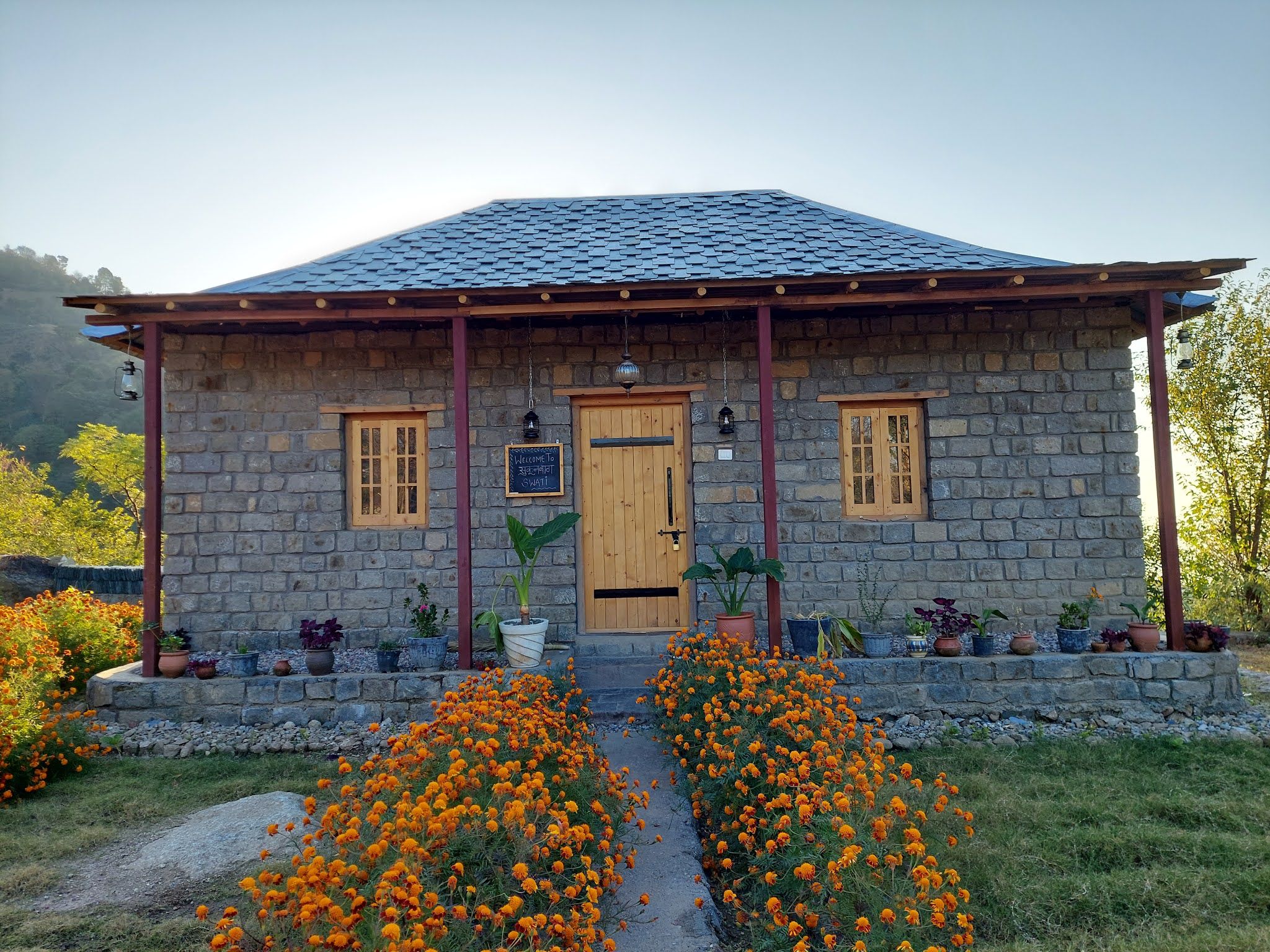
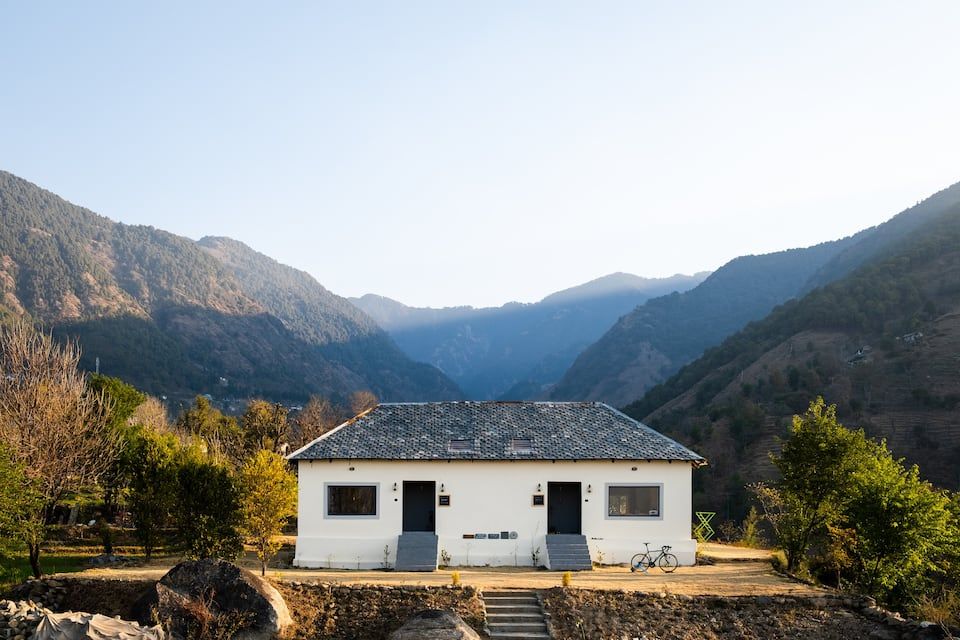
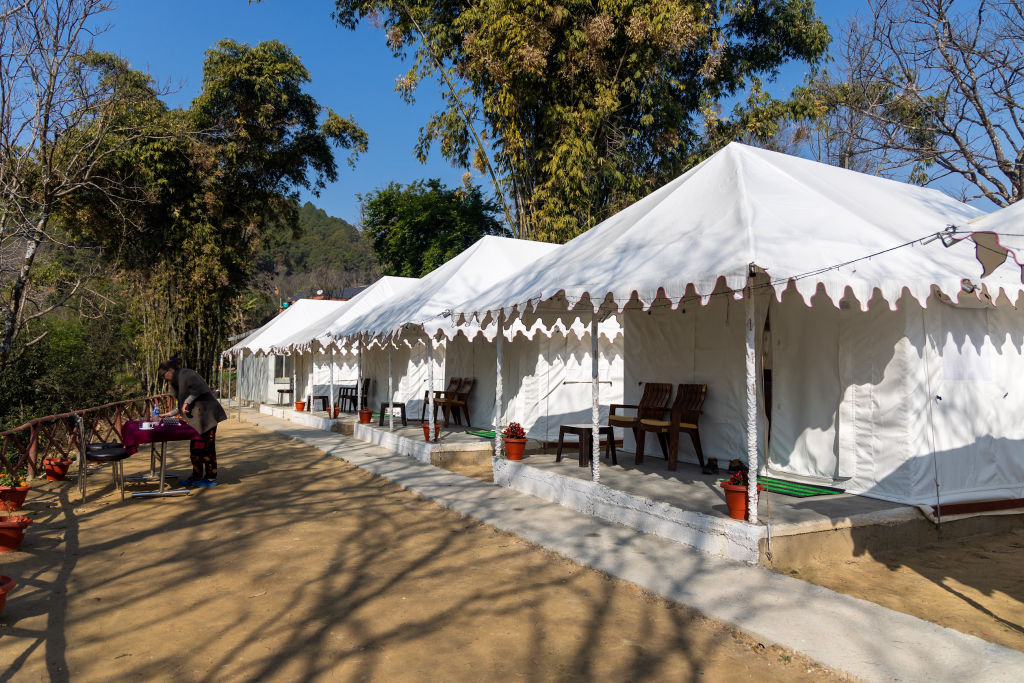
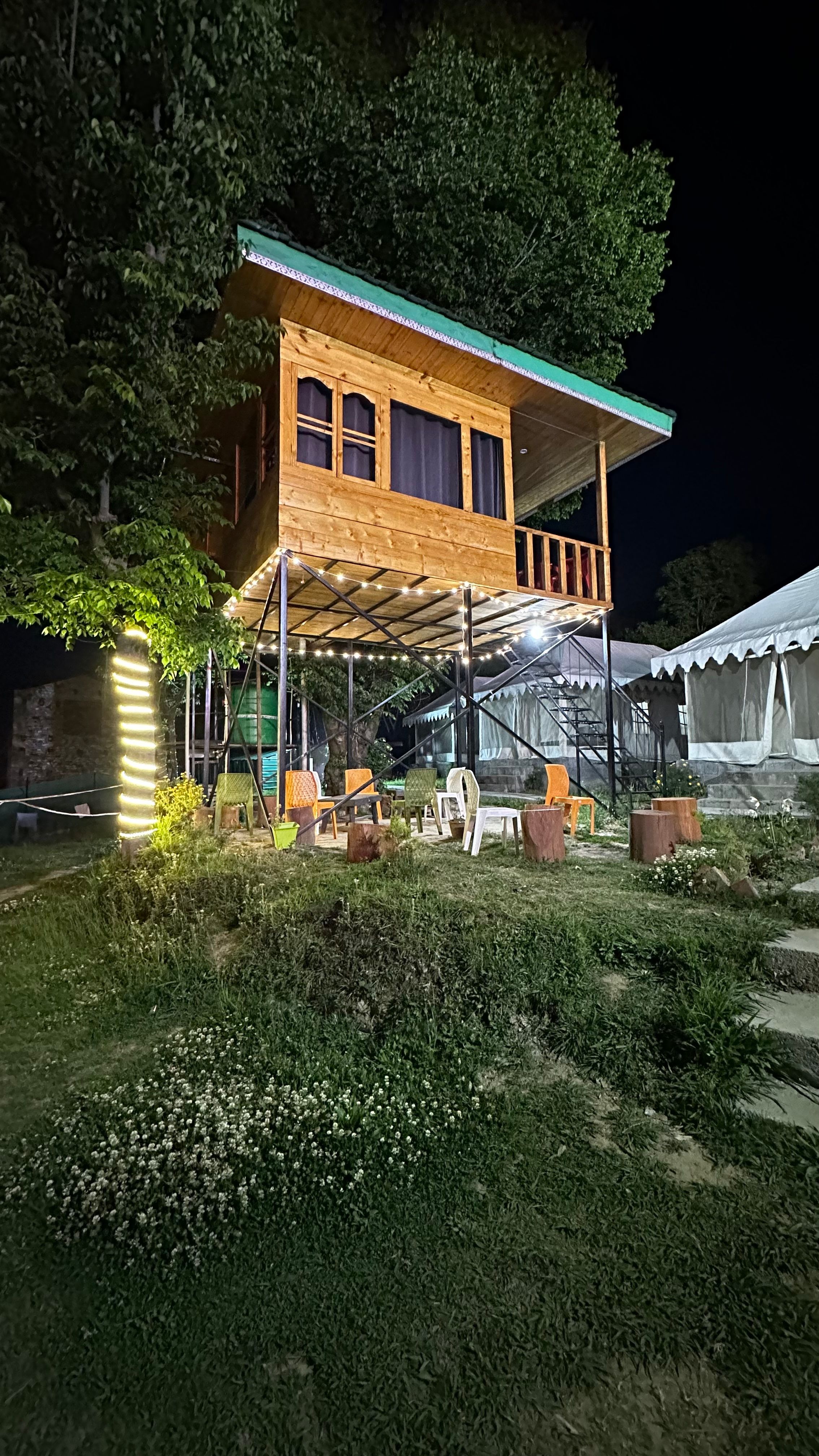
Accommodations around Palampur reflect the peaceful, nature-oriented character of the Kangra Valley. Travellers can find rustic riverside campsites, boutique cottages nestled beneath pine canopies, and traditional homestays set directly inside working tea plantations. Staying with local hosts gives you an intimate look at Kangra hospitality, regional home-cooked cuisine, and daily life on the estate. You can browse and book a wide selection of authentic homestays, nature retreats, and outdoor camps around Palampur on HireACamp.
Frequently asked questions
What is Palampur most famous for?
Palampur is best known for its Kangra tea gardens, pine-covered slopes, and spectacular views of the Dhauladhar mountain range. It is also celebrated for its colonial heritage, artist colonies, and tranquil mountain atmosphere.
Is Palampur suitable for a family holiday?
Yes, Palampur's gentle terrain, comfortable climate, and relaxed pace make it an excellent holiday destination for families, seniors, and young children. The town offers easy nature walks, tea estate tours, and straightforward road access without requiring strenuous trekking.
How far is McLeod Ganj from Palampur?
McLeod Ganj is approximately 22 kilometres straight-line distance from Palampur. By road, the journey generally takes between one and two hours depending on local valley traffic and the specific route chosen.
Can you take a toy train to Palampur?
Yes, the Kangra Valley narrow-gauge toy train runs from Pathankot to Maranda station, located just a short drive from the centre of Palampur. The ride is slow-paced and offers panoramic views of terraced farms, rivers, and the Himalayan foothills.
What should I pack for a trip to Palampur?
Light cotton clothing with a light fleece or sweater is sufficient for spring and summer, while warm woollens, thermals, and an insulated jacket are necessary for winter. If you plan to explore the trails and tea estates, comfortable walking shoes with good grip are essential throughout the year.
Where you'll be
8 stays nearby shown with prices
Stays near Palampur
Book a place to stay close by
Things to do in Palampur
48 places creators recommend within 30 km


Built from 0 Instagram posts by 0 creators. Every tip links back to the post it came from, and where creators disagree we show both sides.






