
Marayoor
Forest near Devikolam, Kerala
9.4 km from Devikolam
The nearest town, for stays, food and fuel.
Marayoor is a scenic rain shadow region and natural sandalwood forest nestled in the Western Ghats near Munnar, Kerala. Renowned for its ancient stone dolmens, sprawling sugarcane farms, and aromatic sandalwood groves, it offers a starkly different landscape from the mist-covered tea gardens of nearby hill stations. Travellers visit Marayoor to explore prehistoric heritage sites, witness traditional jaggery making, and experience untamed highland biodiversity.
Getting there
By road
- From DevikolamNearest town35 min · 25 km
- From Kochi3 hr · 145 km
- From Coimbatore3 hr 20 min · 137 km
- From Madurai4 hr 5 min · 171 km
Typical drive times without traffic. Stations and airports from OLA Maps; distances and typical drive times from OpenStreetMap (© OpenStreetMap contributors); notes from creators' Reels.
About Marayoor
Written with AI from map data and general knowledge. Check prices and timings locally before you go.
Understanding Marayoor
Situated on the eastern slopes of the Western Ghats in Kerala, Marayoor lies in a distinct rain shadow belt, creating a climate and terrain that contrast sharply with the lush tea estates of Munnar. The region is famously home to the only natural sandalwood forest in Kerala, protected meticulously by the forest department. As you approach the area, the dense canopy gives way to open scrubland, rocky hills, and winding rivers framed by wild vegetation.
Beyond its rare flora, Marayoor holds immense historical and archaeological importance. The landscape is scattered with Neolithic megalithic dolmens, locally known as Muniyaras, constructed from massive stone slabs by ancient civilisations thousands of years ago. Walking through the valley feels like moving across different eras, where prehistoric relics overlook active sugarcane fields and pockets of dense mountain woodland.
Things to see and do in Marayoor
The natural sandalwood groves remain the primary highlight for visitors travelling through Marayoor. A walk or drive along the forest reserve borders lets you take in the subtle scent of sandalwood trees intermingled with wild highland shrubs. While entry into the core reserved areas is strictly restricted and monitored, viewing the vast tracts of these protected trees against the undulating backdrop of the Western Ghats is a distinctive experience.
Exploring the Muniyaras is another essential activity. These ancient burial chambers are perched on rocky hilltops, offering sweeping vistas of the surrounding valley alongside an encounter with prehistoric human settlement. You can see numerous stone structures that have stood for millennia, sheltered only by granite canopies.
Agriculture plays a vital role in the character of Marayoor. The area is famous for its artisanal jaggery, made from indigenous sugarcane cultivated across local riverbeds and flat valley floors. Wandering past the sugarcane plantations, you will often find traditional processing sheds where the cane juice is boiled in wide copper vats and hand-rolled into dark, mineral-rich balls. Visitors often stop to observe this heritage method of production and pick up authentic jaggery directly from the makers.
Read more
Wildlife and nearby nature reserves
Because Marayoor borders several major protected forests, it serves as a critical biological corridor in the Southern Western Ghats. Just a short drive north lies Chinnar Wildlife Sanctuary, a dry deciduous forest known for its population of the endangered grizzled giant squirrel, star tortoises, spotted deer, and diverse bird species. Travelling along the forest roads often yields sightings of langurs, elephants, and herds of gaur grazing on the fringes of the reserve.
Towards the south and west, the terrain rises into the misty shola grasslands of Anamudi Shola National Park. These high-elevation ecosystems support endemic plants, rare orchids, and elusive montane animals. Flowing down through these heights are numerous mountain streams and waterfalls, including the cascading Lakkam Water Falls, where travellers stop to rest and admire the cool mountain water cutting through granite rockfaces.
Best time to visit Marayoor
Marayoor experiences a moderate climate for much of the year due to its elevation and location in the rain shadow of the Anamudi range. The post-monsoon and winter months, spanning from October to March, offer the most pleasant weather for sightseeing, outdoor walks, and exploring archaeological sites. During this period, daytime temperatures remain comfortably cool, while the nights can become crisp and chilly.
Unlike Munnar, which receives massive amounts of rainfall during the southwest monsoon between June and August, Marayoor gets significantly less rain, though the surroundings still turn vibrant green. Visiting during these months gives you clean air, rushing mountain streams, and misty mountain backdrops, though outdoor treks across rocky terrain require careful footing. The summer months from April to May can become relatively warm and dry during the midday hours, making early morning and late afternoon the best times for outdoor excursions.
How to reach Marayoor
Marayoor is typically accessed via the hill town of Munnar, which sits about forty kilometres away along a winding and scenic mountain route that passes tea plantations, shola patches, and river valleys. For those arriving from Tamil Nadu, Marayoor can also be reached from Udumalpet via Chinnar, a road journey that climbs gradually through scrub forests and rocky foothills into the mountains.
The nearest major railway stations are located at Aluva and Ernakulam in Kerala, or Coimbatore and Pollachi across the border in Tamil Nadu. The closest international airports are Cochin International Airport and Coimbatore International Airport. From these transport hubs, you can hire a private taxi, drive, or board state transport buses that regularly ply the Munnar to Udumalpet route via Marayoor.
Tips for your visit
When travelling through Marayoor, remember that the sandalwood reserves and surrounding national sanctuaries are fragile ecological zones under strict forest protection. Never attempt to venture off designated roads or enter fenced forest plots without official guidance. It is illegal to tamper with or collect wild flora, sandalwood bark, or stone structures.
Wear sturdy walking shoes with good traction, particularly if you plan to walk up the granite hills to view the dolmens. Carry a sun hat, water, and lightweight protective layers during the day, as shade can be limited on the open rocky plateaus. In the evenings, temperatures drop, so having a warm jacket or fleece is recommended. Always carry cash for local produce purchases, as electronic payments may not always work smoothly in remote valley settlements.
Where to stay around Marayoor
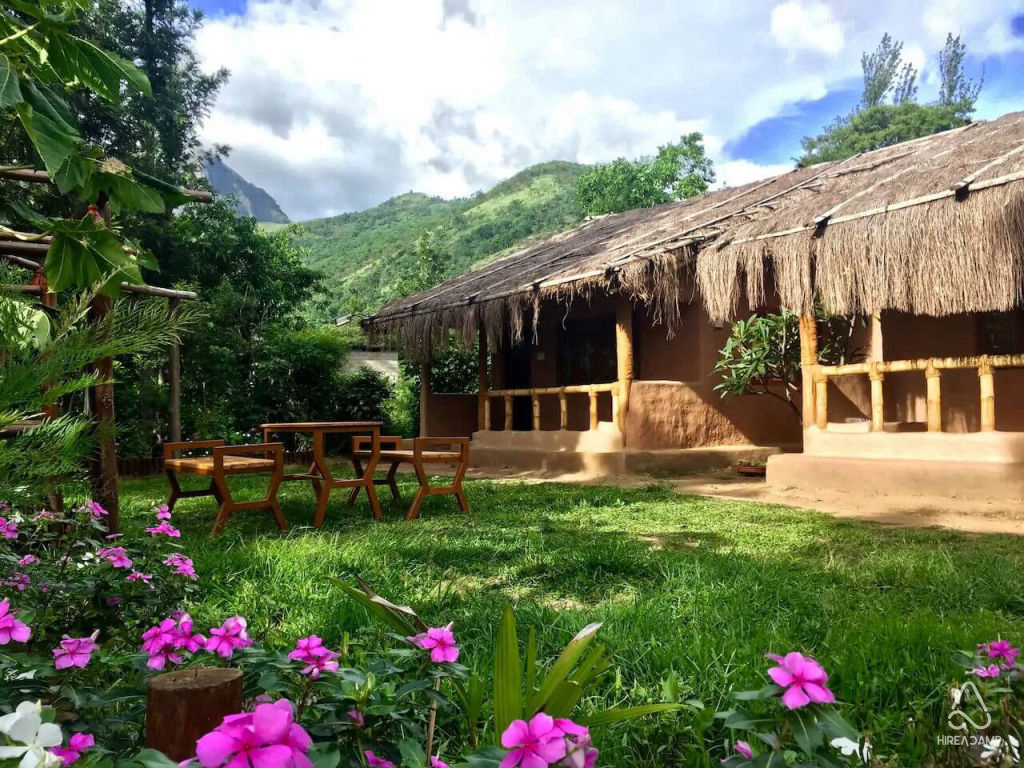
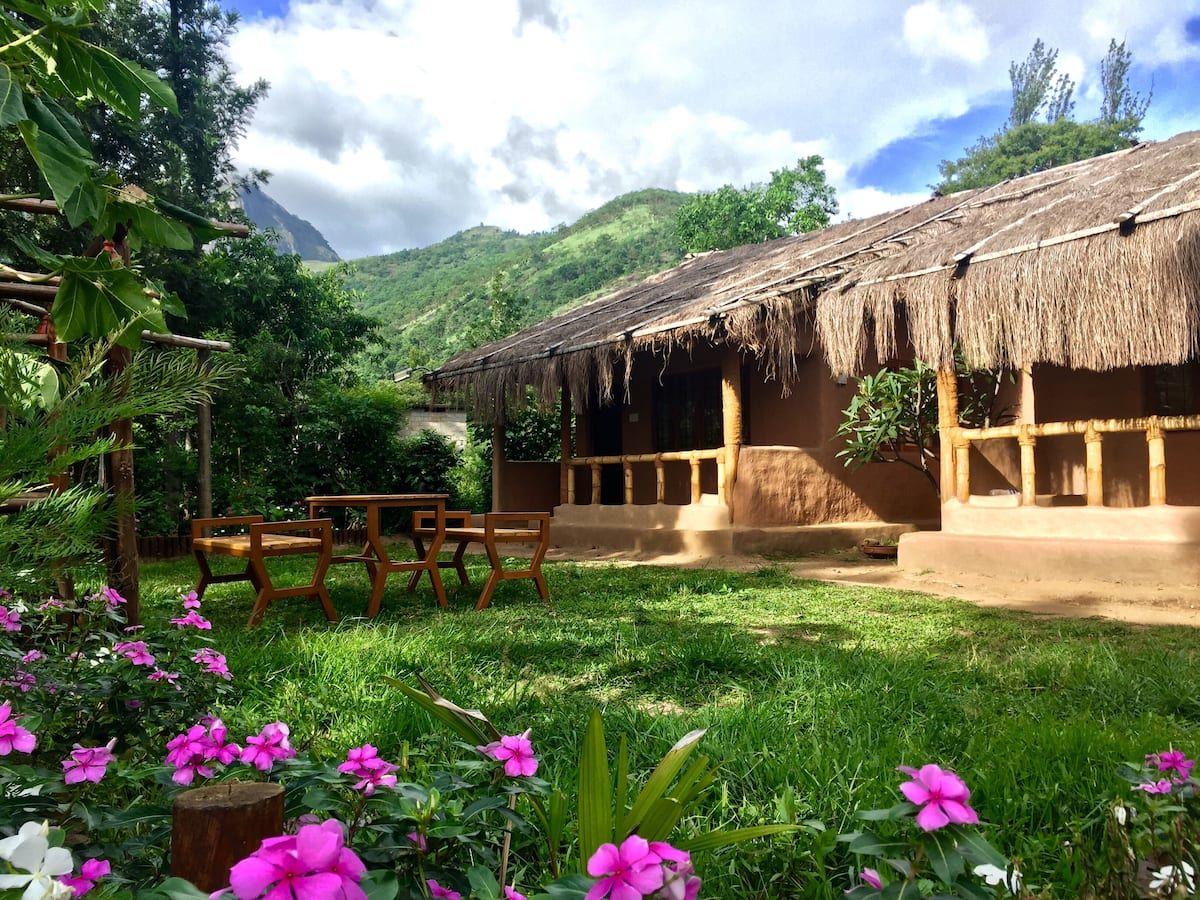
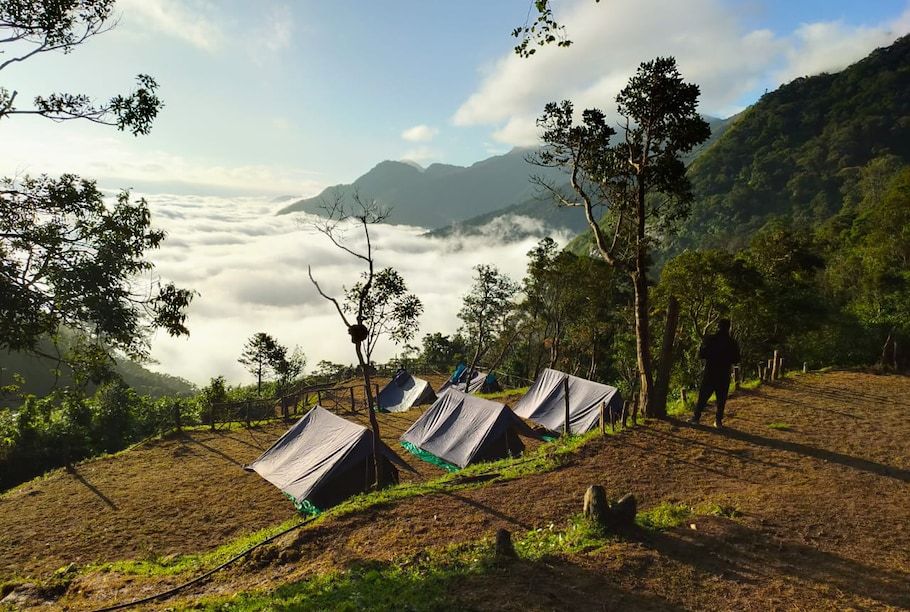
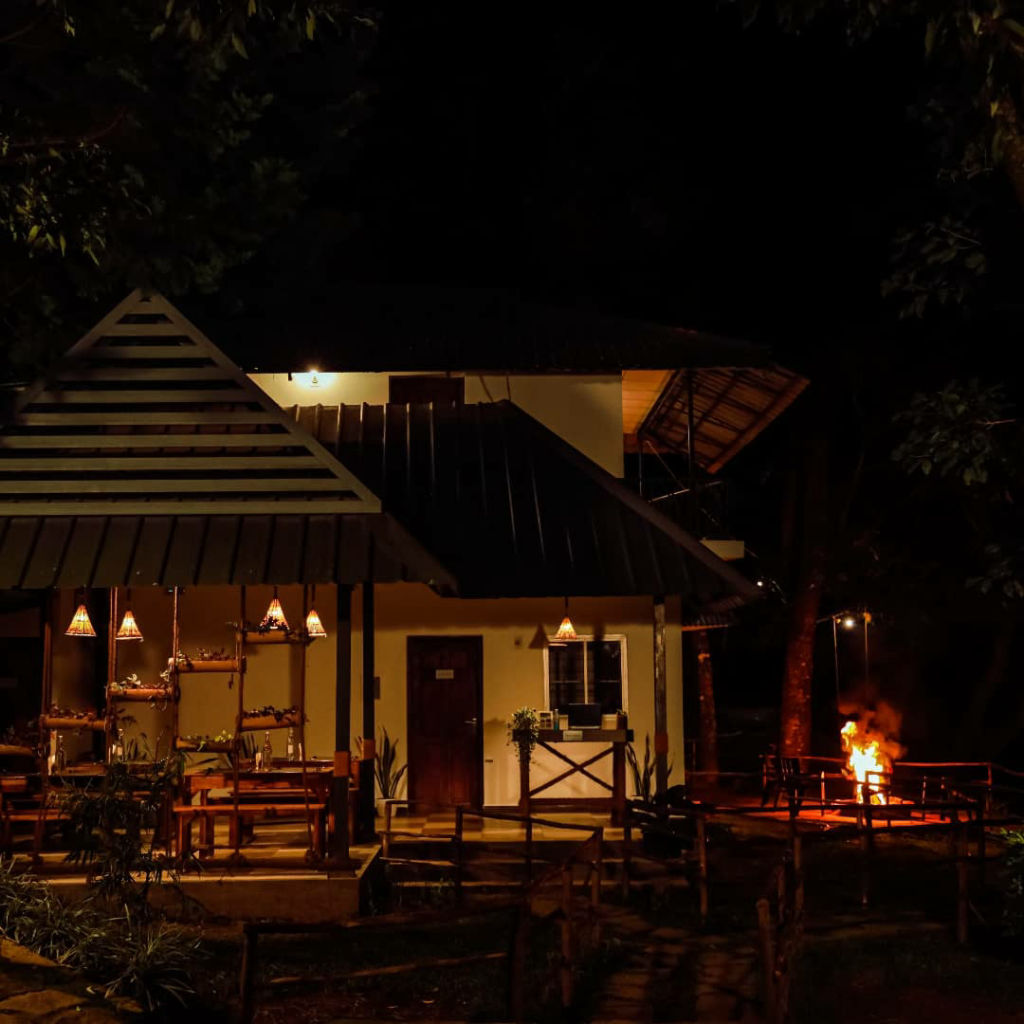
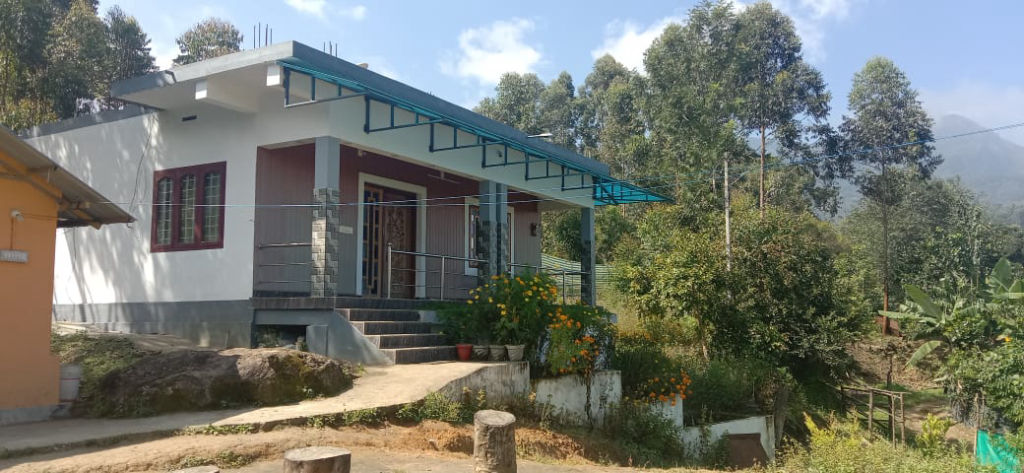
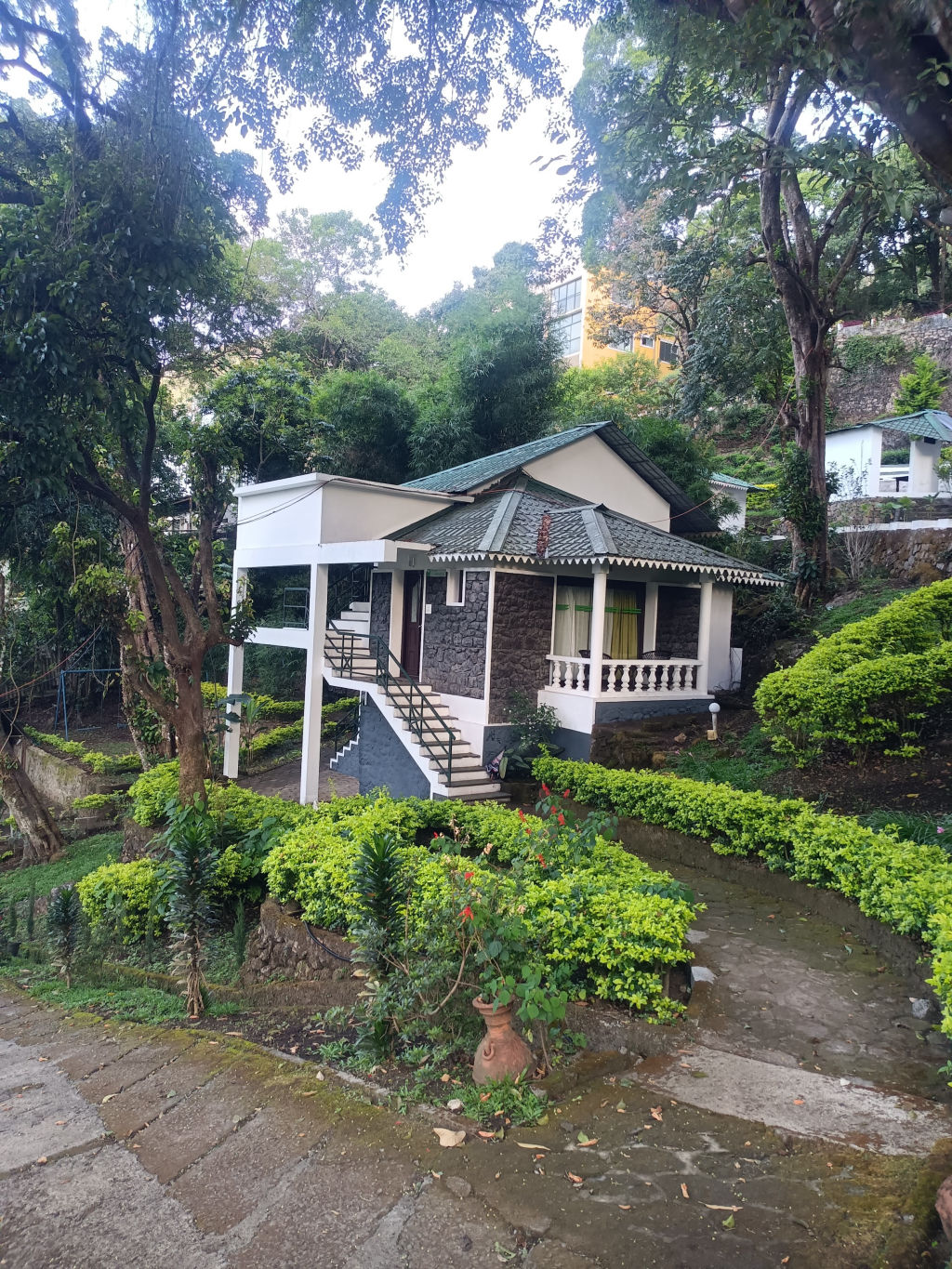
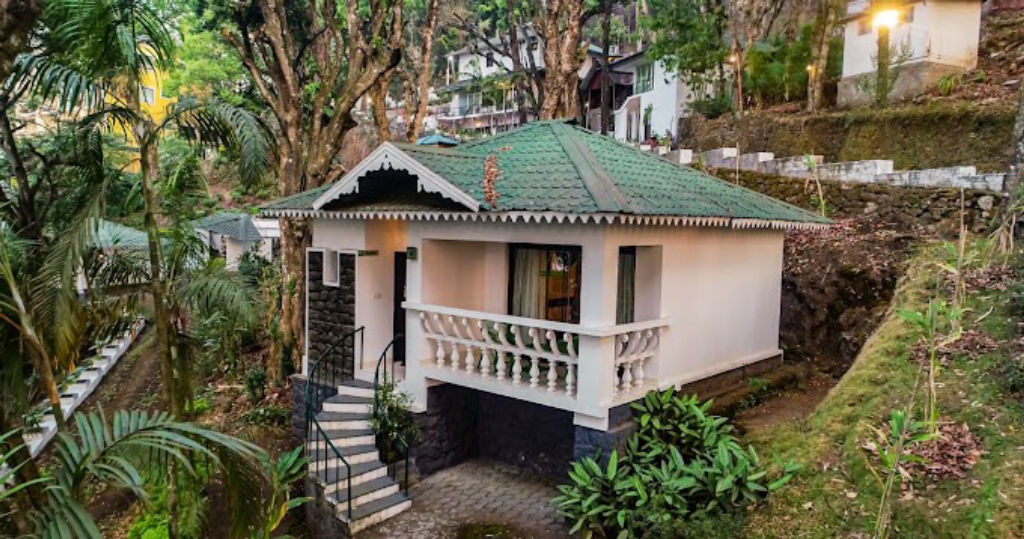
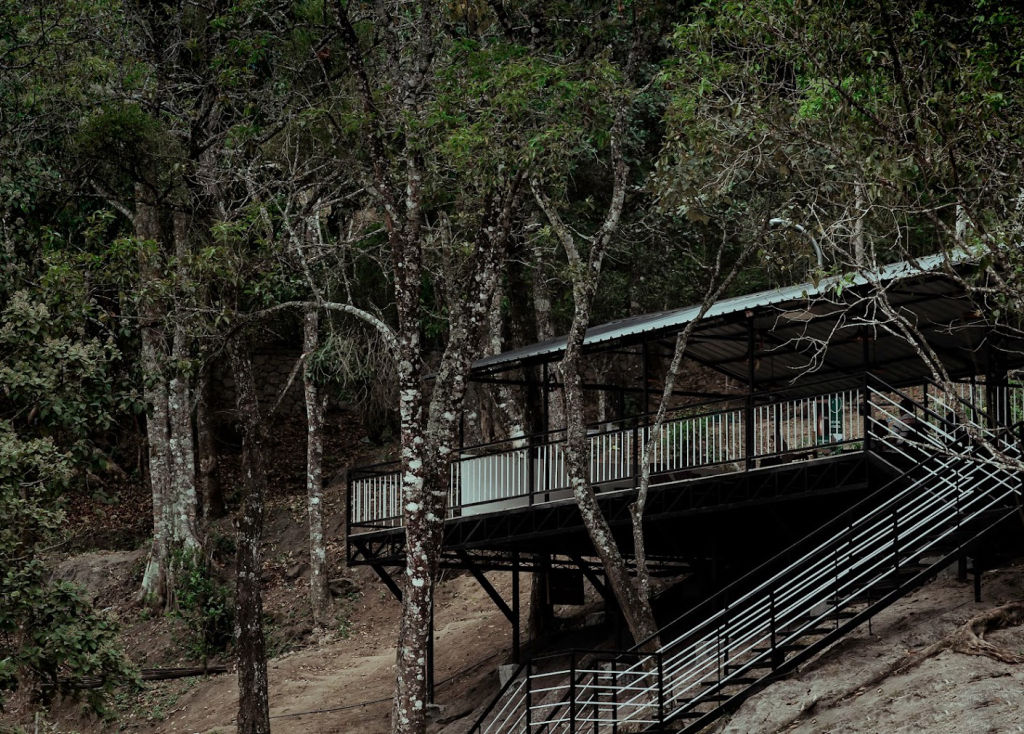
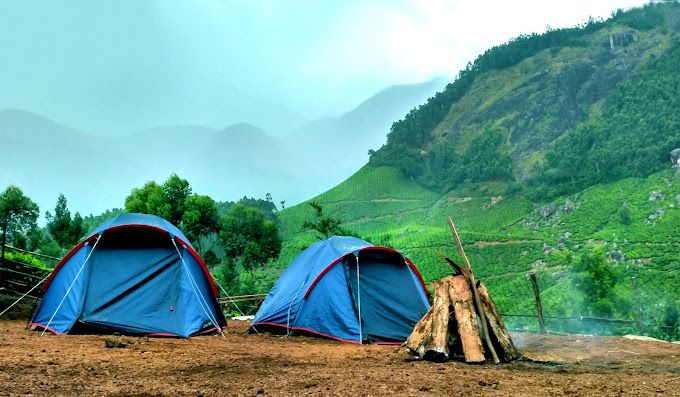
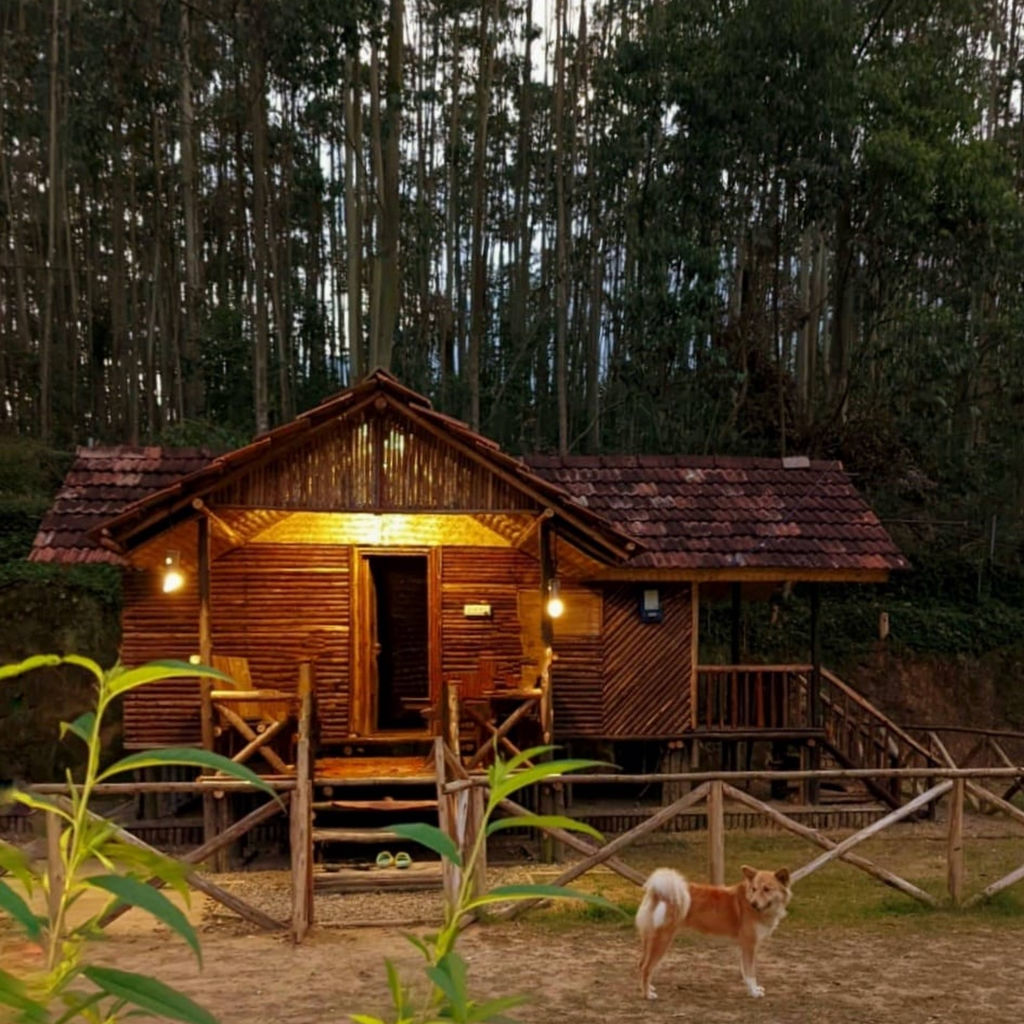
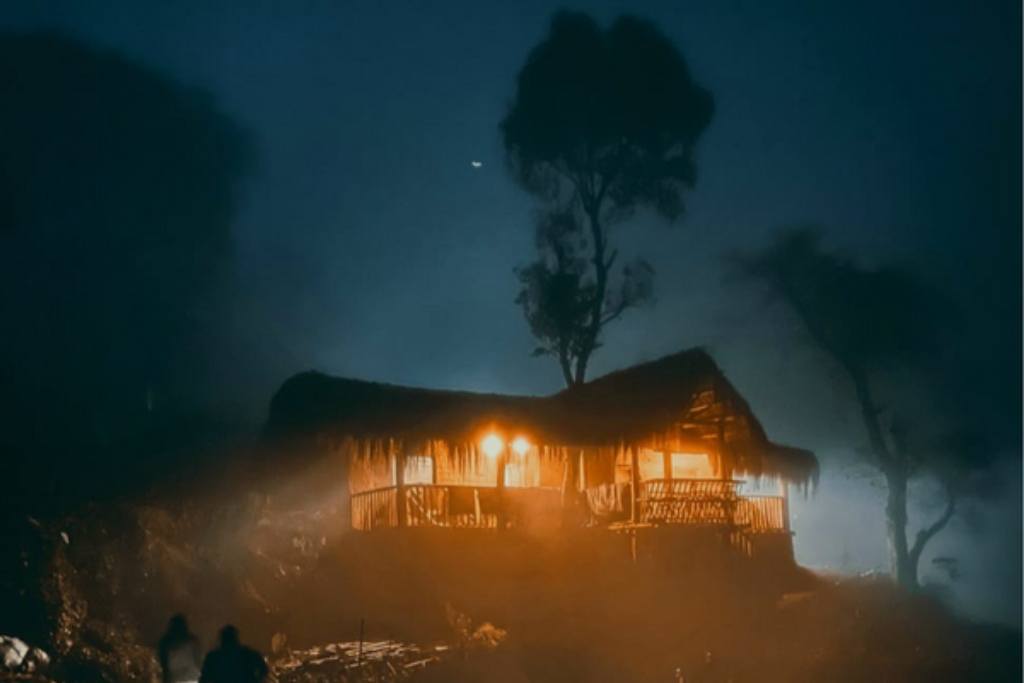
Staying near Marayoor allows travellers to immerse themselves in peaceful valley life, far removed from busy tourist circuits. Accommodations in this region often focus on outdoor living, nature immersion, and rural hospitality. You can find rustic riverside campsites, quiet farm stays set among sugarcane fields, and secluded homestays tucked into mountain folds.
To explore vetted nature camps, eco-friendly homestays, and outdoor getaways in and around Marayoor and the broader Munnar region, browse the listings available on HireACamp. Booking a stay immersed in the local landscape ensures easy access to early morning walks and undisturbed night skies.
Frequently asked questions
What is Marayoor famous for?
Marayoor is world-renowned for its naturally growing sandalwood forests, ancient Neolithic dolmens known as Muniyaras, and traditional sugarcane jaggery made without chemical additives.
How far is Marayoor from Munnar?
Marayoor is located roughly forty kilometres north of Munnar, accessible via a picturesque drive that takes about one to two hours depending on road and traffic conditions.
Can tourists enter the sandalwood forests of Marayoor?
The core sandalwood reserve is heavily protected and restricted, but visitors can observe the trees along public roads and at designated forest viewing points under local forest department regulations.
Are the ancient dolmens accessible to visitors?
Yes, visitors can access the megalithic dolmens at sites like Muniyara by walking up marked rocky trails that overlook the valley and sugarcane fields.
Is it possible to see wildlife near Marayoor?
Yes, Marayoor sits adjacent to Chinnar Wildlife Sanctuary and Anamudi Shola National Park, where animals such as elephants, gaur, deer, and giant squirrels are frequently spotted along forest routes.
Where you'll be
Kerala · 12 stays nearby shown with prices
Stays near Marayoor
Book a place to stay close by

More places near Marayoor
Within 20 km


Lists for this area
Ranked by how many creators recommend each place


Built from 0 Instagram posts by 0 creators. Every tip links back to the post it came from, and where creators disagree we show both sides.






