
Chinnar Wildlife Sanctuary
Wildlife sanctuary near Marayur, Kerala
11 km from Marayur
The nearest town, for stays, food and fuel.
Chinnar Wildlife Sanctuary is a unique protected forest located in the rain-shadow region of the Western Ghats near Marayur in Kerala. Unlike the lush, rainforest-clad slopes typical of the state, Chinnar is characterized by dry deciduous scrub, thorny scrublands, and riverine habitats. Wildlife enthusiasts and nature travellers visit Chinnar to experience its rugged terrain, rich biodiversity, and the rare chance to spot vulnerable species like the grizzled giant squirrel and the Indian star tortoise.
Getting there
By road
- From MarayurNearest town46 min · 23 km
- From Kochi3 hr 25 min · 153 km
- From Coimbatore3 hr 35 min · 137 km
- From Madurai4 hr 30 min · 179 km
Typical drive times without traffic. Stations and airports from OLA Maps; distances and typical drive times from OpenStreetMap (© OpenStreetMap contributors); notes from creators' Reels.
About Chinnar Wildlife Sanctuary
Written with AI from map data and general knowledge. Check prices and timings locally before you go.
About Chinnar Wildlife Sanctuary
Chinnar Wildlife Sanctuary covers an expanse of varied terrain in the Idukki district of Kerala, along the border with Tamil Nadu. Positioned in the rain-shadow area of the Western Ghats, the sanctuary receives significantly less rainfall than most other protected zones in Kerala. This distinct microclimate has shaped an arid ecosystem dominated by dry deciduous forests, thorny scrub jungle, open grasslands, and riverine forests.
Two major rivers, the Chinnar and the Pambar, flow through this protected wilderness, creating vital life-supporting corridors amid the dry landscape. The contrasting habitat makes Chinnar ecologically significant, serving as a haven for species that are rarely found in the wetter evergreen tracts of the Western Ghats. For travellers exploring the Marayur-Munnar corridor, Chinnar provides an entirely different perspective on Kerala's natural topography.
Flora and Fauna of Chinnar
Despite its dry appearance, Chinnar Wildlife Sanctuary supports an extraordinary range of animal and plant life. It is most famous as a sanctuary for the grizzled giant squirrel, an endangered rodent that builds dreys high in the riverine trees along the Chinnar and Pambar riverbanks. The sanctuary is also one of the few recognized habitats in the region for the Indian star tortoise, which thrives in the dry scrubland.
Larger mammals frequently roam the sanctuary, including herds of Asian elephants, Indian gaur, sambar deer, spotted deer, barking deer, wild boar, and langurs. Predators like leopards and wild dogs inhabit the rocky hillsides, while mugger crocodiles can sometimes be spotted sunning along the riverbanks.
Birdwatchers will find Chinnar remarkably rewarding. With over two hundred recorded bird species, it is a great place to spot species such as the yellow-throated bulbul, spot-bellied eagle-owl, black-winged kite, and various flycatchers. The sanctuary also harbours a fascinating variety of reptiles, amphibians, and native medicinal plants suited to semi-arid ecosystems.
Read more
Things to Do at Chinnar
The primary way to experience Chinnar Wildlife Sanctuary is through guided nature walks and trekking trails organized under the supervision of the local forest department. Unlike sanctuaries where visitors remain confined to safari vehicles, Chinnar offers designated walking routes that allow you to explore the dry forest on foot alongside trained community eco-guides.
River walks along the Pambar riverbank are particularly popular for birdwatching and observing giant squirrels foraging in the canopy. For those interested in landscape views, treks leading to watchtowers across the sanctuary offer sweeping vantage points over the dry valleys, rocky outcrops, and the distant peaks of Kumarikkal Mala and Kattu Malai.
Cultural and prehistoric exploration is another highlight of the area. The region contains several prehistoric dolmens (megalithic burial chambers) and rock art sites, reflecting human settlement dating back thousands of years. Always check locally at the sanctuary reception or forest check posts for updated details on guided walk schedules and safety regulations.
Best Time to Visit Chinnar Wildlife Sanctuary
The best months to visit Chinnar Wildlife Sanctuary are from October through March. During this period, the post-monsoon weather is pleasant, daytime temperatures remain moderate, and conditions are ideal for walking trails and observing wildlife.
Because Chinnar lies in a rain-shadow zone, it experiences relatively mild rainfall during the southwest monsoon compared to the rest of Kerala, though heavy downpours can occur during the northeast monsoon between October and November. These seasonal showers bring fresh green growth to the scrubland and fill the seasonal streams.
From March to May, temperatures rise considerably, and the vegetation dries out, turning the landscape shades of brown and gold. While the heat during peak afternoon hours can be intense, the dry summer months often make wildlife viewing around the riverbanks and remaining water bodies easier.
How to Reach Chinnar Wildlife Sanctuary
Chinnar Wildlife Sanctuary is situated along the highway connecting Munnar in Kerala with Udumalpet in Tamil Nadu, making it accessible from both states. The nearby town of Marayur lies just about 11 kilometres south of the sanctuary border.
If travelling from Kerala, the hill station of Munnar is approximately 60 kilometres to the south. The drive from Munnar to Chinnar via Marayur is scenic, passing through lush tea gardens, mountain passes, and natural sandalwood groves before descending into the drier scrub forests.
If approaching from Tamil Nadu, Udumalpet is roughly 30 kilometres to the north, and Pollachi is around 65 kilometres away. The nearest major railheads are at Udumalpet and Pollachi, while Coimbatore International Airport and Cochin International Airport serve as the closest major flight hubs. Regular state transport buses and private taxis ply the route connecting Udumalpet, Marayur, and Munnar.
Places to Visit Nearby
A trip to Chinnar can easily be combined with visits to several nearby natural and historical landmarks. Just south of the sanctuary lies Marayur, celebrated for its extensive natural sandalwood forests and prehistoric dolmens known locally as Muniyaras. The ancient stone chambers sit atop rocky ridges, providing insight into the region's ancient past.
Further south, towards Munnar, travellers can visit scenic cascades like Attukad Waterfalls, surrounded by rolling hills and dense tea plantations. Heading north toward Tamil Nadu, scenic reservoirs such as Aliyar Dam, Thirumoorthy Dam, and Kadamparai Dam offer open views of the foothill landscapes. Waterfalls like Monkey Falls, located along the ghat road to Pollachi, make for refreshing stopovers during a road trip.
Where to Stay around Chinnar
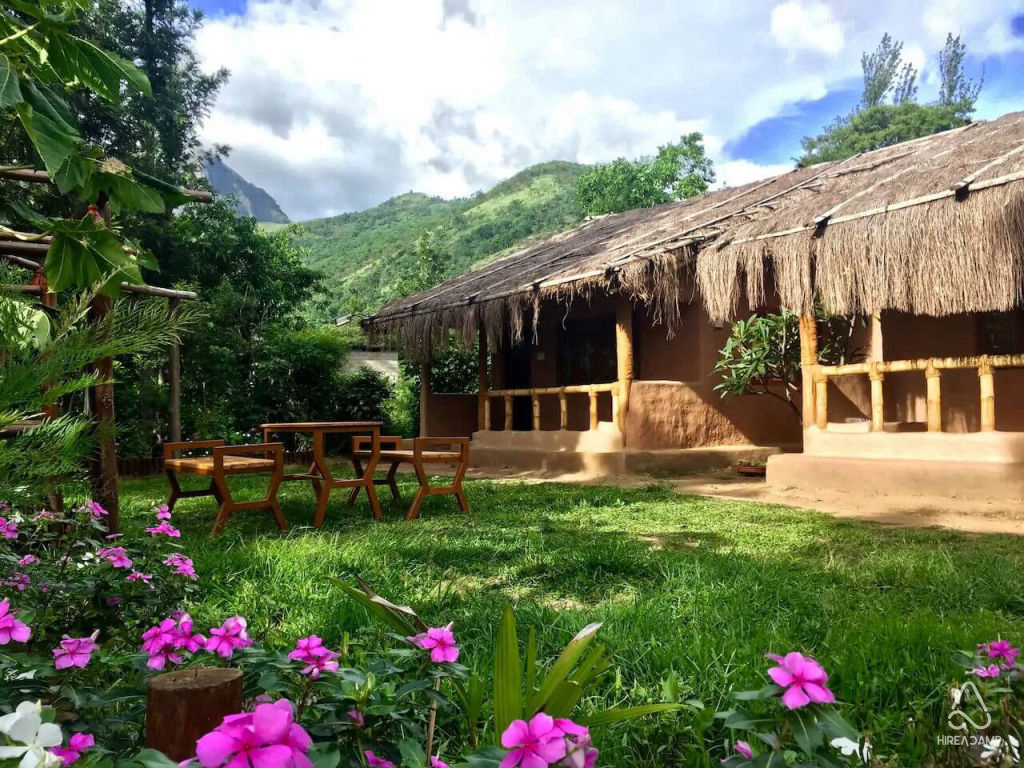
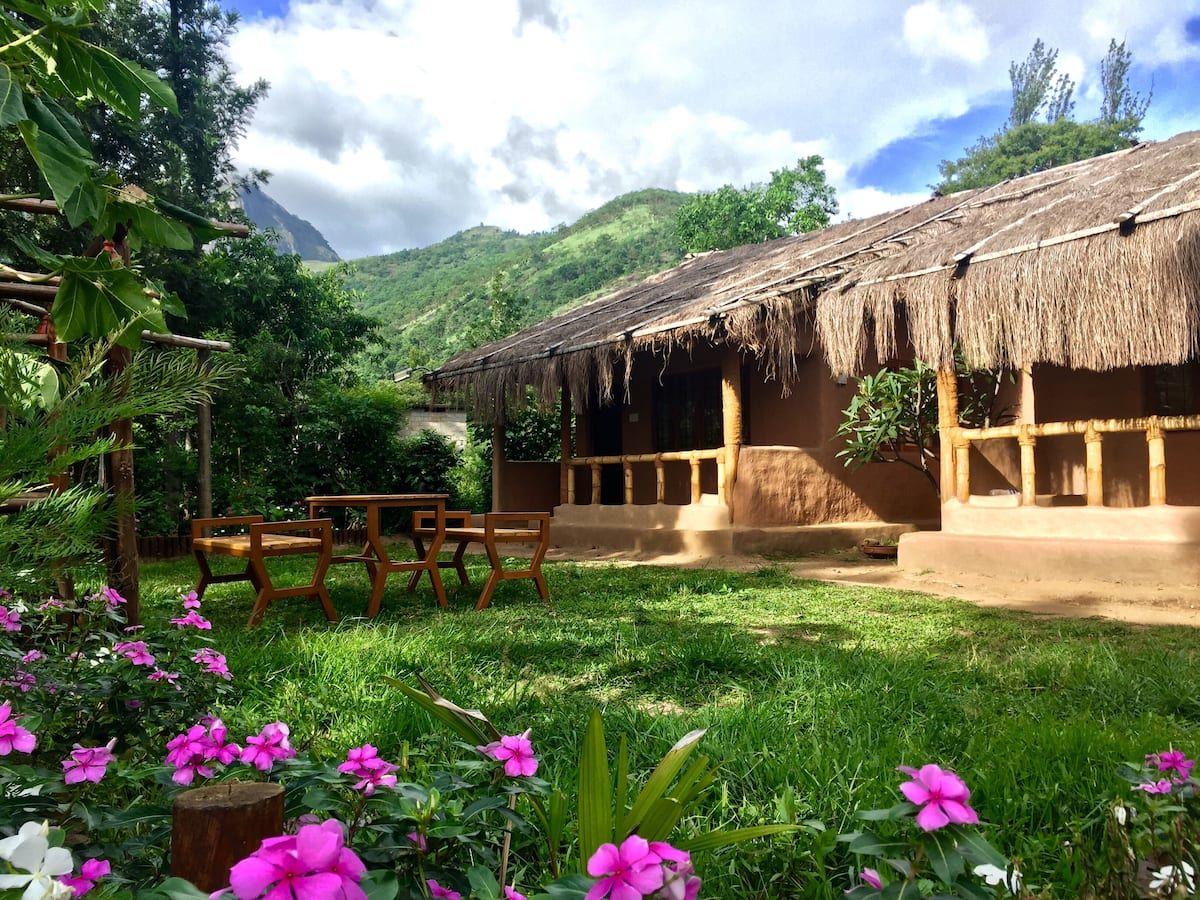
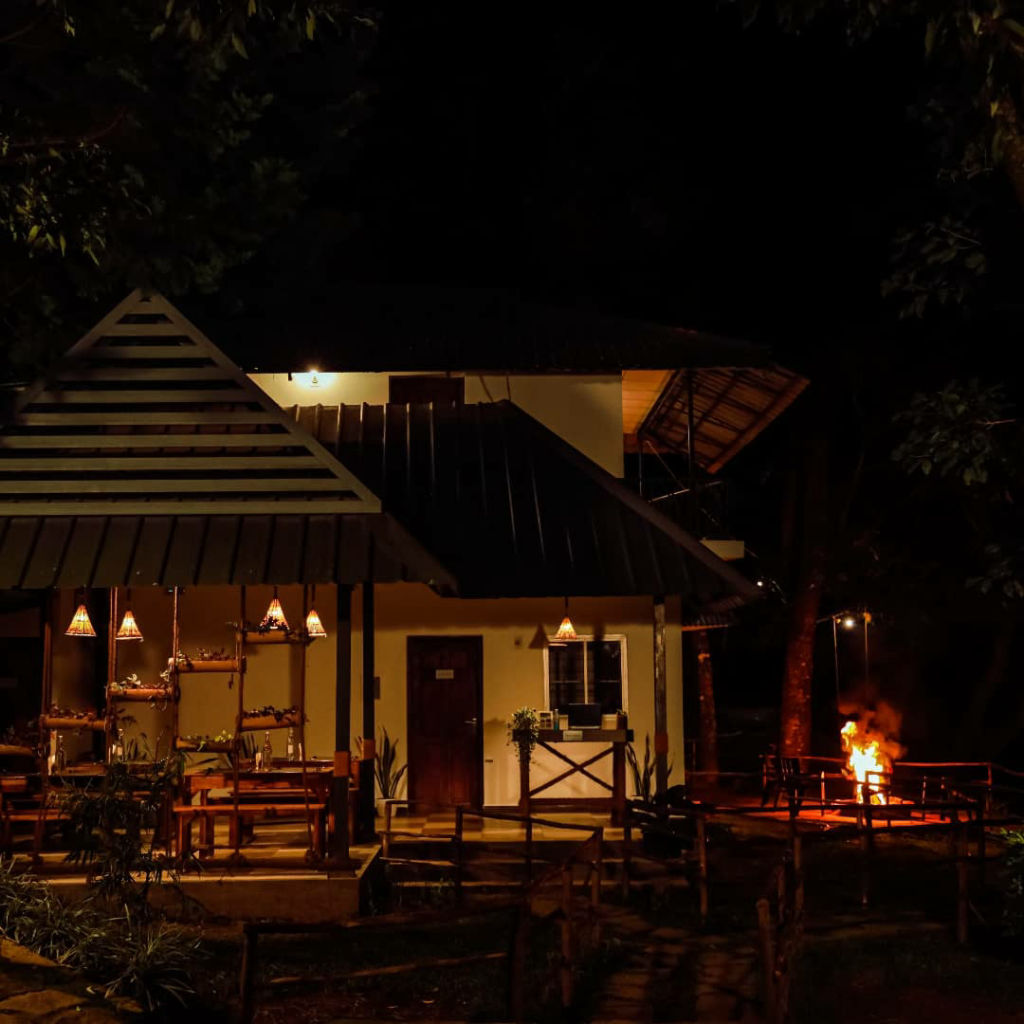
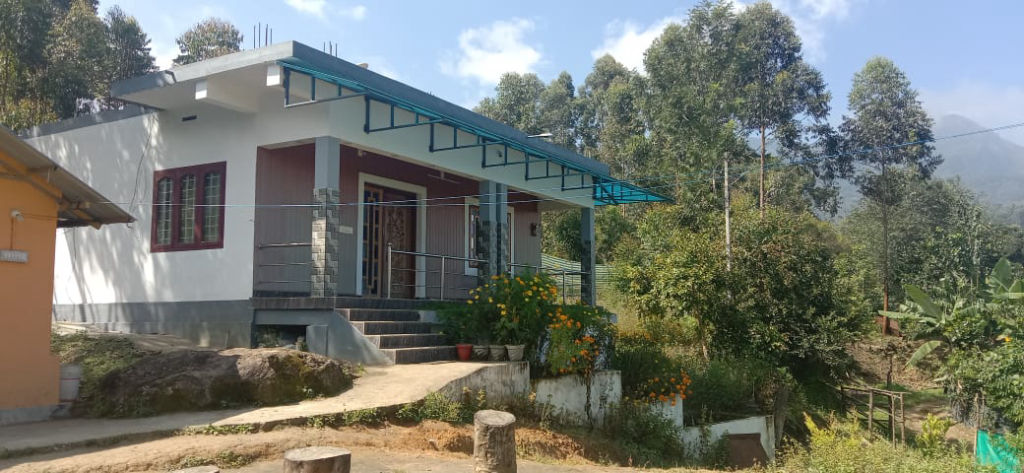
While Chinnar itself is a protected forest reserve with strict conservation zones, nearby settlements offer practical bases for exploring the sanctuary. The town of Marayur features several peaceful options nestled amidst farms, sugarcane fields, and mountain views.
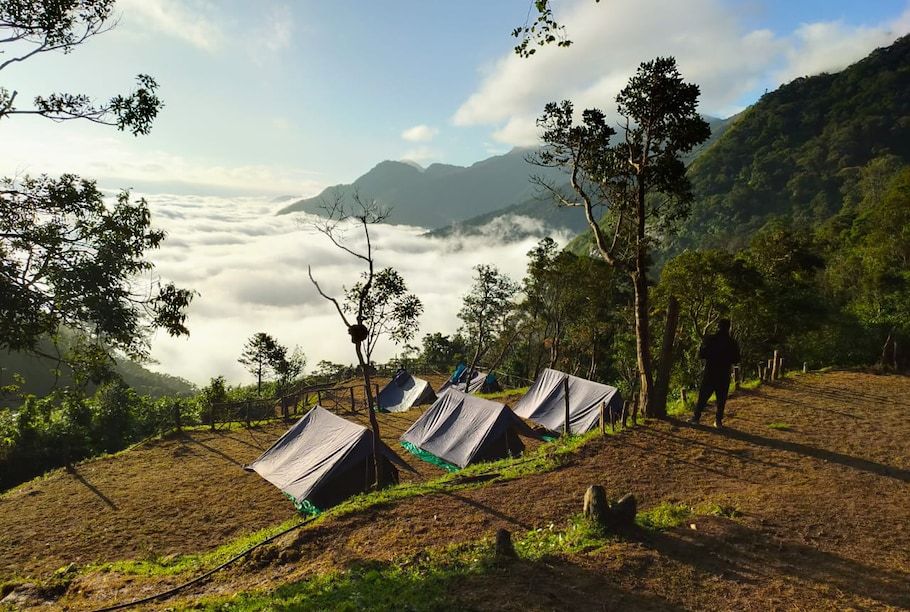
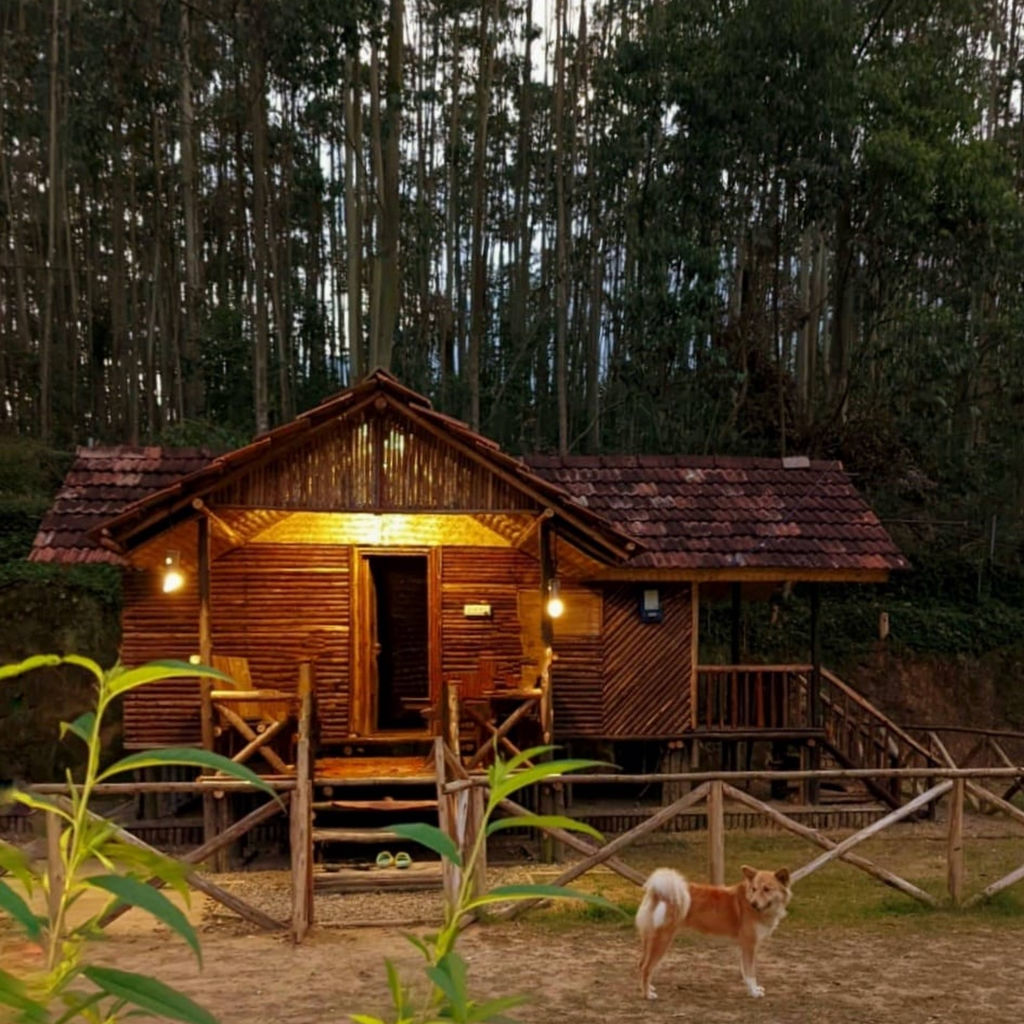
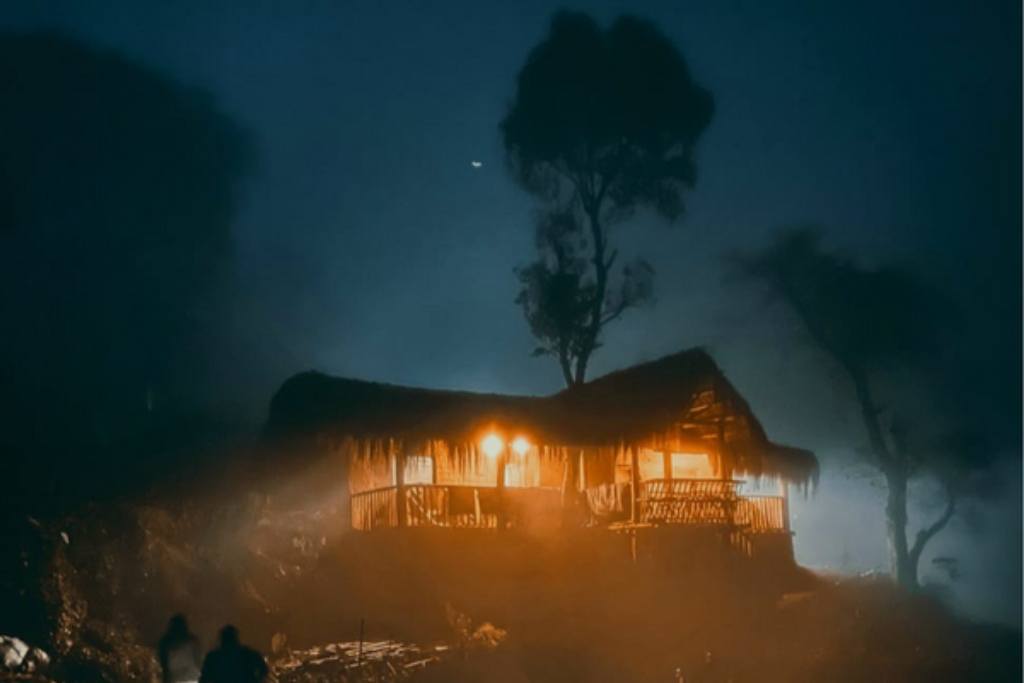
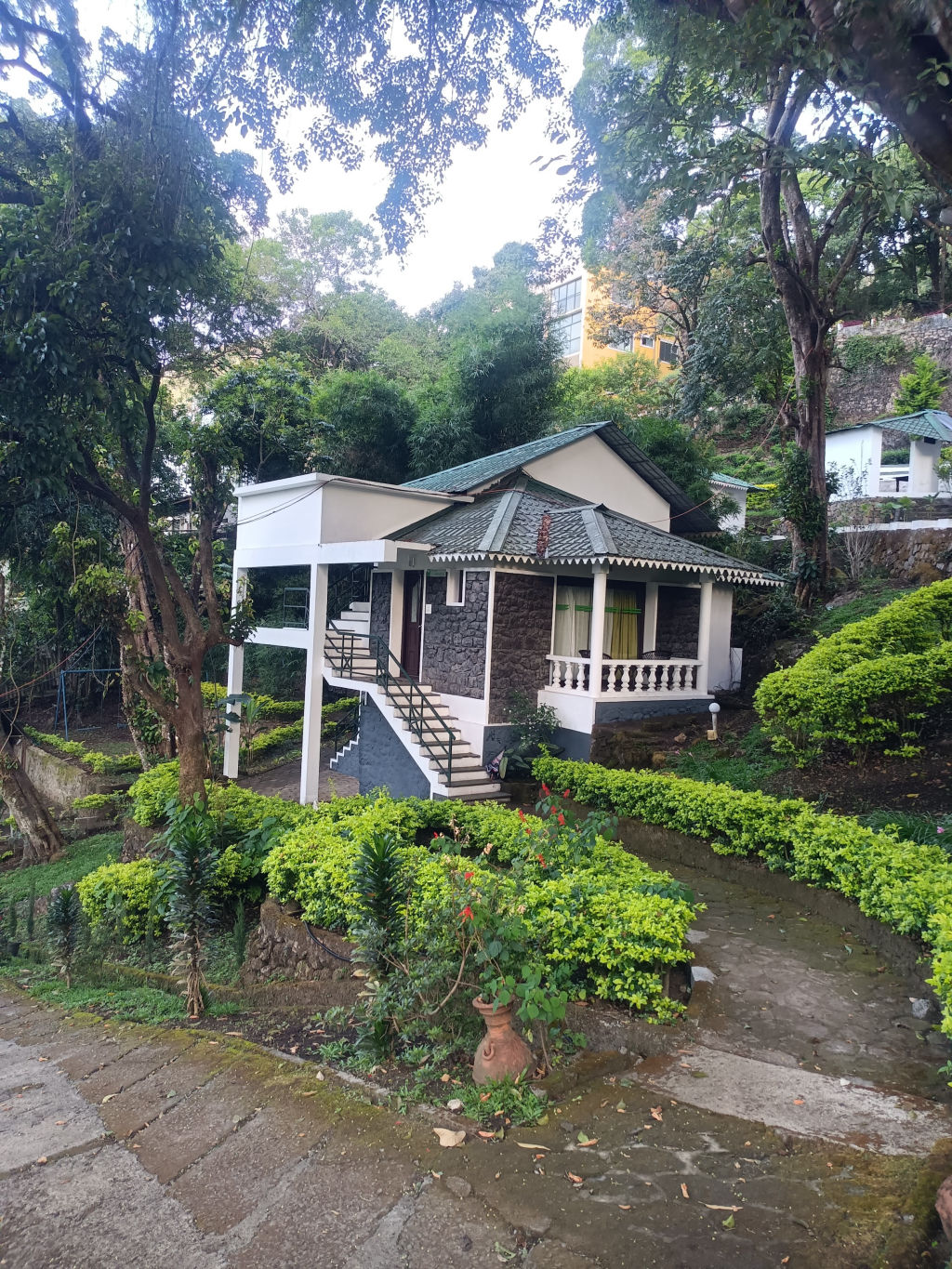
Travellers looking for immersive getaways, rustic homestays, and outdoor camps can find vetted stays in and around the Marayur-Munnar corridor on HireACamp. Staying nearby allows you to start early in the morning, which is the most active and rewarding time for forest walks and birdwatching.
Frequently asked questions
What is Chinnar Wildlife Sanctuary known for?
Chinnar is famous for its unique rain-shadow scrub ecosystem, which differs sharply from the rest of Kerala. It is particularly renowned as a habitat for the rare grizzled giant squirrel, the Indian star tortoise, and rich riverine birdlife.
Can you walk inside Chinnar Wildlife Sanctuary?
Yes, Chinnar offers designated nature trails and trekking routes. Visitors can explore these trails on foot accompanied by official eco-guides arranged through the forest department.
What should I carry for a walk in Chinnar?
Carry plenty of drinking water, sun protection including a hat and sunscreen, sturdy walking shoes, and earth-toned clothing suitable for walking in dry, thorny scrub terrain.
Which is the nearest town to Chinnar Wildlife Sanctuary?
Marayur is the closest town to the sanctuary, located approximately 11 kilometres away. Udumalpet in Tamil Nadu is about 30 kilometres to the north.
Where you'll be
Kerala · 12 stays nearby shown with prices
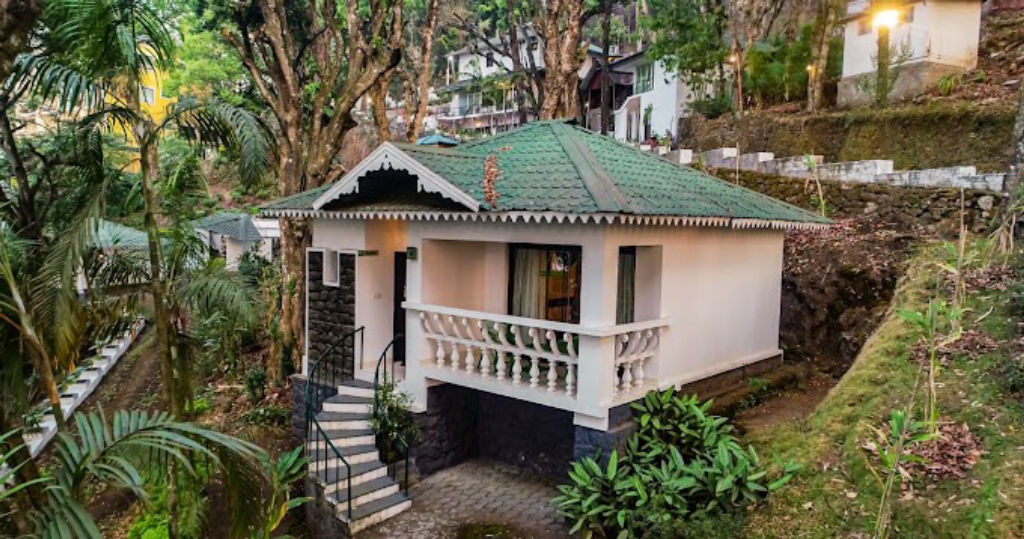
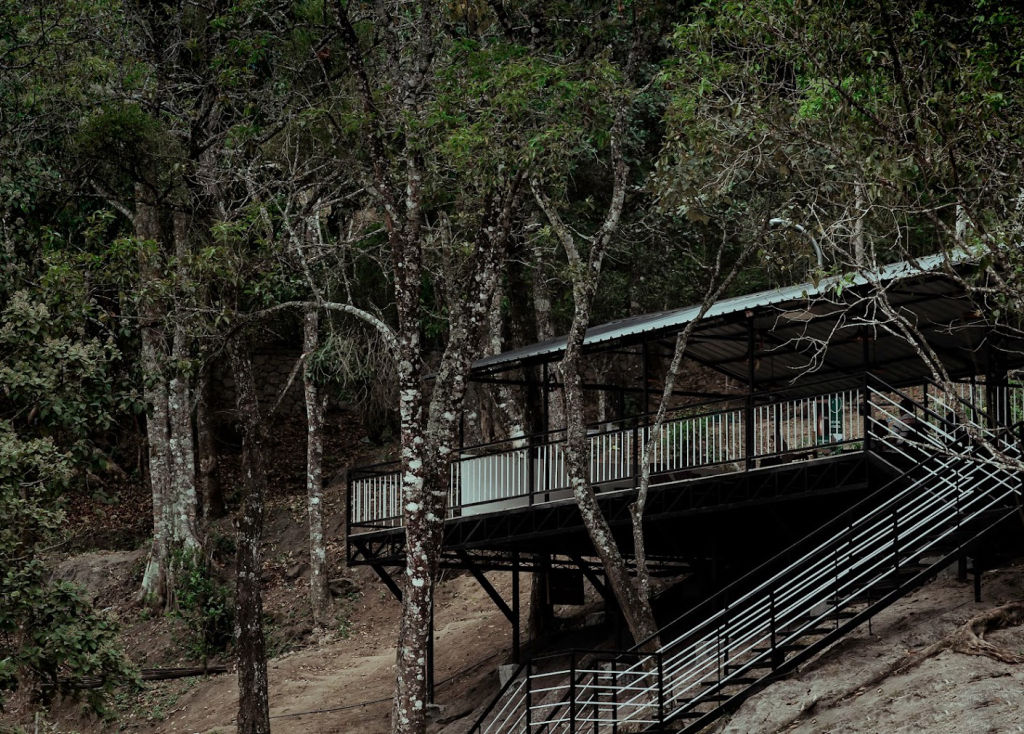
Stays near Chinnar Wildlife Sanctuary
Book a place to stay close by


More places near Chinnar Wildlife Sanctuary
Within 20 km


Lists for this area
Ranked by how many creators recommend each place


Built from 0 Instagram posts by 0 creators. Every tip links back to the post it came from, and where creators disagree we show both sides.






