
Molera
Destination in Rajasthan
Molera is a traditional artisan village located in the Rajsamand district of southern Rajasthan, nestled near the banks of the Banas River. The village is known across India for its centuries-old tradition of hand-sculpted terracotta votive plaques, which depict folk deities and tribal guardian figures. Travellers, historians, and art lovers visit Molera to observe master potters shaping clay in open village courtyards and to explore the historic Mewar countryside.
Getting there
By road
- From Jodhpur4 hr 5 min · 201 km
- From Ahmedabad6 hr 35 min · 321 km
- From Jaipur7 hr 20 min · 364 km
- From Vadodara8 hr 5 min · 412 km
Typical drive times without traffic. Stations and airports from OLA Maps; distances and typical drive times from OpenStreetMap (© OpenStreetMap contributors); notes from creators' Reels.
About Molera
Written with AI from map data and general knowledge. Check prices and timings locally before you go.
The Terracotta Heritage of Molera
Molera, frequently referred to as Molela, occupies a distinctive position in the cultural landscape of Rajasthan. For centuries, the village has been home to a community of traditional potters belonging to the Kumhar community who produce hollow terracotta relief tiles. Unlike standard pottery made entirely on wheels, these plaques are sculpted entirely by hand without the use of moulds. The raw material comes from the silt deposited along the banks of the Banas River, which is blended with organic matter to give the clay its required strength and workability.
The craft has enduring ceremonial importance for indigenous tribes across southern Rajasthan, Gujarat, and Madhya Pradesh, including the Bhil, Mina, and Garasia communities. Every year during specific religious months, tribal shamans and village priests journey to Molera to purchase new votive plaques to enshrine in their village temples. Common figures sculpted onto the panels include the solar deity Devnarayan, the snake deity Nagaraja, and protective forms of Mother Goddess Chamunda riding a lion or tiger. The deep spiritual value attached to these tiles has preserved the art form across generations with very little alteration to its traditional themes.
Things to Do in Molera
The primary highlight of visiting Molera is walking through the village lanes to observe potters at work inside their family-run workshops. Most artisans work in open-air verandas or courtyards attached to their homes, where visitors are warmly welcomed to watch the stages of production. You can observe the initial wedging of river clay, the rolling of flat terracotta slabs that form the base, and the meticulous sculpting of details like ceremonial headdresses, daggers, and horses using small wooden spatulas and knives.
After sculpting, the pieces are placed in the shade to dry gradually before being transferred to outdoor pit kilns. Fired using slow-burning wood and dried biomass, the clay turns a distinctive terracotta shade. While some plaques are kept in their raw terracotta form, others are finished with bright natural or mineral pigments. Engaging in conversation with the potters provides valuable insight into the symbolism of each icon, the challenges of sourcing quality clay, and the ongoing efforts to pass this skill to younger generations.
Read more
Places to Visit Near Molera
Molera is centrally located within the historical Mewar region, making it an excellent base for exploring nearby lakes, forts, and spiritual landmarks. A short drive to the east brings you to Rajsamand Lake, an expansive seventeenth-century reservoir. Along its northern bank lies Nau Chauki, a marble embankment celebrated for its ornate pavilions, sculptured arches, and the historic Raj Prasasti stone inscriptions. The surrounding shoreline is also home to the peaceful Dayalshah Fort and the Ghewar Mata Temple.
Roughly twenty-seven kilometres away amidst the rugged Aravalli range stands the formidable Kumbhalgarh Fort. Known for having one of the longest continuous fortification walls in the world, the citadel houses hundreds of ancient temples, stepwells, and palaces offering sweeping views of the surrounding wildlife sanctuary. Nature lovers can make detours to Chikalwas Dam, located close to Molera, or explore the natural rocky cascade of Suraj Kund. Spiritual travellers will find historic temples within easy driving reach, including the Charbhuja Temple, Kunteshwar Mahadev Temple, and the cave shrine of Parshuram Mahadev.
Best Time to Visit Molera
The optimal period to plan a visit to Molera is during the winter season, which lasts from October through March. Daytime temperatures in this window are mild and comfortable for walking around the village, sitting with artisans, and visiting nearby lakes and monuments. Nights can become chilly, particularly in December and January, so carrying a jacket or light layers is advisable. The winter months also coincide with the period when tribal pilgrims arrive in the village to commission and collect their ceremonial plaques, making it a culturally fascinating time to be there.
Summer in southern Rajasthan, spanning from April to June, brings intense heat with daytime temperatures frequently rising quite high. Exploring outdoor village workshops during midday can be physically taxing, and clay drying in the scorching heat must be carefully managed by potters to prevent cracking. The monsoon arrives in July and extends through September, revitalising the dry countryside and bringing life to nearby dams and lakes. While rain can occasionally interrupt outdoor kiln firings, the cooler overcast days and lush surroundings make monsoon an appealing time for landscape sightseeing.
How to Reach Molera
Molera is situated in the Rajsamand district of Rajasthan and is easily accessible by road from major cities in the state. The nearest commercial airport and major railhead is located in Udaipur, roughly forty to fifty kilometres to the south. Udaipur connects directly to major metropolitan hubs across India via domestic flights and regular long-distance passenger trains. From Udaipur, visitors can hire a private taxi or take a state transport bus headed towards Nathdwara or Rajsamand to reach the village.
The famous pilgrimage town of Nathdwara lies only a short drive away from Molera, providing an alternative transit point with frequent regional bus and taxi connections. Well-maintained national and state highways connect the area to Ahmedabad, Jodhpur, and Jaipur, making Molera an easy day excursion or stopover on a wider road trip through southern Rajasthan.
Where to Stay around Molera
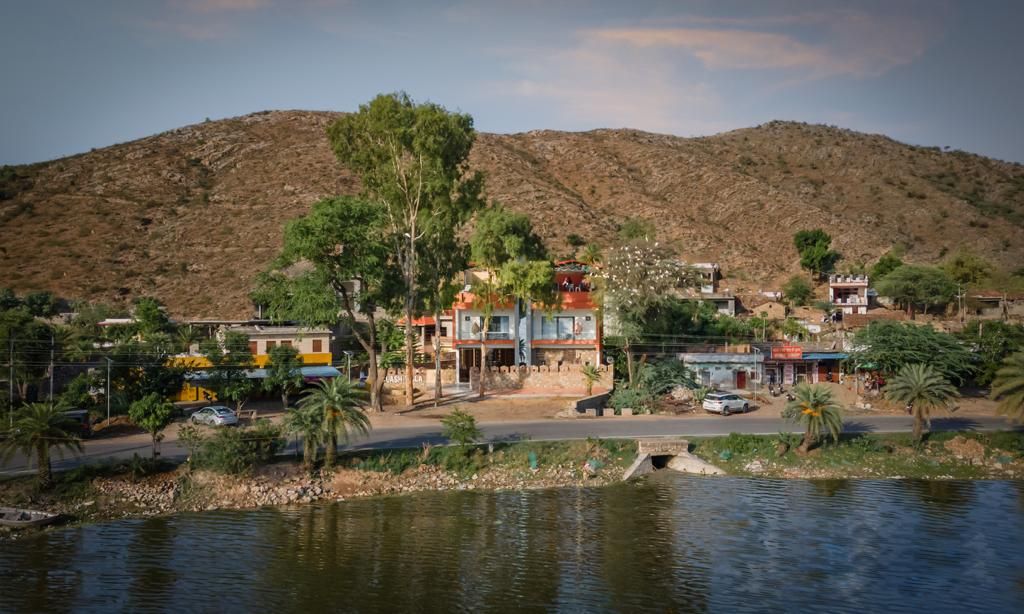
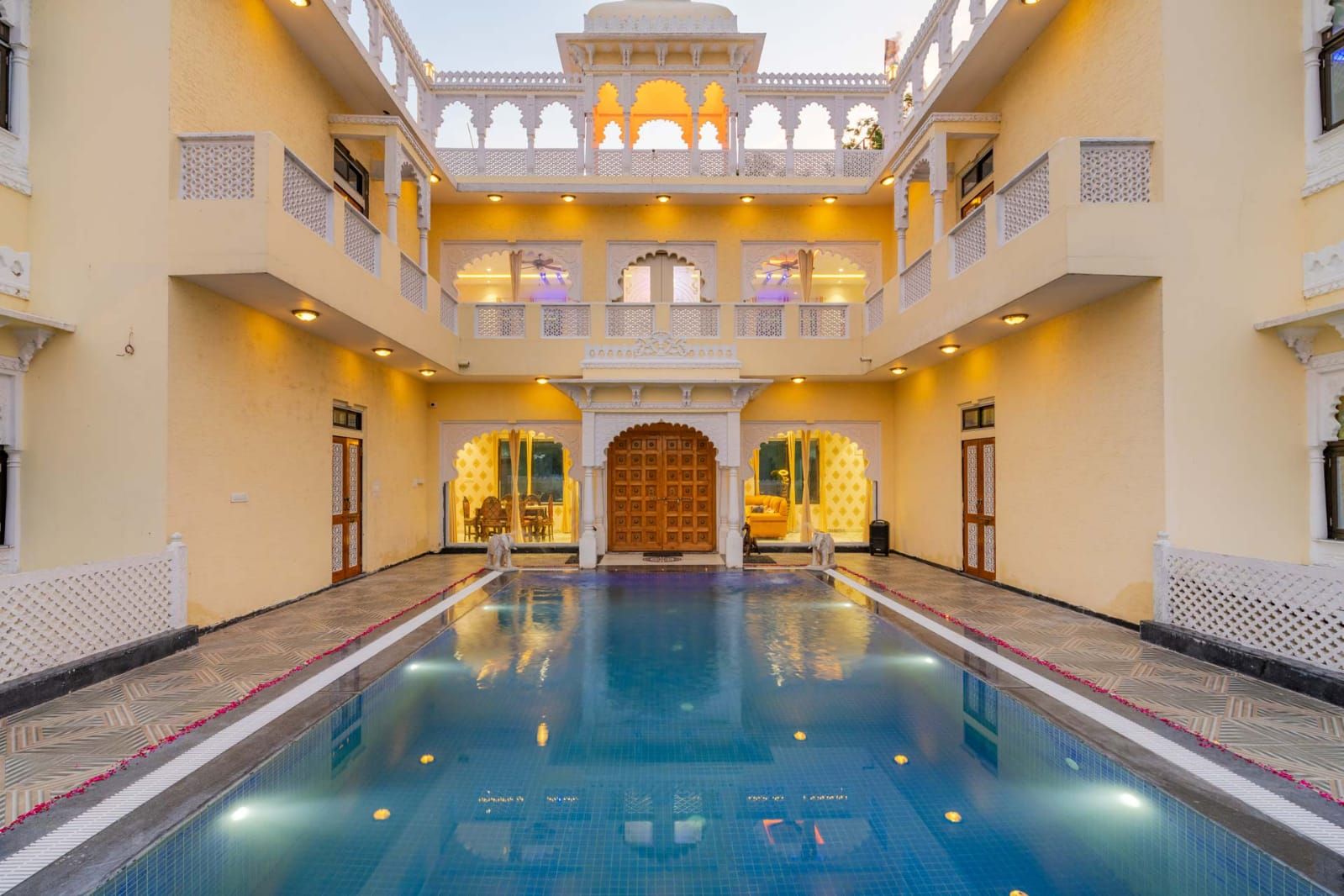
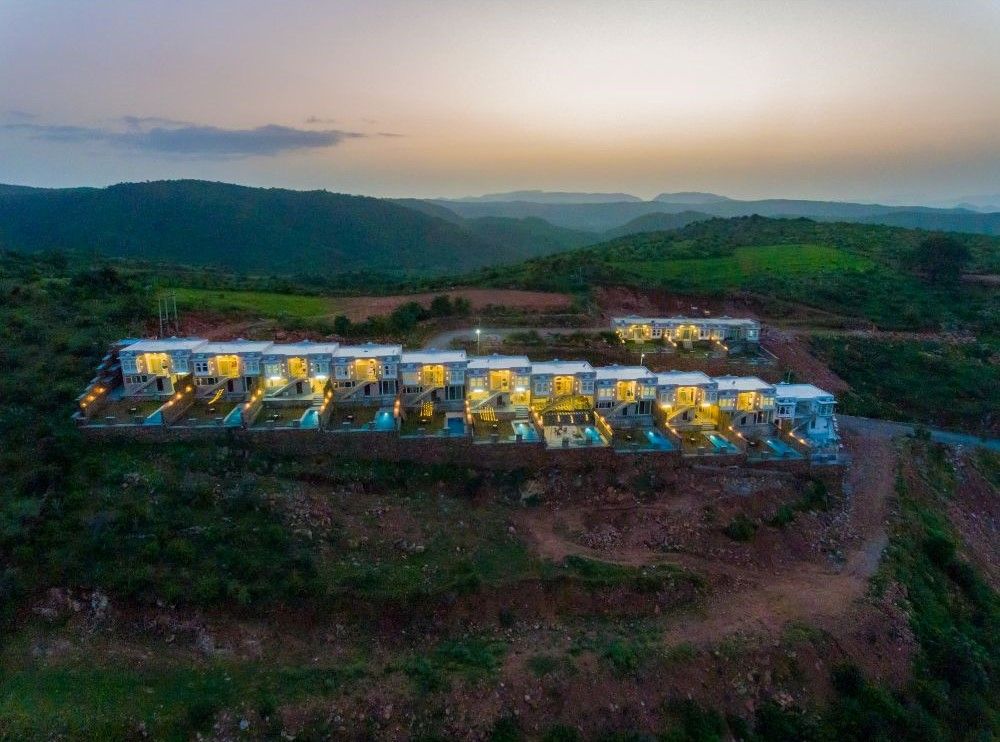
Molera is a rural settlement with minimal commercial infrastructure within the village itself, so travellers generally stay in the surrounding countryside or nearby towns. The district features a variety of peaceful stays situated amidst farmland, hillocks, and lake shores that capture the relaxed pace of rural Mewar.
Camps, heritage homestays, and rustic outdoor getaways located near Molera and the Aravalli hills can be found on HireACamp. Staying nearby allows you to enjoy early morning walks around local farms, spend unhurried hours learning from traditional artisans, and return to quiet natural surroundings at the end of the day.
Frequently asked questions
What is Molera famous for?
Molera is famous for its generational craft of handmade terracotta votive plaques. Artisans sculpt these hollow relief tiles without moulds to represent local folk deities and ancestral guardians for tribal communities.
Where is Molera located?
Molera is located in the Rajsamand district of southern Rajasthan, India, close to the Banas River and within easy driving distance of Nathdwara and Udaipur.
Can travellers buy terracotta plaques in Molera?
Yes, travellers can purchase terracotta tiles, decorative panels, and small sculptures directly from the artisans in their home workshops. Visitors can also commission custom designs directly from local master potters.
What is the best time of year to visit Molera?
The winter months between October and March offer pleasant weather for exploring the village and seeing artisans work outdoors. This period also coincides with the traditional pilgrim season when regional tribes visit to purchase sacred tiles.
What attractions can be explored near Molera?
Notable places near Molera include the historic Kumbhalgarh Fort, Rajsamand Lake and its carved marble pavilions at Nau Chauki, Chikalwas Dam, and ancient shrines like the Parshuram Mahadev and Charbhuja temples.
Where you'll be
3 stays nearby shown with prices
Stays near Molera
Book a place to stay close by
Things to do in Molera
48 places creators recommend within 30 km

Built from 0 Instagram posts by 0 creators. Every tip links back to the post it came from, and where creators disagree we show both sides.






