
Mudumalai
Destination in Tamil Nadu
Mudumalai sits at the base of the Nilgiri Hills in northwestern Tamil Nadu, forming an essential part of the larger Nilgiri Biosphere Reserve. It is widely known for its wild tiger reserve, expansive dry and moist deciduous forests, and vital elephant corridors. Travellers visit Mudumalai to spot wildlife in raw jungle terrain, escape busy hill stations, and enjoy the tranquil beauty of the Western Ghats.
Getting there
By road
- From Mysuru1 hr 55 min · 89 km
- From Coimbatore3 hr 45 min · 169 km
- From Bengaluru4 hr 10 min · 239 km
- From Kochi6 hr · 254 km
Typical drive times without traffic. Stations and airports from OLA Maps; distances and typical drive times from OpenStreetMap (© OpenStreetMap contributors); notes from creators' Reels.
About Mudumalai
Written with AI from map data and general knowledge. Check prices and timings locally before you go.
What Mudumalai is known for
Mudumalai is best known across southern India as a premier wildlife sanctuary and protected tiger reserve. Positioned at the intersection of Tamil Nadu, Karnataka, and Kerala, the region forms an unbroken wilderness corridor alongside Bandipur National Park, Wayanad Wildlife Sanctuary, and Nagarhole National Park. The landscape transitions from scrub forest to dense tropical deciduous woodland and open grassland, sustaining a remarkable variety of flora and fauna.
The forests of Mudumalai are home to significant populations of Bengal tigers, Indian leopards, Asian elephants, and Indian gaur. Beyond large mammals, the sanctuary supports hundreds of bird species, including rare raptors, owls, hornbills, and woodpeckers. For wildlife enthusiasts and conservationists, the area represents one of the most critical habitats along the southern Western Ghats.
Things to do in and around Mudumalai
The primary activity in Mudumalai is exploring its wilderness through forest department safaris. These excursions, conducted in authorized vehicles, take visitors along designated forest tracks where sightings of chital, sambar deer, wild boar, and langurs are frequent, while chances of spotting elephants, leopards, or sloth bears add a thrilling element to the journey. Early morning and late afternoon are the most rewarding times to head out, as animal activity peaks during these cooler windows.
Birdwatching is equally rewarding in Mudumalai. Walking along permitted peripheral trails or observing from peaceful camp clearings reveals a rich variety of birdlife, from the Malabar grey hornbill and crested serpent eagle to vibrant flycatchers and parakeets. Because Mudumalai sits right below the Nilgiri plateau, simple scenic drives along the surrounding rural lanes offer captivating views of steep escarpments rising dramatically above the forest canopy.
Read more
Places to visit nearby
Mudumalai serves as an excellent base for exploring both the lower forests and the higher elevations of the Nilgiris. Just across the state border lies Bandipur National Park, roughly 25 kilometres away, allowing travellers to experience contiguous wildlife habitats on the Karnataka side. For high-altitude vistas, Needle Rock View Point is situated approximately 12 kilometres away, presenting sweeping panoramic views over forested valleys and distant mountain crests.
As you ascend towards the Nilgiri hills, Pykara Waterfall and Pykara Lake, located roughly 12 to 14 kilometres from the foothills, offer cool waters, lush pine surrounds, and calm natural scenery. Further up the plateau, Wenlock Downs and Kamaraj Sagar Lake provide undulating meadows and tranquil lake shores, while Kalhatty Waterfalls cascades down along the steep ghat road. Those venturing deeper into the higher Nilgiris can also explore Mukurthi National Park, Doddabetta Peak, and scenic viewpoints such as Lamb's Rock and Dolphin's Nose Road.
Best time to visit Mudumalai
Mudumalai experiences distinct seasonal changes that shape the landscape and wildlife movement. The post-monsoon period, from October through January, is considered by many to be the best time to visit. During these months, the forest remains lush and vibrant from the monsoon rains, the streams carry water, and daytime temperatures stay delightfully pleasant with cool, crisp evenings.
The late winter and summer months, from February to May, bring drier and warmer weather. While the foliage thins and grass dries out, this season offers enhanced visibility into the forest interior. Animals tend to congregate near natural waterholes and the Moyar River, making summer an advantageous time for wildlife sightings. The southwest monsoon arrives between June and September, transforming the region into deep shades of green; however, heavy showers can occasionally disrupt safari operations, so road conditions and forest alerts should be checked in advance.
How to reach Mudumalai
Mudumalai is conveniently accessible by road, situated along major highway routes connecting Karnataka and Tamil Nadu. If you are travelling from Bengaluru, the journey covers roughly 239 kilometres and takes about 4 hours and 10 minutes under typical, traffic-free conditions. The standard route heads south past Mysuru and cuts through the forested highway corridor of Bandipur before crossing the border into Mudumalai.
Travellers arriving from other parts of Tamil Nadu frequently approach Mudumalai from Ooty or Coimbatore. The drive down from the Nilgiri plateau via the Sigur Ghat or Gudalur is dramatically scenic, dropping rapidly in elevation through tight hairpins and lush mountain slopes. The nearest rail hubs are located at Mysuru, Coimbatore, and Udagamandalam, while the closest major airports operate in Coimbatore and Bengaluru. From these transit hubs, private taxis and regular bus services connect directly to the fringes of the reserve.
Tips for your visit
Because Mudumalai is an active tiger reserve and wildlife habitat, strict rules apply to all visitors. Forest roads often observe night-driving bans to prevent accidents involving crossing animals, so plan your transit during daylight hours and avoid late evening arrivals. Always follow forest department guidelines, stay inside vehicles during safaris, and never attempt to feed or approach wild animals along the highways.
Pack clothing in muted, earthy tones such as olive, khaki, grey, or brown, which blend naturally into the woodland and do not alarm wildlife. Bring a pair of binoculars and a camera with a good zoom lens for distant bird and animal sightings. Evenings can turn quite cool, especially between November and February, so pack light layers. As forest facilities are basic, carry sufficient water in reusable bottles and make sure to leave no litter behind.
Where to stay in Mudumalai
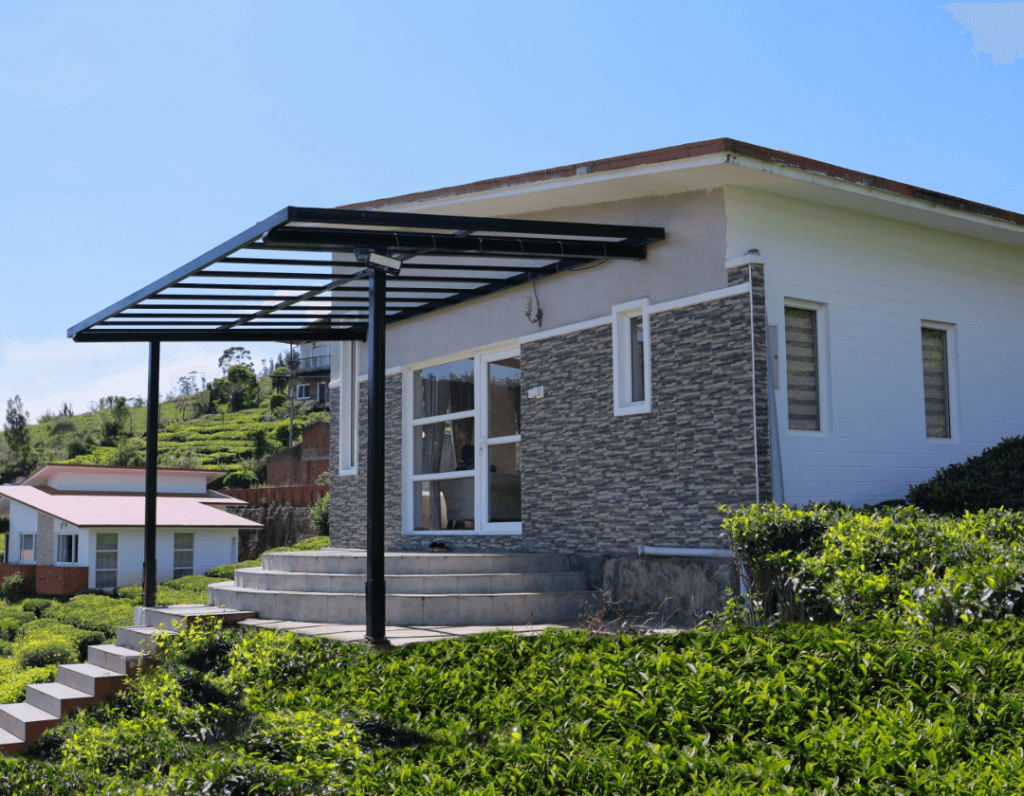
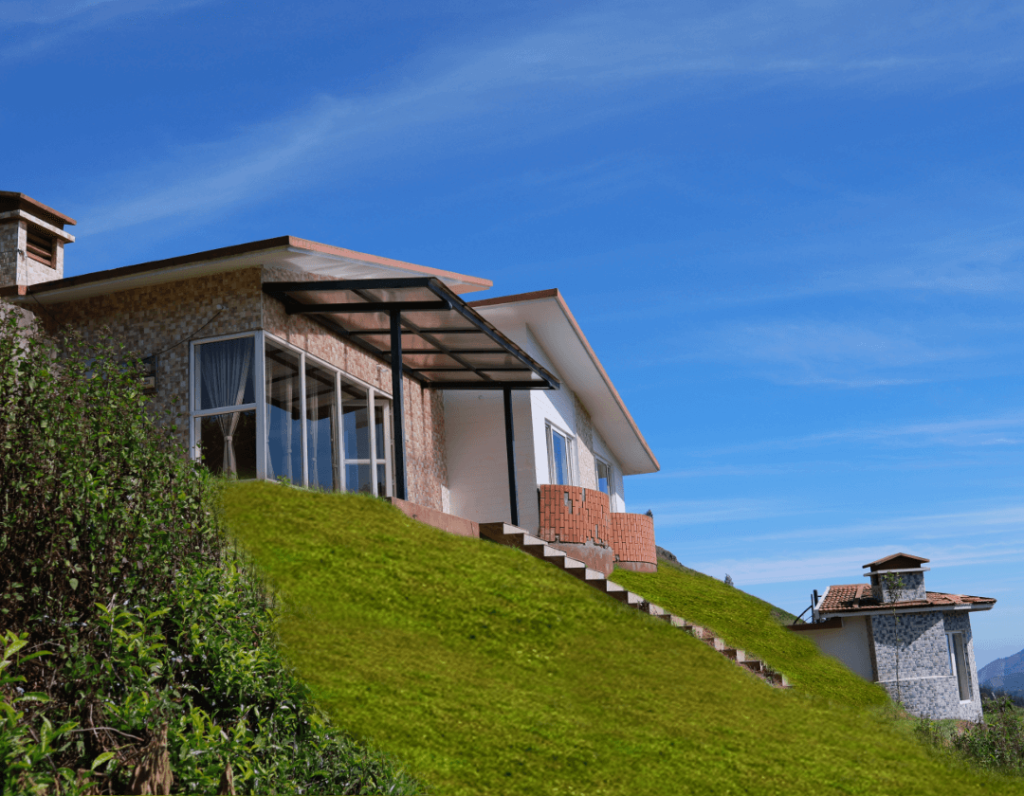
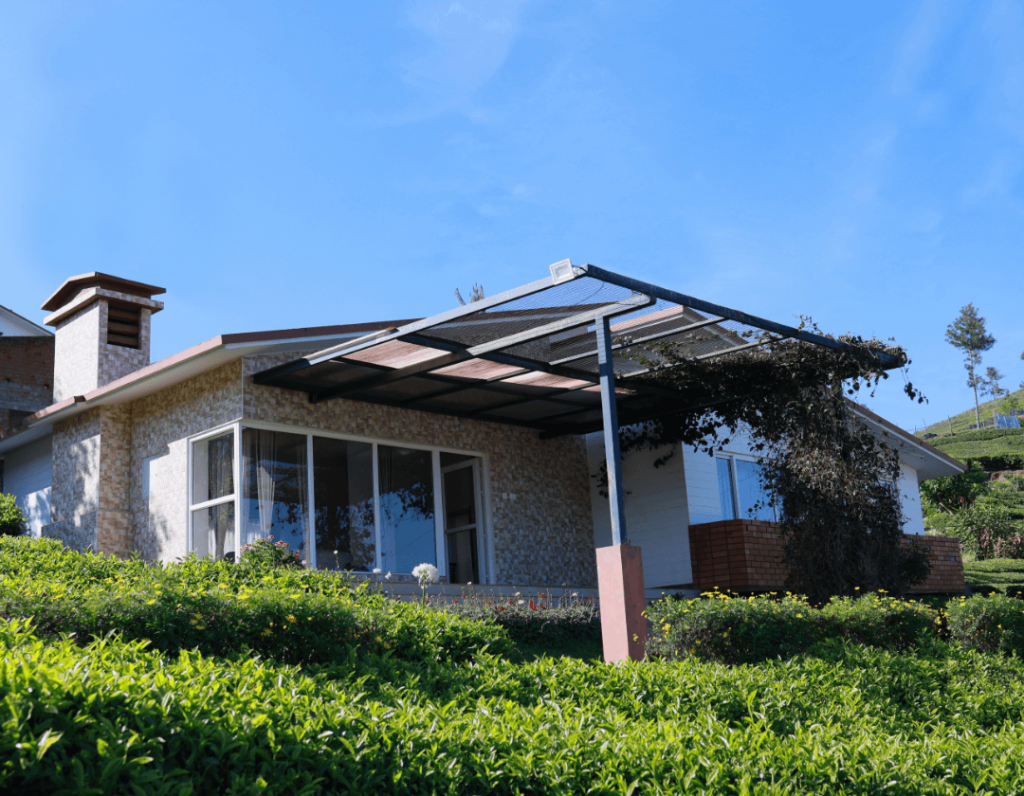
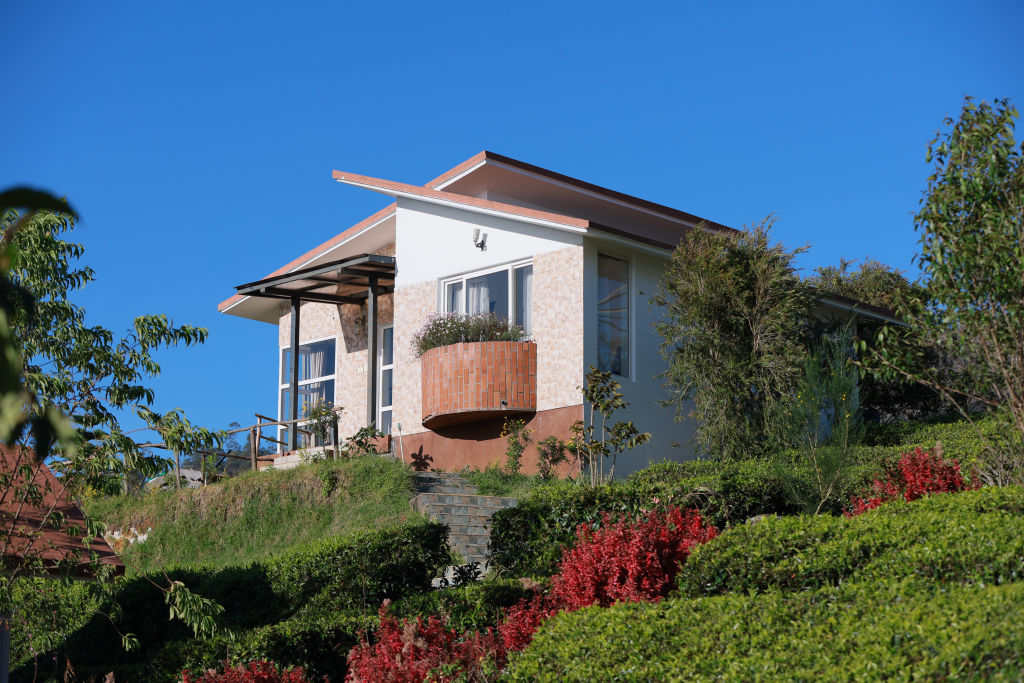
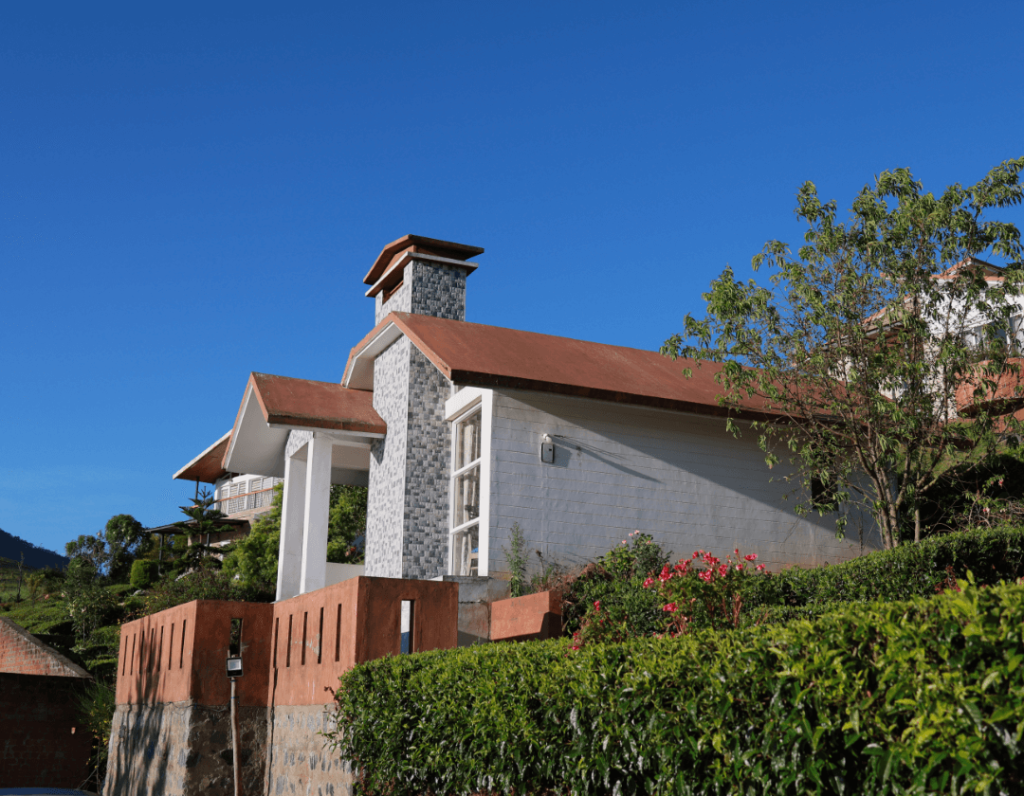
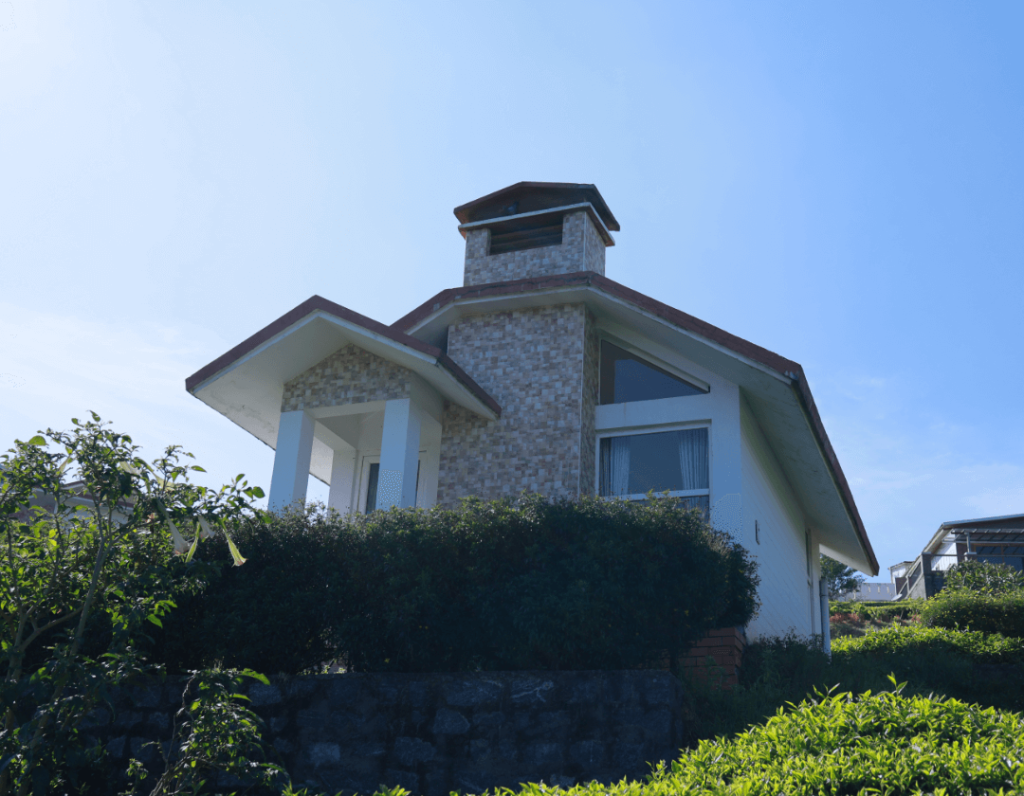
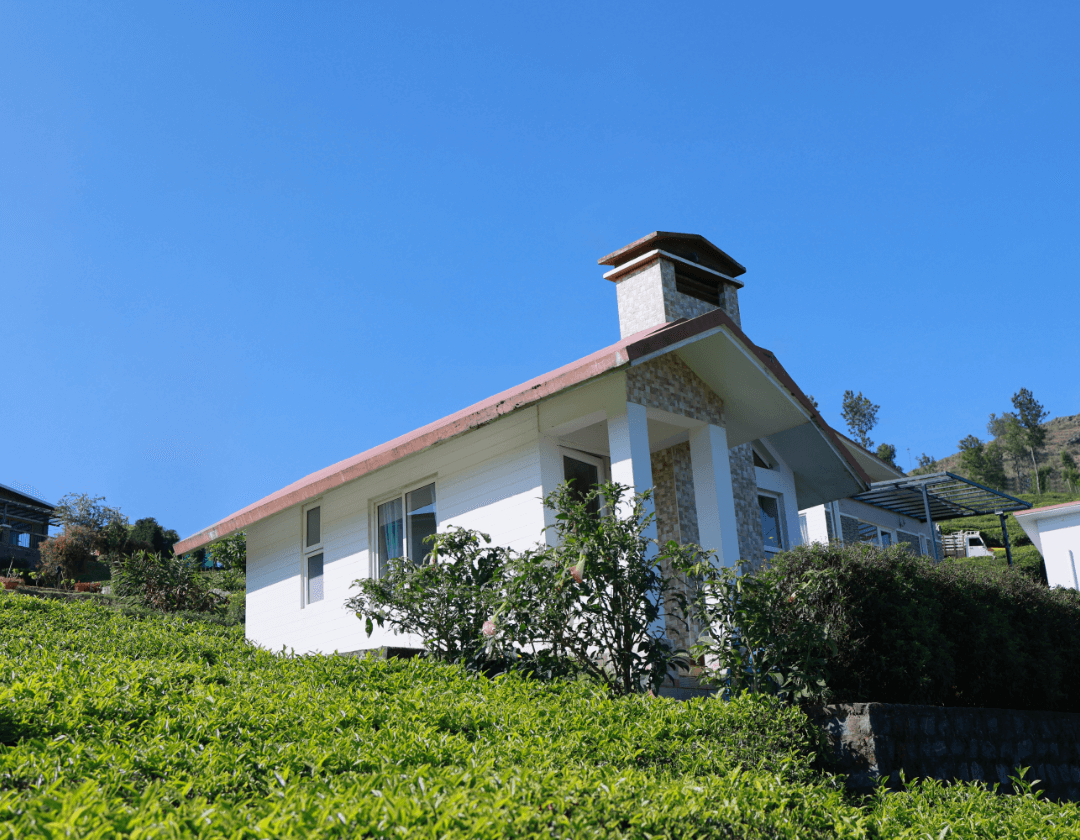
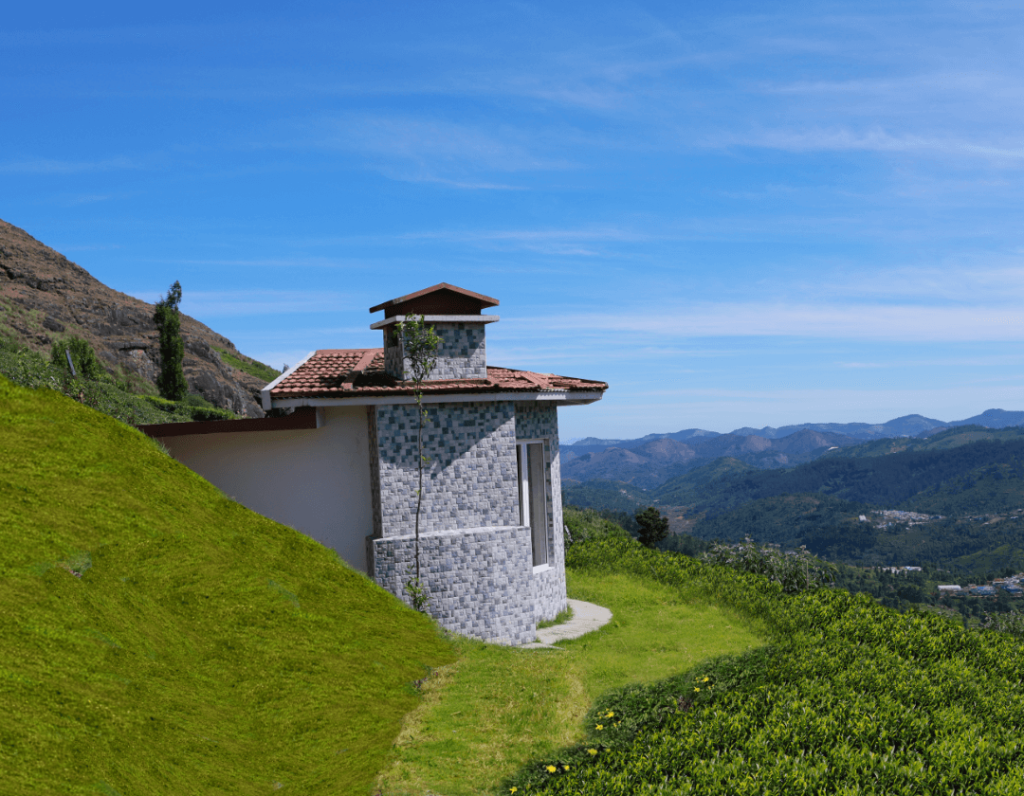
Staying near Mudumalai allows you to experience the natural rhythm of the forest, from the calls of waking birds at dawn to the peaceful stillness of jungle nights. Accommodation in the region is oriented toward eco-conscious travel, ranging from comfortable rustic campsites to characterful local homestays located on private lands around the reserve boundary.
Booking a stay close to the forest edge provides easy access to early safari departures and quieter nature walks. You can explore and book verified camps, homestays, and outdoor retreats around Mudumalai directly on HireACamp to suit your travel style.
Frequently asked questions
What animals can I see in Mudumalai?
Mudumalai is home to wild elephants, Bengal tigers, Indian leopards, gaur, spotted deer, sambar, and sloth bears. Birdwatchers can also spot over two hundred species of birds across its deciduous forests and grasslands.
How long does it take to drive to Mudumalai from Bengaluru?
Driving from Bengaluru covers approximately 239 kilometres and typically takes about 4 hours and 10 minutes in clear traffic conditions, passing through Mysuru and Bandipur.
Is night driving allowed through Mudumalai?
Night driving is restricted on highways cutting through the reserve to protect wild animals from vehicular traffic. It is best to complete your road journey during daylight hours and check current gate timings locally.
What is the best season for wildlife sightings in Mudumalai?
While October to January offers pleasant weather and green landscapes, the drier months between February and May offer the highest visibility into the brush and higher chances of seeing animals near watering holes.
Can I visit nearby hill stations from Mudumalai?
Yes, Mudumalai sits at the foot of the Nilgiri Hills, making it easy to visit nearby attractions like Pykara Lake, Needle Rock View Point, and Ooty within short drives up the ghats.
Where you'll be
10 stays nearby shown with prices
Stays near Mudumalai
Book a place to stay close by


Things to do in Mudumalai
48 places creators recommend within 30 km


Lists for this area
Ranked by how many creators recommend each place


Built from 0 Instagram posts by 0 creators. Every tip links back to the post it came from, and where creators disagree we show both sides.






