
Mudumalai Tiger Reserve
National park near Ketti, Tamil Nadu
1.5 km from Ketti
The nearest town, for stays, food and fuel.
Mudumalai Tiger Reserve is a renowned wildlife sanctuary and national park situated at the northwestern foothills of the Nilgiri Hills in Tamil Nadu. Bordering Karnataka and Kerala, it forms a vital corridor within the Nilgiri Biosphere Reserve and is celebrated for its thriving populations of Asian elephants, Bengal tigers, and diverse forest ecosystems. Nature lovers and wildlife enthusiasts travel here to explore untouched tropical woodlands and catch glimpses of rare fauna in their natural habitat.
Getting there
By road
- From KettiNearest town6 min · 2.6 km
- From Coimbatore2 hr 15 min · 87 km
- From Mysuru3 hr 15 min · 158 km
- From Bengaluru5 hr 25 min · 303 km
Typical drive times without traffic. Stations and airports from OLA Maps; distances and typical drive times from OpenStreetMap (© OpenStreetMap contributors); notes from creators' Reels.
About Mudumalai Tiger Reserve
Written with AI from map data and general knowledge. Check prices and timings locally before you go.
About Mudumalai Tiger Reserve
Mudumalai Tiger Reserve is one of the oldest wildlife habitats in South India, sprawling across the boundary where the Western Ghats meet the Nilgiri plateau. Established to protect the fragile scrublands and deciduous woodlands of the region, it shares seamless borders with Bandipur National Park in Karnataka and Wayanad Wildlife Sanctuary in Kerala. This contiguous belt creates one of the largest protected wildlife zones in the country, providing safe corridors for wide-ranging mammals.
The reserve's geography is dramatically varied, descending from the steep, misty slopes of the Nilgiri range into undulating forest valleys and flat plains watered by the perennial Moyar River. The vegetation shifts from dense semi-evergreen and moist deciduous canopies to dry deciduous teak forests and thorny scrub. This rich ecological transition supports high concentrations of wildlife, including Bengal tigers, leopards, dholes, Indian gaurs, chital, sambar deer, and sloth bears. Birdlife is equally abundant, with the reserve serving as an essential haven for Malabar grey hornbills, crested hawk-eagles, and several species of endangered vultures.
Things to do at Mudumalai Tiger Reserve
The primary experience at Mudumalai is exploring its wilderness through organized forest safaris. Managed by the forest department, these safaris take visitors deep into designated tourist zones aboard department buses or authorized open safari gypsies. Early morning and late afternoon safaris provide the best opportunities to observe wildlife grazing near natural clearings or moving toward seasonal water bodies.
Apart from vehicle safaris, visiting the Theppakadu Elephant Camp offers insight into regional forest conservation. Established decades ago, it is one of the oldest camps of its kind in India and allows visitors to observe how captive elephants are cared for, bathed, and fed by traditional mahouts. For avid birdwatchers, the riverbanks along the Moyar River and the buffer forest trails around Masinagudi offer exceptional sightings of migratory and resident woodland birds.
Read more
Best time to visit Mudumalai
The reserve can be visited for most of the year, but the post-monsoon and winter months from October to March offer the most pleasant weather. During this period, the vegetation is vibrant and lush after the rains, water sources are plentiful, and temperatures are comfortably mild throughout the day, making safari drives enjoyable.
The summer months, spanning March to May, turn the forest dry and cause deciduous trees to shed their leaves. While the landscape looks austere and midday temperatures can be warm, this season is particularly rewarding for wildlife sightings as animals frequently gather around the Moyar River and remaining forest waterholes. The monsoon season from June to September brings heavy downpours that rejuvenate the landscape, though intense rain spells may occasionally lead to muddy tracks and temporary pauses in safari operations.
How to reach Mudumalai Tiger Reserve
Mudumalai Tiger Reserve is well connected by road and easily reached from several major towns and cities in South India. Ooty is the nearest prominent hill station, located roughly an hour or two away depending on the route chosen. Travelers coming from Ooty can take the scenic Kalhatti Ghat road, which features thirty-six steep hairpin bends, or the gentler Gudalur route suited for heavy vehicles and cautious drivers.
From Karnataka, the reserve is directly accessible via Mysore and Bengaluru along the national highway that cuts through Bandipur and Mudumalai. Coimbatore is the nearest major domestic airport, offering broad air connectivity along with a major railway station. From Coimbatore, travelers can hire taxis or use regular state transport buses heading up to Ooty or Gudalur, then proceed down into the forest plains.
Places to visit nearby
Combining a trip to Mudumalai with nearby sights in the Nilgiris allows travelers to experience both wildlife plains and high-altitude mountain scenery. Just up the ghats toward Ooty lie Pykara Lake and Pykara Waterfall, known for their tranquil waters, rolling meadows, and serene boat cruises amidst pine and shola trees.
Further along the hill ranges, viewpoints such as Needle Rock View Point near Gudalur offer panoramic vistas of valleys, surrounding plantations, and the vast forest plains below. Travelers venturing up into Ooty can visit Doddabetta Peak, the highest vantage point in the Nilgiris, or explore the mist-laden precipices around Lamb's Rock and Dolphin's Nose overlooking the tea-covered valleys of Coonoor.
Tips for your visit to Mudumalai
When visiting Mudumalai, respecting wildlife ethics and forest guidelines is paramount. Private vehicles are strictly restricted to public transit highways, and stepping out of your car inside the reserve boundary is strictly illegal. Maintain low driving speeds and yield right-of-way to wild animals crossing the road, especially elephants.
For safari drives, wear neutral, muted clothing in earthy tones like olive, khaki, or brown to blend into the forest environment. Bright colors and strong perfumes should be avoided as they can disturb wildlife. Safari slots are managed by the Tamil Nadu Forest Department, so it is best to check their local counters or official reservation systems well ahead of time, especially during weekends and national holidays. Carry adequate drinking water, protection from the sun, and a pair of binoculars for spotting wildlife from distance.
Where to stay near Mudumalai Tiger Reserve
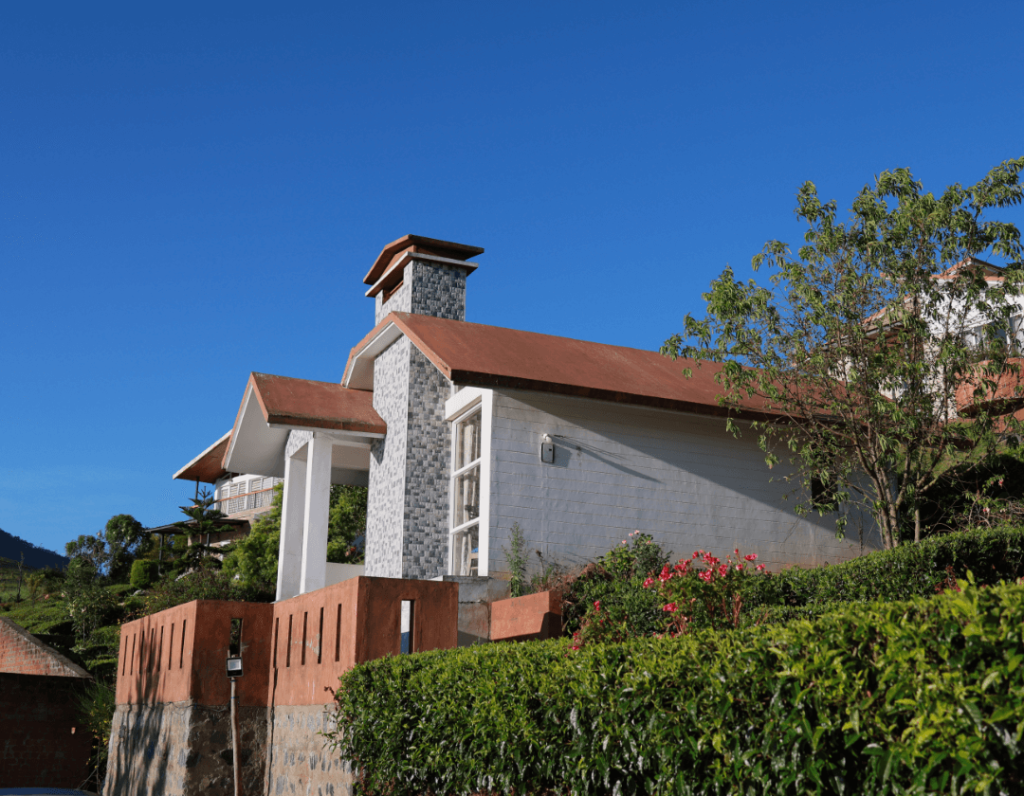
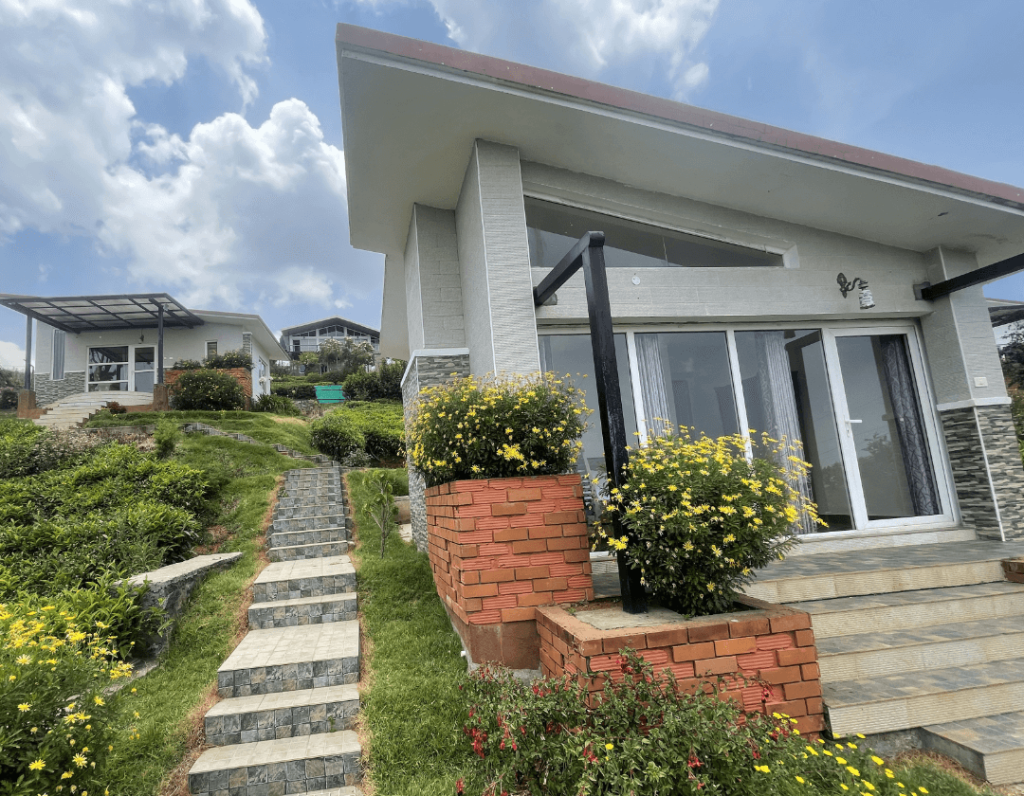
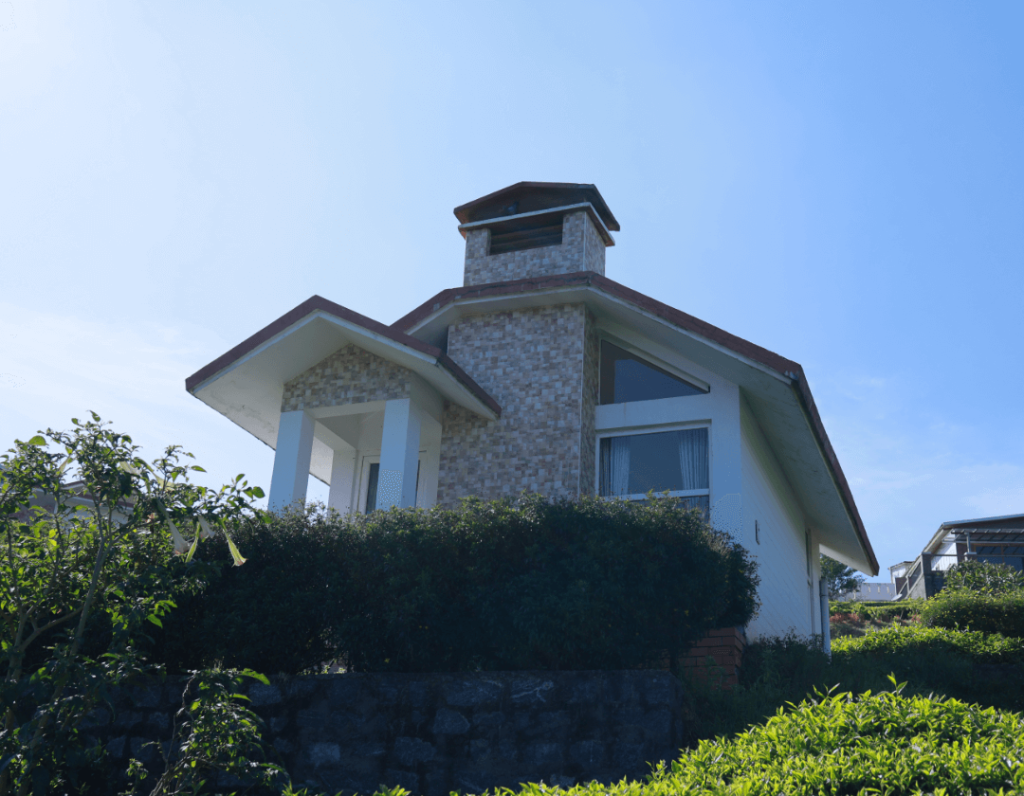
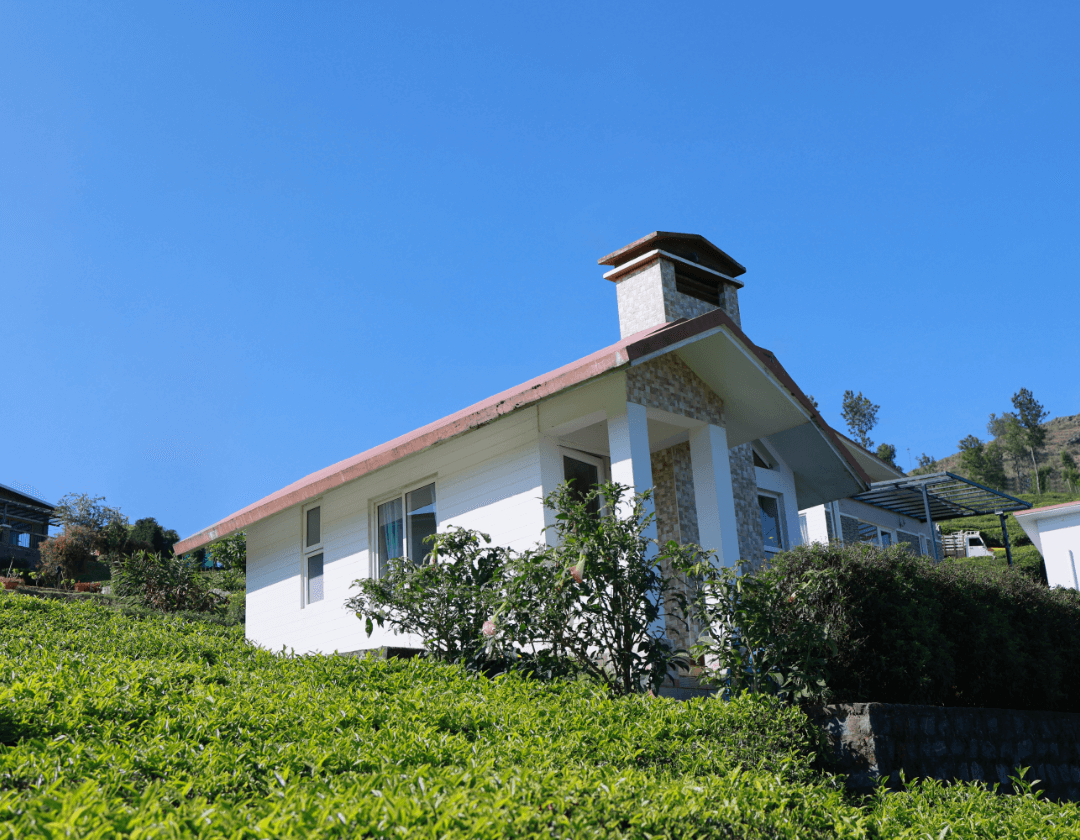
Accommodation options around Mudumalai cater to those who appreciate nature and quiet surroundings. While stays inside the core forest area are restricted to preserve wildlife habitat, a diverse selection of eco-friendly lodgings operates along the fringes of the reserve, particularly around Masinagudi, Bokkapuram, and Gudalur.
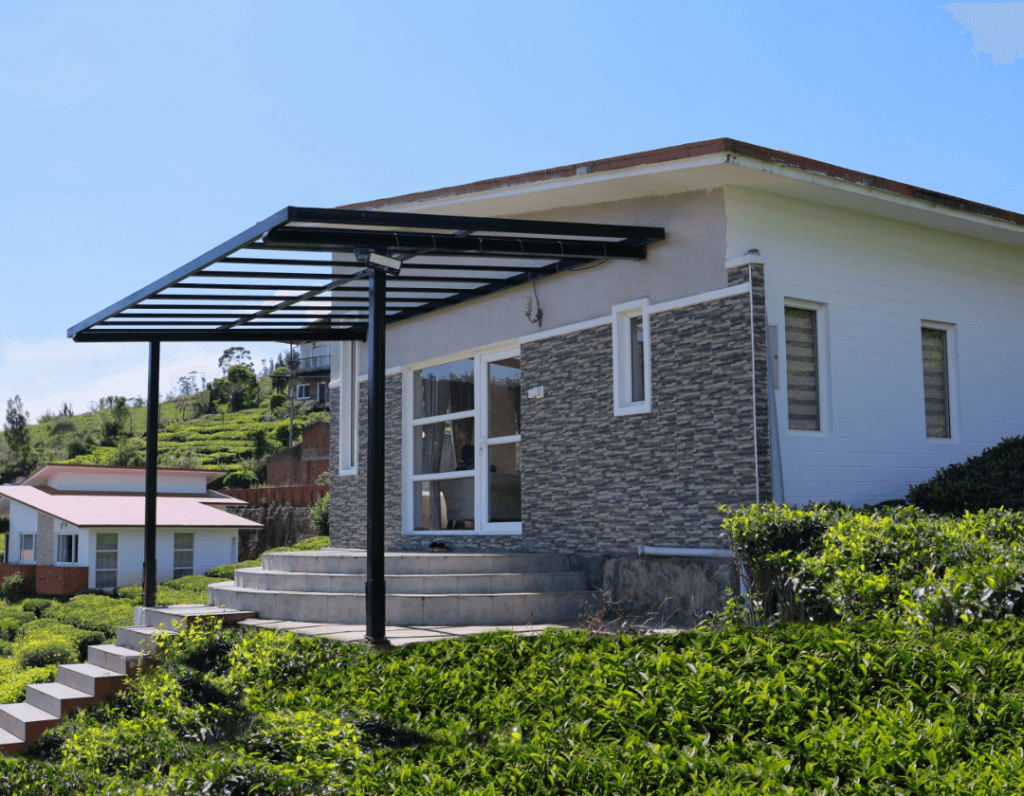
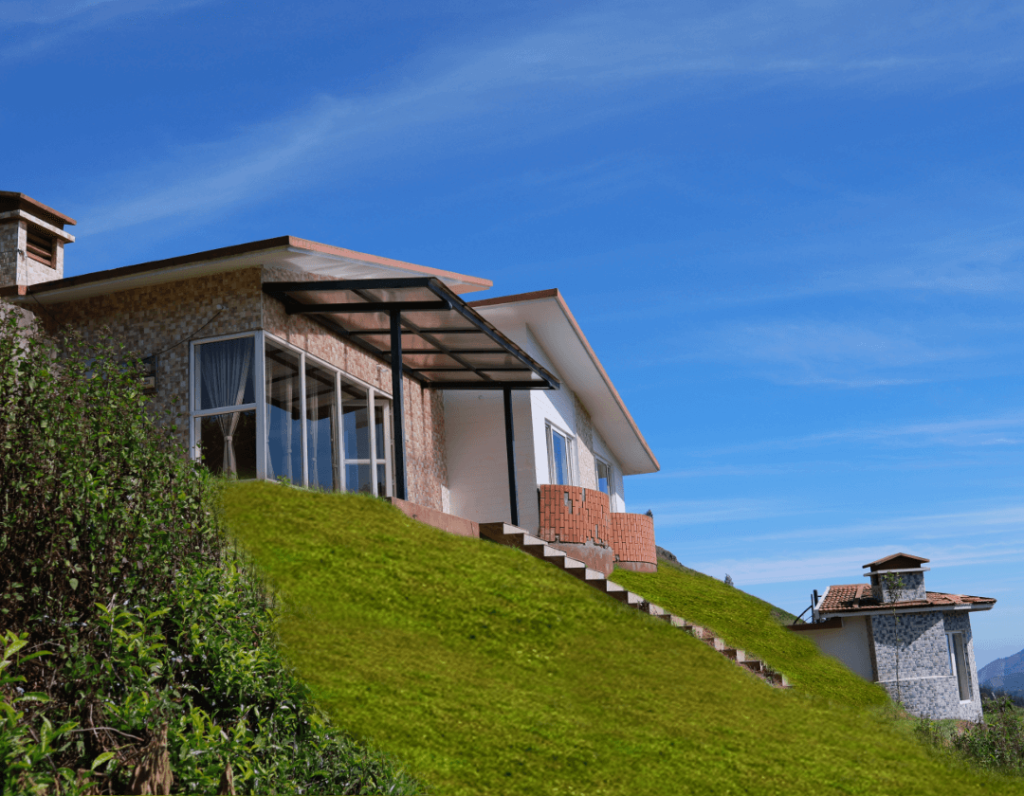
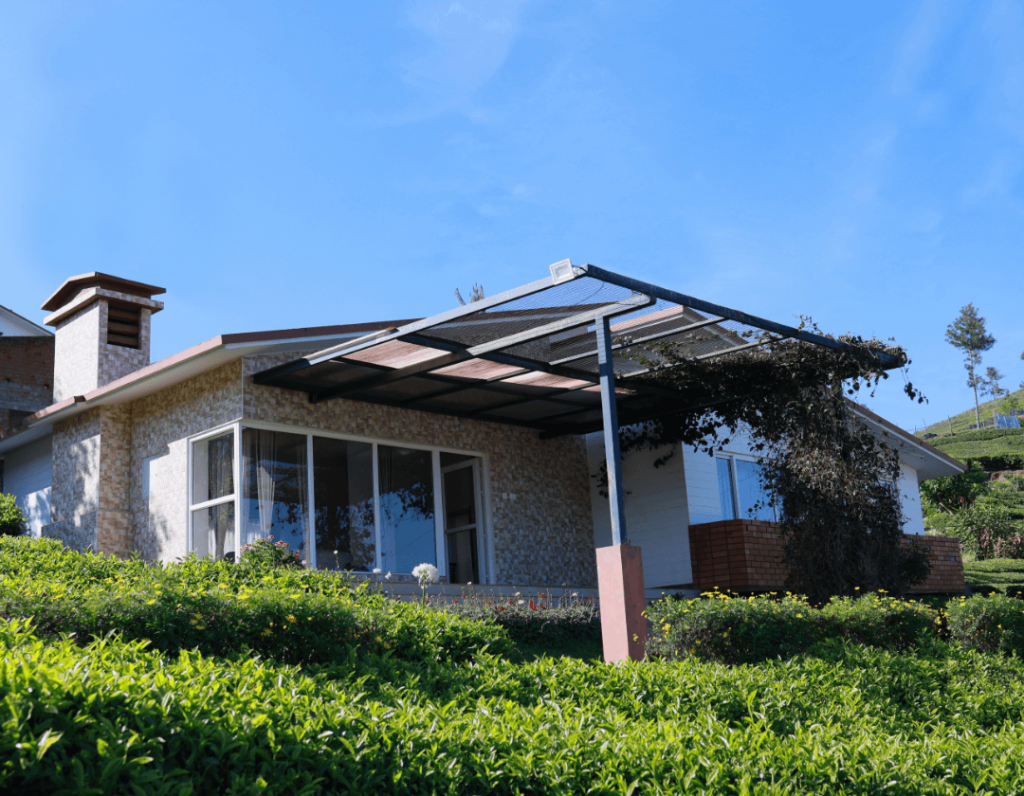
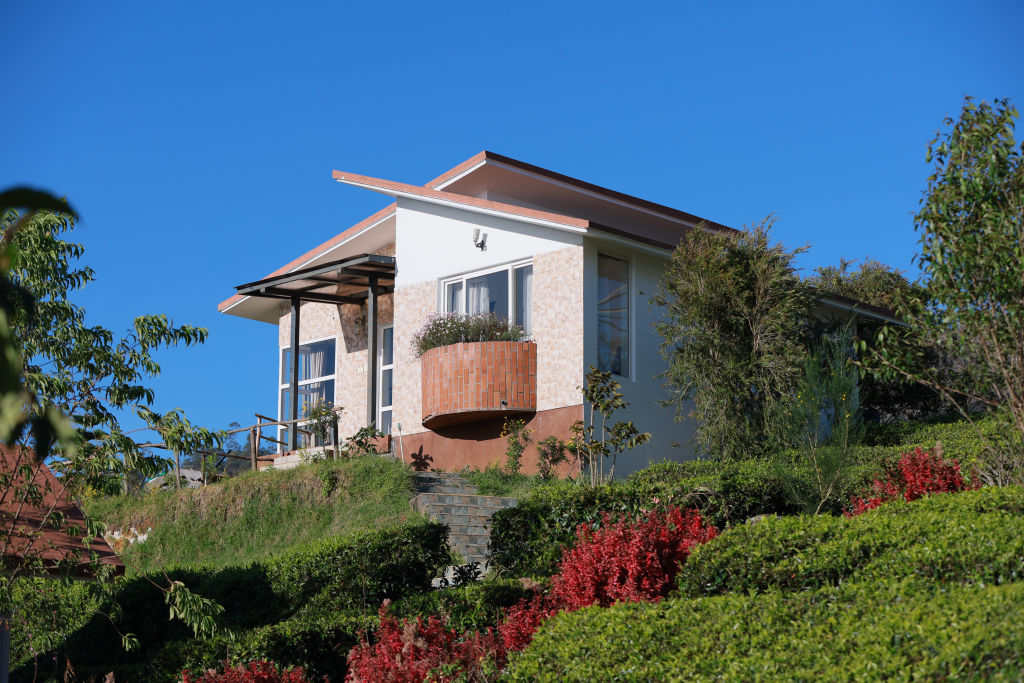
Visitors can choose from rustic tented camps, private cottages, and warm local homestays that blend gently with the rural backdrop of the Nilgiri foothills. For those who prefer cool mountain air and broader amenities, staying in Ooty and making day trips down to the reserve is another popular alternative. You can discover and book genuine camps, homestays, and nature-focused getaways around Mudumalai on HireACamp.
Frequently asked questions
What wildlife can you see in Mudumalai Tiger Reserve?
Visitors commonly spot Asian elephants, Indian gaurs, spotted deer, sambar, wild boars, and langurs. Sightings of elusive predators such as Bengal tigers, leopards, and wild dogs (dholes) are also possible, particularly during safaris.
How do you book a safari in Mudumalai?
Safaris are conducted solely by the Tamil Nadu Forest Department from the Theppakadu reception center. Visitors can purchase tickets directly at the counter on arrival or look for advance slots through the forest department's official booking facility.
Can I drive my own car inside the tiger reserve?
You can drive your private vehicle only along the designated national and state transit highways that cut through the reserve. Driving off-road or entering the interior safari routes in private vehicles is strictly prohibited.
How far is Mudumalai Tiger Reserve from Ooty?
Mudumalai is situated at the foothills of the Nilgiris, roughly 30 to 45 kilometers from Ooty depending on whether you take the steep Kalhatti Ghat road or the route via Gudalur.
Is Mudumalai Tiger Reserve open throughout the year?
The reserve remains open for most of the year. However, specific safari zones or tracks may temporarily shut during periods of extreme monsoon rainfall or during dry summer months for forest fire management, so checking locally before visiting is recommended.
Where you'll be
Main Road, Ooty · 10 stays nearby shown with prices
Stays near Mudumalai Tiger Reserve
Book a place to stay close by

More places near Mudumalai Tiger Reserve
Within 20 km


Lists for this area
Ranked by how many creators recommend each place


Built from 0 Instagram posts by 0 creators. Every tip links back to the post it came from, and where creators disagree we show both sides.






