
Muniyaras
Ruins near Pallivasal, Kerala
5.3 km from Pallivasal
The nearest town, for stays, food and fuel.
Muniyaras refers to the fascinating megalithic dolmens and prehistoric burial chambers situated near Devikulam in the high ranges of Kerala. These ancient stone ruins offer a glimpse into the region's Iron Age heritage amidst sweeping mountain vistas. Travellers visit Muniyaras to explore centuries-old archaeological structures surrounded by the cool climate and rolling hills of the Western Ghats.
Getting there
By road
- From PallivasalNearest town36 min · 14 km
- From Kochi2 hr 40 min · 126 km
- From Madurai3 hr 35 min · 148 km
- From Coimbatore5 hr 50 min · 256 km
Typical drive times without traffic. Stations and airports from OLA Maps; distances and typical drive times from OpenStreetMap (© OpenStreetMap contributors); notes from creators' Reels.
About Muniyaras
Written with AI from map data and general knowledge. Check prices and timings locally before you go.
Understanding the history of Muniyaras
The Muniyaras are ancient megalithic burial chambers, commonly known as dolmens, dating back thousands of years to the Neolithic and Iron Age eras. These structures typically consist of four smooth slabs of granite standing upright on their edges to form an enclosure, topped with a massive horizontal capstone. According to local folklore and archaeological studies, these chambers were constructed as burial tombs or shelter cells by ancient ascetics and wandering tribes.
Over the centuries, weathering and human expansion have affected many of these prehistoric sites, but the surviving structures remain an invaluable archaeological record in Kerala. Walking among the Muniyaras gives visitors a rare chance to connect with early human settlement in the high-altitude forested regions of South India. The weathered granite slabs stand in stark contrast to the surrounding greenery, serving as silent witnesses to millennia of history.
Landscape and setting around Devikulam
The site of Muniyaras is situated in the scenic upland landscape surrounding Devikulam, perched high in the Western Ghats. The terrain features undulating hills, rocky outcrops, patches of montane grasslands, and deep river valleys. Cool mountain winds sweep across the ridges, providing pleasant daytime weather throughout most of the year.
The altitude creates a microclimate characterized by clear mornings, frequent afternoon mists, and crisp, chilly evenings. In addition to their historical importance, the ruins are set against expansive panoramic backdrops of tea-carpeted slopes and craggy hillocks, making the exploration of the site as visually rewarding as it is culturally intriguing.
Read more
Things to do at Muniyaras
Exploring the megalithic structures up close is the primary draw at Muniyaras. Visitors can examine the stonework, observing how massive natural rock slabs were balanced together without modern mortar or tools. It is an ideal setting for history lovers, photography enthusiasts, and those who appreciate quiet open-air heritage destinations.
The elevated surroundings also make it a great spot for peaceful walking and birdwatching. Low-growing montane scrub and scattered trees around the site attract various regional bird species. Taking a quiet stroll along the rocky paths while soaking in views of the adjoining valleys provides a relaxed outdoor experience away from busy tourist hubs.
Best time to visit Muniyaras
The winter months from October to March are generally considered the best time to visit Muniyaras. During this season, the weather in the Devikulam region remains dry, clear, and cool, which creates ideal conditions for outdoor walks and open-air archaeological sightseeing. Early mornings during winter can be crisp and cold, so packing a light fleece or windbreaker is recommended.
The monsoon period between June and September brings heavy downpours to the high ranges. While the landscape turns intensely green and lush during the rains, the stone surfaces and pathways can become slippery and difficult to negotiate. If you visit in the summer months between April and May, daytime temperatures are moderately warm, making early morning or late afternoon the best times to walk around the ruins.
How to reach Muniyaras
Muniyaras is located near Devikulam in the Idukki district of Kerala. The region is well connected by road to major towns across central Kerala and neighbouring Tamil Nadu. Travellers arriving by air can fly into Cochin International Airport, from where scenic mountain roads lead up into the high ranges. The nearest major railway stations are located in the plains at Aluva, Ernakulam, and Kottayam.
From Munnar or Devikulam town, local buses, private taxis, and auto-rickshaws provide transport toward the site. Driving your own vehicle or hiring a cab gives you the flexibility to navigate winding ghat roads and stop at viewpoints along the journey. Because roads in the hills can have steep turns and narrow stretches, drive cautiously and factor in extra travel time.
Tips for your visit
When visiting Muniyaras, remember that these are ancient, delicate heritage monuments that require careful preservation. Do not climb on the capstones, scratch markings onto the granite slabs, or disturb the underlying soil. Staying on defined walking tracks helps prevent erosion and preserves the site for future generations.
Wear sturdy, closed-toe walking shoes with good grip, as the terrain around the ruins can be uneven and rocky. Bring a refillable water bottle, a sun hat, and sunscreen, as there is very little natural shade across the open plateau. Always pack out any waste you bring in and avoid littering, keeping this historic landscape clean and undisturbed.
Places to explore nearby
The Devikulam area is surrounded by natural attractions and scenic outdoor spots. Waterfall lovers can visit Attukad Waterfalls, Ripple Waterfalls, and Kuthumkal Waterfalls, all located within a short drive. Each offers rushing water flows framed by rocky bluffs and thick forest covers.
For panoramic scenery, Nadukani View Point provides expansive vistas over the forested hills and lower plains. Ponmudi Dam is another nearby attraction where travellers can enjoy placid reservoir views. Trekkers can explore nature trails such as the Mankulam Elephant Trail or plan an excursion to Eravikulam National Park to witness the high-altitude biodiversity of the Western Ghats.
Where to stay near Muniyaras
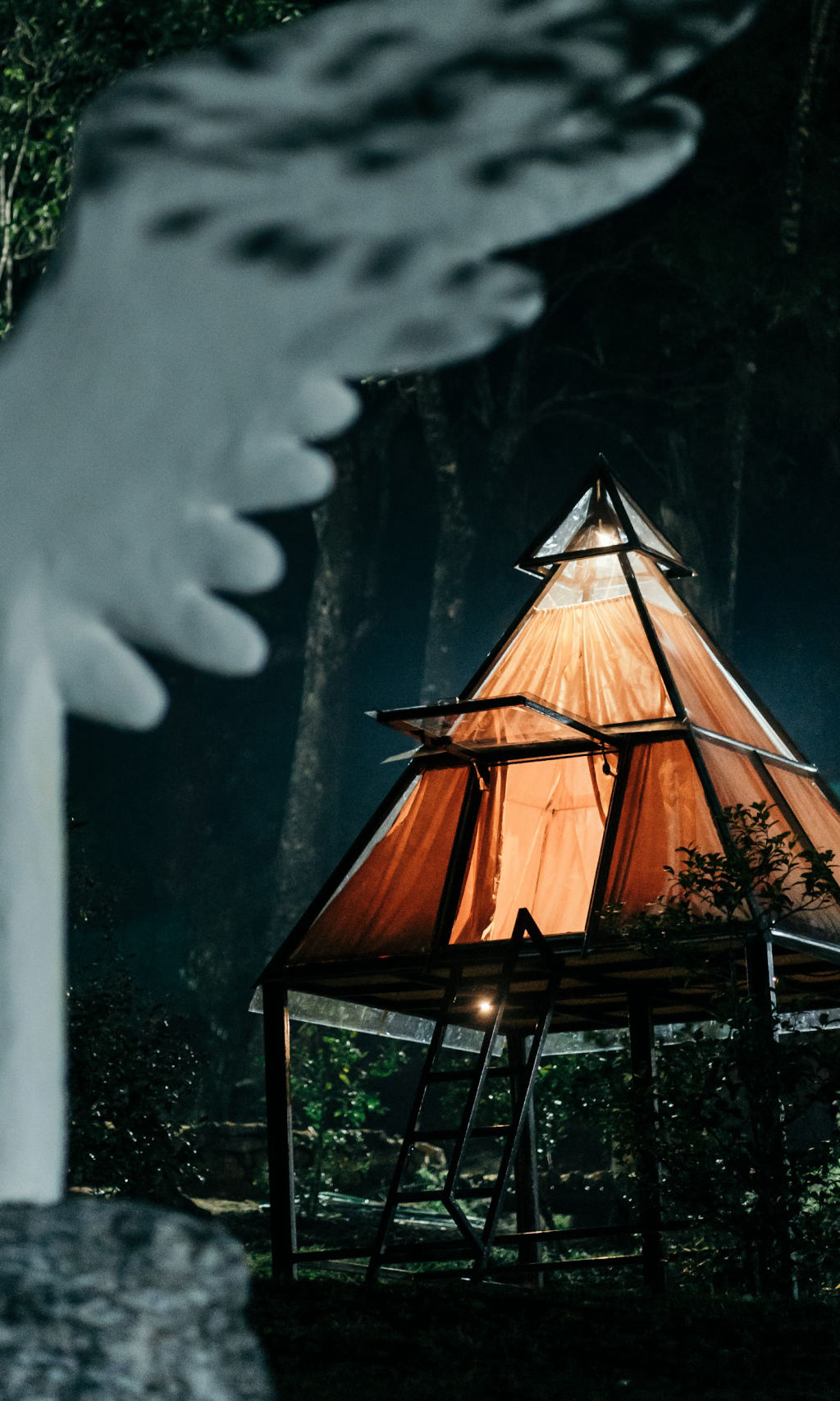
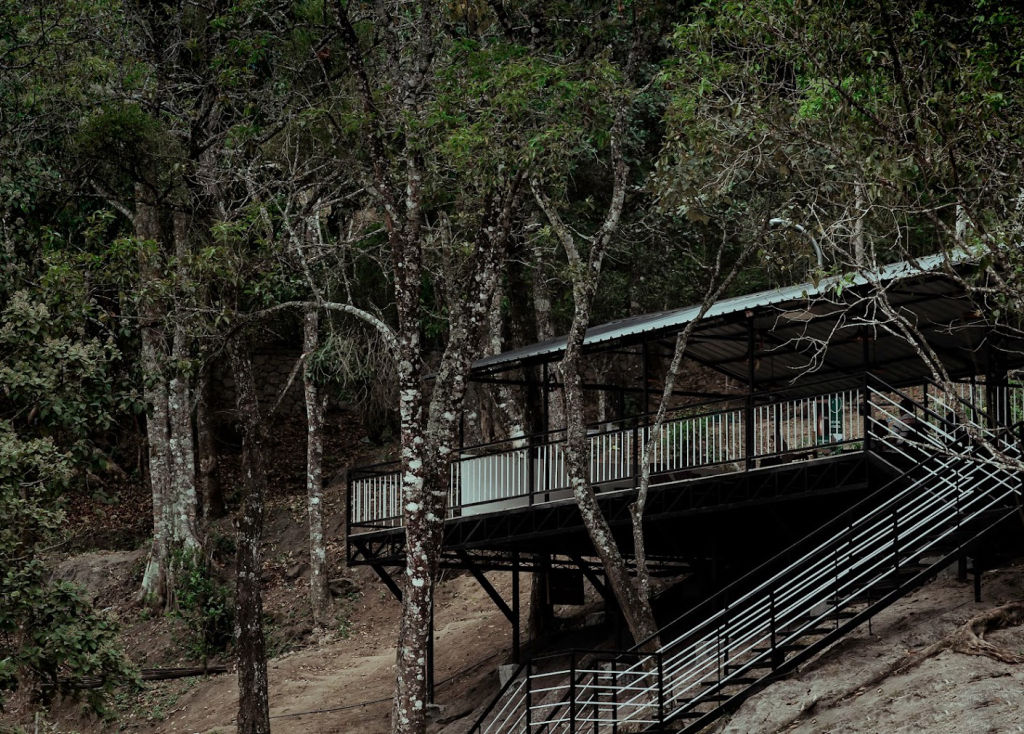
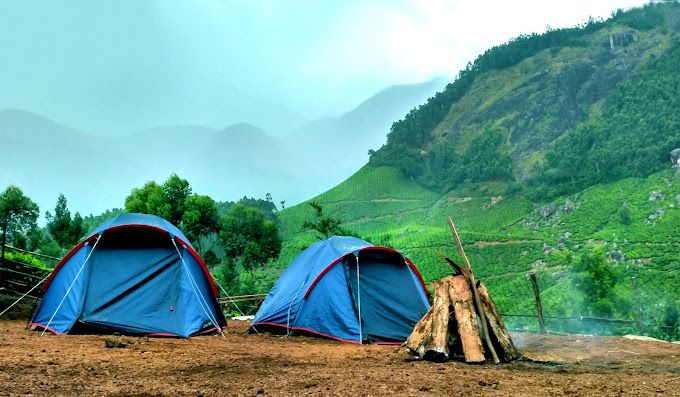
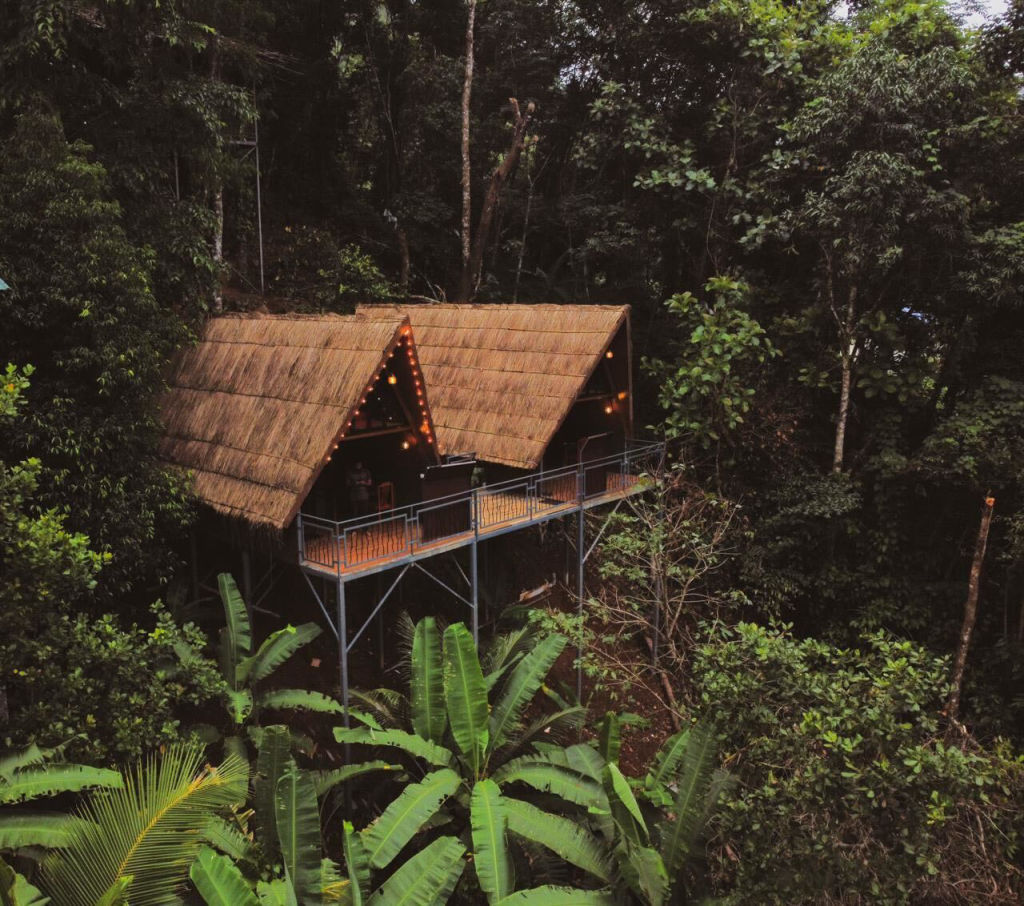
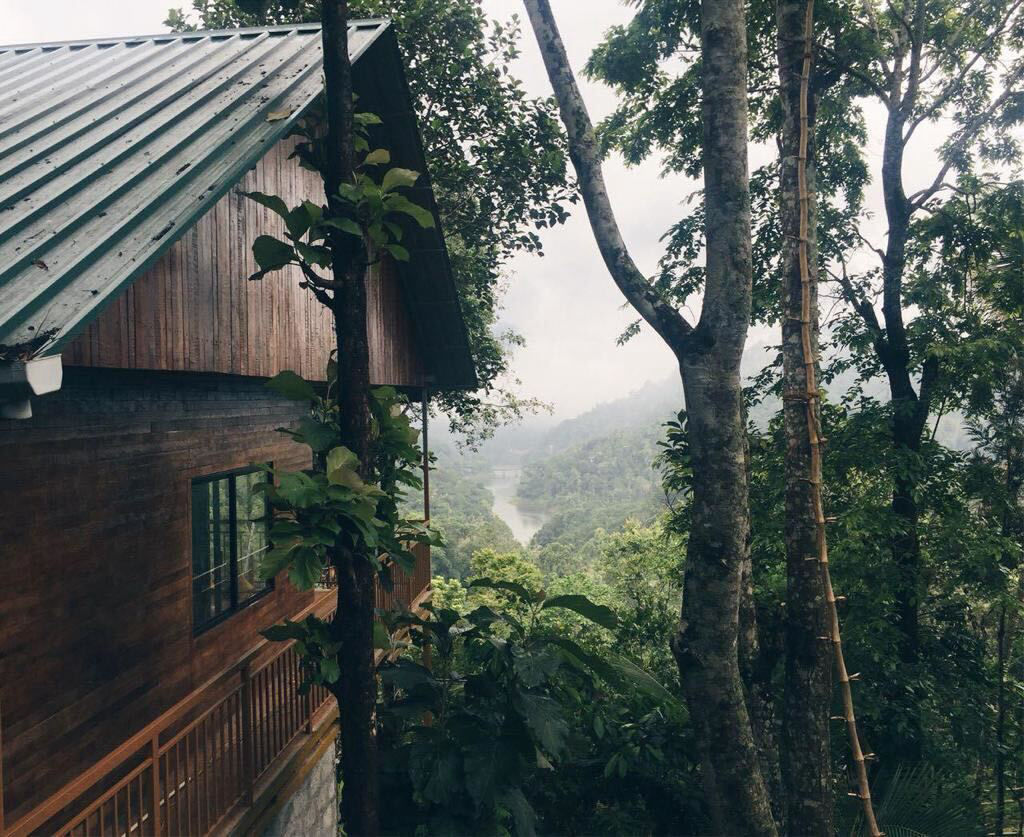
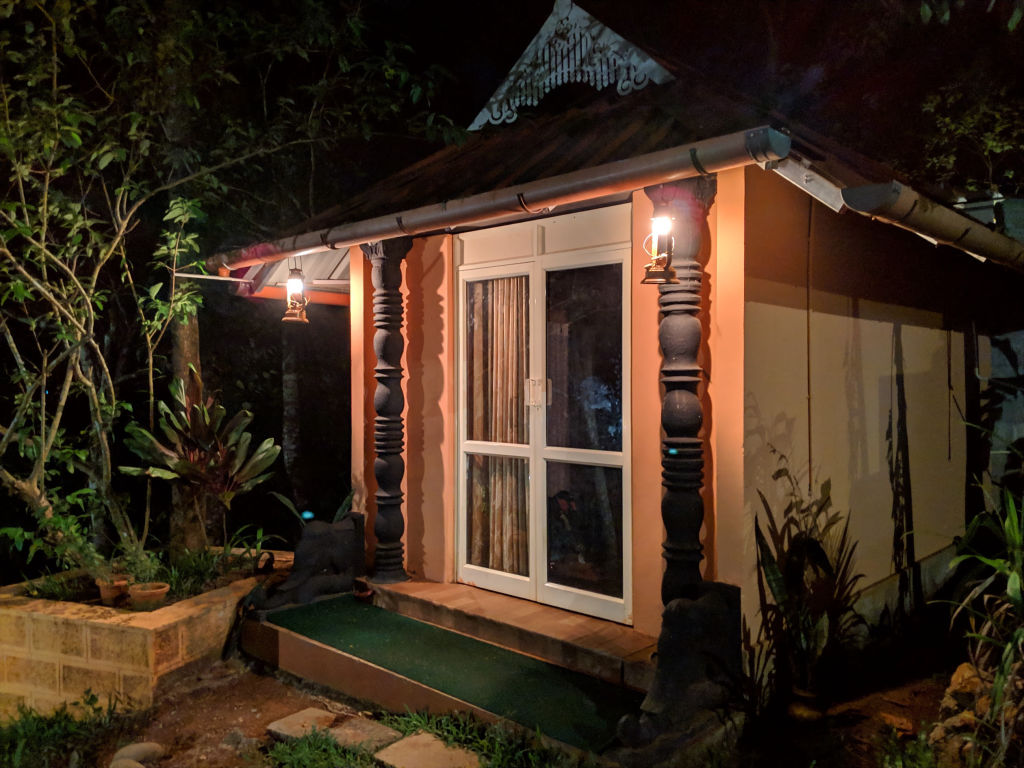
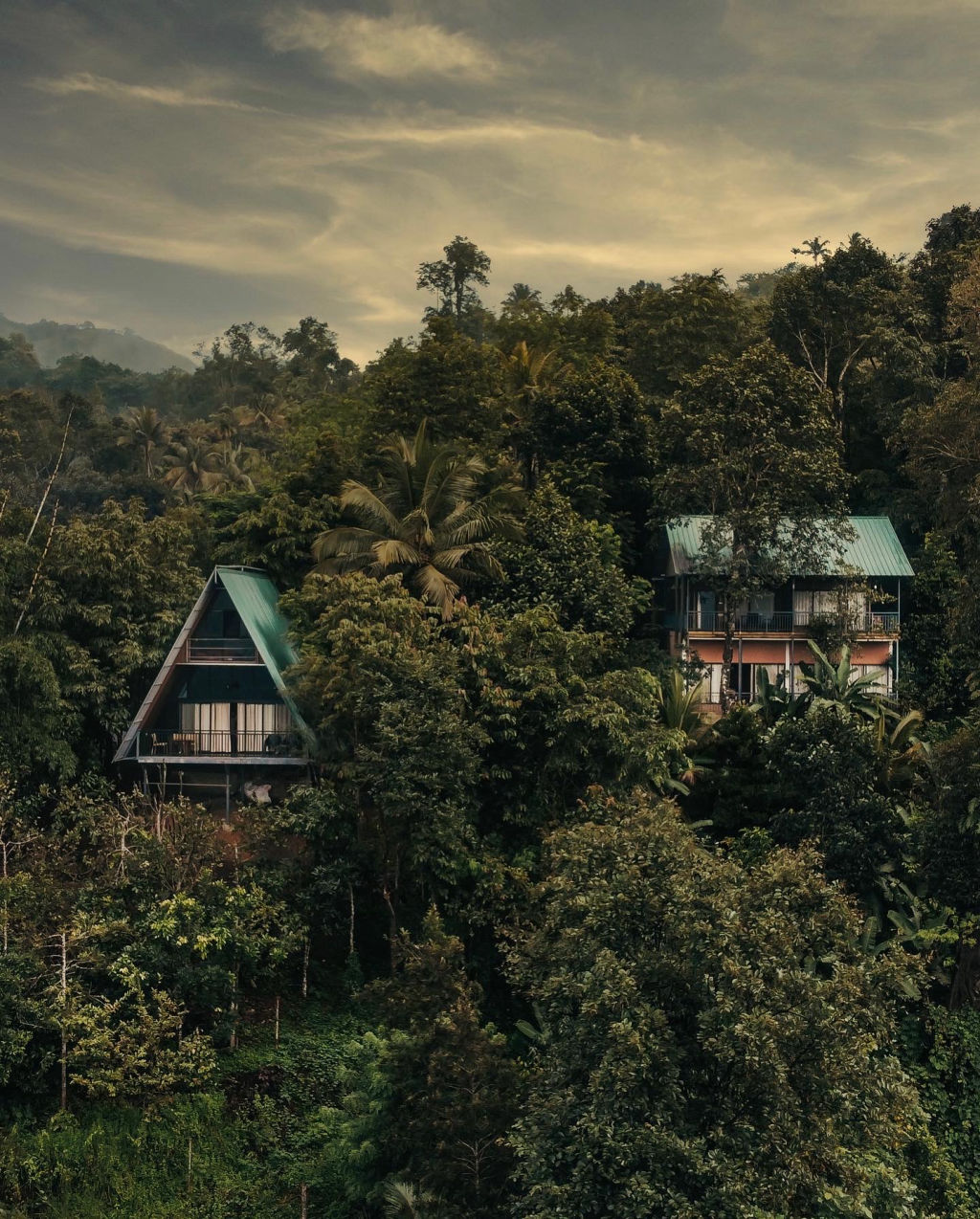
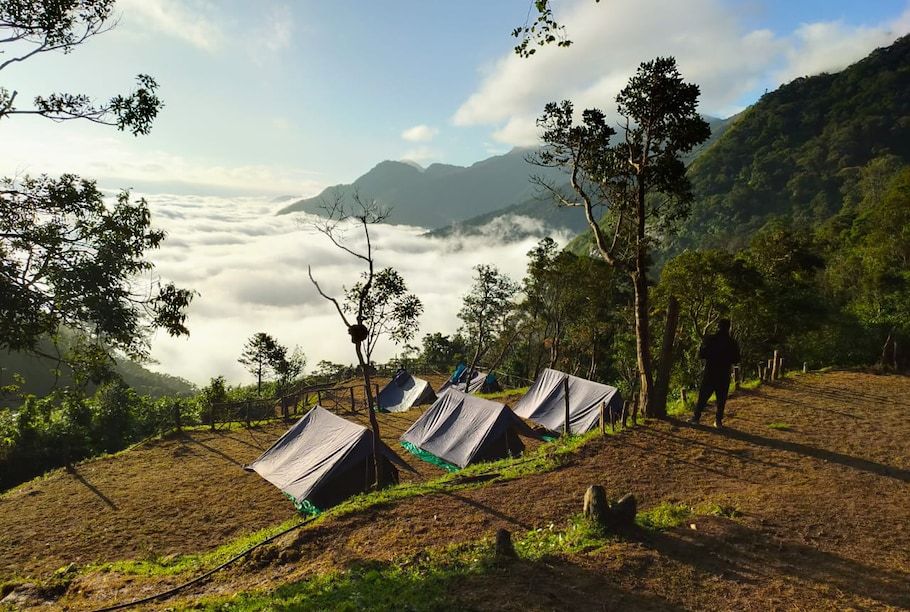
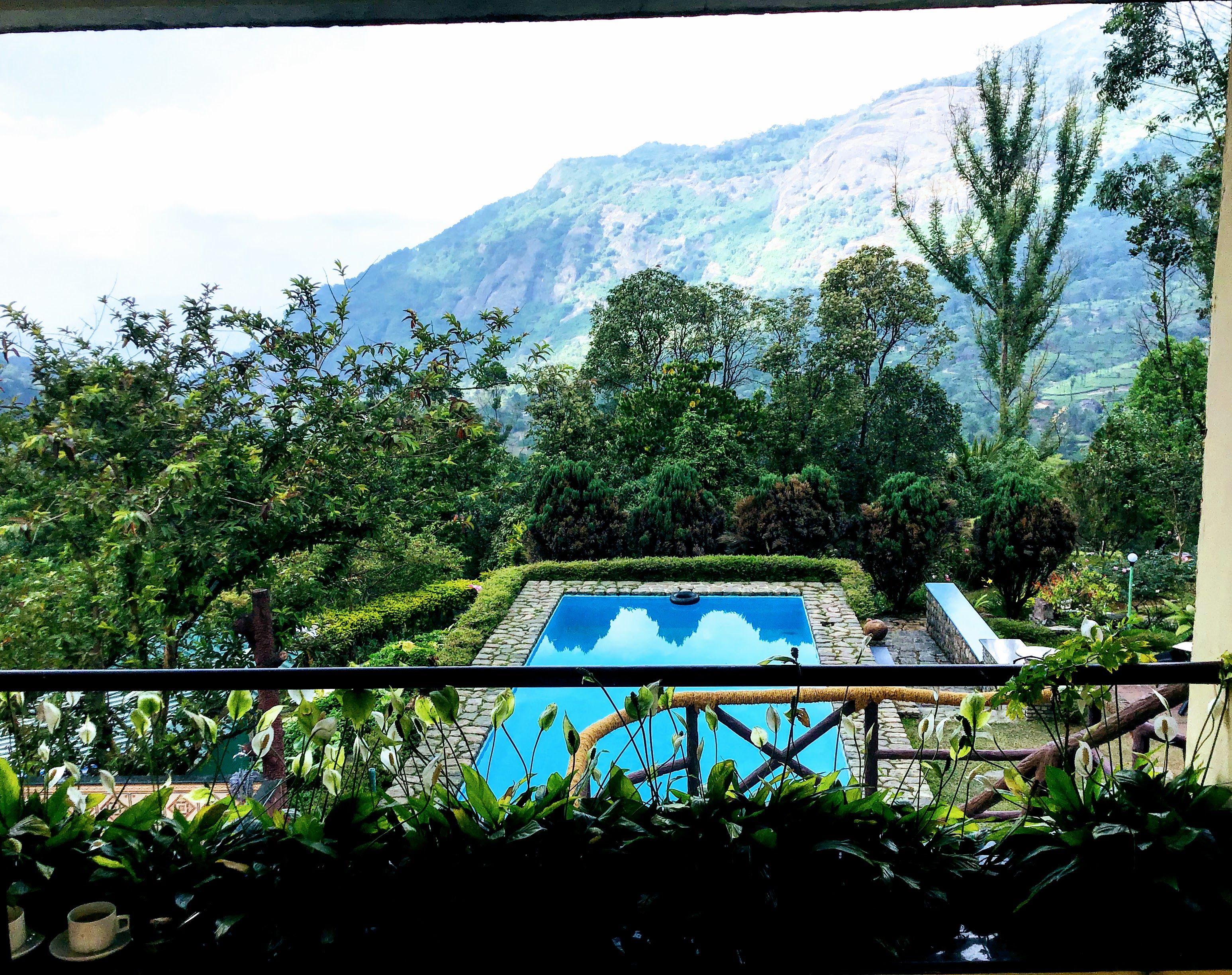
The hills around Devikulam and the wider Munnar area offer a wide range of stay options tailored to nature lovers and outdoor adventurers. You can choose from peaceful riverside campsites, hillside tent stays, cozy homestays, and plantation retreats tucked away amid tea gardens.
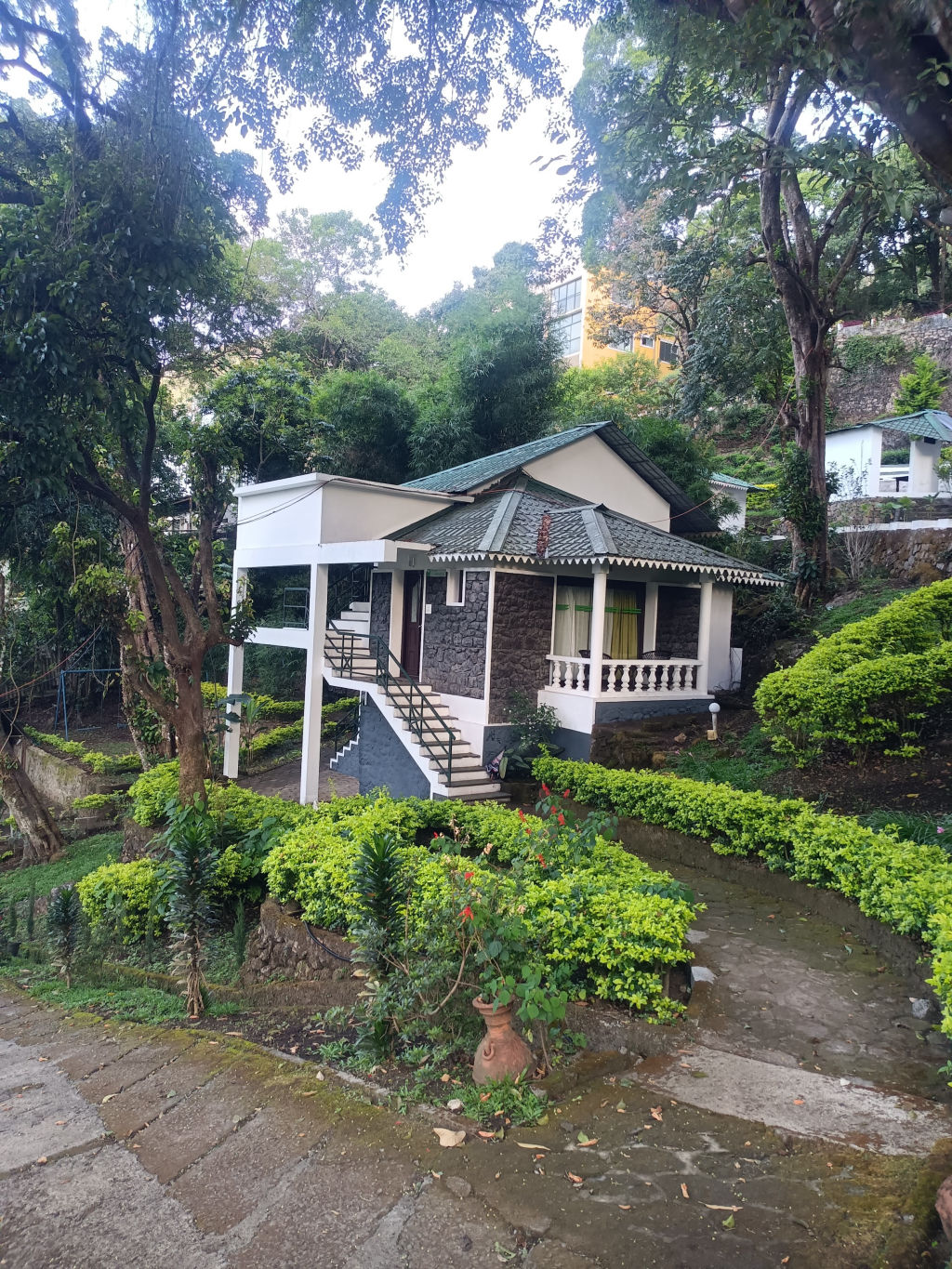
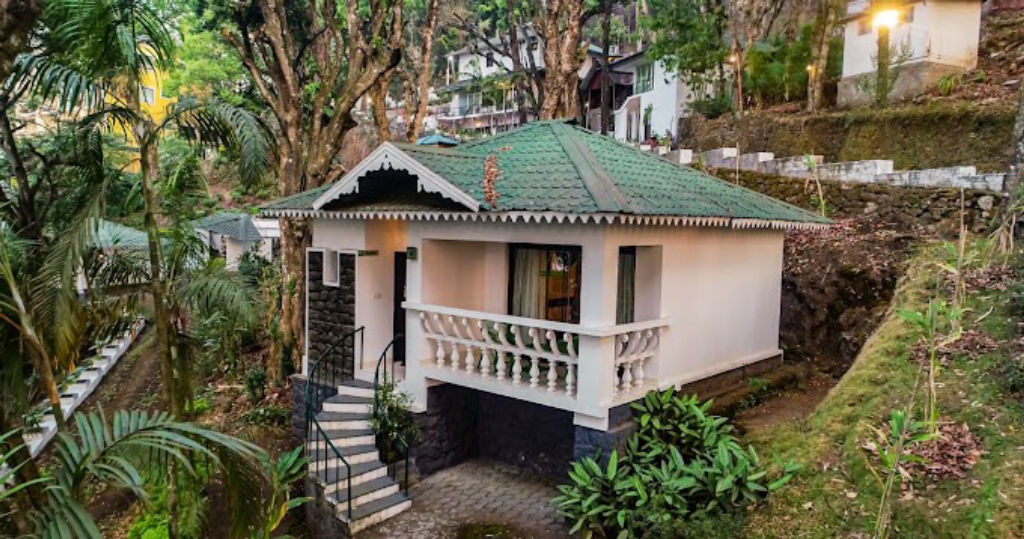
To find authentic camps, rustic homestays, and outdoor getaways close to Muniyaras, browse the listings on HireACamp. Booking your stay nearby allows you to explore the megalithic ruins early in the morning before heading out to discover the surrounding waterfalls and viewpoint trails.
Frequently asked questions
What are the Muniyaras in Devikulam?
The Muniyaras are ancient megalithic dolmens and prehistoric burial chambers built out of upright granite slabs and large capstones, dating back to the Neolithic and Iron Age eras.
Where is Muniyaras located?
Muniyaras is located near the hill town of Devikulam in the Idukki district of Kerala, India.
What is the best time of year to visit Muniyaras?
The ideal time to visit is between October and March when the weather is cool, dry, and pleasant for walking outdoors.
Can I visit Muniyaras with family and children?
Yes, Muniyaras is suitable for families and history enthusiasts, though children should be supervised around the uneven, rocky terrain and steep edges.
Are there other attractions close to Muniyaras?
Yes, nearby highlights include Attukad Waterfalls, Ripple Waterfalls, Kuthumkal Waterfalls, Nadukani View Point, Ponmudi Dam, and Eravikulam National Park.
Where you'll be
Devikulam · 12 stays nearby shown with prices
Stays near Muniyaras
Book a place to stay close by

More places near Muniyaras
Within 20 km

Built from 0 Instagram posts by 0 creators. Every tip links back to the post it came from, and where creators disagree we show both sides.






