
Pallivasal
Destination in Keralam
Pallivasal is a quiet hill hamlet set amidst terraced tea plantations in the Idukki district of Kerala, located just below the bustling town of Munnar. Known historically as the site of Kerala's first hydroelectric power project, it draws travellers looking for scenic mountain vistas, cool highland breezes, and peaceful nature walks. Its proximity to cascading waterfalls and winding plantation trails makes it an ideal base for exploring the Western Ghats.
Getting there
By road
- From Kochi2 hr 55 min · 127 km
- From Madurai4 hr · 161 km
- From Coimbatore4 hr 10 min · 164 km
- From Thiruvananthapuram6 hr 40 min · 270 km
Typical drive times without traffic. Stations and airports from OLA Maps; distances and typical drive times from OpenStreetMap (© OpenStreetMap contributors); notes from creators' Reels.
Pallivasal Excursions
Itineraries exploring scenic points and reservoirs reachable around the Pallivasal region, covering the foothills along the Anamalai corridor.
Aliyar and Monkey Falls Day Trip
Best for nature lovers, light recreation, and scenic reservoir views
Day 1
Waterfalls and Reservoir Views
morning
Monkey FallsAbout 2 hr
Situated along the Pollachi-Valparai road. Visitors can bathe directly under the waterfall.
afternoon
Aliyar DamAbout 2 hr 30 min · 1.5 km from the last stop
Offers boating, picnicking, and photography surrounded by the Anamalai Hills.
- Aliyar Dam is best visited between June and February.
- Visitors can bathe directly under Monkey Falls along the Pollachi-Valparai road.
- Aliyar Dam features recreational boating, picnic spaces, and photography backdrops of the Anamalai Hills.
Visit lengths are suggestions; distances are straight-line between stops.
About Pallivasal
Written with AI from map data and general knowledge. Check prices and timings locally before you go.
About Pallivasal
Pallivasal occupies a scenic pocket of the Western Ghats in Kerala, resting just downhill from the major hill station hub of Munnar. The village is famously recognized as the cradle of Kerala's modern electric grid, being home to the historic Pallivasal Hydroelectric Project commissioned in the mid-twentieth century. Beyond its historical significance in regional development, the settlement is defined by steep, undulating hills blanketed in manicured tea gardens, interspersed with native forest patches and mountain streams.
Unlike denser tourist hubs nearby, Pallivasal retains a predominantly rural and unhurried charm. The landscape here is characterized by dramatic elevation changes, rolling mists that sweep across the valleys, and crisp mountain air. It serves both as a peaceful retreat for those who wish to avoid larger crowds and as an accessible staging ground for broader adventures across the high ranges of Idukki.
Things to do in and around Pallivasal
Walking through the extensive tea estates is among the most rewarding experiences in Pallivasal. Early mornings are particularly pleasant, when mist blankets the slopes and estate workers begin their day plucking tea leaves along the stepped terraces. Wandering these quiet estate roads gives you a close look at how tea is cultivated while offering wide views of deep valleys and distant mountain crests.
Birdwatching and nature photography are equally popular here. The transition zones between commercial plantations and native evergreen vegetation provide shelter to an array of Western Ghats bird species, butterflies, and small wildlife. Spending a few quiet hours near hillside vantage points allows you to observe raptors catching thermals, listen to forest calls, and watch the changing light across the mountain ridges throughout the day.
Read more
Places to visit near Pallivasal
Located just about two kilometres away, Attukad Waterfalls is one of the closest natural landmarks to Pallivasal. The waterfall cascades down steep rock faces amidst dense greenery and tea bushes, making it a dramatic sight, especially during and immediately following the monsoon season. A short drive or a steady trek down the hillside road brings you to viewing points where you can hear the roar of the water and enjoy the cool spray rising from the gorge.
Further across the higher terrain, about thirty-nine kilometres away in a straight-line direction, lies Kadamparai Dam within the neighbouring reserve forests and high plateau country. Travellers can also easily venture up to the town of Munnar and its surrounding attractions, which include high-altitude viewpoints, tea processing museums, and protected wildlife reserves that safeguard the endangered Nilgiri tahr.
Best time to visit
Pallivasal enjoys a mild, montane climate throughout the year, but the post-monsoon and winter months from October to March offer the most comfortable conditions for outdoor exploration. Daytime temperatures during this window remain moderate, while evenings and early mornings can become quite chilly, often accompanied by dense layers of mist floating over the tea slopes.
The monsoon period between June and September brings heavy rainfall to this part of the Western Ghats. While travel on winding ghat roads requires extra caution due to rain and potential landslides, the wet months transform the hills into deep shades of green and bring streams and waterfalls like Attukad to full flow. Summer, from April to May, is warm and pleasant compared to the lowland plains of Kerala, making it a good escape from coastal heat.
How to reach Pallivasal
Pallivasal is accessible by road via the Kochi-Dhanushkodi National Highway (NH 85), which winds upward into the Western Ghats. The closest major international airport and major railway hub is Cochin International Airport, located roughly one hundred kilometres to the west in the plains. From Kochi or the railway station at Aluva, state transport buses, hired taxis, and private cars travel along scenic mountain routes passing through Kothamangalam, Neriamangalam, and Adimali before reaching Pallivasal.
If you are arriving from Tamil Nadu, road access is possible via Bodinayakanur and the scenic Bodi Ghat pass, ascending through Devikulam toward Munnar before descending slightly into Pallivasal. Given the steep inclines, hairpin bends, and occasional fog along these ghat routes, driving requires careful attention and daytime journeys are generally recommended for newcomers.
Tips for your visit
Because Pallivasal sits at an elevation with changing weather patterns, packing layers of warm clothing is advisable, especially if you are visiting between November and February when night temperatures drop considerably. Even during the warmer months, evenings can feel brisk compared to lower altitudes.
Comfortable, sturdy walking shoes with good grip are essential for navigating estate pathways and natural tracks, particularly near waterfall viewpoints where wet rocks can become slippery. If you plan to visit during the southwest monsoon, bring reliable rain gear and waterproof protection for electronic equipment. Always stay on marked trails through tea estates to avoid trespassing and to ensure your safety around steep drops.
Where to stay in Pallivasal
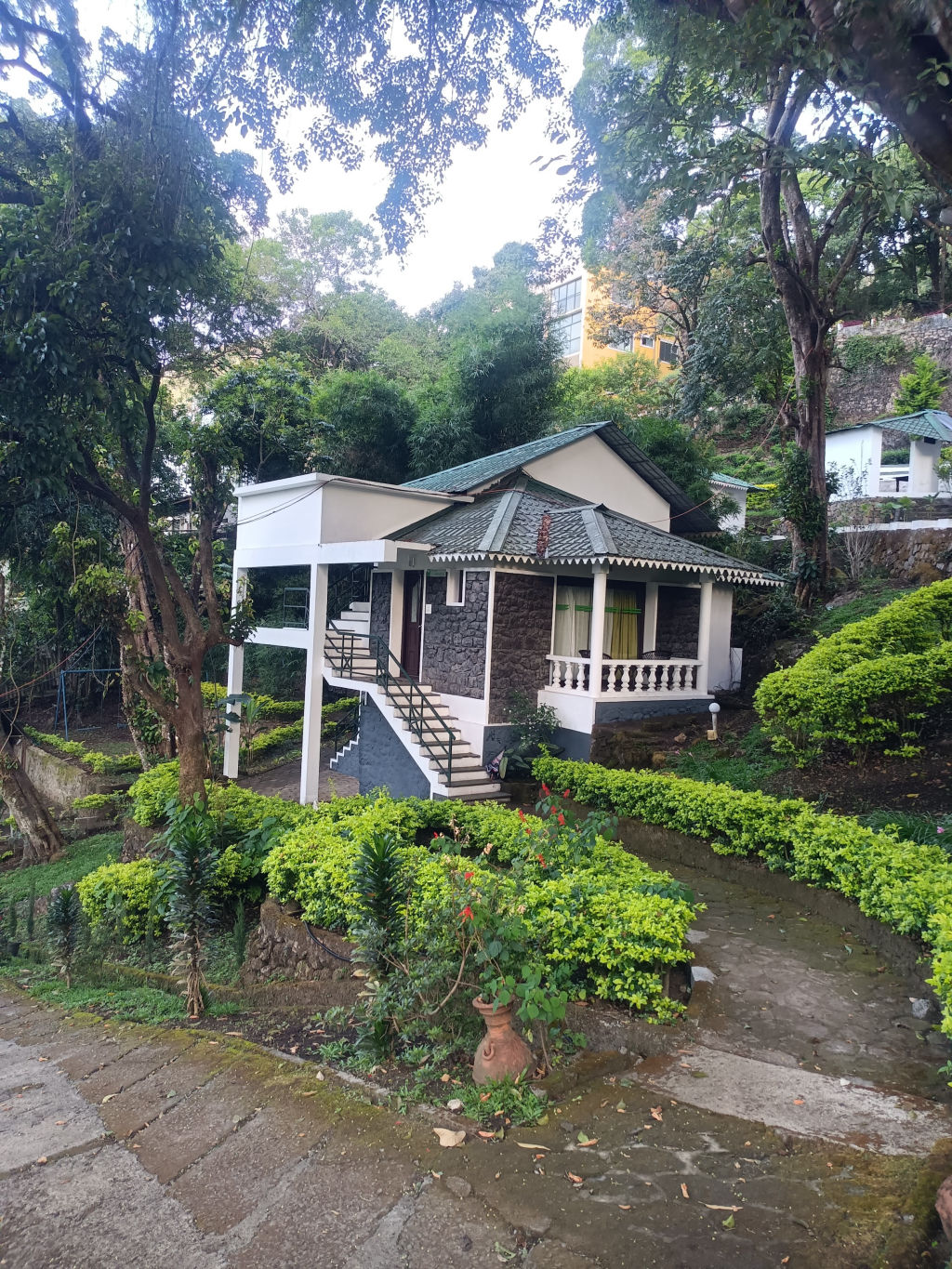
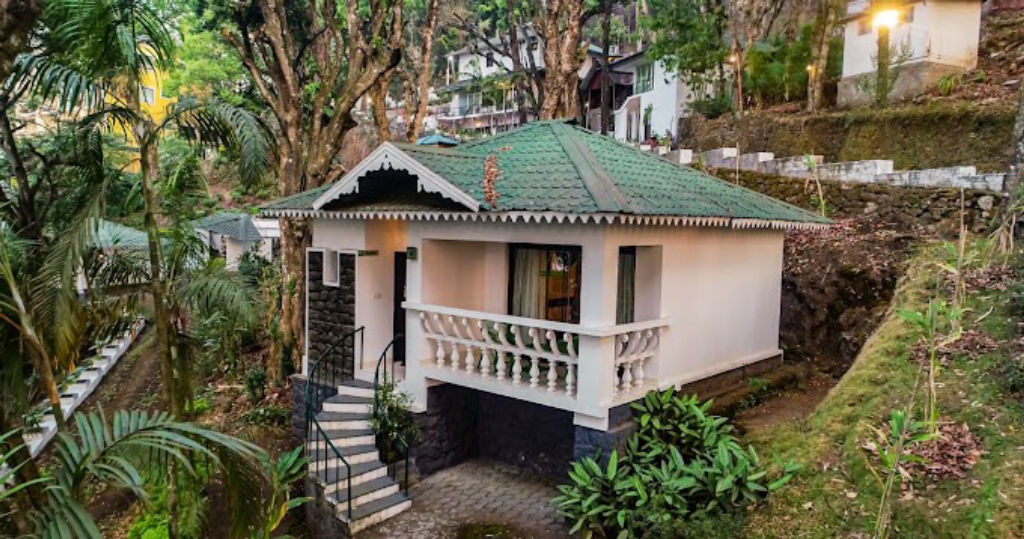
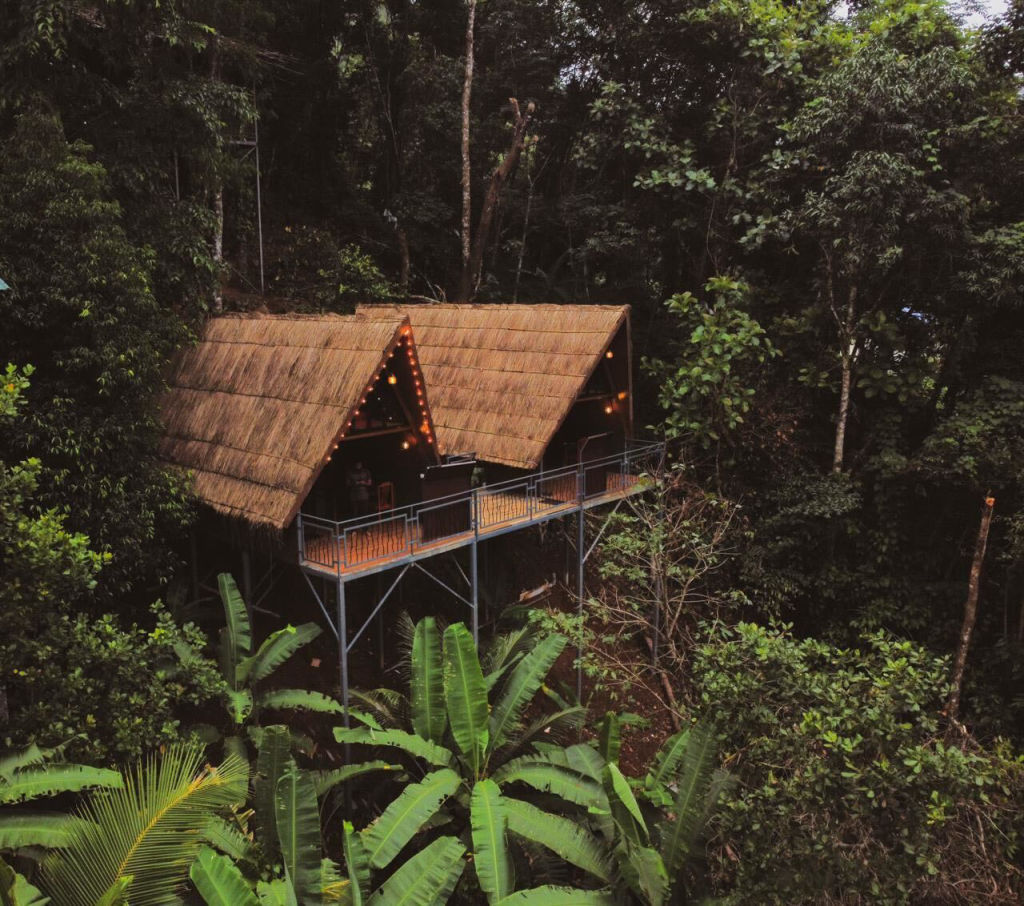
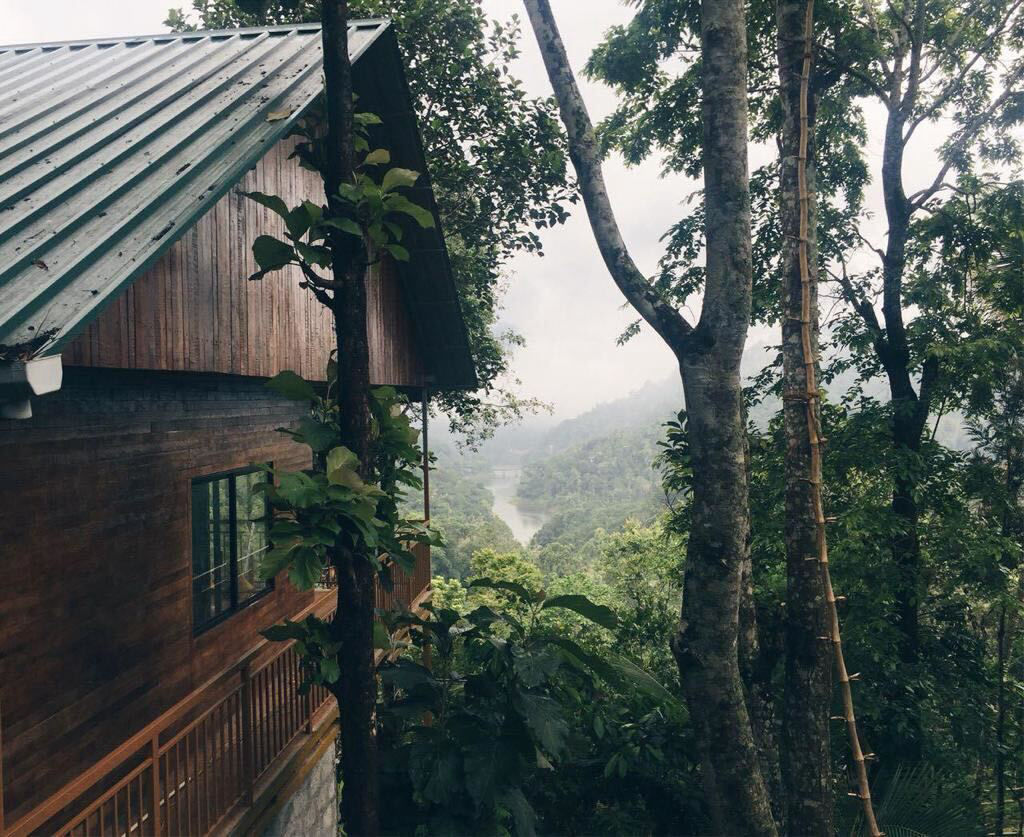
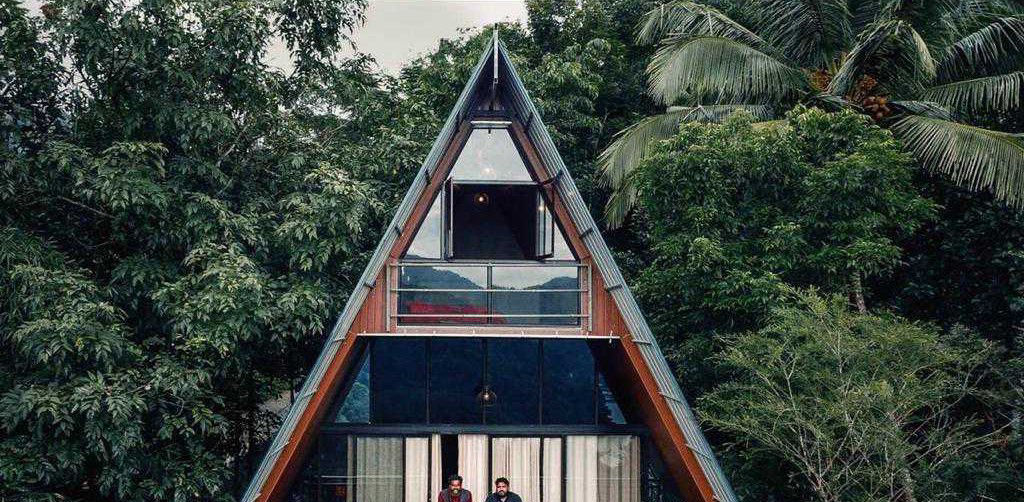
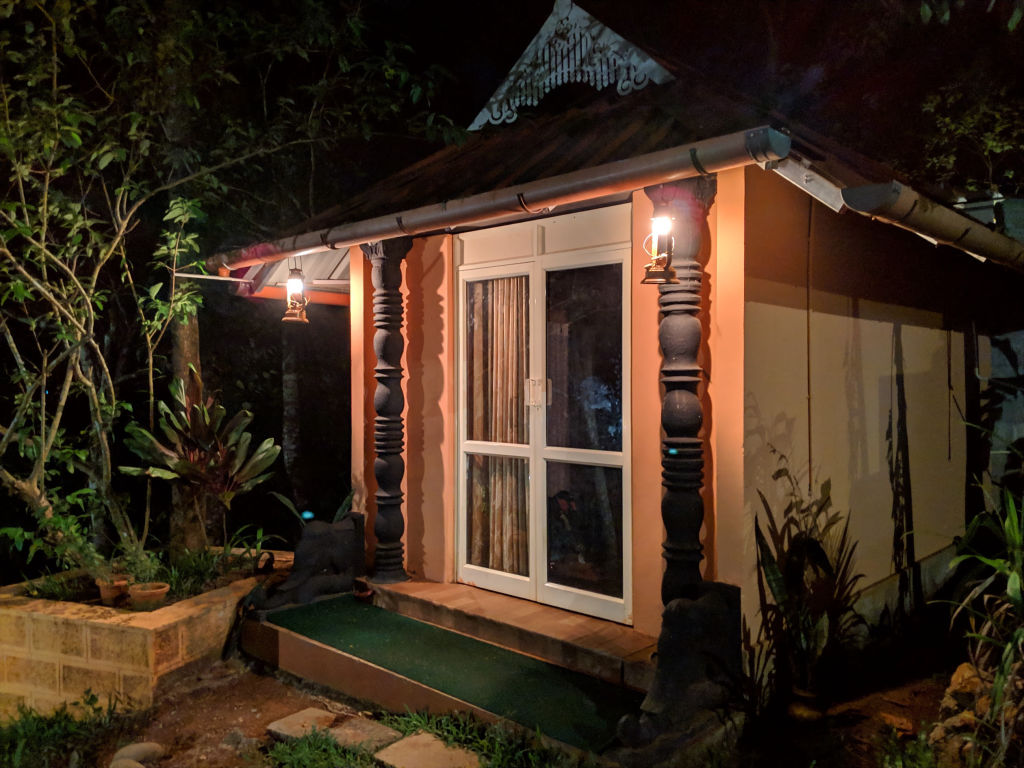
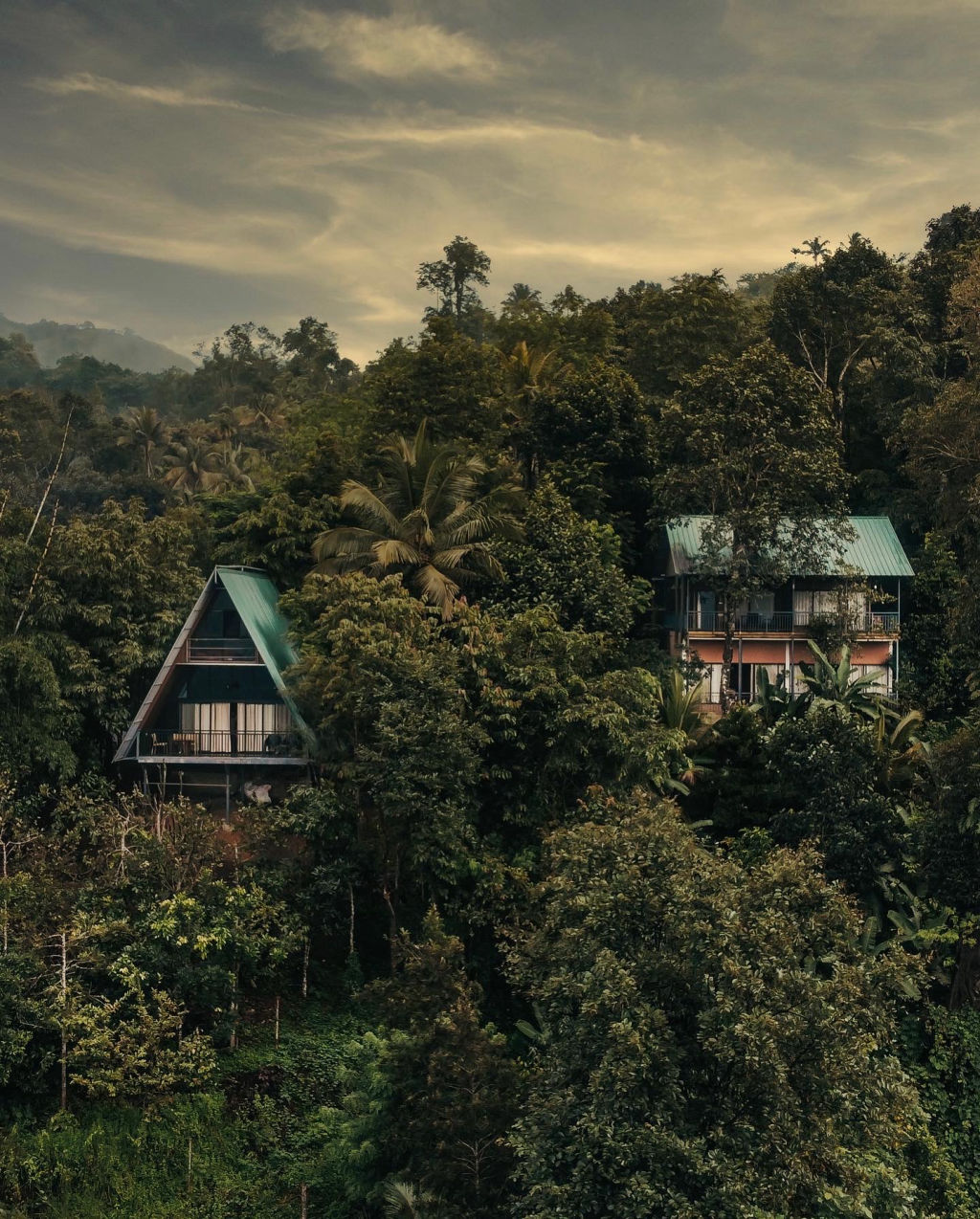
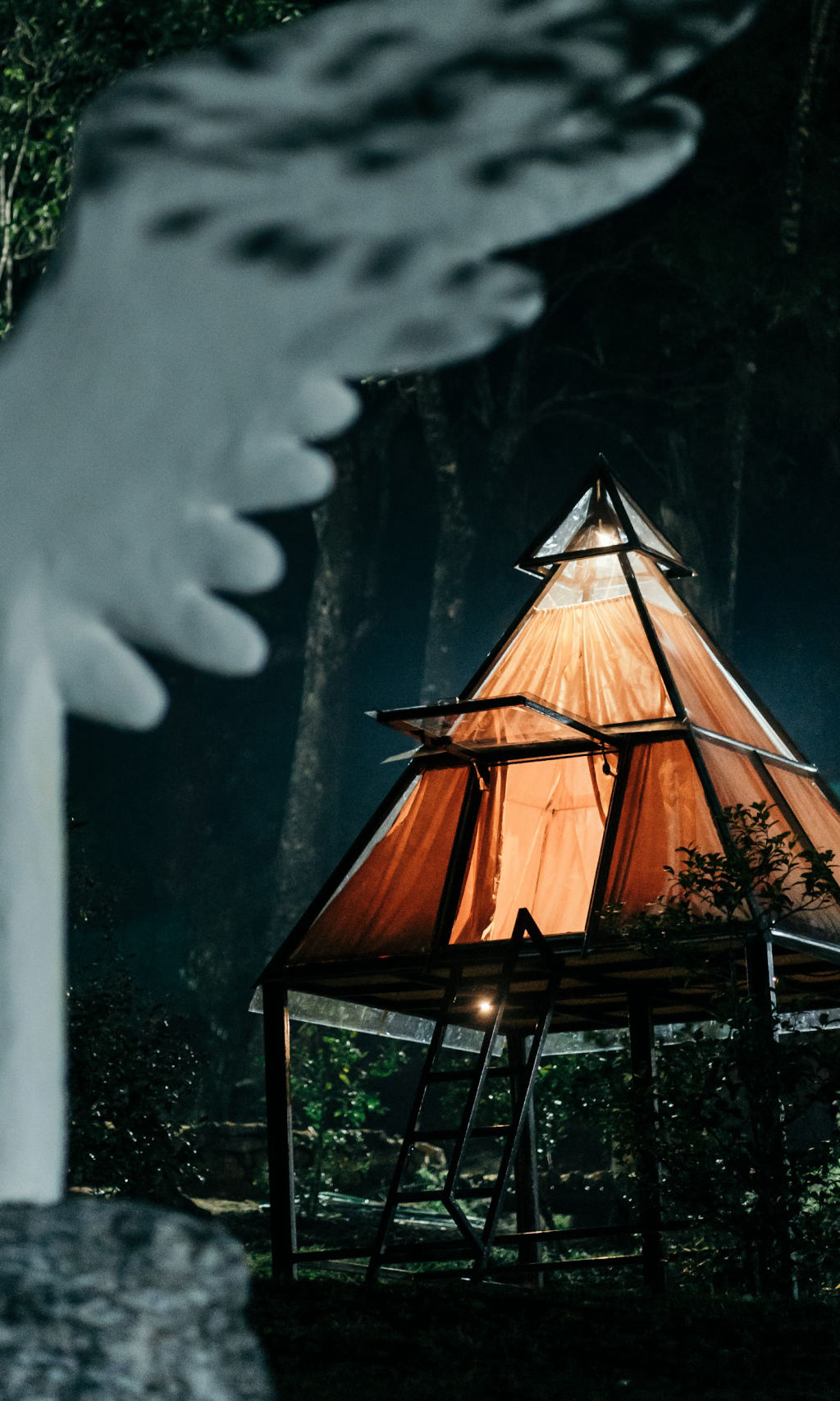
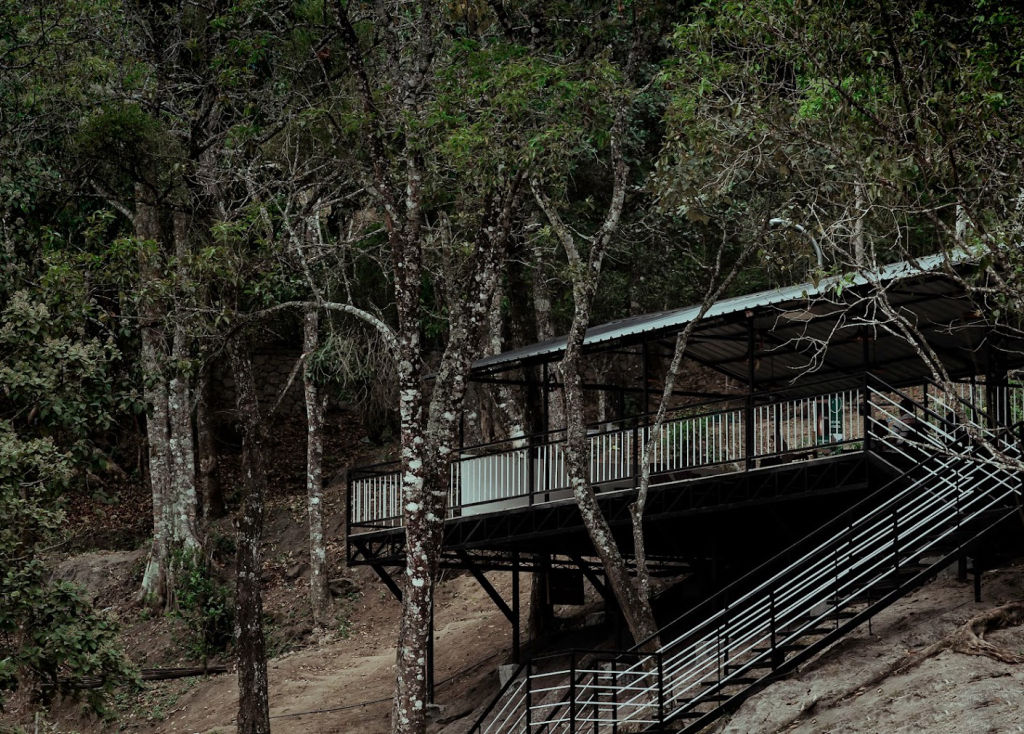
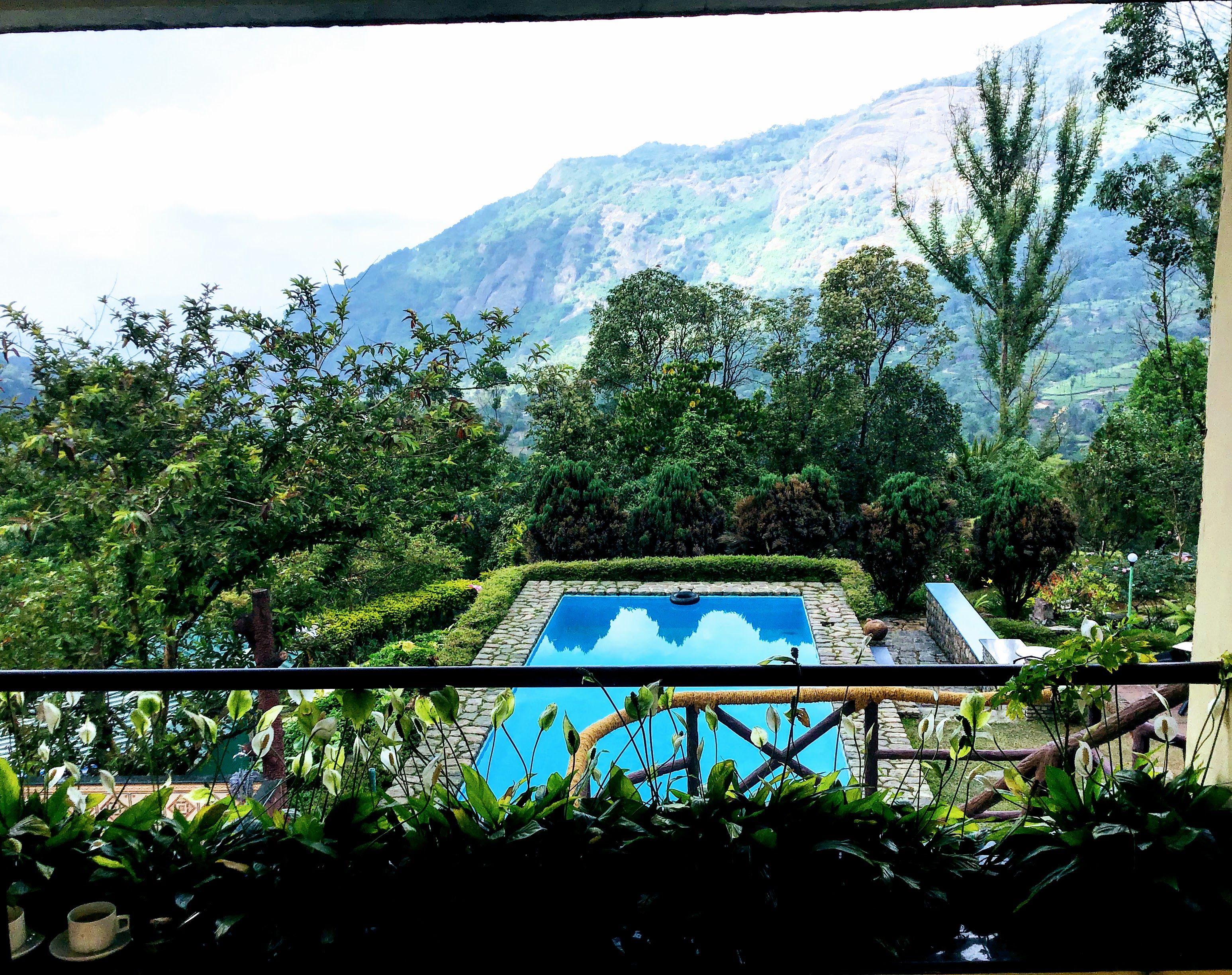
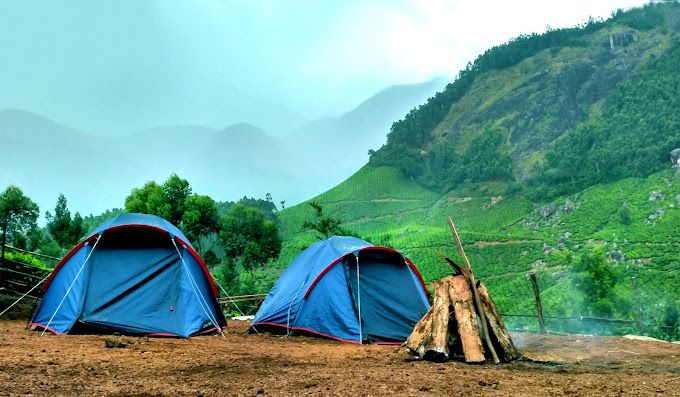
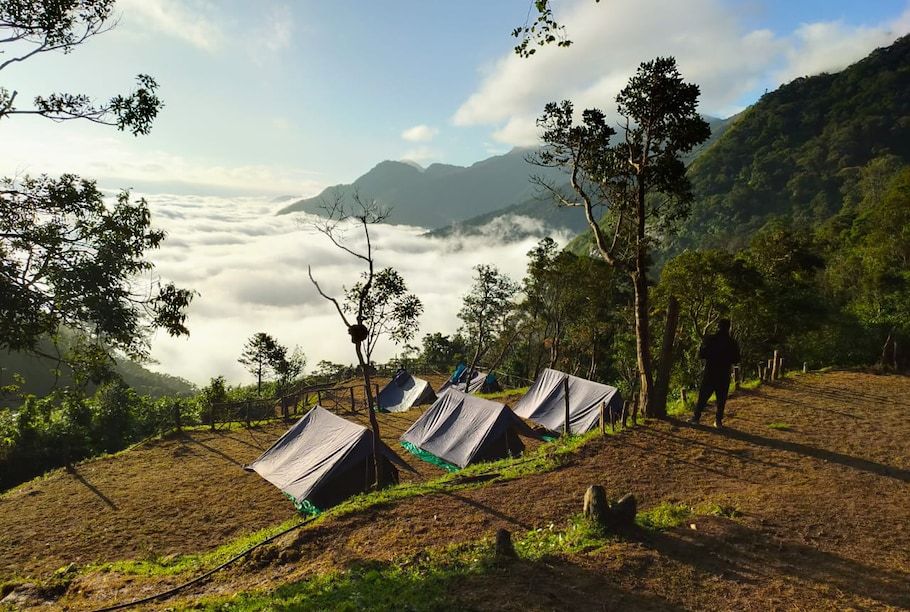
Accommodation options in Pallivasal cater to travellers seeking direct contact with nature and plantation life. Stays in the village range from quiet estate cottages nestled among tea gardens to homestays that offer authentic local hospitality and regional Kerala cuisine.
For those who prefer open-air experiences and mountain backdrops, camping spots and rustic retreats can be found in the surrounding hills. You can browse and book verified homestays, nature camps, and outdoor getaways in and around Pallivasal directly on HireACamp to suit your travel style.
Frequently asked questions
What is Pallivasal known for?
Pallivasal is celebrated for its sprawling tea estates, cool mountain climate, and its place in history as the location of Kerala's very first hydroelectric power project.
How far is Attukad Waterfalls from Pallivasal?
Attukad Waterfalls is located approximately two kilometres from Pallivasal, making it an easy short trip for sightseers and hikers.
Does it get cold in Pallivasal?
Yes, Pallivasal experiences cool to cold weather during the winter months from November to February, particularly in the early mornings and evenings when warm woollen layers are recommended.
Which is the nearest airport to Pallivasal?
The nearest major airport is Cochin International Airport, located roughly one hundred kilometres away down in the plains of Kerala.
Can I find camping and homestay options in Pallivasal?
Yes, a variety of scenic nature stays, plantation homestays, and outdoor camps around Pallivasal are available to book on HireACamp.
Where you'll be
12 stays nearby shown with prices
Stays near Pallivasal
Book a place to stay close by
Things to do in Pallivasal
48 places creators recommend within 30 km


Lists for this area
Ranked by how many creators recommend each place


Built from 0 Instagram posts by 0 creators. Every tip links back to the post it came from, and where creators disagree we show both sides.






