
Nag Tibba
Peak near Moldhar, Uttarakhand
6.5 km from Moldhar
The nearest town, for stays, food and fuel.
Nag Tibba, or the Serpent's Peak, is the highest peak in the lower Garhwal Himalayas of Uttarakhand, rising to an altitude of nearly three thousand metres. Located northeast of Mussoorie, it is a classic weekend trekking destination that draws hikers, campers, and nature enthusiasts for its dense oak forests and sweeping panoramas of snow-capped Himalayan ranges. The peak holds cultural significance for local villagers as the home of Nag Devta, the serpent god worshipped for the protection of cattle.
Getting there
By road
- From Dehradun3 hr 15 min · 110 km
- From MoldharNearest town3 hr 45 min · 109 km
- From Chandigarh5 hr 40 min · 239 km
- From New Delhi6 hr 50 min · 364 km
Typical drive times without traffic. Stations and airports from OLA Maps; distances and typical drive times from OpenStreetMap (© OpenStreetMap contributors); notes from creators' Reels.
About Nag Tibba
Written with AI from map data and general knowledge. Check prices and timings locally before you go.
About Nag Tibba
Nag Tibba stands proudly as the highest ridge in the Lesser Himalayan region of Garhwal, situated in the Tehri Garhwal district of Uttarakhand. Its name translates to the Hill of the Snake, attributed to the presence of an ancient shrine dedicated to Nag Devta near the base camp and summit ridge. Villagers from surrounding settlements trek up regularly to pray for the safety and prosperity of their cattle, embedding deep cultural heritage into the natural landscape.
The mountain offers a rare vantage point where one can observe dramatic topography ranging from rolling hills carpeted in terraced fields to the towering giants of the Greater Himalayas. Its approachable gradient and manageable trail length make it accessible to beginners, while the raw Himalayan ridge walks satisfy seasoned outdoor lovers looking for a brief mountain escape.
The Trek to Nag Tibba Summit
The journey to the peak typically commences from small mountain villages such as Pantwari or Thatyur, which serve as common trailheads. From the starting hamlet, the trail winds upward through rustic goat trails, opening into terraced farmland before entering thick patches of rhododendron and oak trees. As you climb higher, the sound of village life fades, replaced by the rustling of leaves and birdsong echoing across the valleys.
A few hours into the ascent lies the clearing known as the Nag Tibba base camp, a gently sloping meadow that offers clear night skies and ample room for setting up tents. From here, the route continues past the small stone temple dedicated to Nag Devta before negotiating a steep, forested ridge toward the true summit. Reaching the summit flag reveals a vast clearing where hikers are treated to an open, unobstructed horizon.
Read more
Flora, Fauna, and Mountain Views
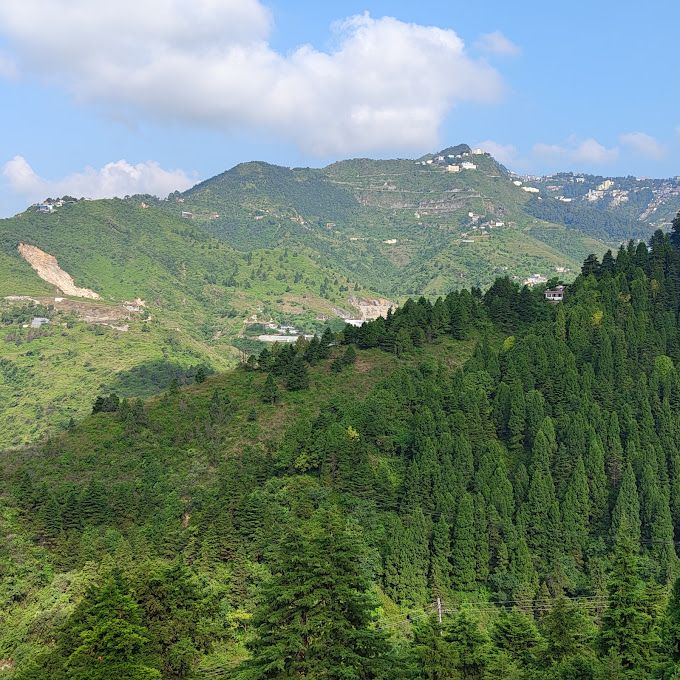
The trail to Nag Tibba traverses a diverse biome that changes visibly with altitude. Lower sections feature scattered pines, wild shrubs, and walnut trees, which gradually give way to dense canopies of ban oak and moru oak. During early spring, forest paths burst into vibrant hues of red and pink as rhododendron trees flower, turning the forest floor into a colourful mosaic.
Wildlife in this region includes Himalayan black bears, barking deer, leopards, and langurs, though encounters are rare as animals steer clear of regular trails. Birdwatchers will find plenty to admire, including sightings of the Himalayan monal, verditer flycatcher, and various species of woodpeckers and thrushes. On clear mornings at the summit, the vista reveals an awe-inspiring horizon featuring prominent peaks such as Bandarpoonch, Swargarohini, Gangotri, Kedarnath, and the Doon Valley far below.
Best Time to Visit Nag Tibba
Nag Tibba is one of the few Himalayan trails accessible throughout almost the entire year, with each season presenting a remarkably different atmosphere. Spring, running from March to April, brings comfortable daytime temperatures, blooming rhododendrons, and crisp mountain breezes, making it ideal for novice hikers.
Autumn, from late September through November, offers the clearest skies and sharpest views of the snow-clad peaks, along with pleasant daytime weather and cool evenings. Winter transforms Nag Tibba into a snowy destination between late December and February. Trekking through snowdrifts and camping under frosted trees is a popular winter activity here, though it requires proper cold-weather gear and footwear.
How to Reach Nag Tibba
The gateway to Nag Tibba is the city of Dehradun, which is well connected by air, rail, and road to Delhi and other major northern hubs. From Dehradun, travellers drive toward Mussoorie and continue past the town through Nainbagh to reach the base village of Pantwari.
The drive from Dehradun to Pantwari typically takes between three to four hours by private taxi or shared local transport. Public buses and shared jeeps operate frequently between Dehradun, Mussoorie, and Nainbagh, after which local shared taxis are readily available to ferry travellers to the trailheads. The roads wind through scenic river valleys and terrace-carved hillsides, setting a relaxed tone for the trek ahead.
Tips for Your Visit
Preparation is key to enjoying a trek on Nag Tibba, particularly regarding water supplies. Natural water sources along the trail can be sparse during specific months, so it is essential to carry sufficient drinking water and purification tablets from the base village. Sturdy trekking shoes with dependable grip are recommended to handle loose soil, rocky paths, and snow or mud depending on the season.
Layered clothing is crucial regardless of when you travel, as mountain temperatures drop rapidly once the sun dips below the horizon. Carry a warm fleece, a windproof outer layer, a headlamp, and a personal first-aid kit. As Nag Tibba sees growing numbers of outdoor travellers, maintaining trail cleanliness is vital; ensure that all non-biodegradable waste is packed out and disposed of properly in designated town bins.
Places to Visit Nearby
Travellers pairing their trek with a broader exploration of the region have several enticing destinations within driving reach. The historic cantonment town of Landour sits close by, celebrated for its quiet pine-shaded lanes, heritage cottages, and viewpoints like Lal Tibba. Further along the mountain roads, viewpoints such as Dalai Hills offer peaceful green knolls with fluttering prayer flags and panoramic views over the lower Shivalik ranges.
On the descent back toward the plains, the valley surrounding Dehradun holds natural and spiritual attractions worth exploring. Travellers can visit the limestone gorge at Gucchupani Robbers' Cave, bathe in the mineral springs of Sahastradhara, or explore the cave shrine of Tapkeshwar Mahadev Mandir. The bustling lanes of Paltan Bazaar and the historic Clock Tower in Dehradun offer an authentic taste of local food and market culture before heading home.
Where to Stay Near Nag Tibba
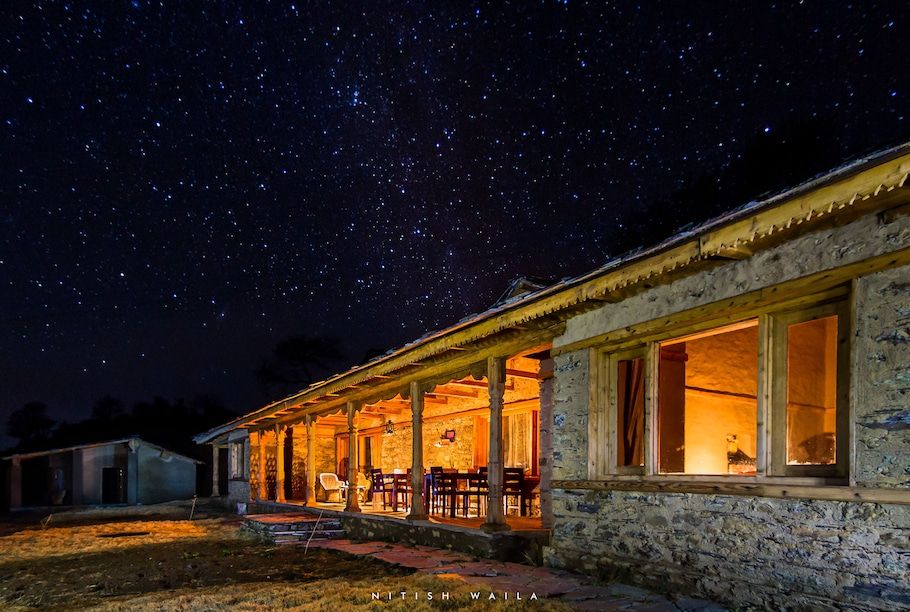
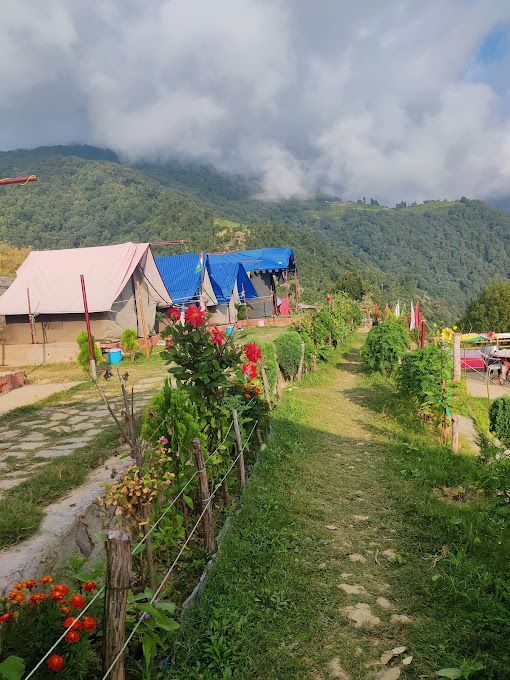
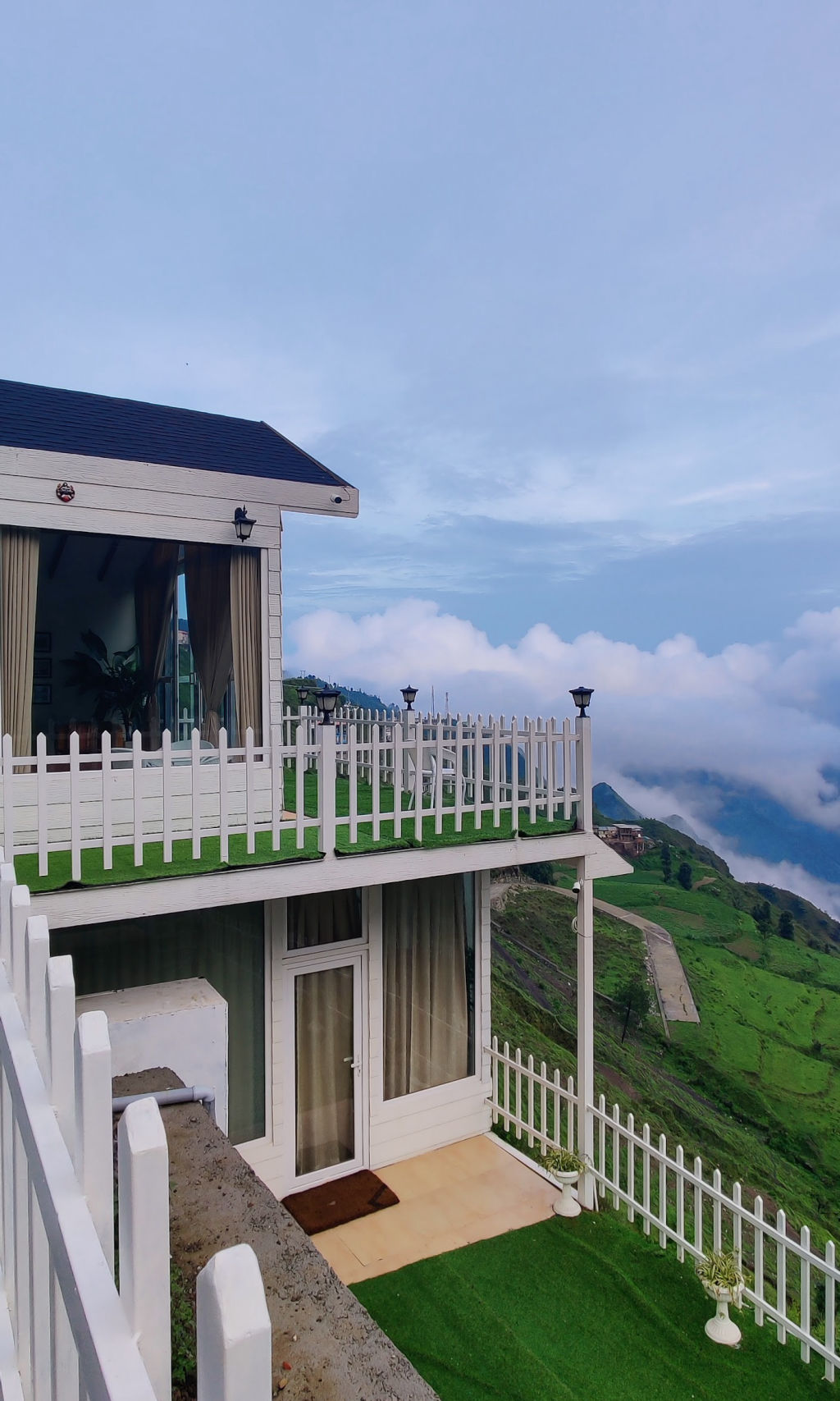
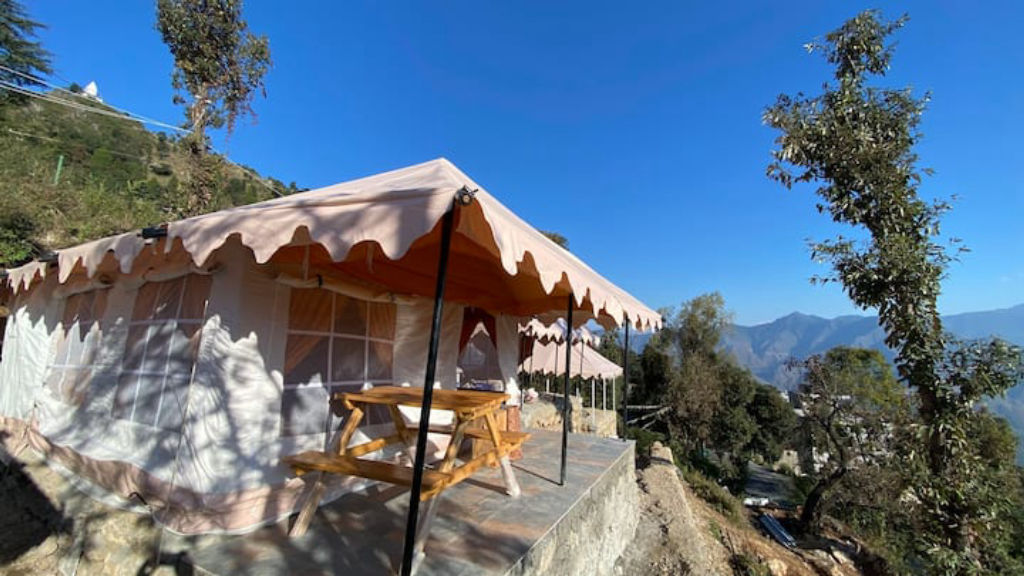
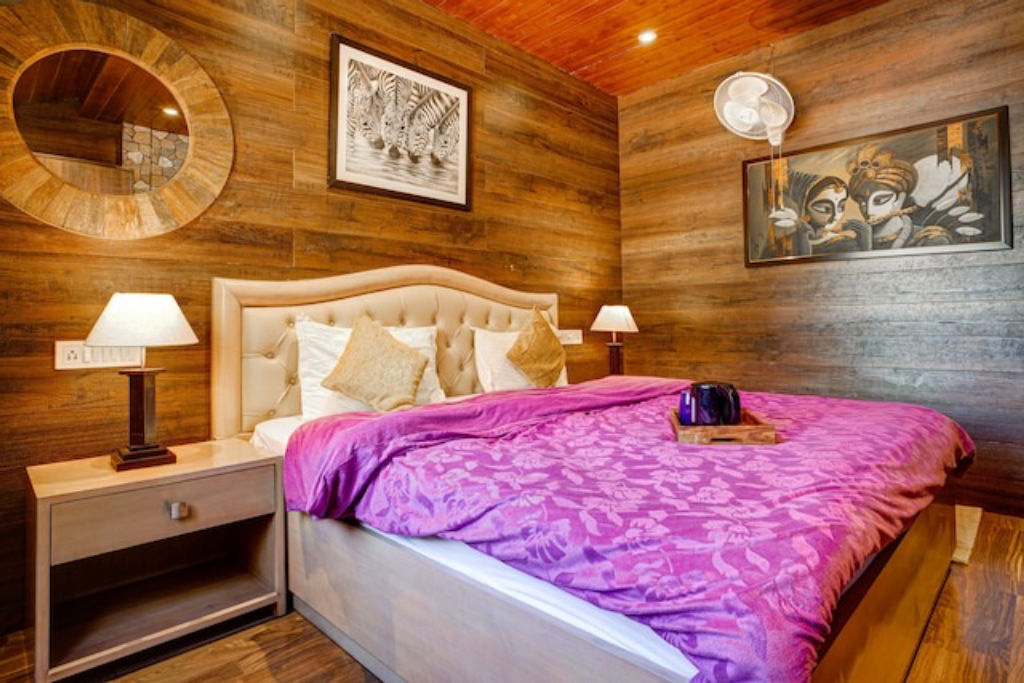
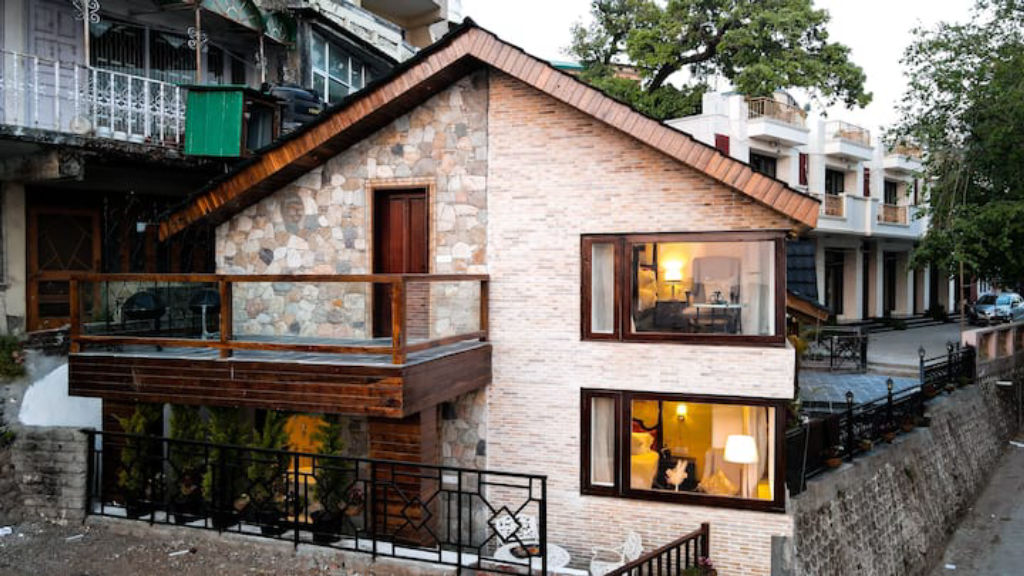
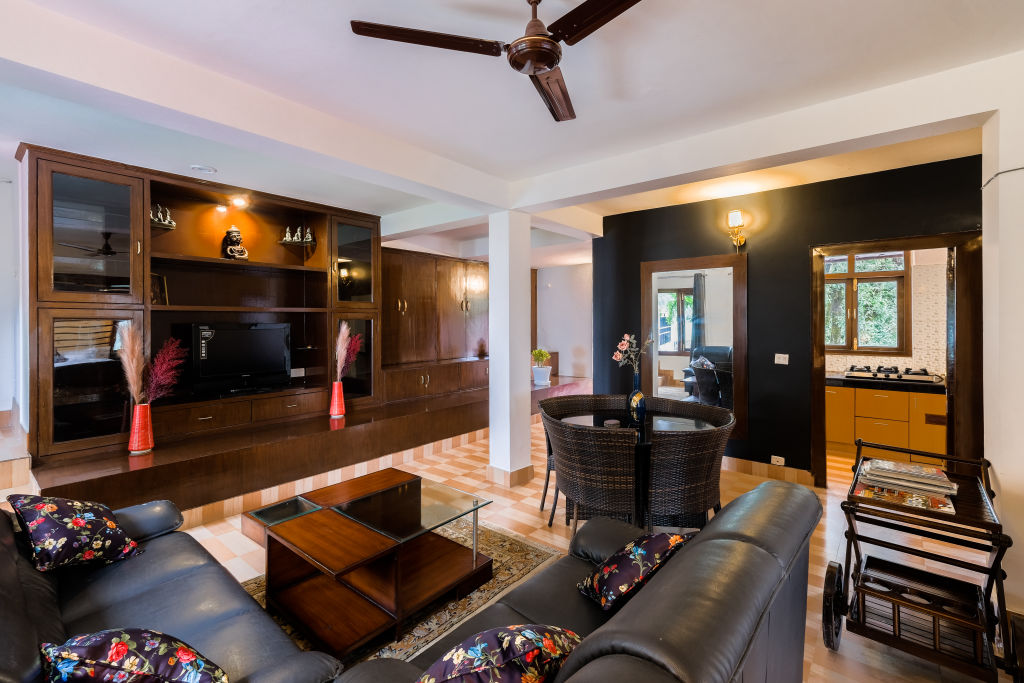
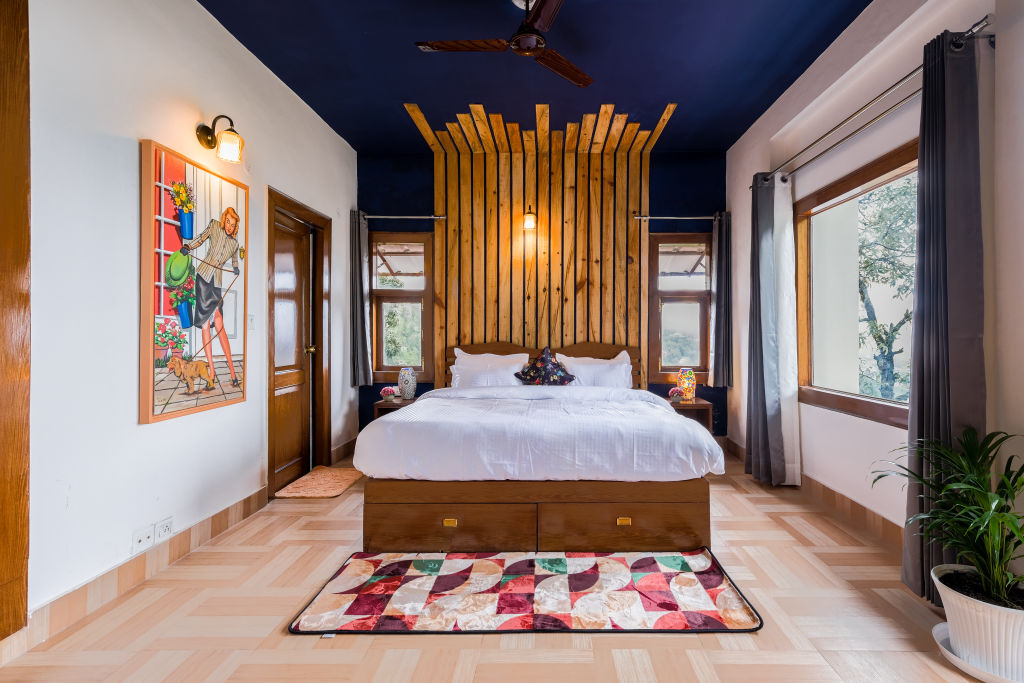
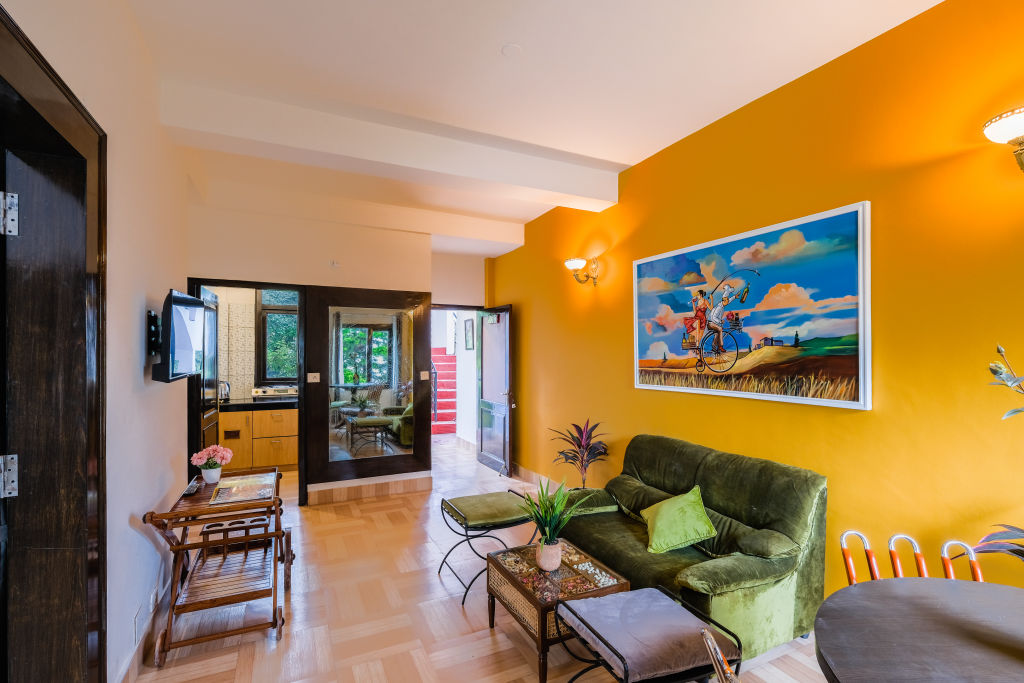
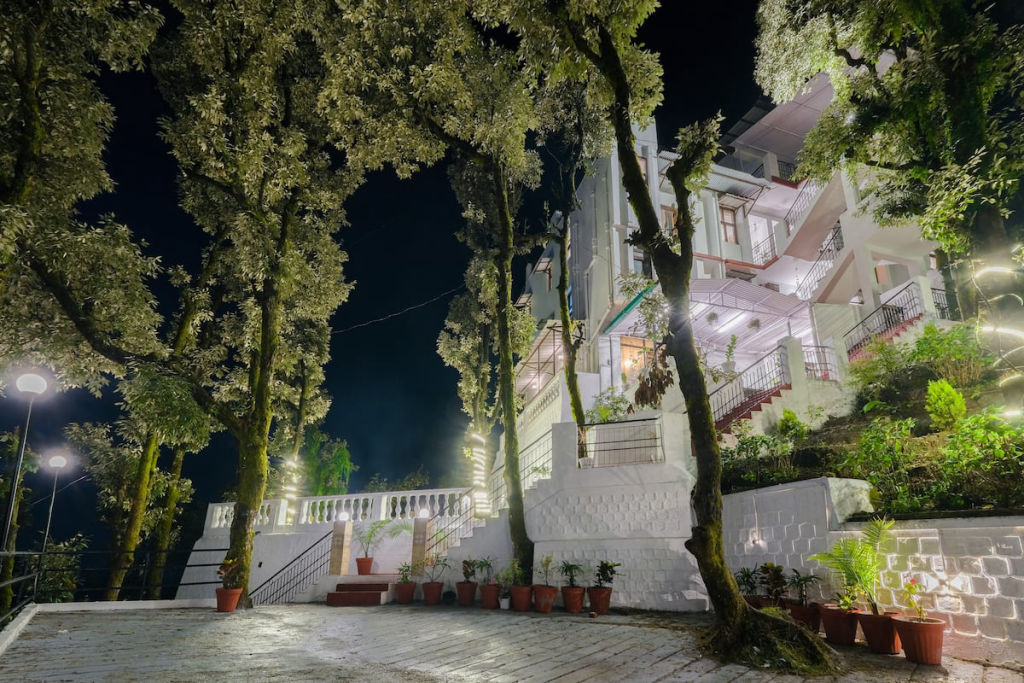
Accommodations around Nag Tibba cater to different travel styles, ranging from basic homestays run by welcoming families in the base villages to immersive outdoor campsites pitched on alpine meadows. Staying in village homestays offers hot local meals, authentic Garhwali hospitality, and valuable trail advice from resident hosts.
For those who prefer camping, designated campsites along the ascent provide basic amenities while allowing you to sleep beneath starry mountain skies. Travellers seeking comfortable lodges, boutique cottages, or riverside retreats can look slightly further down towards Mussoorie, Dhanaulti, or the outskirts of Dehradun. You can find and book an array of curated camps, homestays, and nature stays in the surrounding region on HireACamp.
Frequently asked questions
How difficult is the Nag Tibba trek?
The trek to Nag Tibba is graded as easy to moderate, making it well suited for beginners with basic fitness levels as well as families. The gradual trail involves manageable climbs, though winter snow conditions can make footing more demanding.
Can Nag Tibba be completed in a weekend?
Yes, Nag Tibba is one of the most popular weekend treks from Delhi and Dehradun. Most travellers ascend to the base camp on the first day, summit early the following morning, and descend back to the base village by afternoon.
Is there snow on Nag Tibba?
Snowfall generally occurs between late December and mid-February, turning the upper ridges and summit into a winter landscape. During peak winter months, snow may also blanket the base camp clearing.
Are there water sources available along the trail?
Water sources on the mountain are limited and can dry up outside the monsoon and post-monsoon months. Hikers should carry adequate drinking water from the trailhead and ask local guides about current source availability.
Do I need a guide for the Nag Tibba trek?
While the trail is relatively well marked in summer and autumn, taking a local guide is advisable in winter when snow obscures pathways. Local guides also assist with navigation, tent pitching, and ensuring responsible trail etiquette.
Where you'll be
Uttarakhand · 12 stays nearby shown with prices
Stays near Nag Tibba
Book a place to stay close by

More places near Nag Tibba
Within 20 km


Lists for this area
Ranked by how many creators recommend each place


Built from 0 Instagram posts by 0 creators. Every tip links back to the post it came from, and where creators disagree we show both sides.






