
Nag Tibba Trek
Trek near Nainbagh, Uttarakhand
8.7 km from Nainbagh
The nearest town, for stays, food and fuel.
The Nag Tibba Trek is a popular Himalayan hiking route located near Pantwari village in the Garhwal hills of Uttarakhand, within reach of Dhanaulti and Mussoorie. Climbing towards the summit known locally as Serpent's Peak, the trail draws hikers seeking panoramic vistas of snow-capped peaks and tranquil forest walks. It serves as an accessible introduction to mountain trekking while remaining a rewarding weekend getaway for experienced hikers.
Getting there
By road
- From NainbaghNearest town55 min · 23 km
- From Dehradun2 hr 40 min · 91 km
- From Chandigarh5 hr 5 min · 217 km
- From New Delhi6 hr 15 min · 345 km
Typical drive times without traffic. Stations and airports from OLA Maps; distances and typical drive times from OpenStreetMap (© OpenStreetMap contributors); notes from creators' Reels.
About Nag Tibba Trek
Written with AI from map data and general knowledge. Check prices and timings locally before you go.
The Trail and Landscape of Nag Tibba
Nag Tibba, translating locally to the Serpent's Peak, is located in the lower Himalayas of Tehri Garhwal in Uttarakhand. Revered by local communities who built a shrine to the serpent god to protect their livestock, the summit stands as the highest prominence in the surrounding ridge line. The trail ascends from terraced farmlands into dense canopies of oak, deodar, and rhododendron. In spring, bright blossoms bring vivid color to the tree line, while winter transforms the canopy into a snowy landscape.
As the trail winds higher, the forest gives way to open alpine clearings and ridgelines. From these higher reaches and the summit itself, hikers enjoy sweeping views across the Garhwal range, taking in celebrated massifs such as Bandarpoonch, Swargarohini, Gangotri, and Kedarnath, alongside the rolling green valleys descending toward Mussoorie and Dehradun.
Best Time to Trek Nag Tibba
Nag Tibba is accessible across almost all four seasons, with each period offering a distinct outdoor experience. Autumn, spanning October and November, is known for clear skies, crisp mountain air, and exceptional visibility of the snow-capped ranges. Daytime temperatures remain pleasant for walking, while nights start to turn cold.
Winter, from December through February and early March, makes Nag Tibba one of the closest and most accessible snow treks from the plains of northern India. Snow blankets the upper forest and summit trails, calling for proper winter boots and warm layers. Spring in March and April brings mild weather, comfortable trail conditions, and the blooming of wild rhododendrons. The summer months of May and June provide cool relief from lowland heat, whereas the monsoon period of July and August brings slippery mud trails and clouds that obscure the views.
Read more
How to Reach the Nag Tibba Trailhead
The starting point for the trek is Pantwari village, situated north of Mussoorie and near the Dhanaulti region. Most travellers begin their journey in Dehradun, which connects directly to major Indian transit hubs by train, flight, and highway routes.
From Dehradun, the drive follows mountain roads up through Mussoorie, continuing along the Yamuna valley towards Nainbagh before climbing the spur road up to Pantwari. Local transport, including shared jeeps and private taxis, runs between Dehradun, Mussoorie, and Nainbagh. If you are driving your own vehicle, it is advisable to check current road conditions locally, particularly during the wet monsoon or after heavy winter snowfalls.
The Route from Pantwari to the Summit
The trek begins directly from the village road head at Pantwari. The initial section climbs along stone paths and rocky trails, passing terraced hillsides, pastoral homesteads, and mountain water channels. After the first steady stretch of ascent, the path enters serene oak and rhododendron woods with gentle, shaded gradients.
A few hours into the climb lies Nag Tibba Base, a broad grassy meadow that serves as a favoured camping ground. A short distance above this meadow sits the Nag Devta Temple, a modest stone shrine where local villagers and shepherds pause to pay respects. Beyond the shrine, the final route to the summit winds up a steeper forested ridge before emerging onto the exposed peak. Hikers typically complete the route across two days, making for a manageable and rewarding mountain escape.
Practical Tips and What to Pack
Even though Nag Tibba is suited for beginners, mountain trails require thoughtful preparation. A pair of broken-in trekking shoes with solid grip is essential to navigate rocky paths, loose soil, and winter snow. If you are hiking in mid-winter, microspikes or crampons can help ensure safe footing on icy forest sections.
Layered clothing is the best approach for changing mountain temperatures. In the warmer months, pack breathable lightweight shirts, a warm fleece, and a windbreaker. For late autumn and winter, bring thermal base layers, a dependable down jacket, woollen caps, and insulated gloves for freezing overnight conditions. Fresh water streams along the upper route are scarce, so carry sufficient drinking water from the trailhead and refill only at designated mountain campsites. Hikers should also carry back all personal trash to help preserve the pristine Himalayan environment.
Places to Visit Around Dhanaulti and Mussoorie
Pairing the trek with nearby destinations allows you to make the most of your journey into the Garhwal foothills. Dhanaulti is renowned for its quiet deodar groves, cool walking tracks, and expansive Himalayan viewpoints. Closer to the main ridge, Landour and Lal Tibba provide peaceful promenades among heritage buildings and tranquil mountain lookouts.
Further down towards Dehradun, natural sights such as the rock formations of Robbers Cave, the cascades at Sahastradhara, and the viewpoints around Dalai Hills offer relaxing day excursions. For those interested in cultural landmarks, the hillside temples of Tapkeshwar Mahadev and the intricate architecture of Mindrolling Monastery reflect the region's spiritual history, while the lively markets around Paltan Bazaar and the Dehradun Clock Tower offer a taste of local foothill life.
Where to Stay for Nag Tibba
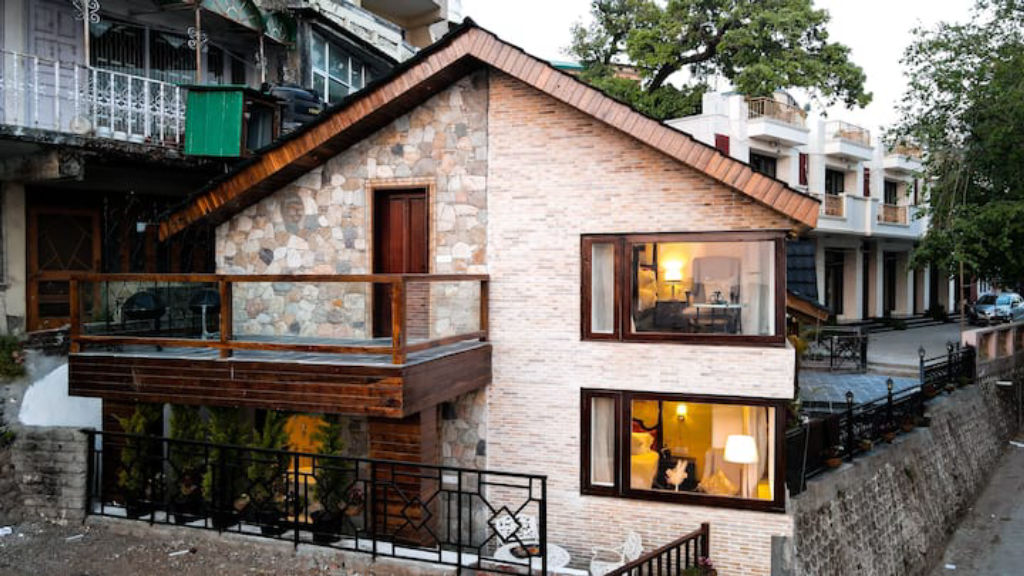
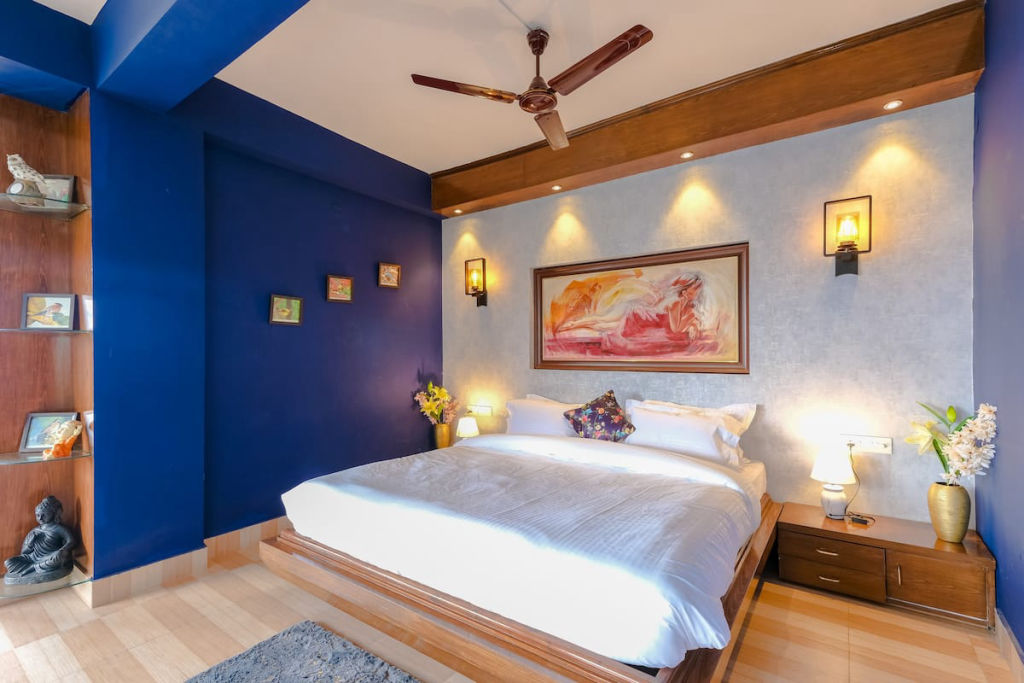
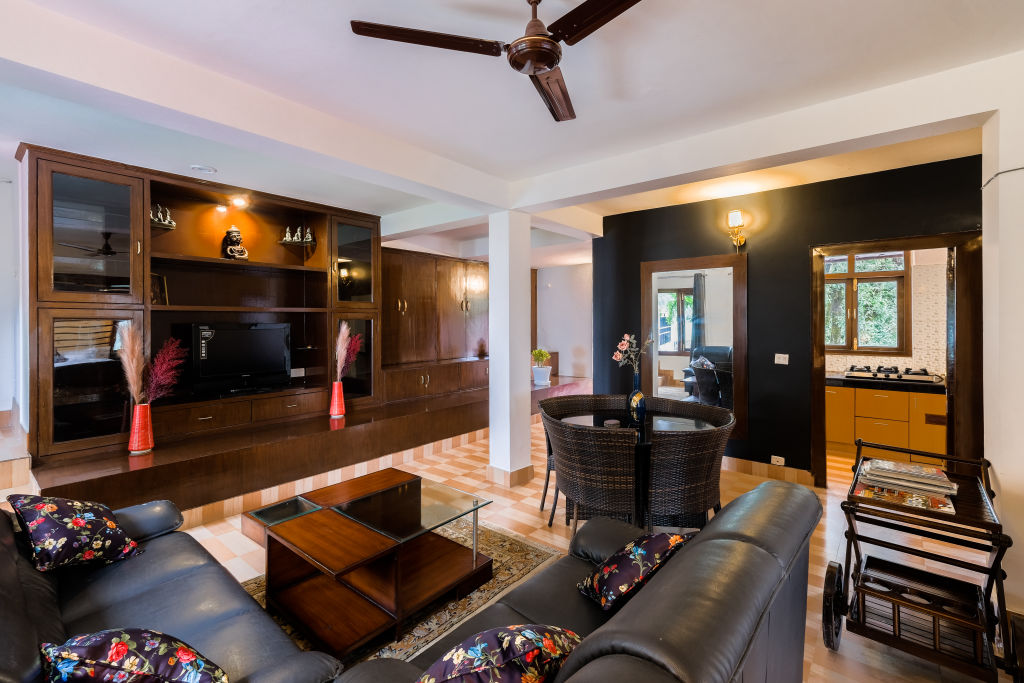
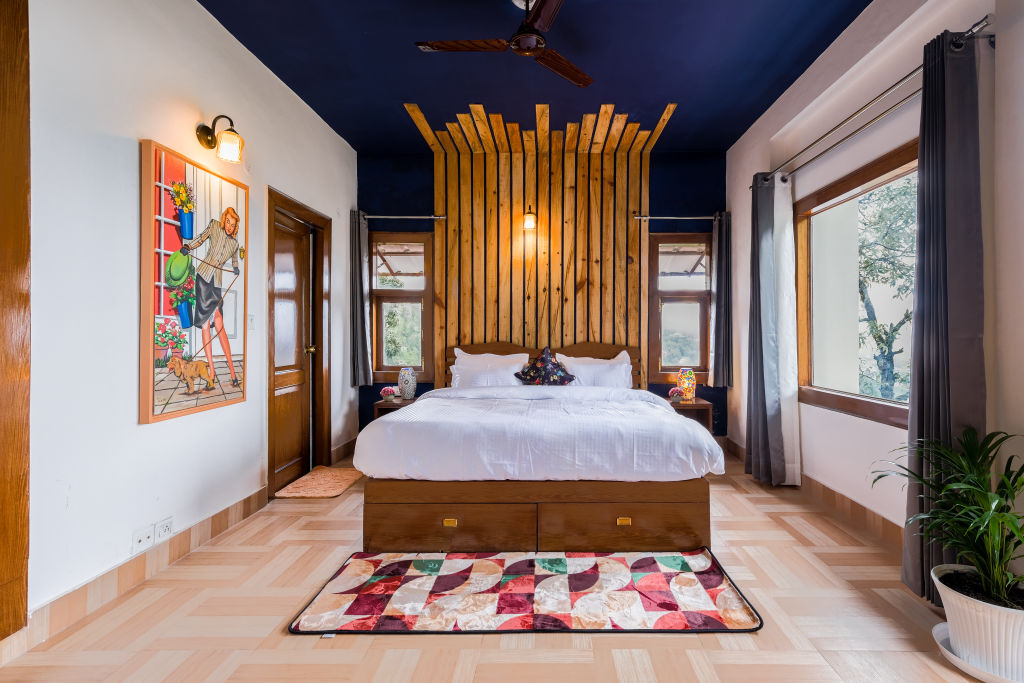
Accommodation choices range from village stays at the foot of the mountain to scenic campsites on the upper slopes. In and around Pantwari and Nainbagh, rustic village homestays and guesthouses offer warm hospitality, simple Garhwali meals, and immediate access to the morning trail.
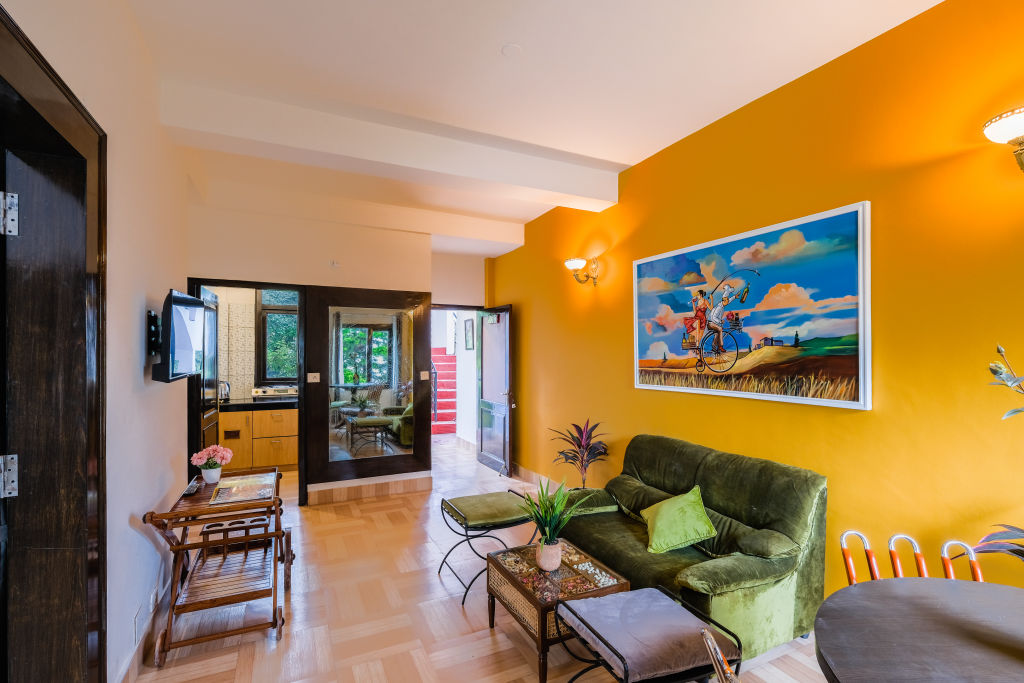
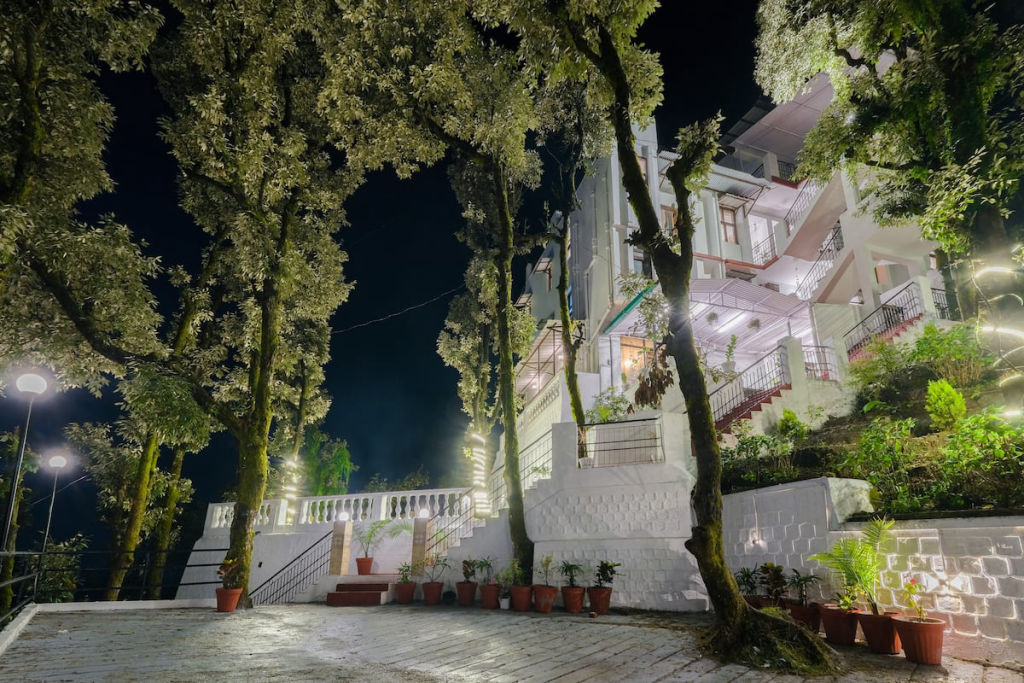
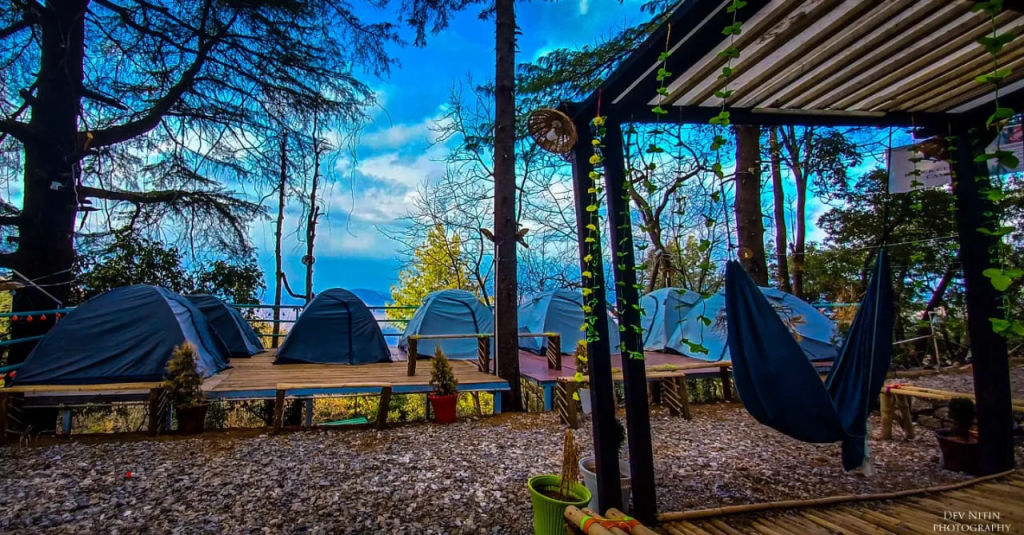
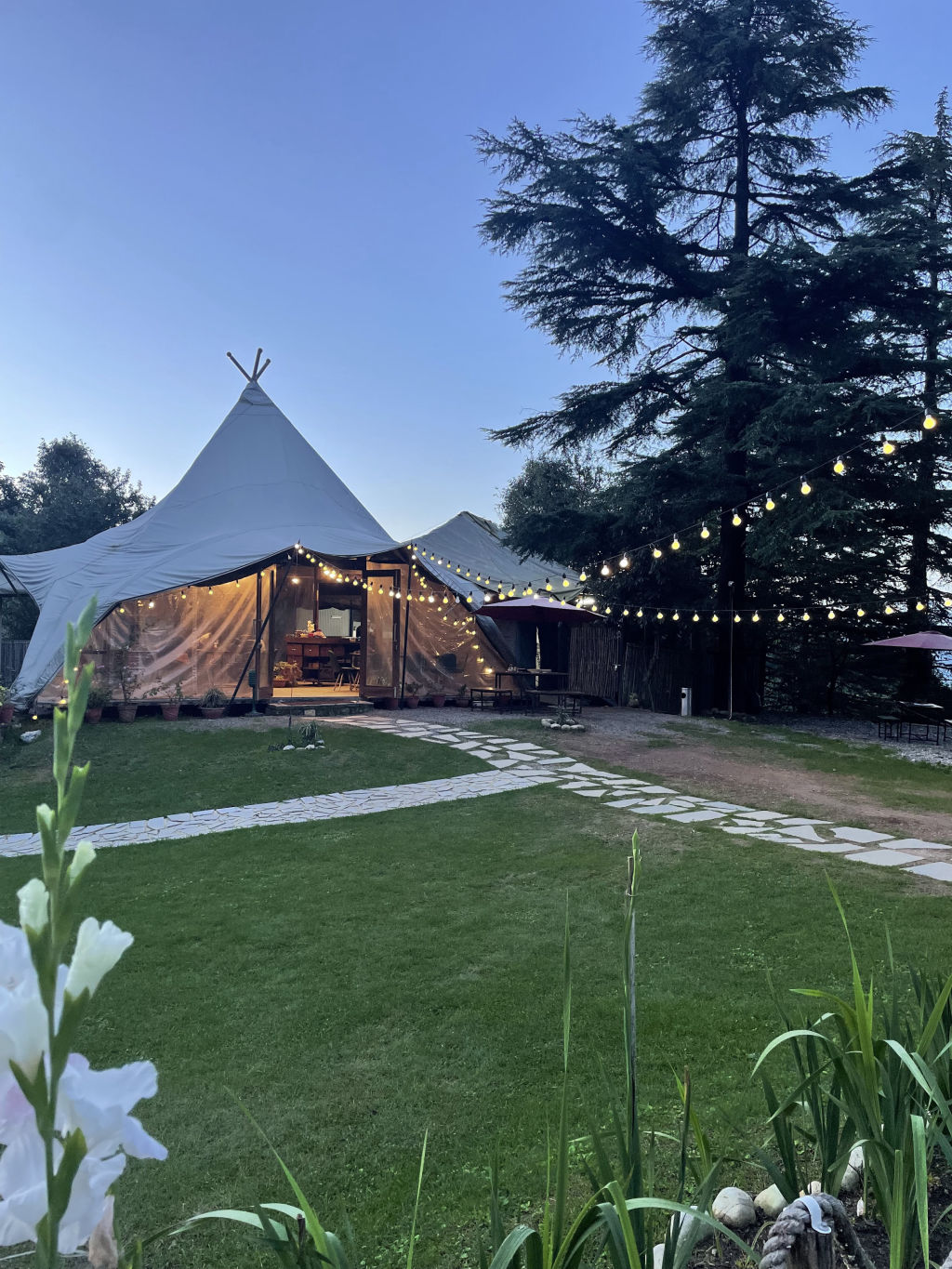
If you prefer more established mountain retreats before or after your hike, the nearby hill stations of Dhanaulti, Landour, and Mussoorie feature an extensive variety of private cottages, nature stays, and hillside retreats. On the mountain itself, pitching a tent at Nag Tibba Base allows you to spend a peaceful night beneath star-filled skies. Travellers can find and book campsites, homestays, and unique stays near Nag Tibba and Dhanaulti through HireACamp.
Frequently asked questions
How difficult is the Nag Tibba Trek?
The Nag Tibba Trek is considered an easy to moderate route. It features gradual uphill climbs on established forest trails, making it well-suited for beginners, active families, and weekend hikers with reasonable fitness.
How many days are needed for the Nag Tibba Trek?
Most trekkers complete the journey over two days and one night, camping near the Nag Tibba Base before heading to the summit and returning to Pantwari. Experienced and fit hikers can also complete the entire return hike in a single long day.
Does it snow on the Nag Tibba Trek?
Yes, Nag Tibba receives consistent snowfall during the winter months from late December to early March. During this period, the upper sections of the forest and the summit ridge turn into a scenic snowscape.
Are trekking permits required for Nag Tibba?
Trek registrations or entry fees are occasionally required at the trailhead by local forest authorities. Trekkers should check current entry guidelines and local regulations at Pantwari village before beginning the hike.
When can you get the clearest mountain views from Nag Tibba?
The clearest views across the Garhwal Himalayas generally occur during the autumn months of October and November, as well as on crisp, sunny winter mornings between December and February.
Where you'll be
pantwari village, Dhanaulti · 12 stays nearby shown with prices
Stays near Nag Tibba Trek
Book a place to stay close by
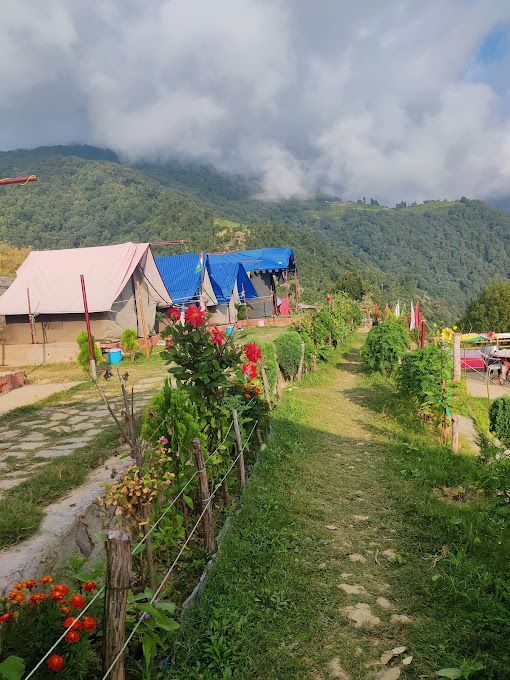
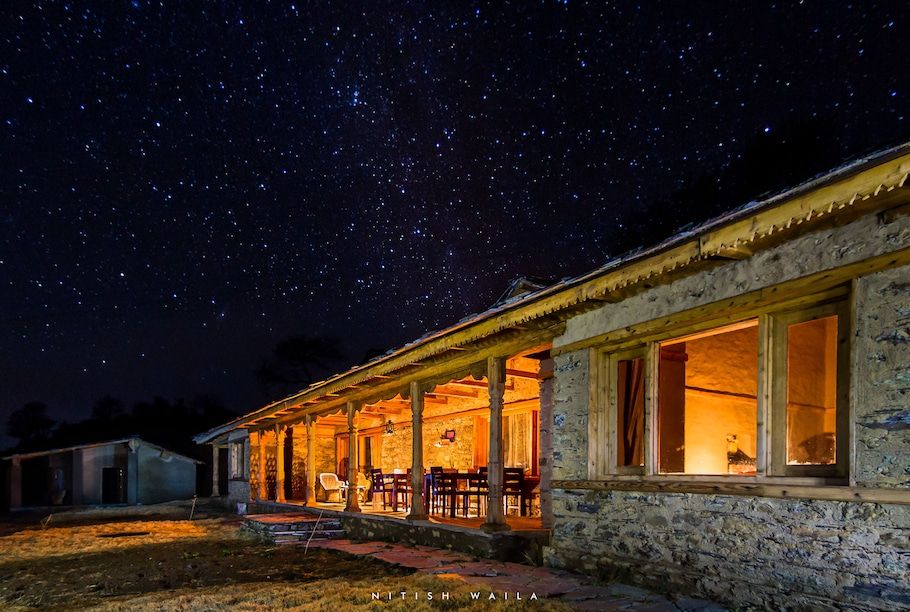
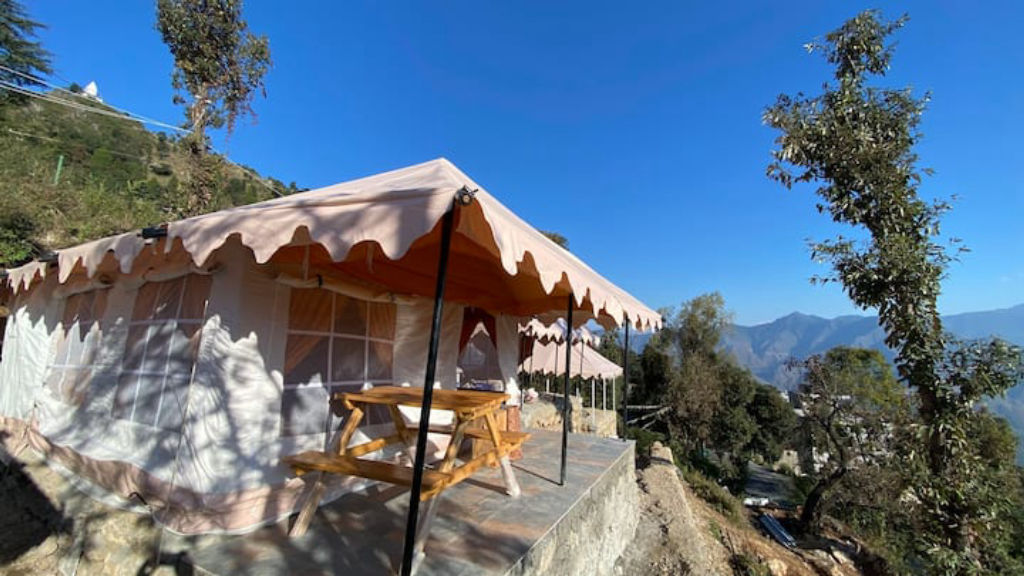
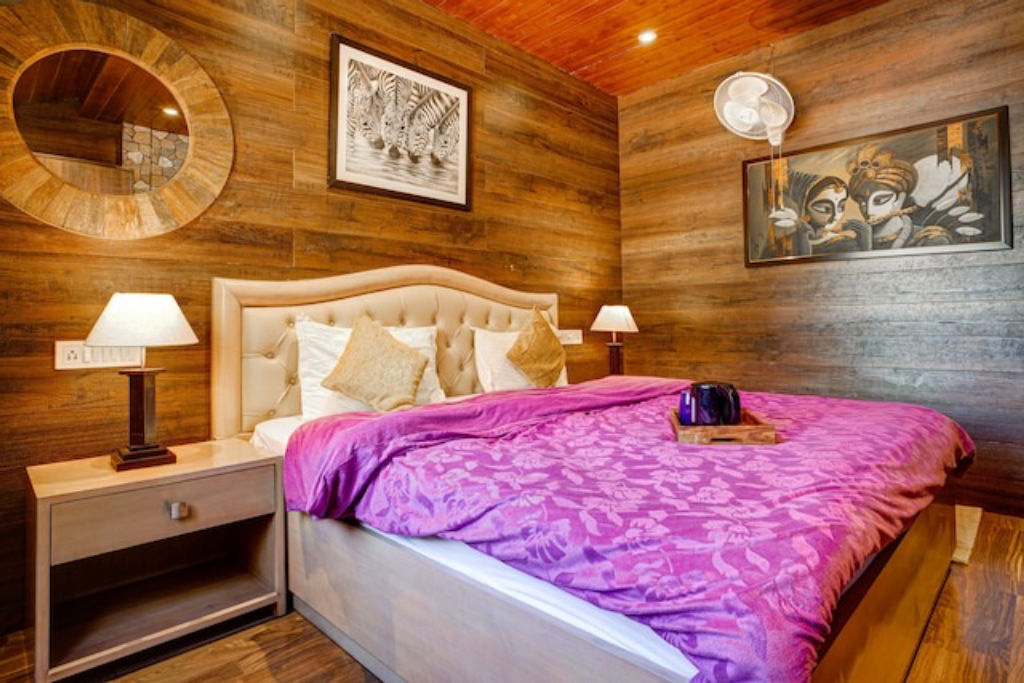
More places near Nag Tibba Trek
Within 20 km


Lists for this area
Ranked by how many creators recommend each place


Built from 0 Instagram posts by 0 creators. Every tip links back to the post it came from, and where creators disagree we show both sides.






