
Namthing Lake
Lake near Tindharia, West Bengal
6.4 km from Tindharia
The nearest town, for stays, food and fuel.
Namthing Lake is a natural high-altitude wetland situated amidst the forested hills near Kurseong in West Bengal. Encircled by towering pine trees and cinchona plantations, the water body is widely celebrated as one of the rare natural habitats of the endangered Himalayan Salamander. Visitors travel here to experience its calm natural environment, distinctive biodiversity, and tranquil mountain trails.
Getting there
By road
- From TindhariaNearest town22 min · 17 km
Typical drive times without traffic. Stations and airports from OLA Maps; distances and typical drive times from OpenStreetMap (© OpenStreetMap contributors); notes from creators' Reels.
About Namthing Lake
Written with AI from map data and general knowledge. Check prices and timings locally before you go.
About Namthing Lake
Namthing Lake, often referred to locally as Namthing Pokhari, rests in the lap of the Eastern Himalayas near the serene hamlet of Shelpu in the Kurseong subdivision. Perched at an elevation of over four thousand feet, this small mountain lake sits within a picturesque landscape dominated by conifer groves, tea gardens, and historical cinchona plantations that date back to colonial times.
Unlike perennial glacial lakes found in higher Himalayan zones, Namthing Lake is largely a rain-fed seasonal water body. During the wet months, the lake basin fills with clear rainwater, reflecting the surrounding emerald forest and foggy skies. In the drier winter and spring periods, the water recedes considerably, often leaving behind a mossy, marshy depression. Despite these seasonal shifts, the natural charm of the setting remains captivating throughout the year, drawing nature lovers, birdwatchers, and slow travellers seeking solitude away from crowded hill towns.
The Himalayan Salamander and Local Wildlife
The primary ecological significance of Namthing Lake lies in its status as a breeding sanctuary for the Himalayan Salamander, known scientifically as Tylototriton verrucosus. Often described as a living fossil, this rare tailed amphibian has inhabited the Himalayan foothills for prehistoric eras. The salamanders spend the dry months sheltered beneath damp forest litter, rotting wood, and rocks in the surrounding woods, emerging into the filled waters of Namthing Lake during the monsoon to breed.
Beyond this iconic amphibian, the dense vegetation encircling the lake supports a vibrant ecosystem. Birdlife thrives in the canopy of pine, fir, and wild Himalayan cherry trees. Keen observers can spot various montane bird species, including laughingthrushes, flycatchers, minivets, and sunbirds flitting through the undergrowth. Forest lizards, tree frogs, and diverse butterfly species also animate the damp, subtropical forest borders.
Read more
Best Time to Visit Namthing Lake
The character of Namthing Lake shifts dramatically across the four seasons, making the timing of your journey central to what you experience. If your goal is to see the lake full of water and to observe the rare Himalayan Salamander in its natural aquatic habitat, the monsoon months from late June through September are the ideal window. During this stretch, the landscape is exceptionally lush, vibrant, and enveloped in atmospheric mountain mist, though mountain roads require careful driving.
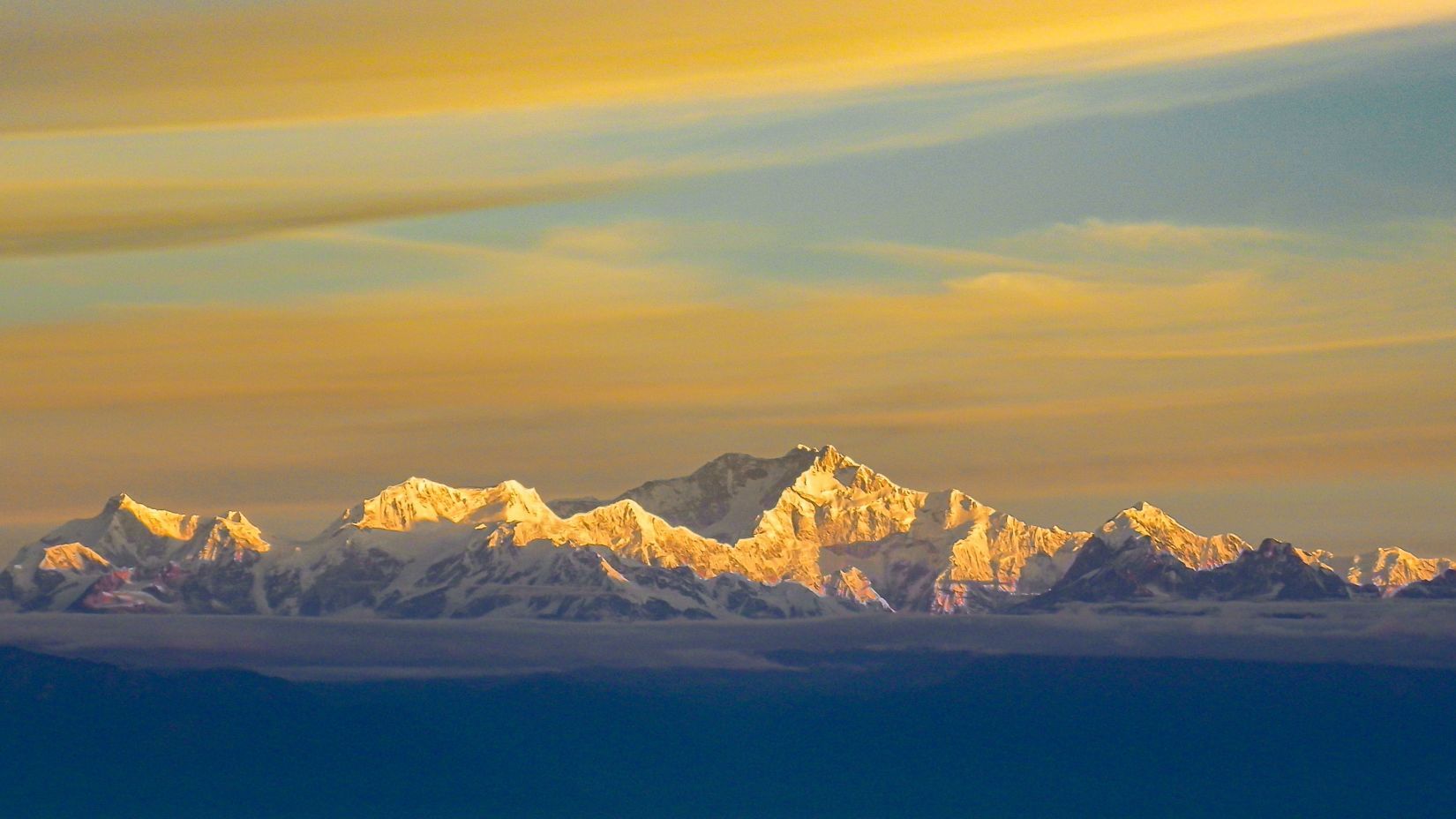
If you prefer clear skies, pleasant trekking weather, and panoramic views of the distant Kanchenjunga range, the post-monsoon season from October through December is ideal. While the water level starts dropping during these months, the surrounding valley turns gold and orange as harvest seasons approach in the nearby Sittong belt. The late winter and spring months bring crisp mountain air and blooming orchids, offering peaceful nature walks despite the dried lake bed.
How to Reach Namthing Lake
Namthing Lake is easily accessible from several major transport hubs in North Bengal. The closest railhead is New Jalpaiguri, while Bagdogra serves as the nearest domestic airport. From either point on the plains, you can hire a private vehicle or catch a shared cab up into the hills toward Kurseong or the Sittong valley, a scenic drive that takes approximately two to three hours.
From the town of Kurseong, the lake lies roughly twenty to twenty-five kilometres away along winding hill routes passing through Dilaram, Bagora, or via Latpanchar. The roads weave through lush tea estates, misty conifer belts, and small mountain hamlets. While the route is generally motorable by car, road surfaces can vary depending on recent weather, so vehicles with reasonable ground clearance are recommended, particularly during the wet monsoon season.
Places to Explore Nearby
A visit to Namthing Lake pairs seamlessly with exploration across the wider Kurseong and Sittong regions. The nearby settlement of Sittong is famously called the orange village of North Bengal. Between November and January, the terraced slopes of Sittong are filled with laden fruit trees, alongside peaceful trails that lead through village paths and old wooden churches.
Those interested in broad mountain vistas can travel toward Ahaldara Viewpoint, which offers unobstructed perspectives over the winding Teesta River and snow-capped peaks on clear mornings. Kurseong town features heritage colonial schools, historic tea estates like Makaibari, and peaceful forest walks along Eagle's Crag. For extended day journeys, the attractions of central Darjeeling, including Tiger Hill, Batasia Loop, and the Himalayan Mountaineering Institute, lie within a reasonable driving distance to the north.
Tips for Your Visit
Because Namthing Lake is a fragile ecological sanctuary, travellers should maintain high standards of environmental responsibility. Avoid stepping into the lake bed or disturbing logs, stones, and vegetation along the banks, as these serve as vital shelter for breeding salamanders and other amphibians. Littering of any kind, particularly plastic waste, is strictly discouraged, and visitors should carry all personal trash back to towns for proper disposal.
Weather in the hills can turn cool and damp unexpectedly, even during bright days. Dressing in comfortable layers, wearing sturdy walking shoes with good traction, and carrying light rain gear will make your walk around the lake trail significantly more enjoyable. Since mobile connectivity can fluctuate in this valley, it is helpful to download offline maps or seek directions directly from friendly local residents before driving in.
Where to Stay near Namthing Lake
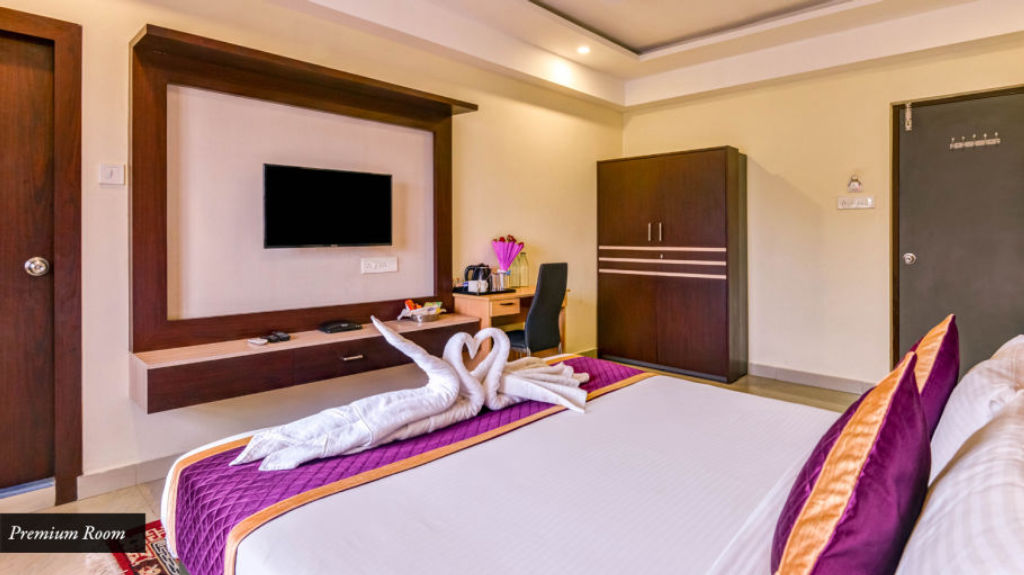
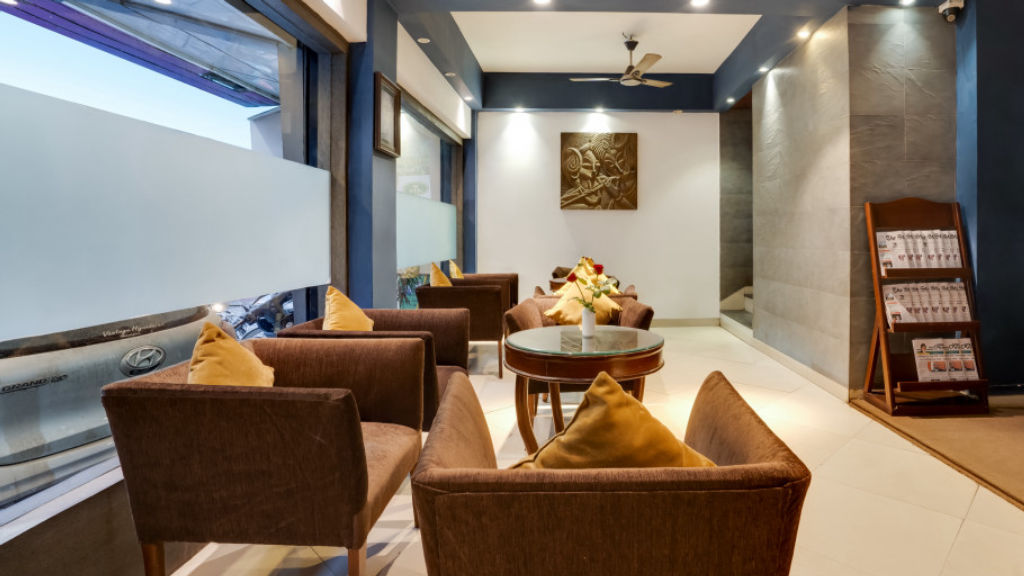
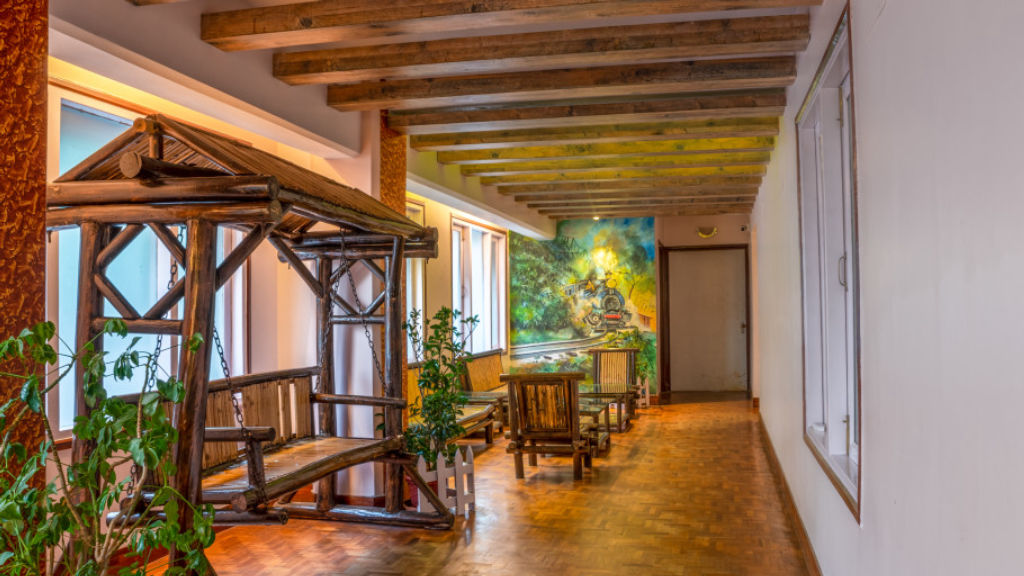
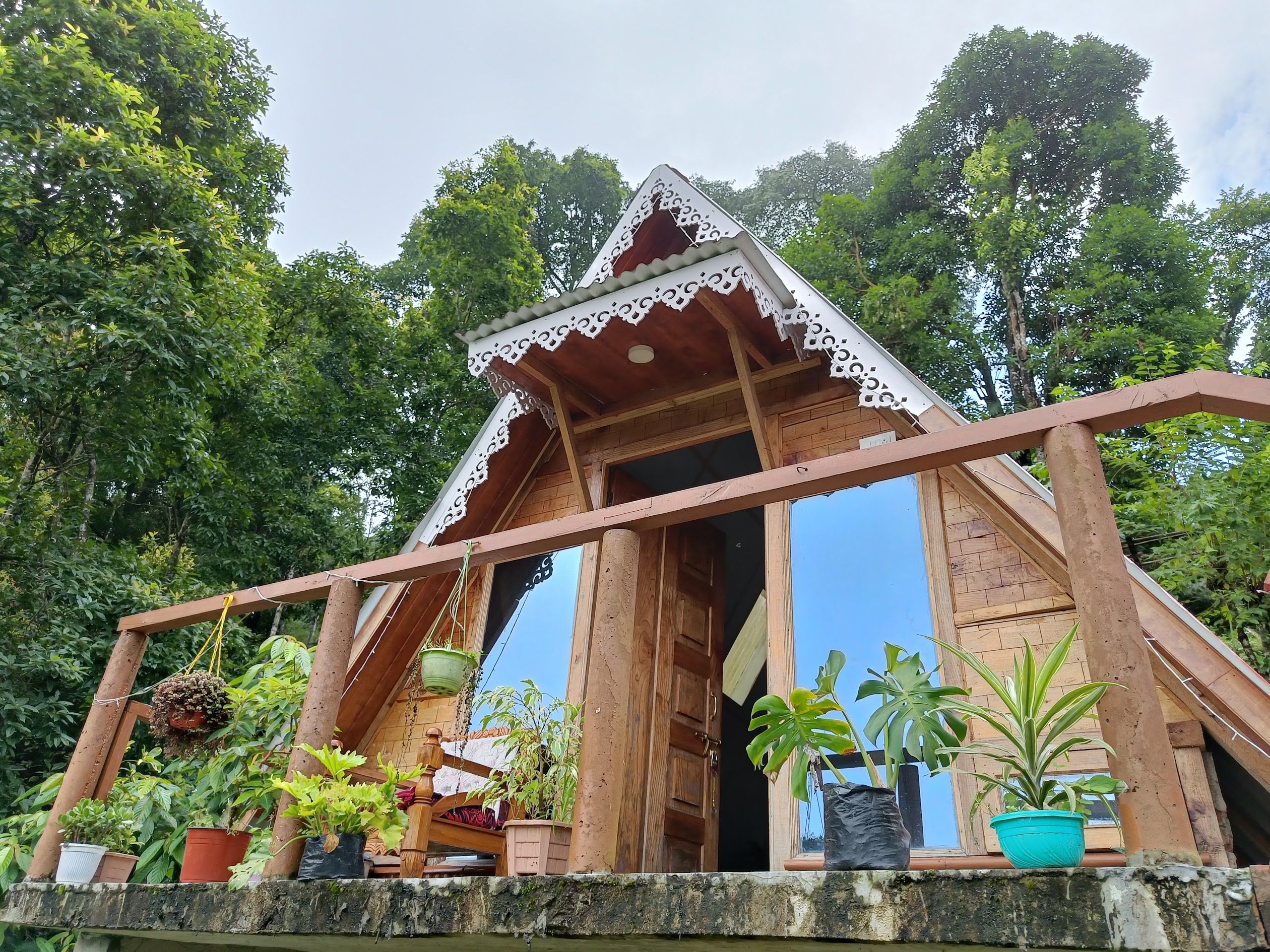
While there are no large commercial hotels situated right at the lake edge, the surrounding countryside offers delightful accommodation options. The nearby villages of Sittong, Shelpu, and Latpanchar are well known for warm community homestays where hosts welcome guests with traditional home-cooked regional meals and authentic local hospitality.
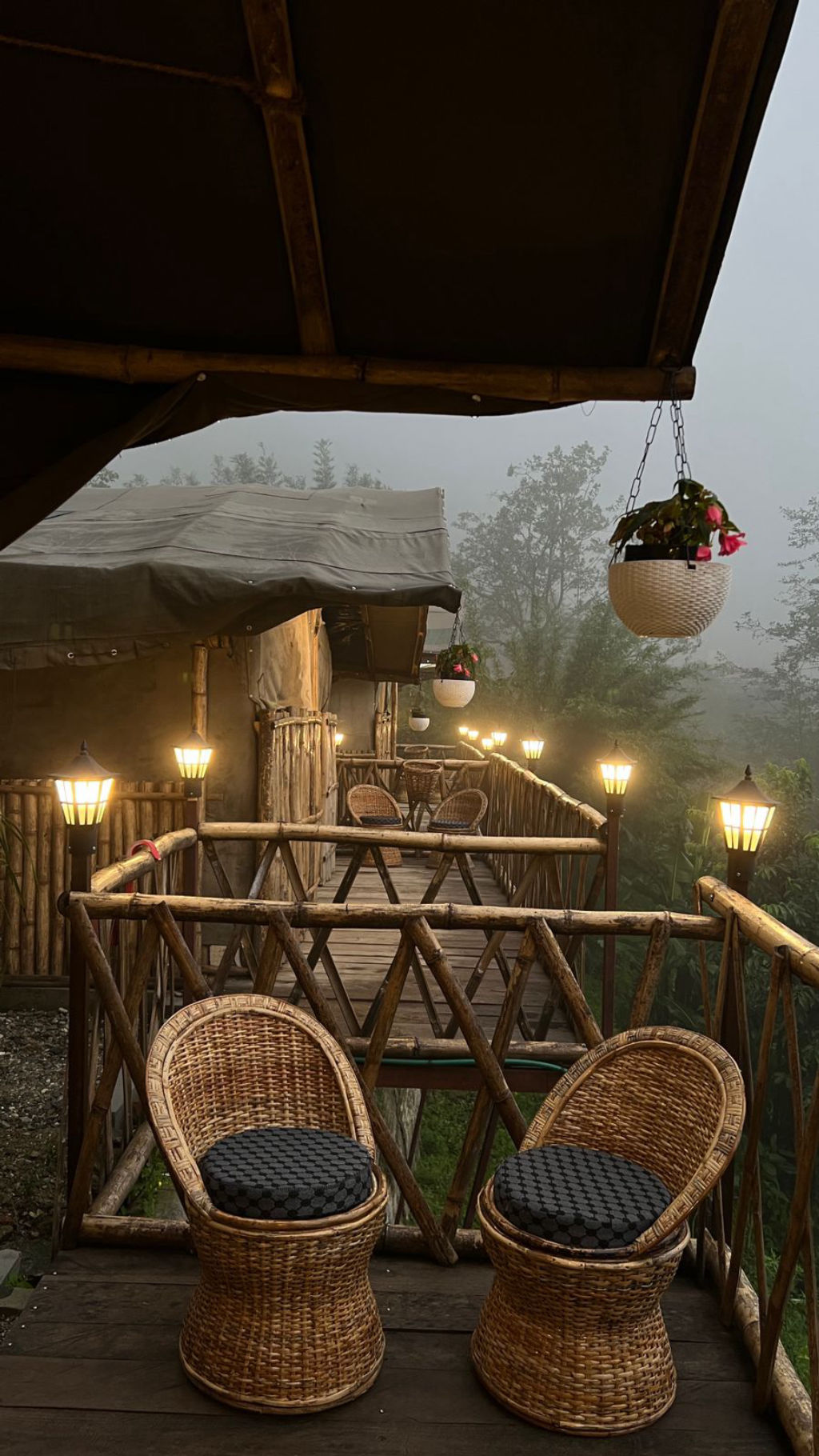
For travellers seeking outdoor immersion, scenic camping spots and rural cottages are scattered across the surrounding ridgelines, offering quiet mountain mornings and starlit night skies. If you prefer more established town amenities, the heritage hill stations of Kurseong and Darjeeling provide a variety of traditional stays and guest houses. You can easily find and book verified homestays, nature retreats, and eco-camps around Namthing Lake on HireACamp.
Frequently asked questions
Is Namthing Lake full of water all year round?
No, Namthing Lake is a seasonal rain-fed lake that fills during the monsoon months from June to September. During the winter and spring seasons, the lake basin often dries up significantly or becomes a shallow marsh.
Why is Namthing Lake famous?
Namthing Lake is famous for being one of the few natural breeding habitats of the rare and endangered Himalayan Salamander, a living fossil amphibian found in very few pockets of the Eastern Himalayas.
How far is Namthing Lake from Kurseong?
Namthing Lake is situated approximately twenty to twenty-five kilometres from the town of Kurseong, accessible via scenic mountain roads in about an hour by car.
Can you see the Himalayan Salamander during winter?
It is unlikely to spot the salamanders in winter because they hibernate under rocks, fallen logs, and moist forest soil; they are most easily seen active in the water during the monsoon breeding period.
Are there food stalls or cafes directly at Namthing Lake?
There are no major commercial cafes directly on the lake banks, though small village tea shops and local stalls can be found in nearby hamlets like Shelpu and Sittong.
Where you'll be
Kurseong, WB · 6 stays nearby shown with prices
Stays near Namthing Lake
Book a place to stay close by
More places near Namthing Lake
Within 20 km

Lists for this area
Ranked by how many creators recommend each place


Built from 0 Instagram posts by 0 creators. Every tip links back to the post it came from, and where creators disagree we show both sides.






