
Shivkhola Temple
Temple near Sittong, West Bengal
900 m from Sittong
The nearest town, for stays, food and fuel.
Shivkhola Temple is a revered Hindu shrine dedicated to Lord Shiva, situated beside a mountain river confluence near Kurseong in the Darjeeling hills of West Bengal. Nestled amidst deep river valleys, tea plantations, and sub-Himalayan forest trails, it is a serene pilgrimage and nature retreat. Travellers and devotees visit the temple to experience quiet spiritual contemplation alongside the gentle sounds of flowing mountain water.
Getting there
By road
- From SittongNearest town6 min · 1 km
Typical drive times without traffic. Stations and airports from OLA Maps; distances and typical drive times from OpenStreetMap (© OpenStreetMap contributors); notes from creators' Reels.
About Shivkhola Temple
Written with AI from map data and general knowledge. Check prices and timings locally before you go.
About Shivkhola Temple
Set against the steep, forested hillsides of the Kurseong subdivision in West Bengal, Shivkhola Temple is an ancient religious sanctuary nestled by flowing water. In the regional language, "khola" translates to a stream or river, and Shivkhola takes its name from the mountain stream that rushes through the narrow valley. The temple is situated near a quiet river confluence, known locally as the sangam, where natural beauty and sacred devotion meet. Devotees visit this shrine to offer prayers to Lord Shiva, seeking quiet reflection far from crowded temple towns.
The ambience of the temple grounds is defined by the steady rush of mountain water and the calls of birds across the surrounding tree canopies. Unlike larger urban pilgrimage centres, Shivkhola has maintained an unpretentious, elemental character. Modest pathways wind toward the riverbank, where large boulders and clear waters form natural courtyards. For residents of the Darjeeling hills and travelling devotees alike, the shrine represents a tranquil halt along the forested byways of the lower Himalayas.
The Landscape and Natural Setting
The geographical setting of Shivkhola is typical of the sub-Himalayan belt, characterized by rugged slopes, dramatic elevation changes, and luxuriant green foliage. The river valley is hemmed in by steep hills lined with tea plantations, bamboo groves, and patches of temperate moist forest. Because of the convergence of clean hill streams, the area remains moist and lush for most of the year, sustaining a varied microclimate that differs noticeably from the higher ridges of Kurseong or Darjeeling town.
Nature enthusiasts will find the surroundings rich in biodiversity. The riparian habitat along the river creates an ideal foraging ground for numerous Himalayan bird species, including forktails, kingfishers, whistling thrushes, and various warblers and flycatchers. Butterflies gather in large numbers along the moist sandbars near the sangam. The valley also serves as a peaceful corridor for small wildlife native to the lower Himalayan foothills, making casual walks around the temple precinct a rewarding experience for anyone who appreciates untouched natural settings.
Read more
Best Time to Visit Shivkhola Temple
Planning a journey to Shivkhola depends heavily on the seasons of North Bengal. The months from October to November offer pleasant weather, with clear skies following the retreat of the summer monsoons. During this post-monsoon period, the river runs clear and full, while the mountain air is fresh and views across the valley are unobstructed. It is one of the most comfortable times of the year for both temple visits and outdoor walking.
Winter, spanning from December through February, brings cooler temperatures to the valley. While mornings and evenings can be brisk, daytime temperatures remain mild and sunny, providing pleasant conditions for spending hours by the riverbank. Springtime, from March to May, sees temperatures rise gently alongside blooming foothill flora and renewed activity in the nearby tea estates. In contrast, the monsoon months of July through September bring heavy rainfall to the eastern Himalayas. During these months, the river can swell quickly and hill roads may become slippery, so checking local weather updates and road advisories is essential if travelling during this season.
Things to Do Around Shivkhola Temple
Visiting the temple itself is the focal point of a trip to Shivkhola. Travellers can spend time participating in morning rituals, sitting in contemplation near the sanctum, or simply listening to the natural soundscape. The sacred environment encourages a slow, reflective pace, making it an ideal place to pause and recharge before exploring further into the region.
Beyond religious observance, the immediate surroundings provide ample opportunities for slow travel. Walking along the riverbanks near the sangam allows you to observe unique rock formations and the diverse flora of the valley. Keen birdwatchers will appreciate spending an hour or two along the watercourses with binoculars. The area around Shivkhola also connects easily to the wider Sittong ridge, celebrated for its orange orchards, terraced farms, and tea gardens. Combining a visit to the temple with explorations of these foothill villages offers a well-rounded glimpse into rural life in the Darjeeling hills.
How to Reach Shivkhola Temple
Shivkhola Temple is located within the Kurseong subdivision of Darjeeling district, situated along mountain roads that wind down toward the river basin. The nearest major transportation hub is the city of Siliguri, along with the New Jalpaiguri railway station and Bagdogra Airport. From these transit points in the plains, travellers can hire local taxis to travel up into the hills toward Kurseong or approach via the scenic hill roads that branch inward from the Teesta valley and Sevoke route.
If you are already based in Kurseong town or nearby foothill hamlets like Sittong, the temple can be reached by scenic road journeys through tea gardens and forest tracts. Mountain driving in this sector requires care due to narrow curves and varying road surfaces, particularly after rains. Arranging private transport or booking a dedicated taxi through your local stay is typically the most reliable way to navigate the route smoothly.
Tips for Your Visit to Shivkhola Temple
When planning your visit to Shivkhola, dressing respectfully is essential out of regard for the temple's sacred atmosphere. Modest clothing that covers shoulders and knees is appropriate when entering the shrine complex. It is also wise to wear sturdy walking shoes with good traction, as the stone steps and riverbed pathways can become slick from spray, moisture, and morning dew.
Mobile connectivity can be intermittent in this narrow river basin, so it helps to download offline maps and complete essential calls before descending into the valley. Carry sufficient cash for small offerings, local refreshments, and transportation, as digital payments and automated teller machines are rarely accessible directly around the shrine. Finally, visitors should always exercise caution near the river currents, especially after rain, and ensure that all personal rubbish is packed out to protect the mountain river.
Where to Stay Around Shivkhola Temple
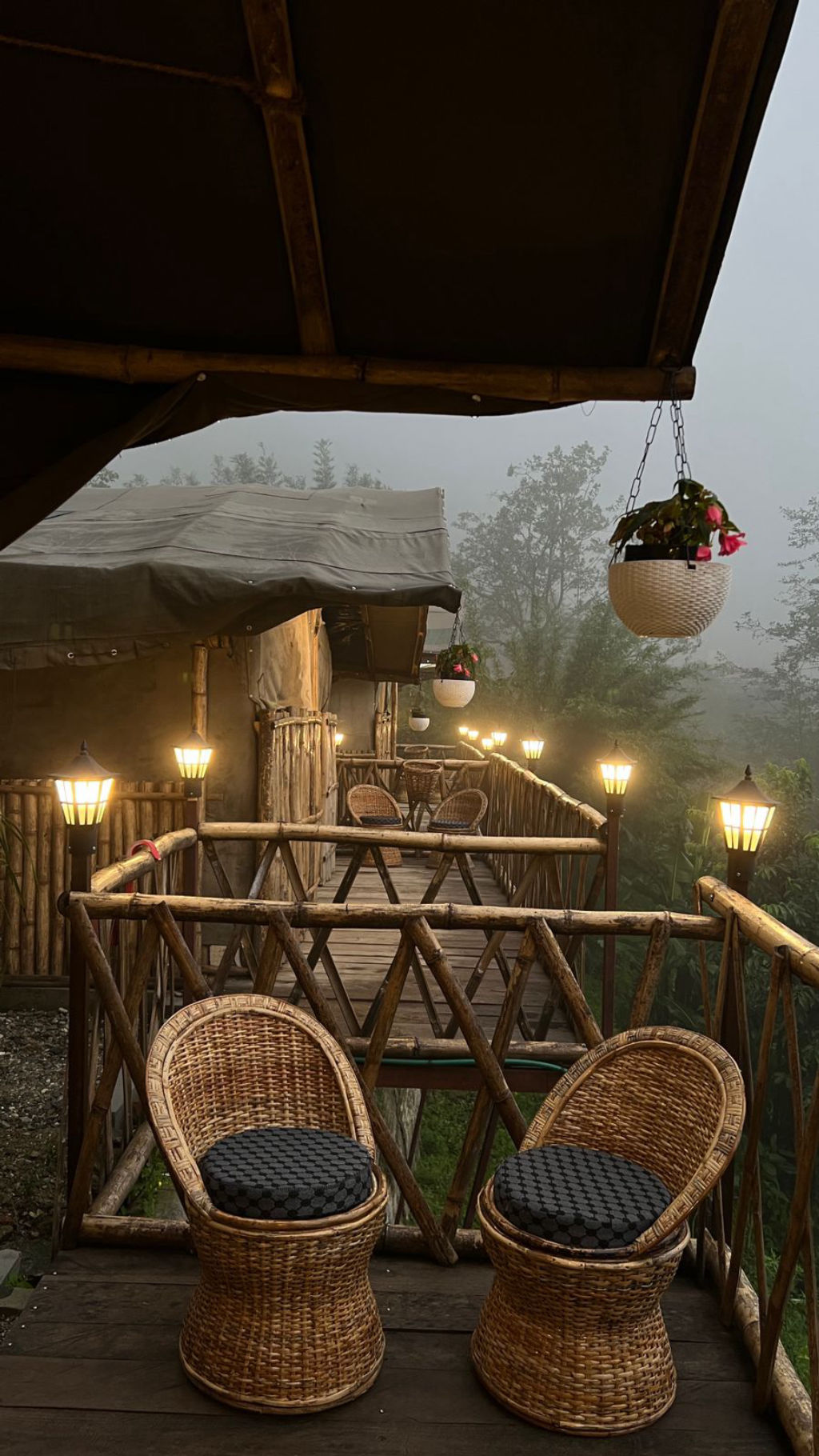
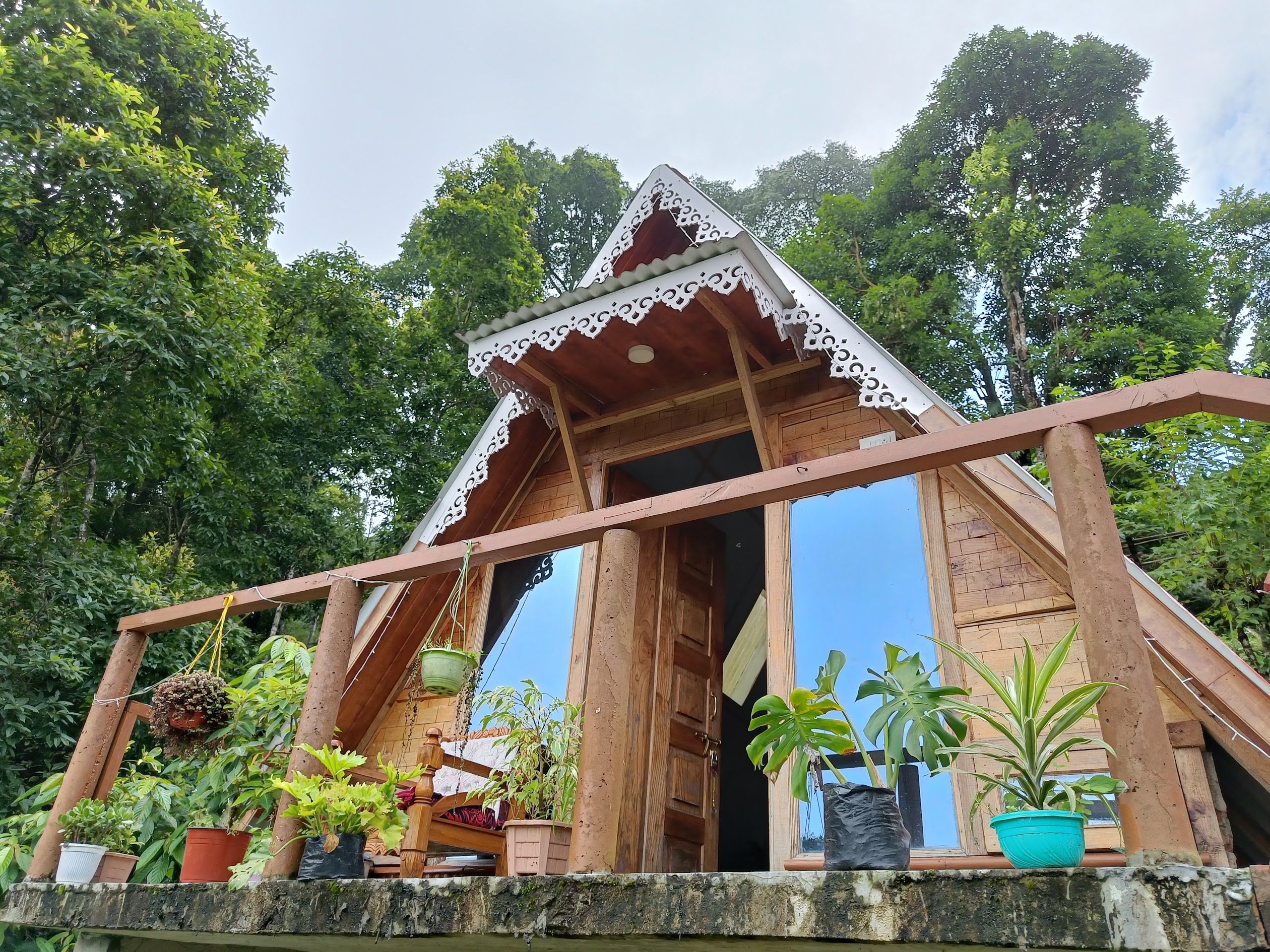
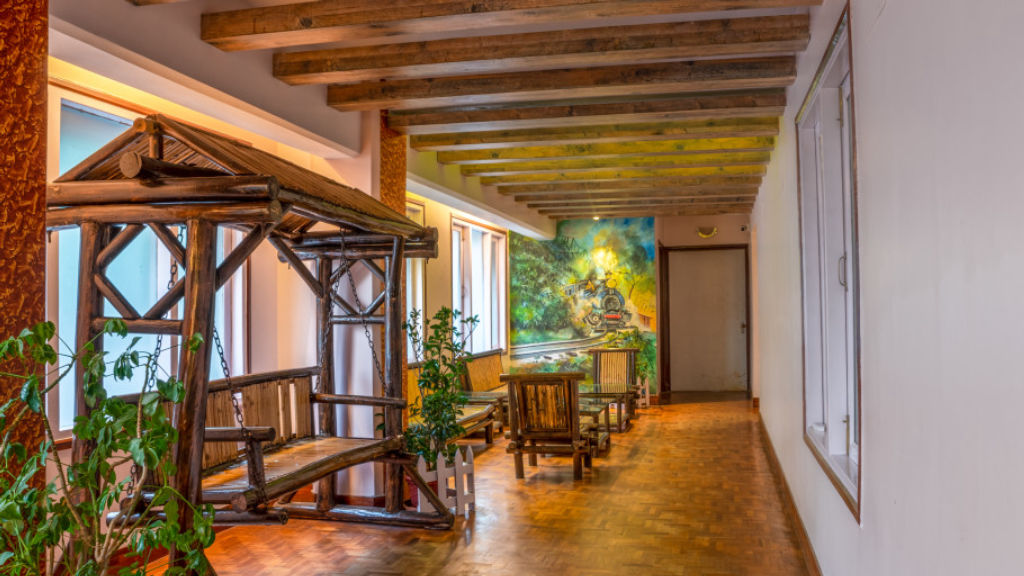
Travellers wishing to stay near Shivkhola can find peaceful accommodation options scattered across the surrounding hills. The neighbouring Sittong valley and the ridges of Kurseong host welcoming homestays and community-run stays where visitors can experience warm local hospitality and home-cooked meals prepared with regional ingredients. For those who prefer sleeping close to nature, riverside camps and eco-retreats along the forested slopes provide a peaceful overnight escape. You can browse and reserve handpicked homestays and outdoor stays in the Kurseong and Sittong belt directly on HireACamp.
Frequently asked questions
Where is Shivkhola Temple located?
Shivkhola Temple is located at Nurwud near the river confluence in the Kurseong subdivision of West Bengal, close to the rural valley of Sittong.
What is the best time of year to visit Shivkhola Temple?
The best time to visit is between October and May, when the weather is clear, comfortable, and suitable for riverside walks and temple visits.
Is it safe to visit Shivkhola during the monsoon season?
While the valley is exceptionally green in the monsoon, heavy rains can cause the river to swell and mountain roads to become slippery. Check local weather reports and road conditions before travelling between July and September.
What kind of clothing should I wear to Shivkhola Temple?
Modest clothing suitable for a Hindu place of worship is recommended, along with sturdy footwear for navigating uneven stone steps and damp riverbanks.
Where can I stay when visiting Shivkhola Temple?
Visitors typically stay in village homestays, nature retreats, or riverside campsites in the nearby Kurseong and Sittong areas, which can be booked on HireACamp.
Where you'll be
Nurwud, near River Sangam, Kurseong, WB · 7 stays nearby shown with prices
Stays near Shivkhola Temple
Book a place to stay close by




More places near Shivkhola Temple
Within 20 km


Lists for this area
Ranked by how many creators recommend each place


Built from 0 Instagram posts by 0 creators. Every tip links back to the post it came from, and where creators disagree we show both sides.






