
Naroshankar Temple
Temple near Nashik, Maharashtra
1000 m from Nashik
The nearest town, for stays, food and fuel.
Naroshankar Temple is an eighteenth-century shrine dedicated to Lord Shiva, located on the banks of the Godavari River in Panchavati, Nashik. Built during the Maratha era, it is celebrated for its fortified stone walls, delicate carvings, and the famous Portuguese bronze bell known as the Naroshankar Ghanta. Pilgrims and heritage enthusiasts visit to experience its tranquil riverside setting and historical significance.
Getting there
By road
- From NashikNearest town5 min · 1.4 km
- From Mumbai 3 hr 55 min · 185 km
- From Pune4 hr 40 min · 216 km
- From Surat5 hr · 234 km
Typical drive times without traffic. Stations and airports from OLA Maps; distances and typical drive times from OpenStreetMap (© OpenStreetMap contributors); notes from creators' Reels.
About Naroshankar Temple
Written with AI from map data and general knowledge. Check prices and timings locally before you go.
History and heritage of Naroshankar Temple
Naroshankar Temple stands as one of the finest architectural monuments from eighteenth-century Maharashtra. Commissioned around 1747 by Naroshankar Rajebahadur, a trusted general and nobleman serving under the Maratha Peshwa administration, the temple was dedicated to Lord Shiva under the name of Naroshankar. Over the centuries, it has served as an enduring symbol of regional pride and devotional culture in the holy city of Nashik.
The temple grounds are tied closely to significant milestones in regional history. Following the successful siege of Vasai against the Portuguese, several war trophies, including large ecclesiastical church bells, were brought to Maharashtra by Maratha forces. One of the most prominent among these was installed at Naroshankar Temple, connecting this spiritual sanctuary to the wider geopolitical transformations of western India in the eighteenth century.
Architecture and the famous Naroshankar Bell
The temple showcases the refined stone craft characteristic of the late Maratha architectural period, with strong influences from classical Hemadpanthi building styles. Built entirely from durable black basalt stone, the complex rises from a raised plinth directly beside the Godavari River. The exterior walls, pillars, and ornamental spires are carved with intricate friezes depicting mythological figures, celestial dancers, elephants, and elaborate floral bands that have withstood centuries of weather.
Surrounding the main sanctum is a protective stone enclosure with small corner bastions, giving the temple complex an almost fortress-like presence. The most celebrated feature here is the monumental bronze bell, known locally as the Naroshankar Ghanta. Suspended within an ornamental stone canopy over the entrance portal, this historic bell weighs several hundred kilograms. In bygone eras, the reverberating toll of this bell could be heard throughout Panchavati and across the river, serving as both a timekeeper and a spiritual call for the surrounding settlement.
Read more
The spiritual atmosphere of Panchavati
Panchavati holds an indispensable position in Indian epic tradition as the tranquil forest dwelling of Lord Rama, Sita, and Lakshmana during their exile. Naroshankar Temple is woven directly into this sacred geography, perched close to the river ghats where pilgrims gather every morning and evening. The constant murmur of flowing water, coupled with the fragrance of incense and the sound of temple bells, creates an immersive atmosphere steeped in quiet reverence.
Stepping out onto the stone ghats adjoining Naroshankar Temple offers a captivating perspective of Nashik's spiritual rhythms. Devotees take ritual dips in the sacred waters of the Godavari, priests perform riverside prayers, and local artisans showcase devotional crafts along the paved stone paths. It is a space where living traditions have continued unbroken for centuries, making a quiet hour spent here deeply restorative.
Best time to visit Naroshankar Temple
Nashik experiences a semi-arid plateau climate marked by warm summers, lush monsoons, and crisp, pleasant winters. The ideal time to explore Naroshankar Temple is between October and March. During these months, daytime temperatures remain comfortable for walking around the riverbanks, exploring historic neighbourhoods on foot, and admiring the stone carvings under mild sunlight.
The monsoon months from July to September also offer a memorable experience. The Godavari River swells with fresh runoff, the surrounding Deccan landscape turns vibrant green, and the mist rolling off the Western Ghats brings cool breezes across Panchavati. However, river levels can rise significantly after heavy rainfall, so caution is needed when walking along the low-lying ghat steps. Summers between April and May tend to be dry and hot, making early morning or late evening visits best during that period.
How to reach Naroshankar Temple
Naroshankar Temple is located centrally within the Panchavati neighbourhood of Nashik, making it easily accessible from all parts of the city. Nashik is well connected by road and rail to major urban hubs across Maharashtra, including Mumbai and Pune. Travellers arriving by train can alight at Nashik Road railway station, which sits approximately ten kilometres from Panchavati. Local autorickshaws, city buses, and taxis run frequently between the station and the riverside temples.
For those arriving by car, major highways link Nashik to Mumbai via the NH160 and to Pune via the NH60. Once inside Nashik, navigating to the temple is straightforward, though streets inside the older quarters of Panchavati are relatively narrow. Parking directly outside the temple can be limited during festivals, so it is often convenient to park in designated municipal areas nearby and walk the remaining distance along the riverbank.
Places to explore around Panchavati
Given its central location, Naroshankar Temple serves as an ideal anchor for exploring the wider heritage of Nashik. Within brief walking distance lies Ramkund, the venerated holy pool where pilgrims take ceremonial baths and where the Kumbh Mela congregation centers every twelve years. Directly adjacent are the sacred Sita Gufa caves and the majestic Shree Kalaram Mandir, a sprawling black-stone temple dedicated to Lord Rama that mirrors the architectural mastery of the era.
Those with extra time can venture beyond Panchavati to discover the broader region. A short journey downstream leads to Someshwar Waterfall and Gangapur Dam, both popular for their breezy waterscapes. Further west toward the Sahyadri range rise the ancient peaks of Brahmagiri and Anjaneri, revered as the birthplace of Lord Hanuman and the source of the Godavari River. Trimbakeshwar Jyotirling Mandir, one of the twelve sacred Jyotirlinga shrines, lies about thirty kilometres away and forms an essential pilgrimage stop alongside Nashik.
Tips for your visit and where to stay
Visiting Naroshankar Temple is a relaxed cultural experience, but keeping a few guidelines in mind will ensure a smooth trip. Dress modestly in keeping with the religious character of the shrine, and be prepared to remove your footwear before ascending the temple platform. Carrying a pair of easy-to-remove sandals and a water bottle is recommended, especially if you plan to walk between the various shrines scattered across Panchavati.
Photography of the exterior stone facades, the massive Portuguese bell, and the river ghats is usually allowed, but always verify current local regulations before capturing images inside the inner sanctum. For travellers planning an extended getaway, finding the right base is easy. A wide selection of rustic camps, heritage homestays, and peaceful nature stays across the Nashik and Trimbak countryside can be found and booked on HireACamp.
Frequently asked questions
What is the Naroshankar Ghanta at Naroshankar Temple?
The Naroshankar Ghanta is a massive bronze bell installed at the temple, originally acquired from the Portuguese after the Maratha victory at Vasai in the eighteenth century.
Where is Naroshankar Temple located?
The temple is located on the banks of the Godavari River in the historic Panchavati neighbourhood of Nashik, Maharashtra.
What architectural style is Naroshankar Temple built in?
It is built primarily from black basalt stone in the Maratha and Hemadpanthi architectural traditions, featuring a fortified compound and elaborate exterior stone carvings.
What is the best time of year to visit Naroshankar Temple?
The cooler months from October to March offer the most comfortable weather for exploring the temple and the adjoining Panchavati riverbanks.
What other attractions are located near Naroshankar Temple?
Nearby heritage sites include Ramkund, Sita Gufa, and Shree Kalaram Mandir, all situated within easy walking distance in Panchavati.
Where you'll be
Panchavati, Nashik, MH · 4 stays nearby shown with prices
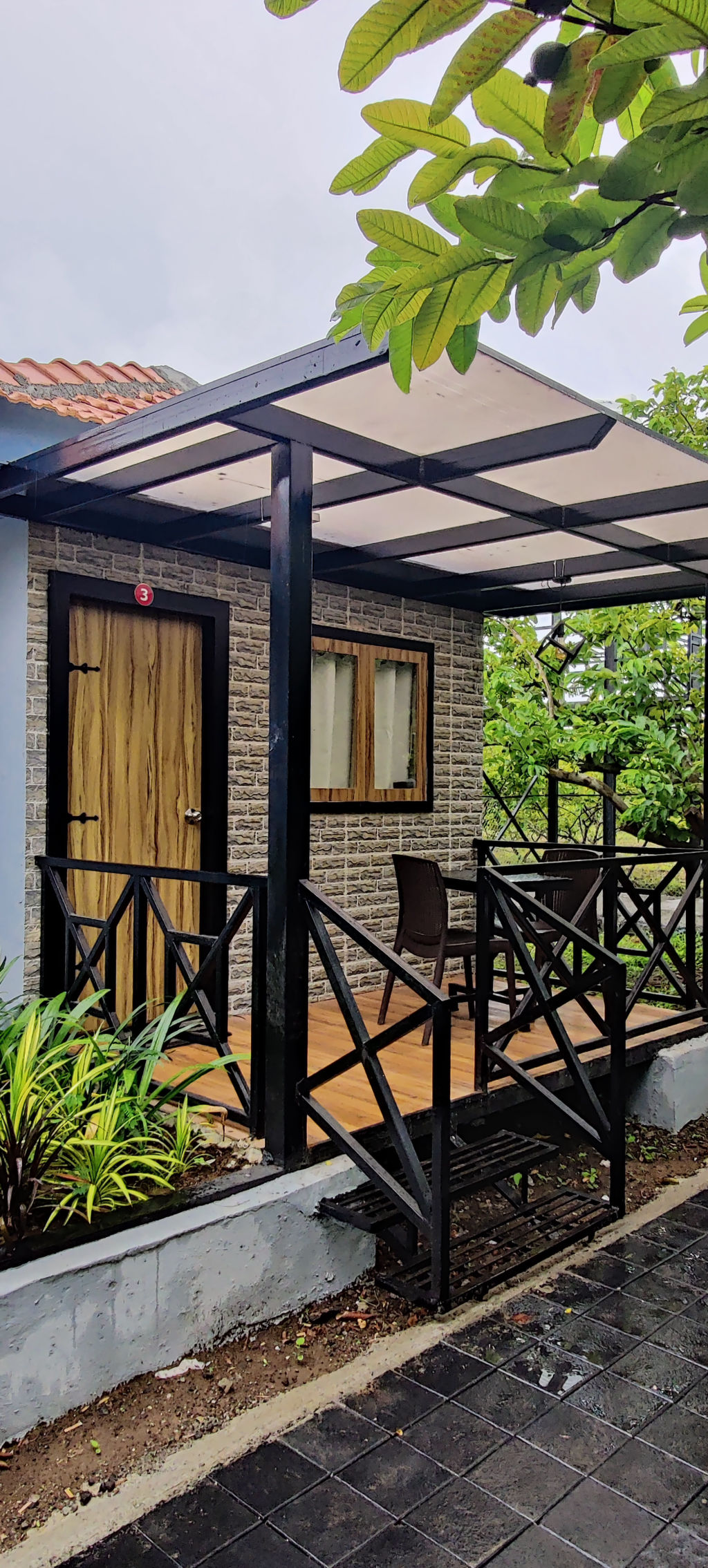
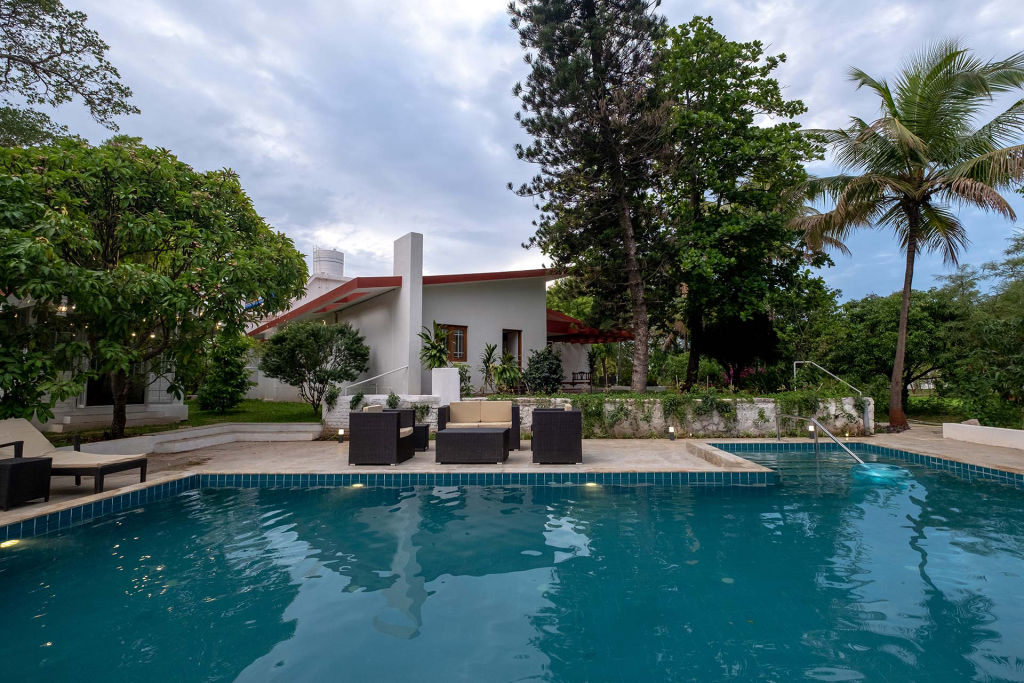
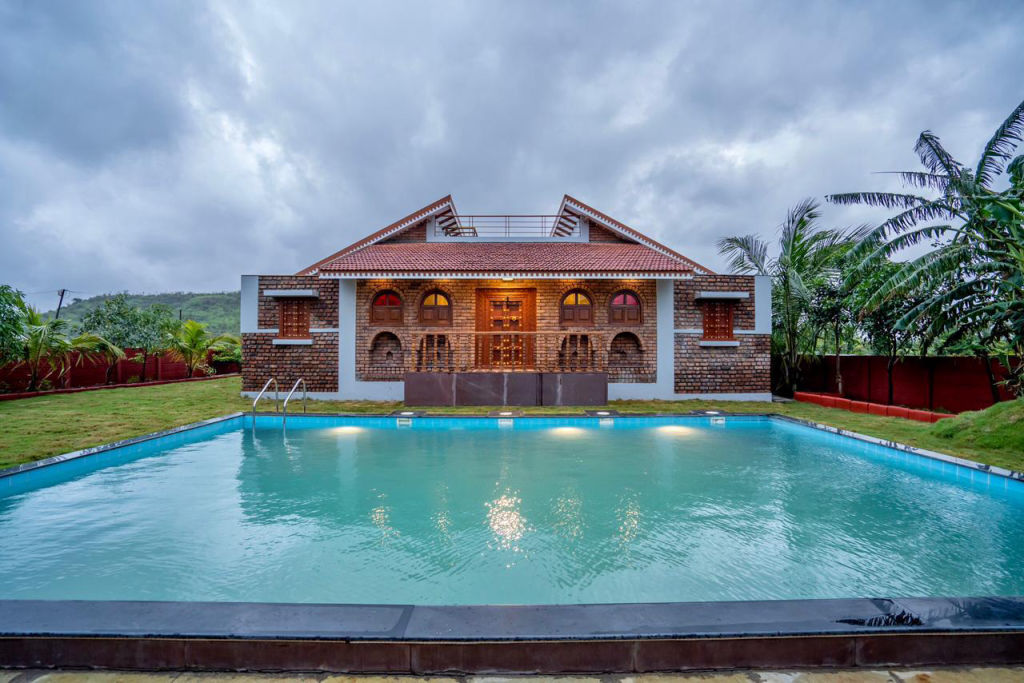
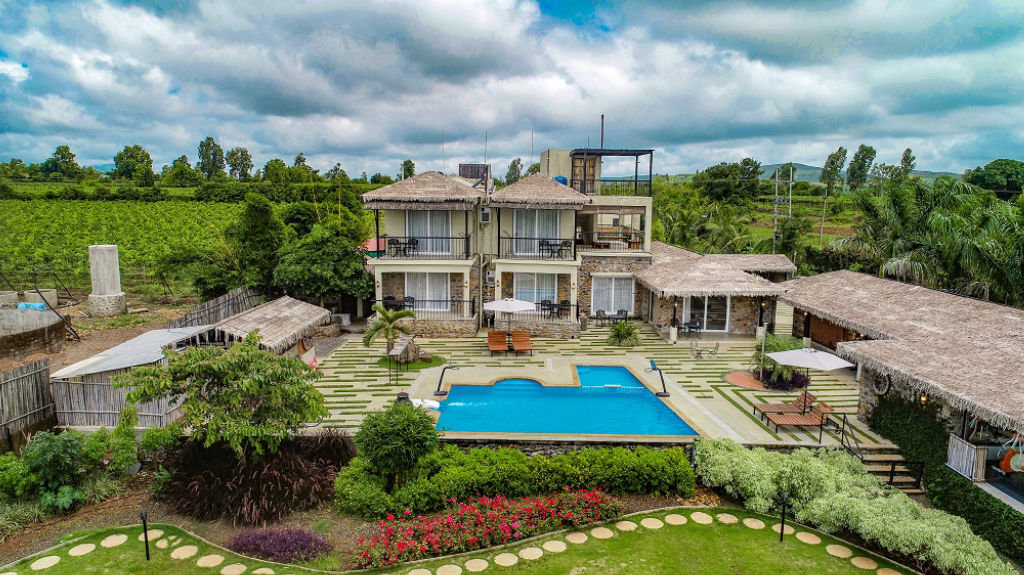
Stays near Naroshankar Temple
Book a place to stay close by
More places near Naroshankar Temple
Within 20 km


Lists for this area
Ranked by how many creators recommend each place


Built from 0 Instagram posts by 0 creators. Every tip links back to the post it came from, and where creators disagree we show both sides.






