
Nenavali Caves
Ruins near Sudhagad, Maharashtra
9.9 km from Sudhagad
The nearest town, for stays, food and fuel.
Nenavali Caves, also known locally as Khadsambale Caves, is an ancient Buddhist rock-cut cave complex located near the town of Pali in Maharashtra. Carved into the rugged escarpments of the Sahyadri hills, the site historically offered monastic shelter and meditation chambers along an ancient trade route. Travellers and history enthusiasts visit the site to explore its secluded stone architecture and experience the quiet wilderness of the Sudhagad region.
Getting there
By road
- From SudhagadNearest town59 min · 26 km
- From Mumbai 2 hr 35 min · 120 km
- From Pune3 hr · 110 km
- From Nashik5 hr 25 min · 300 km
Typical drive times without traffic. Stations and airports from OLA Maps; distances and typical drive times from OpenStreetMap (© OpenStreetMap contributors); notes from creators' Reels.
About Nenavali Caves
Written with AI from map data and general knowledge. Check prices and timings locally before you go.
History and Heritage of Nenavali Caves
Nenavali Caves date back to early Buddhist rock-cut architectural traditions in western India, broadly believed to have flourished between the first century BCE and the second century CE. Situated in the foothills of the Western Ghats, the complex served as a quiet vihara, or monastic dwelling, for Buddhist monks during the rainy retreats known as vassa. The location was strategically chosen along secondary trade routes connecting coastal ports in the Konkan lowlands to the inland Deccan plateau through mountain passes.
The complex comprises over thirty individual excavations cut directly into the hillside. These spaces include prayer halls, communal assembly spaces, monastic living quarters, and carved stone cisterns engineered to harvest rainwater. Over the centuries, trade patterns shifted and the site fell into disuse, leaving behind an atmospheric collection of chambers weathered by centuries of monsoons. Today, Nenavali stands as a valuable archaeological remnant offering insight into early monastic life and ancient rock craftsmanship in Maharashtra.
The Cave Architecture and Layout
The architecture of Nenavali Caves reflects functional monastic planning adapted to the basalt bedrock of the Sahyadris. Unlike more ornate cave complexes adorned with intricate figural relief sculptures, Nenavali is primarily utilitarian and contemplative. The main complex contains several cells arranged around central courtyards, many featuring carved stone benches where monks slept and rested.
Water management was critical for permanent cave communities, and visitors will observe a series of stone-cut water tanks flanking the entrances and inner courtyards. These cisterns collected seasonal rainwater and filtered it naturally through rock fissures, keeping it cool and drinkable through the dry summer months. Deep pillared verandas and arched doorways provide natural ventilation while shielding the interiors from intense tropical sun and heavy rain. Walking through the quiet hallways gives visitors a direct sense of the ascetic lifestyle observed by the residents who carved these spaces out of solid cliffside.
Read more
Best Time to Visit Nenavali Caves
The best period to plan a trip to Nenavali Caves is from October to March, when the post-monsoon and winter weather brings comfortable temperatures and clear skies. During these months, the surrounding valley remains green, streams carry running water, and daytime heat is moderate enough to make walking up to the caves pleasant.
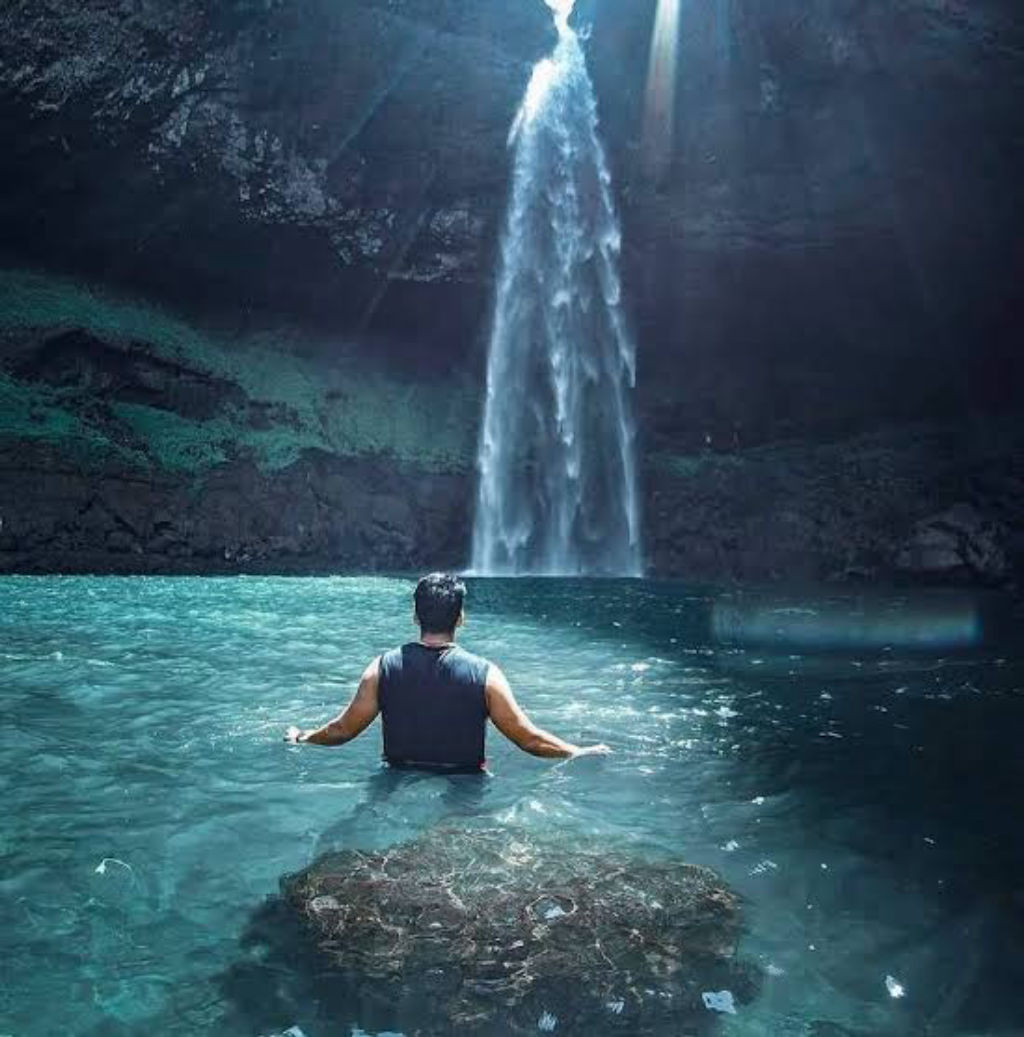
The monsoon months between June and September transform the region into a lush, misty paradise. Waterfalls cascade over the neighboring cliff faces, and the foliage around the base village turns vibrant green. However, trekking up to the caves during heavy rains requires extra caution, as mud paths and stone steps can become slick, and mountain runoffs may swell. Summer, extending from late March through May, is typically hot and dry. Daytime temperatures in the Raigad interior can climb significantly, making shade sparse along the approach trails.
How to Reach Nenavali Caves
Nenavali Caves are located in Raigad district, closest to the pilgrimage and market town of Pali. Travellers travelling by road from Mumbai or Pune can reach the site within roughly three to four hours depending on traffic and the chosen mountain route. From Pune, driving via the scenic Tamhini Ghat road or via the expressway toward Khopoli and Pali brings you into the Sudhagad region.
The primary jumping-off point for reaching the caves on foot is the village of Khadsambale. From the village or designated roadside parking areas, a footpath leads upward through light forest and rocky terrain toward the cliff face where the caves are situated. Public transport is available up to Pali via state transport buses, after which local auto-rickshaws or shared jeeps can be engaged to reach the trailheads near the base village.
Places to Visit Nearby
A visit to Nenavali Caves pairs naturally with several other historical and natural landmarks around the Sudhagad region. Just a short distance away lies Sudhagad Fort, an expansive hill fortification renowned for its massive ramparts, panoramic views of the Western Ghats, and the Bhorai Devi temple. Exploring both Nenavali Caves and Sudhagad provides a full day of heritage hiking in an undisturbed rural setting.
The nearby town of Pali is home to the Ballaleshwar Temple, one of the eight revered Ashtavinayak shrines, making it a cultural stop for many visitors. Further east toward the crest of the ghats are Korigad Fort and the scenic expanse of Tamhini Ghat, famous for deep ravines and seasonal waterfalls. For those continuing toward Lonavala and Mulshi, destinations such as Mulshi Lake, Pawna Lake, and Lohagad Fort lie within a comfortable driving radius.
Tips for Your Visit to Nenavali Caves
Planning ahead is essential when visiting Nenavali Caves because there are no commercial facilities directly at the ruins. Wear sturdy walking shoes or trekking boots with reliable tread, as the trail involves natural earth, loose gravel, and uneven rock steps that can be slippery, especially around moss-covered surfaces.
Bring an adequate supply of drinking water and light snacks, as you will not find shops past the base village. Carrying a small torch or headlamp is also recommended to explore the darker interior cells and cistern halls safely. Because the caves are historically sensitive and located in a natural forest ecosystem, visitors should practice responsible outdoor ethics by packing out all trash and avoiding writing or defacing any rock surfaces.
Where to Stay Near Nenavali Caves
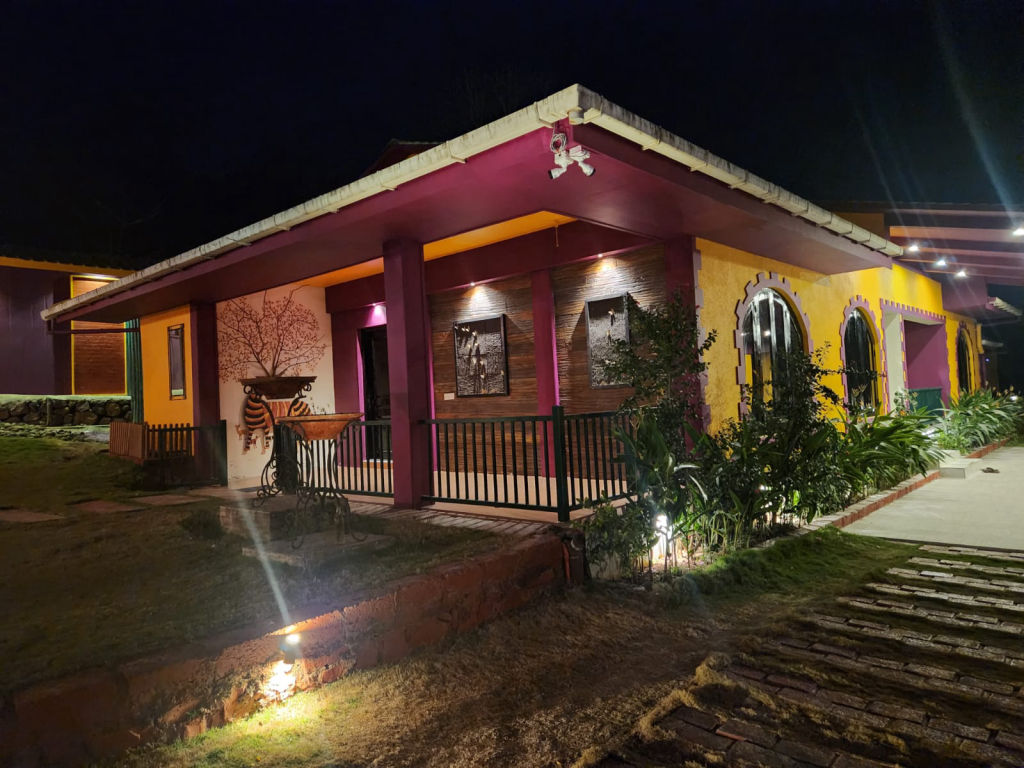
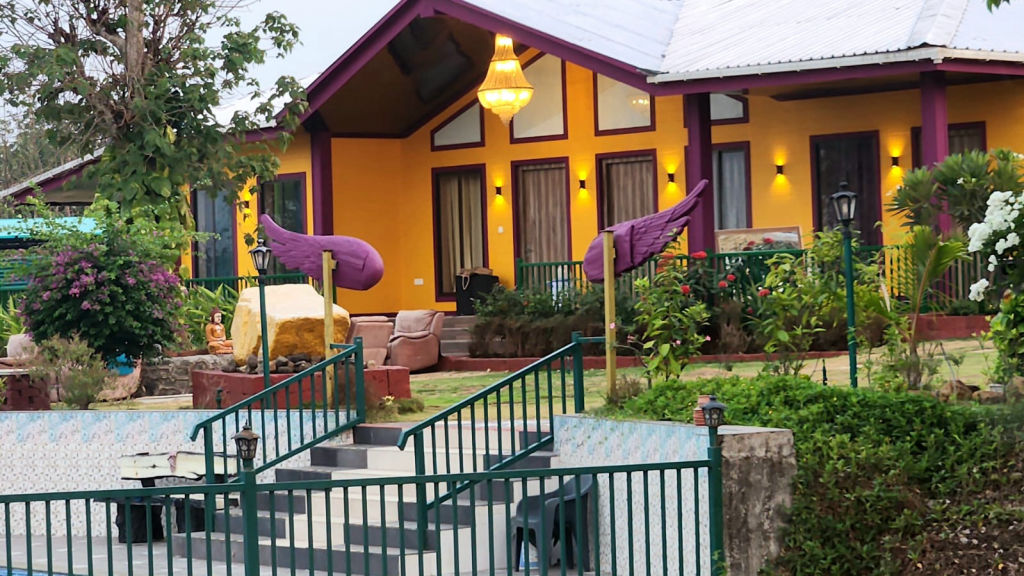
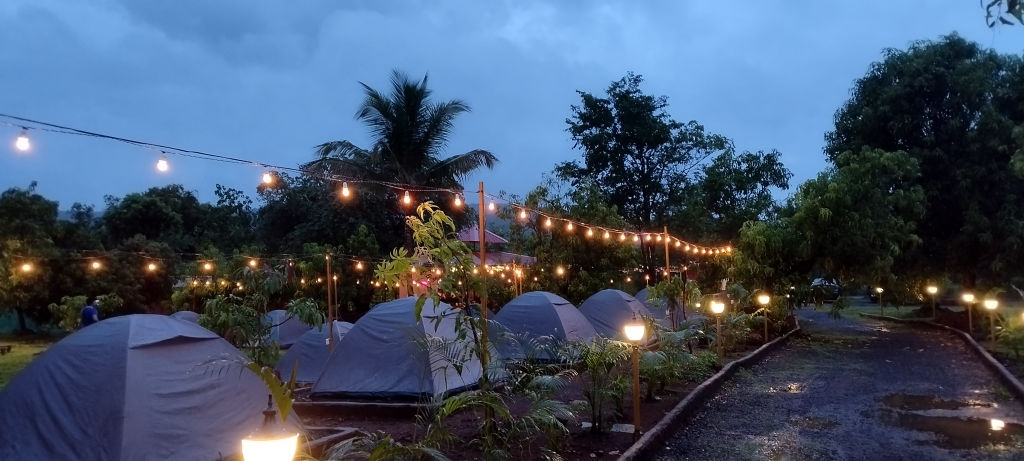
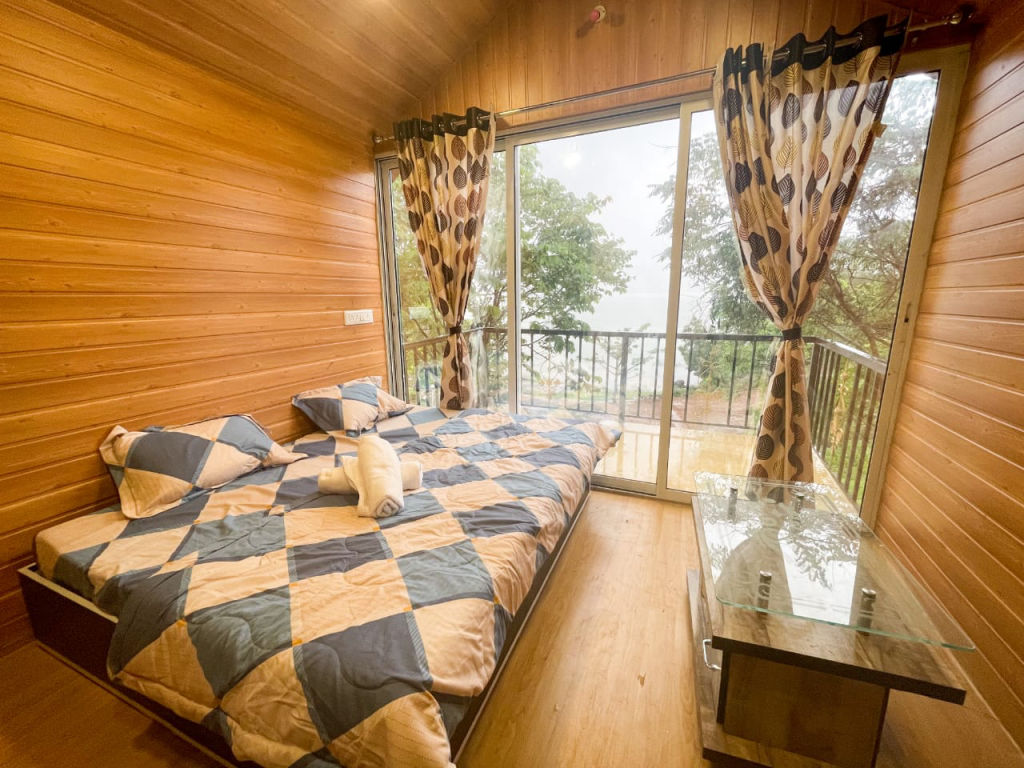
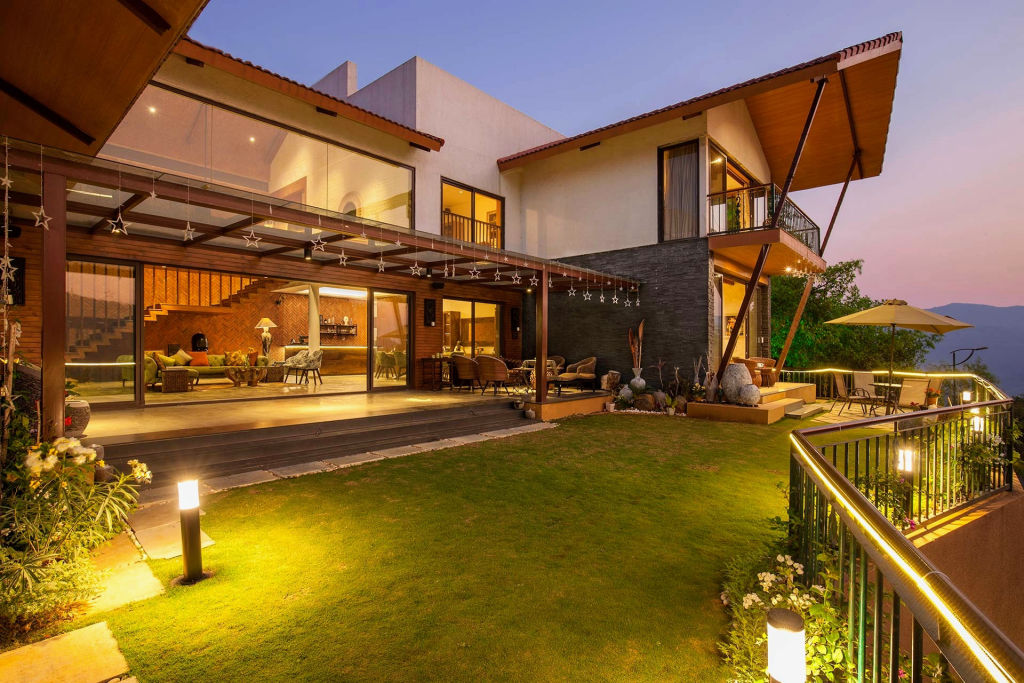
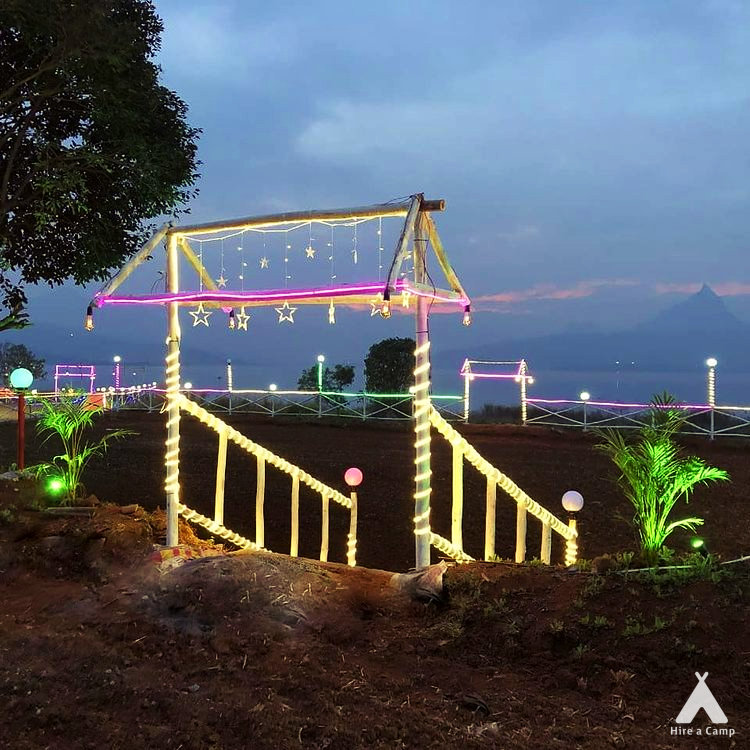
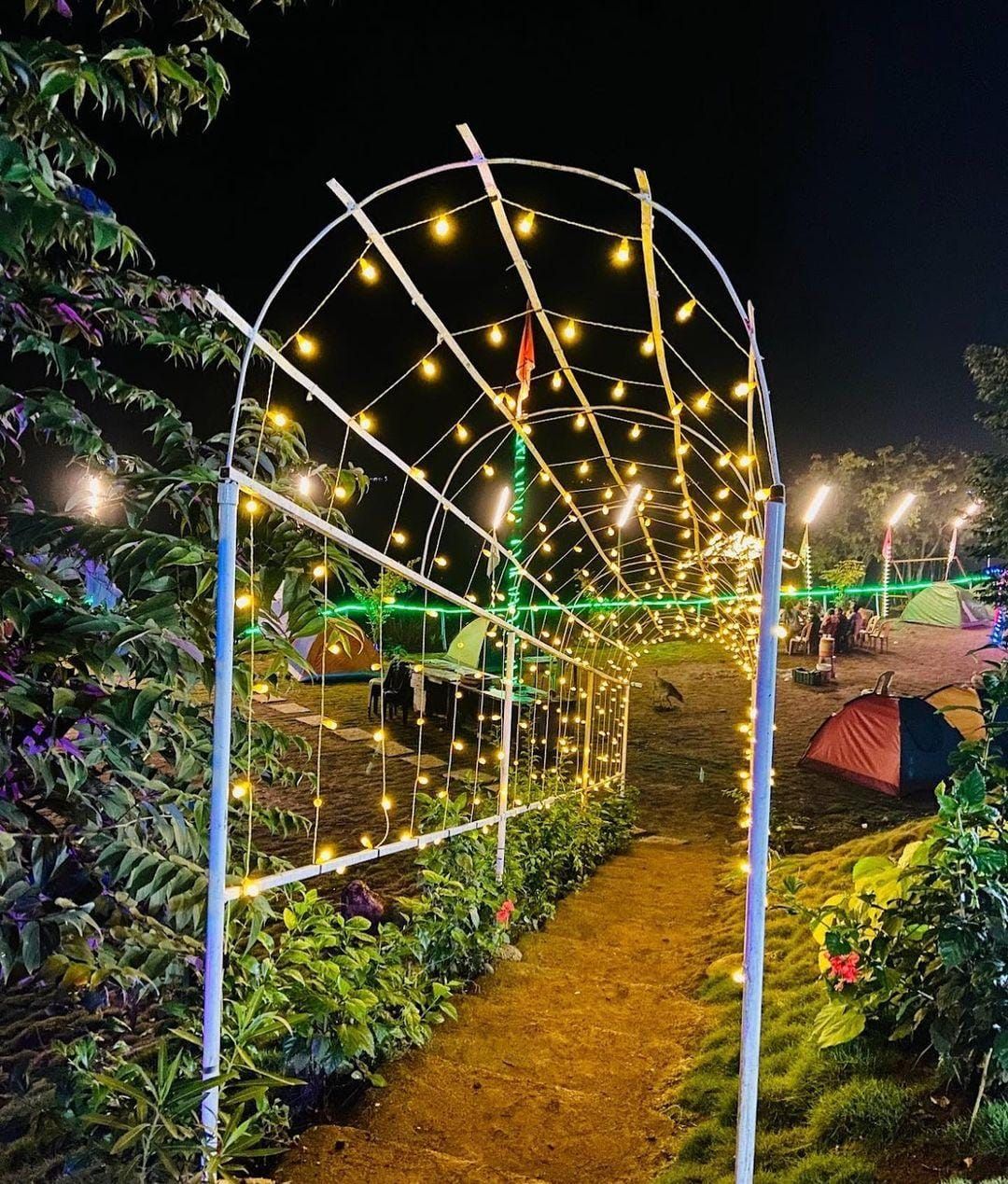
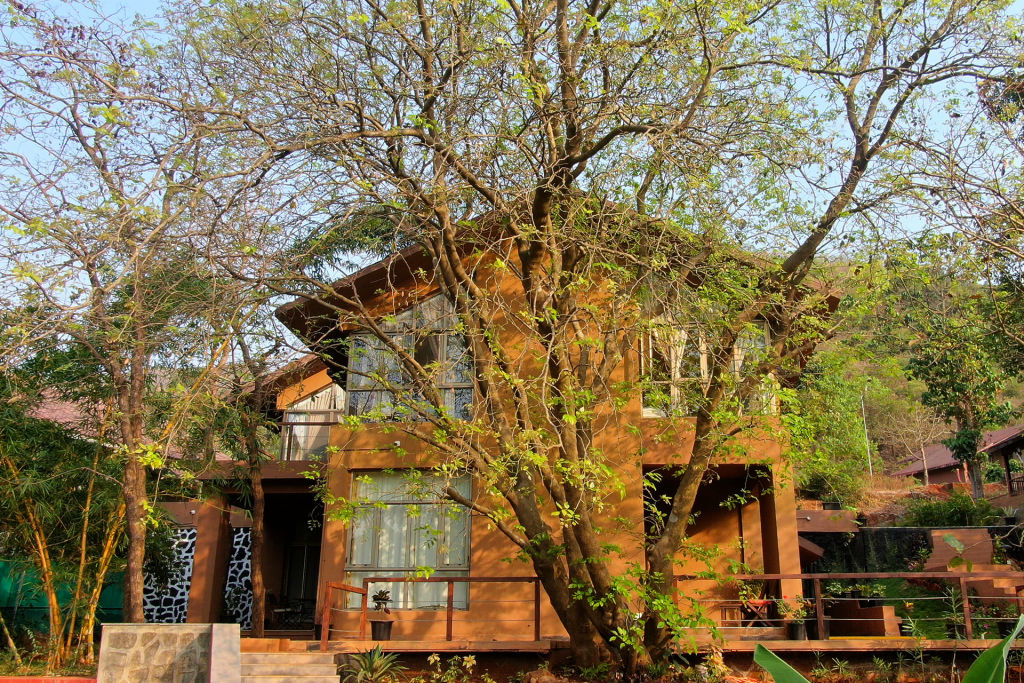
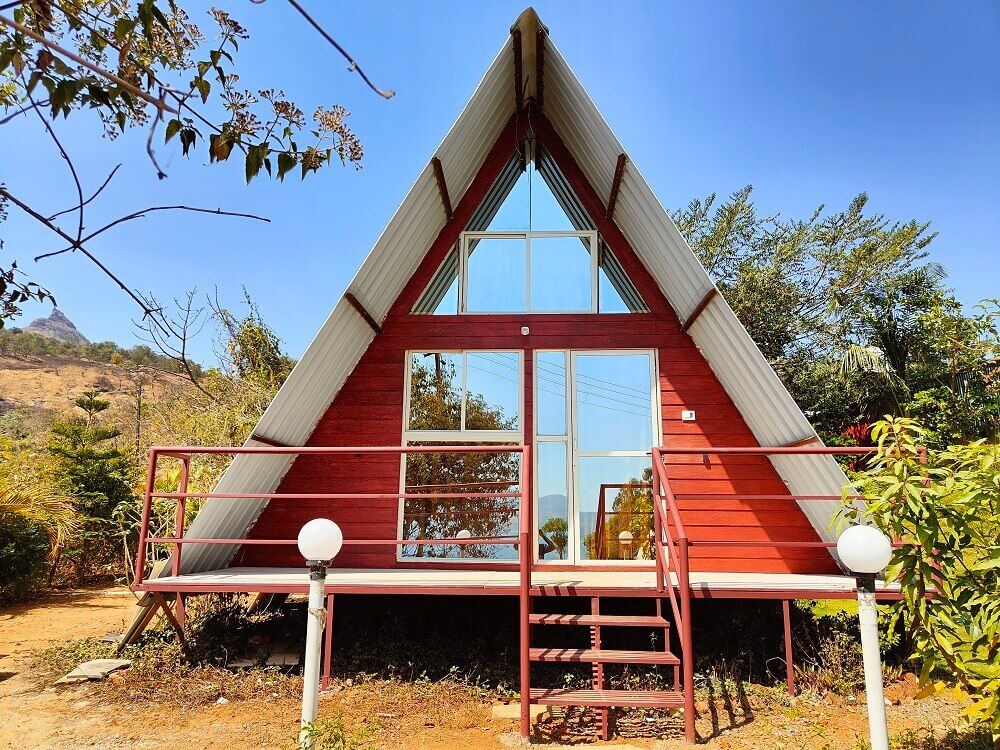
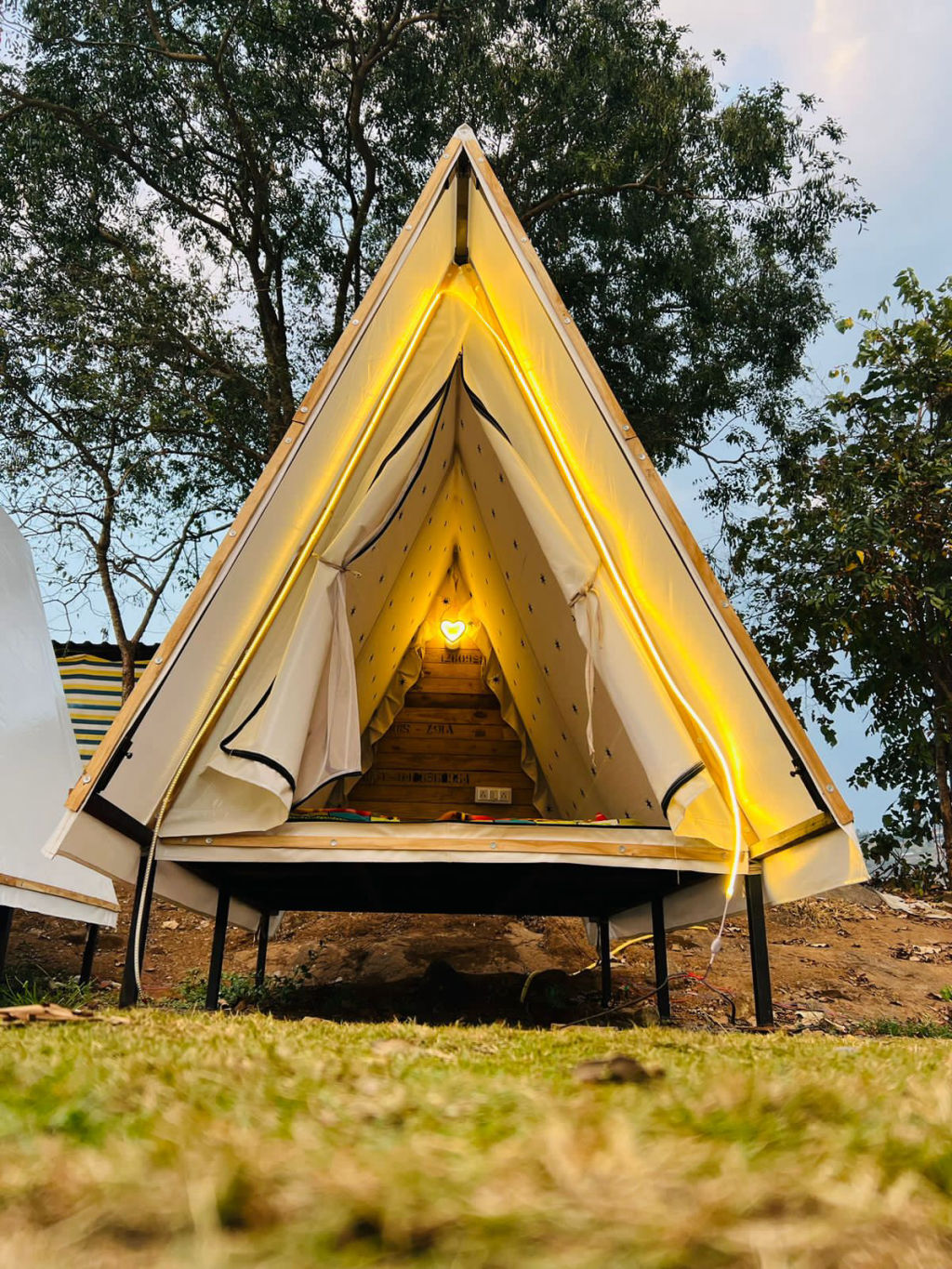
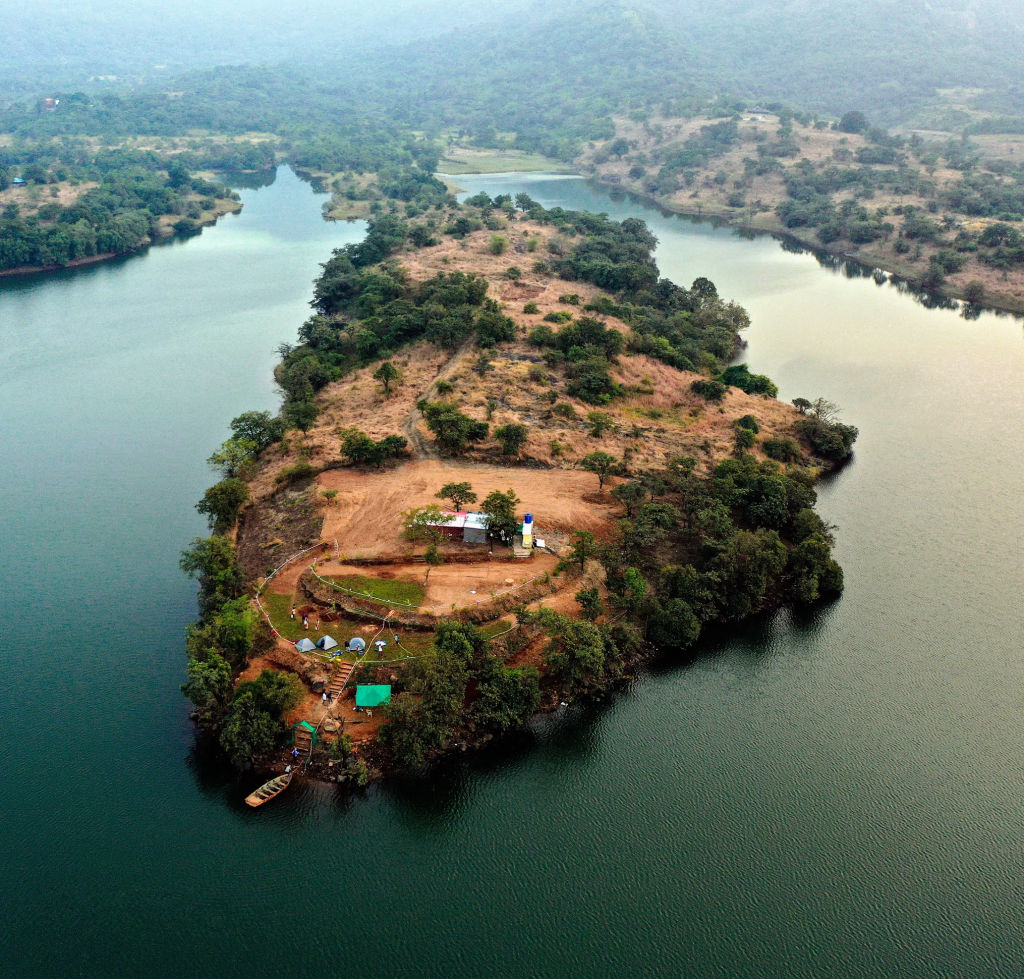
Accommodation options around Nenavali Caves cater primarily to nature lovers, weekend trekkers, and road travellers. While the immediate base village offers minimal amenities, the surrounding countryside around Pali, Sudhagad, and the Tamhini Ghat corridor features peaceful homestays, rustic farm stays, and scenic outdoor campsites. Travellers looking for comfortable camping spots and quiet rural stays near Nenavali Caves can explore vetted listings and book their stay through HireACamp.
Frequently asked questions
What kind of caves are Nenavali Caves?
Nenavali Caves, also known as Khadsambale Caves, are an ancient Buddhist rock-cut complex comprising around thirty-seven excavations, including viharas (monastic dwellings), prayer spaces, and water cisterns.
Is trekking required to reach Nenavali Caves?
Yes, visitors must complete a short uphill trek on an unpaved foot trail from the nearby base village of Khadsambale to reach the caves carved into the hillside.
Which town is closest to Nenavali Caves?
Pali is the nearest prominent town, serving as the main transit point with local bus connectivity and market amenities.
Are there food stalls or water facilities at Nenavali Caves?
No, there are no food or water facilities available directly at the caves, so visitors must carry their own supplies from Pali or nearby villages.
Can Nenavali Caves be visited during the monsoon?
The monsoon brings scenic lush greenery to the hills, but the trail and rock steps become very slippery, so good footwear and extra caution are necessary.
Where you'll be
12 stays nearby shown with prices
Stays near Nenavali Caves
Book a place to stay close by
More places near Nenavali Caves
Within 20 km


Lists for this area
Ranked by how many creators recommend each place


Built from 0 Instagram posts by 0 creators. Every tip links back to the post it came from, and where creators disagree we show both sides.


