
Nilkantheshwar Temple
Temple near Donje, Maharashtra
4.8 km from Donje
The nearest town, for stays, food and fuel.
Nilkantheshwar Temple is a hilltop shrine dedicated to Lord Shiva, located in the rugged Sahyadri hills southwest of Pune in Maharashtra. Perched high above the surrounding valleys and backwaters, the temple is famed for its extensive open-air displays of colourful mythological sculptures. Visitors and pilgrims come to experience its peaceful spiritual setting, dramatic panoramic views, and the short scenic hike required to reach the summit.
Getting there
By road
- From DonjeNearest town32 min · 16 km
- From Pune52 min · 24 km
- From Mumbai 3 hr 10 min · 177 km
- From Nashik5 hr 20 min · 235 km
Typical drive times without traffic. Stations and airports from OLA Maps; distances and typical drive times from OpenStreetMap (© OpenStreetMap contributors); notes from creators' Reels.
About Nilkantheshwar Temple
Written with AI from map data and general knowledge. Check prices and timings locally before you go.
About Nilkantheshwar Temple
Nilkantheshwar Temple sits atop a solitary hill in the rural hinterland of Pune district, offering an expansive view of the surrounding Western Ghats and nearby reservoir backwaters. The temple is dedicated to Nilkanth, an incarnation of Lord Shiva whose throat turned blue after consuming the poison churned from the cosmic ocean. Established as a peaceful place of devotion, the site has grown into a distinctive spiritual attraction that blends religious heritage with folk sculpture.
What makes the hilltop distinctive is the sheer volume of handcrafted cement and plaster statues that adorn the pathway and temple courtyards. Created over many years by local artisans and devotees, these statues depict episodes from Indian epics and Hindu mythology. The tranquil setting away from urban bustle makes the temple a popular day trip for residents of Pune and travellers touring rural Maharashtra.
The Sculptures and Temple Complex
The inner sanctum of Nilkantheshwar Temple houses the sacred Shiva Lingam, where devotees offer prayers in a simple, quiet environment. Outside the main shrine, the ridge is transformed into an expansive open-air visual gallery. Dozens of larger-than-life sculptures illustrate scenes from the Ramayana, the Mahabharata, the Dasavatara, and various classical tales of gods, sages, and celestial beings.
Walking along the ridge reveals detailed tableaux featuring Lord Shiva in various forms, Lord Ganesha, multi-headed demons, sacred animals, and legendary battles. Because these statues are set directly against the backdrop of open skies and rolling hilltops, they create an unusual and captivating landscape. The visual storytelling provides an engaging introduction to traditional lore, making the temple complex appealing to history lovers, art enthusiasts, and families with children.
Read more
Trekking to Nilkantheshwar Temple
Reaching Nilkantheshwar Temple involves a short uphill walk from the base village parking area. The trail winds through rustic scrubland and rocky terrain before ascending the ridge toward the plateau. Depending on your walking pace and fitness level, the ascent generally takes between forty-five minutes to an hour.
The path is well trodden by devotees and local villagers, though certain stretches feature loose gravel and uneven stone steps. As you climb higher, the tree cover thins out, unveiling spectacular views of the valley floor, patchwork agricultural fields, and the shimmering blue waters of nearby dams. The walk is considered moderate, making it suitable for beginners and casual hikers who wear footwear with decent grip.
Best Time to Visit Nilkantheshwar Temple
The ideal time to visit Nilkantheshwar Temple is between July and February, when the weather is most comfortable for an outdoor walk. The monsoon season, running from late June through September, transforms the surrounding hills into vibrant green meadows. Low-hanging clouds and mists often drift over the summit during these months, though the trail can become slippery, requiring extra caution on the slopes.
The post-monsoon and winter months, from October to February, bring clear skies, pleasant daytime temperatures, and cool morning breezes. This period offers the sharpest visibility across the valleys and reservoirs, making it perfect for photography and extended explorations of the sculptures. The summer months from March to May can be intensely warm and dry, with little natural shade along the ascent, so early morning visits are strongly recommended if travelling during that period.
How to Reach Nilkantheshwar Temple
Nilkantheshwar Temple is situated southwest of Pune and can be reached by road via scenic routes passing through the countryside. From central Pune, the drive typically winds past Khadakwasla and the rural villages near the backwaters. Private cars, rented vehicles, or two-wheelers are the most convenient transport options, as direct public buses to the exact base of the hill run infrequently.
If you rely on public transport, you can take a state transport bus or city bus from Pune toward the nearest major village or junction, and then hire a local auto-rickshaw or taxi for the final stretch to the trailhead. From the vehicle parking zone at the base of the hill, visitors must proceed on foot along the designated trail to reach the temple grounds on the summit.
Places to Visit Around Nilkantheshwar Temple
A trip to Nilkantheshwar Temple can easily be paired with other scenic and historical attractions in the southwestern reaches of Pune district. The historic Sinhagad Fort lies approximately seven kilometres away in a direct line, offering dramatic cliffside ramparts and a deep connection to Maratha history. Farther to the southwest, the formidable Torna Fort beckons seasoned trekkers with its grand bastions and elevated ridgelines.
The wider region is also renowned for its tranquil lakes and dams. Mulshi Lake and Pawna Lake, located within a scenic driving range, are popular for relaxed waterside picnics and outdoor camping. Travellers returning toward Pune can explore cultural landmarks such as the iconic Shaniwar Wada, the revered Shrimant Dagdusheth Halwai Ganpati Mandir, or the sprawling BAPS Shri Swaminarayan Temple, creating a diverse day itinerary combining nature, spirituality, and Maratha heritage.
Tips for Visiting Nilkantheshwar Temple
Because Nilkantheshwar Temple is an active place of worship, visitors should dress modestly and respect local customs while exploring the shrine and sculpture areas. Shoes must be removed before entering the inner sanctum. Since the complex spans an open hilltop with limited tree cover, carrying a hat, sunglasses, and sufficient drinking water is essential, particularly on sunny days.
Local stalls near the base and occasionally on the trail sell basic refreshments like tea, buttermilk, and light snacks, but choices can be sparse on weekdays. It is prudent to pack your own light snacks and ensure you carry all wrappers back down the hill. Monkeys are commonly seen along the trail and near the summit, so keep food items tucked safely inside backpacks to avoid attracting unwanted attention.
Where to Stay Near Nilkantheshwar Temple
Because of its close proximity to Pune, many travellers choose to visit Nilkantheshwar Temple on a day trip while staying in the city. However, spending a night closer to the hills provides an opportunity to experience peaceful rural mornings and quiet starry nights away from traffic.
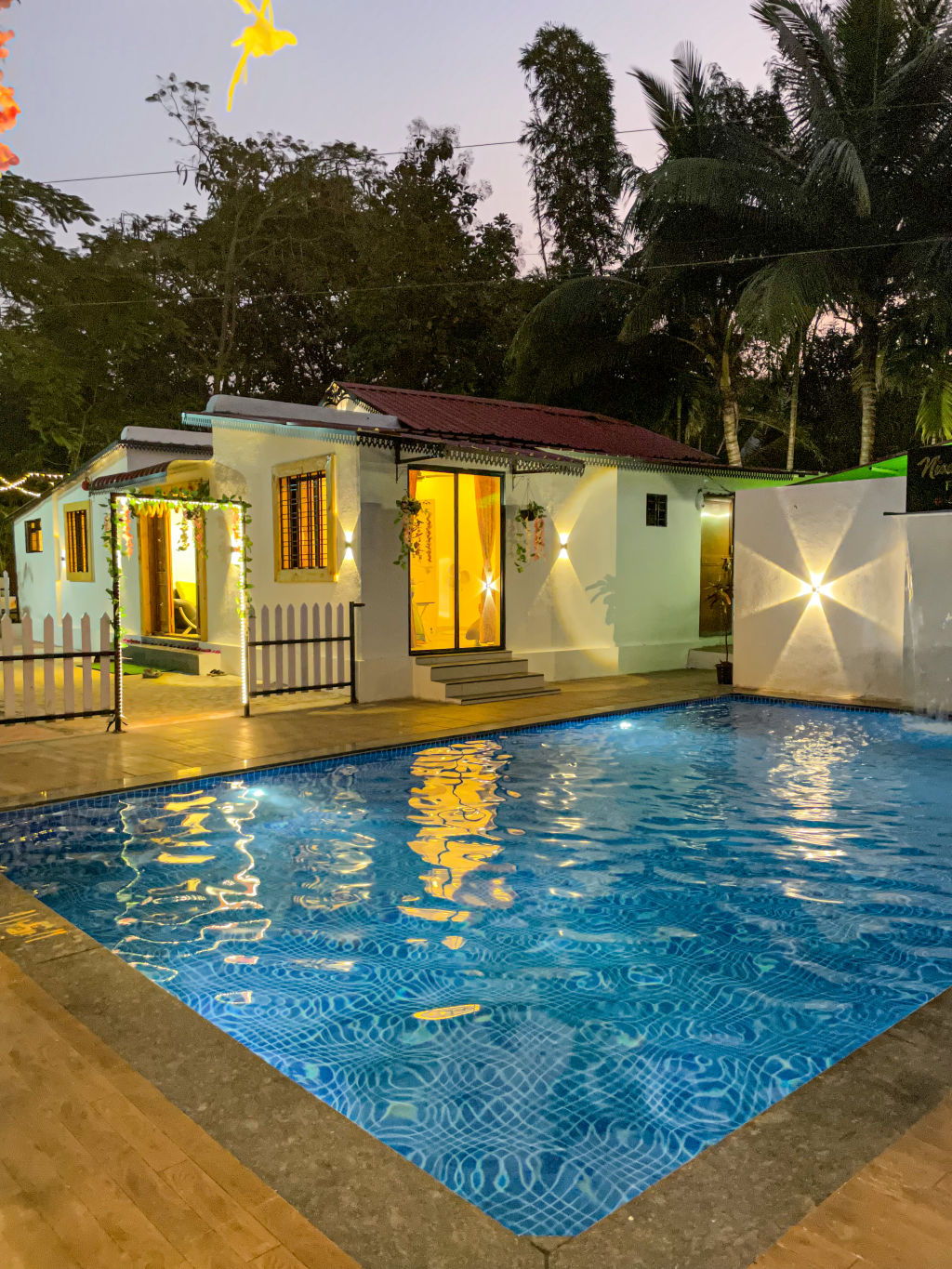
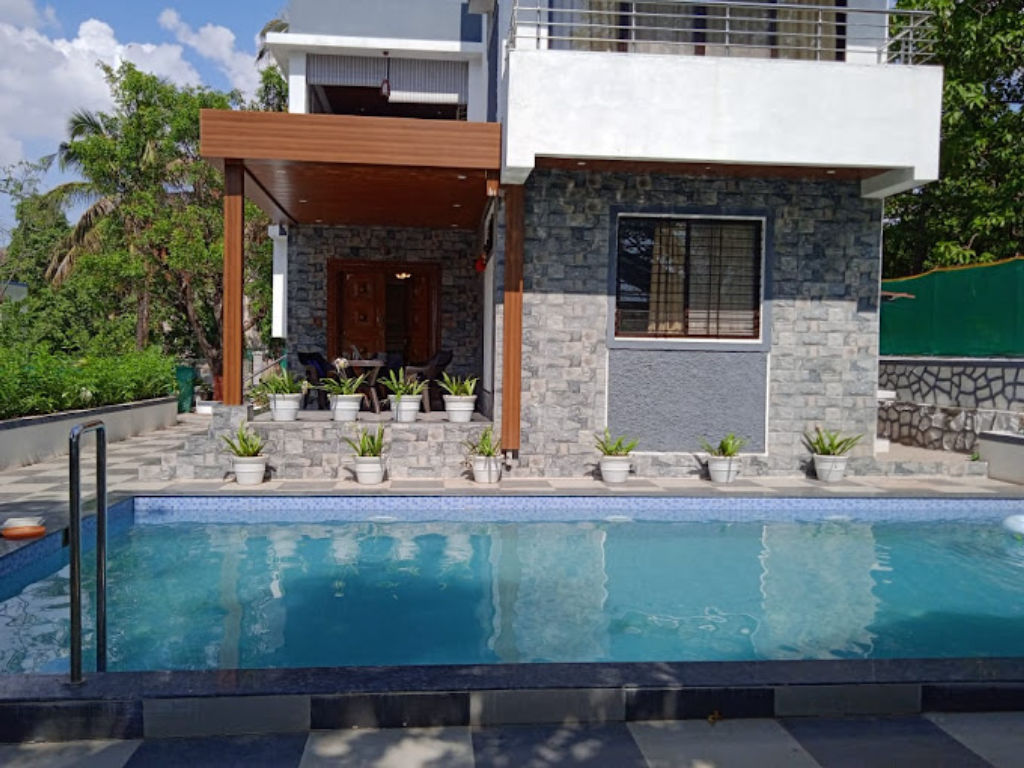
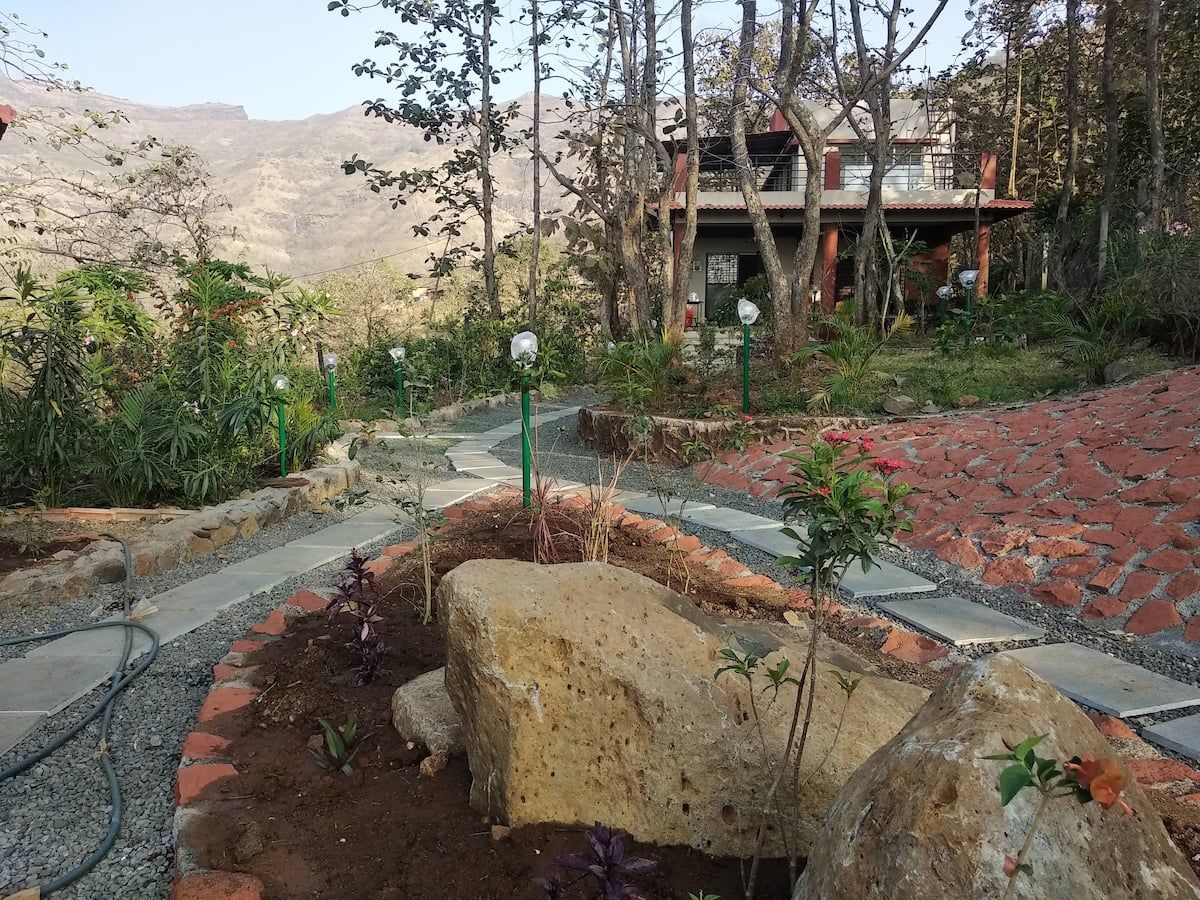
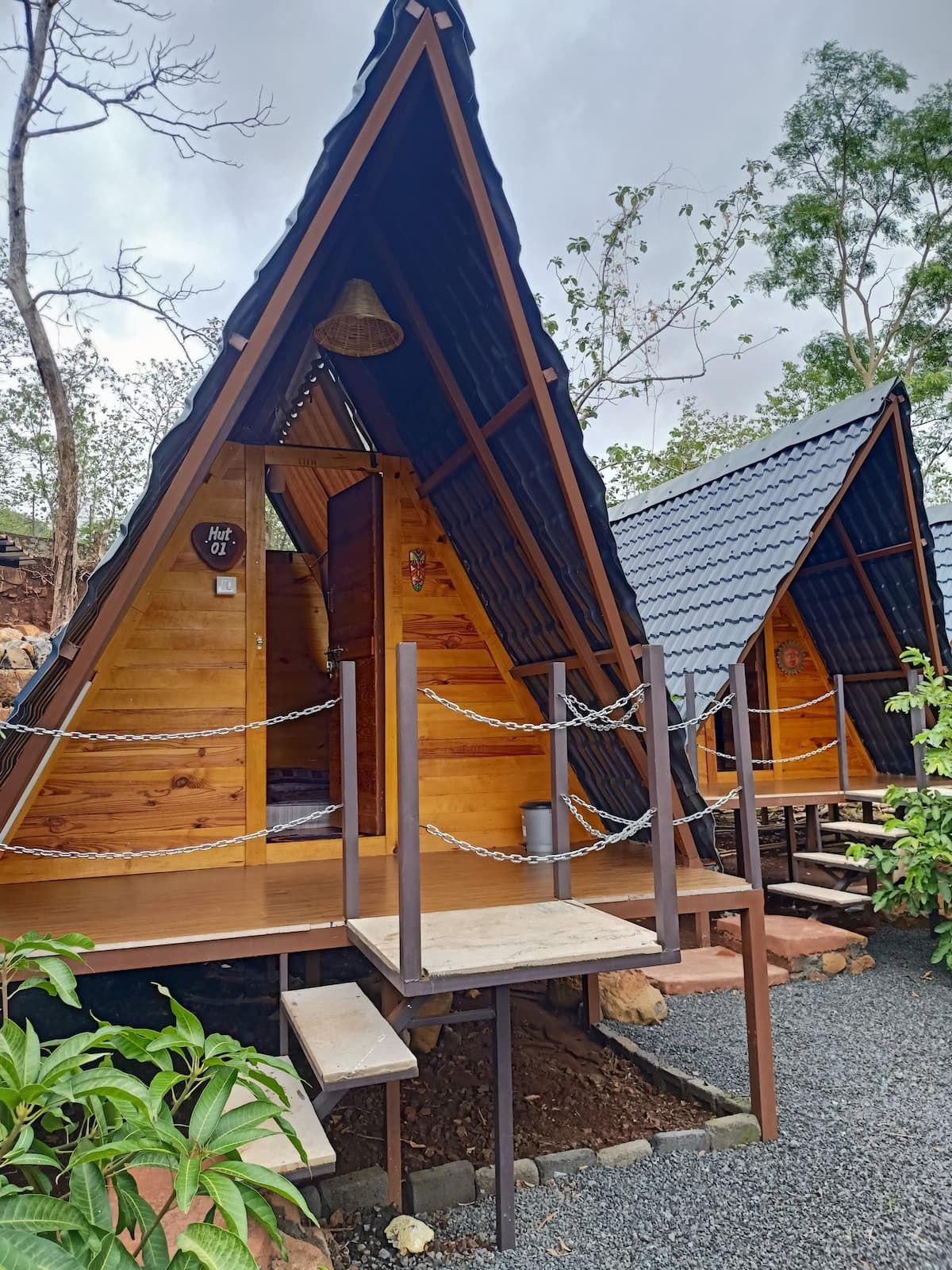
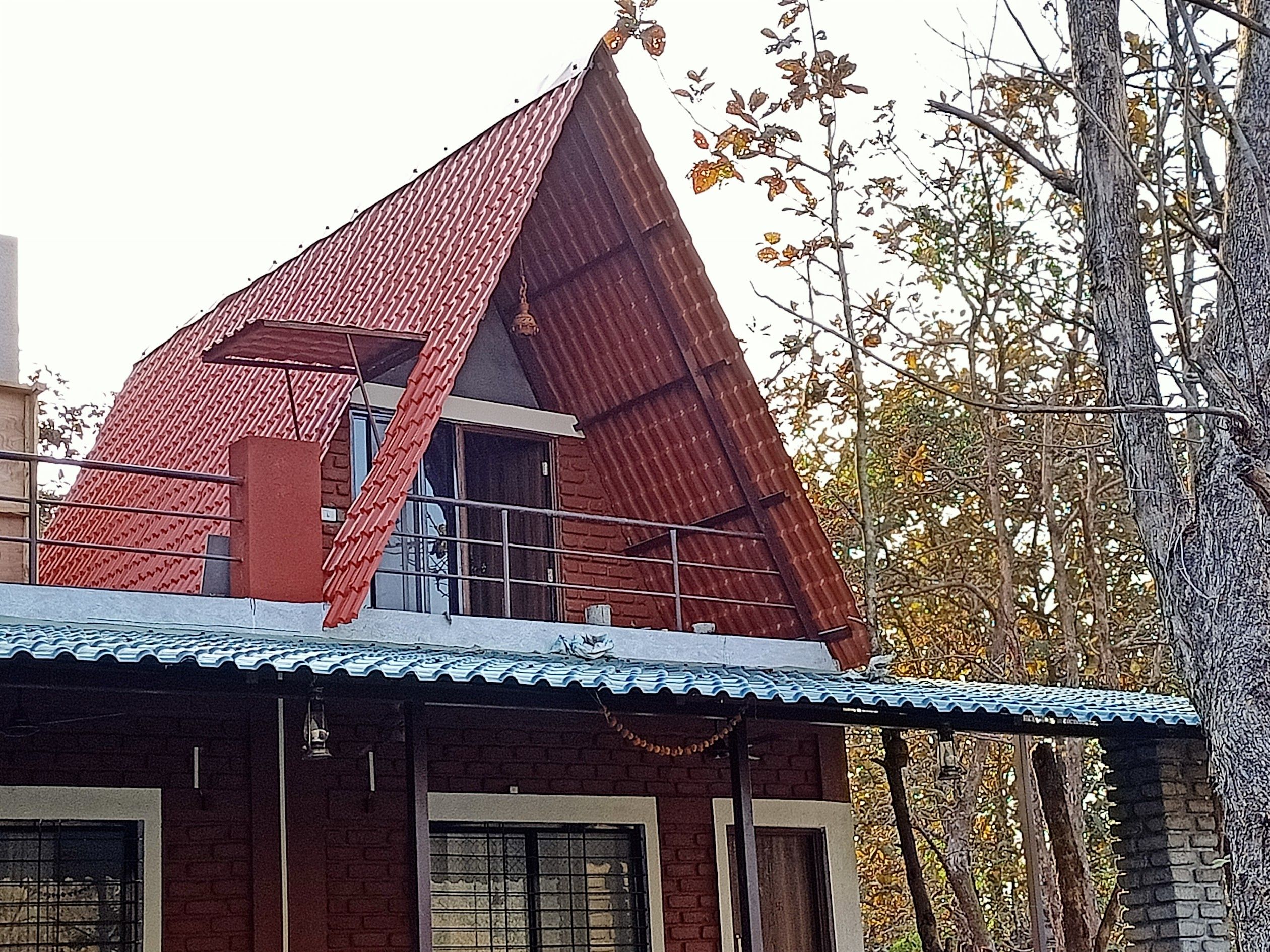
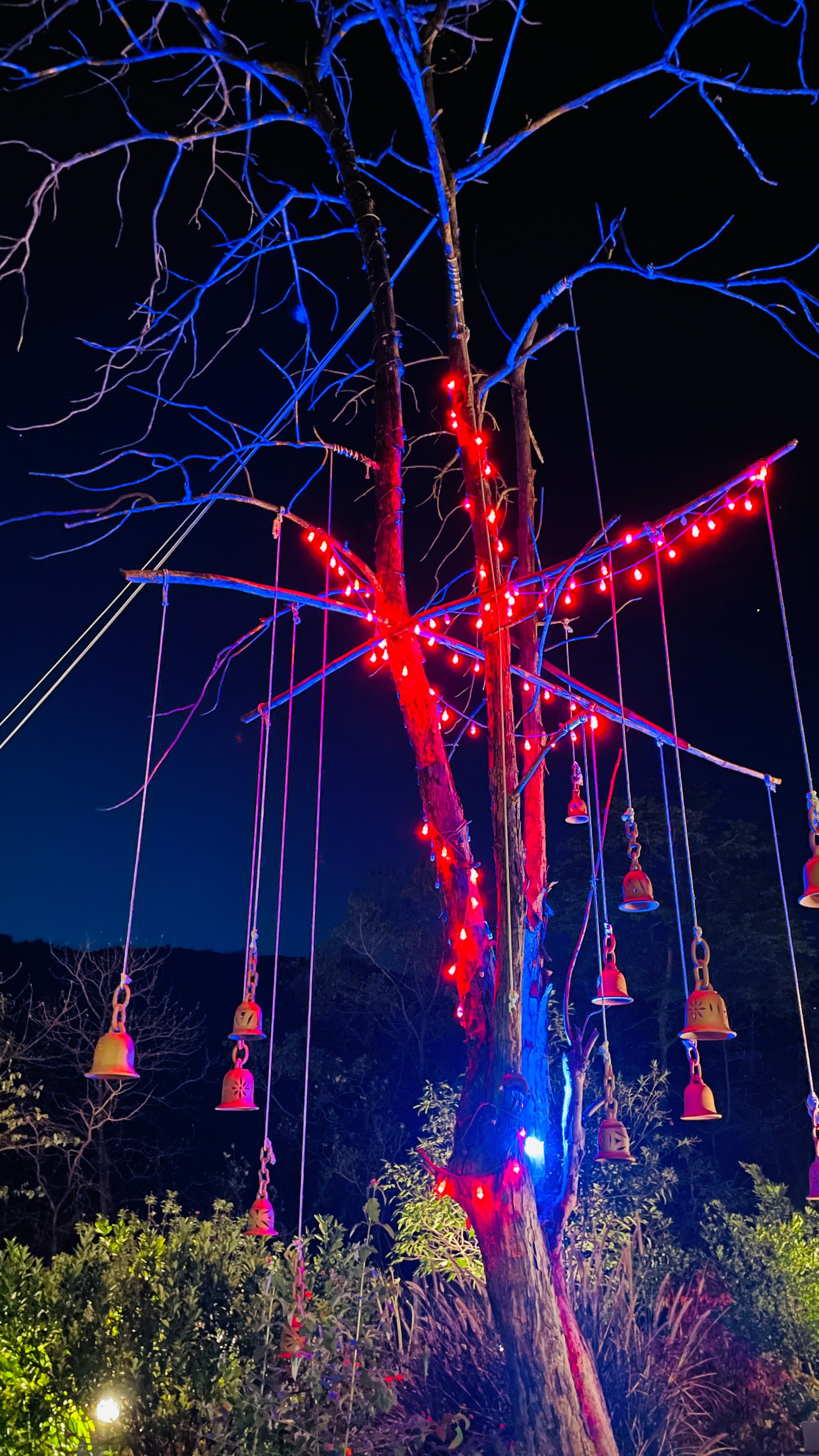
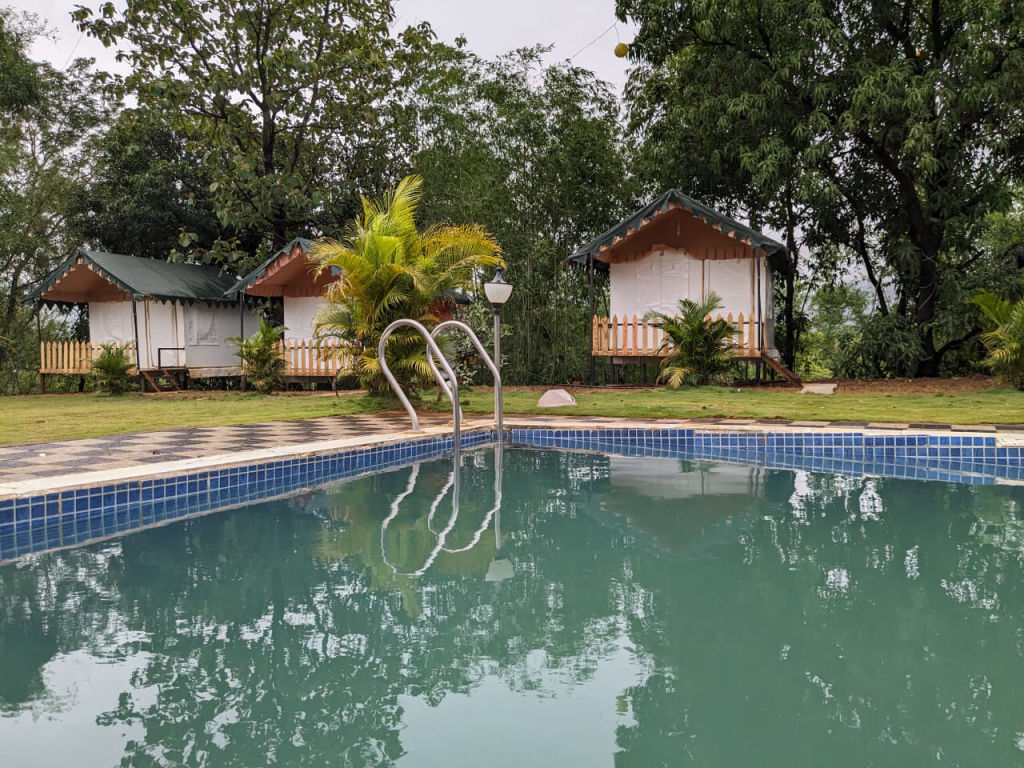
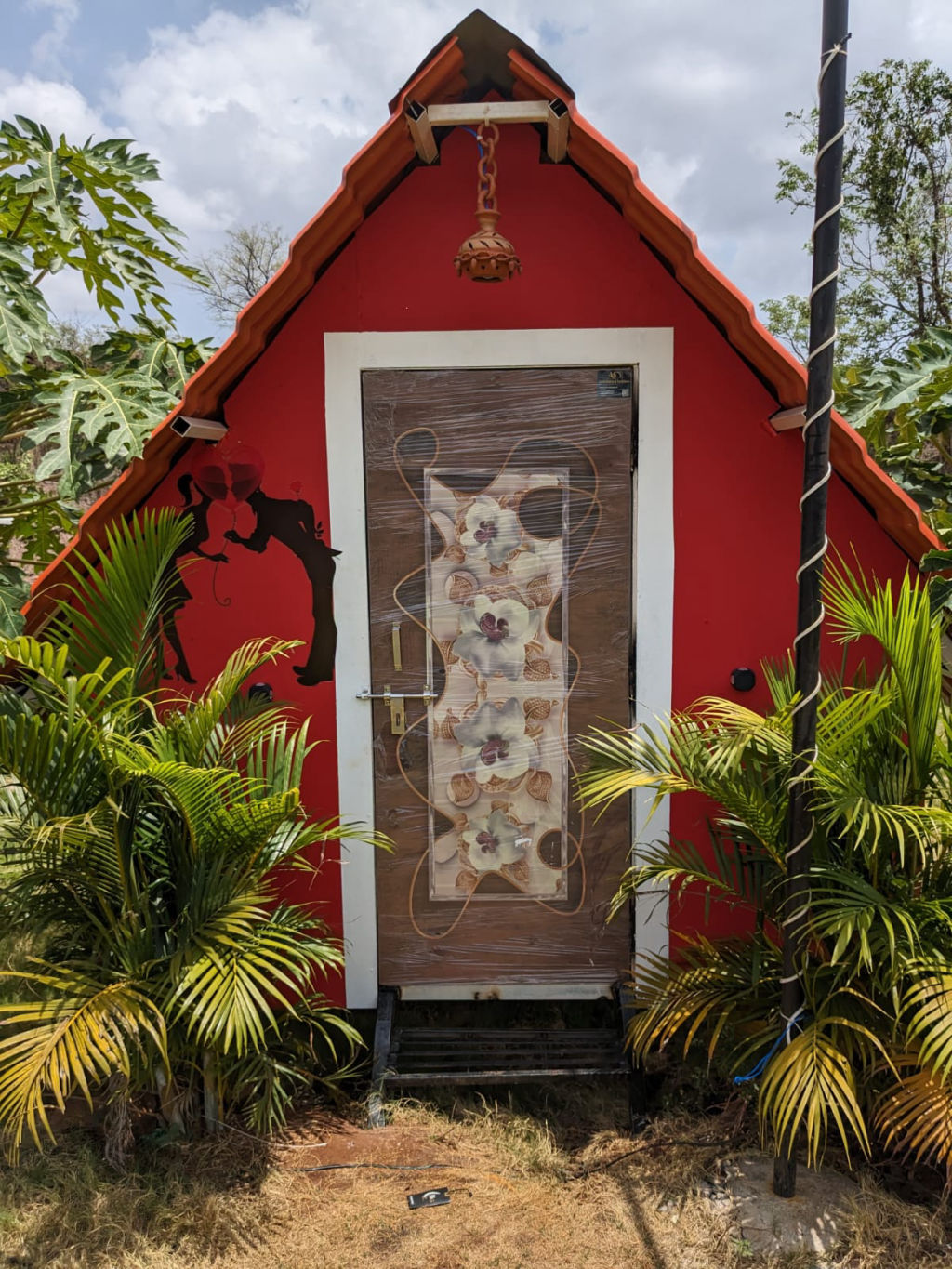
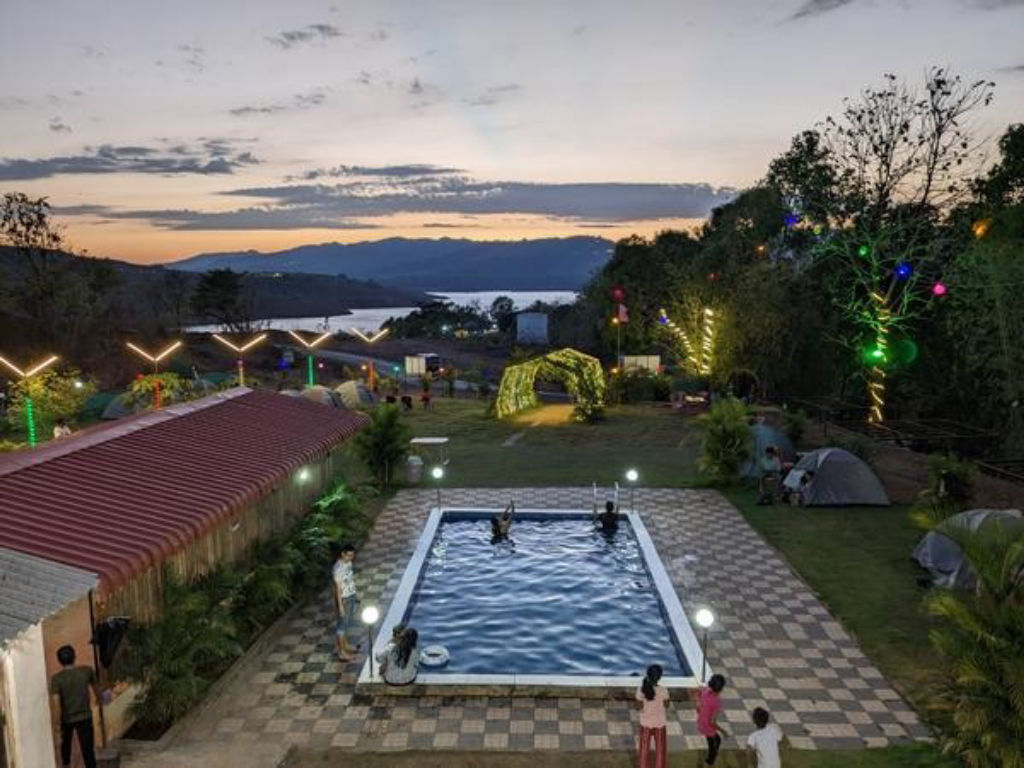
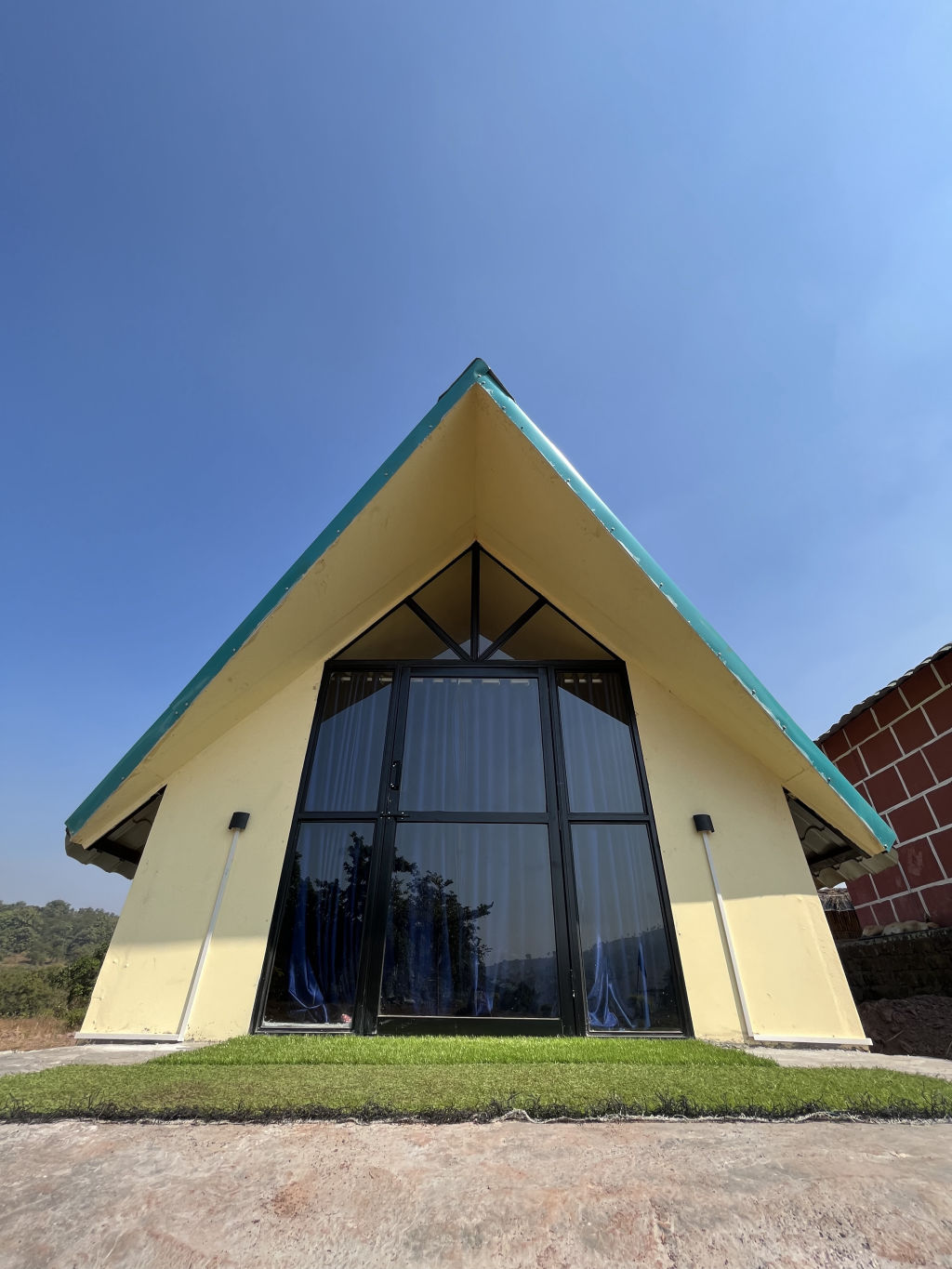
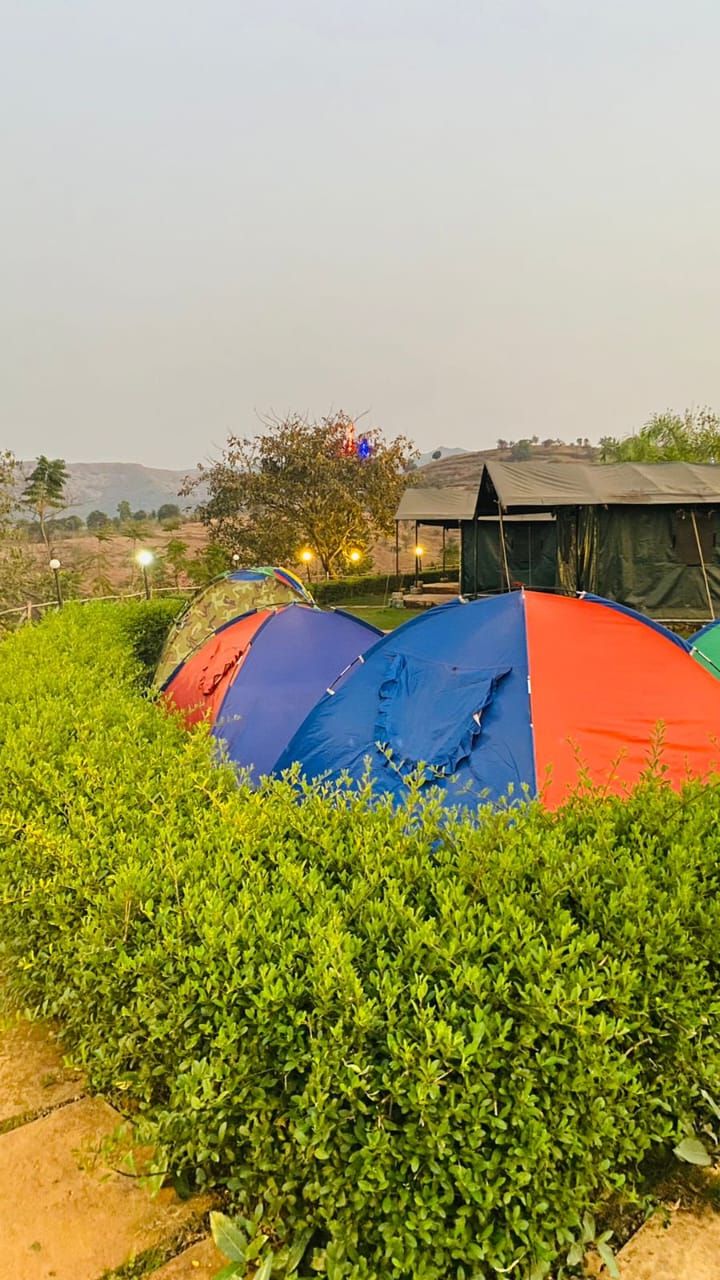
A variety of nature retreats, rustic homestays, and outdoor campsites are dotted around the surrounding valleys and lakesides. You can find camps, homestays, and other stays nearby on HireACamp to suit your travel style, whether you prefer a waterfront tent or a cosy village cottage.
Frequently asked questions
How long does it take to climb to Nilkantheshwar Temple?
The uphill walk from the vehicle parking area at the base takes approximately 45 to 60 minutes at a moderate pace, depending on your fitness level and how often you pause to enjoy the views.
Is Nilkantheshwar Temple suitable for elderly visitors and young children?
Young children who enjoy walking can manage the trail comfortably, but elderly visitors or those with knee difficulties may find the rocky steps and steep gradient challenging. Sturdy footwear and walking poles are recommended.
What is unique about Nilkantheshwar Temple?
The temple is renowned for its vast open-air collection of hand-crafted sculptures depicting figures, deities, and epic stories from Hindu mythology, all set against panoramic views of the Western Ghats.
Are food and drinking water available at the top of the hill?
Small local stalls sometimes offer water and basic refreshments on weekends, but options can be very limited on regular days. It is best to carry your own water bottle and light snacks.
Where you'll be
Pune · 12 stays nearby shown with prices
Stays near Nilkantheshwar Temple
Book a place to stay close by

More places near Nilkantheshwar Temple
Within 20 km


Lists for this area
Ranked by how many creators recommend each place


Built from 0 Instagram posts by 0 creators. Every tip links back to the post it came from, and where creators disagree we show both sides.


