
Nishat Bagh
Garden near Harwan, Jammu and Kashmir
3.6 km from Harwan
The nearest town, for stays, food and fuel.
Nishat Bagh is a historic terraced Mughal garden laid out on the eastern banks of Dal Lake against the dramatic backdrop of the Zabarwan mountain range in Jammu and Kashmir. Built in the seventeenth century, it is one of the largest and most iconic formal gardens in the Kashmir Valley. Visitors travel here to stroll under massive, centuries-old chinar trees, admire the cascading stone watercourses, and take in panoramic views across the water.
Getting there
By road
- From HarwanNearest town10 min · 5.4 km
Typical drive times without traffic. Stations and airports from OLA Maps; distances and typical drive times from OpenStreetMap (© OpenStreetMap contributors); notes from creators' Reels.
About Nishat Bagh
Written with AI from map data and general knowledge. Check prices and timings locally before you go.
The history and design of Nishat Bagh
Nishat Bagh, which translates to the Garden of Joy or Garden of Delight, was designed and constructed in 1633 by Asif Khan, the elder brother of Mughal Empress Nur Jahan. While traditional Persian gardens, or charbaghs, are typically built on flat ground divided symmetrically into four quarters, the landscape of the Kashmir Valley prompted a dramatic departure in design. Nishat Bagh was engineered directly into the sloping base of the Zabarwan hills, resulting in a sweeping series of rising terraces that command uninterrupted vistas across Dal Lake.
The garden unfolds across twelve distinct terraces, traditionally said to correspond to the signs of the zodiac. A central water channel, lined with polished stone and punctuated by numerous fountains, flows straight down the middle of the garden. Water cascades from terrace to terrace across carved stone chutes known as chadars, which break the water into glistening patterns before it pools into stone basins below. The combination of rigid imperial symmetry, moving water, and the natural alpine topography makes Nishat Bagh an enduring masterpiece of Mughal landscape architecture.
Walking through the terraces of Nishat Bagh
A visit to Nishat Bagh is best experienced at a slow, contemplative pace. As you enter from the lower gates near the lakeside road and climb from one terrace to the next, the perspective changes continuously. The lower tiers are lined with lush green lawns and formal flowerbeds that display vibrant seasonal blooms, while the upper levels offer increasingly broad vantage points over the surrounding valley.
The defining living features of the garden are its magnificent chinar trees (Platanus orientalis). Many of these trees were planted during the Mughal era and have grown into towering specimens with massive trunk girths and sprawling canopies. Their broad leaves provide deep, cool shade throughout the warmer months. Walking along the gravel avenues beneath these trees, with the rhythmic sound of running water in the background and the open expanse of the lake shimmering below, offers a calm and grounding outdoor experience.
Read more
Best time to visit Nishat Bagh
Nishat Bagh changes character with each season, making it worth visiting at different points of the year depending on what you wish to see. Spring, lasting from late March through May, brings the garden alive with fresh green shoots and vibrant flowerbeds. Tulips, pansies, roses, and irises bloom across the manicured borders, and the surrounding snow-dusted mountains provide a sharp contrast to the lush valley floor.
Summer, from June through August, offers warm days and a welcoming retreat under the dense leaf canopy of the chinar trees. The fountains operate steadily, and the central lawns are at their greenest. Autumn, spanning September to November, is widely regarded as the most picturesque time to visit. During this period, the chinar leaves shift from deep green to brilliant gold, amber, and fiery red before falling, blanketing the terraces in rich autumn color. Winter brings a quiet, stark beauty when snowfall blankets the terraces and freezes the stone channels, though travellers should prepare for freezing temperatures.
How to reach Nishat Bagh
Nishat Bagh is situated along the eastern rim of Dal Lake in the Srinagar district, near the settlement of Inder Hama. The nearest airport is Sheikh ul-Alam International Airport in Srinagar, which receives regular direct flights from major Indian cities like New Delhi, Mumbai, and Chandigarh. From the airport, local taxis and rental cars run directly toward the boulevard that circumvents the lake.
For those arriving by train, the nearest major railheads connected to the national rail network are in Jammu and Udhampur. From there, shared cabs, private taxis, and buses make the scenic journey up the highway into the valley. Once in Srinagar, reaching Nishat Bagh is simple via the scenic Dal Lake Boulevard. You can hire an auto-rickshaw, take a private taxi, or catch a local bus running along the eastern lakeside route. Many travellers also enjoy arriving by a traditional wooden shikara boat, crossing the waters of Dal Lake to the landing points near the garden entrance.
Places to explore around Nishat Bagh
The area around Nishat Bagh serves as a gateway to several natural and historical landmarks across the valley. Dal Lake is immediately adjacent, offering quiet shikara rides, views of floating vegetable markets, and traditional wooden houseboats moored along quiet channels. For trekking enthusiasts, trails leading toward alpine routes such as the renowned Kashmir Great Lakes Trek originate further north in the valley, leading into pristine high-altitude landscapes.
Cultural and heritage destinations also sit within easy driving distance. To the south, along the banks of the Jhelum River basin, lie the ancient stone ruins of the Avantiswami and Avantisvara temples, which date back to the ninth century and display intricate classical stone carvings. Further into the foothills, destinations like the historic town of Charari Sharief and the tranquil forest-fringed lake of Nilnag offer peaceful day excursions away from the primary city thoroughfares.
Tips for your visit to Nishat Bagh
Because the garden is structured on a hill, exploring all twelve terraces requires walking up and down numerous stone steps and gravel paths. Sturdy, comfortable walking shoes are recommended, especially if you plan to explore the higher sections. The climb is gradual, but taking short rests on the stone benches along the way makes the ascent much more enjoyable.
If you want to experience the garden without large crowds, plan to arrive during the early morning hours shortly after the gates open. Early mornings provide soft light that illuminates the water channels and leaves, making it the best time for photography. Remember to treat the grounds with care by sticking to the marked walkways, avoiding walking on fragile plant beds, and carrying any personal rubbish back out with you. Entry conditions and opening schedules can vary by season, so check locally on arrival for current timings.
Where to stay near Nishat Bagh
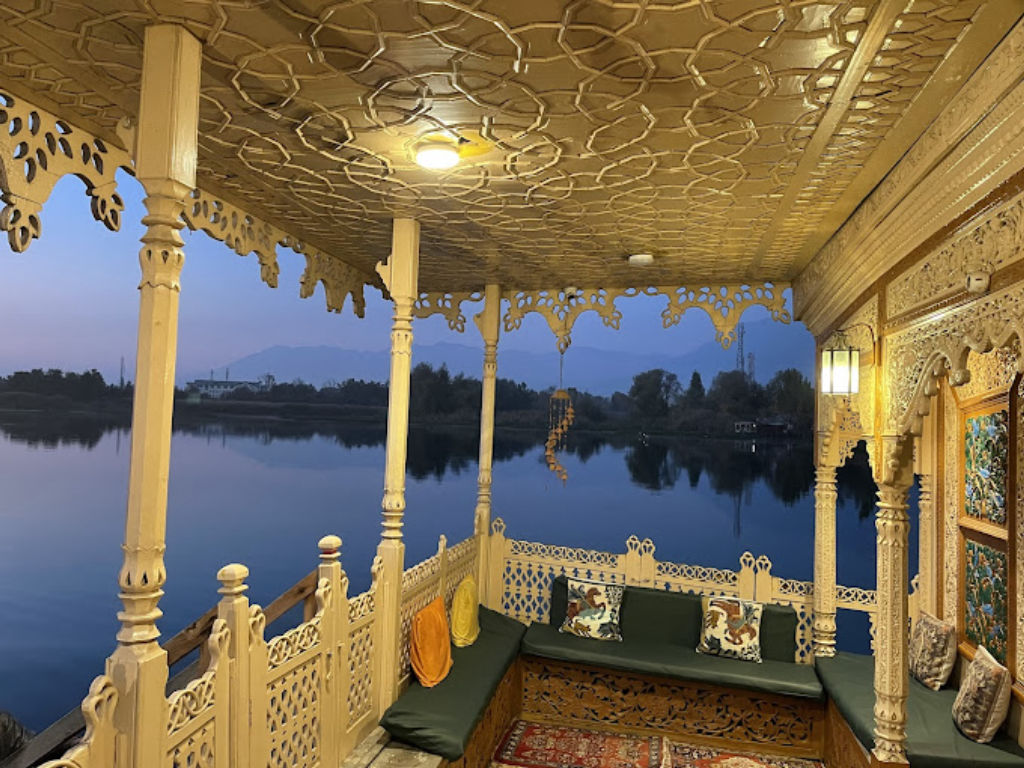
Travellers visiting Nishat Bagh can choose from a range of stays suited to different travel styles across the surrounding region. Lakeside homestays along the boulevard provide easy access to the garden and authentic local hospitality, while quiet cottages nestled into the foothills of the Zabarwan range offer peaceful mountain settings.
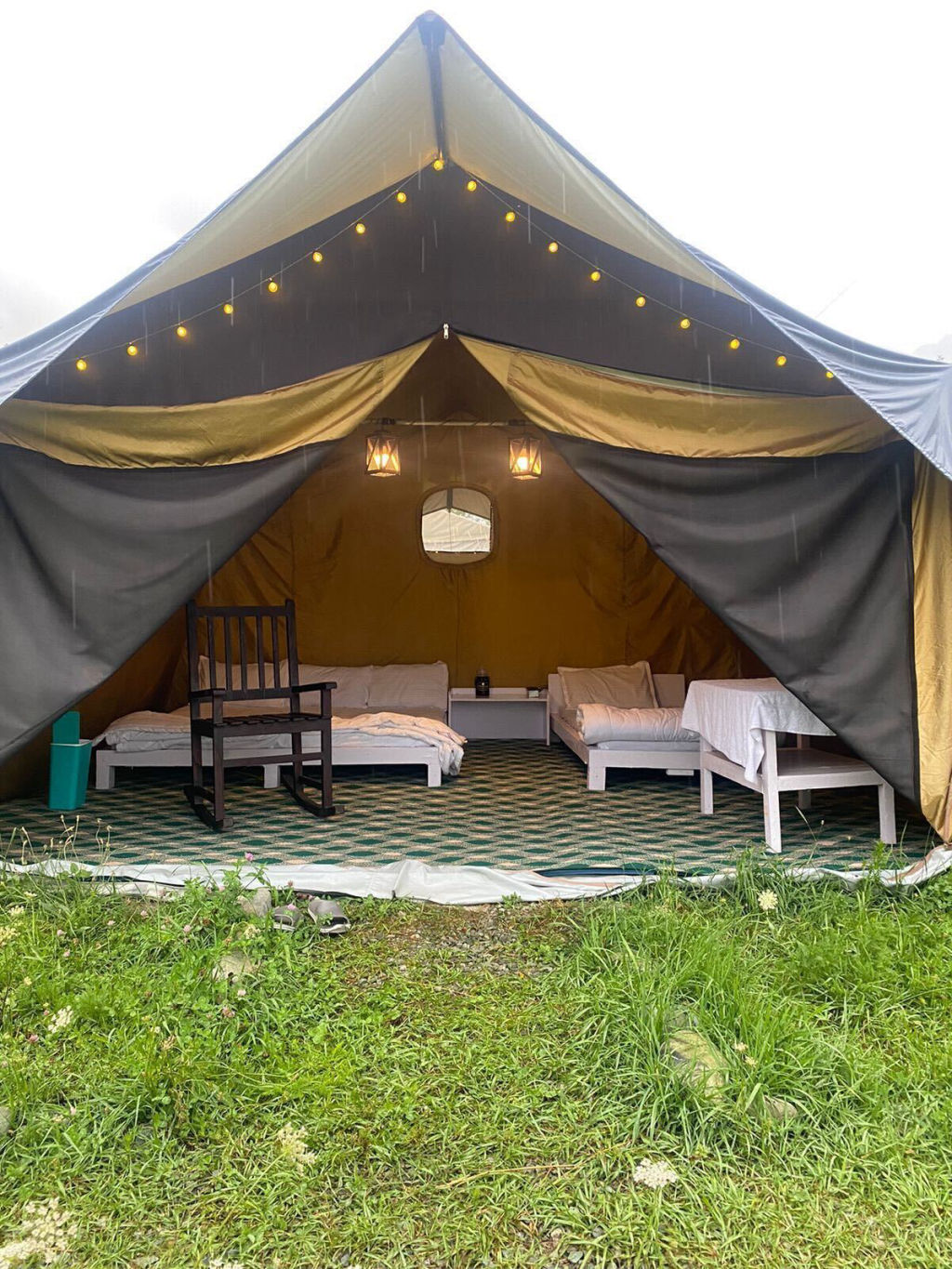
For outdoor lovers interested in immersive getaways, scenic camping options and authentic village homestays in and around the Kashmir Valley can be discovered and booked on HireACamp. Staying just outside the busier urban quarters allows you to wake up close to nature and reach Nishat Bagh before the midday bustle begins.
Frequently asked questions
Who built Nishat Bagh and when?
Nishat Bagh was built in 1633 by Asif Khan, the elder brother of Mughal Empress Nur Jahan, during the reign of Emperor Shah Jahan.
How many terraces are there in Nishat Bagh?
The garden is laid out across twelve rising terraces on the slopes of the Zabarwan hills, traditionally believed to represent the twelve signs of the zodiac.
Can you reach Nishat Bagh by boat?
Yes, you can take a traditional shikara ride across Dal Lake to the landing ghats located near the main entrance along the lakeside boulevard.
What is the best time of day to visit the garden?
Early mornings are ideal for calm walks, fewer visitors, and soft natural light, while late afternoons offer warm sunset views across Dal Lake.
Are there places to sit inside Nishat Bagh?
Yes, there are stone benches and shaded grassy lawns along the terraces where visitors can sit and relax under the chinar trees.
Where you'll be
Jammu and Kashmir · 2 stays nearby shown with prices
Stays near Nishat Bagh
Book a place to stay close by
More places near Nishat Bagh
Within 20 km
Built from 0 Instagram posts by 0 creators. Every tip links back to the post it came from, and where creators disagree we show both sides.






