
Harwan
Destination in Jammu and Kashmir
Harwan is a peaceful settlement nestled against the Zabarwan and Mahadev mountain ranges on the northeastern outskirts of Srinagar in Jammu and Kashmir. Known for its historical Buddhist archaeological site, quiet terraced gardens, and swift mountain streams, it provides an unhurried escape from busier tourist hubs. Travellers visit Harwan to walk through tranquil orchards, admire towering chinar trees, and explore the gateway trails leading toward Dachigam.
Getting there
About Harwan
Written with AI from map data and general knowledge. Check prices and timings locally before you go.
About Harwan
Harwan occupies a quiet pocket of the Kashmir Valley, cradled by the rugged Zabarwan mountains on one side and the towering peaks of the Greater Himalayas on the other. Historically, the area gained renown as a significant Buddhist centre during the Kushan empire. Excavations here uncovered terracotta tiles, stupa foundations, and ancient vihara remnants that date back to the early centuries of the common era, testifying to the long and multifaceted heritage of the valley.
Today, Harwan functions both as a traditional residential locality and an inviting natural retreat. Clear alpine streams fed by the higher ridges flow through the neighbourhood before joining the waterways that feed Dal Lake. The area is dotted with apple and walnut orchards, century-old chinar trees, and well-maintained terraced gardens, giving it an understated, rustic charm that appeals to nature lovers and history enthusiasts alike.
Things to do in Harwan
A primary attraction in the area is Harwan Garden, a manicured terraced park set against the backdrop of pine-clad hills. Unlike the grand Mughal gardens closer to Srinagar, Harwan Garden is characterised by vast expanses of green lawns, natural water channels flowing from mountain springs, and shady chinar avenues. It serves as an ideal spot for leisurely picnics, quiet reading, or unhurried morning walks.
For those interested in the region's ancient past, visiting the Harwan Buddhist ruins is essential. Located on a gentle hillside overlooking the settlement, the excavation site reveals circular chaityas and diaper-pebble masonry that highlight rare architectural techniques from antiquity. The elevated vantage point also rewards visitors with sweeping panoramic views of the surrounding valley.
Outdoor enthusiasts can take advantage of the numerous walking paths that trace the nearby hillsides and mountain brooks. Harwan acts as a popular launching point for treks venturing toward Mount Mahadev and the ridge walks traversing the upper Zabarwan range. Angling enthusiasts can also explore nearby trout hatcheries and freshwater streams, subject to local regulations.
Read more
Best time to visit Harwan
Harwan experiences distinct seasons, each offering a completely different atmosphere. Spring, from April to May, brings a burst of life to the landscape. Orchards blossom in soft shades of pink and white, the surrounding meadows turn vivid green, and the weather remains cool and refreshing, making it an excellent time for strolls and outdoor photography.
Summer, spanning June through August, offers a temperate escape when the plains of northern India swelter under intense heat. Daytime temperatures in Harwan are generally pleasant, while evenings bring a cool mountain breeze. This season is particularly suited for trekking into the high-altitude trails and exploring local watercourses.
Autumn arrives in September and lasts through November, turning the region into a palette of warm gold, amber, and crimson as the chinar leaves transform. The air turns crisp, the skies clear up, and rainfall is rare, providing ideal conditions for sightseeing. Winter, between December and February, transforms Harwan into a quiet wonderland with regular snowfall and sub-zero temperatures. Travellers visiting in winter should prepare for heavy cold and verify local road conditions.
Places to visit around Harwan
Harwan sits in close proximity to some of the most notable sights in the Kashmir Valley. A short drive away lies the famed Dal Lake, where visitors can experience traditional shikara rides, photograph floating gardens, and watch the sun set behind the surrounding mountains.
Wildlife and forest enthusiasts can head toward the adjacent Dachigam National Park, renowned as the last refuge of the critically endangered Kashmir stag, or hangul. The reserve boasts diverse Himalayan flora, leopards, black bears, and a rich variety of bird species within dense oak and conifer woodlands.
Further south across the valley, culture and history enthusiasts can venture toward the ancient stone temples of Avantipora, including the Avantiswami and Avantisvara complexes, which showcase the magnificent ninth-century stone architecture of Kashmir. Nearby, the revered Sufi shrine of Charari Sharief in the Budgam district and the serene forest lake of Nilnag offer fulfilling day-trip opportunities for those wishing to explore beyond the central tourist circuits.
How to reach Harwan
Reaching Harwan is straightforward, given its location on the eastern periphery of Srinagar. The nearest airport is Sheikh ul-Alam International Airport in Srinagar, which receives daily domestic flights from major cities across India such as Delhi, Mumbai, and Chandigarh. From the airport, Harwan can be reached by local taxi or private vehicle in approximately an hour, depending on traffic conditions.
For rail travellers, the nearest major railheads connected to the national rail network are Jammu Tawi and Udhampur. From either station, shared taxis, private cabs, and buses run along the national highway through Banihal and Qazigund into Srinagar, from where local transport connects directly to Harwan. Train connectivity within the Kashmir Valley between Banihal and Srinagar can also be utilised.
Harwan is well connected by paved roads to central Srinagar via Boulevard Road and Foreshore Road along Dal Lake. Taxis, auto-rickshaws, and regular local mini-buses operate frequently between Srinagar's commercial centres and Harwan.
Tips for your visit
When travelling to Harwan, pack according to the season. Even during summer, evenings can turn cool, so carrying a light jacket or shawl is advisable. If you are visiting in late autumn or winter, pack heavy woollens, thermal innerwear, insulated jackets, and waterproof shoes suited for cold and snowy conditions.
Modest attire is appreciated throughout the villages and near religious or community landmarks. Carry sufficient cash for local transport, small grocery purchases, and community stalls, as digital payment connectivity can occasionally be inconsistent in outlying valley areas.
If you intend to hike up the surrounding ridges or explore trails heading into forest areas, ensure you wear sturdy trekking footwear with good grip. It is always wise to consult locals regarding trail conditions and weather advisories before setting off on long walks into the mountains.
Where to stay in Harwan
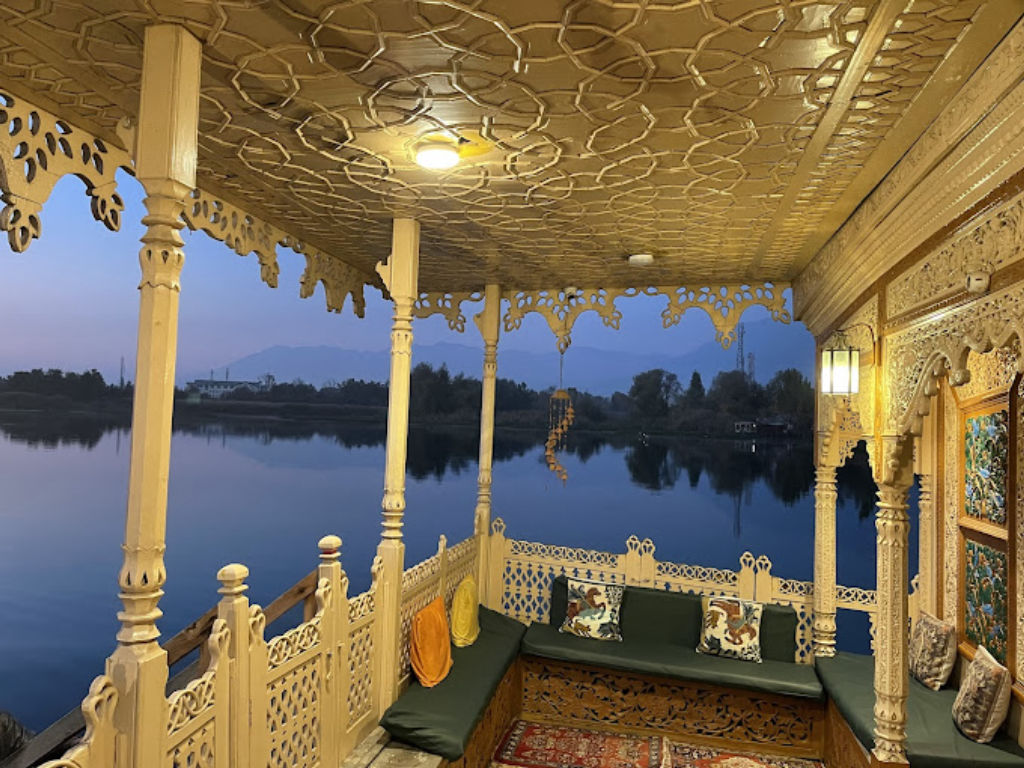
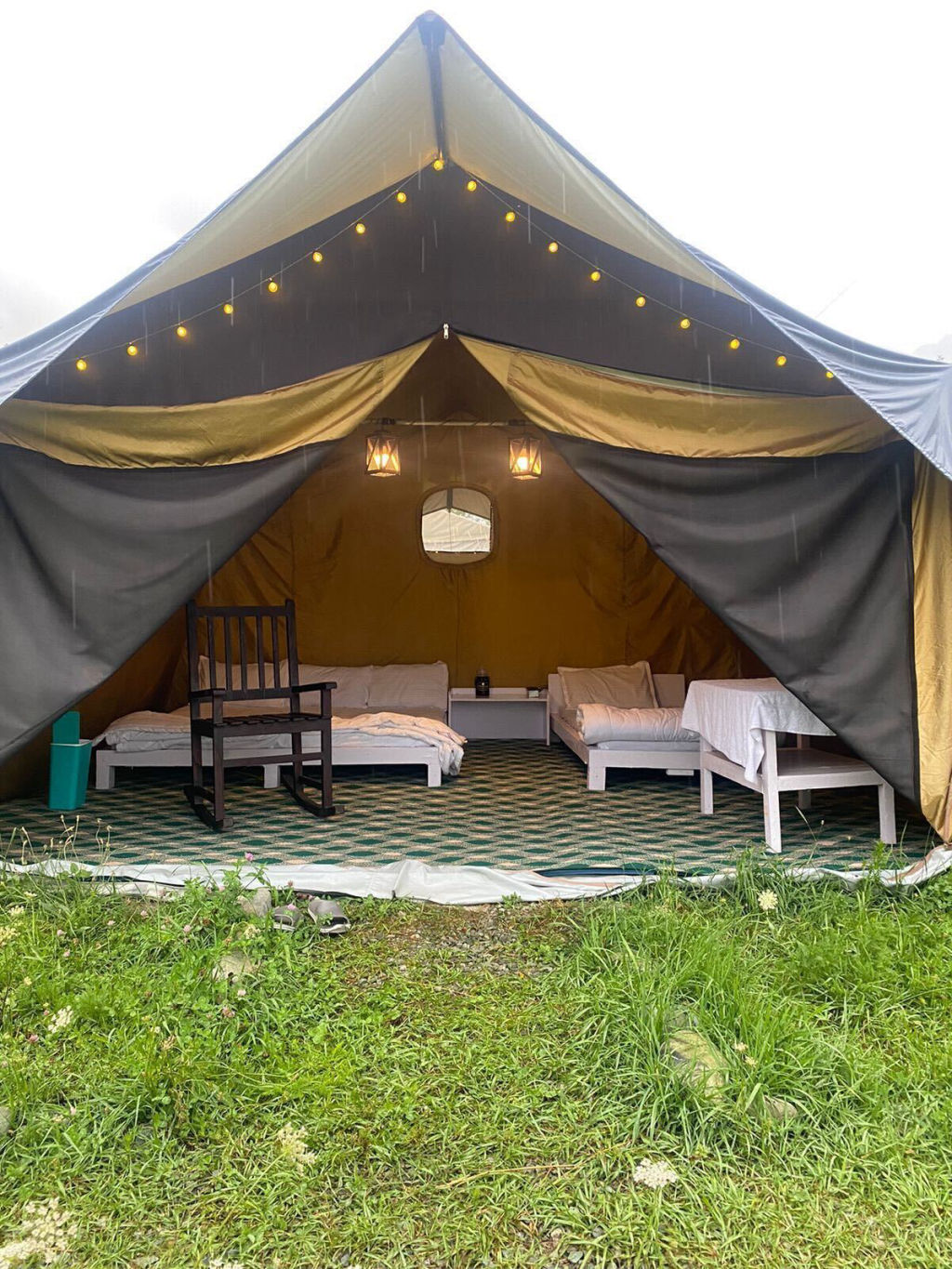
Because Harwan is slightly removed from the busier central markets of Srinagar, it offers a quieter atmosphere that is well suited for restful stays. Accommodation styles in the area range from cosy family-run homestays tucked inside fruit orchards to boutique nature cottages and scenic outdoor camps situated along the hillside.
Staying in Harwan gives you immediate access to nature trails, morning birdwatching, and traditional neighbourhood life while keeping you within easy driving distance of Srinagar's attractions. You can find camps, homestays, and other outdoor-oriented stays in and around Harwan on HireACamp.
Frequently asked questions
What is Harwan famous for?
Harwan is famous for its ancient Kushan-era Buddhist archaeological ruins, the tranquil terraced Harwan Garden, and its proximity to Dachigam National Park and the Zabarwan mountain range.
How far is Harwan from central Srinagar?
Harwan is situated on the northeastern outskirts of Srinagar, approximately 15 to 20 kilometres from the city centre, and is easily reachable via scenic roads running along Dal Lake.
Is Harwan safe for solo travellers and families?
Yes, Harwan is a peaceful residential and semi-rural area that regularly welcomes families, solo travellers, and day-trippers. Following general travel precautions and respecting local customs ensures a pleasant visit.
Can I visit Harwan during winter?
Yes, Harwan can be visited in winter when it receives regular snowfall and displays quiet winter scenery. Visitors should carry warm winter clothing and check local road advisories before travelling.
Are there hiking trails around Harwan?
Yes, Harwan serves as an access point for several nature walks and trekking trails, including routes heading up toward the ridges of the Zabarwan range and Mount Mahadev.
Where you'll be
2 stays nearby shown with prices
Stays near Harwan
Book a place to stay close by
Things to do in Harwan
48 places creators recommend within 30 km
Built from 0 Instagram posts by 0 creators. Every tip links back to the post it came from, and where creators disagree we show both sides.






