
Old Goa
Destination in Goa
Old Goa, situated along the Mandovi River, is a historic city celebrated for its grand colonial architecture and UNESCO World Heritage-listed churches. Once the thriving capital of Portuguese India, it draws travellers looking to explore centuries-old cathedrals, sacred relics, and quiet riverside history away from the coastal crowds. Its tree-lined avenues and monumental ruins offer a rare look into Goa's deep architectural and cultural heritage.
Getting there
By road
- From Pune9 hr · 440 km
Typical drive times without traffic. Stations and airports from OLA Maps; distances and typical drive times from OpenStreetMap (© OpenStreetMap contributors); notes from creators' Reels.
About Old Goa
Written with AI from map data and general knowledge. Check prices and timings locally before you go.
The historic capital of Portuguese India
Old Goa, also known as Velha Goa, served as the administrative and maritime hub of Portuguese power in Asia from the sixteenth to the eighteenth century. Founded earlier under the Bijapur Sultanate, the city grew rapidly into a cosmopolitan port along the southern bank of the Mandovi River. At its peak, it was a metropolis reputed to rival major European capitals in commerce, wealth, and ecclesiastical importance, welcoming traders, mariners, and scholars from across continents.
Repeated outbreaks of disease and shifting river silt led to the eventual abandonment of the city in favour of Panaji in the nineteenth century. What remains today is an exceptional concentration of monuments standing amidst broad green lawns and quiet groves. The precinct retains a contemplative character, where massive laterite and limestone facades reflect a distinct synthesis of European Renaissance, Baroque, and Manueline architecture shaped by skilled Indian stone carvers.
Historic monuments and churches to visit in Old Goa
The core of Old Goa is defined by magnificent churches and monastic complexes that earned the region its status as a UNESCO World Heritage site. The Basilica of Bom Jesus is among the most revered sites here, housing the sacred relics of Saint Francis Xavier inside an elaborate multi-tiered silver casket. The basilica is notable for its unplastered red laterite facade, carved Corinthian pillars, and richly ornamented altars that exemplify classic Baroque design.
Directly across the open courtyard stands the Se Cathedral, dedicated to Saint Catherine of Alexandria. Recognized as one of the largest churches in Asia, it features a stark Tuscan exterior, an imposing vaulted nave, and the famous Golden Bell, celebrated for its rich acoustic resonance. A short walk brings visitors to the Church of Saint Cajetan, modelled on original plans for Saint Peter's Basilica in Rome, featuring a prominent central cupola. Nearby, the surviving bell tower of the ruined Church of Saint Augustine stands as a dramatic testament to the scale of the monasteries that once populated the hilltops of Old Goa.
Read more
Places to visit around Old Goa
Beyond the principal religious monuments, the surrounding countryside offers a blend of wetland ecology, village heritage, and historic temples. Just two kilometres southeast lies Carambolim Lake, a freshwater wetland known for attracting diverse resident and migratory bird species during the cooler months. It serves as an easy, tranquil escape for morning birdwatching and quiet walks along the water's edge.
A few kilometres to the south in Talaulim stands the Church of Saint Anne, an architectural marvel built in the seventeenth century featuring a high vaulted ceiling and distinct Indian Baroque flourishes. Further inland towards the taluka of Ponda, travellers can visit Shree Mangesh Mandir, one of Goa's most prominent Hindu temples. Dedicated to Lord Shiva, the temple complex features a pristine multi-storeyed Deepastambha lamp tower and traditional courtyard design that reflects the enduring religious traditions of the hinterland. To the west, the colourful heritage neighbourhood of Fontainhas in Panaji provides an opportunity to admire preserved colonial domestic architecture and narrow streets.
Best time to visit Old Goa
The most comfortable time to explore Old Goa is during the cooler, drier months between October and March. Daytime temperatures are generally pleasant for walking between the dispersed historical monuments, and lower humidity makes outdoor exploration far more enjoyable. Early December is an especially vibrant period, marked by the annual Feast of Saint Francis Xavier, which draws thousands of devotees and features open-air services, cultural gatherings, and local fairs.
The monsoon season from June to September brings heavy rains that transform the surrounding landscape into deep shades of green. While intermittent showers require flexibility when moving between outdoor sites, the monsoon months offer a quiet and atmospheric travel experience with minimal foot traffic. Summers from April to May can be quite hot and humid, so visitors planning trips during this period should schedule their outdoor walks for early morning or late afternoon.
How to reach Old Goa
Old Goa is centrally situated in the state and is easily reached by rail, road, and air. For those arriving by train, the nearest railhead is Karmali railway station, located roughly four kilometres away, which connects to key destinations along the Konkan Railway route. Madgaon junction, situated approximately thirty kilometres south, is the larger railway hub handling long-distance trains from across India.
Air travellers can arrive through Dabolim Airport in South Goa or Manohar International Airport at Mopa in North Goa. Both airports are linked to Old Goa via well-paved national and state highways, with pre-paid taxis and rental cars readily available. Travellers basing themselves in the capital city of Panaji can reach Old Goa by local bus, taxi, or two-wheeler in approximately twenty minutes, travelling along the scenic route flanking the Mandovi River.
Tips for exploring Old Goa
Visiting the monuments of Old Goa involves walking across expansive plazas, gravel pathways, and stone interiors, so a sturdy pair of walking shoes is strongly recommended. Because several of the churches remain active places of daily worship and pilgrimage, visitors are asked to dress respectfully, ensuring shoulders and knees are covered before stepping inside. Photography is restricted inside certain chapels, particularly around the high altars and relic enclosures, so be sure to check local signs.
Carrying drinking water and sun protection such as a hat or umbrella is advisable, as the courtyards between the cathedrals offer little shade during midday. Official guides and descriptive plaques are present at major monuments, allowing you to learn about the history of the buildings at your own pace. Plan to spend at least three to four hours to comfortably see the major churches, the archaeological museum, and the nearby riverfront.
Where to stay near Old Goa
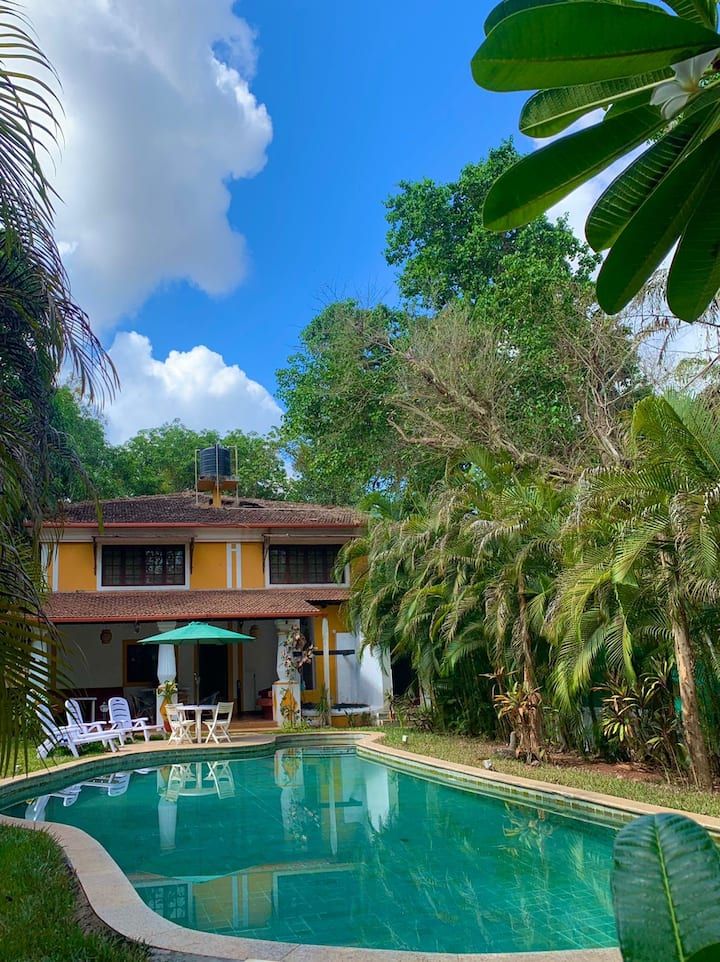
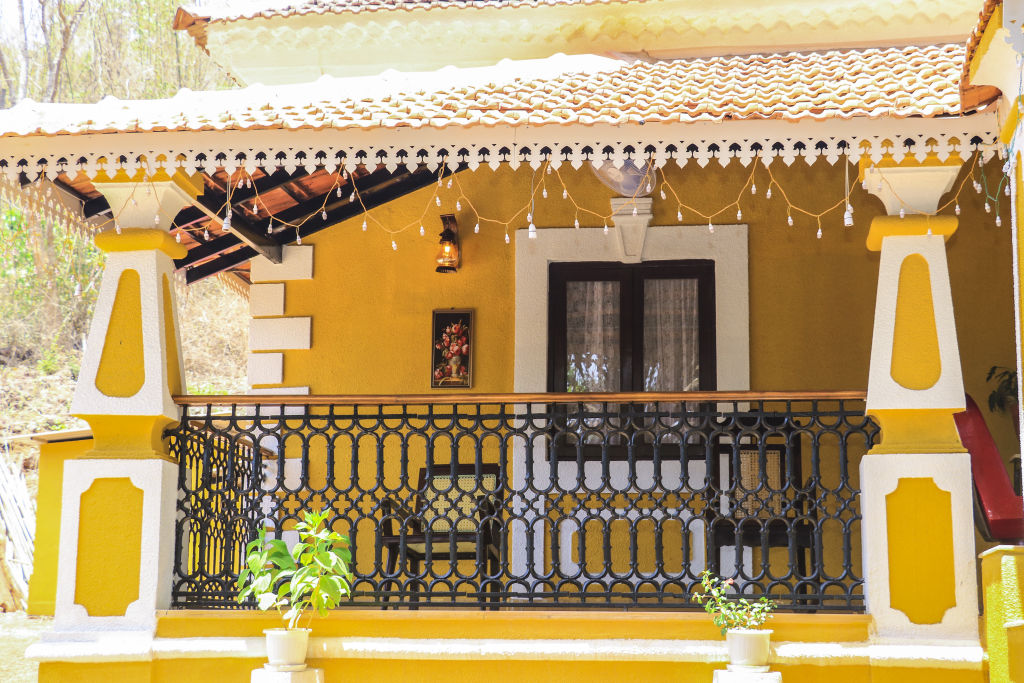
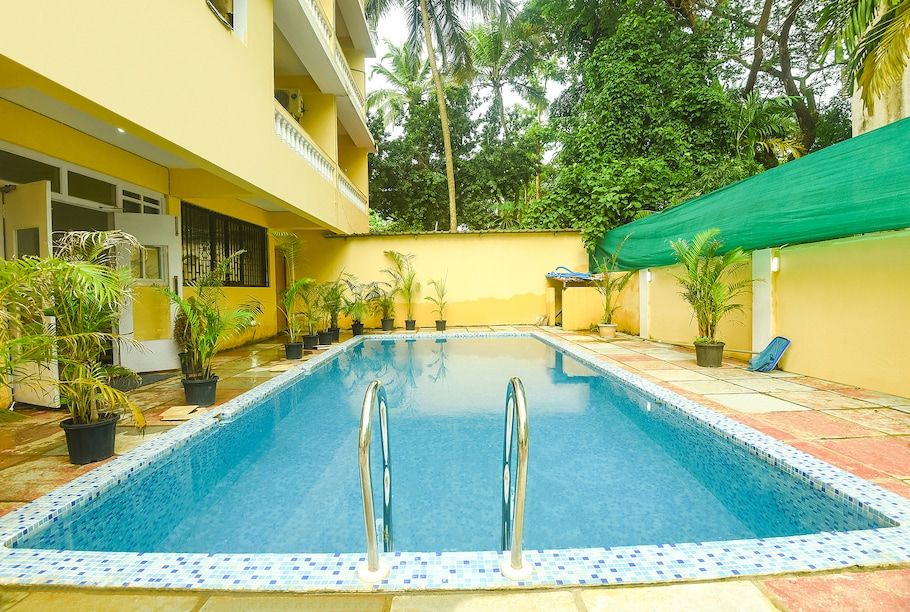
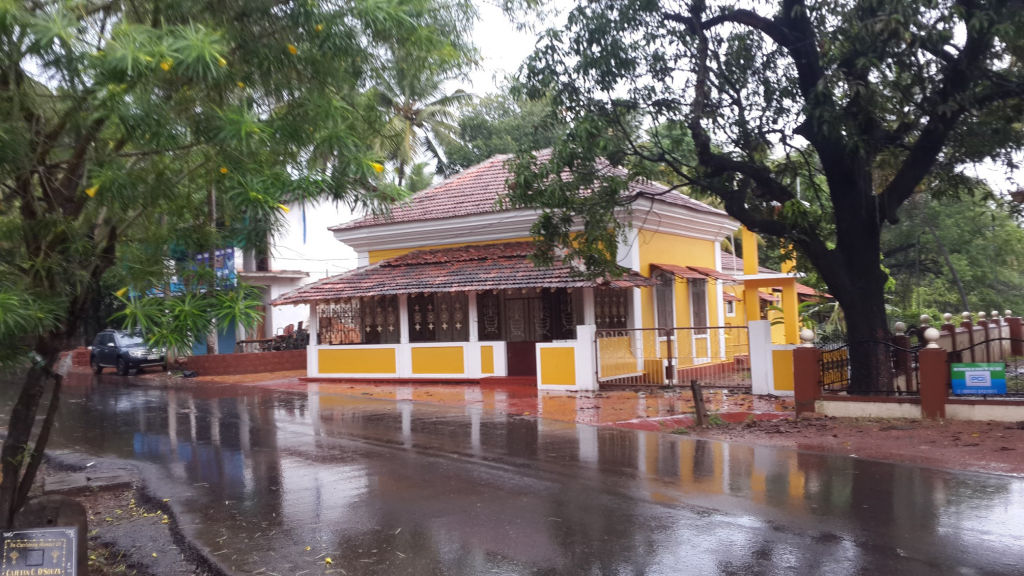
While Old Goa itself consists primarily of protected monument complexes and rural administrative land, there are wonderful lodging options tucked into the surrounding villages, river islands, and hillsides. Choosing a stay just outside the monument core allows you to enjoy peaceful greenery while remaining within short driving distance of both the historical sites and Panaji's cultural quarters.
You can find and book homestays, nature retreats, and eco-friendly campsites through HireACamp. Staying near the Mandovi River or in the verdant inland villages offers a slower, authentic side of Goan living, complete with traditional village lanes, rich birdlife, and serene water views to return to after a day of sightseeing.
Frequently asked questions
What is Old Goa famous for?
Old Goa is famous for its collection of grand sixteenth- and seventeenth-century churches and convents, including the Basilica of Bom Jesus and Se Cathedral, which collectively form a UNESCO World Heritage site.
Is there a dress code for visiting the churches in Old Goa?
Yes, modest attire is required inside active places of worship like the Basilica of Bom Jesus and Se Cathedral. Visitors must ensure that shoulders and knees are covered when entering the church interiors.
How far is Old Goa from Panaji?
Old Goa is located approximately ten kilometres east of Panaji. The drive along the Mandovi riverfront road typically takes around twenty minutes by taxi, local bus, or scooter.
Can Old Goa be explored in one day?
Yes, a single day is sufficient to visit the main cathedrals, the ruins of Saint Augustine, and nearby sites like Carambolim Lake or the Church of Saint Anne at a relaxed pace.
What is the nearest railway station to Old Goa?
The closest railway station is Karmali, situated about four kilometres away from the central monuments, making it a convenient arrival point for travellers using the Konkan Railway.
Where you'll be
12 stays nearby shown with prices
Stays near Old Goa
Book a place to stay close by






Things to do in Old Goa
47 places creators recommend within 30 km
Built from 0 Instagram posts by 0 creators. Every tip links back to the post it came from, and where creators disagree we show both sides.






