
St. Augustine Tower
Ruins near Old Goa, Goa
600 m from Old Goa
The nearest town, for stays, food and fuel.
St. Augustine Tower is the soaring, weathered remnant of a seventeenth-century Augustinian church complex located on Monte Santo in Old Goa, Tiswadi. Built in 1602 and later abandoned in the nineteenth century, the surviving 46-metre belfry stands as one of the most evocative historical landmarks in Goa. Visitors come to admire the towering laterite architecture, walk through the open-air monastic ruins, and experience the quieter side of the state's heritage.
Getting there
By road
- From Old GoaNearest town2 min · 700 m
- From Pune9 hr · 439 km
Typical drive times without traffic. Stations and airports from OLA Maps; distances and typical drive times from OpenStreetMap (© OpenStreetMap contributors); notes from creators' Reels.
About St. Augustine Tower
Written with AI from map data and general knowledge. Check prices and timings locally before you go.
History and heritage of St. Augustine Tower
The Church of Our Lady of Grace, commonly known as the Church of St. Augustine, was constructed between 1597 and 1602 by Augustinian friars who arrived in Goa during the late sixteenth century. At its height, the convent was among the largest religious establishments in the region, housing eight ornate chapels, expansive cloisters, an impressive library, and multi-storey living quarters for the clergy.
In 1835, following the dissolution of religious orders by the Portuguese government, the Augustinians were expelled and the complex was abandoned. Without regular upkeep, the monumental structure gradually deteriorated. The vast vaulted roof over the nave collapsed in 1842, followed by the facade and other segments over the next century. Today, only one half of the towering five-storey bell tower remains standing, protected by the Archaeological Survey of India as an integral component of the UNESCO World Heritage churches of Old Goa.
Architectural highlights of the ruins
The lone standing tower rises roughly 46 metres into the sky and was constructed out of locally quarried red laterite stone, once coated in pristine white lime plaster. Looking closely at the exposed facade, visitors can still spot fragments of decorative pilasters, arched bell apertures, and surviving ceramic tile work along the interior walls.
Walking through the perimeter reveals the sheer scale of the original church footprint. Terraced open-air courtyards, stone foundations, broken archways, and monastic halls give a sense of how expansive the monastery once was. A cleared pathway guides visitors across the site, alongside descriptive plaques explaining key areas of the complex, including the high altar where centuries-old historical relics were discovered during archaeological excavations.
Read more
Best time to visit St. Augustine Tower
The most comfortable time to visit St. Augustine Tower is during the cooler, drier months from November to February. During this winter period, Goa experiences pleasant breezes and moderate temperatures, making an open-air walk around the exposed ruins easy and enjoyable.
The monsoon months from June to September bring heavy showers that wash the red laterite stone clean and cover the surrounding earth in dense green moss and ferns, creating a moody, atmospheric setting for photography. However, the rain can make stone walkways slippery, so good footwear is necessary. The summer months from March to May tend to be hot and humid, so visitors during this time are best advised to schedule their trip for early morning or late afternoon.
How to reach St. Augustine Tower
St. Augustine Tower is located on Monte Santo (Holy Hill) in Old Goa, within the Tiswadi administrative region. It sits slightly elevated and just a short distance west of the main square that houses the Basilica of Bom Jesus and the Se Cathedral.
Panaji, the capital city of Goa, is approximately 10 kilometres away. The journey takes around twenty to thirty minutes by road via rented scooter, taxi, or local buses that run frequently between Panaji and Old Goa. If you are travelling from South Goa hubs like Margao or Vasco da Gama, the drive typically takes between forty-five minutes and an hour depending on traffic. The closest rail terminal is Karmali railway station, located roughly 3 to 4 kilometres away.
Tips for exploring the ruins
Because the site consists primarily of unshaded ruins open to the elements, it is wise to wear sun protection such as a wide-brimmed hat and carry drinking water with you. The ground is composed of stone paving, worn steps, and uneven earth, so sturdy walking shoes or sneakers are recommended over beach sandals.
Travellers should respect the historic fabric of the monument by staying on paved paths and avoiding any attempts to climb the weathered laterite walls. Early mornings are particularly rewarding for travellers looking for quiet contemplation before tourist crowds arrive, while late afternoon provides warm, golden light across the stone towers. Check locally upon arrival regarding any current photography regulations or visitor guidelines.
Places to visit nearby
The surrounding Tiswadi region offers plenty of complementary stops for a full day of sightseeing. Downhill from the tower, you can explore the preserved monuments of Old Goa, including the Church of St. Anne, the Church of St. Francis of Assisi, and the Basilica of Bom Jesus.
For those interested in natural landscapes, Carambolim Lake is only a short drive away and serves as a vital wetland haven for migratory birds and waterfowl. Across the Mandovi River, accessible by river ferry, lies Divar Island, known for its tranquil village lanes, traditional houses, and scenic paddy fields. Further down the waterway, the mangroves of the Dr. Salim Ali Bird Sanctuary on Chorao Island provide guided boat tours through rich coastal ecosystems.
Where to stay near Tiswadi
Staying near Tiswadi offers a relaxed alternative to the busy coastal stretches of northern and southern Goa. The area around Old Goa and its neighbouring islands features quiet riverfront landscapes, leafy village roads, and authentic Goan culture.
Choosing a stay in this central inland belt places you close to historical sites, scenic river walks, and birdwatching hotspots. Travellers can find eco-camps, nature stays, and homestays nearby on HireACamp to suit a peaceful getaway.
Frequently asked questions
What is St. Augustine Tower?
St. Augustine Tower is the surviving 46-metre belfry of the Church of St. Augustine, a grand seventeenth-century monastery complex that was abandoned in the 1830s and gradually fell into ruins.
Where is St. Augustine Tower located?
It is located on Holy Hill (Monte Santo) in Old Goa, within the Tiswadi taluka, approximately 10 kilometres east of Panaji.
Can visitors climb St. Augustine Tower?
No, climbing the tower is prohibited for safety reasons and to conserve the fragile, weathered laterite structure.
How much time is needed to visit the site?
Most visitors spend around thirty to forty-five minutes walking through the courtyards, viewing the tower, and reading the interpretive markers across the grounds.
Are there entry fees or set opening times for the ruins?
Visiting arrangements and entry requirements can change from time to time, so it is recommended to verify current opening hours and guidelines locally before heading out.
Where you'll be
Church of St. Augustine Ruins, Tiswadi · 12 stays nearby shown with prices
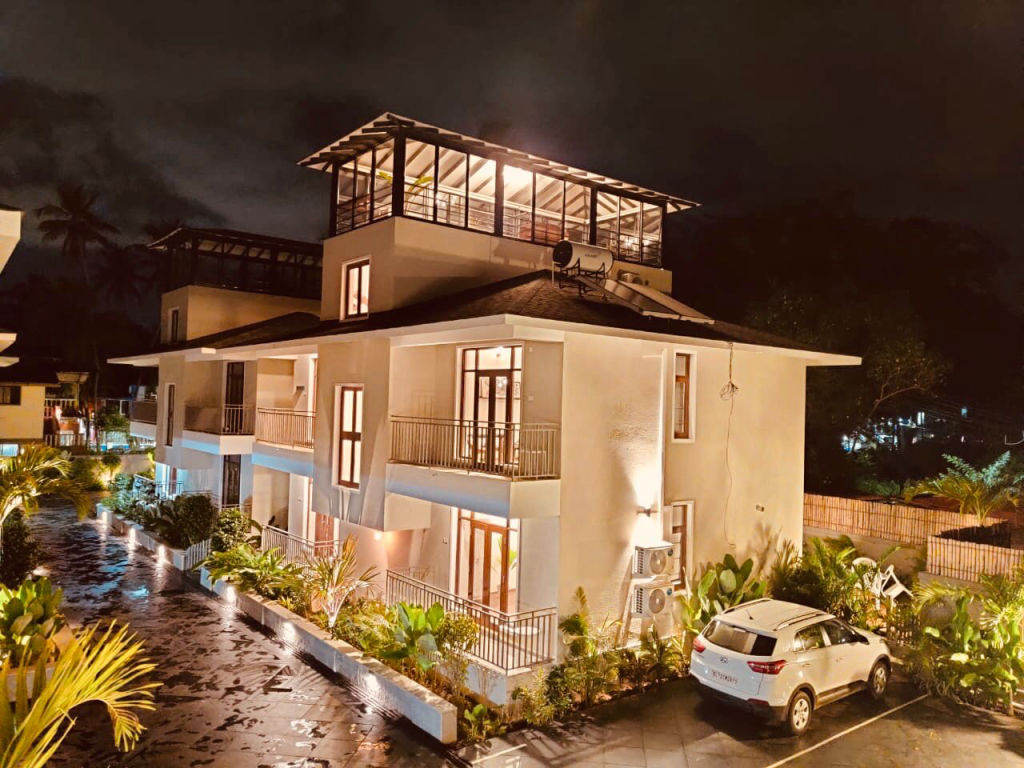
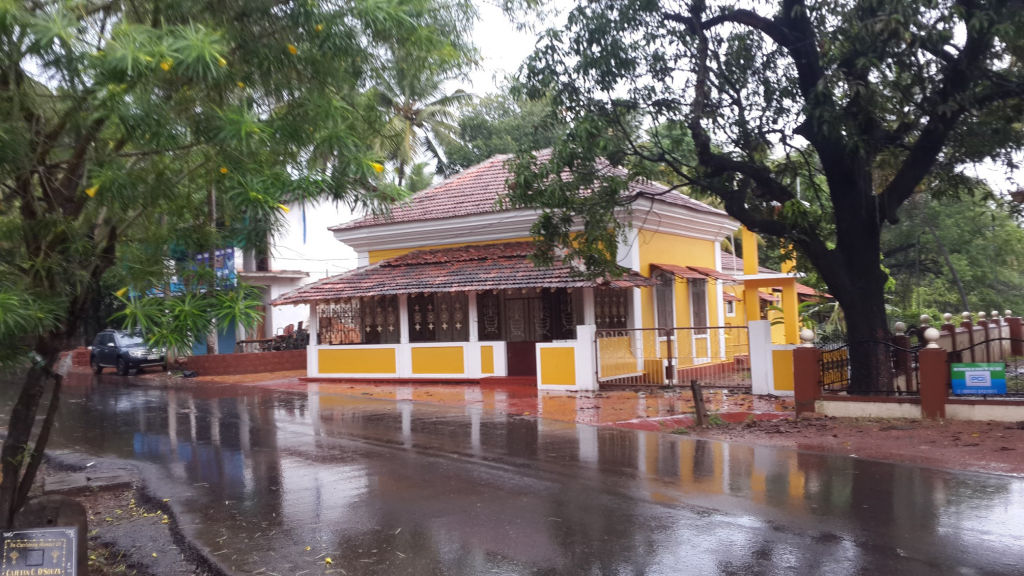
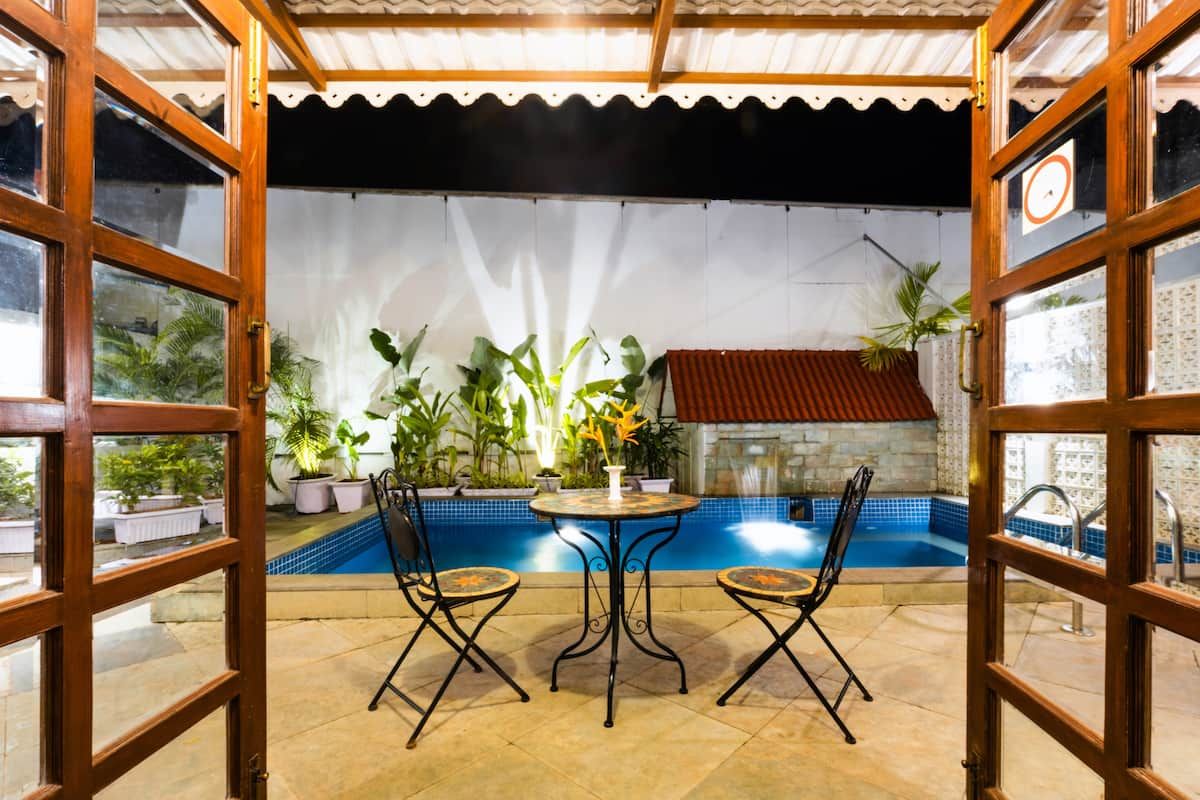
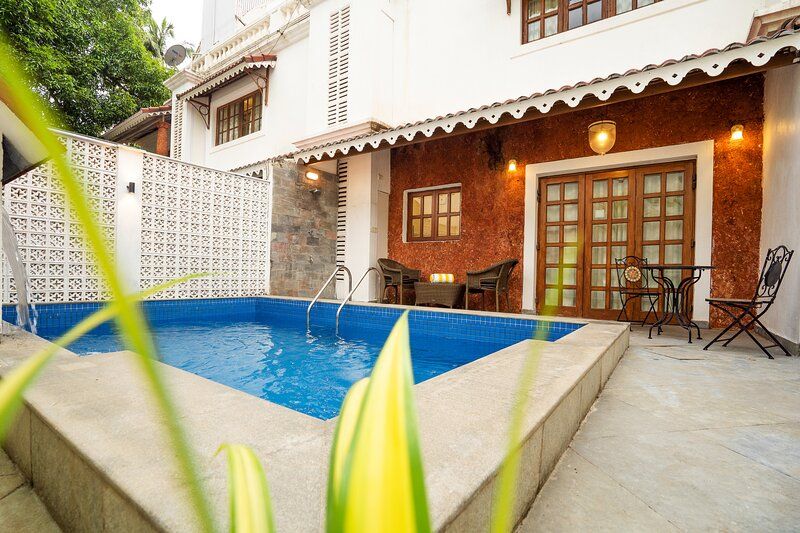
Stays near St. Augustine Tower
Book a place to stay close by
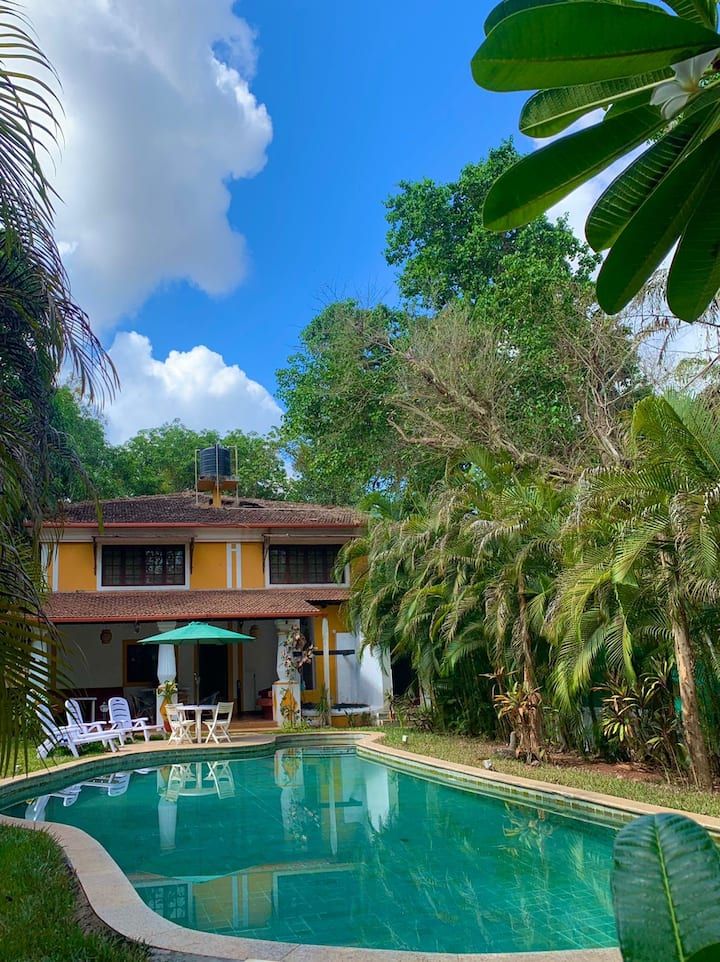
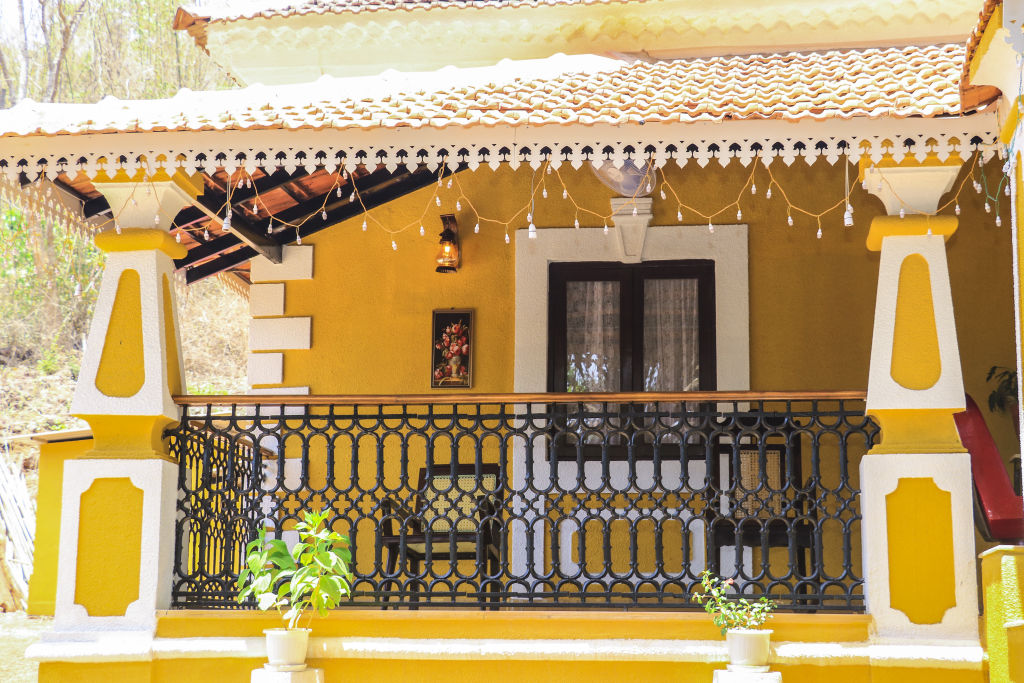

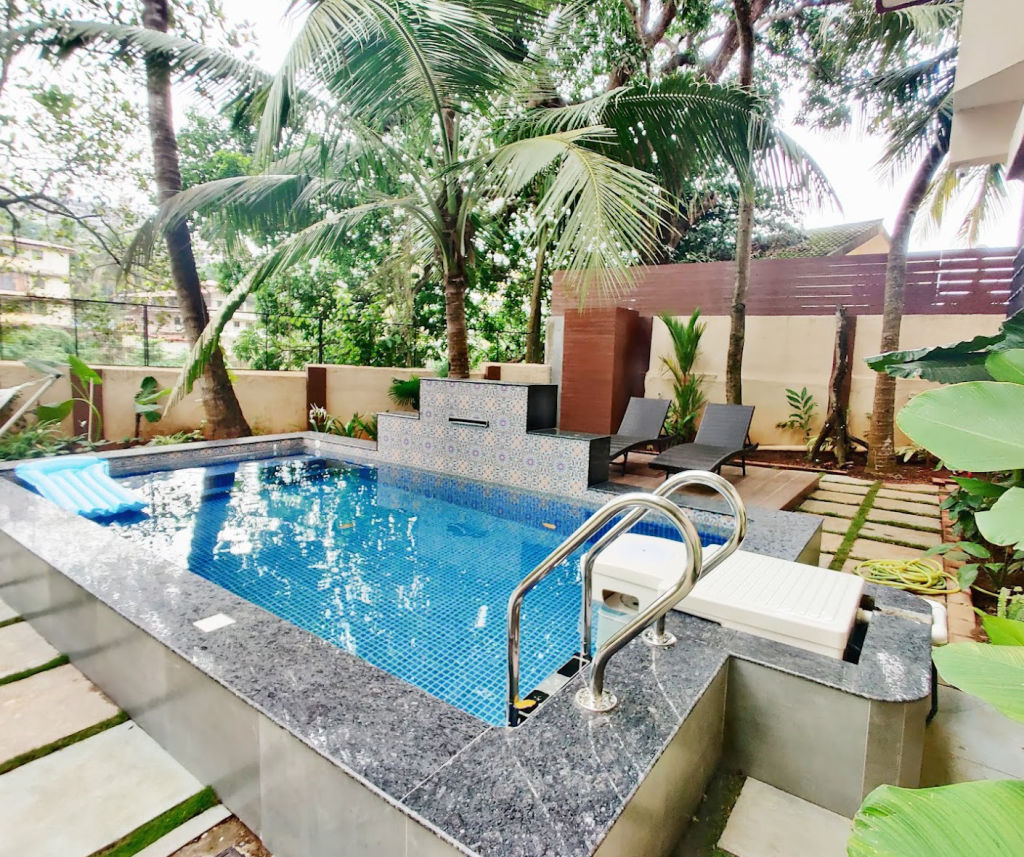
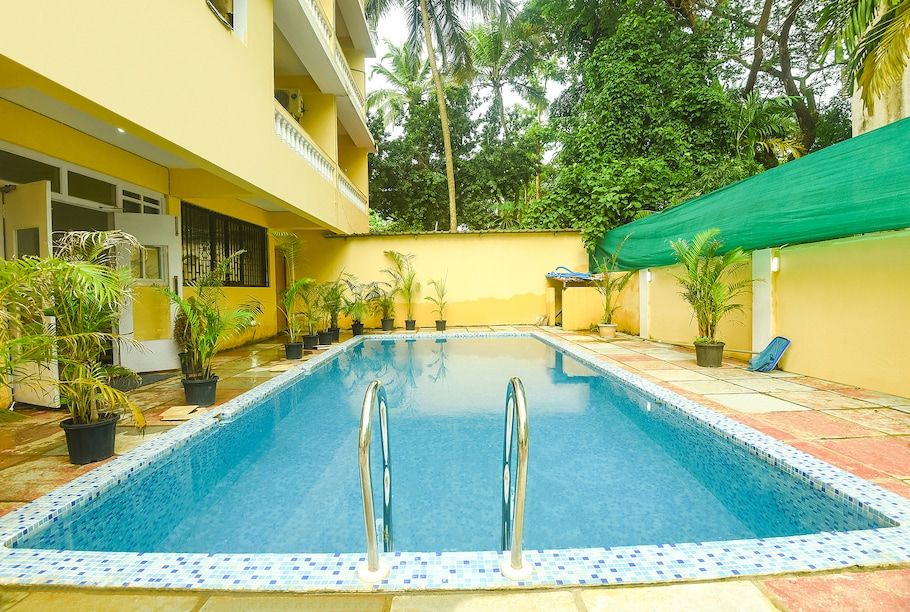



More places near St. Augustine Tower
Within 20 km
Built from 0 Instagram posts by 0 creators. Every tip links back to the post it came from, and where creators disagree we show both sides.






