
Padmaja Naidu Himalayan Zoological Park Darjeeling
Zoo near Darjeeling, West Bengal
2 posts · 4 sourced tips
Guide from 2 posts by 2 creators
@traveltriangle, @avianexperiences
2.3 km from Darjeeling
The nearest town, for stays, food and fuel.
Loved by 2 creators
2 posts on Instagram.
Visiting Padmaja Naidu Himalayan Zoological Park Darjeeling
Padmaja Naidu Himalayan Zoological Park in Darjeeling features high-altitude wildlife including red pandas. Visitors should note the weekly Thursday closure and ticket counter timings.
What to expect
Entry fee
1 creator reported this
Good to know
Tips from creators' posts. Each one links to its source.
Getting there
By road
- From DarjeelingNearest town23 min · 5.7 km
By train, bus or air
- DarjeelingNearest railway station14 min · 3.3 km
- Bagdogra AirportNearest airport3 hr · 74 km
The last stretch
- The park is reported to be closed on Thursdays.
- The ticket counter closes at 4:00 PM.
Typical drive times without traffic. Places, distances and typical drive times from OLA Maps; notes from creators' Reels.
About Padmaja Naidu Himalayan Zoological Park Darjeeling
Written with AI from creators' posts and map data. Check prices and timings locally before you go.
About Padmaja Naidu Himalayan Zoological Park
Perched at an elevation of around seven thousand feet along the slopes of Jawahar Parbat, Padmaja Naidu Himalayan Zoological Park is India's largest high-altitude zoo. Opened to the public in 1958, the sanctuary was later named in honour of Padmaja Naidu, former Governor of West Bengal and daughter of Sarojini Naidu. The facility was established specifically to study, safeguard, and conserve the delicate alpine ecosystems of the Eastern Himalayas.
Unlike traditional urban menageries, the park is laid out across forested hillside terrain, surrounded by towering birch, oak, and rhododendron trees. Its enclosures are spacious and carefully integrated into the natural landscape, providing the animals with ample cover and familiar mountain flora. The cooler microclimate and steep elevation allow endemic Himalayan species to thrive in conditions that match their wild distribution, making it an internationally recognised sanctuary for endangered alpine fauna.
Wildlife and Conservation at the Zoo
The zoo is globally celebrated for its successful conservation breeding programs, most notably for the endangered red panda and the elusive snow leopard. Seeing red pandas rest amidst the tree branches or amble across enclosure logs is one of the quintessential highlights for visitors. The park's devoted efforts have substantially contributed to the global captive population of these gentle tree-dwelling mammals.
Alongside red pandas, the park provides shelter to a wide variety of cold-climate animals adapted to the severe mountain conditions of the Himalayas. Visitors can observe Tibetan wolves, Himalayan black bears, clouded leopards, and blue sheep. The avian sections feature vibrant pheasants, including the Himalayan monal and the kalij pheasant, offering birdwatchers and naturalists a rare, close-up look at species that inhabit dense high-altitude forests.
Read more
Things to Know Before You Visit
Before planning your excursion to the zoo, it is important to take note of the operational schedules. Padmaja Naidu Himalayan Zoological Park remains completely closed to visitors on Thursdays for weekly maintenance and animal welfare purposes. On open days, ensure you arrive well ahead of the evening cut-off, as the ticket counter closes promptly at 4:00 pm.
Entry tickets are priced reasonably, with standard entry for visitors from SAARC countries costing around sixty rupees per person. Because the park spans undulating hillsides with paved but inclined pathways, comfortable walking shoes are essential. Photography is widely permitted, but visitors are urged to maintain silence, refrain from tapping on glass barriers, and respect the natural peace of the animals.
Best Time to Visit
The ideal time to visit the zoological park coincides with Darjeeling's prime travel windows: spring from March to May and autumn from October to mid-December. During the spring months, the ambient weather is pleasant, daytime temperatures remain moderate, and the surrounding flora bursts into vibrant bloom, making walking the outdoor paths exceptionally refreshing.
Autumn offers crisp mountain air, dry footpaths, and typically clear skies that frame the forested hills in golden sunlight. Winter, spanning December through February, brings chilly temperatures and occasional frost, though animals like the snow leopard and red panda are naturally well-adapted and often active during cold mornings. The monsoon season from June to September brings heavy rains and dense mountain mist, which can make the stone paths slippery and reduce visibility across outdoor enclosures.
How to Reach the Park
Padmaja Naidu Himalayan Zoological Park is located within Darjeeling town, roughly two kilometres north of the central Chowrasta and Mall area. Visitors already staying in central Darjeeling can easily walk to the park entrance via the scenic Jawahar Road or hire a local shared or private taxi from the town centre.
For travellers arriving from further away, the nearest major rail hub is New Jalpaiguri, and the closest domestic airport is Bagdogra, both situated near Siliguri approximately seventy to eighty kilometres down in the plains. From Bagdogra or New Jalpaiguri, private and shared cabs make the picturesque climb up the mountains through tea gardens and pine ridges, typically completing the journey in about three to four hours depending on traffic conditions.
Places to Visit Nearby
The zoological park shares its grounds with the renowned Himalayan Mountaineering Institute, making it simple to combine both destinations in a single morning. A short walk nearby also leads to the base of the Darjeeling Ropeway, offering sweeping aerial views across the valley and the rolling hills of the Singla tea estate.
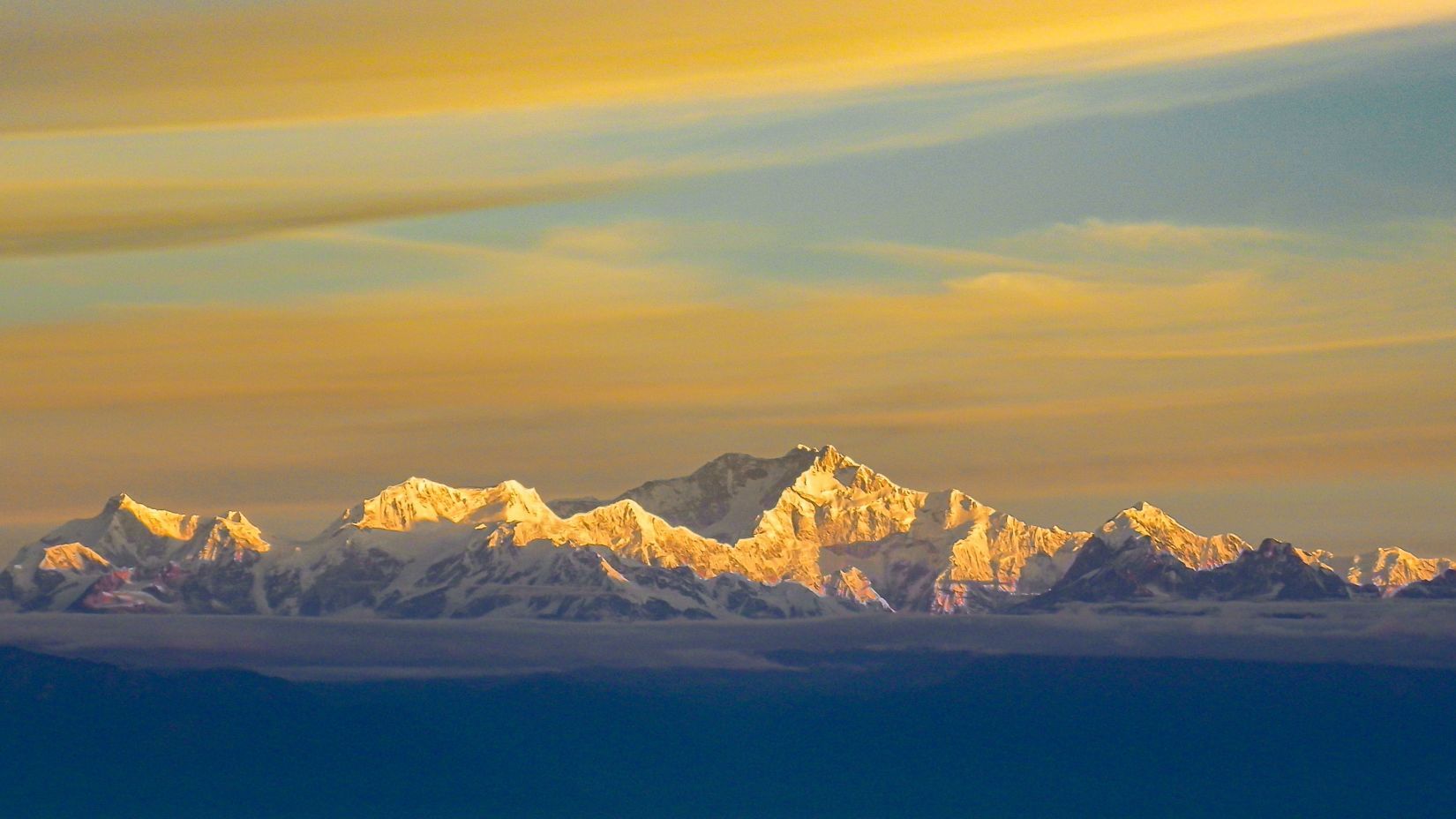
Within a short radius, travellers can visit Shrubbery Nightingale Park, a peaceful landscaped garden overlooking the Kanchenjunga range, or head towards the iconic Japanese Buddhist Temple and the Peace Pagoda on the slopes above Jalapahar. Spending time exploring the colonial architecture, bustling markets, and heritage paths around the town centre rounds out an enriching itinerary in this historic hill station.
Where to Stay
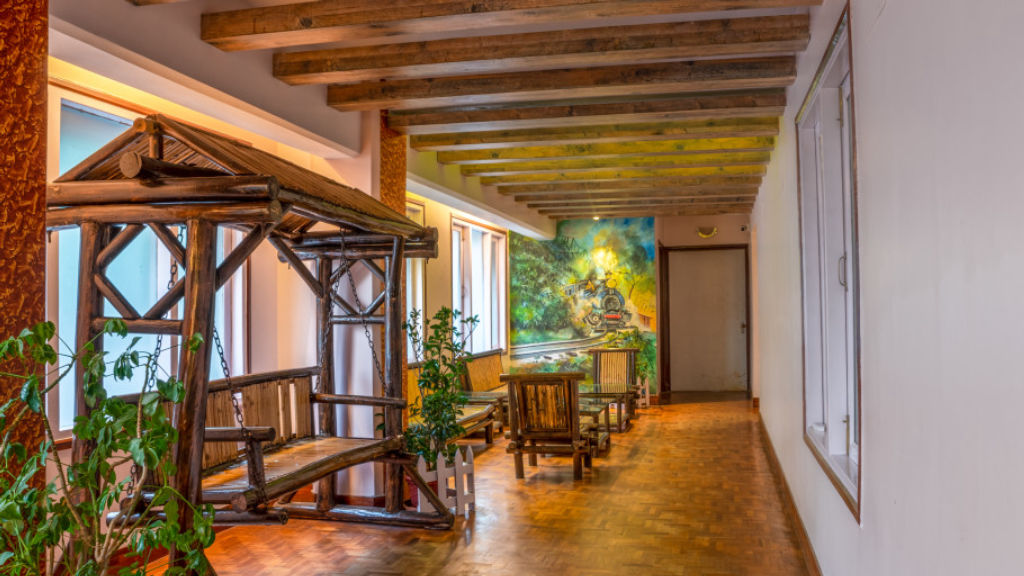
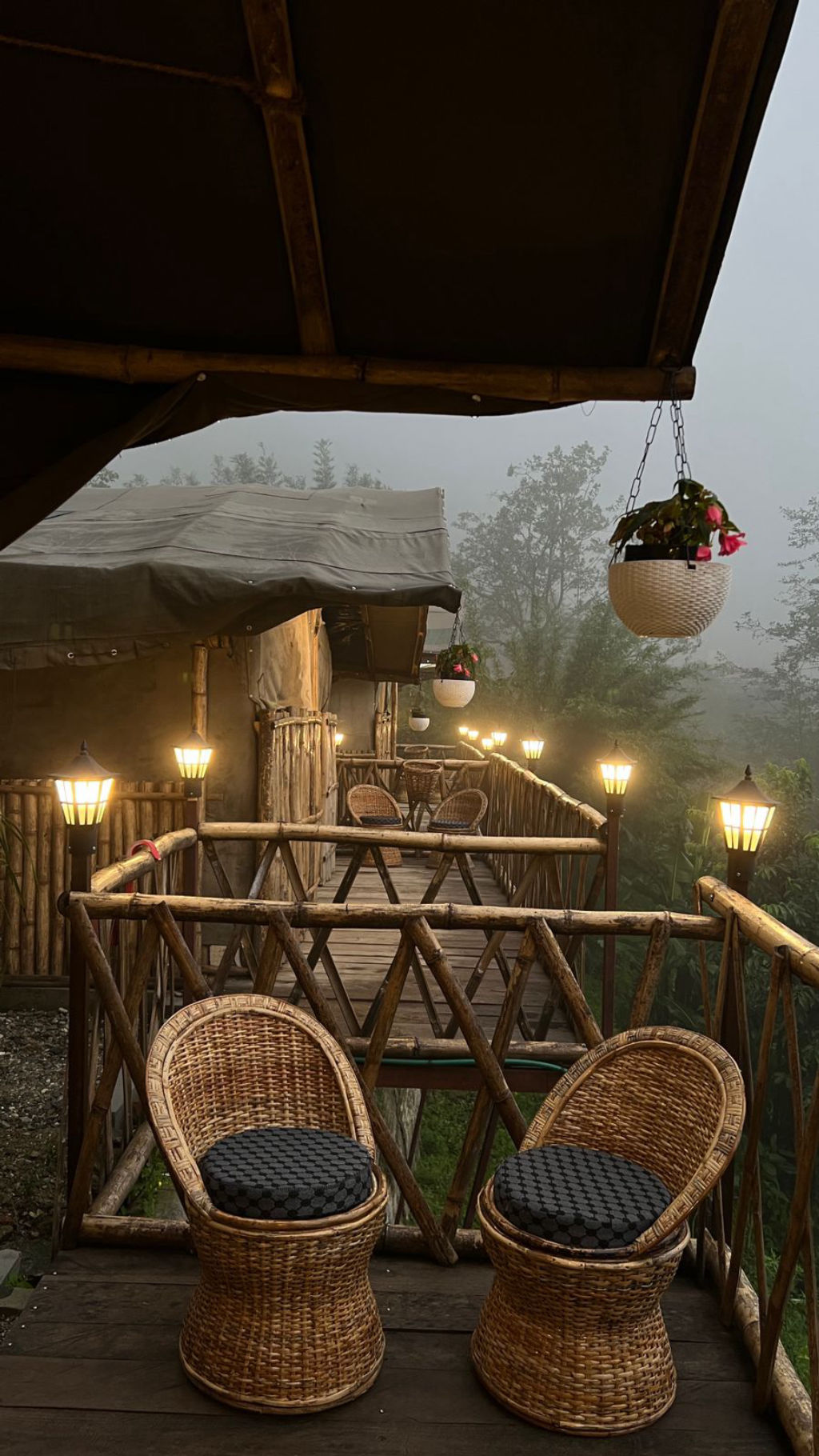
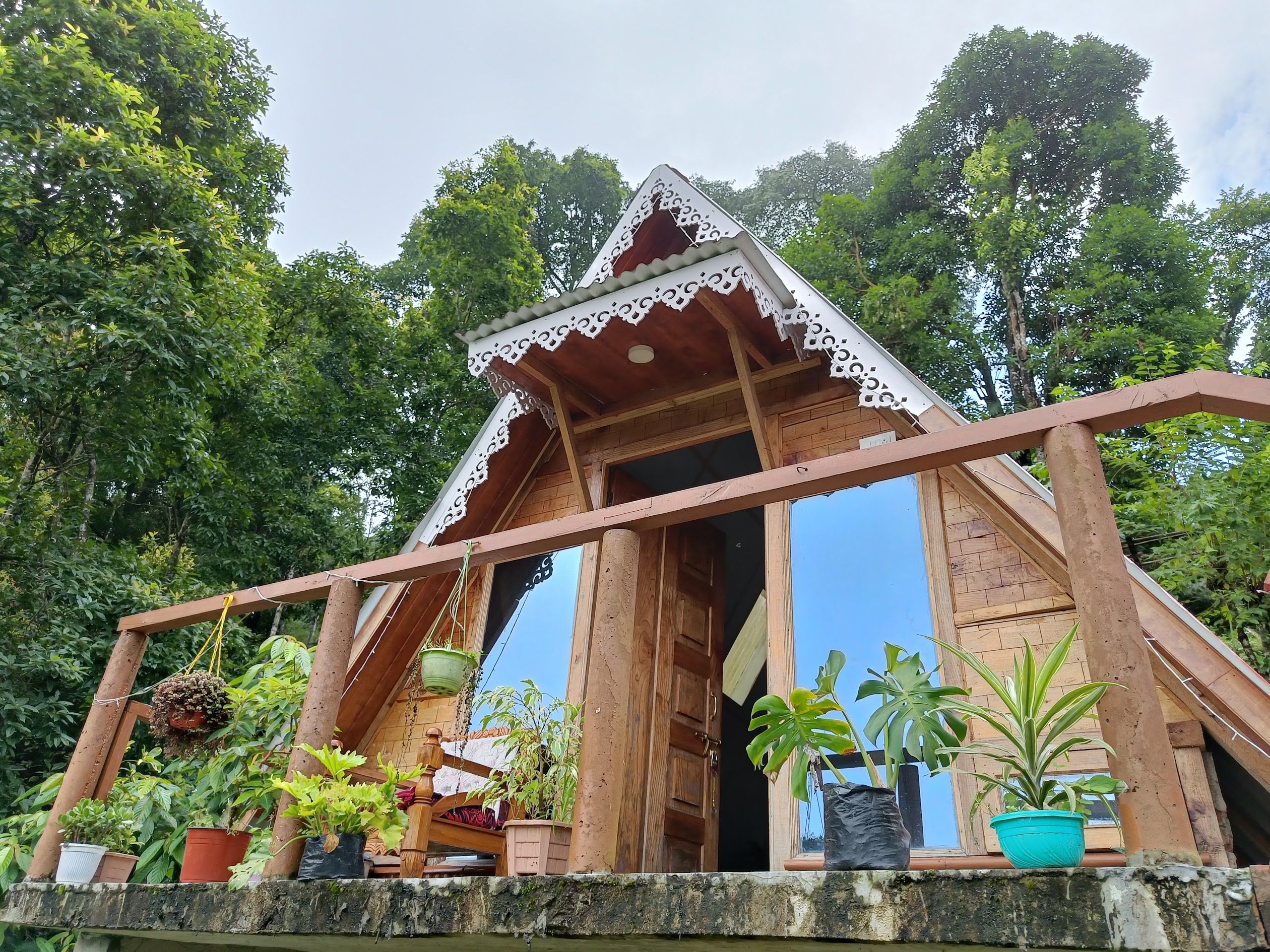
Darjeeling and the surrounding mountain ridges offer an inviting array of accommodations suited to every travel style. Whether you are looking for heritage mountain cottages, peaceful forest homestays, or hillside campsites nestled amid tea plantations, you can explore vetted options on HireACamp.
Staying slightly away from the crowded town centre in the quieter hamlets of the district allows you to experience peaceful mountain mornings, crisp air, and authentic Himalayan hospitality before heading in to tour the zoo and its surroundings.
Frequently asked questions
Is Padmaja Naidu Himalayan Zoological Park open every day?
No, the zoological park is closed to visitors every Thursday. On all other days, visitors should note that the ticket counter closes at 4:00 pm.
How much does entry to the zoo cost?
Entry tickets for visitors from SAARC countries cost ₹60 per person. Visitors from other nations or those carrying commercial camera gear should confirm current local tariffs at the entrance counter.
What animals is Darjeeling Zoo famous for?
The park is best known for its conservation and breeding initiatives for endangered high-altitude wildlife, particularly red pandas, snow leopards, Tibetan wolves, and Himalayan black bears.
How much time is needed to explore the park?
Most travellers spend between one and a half to two hours exploring the zoo enclosures at a relaxed walking pace, especially if also touring the adjoining mountaineering museum.
Is the park accessible for elderly visitors and strollers?
The zoo is built on a natural hillside with paved paths, but the terrain includes several steep climbs and descents that require moderate walking effort.
Where you'll be
Padmaja naidu, Himalayan zoological park, Jawahar Parbat, Darjeeling, West Bengal 734101 · 6 stays nearby shown with prices
As seen on Instagram
The posts this guide is built from
Stays near Padmaja Naidu Himalayan Zoological Park Darjeeling
Book a place to stay close by


Often visited together
Creators who went here also showed these


More places near Padmaja Naidu Himalayan Zoological Park Darjeeling
Within 20 km


Lists for this area
Ranked by how many creators recommend each place


Built from 2 Instagram posts by 2 creators. Every tip links back to the post it came from, and where creators disagree we show both sides. Guide updated 24 Oct 2026.






