
Pangolakha Wildlife Sanctuary
Park near Chhanggu, Sikkim
4.2 km from Chhanggu
The nearest town, for stays, food and fuel.
Pangolakha Wildlife Sanctuary is a high-altitude protected reserve situated in the eastern reaches of Sikkim near the borders of Bhutan and West Bengal. Spanning dense rhododendron forests, bamboo thickets, alpine meadows, and pristine glacial lakes, the sanctuary is renowned for its rich Himalayan biodiversity and stunning mountain vistas. Nature enthusiasts, birdwatchers, and trekkers visit the sanctuary to immerse themselves in untamed wilderness along historic mountain corridors.
Getting there
By road
- From ChhangguNearest town3 min · 2.6 km
Typical drive times without traffic. Stations and airports from OLA Maps; distances and typical drive times from OpenStreetMap (© OpenStreetMap contributors); notes from creators' Reels.
About Pangolakha Wildlife Sanctuary
Written with AI from map data and general knowledge. Check prices and timings locally before you go.
About Pangolakha Wildlife Sanctuary
Pangolakha Wildlife Sanctuary is one of the most ecologically significant reserves in East Sikkim. Extending across varied elevations that range from temperate woodlands to frigid alpine zones, the sanctuary forms an important ecological corridor connecting the forests of Sikkim with Neora Valley National Park in West Bengal and the contiguous wilderness of Bhutan.
The terrain is characterized by rugged ridges, deep valleys, moss-draped evergreen canopies, and scattered high-altitude wetlands. Historically, parts of this wilderness flanked the ancient Old Silk Route that linked India with Tibet, adding cultural and historical resonance to its sheer natural grandeur. Today, it serves as a critical haven for threatened eastern Himalayan wildlife and draws travellers who appreciate raw landscapes, dramatic mist-clad peaks, and quiet backcountry trails.
Flora and fauna of the sanctuary
Due to its dramatic altitudinal gradient, Pangolakha Wildlife Sanctuary supports an extraordinary range of vegetation and animal life. At lower to mid elevations, broadleaf forests give way to mixed conifers, dense bamboo groves, and vibrant swathes of rhododendrons that burst into bloom during springtime. Higher up, the trees thin out into windswept alpine scrub and rocky scree.
The sanctuary is home to iconic Himalayan species, notably the elusive red panda, which finds sustenance among the bamboo undergrowth. Other mammals recorded in the region include the Himalayan black bear, musk deer, serow, barking deer, leopard cat, and yellow-throated marten. Higher ridges occasionally witness crossings by snow leopards and Tibetan wolves.
Birdlife within Pangolakha is equally spectacular, making it a dream destination for ornithologists. Hundreds of avian species thrive here, including the blood pheasant, satyr tragopan, kalij pheasant, fire-tailed myzornis, laughingthrushes, and a variety of colorful sunbirds and finches. Migratory waterfowl can also be spotted resting at the high-altitude lakes during their seasonal journeys across the Himalayas.
Read more
Things to do in and around Pangolakha
Exploring Pangolakha Wildlife Sanctuary is largely an outdoor and observational experience centered on untouched nature. Trekking and guided forest walks provide intimate access to the sanctuary's varying ecosystems. Marked pathways wind through quiet oak and pine groves where travellers can witness rare orchids, lichen-covered trunks, and sparkling forest streams flowing toward lower valleys.
Birdwatching and wildlife photography are among the most rewarding pursuits within the reserve. Waking up early to scan the mist-filled canopy reveals a symphony of birdcalls and glimpses of vibrant plumage that few other regions in India can match. Patient naturalists may even encounter foraging wildlife along quiet trail clearings.
Landscape photography is another popular activity. The higher reaches within and adjacent to the sanctuary offer sweeping vantage points looking out toward the jagged snow peaks of the Eastern Himalayas and sweeping valleys often blanketed under a sea of white clouds.
Best time to visit Pangolakha Wildlife Sanctuary
The ideal time to visit Pangolakha Wildlife Sanctuary is between October and May, divided into two distinct travel seasons with very different atmospheres.
The autumn and early winter months from October to December offer clear blue skies, crisp air, and the sharpest visibility of the surrounding snow peaks. Post-monsoon trails are lush and forest streams run clear, making it a magnificent period for hiking, general sightseeing, and birding.
Spring, spanning March through May, is the blooming season when the sanctuary undergoes a vivid transformation. Forest slopes light up with flowering rhododendrons, magnolias, and wild primulas. Temperatures are mild during the day, though nights remain chilly. Wildlife activity increases significantly during spring as animals emerge to feed on fresh growth.
The monsoon period from June to September brings heavy, relentless rainfall to East Sikkim. Mountain roads become vulnerable to landslides and visibility drops drastically, so visiting during these months is generally not recommended.
How to reach Pangolakha Wildlife Sanctuary
Pangolakha Wildlife Sanctuary is accessed through East Sikkim, with Gangtok serving as the primary regional hub located approximately fifty kilometers away depending on the specific entry gate or sector visited.
The nearest broad-gauge railway junction is New Jalpaiguri, and the nearest major airport is Bagdogra, both located in West Bengal. From Bagdogra or New Jalpaiguri, shared and private taxis operate frequently toward Gangtok or toward the sub-divisional towns of East Sikkim along the Silk Route circuit. The road journey travels through the Teesta River valley before climbing into the cooler Himalayan highlands.
From Gangtok or nearby transit hamlets, local mountain vehicles can be hired to access entry checkpoints into the sanctuary. Because the sanctuary is situated in a high-altitude border region with rough terrain, four-wheel-drive or high-clearance vehicles are strongly recommended, especially in winter when snow and ice may cover higher passes.
Places to explore nearby
A trip to Pangolakha Wildlife Sanctuary can easily be combined with other notable cultural and natural landmarks in East Sikkim. Nearby lies the revered Baba Harbhajan Singh Mandir, an unusual military shrine dedicated to an Indian Army soldier that attracts thousands of pilgrims and travellers each year.
The spiritual heritage of Sikkim is further represented by historic monasteries in the broader Gangtok valley, such as Rumtek Monastery, known for its traditional Tibetan architecture and precious religious relics. Travellers exploring the historical Silk Route circuit beyond the sanctuary can also visit alpine lakes and high mountain view points along the border ridges that overlook panoramic horizons stretching toward Bhutan and Tibet.
Tips for visiting Pangolakha Wildlife Sanctuary
Pangolakha lies along sensitive border tracts in Sikkim, meaning that special travel permits are strictly required for both Indian and international visitors. These permits should be organized through registered local authorities or travel desks in Gangtok before heading up to the checkpoints. Always carry original identity documents and multiple passport-sized photographs.
Weather conditions can change rapidly in the mountains. Even during pleasant spring afternoons, temperatures can drop steeply within an hour if fog rolls in. Dress in several warm layers, including windproof outer garments, thermal innerwear, and sturdy waterproof trekking shoes with good grip.
Remember that this is a fragile and protected habitat. Stick firmly to recognized trails to avoid damaging sensitive flora or getting lost in dense wilderness. Carry all personal trash and plastic back out of the reserve, avoid playing loud music, and refrain from feeding or disturbing any wildlife.
Where to stay near Pangolakha
Direct accommodation inside the protected wildlife sanctuary is minimal, focusing on conserving the undisturbed ecosystem. However, comfortable homestays, rustic mountain lodges, and scenic campsites are available in the surrounding villages and staging towns of East Sikkim.
Staying in local homestays offers visitors a warm introduction to Sikkimese hospitality, home-cooked regional meals, and traditional mountain life. Those looking for authentic eco-stays, camping setups, and verified community homestays around Pangolakha and East Sikkim can find and book an array of options through HireACamp.
Frequently asked questions
Where is Pangolakha Wildlife Sanctuary located?
Pangolakha Wildlife Sanctuary is located in the East Sikkim district of Sikkim, India, near the borders of Bhutan and West Bengal's Neora Valley National Park.
What wildlife can be spotted in Pangolakha Wildlife Sanctuary?
The sanctuary is home to the red panda, Himalayan black bear, musk deer, barking deer, serow, and rare pheasants such as the blood pheasant and satyr tragopan.
Do I need a permit to visit Pangolakha Wildlife Sanctuary?
Yes, permits are mandatory for travellers visiting the sanctuary due to its high-altitude and strategic border location. Permits should be arranged in advance through local authorities in Gangtok or regional administration offices.
What is the best season to explore Pangolakha?
The best seasons are autumn from October to December for clear skies and mountain views, and spring from March to May for blooming rhododendrons and vibrant birdlife.
How can I find accommodation near Pangolakha Wildlife Sanctuary?
Travellers can find and book local village homestays, nature retreats, and outdoor campsites located near the sanctuary boundaries on HireACamp.
Where you'll be
Sikkim, SK · 1 stay nearby shown with prices
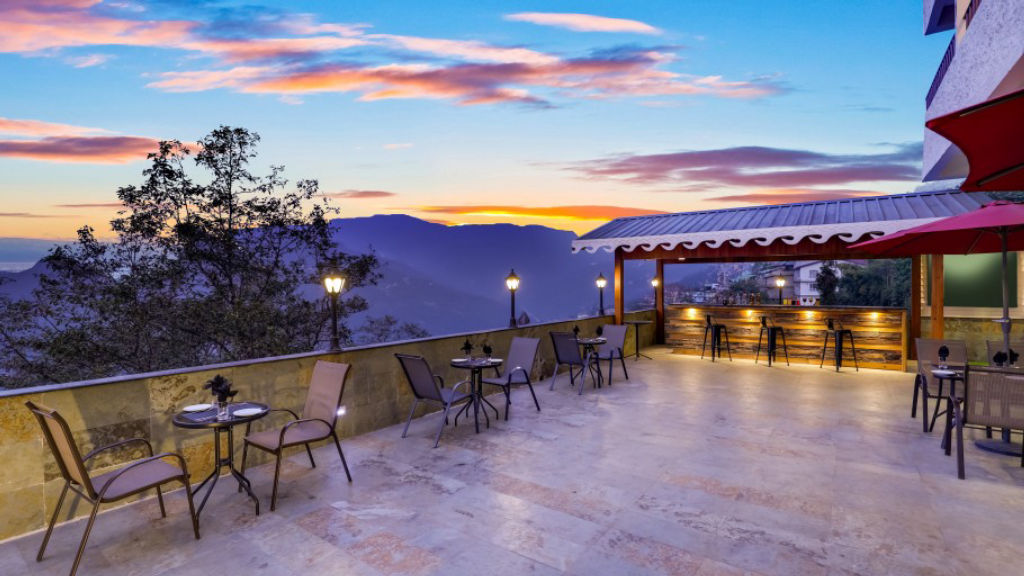
Stays near Pangolakha Wildlife Sanctuary
Book a place to stay close by
More places near Pangolakha Wildlife Sanctuary
Within 20 km
Built from 0 Instagram posts by 0 creators. Every tip links back to the post it came from, and where creators disagree we show both sides.






