
Tsomgo Lake
Lake near Gangtok, Sikkim
900 m from Gangtok
The nearest town, for stays, food and fuel.
Tsomgo Lake, also known as Changu Lake, is a high-altitude glacial lake nestled in the East Sikkim district of Sikkim, India. Situated at over 12,000 feet above sea level on the road leading toward the historic Nathu La pass, the lake is revered as sacred by the local Sikkimese people. Visitors travel here from Gangtok to witness its pristine alpine waters, dramatic mountain backdrop, and the changing landscape across the seasons.
Getting there
By road
- From GangtokNearest town17 min · 6.6 km
Typical drive times without traffic. Stations and airports from OLA Maps; distances and typical drive times from OpenStreetMap (© OpenStreetMap contributors); notes from creators' Reels.
About Tsomgo Lake
Written with AI from map data and general knowledge. Check prices and timings locally before you go.
About Tsomgo Lake
Tsomgo Lake, commonly called Changu Lake, is among the most famous natural landmarks in Sikkim. The word Tsomgo in the Bhutia language translates roughly to 'source of the lake'. Fed by melting snow from the surrounding mountain ridges, the oval-shaped water body sits in a steep alpine valley surrounded by rugged, jagged peaks. The lake holds deep spiritual significance for both Buddhists and Hindus in Sikkim, and locals believe the water's color transitions once foretold the future.
Throughout the year, the lake's visual character shifts dramatically. During peak winter, the water freezes solid into a sheet of pale ice, while in spring and early summer, the perimeter bursts into bloom with primulas, blue poppies, and varieties of rhododendron. The stillness of the high-altitude atmosphere, broken only by alpine winds and prayer flags fluttering on the banks, makes visiting Tsomgo Lake a memorable experience.
Landscape and wildlife around Tsomgo Lake
The terrain enclosing Tsomgo Lake is characterized by high alpine tundra and subalpine scrub. Because of the elevation, tall tree growth tapers off on the approach, giving way to dwarf rhododendrons, alpine shrubs, and hardy ground-hugging flora that can withstand freezing winds and thin mountain air. The ridgelines around the lake often remain dusted with snow well into the late spring.
The region supports diverse Himalayan fauna adapted to rough mountain conditions. Migratory birds, including the brahminy duck, frequently rest near the water during seasonal migrations. In the wider alpine corridor between Gangtok and the international border, wildlife such as red pandas, Himalayan monals, blood pheasants, and mountain goats inhabit the forested slopes and rocky outcrops, though sightings require patience and quiet observation.
Read more
Best time to visit Tsomgo Lake
The experience at Tsomgo Lake depends heavily on the season you choose for your journey. Autumn, running from October to November, offers crisp mountain air, deep blue skies, and optimal road conditions following the retreat of the summer monsoon. The reflection of surrounding hills on the calm water surface is sharpest during these clear autumn weeks.
Winter arrives in December and extends through February, transforming the entire valley into a frozen snowscape. The surface of Tsomgo Lake freezes over, creating a stark, icy panorama that attracts lovers of cold weather and snow. Travel during this time can occasionally be delayed by heavy snowfall, so keeping flexibility in your schedule is wise.
Spring, spanning April and May, brings a fresh burst of life as the snow melts away. Wildflowers and alpine shrubs begin flowering across the valley floor, creating a vibrant contrast against the rocky ridges. The monsoon season from June to September is generally best avoided, as intense downpours across the Eastern Himalayas can trigger landslides and cause roadblocks along the winding mountain highways.
How to reach Tsomgo Lake
Tsomgo Lake is located approximately 40 kilometers east of Gangtok, the capital of Sikkim. The primary route follows the Jawaharlal Nehru Road, a winding mountain corridor that steadily climbs from the subtropical river valleys of Gangtok to the rugged high-altitude pass. The drive usually takes between two to three hours depending on mountain weather and traffic conditions along checkpoints.
Gangtok itself is well connected to the rest of India. The nearest major railway hub is New Jalpaiguri in West Bengal, and the nearest commercial airport is Bagdogra, both of which connect to Gangtok by scenic mountain highways through the Teesta River basin. From Gangtok, travellers arrange local shared or private mountain vehicles to visit the lake as a day trip.
Because Tsomgo Lake lies in a protected border area close to the Indo-China frontier, all visitors require special inner line permits issued in Gangtok. Travellers should carry government-issued identity cards, passport-sized photographs, and arrange paperwork through local authorized agencies before departure.
Things to do at Tsomgo Lake
One of the most rewarding ways to experience Tsomgo Lake is to walk the pathway skirting the water's edge. Taking slow steps along the lakeside allows you to absorb the peaceful quiet, observe the prayer flags strung along the bank, and look out over the changing hues of the water under passing clouds.
A passenger cable car operates near the lake shore, lifting visitors up to an adjoining ridge. Taking the ropeway provides sweeping, panoramic views of the entire lake basin and the rugged Eastern Himalayan range stretching into the horizon. On clear days, the vantage point from the upper station is particularly breathtaking.
Visitors can also observe decorated yaks brought by local herders near the parking area, representing an iconic symbol of traditional Himalayan life. Photographers will find endless inspiration in the stark mountain contours, drifting mists, and changing light reflected on the lake's calm surface.
Tips for your visit
Because Tsomgo Lake sits at an altitude above 12,000 feet, altitude sickness can affect travellers arriving quickly from the plains. Spending at least a day or two in Gangtok prior to the excursion helps your body acclimatize naturally. Walk at a gentle pace once you reach the lake, avoid running, stay well hydrated, and carry basic medicines if you are prone to motion sickness along winding roads.
Weather conditions in the high Himalayas can shift within minutes. Even during sunny summer afternoons, cold winds can sweep over the ridges, making heavy woolens, windproof jackets, gloves, and sturdy walking shoes essential. Sunglasses and high-SPF sun protection are equally important due to the strong ultraviolet radiation at high elevations.
Tsomgo Lake is deeply sacred to local communities. Respect local guidelines by refraining from dipping feet into the water, throwing coins, or leaving any litter behind. Keep all waste securely packed to carry back down to Gangtok.
Places to visit near Tsomgo Lake
Many travellers combine an excursion to Tsomgo Lake with a drive further up the highway to Baba Harbhajan Singh Mandir, a revered shrine dedicated to an Indian Army soldier who is believed to protect military personnel along the border. Beyond the shrine lies the historic Nathu La pass on the ancient Silk Route corridor, subject to separate permits and weather conditions.
Back around Gangtok, visitors can explore several significant cultural and natural landmarks. Enchey Monastery sits high on a ridge offering peaceful courtyards, while Rumtek Monastery, situated across the valley, serves as one of the largest and most prominent Tibetan Buddhist monastic complexes in Sikkim. Nature enthusiasts can spend a morning at the Himalayan Zoological Park observing regional wildlife in open, forested enclosures, or visit Ganesh Tok for sweeping vistas of the Gangtok valley.
Where to stay near Tsomgo Lake
Due to the sensitive high-altitude environment and security regulations, overnight stays directly at Tsomgo Lake are generally not available. Most visitors establish their base in Gangtok or surrounding hillside villages and visit the lake as an invigorating day trip.
If you prefer staying outside the bustling urban core, the rural outskirts of Gangtok and nearby mountain valleys offer tranquil options. On HireACamp, you can explore nature-oriented homestays, hillside retreats, and experiential outdoor stays that let you enjoy Sikkimese hospitality, home-cooked regional meals, and peaceful mountain mornings.
Frequently asked questions
Do I need a permit to visit Tsomgo Lake?
Yes, Tsomgo Lake is located in a protected border region of Sikkim, so all visitors must obtain a Protected Area Permit. Permits are arranged in Gangtok through authorized local travel agencies using valid government identification and photographs.
Can I visit Tsomgo Lake during the winter?
Yes, Tsomgo Lake is open during the winter months, when the lake freezes over completely and snow covers the surrounding slopes. However, heavy snowfall can occasionally cause temporary road closures, so check local weather and road updates before departing.
How far is Tsomgo Lake from Gangtok?
Tsomgo Lake is roughly 40 kilometers from Gangtok. The mountain drive typically takes between two and three hours each way, depending on traffic, road conditions, and checkpoint stops.
Is it possible to stay overnight at Tsomgo Lake?
No, overnight tourist accommodation is not available at the lake itself due to high altitude and border regulations. Travellers generally stay in Gangtok or nearby villages and visit Tsomgo Lake on a day excursion.
What should I wear when visiting Tsomgo Lake?
Dress in warm layers, including a thermal inner layer, fleece, windproof and waterproof jacket, gloves, and a woolen cap. The elevation brings cold winds even during summer, and sturdy walking shoes will help on uneven gravel paths.
Where you'll be
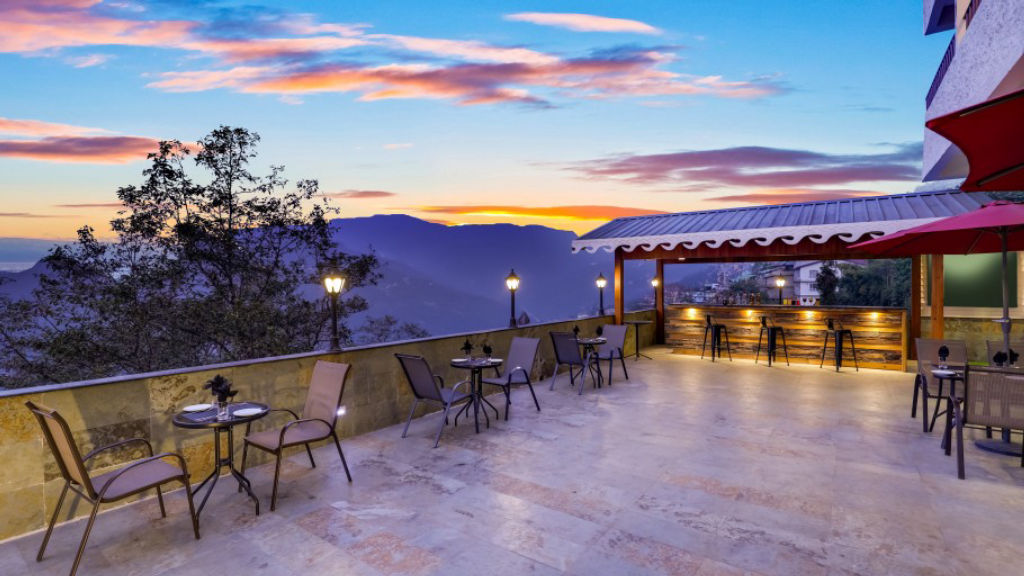
Gantok Sikkim BIJAY, Gangtok · 1 stay nearby shown with prices
Stays near Tsomgo Lake
Book a place to stay close by
More places near Tsomgo Lake
Within 20 km


Lists for this area
Ranked by how many creators recommend each place


Built from 0 Instagram posts by 0 creators. Every tip links back to the post it came from, and where creators disagree we show both sides.






