
Pari Tibba
Peak near Barlowganj, Uttarakhand
1.7 km from Barlowganj
The nearest town, for stays, food and fuel.
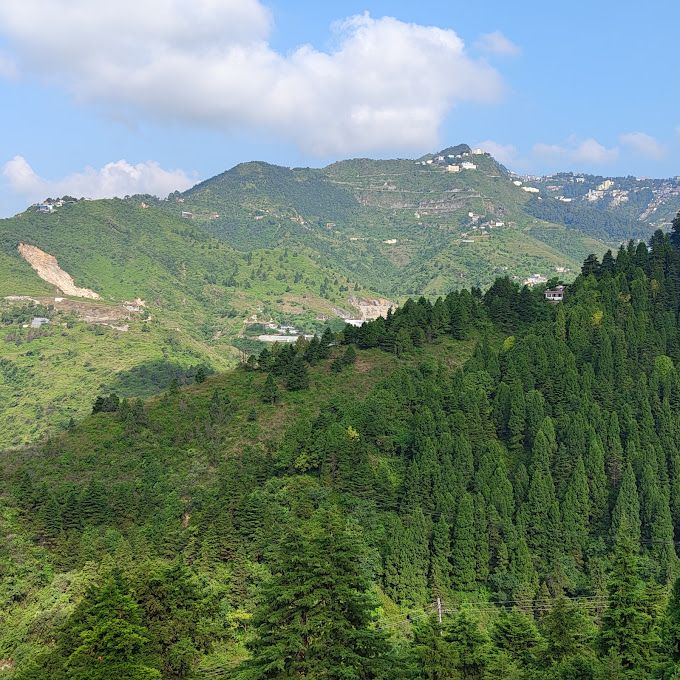
Pari Tibba, known locally as the Hill of the Fairies, is a scenic peak situated in the lower Garhwal Himalayas near Mussoorie and Landour. Enveloped in dense oak and rhododendron woods, it offers expansive vistas of the Doon Valley and surrounding Himalayan ridges. Nature lovers and day hikers visit the peak to experience peaceful woodland walking routes, regional folklore, and panoramic mountain vantage points.
Getting there
By road
- From BarlowganjNearest town11 min · 6.9 km
- From Dehradun57 min · 31 km
- From New Delhi4 hr 30 min · 260 km
- From Chandigarh4 hr 50 min · 221 km
Typical drive times without traffic. Stations and airports from OLA Maps; distances and typical drive times from OpenStreetMap (© OpenStreetMap contributors); notes from creators' Reels.
About Pari Tibba
Written with AI from map data and general knowledge. Check prices and timings locally before you go.
The Folklore and Forest of Pari Tibba
Pari Tibba translates directly to the Hill of the Fairies, a name rooted in local mountain legends that have circulated through the surrounding settlements for generations. Perched on an isolated spur south of Landour, the peak holds a unique reputation among locals and travellers alike. Local folklore describes ethereal apparitions wandering the ridge during twilight and dense mist, while the high concentration of burnt and bare oak trees across its slopes bears witness to frequent lightning strikes throughout the monsoon season.
Beyond the folklore, the landscape of Pari Tibba showcases typical mid-altitude Himalayan flora. Thick groves of banj oak, deodar cedar, and wild rhododendron blanket the approaches, giving way to rocky knolls and grassy crests higher up. The forest is home to varied Himalayan birdlife, including whistling thrushes, treepies, and laughingthrushes, making a walk along its quiet dirt paths an atmospheric journey through untamed hill terrain.
The Trekking Experience at Pari Tibba
Reaching Pari Tibba is a rewarding day hike that suits beginners, casual hikers, and experienced trekkers seeking solitude away from crowded town centres. The standard route generally begins near the eastern edges of Landour, descending briefly before ascending along well-trodden forest tracks that wind around quiet hillside contours.
As you climb, the woodland canopy opens up occasionally to reveal striking sights of the Doon Valley unfurling to the south and the Aglar river basin towards the north. Walking along the crest of Pari Tibba offers an undisturbed, 360-degree perspective over the undulating Shivalik and lower Himalayan ranges. The trail involves gentle to moderate inclines over loose gravel, leaf-strewn earth, and occasional rocky patches, making sturdy trekking footwear helpful for keeping your footing secure throughout the walk.
Read more
Best Time to Visit Pari Tibba
Pari Tibba can be visited across most months of the year, with distinct charms defining each season. Autumn, spanning from October to late November, is widely regarded as one of the finest periods for hiking. During these weeks, the post-monsoon atmosphere is crisp and dust-free, providing exceptionally clear panoramic views across the valleys and distant mountain crests.
Spring and early summer, from March through June, offer pleasant daytime temperatures and lively woodland trails lined with blooming rhododendrons and fresh foliage. This is an ideal escape from the heat of the plains. Winter brings cold breezes and crisp mornings from December through February, with occasional frosts and a rare dusting of snow, demanding warm thermal layers. The monsoon months of July and August bring heavy downpours, slippery footpaths, dense fog, and frequent lightning strikes on the exposed ridge, so hiking during active storms is strongly discouraged.
How to Reach Pari Tibba
Pari Tibba is accessible via Mussoorie and Landour in Uttarakhand. The nearest major transport hub on the plains is Dehradun, which serves as the principal entry point with direct railway connectivity and air service via Jolly Grant Airport. From Dehradun, regular taxis and local buses ply the winding mountain road up to Mussoorie.
From the centre of Mussoorie, travellers can take a short local taxi or drive upward into the colonial settlement of Landour. The trailheads leading toward Pari Tibba originate along the quieter lanes flanking the southern and eastern edges of Landour, often starting near historic landmarks and local schools. From these drop-off points, the remainder of the journey to the summit is completed entirely on foot along forest trails.
Essential Tips for the Trail
Because Pari Tibba is an undeveloped natural hill with no commercial stalls or permanent settlements at the summit, self-reliance is important. Carry an adequate supply of drinking water and light energy snacks for the duration of your hike. Wear comfortable walking shoes with good tread, as fallen leaves and pine needles can make slopes slick.
Start your hike early in the morning so you have sufficient daylight to explore the ridge and return well before sunset. The dense forest canopy causes daylight to fade quickly in the late afternoon. Given the environmental sensitivity of the Garhwal hills, practice leave-no-trace principles by packing out all wrappers, containers, and trash. If you are unfamiliar with the web of unpaved forest paths around Landour, ask locally for directions before heading into the woodland.
Places to Visit Nearby
A visit to Pari Tibba pairs naturally with exploring the historic hamlet of Landour, located just a couple of kilometres uphill. Known for its quiet deodar-lined bridle paths, historic churches, and vantage points such as Lal Tibba, Landour offers an unhurried hill-station ambience. In the opposite direction, Mussoorie hosts bustling bazaars and viewpoints, while Dalai Hills near Happy Valley offers rolling ridges and fluttering prayer flags.
Travellers driving through the foothills between Mussoorie and Dehradun can also explore attractions in the Doon basin. Sahastradhara, famous for its limestone sulfur springs, sits across the lower ridges to the southeast, while natural cave passages like Gucchupani and historic sites such as Tapkeshwar Mahadev Mandir provide engaging day-trip stops on the descent towards Dehradun.
Where to Stay near Pari Tibba
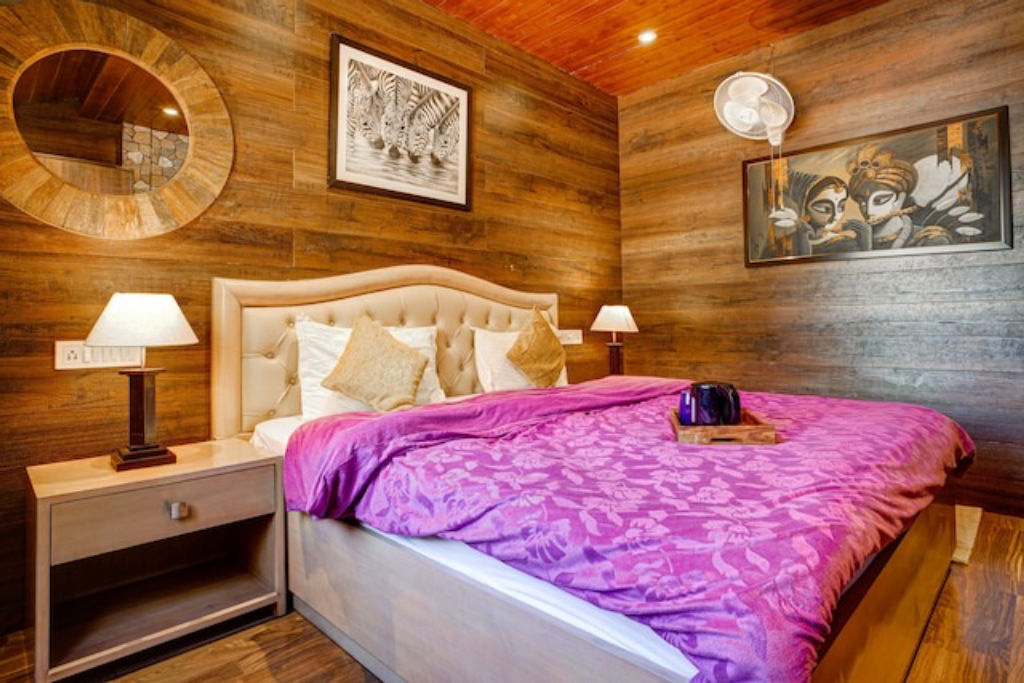
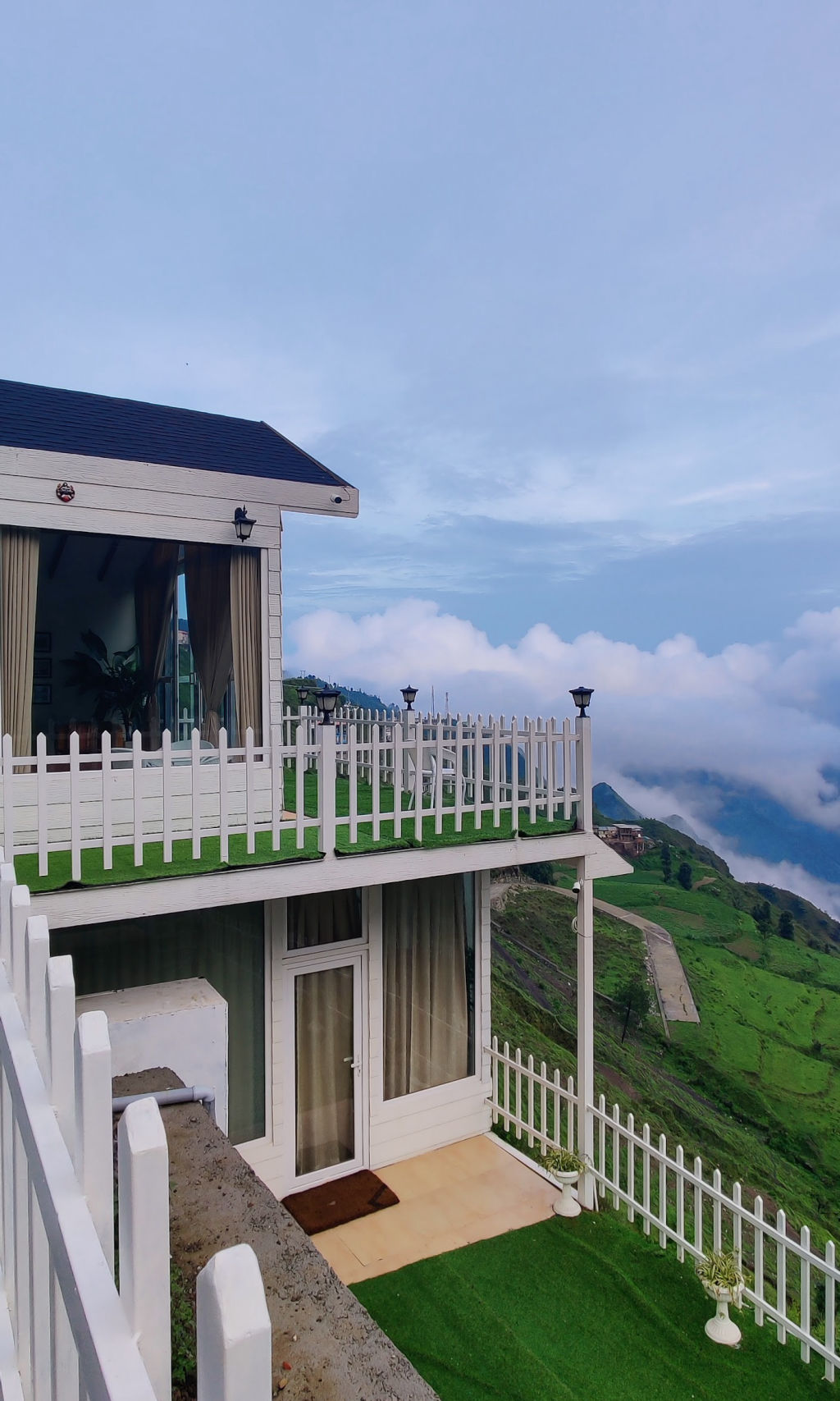
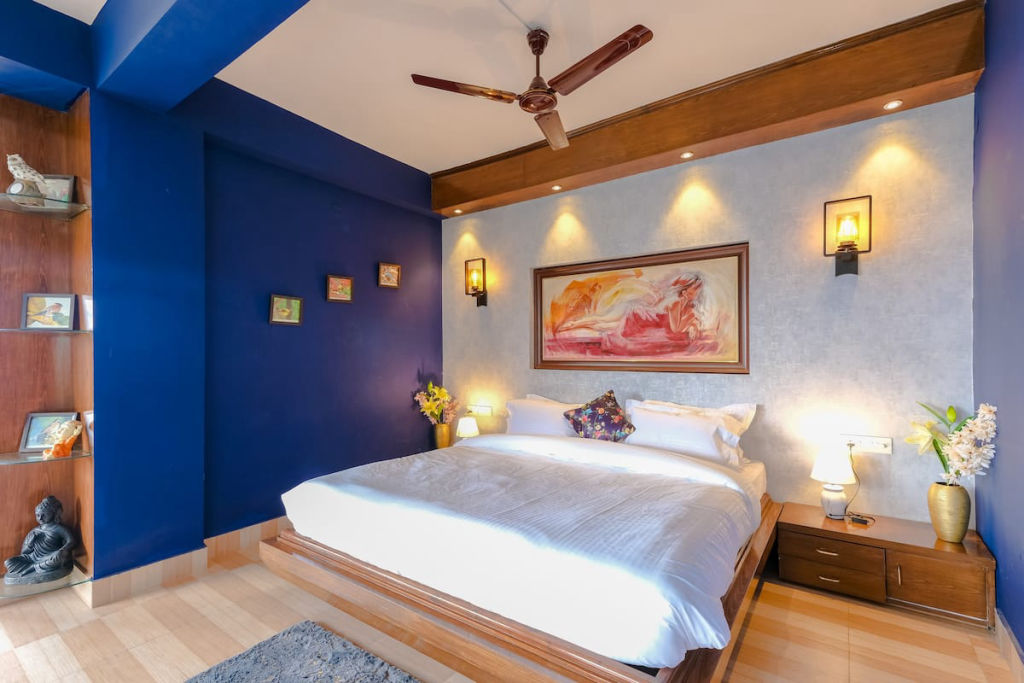
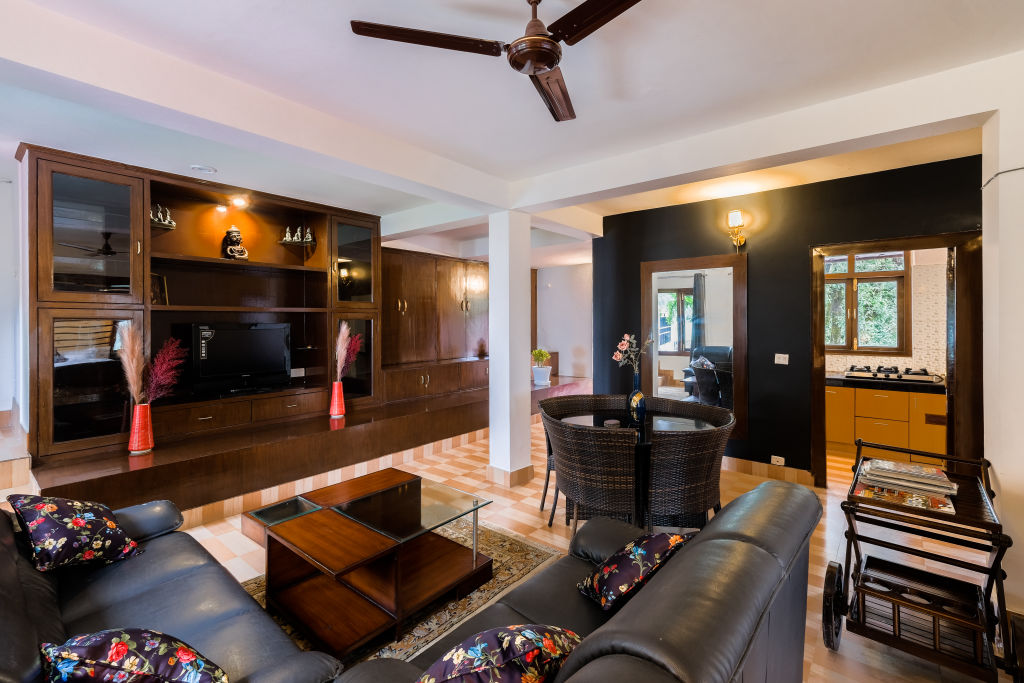
While overnight camping directly on the exposed ridge of Pari Tibba is not typical due to unpredictable mountain weather and lightning hazards, there are plenty of lodging options in the surrounding valleys. The quiet lanes of Landour and the ridge lines of Mussoorie provide convenient bases within easy striking distance of the trailhead.
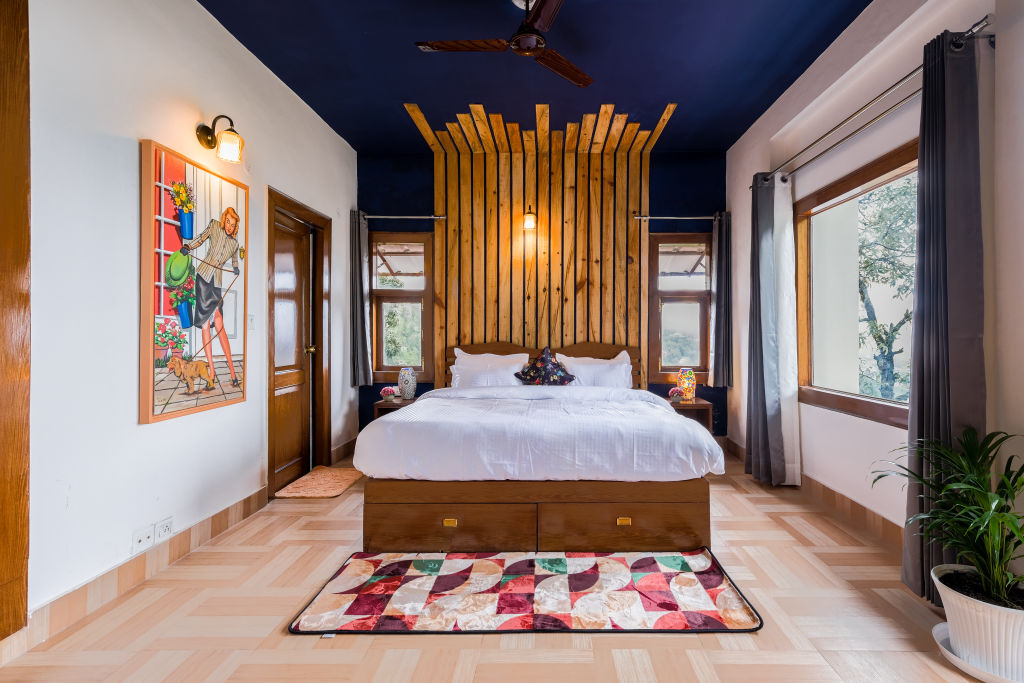
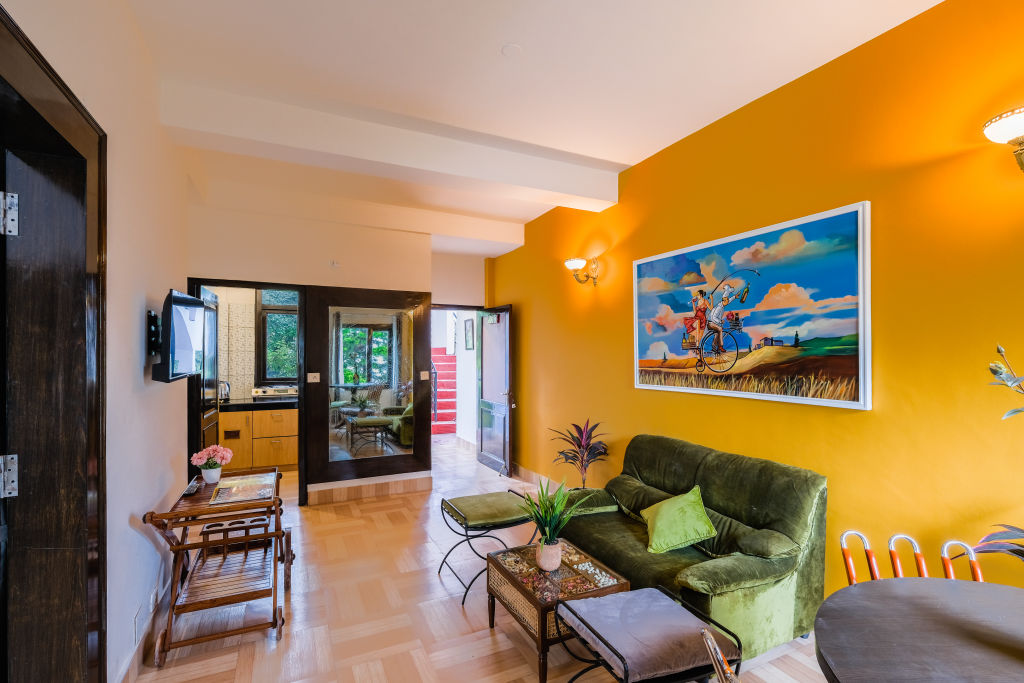
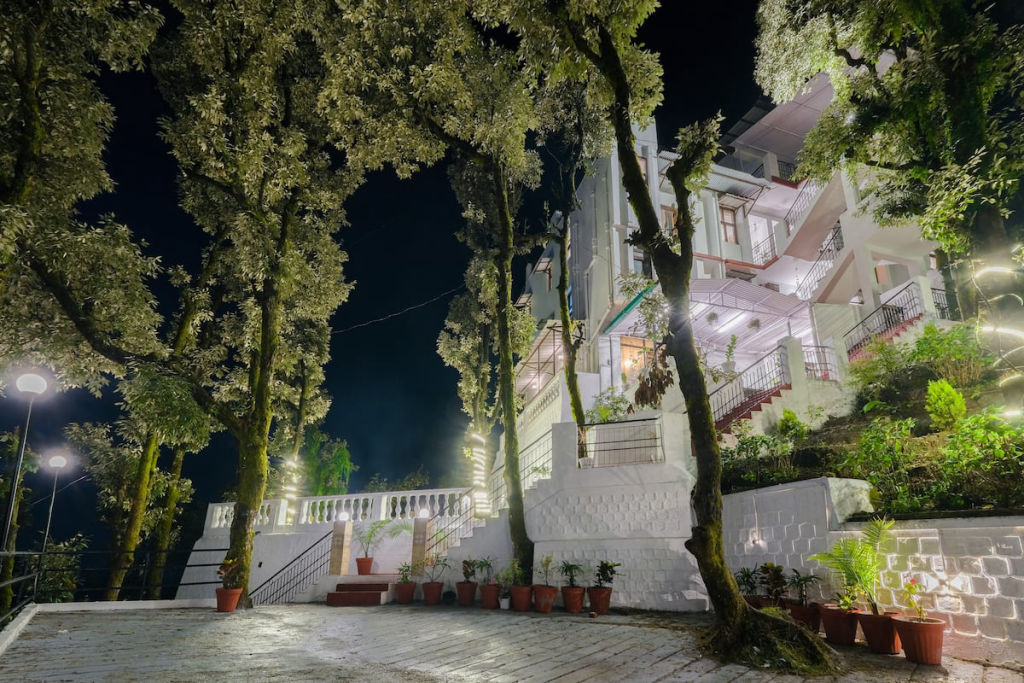
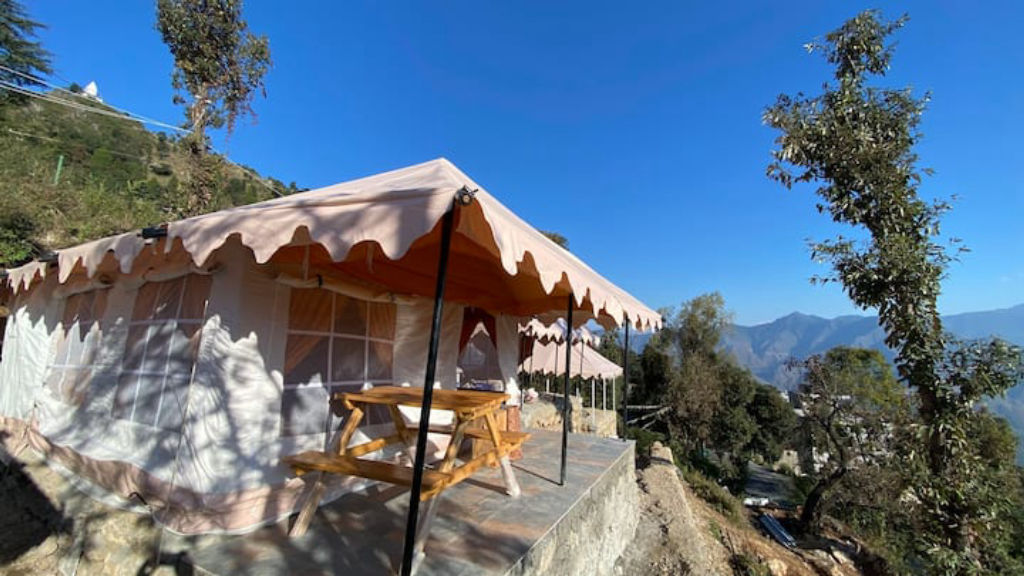
Travellers looking for authentic outdoor retreats, peaceful hillside homestays, and rustic camps can find curated accommodations on HireACamp. Staying in nearby village homestays or nature-focused properties allows you to enjoy warm mountain hospitality, local Garhwali meals, and convenient morning access to the hiking trails around Pari Tibba.
Frequently asked questions
How long is the hike to Pari Tibba?
The walk to Pari Tibba generally takes between one and two hours each way depending on your starting point in Landour and your walking pace. Most visitors plan a half-day excursion to allow time for resting on the ridge and taking photos.
Is the trail to Pari Tibba suitable for beginners?
Yes, the trek to Pari Tibba is of easy to moderate difficulty and is suitable for beginners and families with older children who are comfortable walking on uneven mountain tracks. Sturdy footwear is recommended to navigate loose dirt and gravel.
Why is Pari Tibba called the Hill of the Fairies?
The peak earned its name from old local folklore that spoke of fairies and spirits residing along the ridge. The hill's mystical atmosphere is amplified by its frequent lightning strikes, dense woodlands, and shifting mountain mists.
Are there food and water stalls at Pari Tibba?
No, there are no shops, cafes, or water sources on Pari Tibba. You should carry sufficient drinking water, snacks, and any personal essentials with you from Landour or Mussoorie.
Is it safe to visit Pari Tibba during the monsoon?
Visiting Pari Tibba during active monsoon rains is not recommended. The peak is well known for frequent lightning strikes during thunderstorms, and the dirt forest trails become slick and difficult to navigate.
Where you'll be
Uttarakhand · 12 stays nearby shown with prices
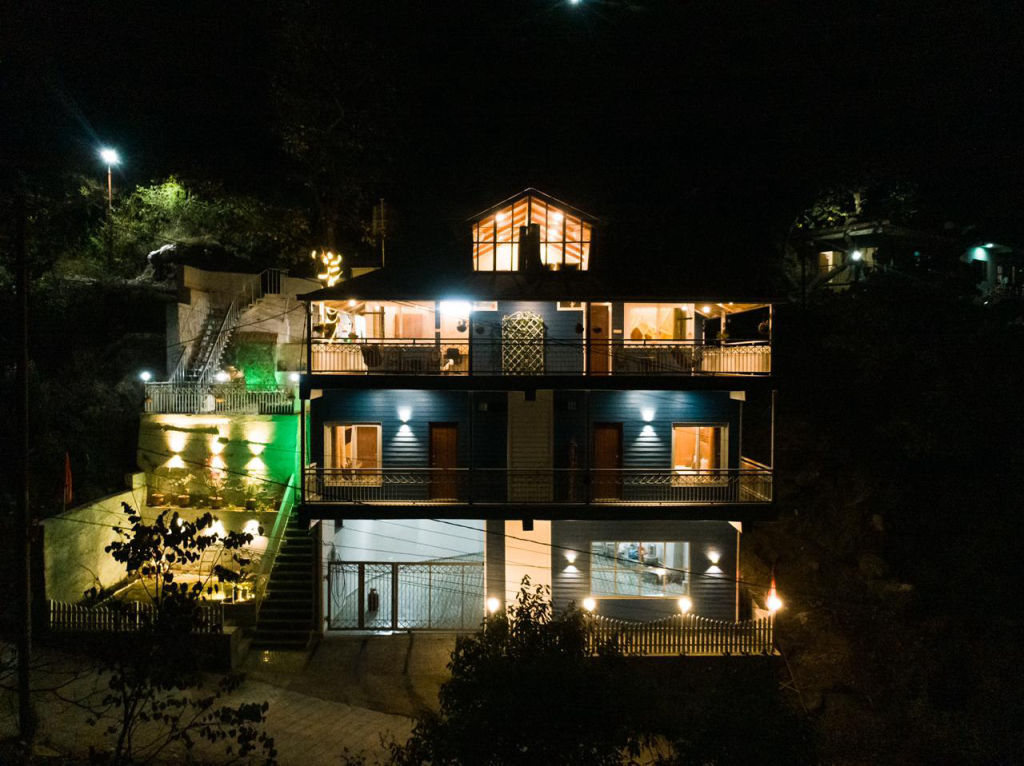
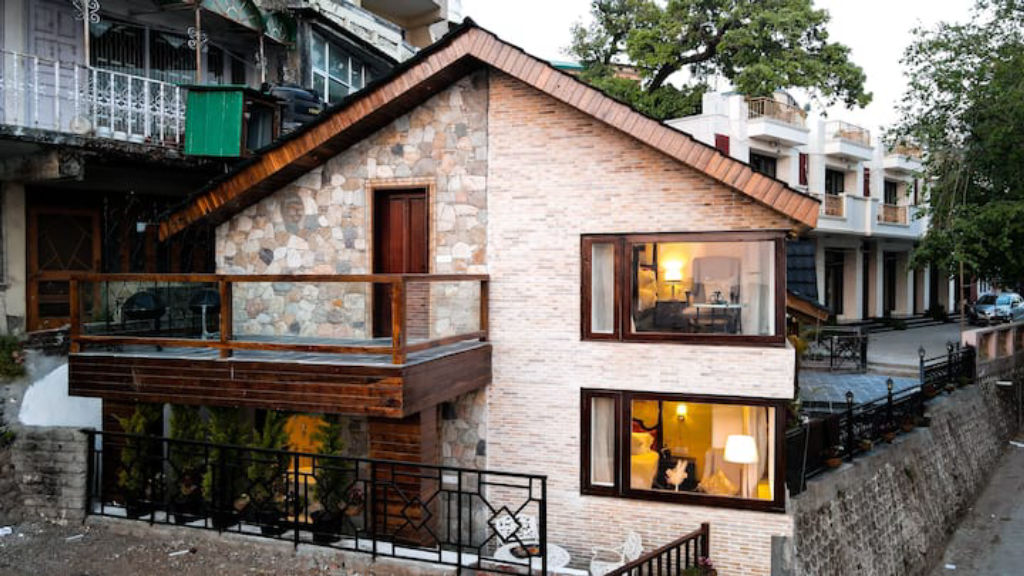
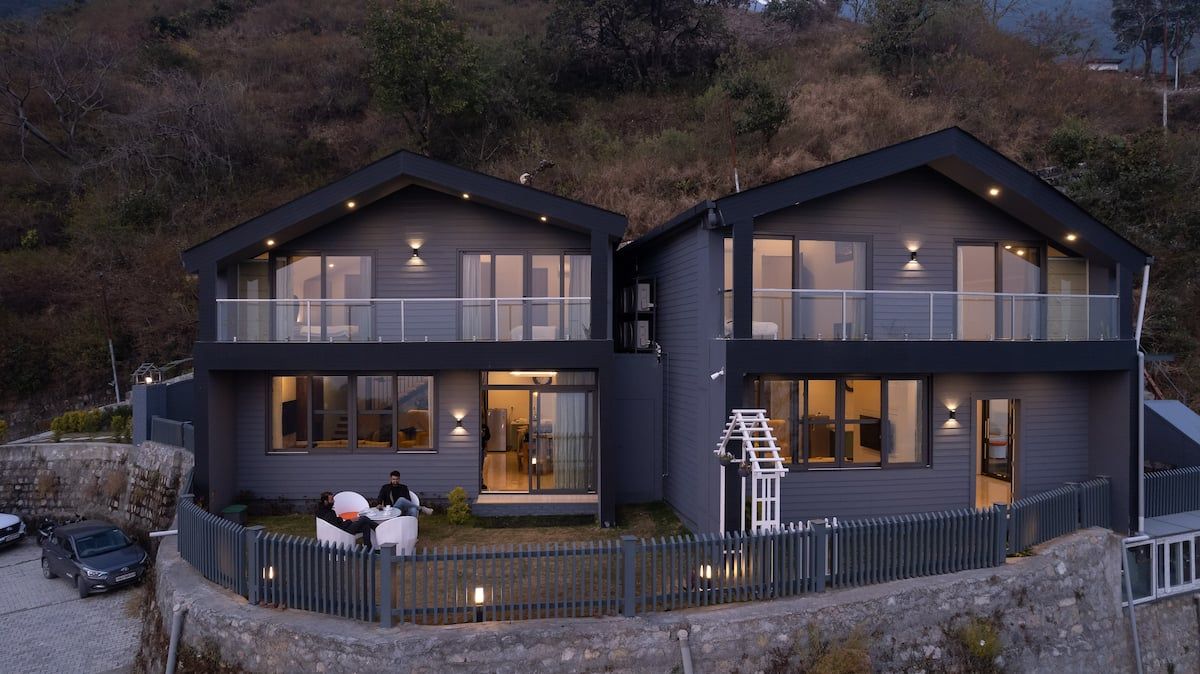
Stays near Pari Tibba
Book a place to stay close by
More places near Pari Tibba
Within 20 km


Lists for this area
Ranked by how many creators recommend each place


Built from 0 Instagram posts by 0 creators. Every tip links back to the post it came from, and where creators disagree we show both sides.






