
Parvati River
Riverside spot near Kasol, Himachal Pradesh
600 m from Kasol
The nearest town, for stays, food and fuel.
The Parvati River flows through steep, pine-carpeted mountain valleys in the Kullu district of Himachal Pradesh. Originating high up in the Himalayas from the Man Talai Glacier, its glacial currents carve through dramatic alpine gorges before meeting the Beas River at Bhuntar. Travellers visit its banks to experience quiet nature walks, cool mountain air, and the scenic trails that branch out into the surrounding ranges.
Getting there
By road
- From KasolNearest town2 min · 600 m
- From Chandigarh5 hr 25 min · 248 km
- From Ludhiana5 hr 55 min · 278 km
- From Amritsar7 hr 55 min · 389 km
Typical drive times without traffic. Stations and airports from OLA Maps; distances and typical drive times from OpenStreetMap (© OpenStreetMap contributors); notes from creators' Reels.
About Parvati River
Written with AI from map data and general knowledge. Check prices and timings locally before you go.
The Landscape and Course of the Parvati River
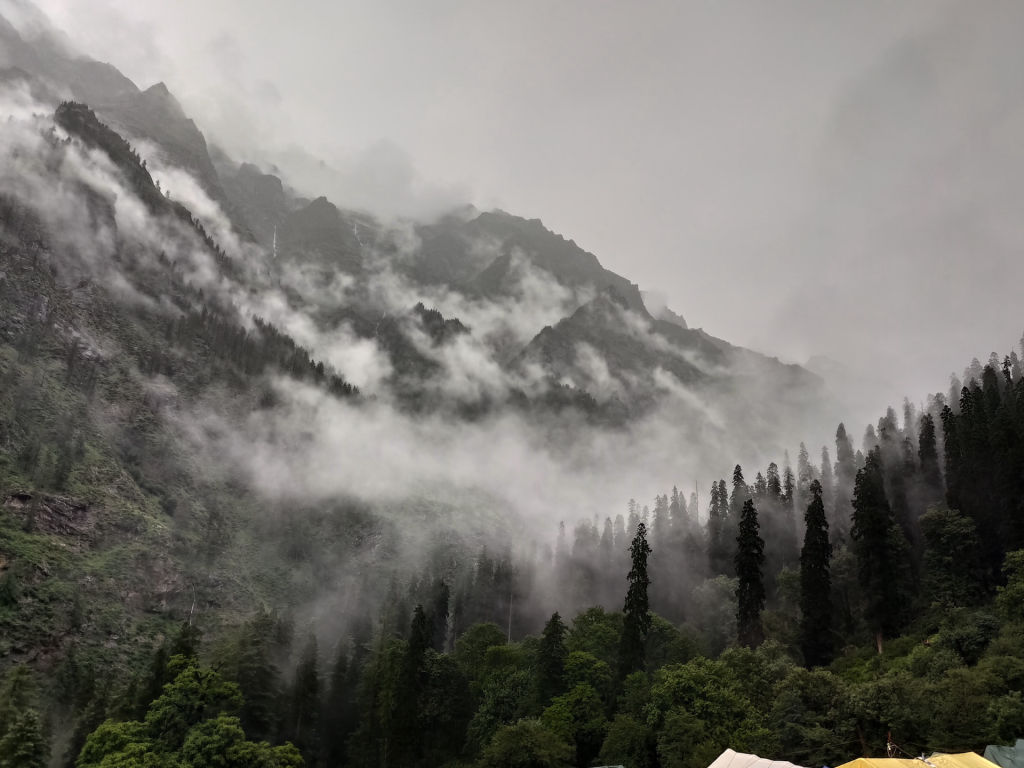
The Parvati River is an alpine waterway that defines the topography and daily life of the Parvati Valley in Kullu, Himachal Pradesh. Rising from the high-altitude Man Talai Glacier near the Pin Parvati Pass, the river descends rapidly through narrow granite gorges, boulder-strewn beds, and dense tracts of deodar and Himalayan pine.
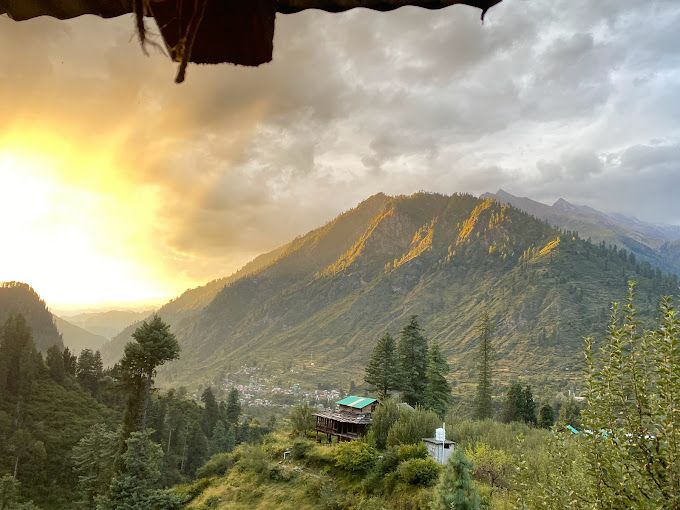
As the water cascades westward, it drops sharply over rocks, creating strong white-water rapids and turquoise pools. The surrounding mountains rise steeply on either side, cloaked in terraced farms, apple orchards, and evergreen forests. Along the lower and middle stretches of the river, footbridges and narrow walking trails connect isolated settlements, offering travellers direct views of the Himalayan terrain.
Things to Do along the Parvati River
Spending time along the banks of the Parvati River is focused primarily on low-impact outdoor recreation. Many visitors spend hours walking along the marked river paths, sitting on flat, dry boulders well above the waterline, and listening to the continuous roar of glacial meltwater. The cool river breeze and the shade of cedar trees make it an ideal setting for reading, drawing, and photography.
The riverbanks also serve as resting points between hikes to surrounding villages and viewpoints. Birdwatchers can spot high-altitude species foraging near the water margins and in the adjacent forest canopy. Because the river is fast and treacherous, activities here are centered on appreciating the water from stable ground rather than engaging in water-based sports.
Read more
Best Time to Visit the Parvati River
The atmosphere along the river varies considerably across the seasons, making timing an important part of trip planning. The spring and summer months, running from April to June, provide the most comfortable weather. Daytime temperatures remain pleasant, alpine trails are free of snow, and the valley is green and vibrant.
Autumn, from September to November, brings crisp mountain air, clear skies, and changing foliage colors across the valley floor. Water levels generally recede following the summer rains, leaving the river looking remarkably clear against the pale rocks.
The monsoon months of July and August present serious risks. Heavy rainfall can cause sudden flash floods, water surges, and landslides along mountain roads, making visits to the riverbank hazardous. Winter, from December to February, brings bitter cold and occasional snowfall to the valley slopes, quieting the area and drawing those prepared for sub-zero night temperatures.
Safety and River Etiquette
The Parvati River is known for its strong undercurrents and steep drop-offs. Because the water is fed directly by high-altitude snowfields and glaciers, it remains near freezing throughout the year, which can induce sudden cold shock. Visitors must never attempt to swim, wade across, or venture onto wet, slippery rocks close to the torrent. Water levels can rise without warning due to rainfall or upstream dam operations.
Preserving the natural environment of the river corridor is essential. The increase in tourism makes responsible waste habits critical. Travellers should pack out all plastic, wrappers, and non-biodegradable waste to designated municipal drop-off points. Lighting campfires on unprotected forest ground or leaving litter along gravel banks disturbs local wildlife and harms the downstream water quality used by resident communities.
Places to Explore around the Parvati Valley
The landscape surrounding the Parvati River is dotted with traditional hamlets and famous hiking routes. Further up the valley sits the village of Pulga, known for its wooden houses and quiet pine woods. Nearby trails also lead up to Kheerganga, a well-known trekking destination set amid alpine pastures and natural hot springs.
Travellers interested in wider regional exploration can venture toward the Great Himalayan National Park, which protects ancient subalpine forests and rare Himalayan fauna. Over the ridge in the neighbouring Sainj Valley lies the village of Shangarh, celebrated for its expansive open meadow and the traditional wood-and-stone Shangchul Mahadev Temple. Exploring these surrounding points provides a fuller picture of Kullu's mountain geography and architecture.
How to Reach the Parvati River
Reaching the Parvati River involves travelling into the Kullu region of Himachal Pradesh. The nearest airport is Kullu-Manali Airport at Bhuntar, situated right near the confluence where the Parvati flows into the Beas River. From Bhuntar, local buses and private taxis run eastward up the winding valley road that follows the river course.
Travellers travelling by road from cities such as Chandigarh or New Delhi commonly board overnight buses toward Bhuntar or Kullu, transfer to local transportation, and continue into the valley. Road conditions can vary depending on weather and ongoing maintenance, so leaving extra buffer time for your journey is always sensible.
Where to Stay near the Parvati River
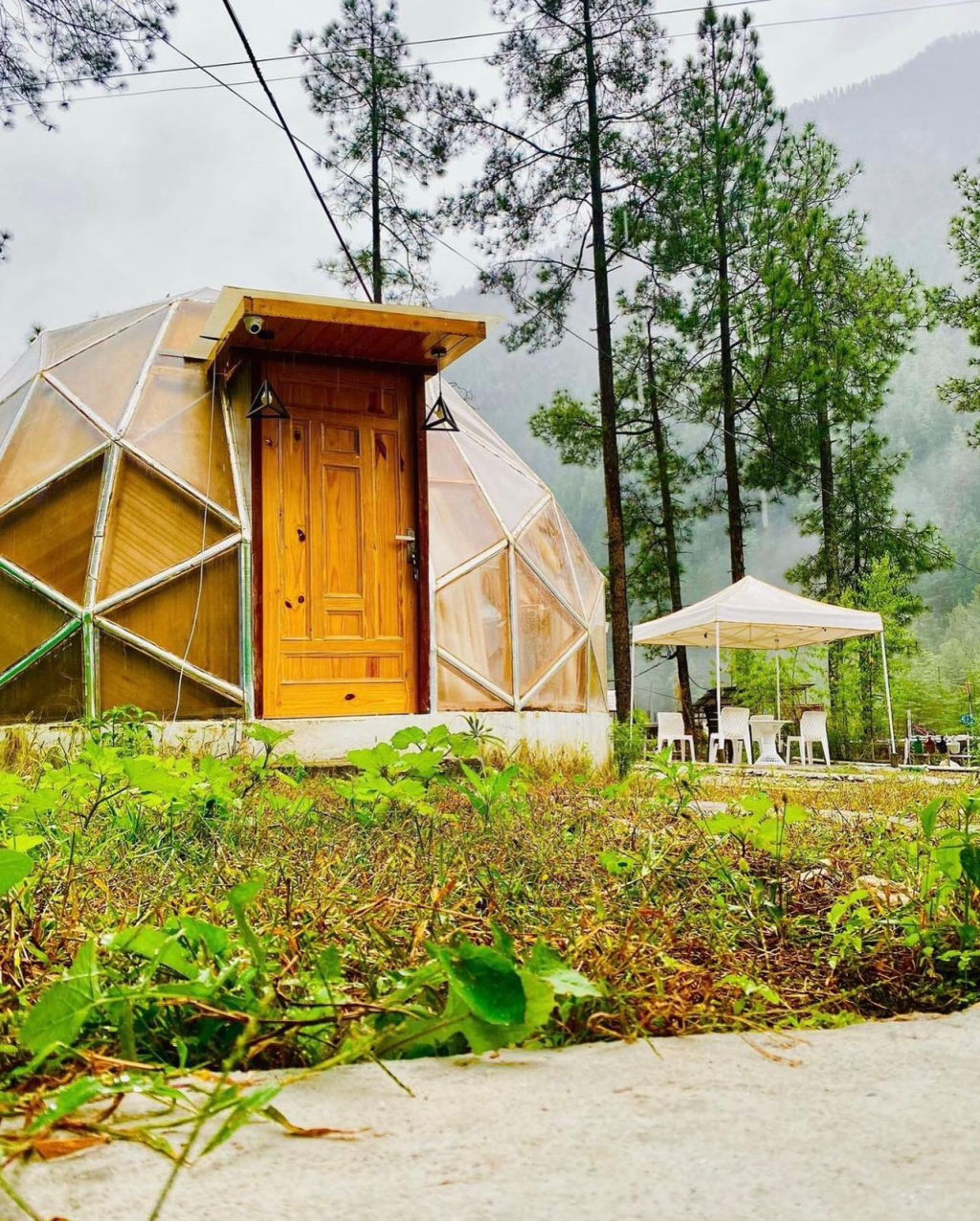
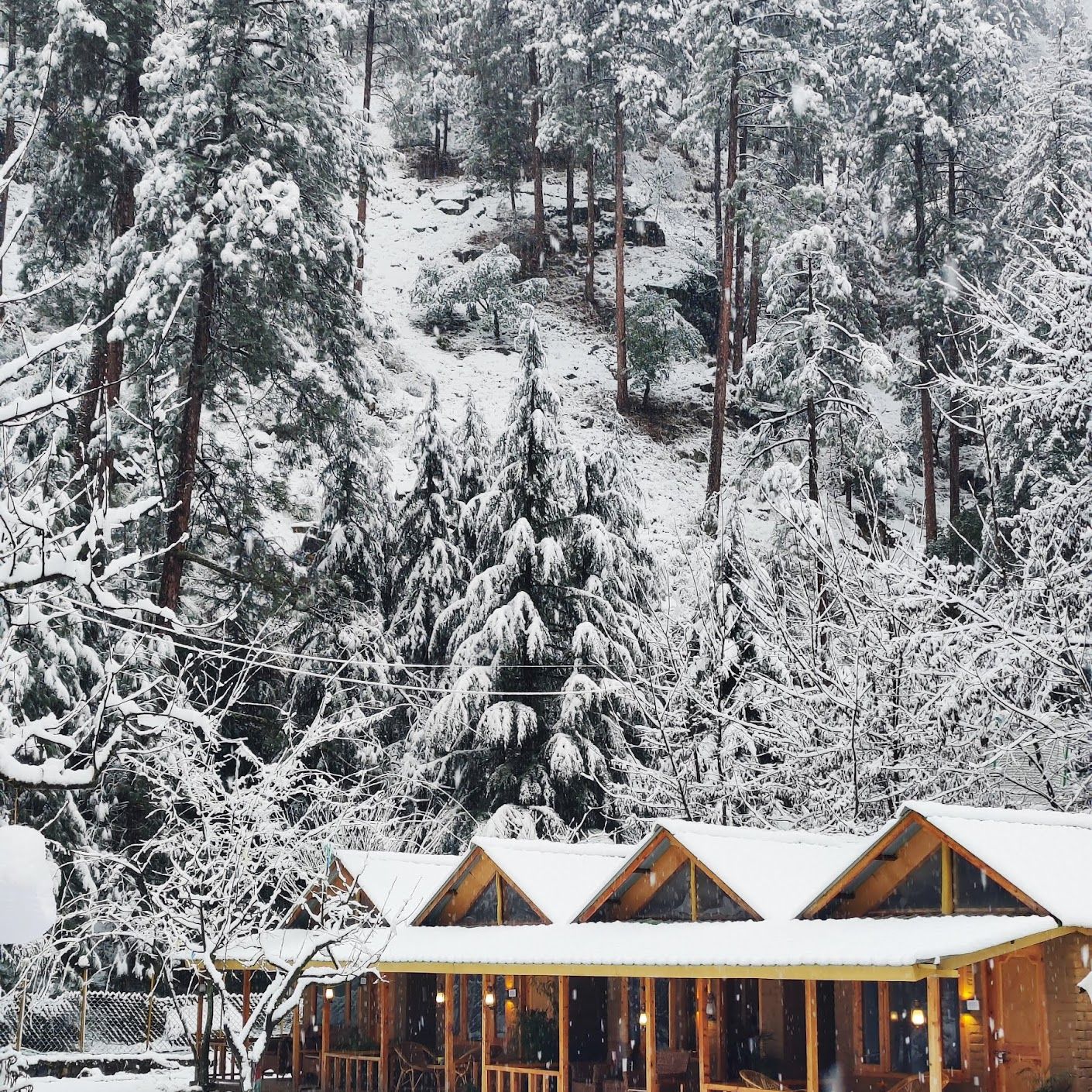
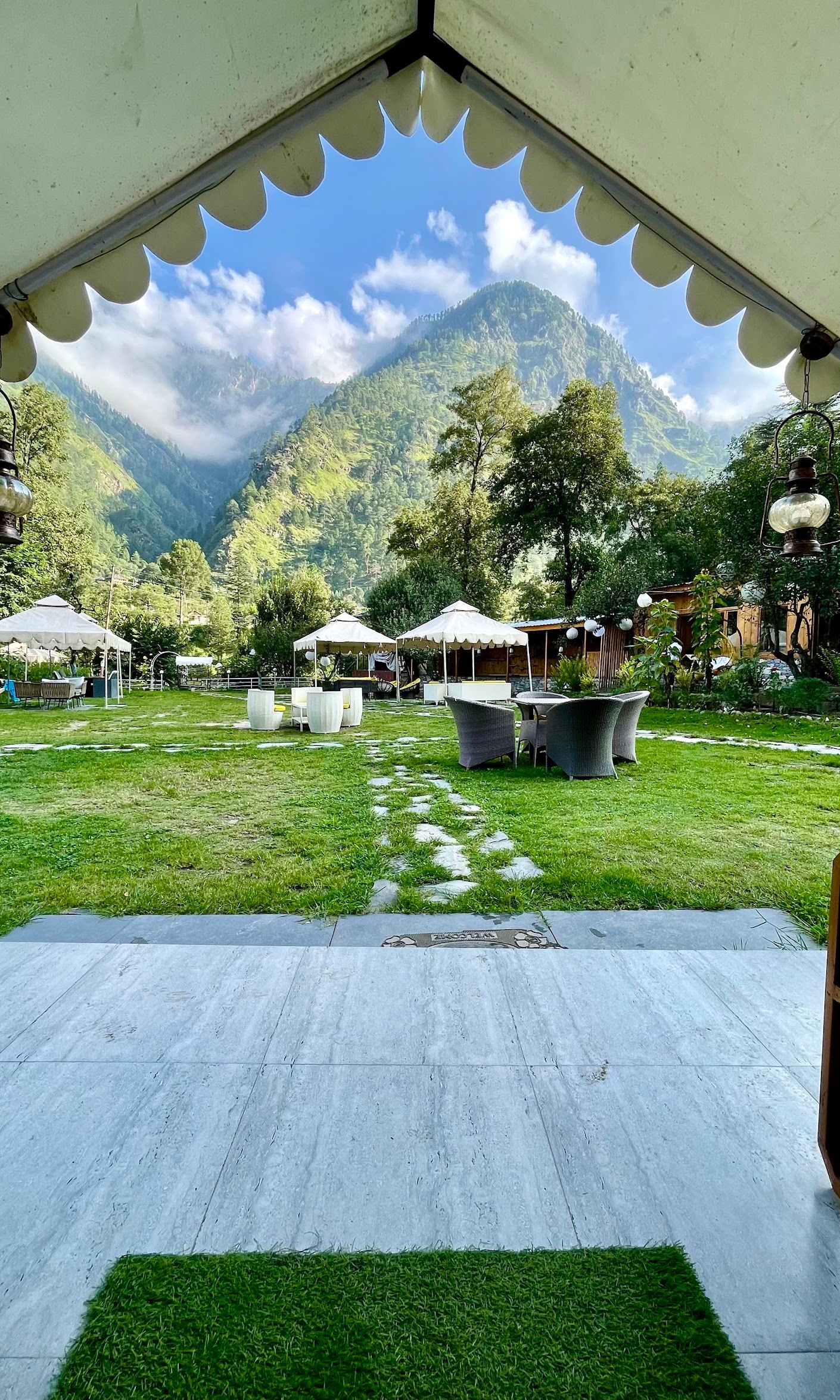
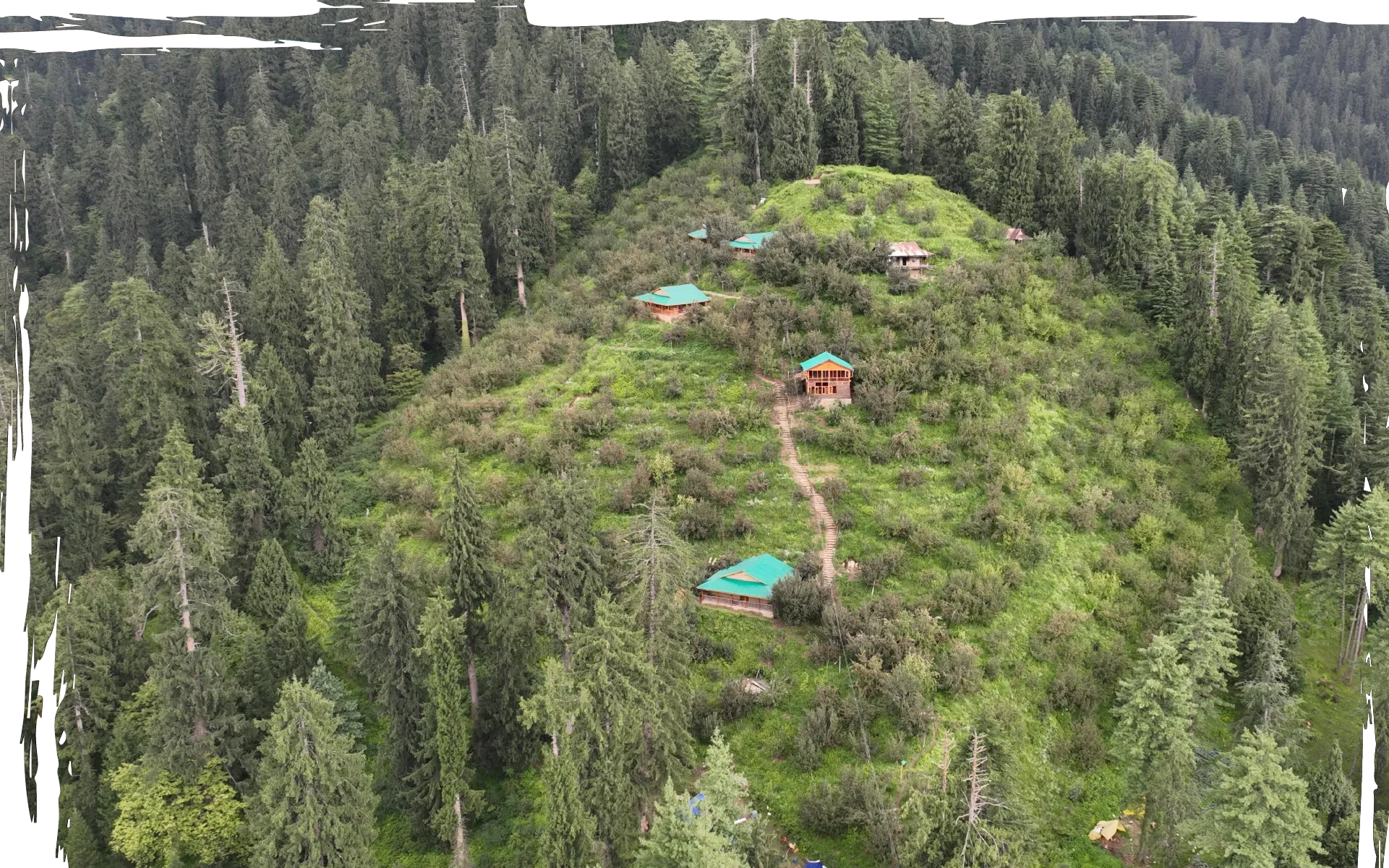
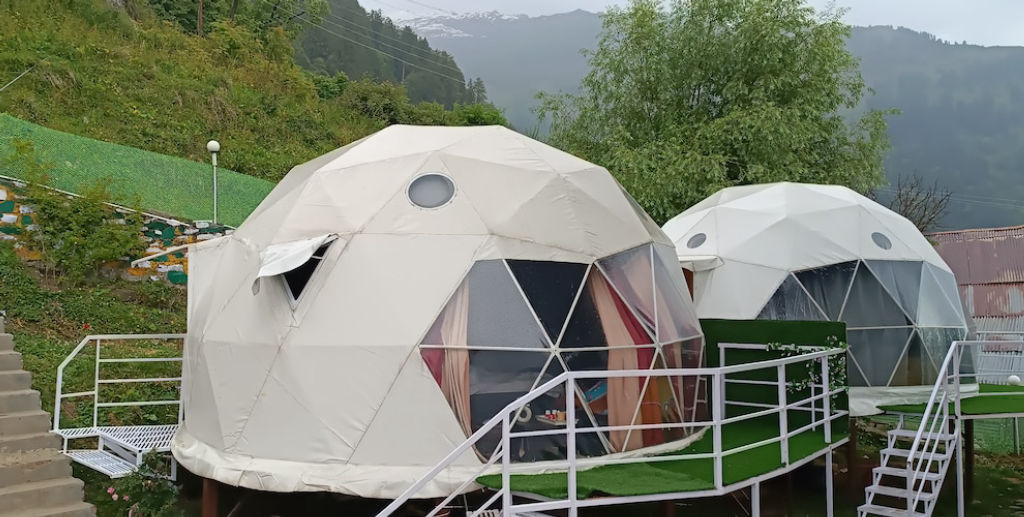
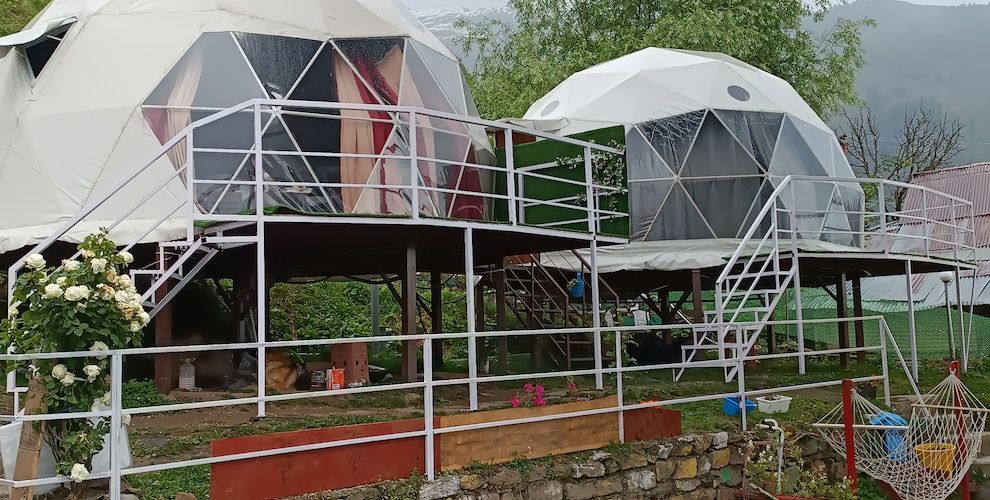
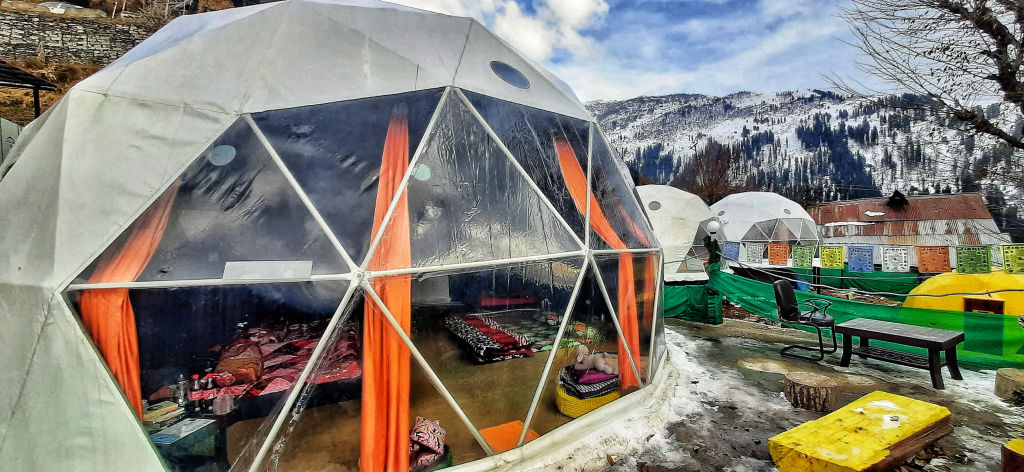
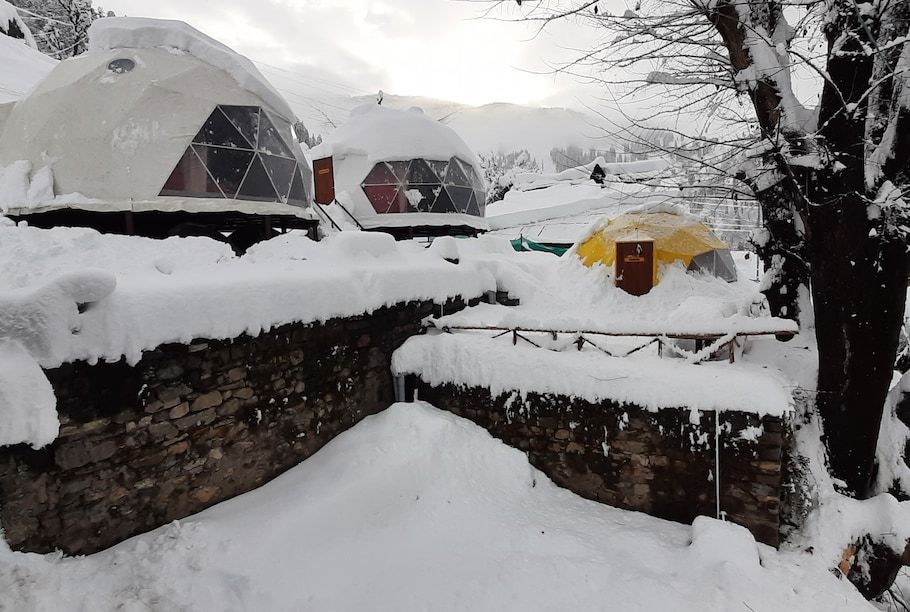
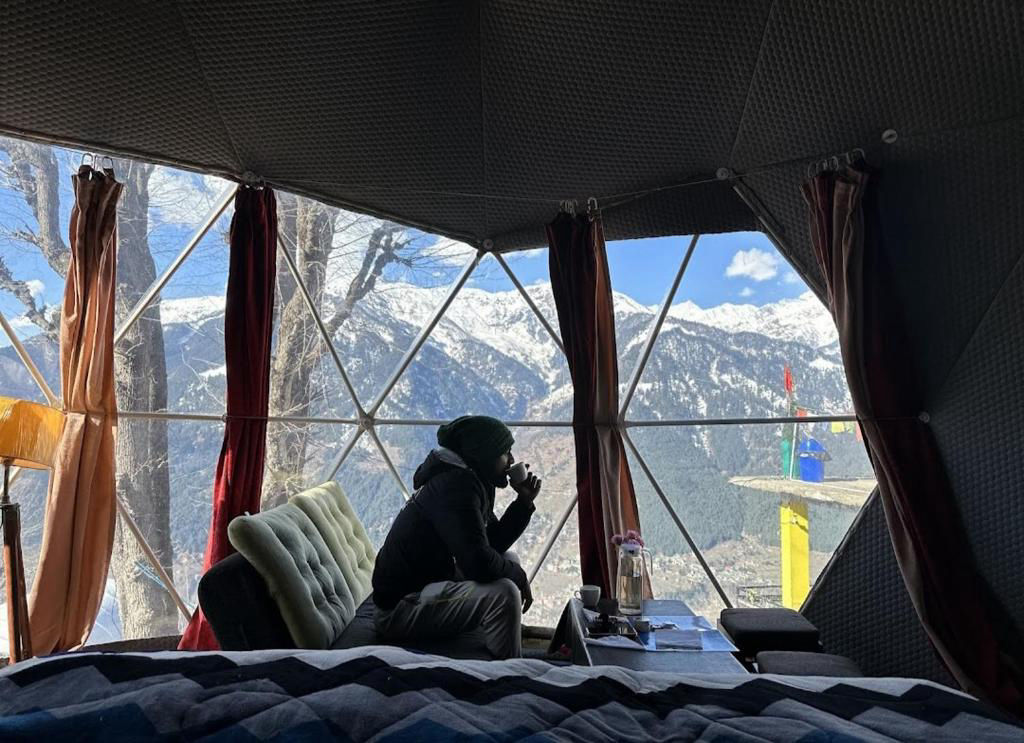
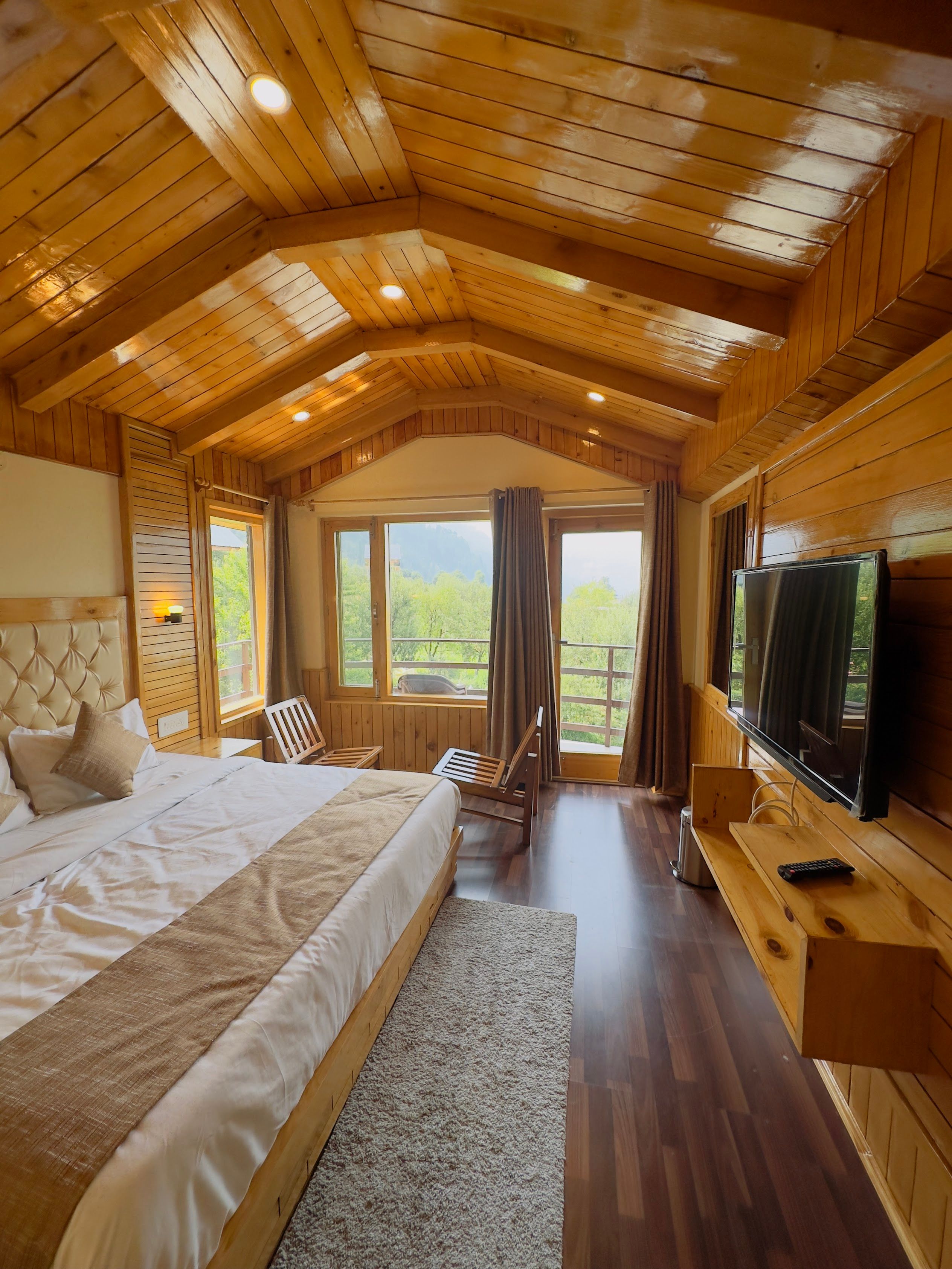
Accommodation options along the Parvati River cater to outdoor lovers seeking a quiet natural setting. Traditional homestays located in nearby hillside villages offer an authentic glimpse into local life, featuring wood-lined rooms and home-cooked meals.
Designated outdoor campsites set safely back from the riverbed provide opportunities to sleep under the stars within hearing distance of the rapids. You can browse and book verified homestays, cottages, and riverside camping options throughout the valley on HireACamp. Arranging your stay well in advance is recommended during peak summer holidays and long weekends.
Frequently asked questions
Can you swim in the Parvati River?
No, swimming in the Parvati River is extremely dangerous. The water has violent undercurrents, submerged rocks, and near-freezing temperatures that can incapacitate even experienced swimmers.
What is the nearest airport to the Parvati River?
The nearest airport is Kullu-Manali Airport at Bhuntar, located near the confluence of the Parvati and Beas rivers.
Is it safe to visit the Parvati River during the monsoon season?
Visiting during the monsoon months of July and August is generally discouraged due to unpredictable flash floods, swelling river levels, and frequent landslides along valley roads.
Where can I book stays near the Parvati River?
You can find and book verified homestays, cottages, and managed campsites situated across the valley on HireACamp.
Where you'll be
Kullu Sub-District · 12 stays nearby shown with prices
Stays near Parvati River
Book a place to stay close by
More places near Parvati River
Within 20 km


Built from 0 Instagram posts by 0 creators. Every tip links back to the post it came from, and where creators disagree we show both sides.






