
Perunthenaruvi Waterfalls
Waterfall near Rani, Kerala
7.3 km from Rani
The nearest town, for stays, food and fuel.
Perunthenaruvi Waterfalls is a wide, natural cascade formed along the Pamba River near Ranni in central Kerala. Flowing over a broad bed of granite rock into a dramatic ravine, the waterfall is renowned for its roaring sheets of water and lush forest setting. Travellers visit to experience the scenic beauty of the Pathanamthitta foothills and enjoy an unhurried day close to nature.
Getting there
By road
- From RaniNearest town27 min · 12 km
- From Kochi2 hr 55 min · 120 km
- From Thiruvananthapuram3 hr 40 min · 147 km
- From Madurai4 hr 35 min · 216 km
Typical drive times without traffic. Stations and airports from OLA Maps; distances and typical drive times from OpenStreetMap (© OpenStreetMap contributors); notes from creators' Reels.
About Perunthenaruvi Waterfalls
Written with AI from map data and general knowledge. Check prices and timings locally before you go.
About Perunthenaruvi Waterfalls
Perunthenaruvi Waterfalls derives its name from two Malayalam words: perunthen, meaning great honey, and aruvi, meaning stream or waterfall. Historically, the dense tree canopy and rocky ledges framing the gorge were known to house large natural beehives, inspiring the poetic name that endures today. Fed by the waters of the sacred Pamba River, the falls tumble down a series of stepped granite shelves into a deep natural basin before meandering through the lowlands of Pathanamthitta district.
Unlike narrow, vertical plunges, Perunthenaruvi is distinguished by its expansive width. When the river runs high, the water spreads across a broad expanse of rock, creating a curtain of cascading torrents that converge with impressive force. The surrounding landscape consists of thick tropical greenery, rubber plantations, and rolling hillocks characteristic of the Western Ghats foothills, providing a peaceful and scenic backdrop for travellers.
Best time to visit Perunthenaruvi Waterfalls
The appearance and intensity of Perunthenaruvi Waterfalls change dramatically across the seasons, shaped by Kerala's monsoonal rhythm. The most rewarding months to visit are from September to January, following the heavy downpours of the southwest monsoon. During this post-monsoon period, the river retains a healthy, photogenic volume, the surrounding forests and plantations are lush green, and the regional weather is comfortable for outdoor walking.
During the peak monsoon months of June through August, the waterfall transforms into a thundering, muddy surge. While the sheer scale of the water is remarkable, continuous heavy rainfall can make pathways slippery and dangerous, and local authorities may restrict access to the riverbank during spates. By late February and throughout the summer months of March to May, the water flow diminishes significantly, exposing dry rock faces. For the most balanced experience of pleasant weather and cascading water, the post-monsoon window remains the ideal time to travel.
Read more
How to reach Perunthenaruvi Waterfalls
Perunthenaruvi is located along the Perumthenaruvi Hilltop Road in the Vechoochira area near Ranni. The site is easily accessible by road from major towns across central and south Kerala. If driving or hiring a taxi, travellers can route their journey via Ranni, Pathanamthitta town, or Erumely. State-run public buses frequently connect Ranni and Pathanamthitta with Vechoochira, from where local auto-rickshaws can be hired to cover the remaining distance to the waterfall entrance.
Travellers using the railway network will find the nearest major railheads at Thiruvalla and Chengannur. Both stations are well linked to major Indian cities and lie roughly one to one-and-a-half hours away by road depending on local traffic. For air travel, Cochin International Airport and Trivandrum International Airport serve as the primary gateways, each situated roughly three to four hours away by road. Hiring a private cab from either airport offers a smooth and scenic drive through the rubber-clad hill country.
What to see and do at the falls
The main attraction at Perunthenaruvi is taking in the sights and sounds of the cascading Pamba River against the rugged stone bed. Designated viewing paths and vantage points along the riverbank allow visitors to observe the falls from various angles. Photography enthusiasts will find plenty of compositions, especially during morning or late-afternoon light when mist rises from the frothing base of the falls.
Walking along the accessible sections of the bank lets you observe the weathered rock shelves carved by millennia of moving water. The peaceful rhythm of rushing water and birdsong makes it an appealing spot to sit, unwind, and enjoy a quiet picnic. However, visitors must exercise caution around the water. The rock surfaces can be deceptively slick, and the undertow near the base of the cascade is strong. Visiting Perunthenaruvi is primarily an exercise in appreciating raw river scenery in a relatively quiet rural setting.
Places to visit around Perunthenaruvi
A trip to Perunthenaruvi Waterfalls can easily be expanded into a broader exploration of the Pathanamthitta and Kottayam countryside. Roughly seventeen kilometres away is Panchalimedu, a breezy hilltop offering wide panoramic vistas, cool mountain air, and grassy slopes steeped in local lore. Nearby vantage points such as Paruthinpara and Nagappara offer additional elevated views over the surrounding hills and valleys.
For those interested in forests and wildlife, the Konni Forest Reserve sits approximately nineteen kilometres south. Konni is renowned for its expansive forest corridors along the Achankovil River and its long-standing elephant camp, making it a popular excursion. Cultural and architectural landmarks are also plentiful throughout the region. Travellers can explore centuries-old places of worship such as the Valliyamkavu Devi Temple, Chirakkadavu Mahadeva Temple, Cheruvally Devi Temple, and St. Dominic's Cathedral, or travel slightly farther along the mountain highway to view Valanjamkanam Waterfall.
Tips for your visit
Safety is essential when visiting Perunthenaruvi Waterfalls. The granite rocks near the water are coated with fine algae and can be exceptionally slippery, so wearing sturdy shoes with reliable traction is strongly advised. Visitors should strictly avoid stepping past protective fences or wading into deep or fast-moving sections of the river, as currents can be powerful and water levels can change without warning.
Facilities immediately surrounding the waterfall site are basic, so it is recommended to carry adequate drinking water and light refreshments. To protect the river ecosystem, be sure to carry all litter and plastic waste back with you. Visiting earlier in the day helps avoid the midday heat and guarantees a quieter experience before daytime sightseers arrive. Always check local weather reports during rainy months before setting out.
Where to stay near Perunthenaruvi
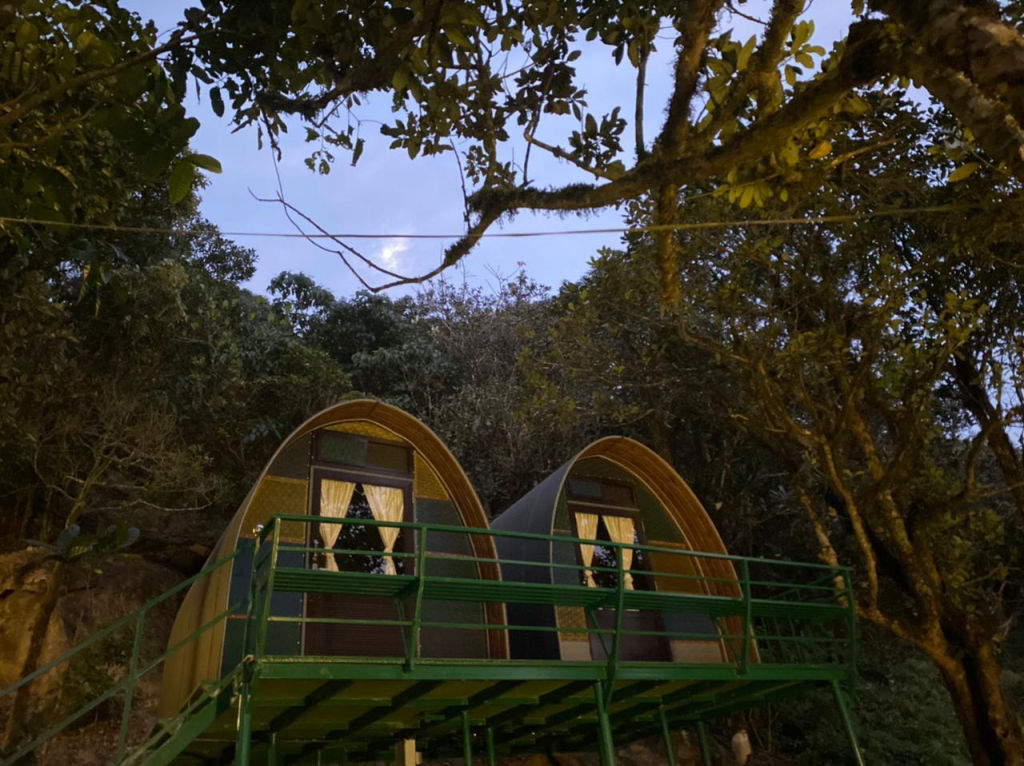
Travellers seeking accommodation near Perunthenaruvi Waterfalls have several appealing options spread across Pathanamthitta district and the nearby foothill towns. The area around Ranni, Vechoochira, and Konni offers a selection of peaceful homestays, plantation stays, and rural retreats immersed in greenery.
If you are searching for experiential stays, authentic Kerala homestays, or outdoor getaways close to nature, you can find and book them on HireACamp. Staying locally allows you to explore the waterfall early in the morning and discover the lesser-known viewpoints, forest reserves, and cultural stops of the surrounding countryside at your own pace.
Frequently asked questions
Where is Perunthenaruvi Waterfalls located?
Perunthenaruvi Waterfalls is located along the Perumthenaruvi Hilltop Road in the Vechoochira area near Ranni, within the Pathanamthitta district of Kerala, India.
When is the best time to visit Perunthenaruvi Waterfalls?
The post-monsoon period from September to January is the best time to visit, as the Pamba River flows with good volume and the weather is pleasant for walking.
Is it safe to swim at Perunthenaruvi Waterfalls?
Swimming is generally unsafe and discouraged due to strong underwater currents, deep rock pools, and extremely slippery granite surfaces around the falls.
What is the nearest railway station to Perunthenaruvi Waterfalls?
Thiruvalla and Chengannur are the nearest major railway stations, both situated roughly an hour to an hour and a half away by road.
What attractions can be visited near Perunthenaruvi Waterfalls?
Nearby attractions include the scenic viewpoint of Panchalimedu, the Konni Forest Reserve, Valanjamkanam Waterfall, and several historic temples and churches across the Ranni and Kottayam border areas.
Where you'll be
Perumthenaruvi Hilltop Rd, Ranni · 3 stays nearby shown with prices
Stays near Perunthenaruvi Waterfalls
Book a place to stay close by


More places near Perunthenaruvi Waterfalls
Within 20 km


Built from 0 Instagram posts by 0 creators. Every tip links back to the post it came from, and where creators disagree we show both sides.






