
Valliyamkavu Devi Temple
Temple near Kuttikkanam, Kerala
6.3 km from Kuttikkanam
The nearest town, for stays, food and fuel.
Valliyamkavu Devi Temple is an ancient forest shrine dedicated to Goddess Durga, nestled in the misty hills of Peerumade in Kerala. Steeped in tribal heritage and surrounded by lush green hills, the temple draws pilgrims seeking quiet contemplation and traditional blessings. Its secluded location in the Western Ghats provides a serene stop for travellers journeying across the high ranges of Idukki.
Getting there
By road
- From KuttikkanamNearest town30 min · 15 km
- From Kochi2 hr 55 min · 126 km
- From Madurai4 hr · 190 km
- From Thiruvananthapuram4 hr 5 min · 161 km
Typical drive times without traffic. Stations and airports from OLA Maps; distances and typical drive times from OpenStreetMap (© OpenStreetMap contributors); notes from creators' Reels.
About Valliyamkavu Devi Temple
Written with AI from map data and general knowledge. Check prices and timings locally before you go.
About Valliyamkavu Devi Temple
Valliyamkavu Devi Temple is situated in the forested high ranges near Peerumade in the Idukki district of Kerala. Dedicated to Goddess Durga in her fierce yet benevolent form, the temple is regarded as one of the most prominent forest shrines in the region. Historically, it served as the family deity shrine for the Vanchipuzha Royal Dynasty, while also retaining deep, ancient roots with the local indigenous communities who originally worshipped here.
The setting of the temple is distinctly serene, tucked away amidst rolling plantations, dense evergreen canopy, and cool mountain streams. Unlike crowded urban temples, Valliyamkavu retains an earthy, sacred atmosphere that reflects the timeless traditions of forest worship. Pilgrims visit throughout the year to offer prayers for prosperity and protection, drawn by the profound sense of stillness that envelops the temple complex.
Spiritual Traditions and Heritage
The origins of Valliyamkavu Devi Temple are closely entwined with the folklore and indigenous heritage of the Western Ghats. Legend holds that the presiding deity was worshipped by forest-dwelling tribes long before formal structures were constructed. This blend of classical temple rituals and indigenous tribal customs is still subtly mirrored in the annual festivities and temple practices observed here.
The temple compound follows traditional Kerala architectural styles, using local stone, timber rafters, and sloping clay-tiled roofs designed to endure heavy mountain monsoons. The sanctum sanctorum radiates an aura of quiet reverence, especially during morning and evening pooja hours when brass lamps are lit and temple drums resonate through the forest air.
Read more
Best Time to Visit
The hill region around Peerumade experiences a refreshing and cool climate through most of the year, making any season viable depending on your travel preferences. The post-monsoon and winter months, spanning from October to March, offer the most comfortable weather for travel. During this time, the days are bright and crisp, while evenings turn distinctly cool, making temple visits and walks around the surrounding tea gardens especially pleasant.
The southwest monsoon, from June to September, transforms the surrounding landscapes into a vivid green wonderland filled with rolling mists and flowing streams. While the downpours can be intense and require careful driving along winding hill routes, visiting the temple during the rains offers an atmospheric and mystical experience. Summers from March to May remain relatively moderate compared to the lowlands of Kerala, providing a cool hill retreat.
How to Reach Valliyamkavu Devi Temple
Valliyamkavu Devi Temple is accessible via the Kottayam-Kumily road (NH 183), which connects the plains of central Kerala to the mountain passes of Idukki. From nearby towns such as Peerumade and Kuttikkanam, local roads lead through plantation estates directly toward the temple. Driving by car or riding a motorcycle is one of the best ways to reach the shrine, as the route passes through picturesque tea plantations, pinewoods, and mountain curves.
The nearest major railway station is at Kottayam, which offers connectivity to major cities across India. From Kottayam, visitors can hire private taxis or take state transport buses heading toward Kumily or Kattappana and alight at Peerumade or nearby junctions. The nearest air gateway is Cochin International Airport, located roughly a few hours away by road, from where scenic hill routes lead up into the district.
Tips for Your Visit
Like many traditional sacred sites in Kerala, Valliyamkavu Devi Temple observes customary guidelines regarding dress and conduct. Visitors are expected to wear modest, traditional attire such as mundus, sarees, or salwar kameez. It is standard practice to remove footwear outside the temple boundaries before entering the main courtyard.
Photography is generally restricted within the inner sanctum, so always observe signboards and check with temple authorities before taking pictures or recording videos. Because mountain weather can change suddenly, carrying a light shawl or an umbrella is always recommended. Visiting during the early morning hours allows you to experience the temple rituals at their most tranquil before afternoon heat or travel fatigue sets in.
Places to Visit Nearby
A trip to Valliyamkavu Devi Temple can easily be paired with explorations of the surrounding hill country. Vagamon, known for its sprawling Pine Valley, rolling green meadows, and paragliding hills, sits just a short drive away and makes for a delightful outdoor excursion. Trekkers can also explore prominent natural landmarks such as Illikkal Kallu and the viewpoints of Nagappara for sweeping vistas of the surrounding valleys.
Water lovers will appreciate scenic stops like Elappally Waterfall and Aruvikkuzhy Waterfalls, both of which cascade vigorously during and immediately after the monsoon season. For wider sightseeing, the tranquil expanse of the Idukki Reservoir and the high panoramic vistas from Nadukani Viewpoint offer magnificent opportunities to admire the raw topography of the Western Ghats.
Where to Stay
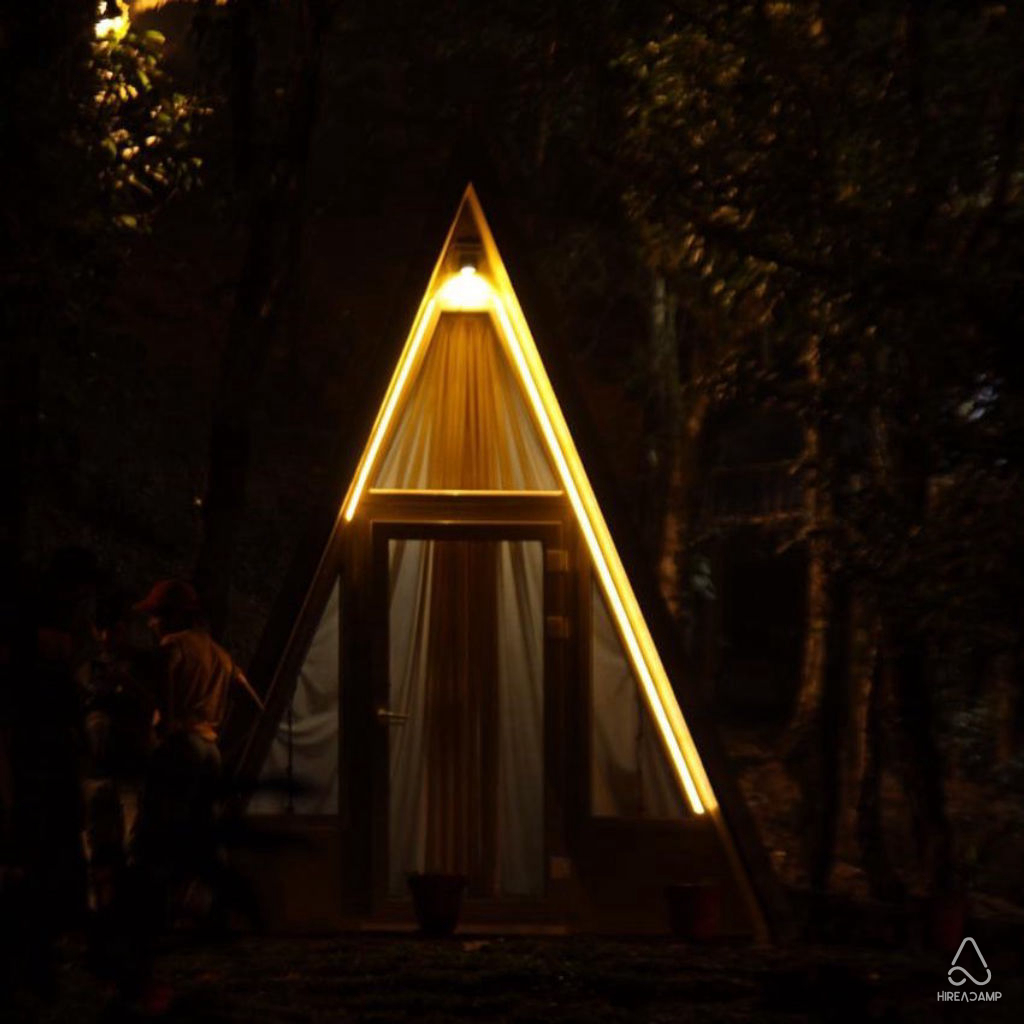
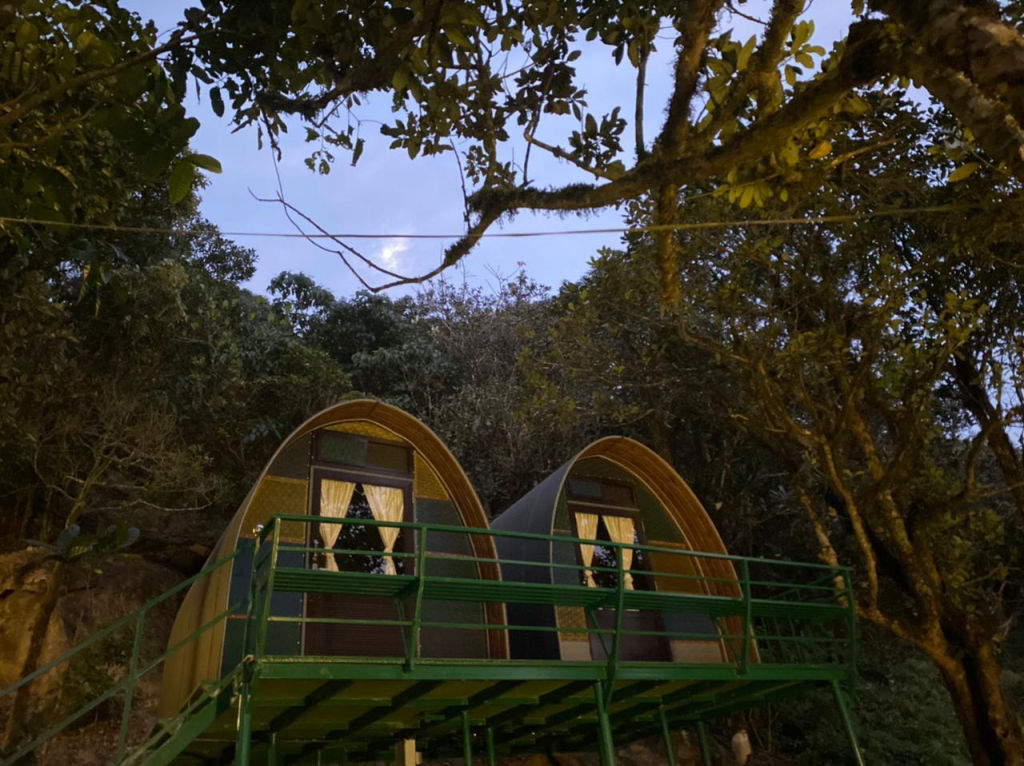
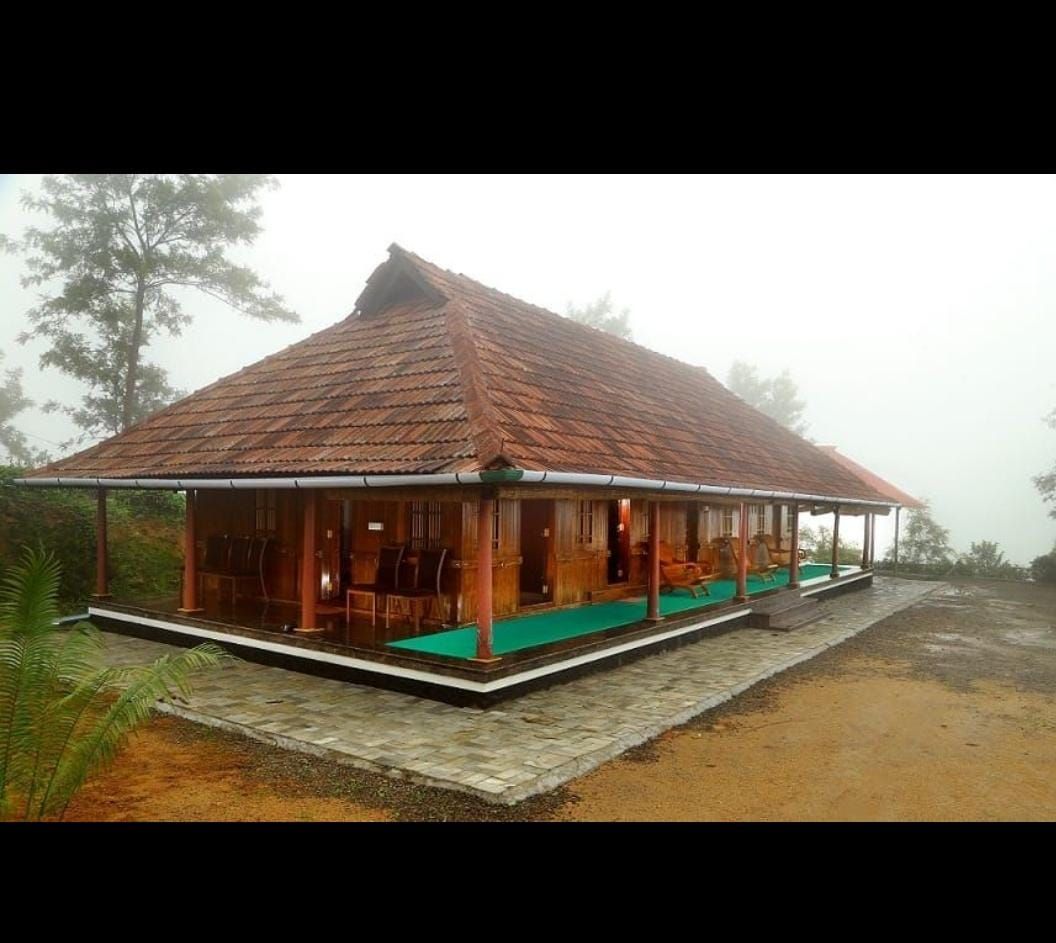
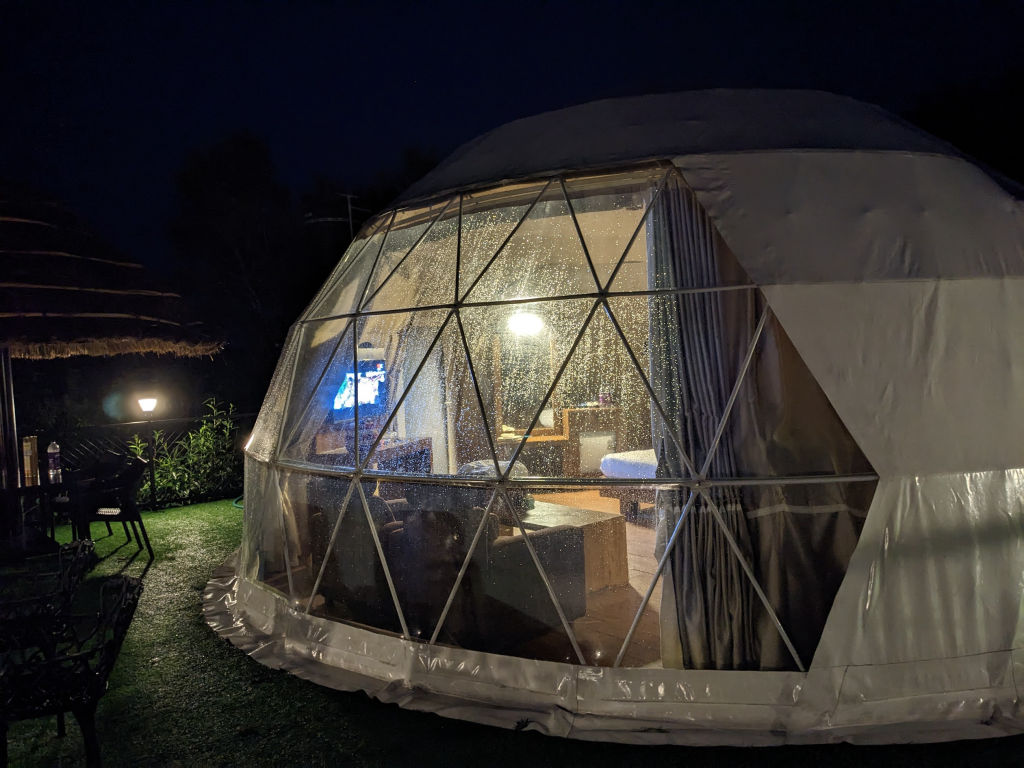
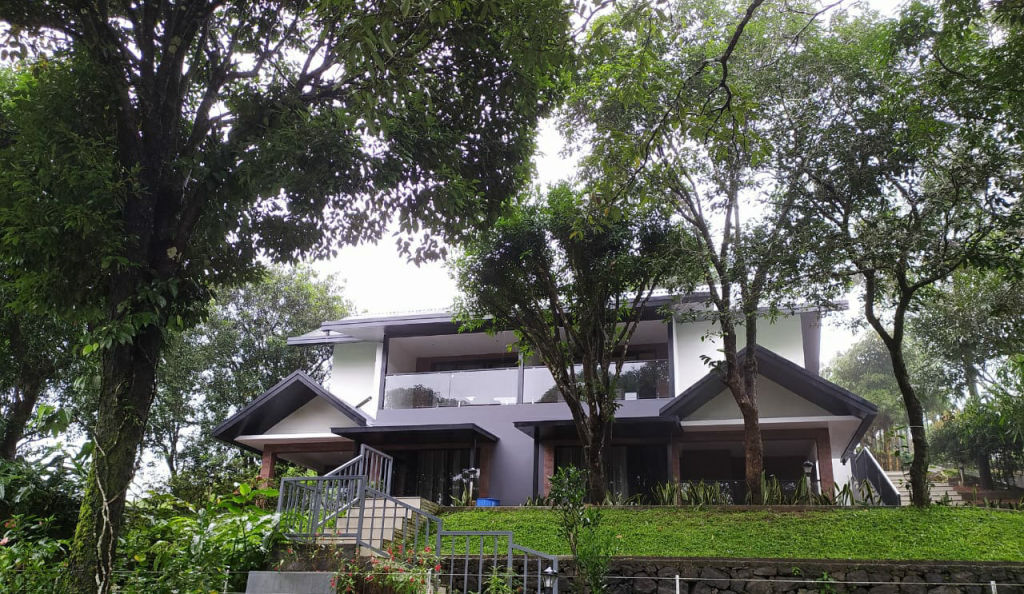
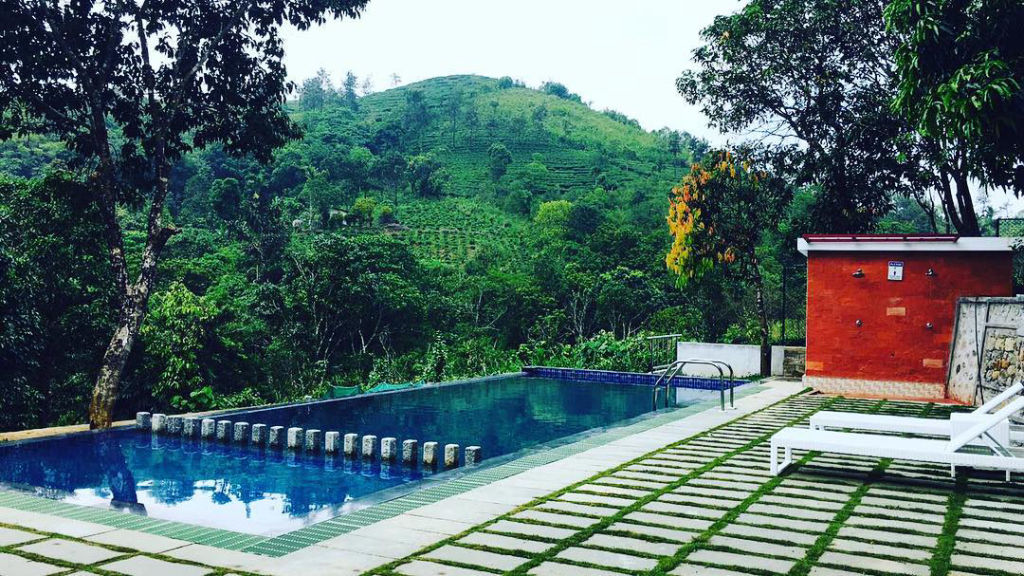
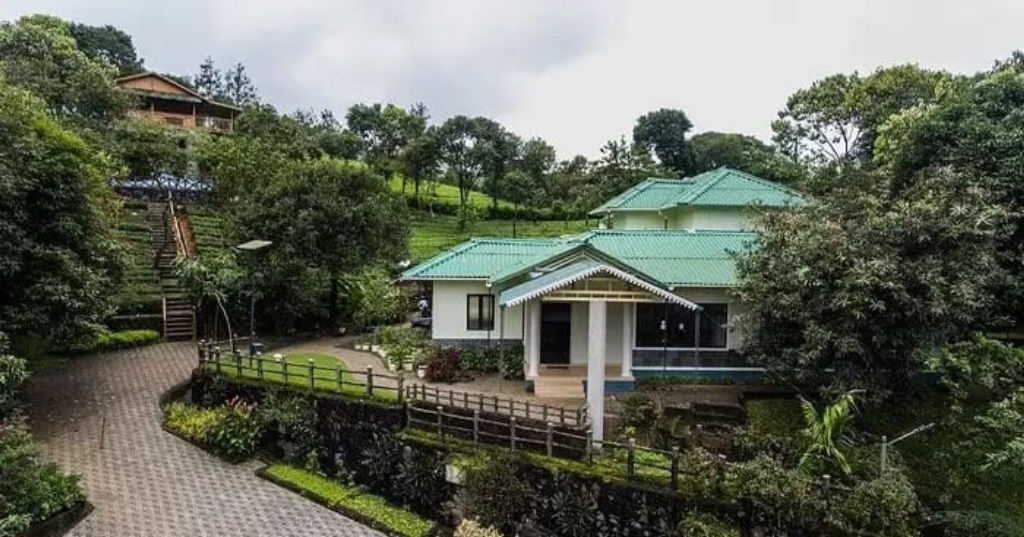
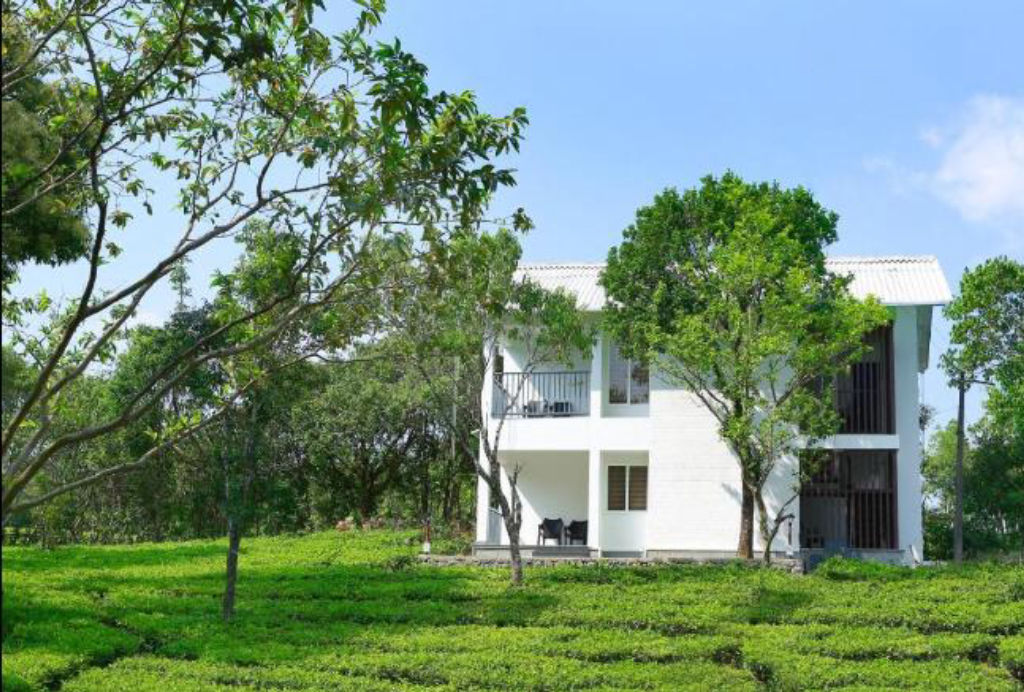
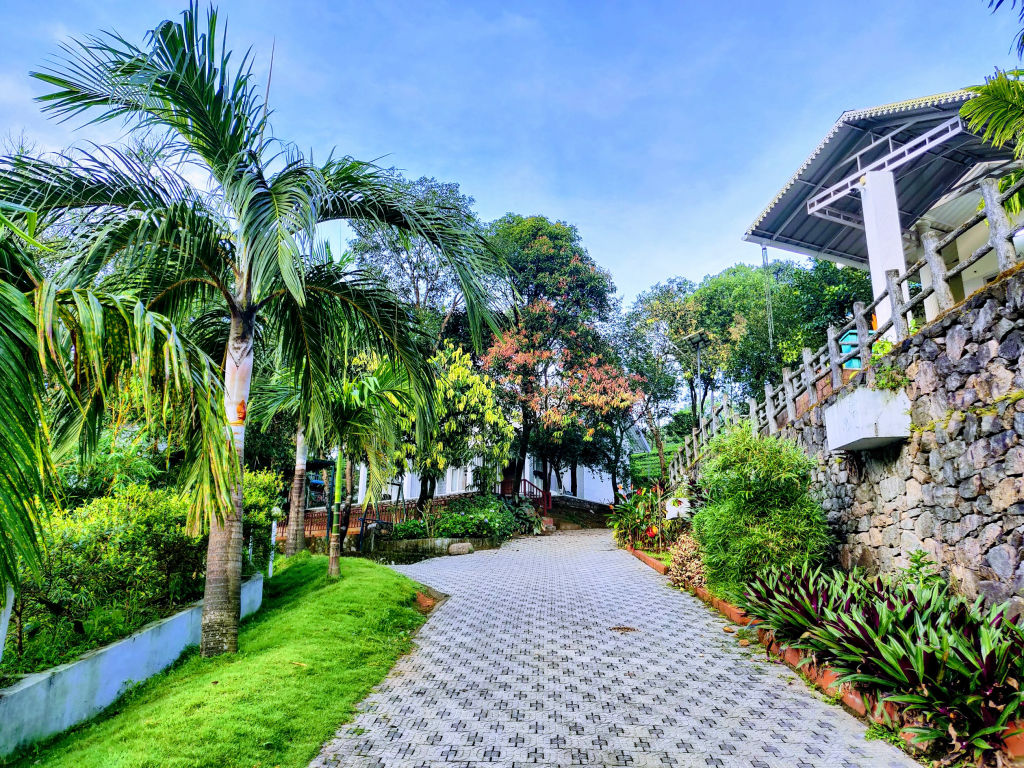
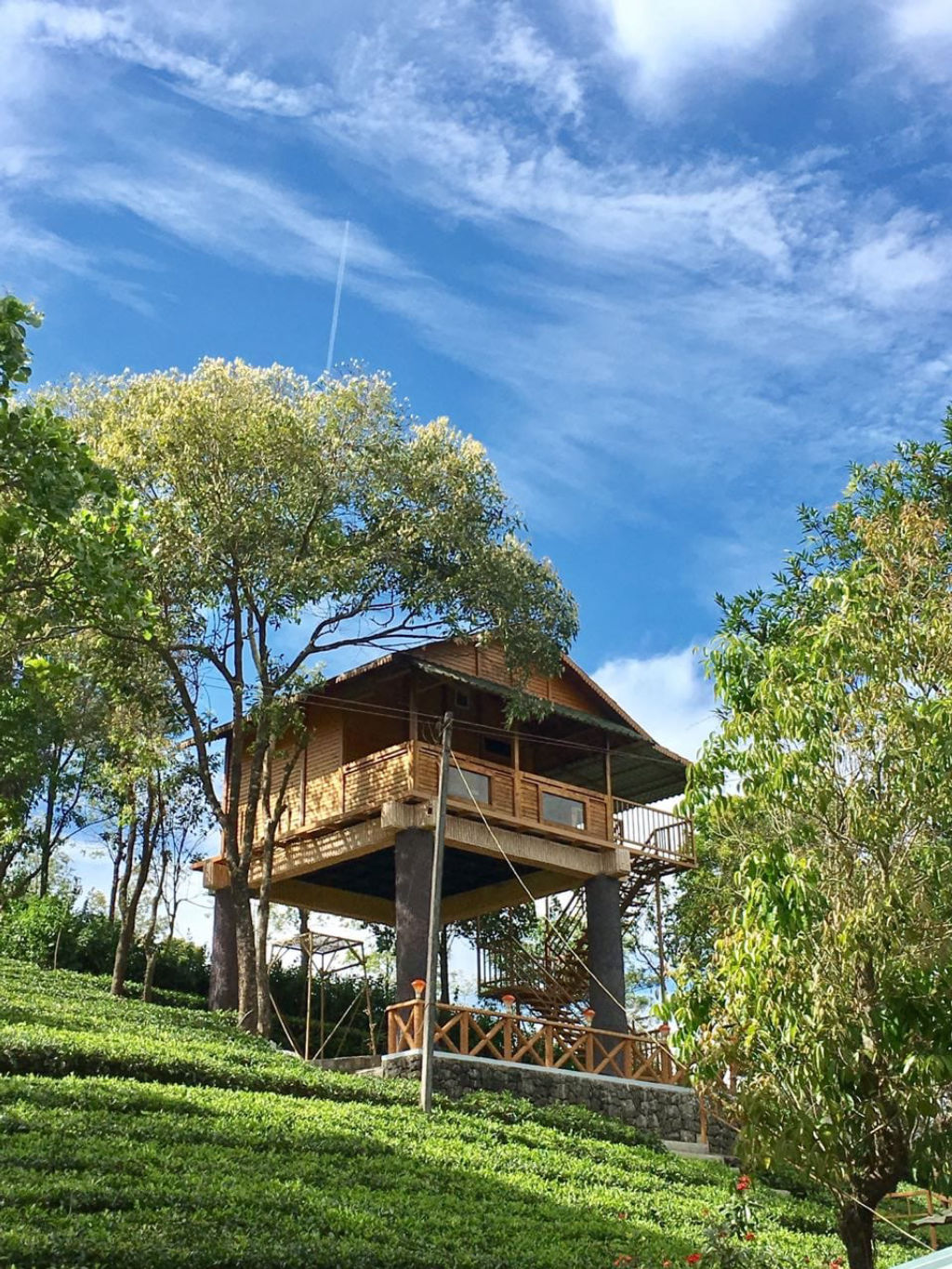
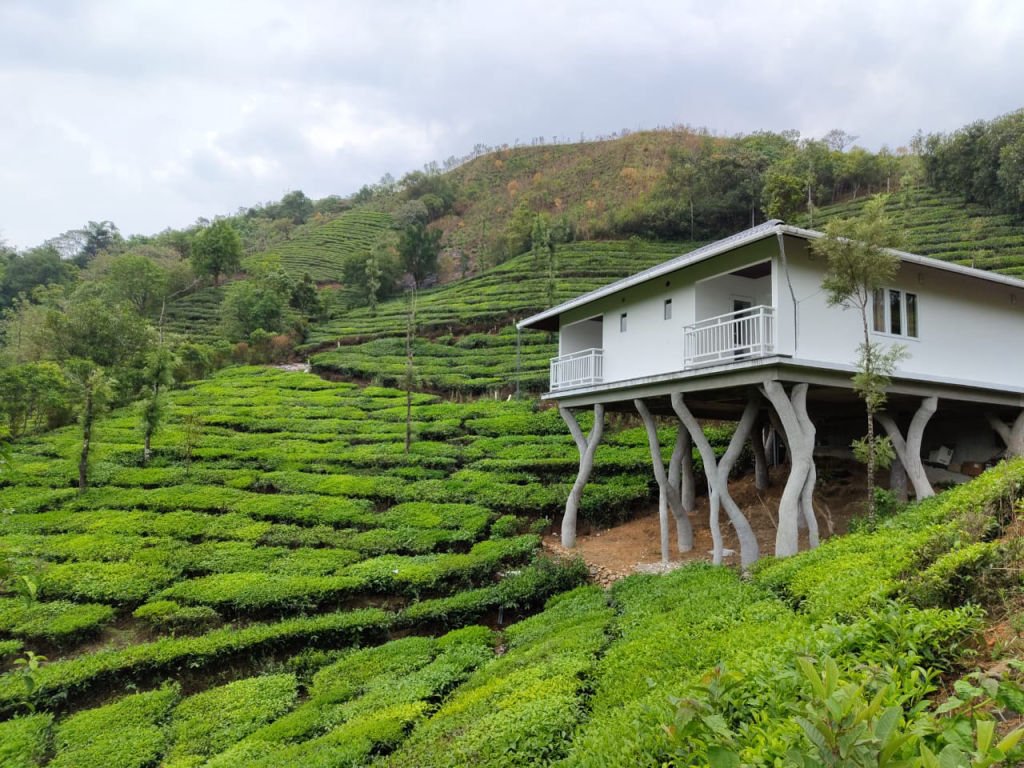
The region around Peerumade, Kuttikkanam, and nearby Vagamon offers an extensive variety of accommodation options tailored to nature lovers and quiet getaways. Travellers can find rustic plantation homestays, hillside cottages, and open-air riverside camps spread across the cool slopes.
Whether you are looking for an eco-friendly stay immersed in spice estates or a peaceful tented campsite with panoramic valley views, you can discover and reserve unique stays nearby on HireACamp.
Frequently asked questions
Where is Valliyamkavu Devi Temple located?
Valliyamkavu Devi Temple is located in the Peerumade taluk of the Idukki district in Kerala, surrounded by forested hills and plantation country.
Is there a dress code to enter the temple?
Yes, visitors should dress modestly in traditional attire, such as dhotis or mundus for men and traditional Indian wear like sarees or salwar suits for women.
What is the best time of year to visit Valliyamkavu Devi Temple?
The winter and post-monsoon period between October and March is considered the most comfortable time to visit due to pleasant weather and clear skies.
Can I visit other attractions alongside the temple?
Yes, popular regional destinations including Pine Valley in Vagamon, Elappally Waterfall, and the peaks of Illikkal Kallu are located within easy driving distance.
Where you'll be
Peerumade · 12 stays nearby shown with prices
Stays near Valliyamkavu Devi Temple
Book a place to stay close by

More places near Valliyamkavu Devi Temple
Within 20 km


Built from 0 Instagram posts by 0 creators. Every tip links back to the post it came from, and where creators disagree we show both sides.






