
Poombarai
Destination in Tamil Nadu
Poombarai is a quiet mountain village nestled in the Palani Hills of Tamil Nadu, situated in the upper reaches beyond Kodaikanal. Renowned for its tiered vegetable farms, vibrant hillside houses, and the historic Kuzhanthai Velappar Temple, the hamlet provides an authentic look into high-altitude agrarian life. Travellers visit Poombarai to soak in panoramic valley vistas, experience tranquil village lanes, and escape the busier commercial stretches of the Western Ghats.
Getting there
By road
- From Madurai3 hr 15 min · 136 km
- From Coimbatore4 hr 30 min · 188 km
- From Kochi6 hr 45 min · 295 km
- From Thiruvananthapuram8 hr 5 min · 360 km
Typical drive times without traffic. Stations and airports from OLA Maps; distances and typical drive times from OpenStreetMap (© OpenStreetMap contributors); notes from creators' Reels.
About Poombarai
Written with AI from map data and general knowledge. Check prices and timings locally before you go.
About Poombarai and its Heritage
Poombarai sits in an amphitheatre-like valley carved into the Palani Hills, surrounded by sweeping ridges and indigenous shola woods. The village is instantly recognisable by its layered green terraces that drop steeply down the slopes, interspersed with small houses painted in bright shades of blue, green, and pink. Unlike large tourist hubs, Poombarai remains deeply rooted in traditional farming and community life.
The village has an agricultural pedigree stretching back centuries. It is celebrated across southern India for the cultivation of hill garlic, locally known as Kodaikanal Malai Poondu, a variety granted Geographical Indication status due to its medicinal properties, rich oil content, and pungent aroma. Along with garlic, generations of farming families here have cultivated potatoes, carrots, cabbage, and mountain beans in the rich volcanic soil.
At the cultural heart of the village stands the ancient Kuzhanthai Velappar Temple, dedicated to Lord Murugan. Local history attributes the temple's consecration to the revered sage Bogar, who is believed to have established the idol using an alloy of medicinal minerals. The temple features classical Dravidian architectural elements and serves as the social and spiritual core for residents throughout the valley.
Things to do in Poombarai
The primary charm of Poombarai lies in moving at an unhurried, contemplative pace. Taking an early morning walk along the village pathways allows you to see the mist lift off the terraces as farmers begin their daily tasks. The views looking down into the village from the upper approach road offer an ideal vantage point for landscape photography, capturing the dramatic geometry of the stepped plots against deep valley greens.
A visit to the Kuzhanthai Velappar Temple offers travellers a chance to observe traditional rituals that have continued uninterrupted for generations. The temple courtyard often hums with soft devotion, and during festive periods, villagers gather here in colourful traditional attire.
Exploring the farmland trails on foot is another rewarding activity. Walking beside the patchwork fields of carrots and garlic lets you appreciate the hard physical labour required to farm such steep terrain. You can also converse with local growers, observe how hillside water channels are managed, and purchase freshly harvested produce directly from local vendors along the roadside.
Read more
Places to explore around Poombarai
Poombarai serves as a convenient base for exploring both the wild forests and the cultural sites of the upper Palani Hills. Further down the road lies the wider grassland and lake country of Mannavanur, known for rolling meadows and pastoral scenery. Closer to the forest edges, areas like Tiger Shola and the Adukkam Forest offer dense canopies rich in endemic birdlife and native high-elevation flora.
A short drive back toward the main plateau opens access to several regional landmarks. Bryant Park displays manicured botanical collections and blooming mountain flowers, while the Shenbaganur Museum houses curated exhibits covering the natural history, taxidermy, and tribal artefacts of the Palani range. Architecture and history enthusiasts can stop at the stone-built La Salette Church, one of the oldest shrines in the region.
Waterfalls are scattered across the surrounding slopes. Silver Cascade cascades directly beside the main descent road, while downstream into the foothills lies Kumbakkarai Falls, where mountain streams tumble over rock formations before reaching the plains. In the broader valley region, vast reservoirs like Vaigai Dam and Thirumoorthy Dam provide expansive views of water catchments set against distant mountain peaks.
Best time to visit Poombarai
Poombarai is accessible throughout the year, but the atmosphere shifts distinctly with the change of seasons. The post-monsoon and winter months, from October through March, bring bright skies, crisp air, and cool temperatures. Nights can turn quite cold during December and January, often dipping below ten degrees Celsius, requiring heavy woollens, but the days remain clear and refreshing.
The summer months between April and June present mild weather that offers relief from the oppressive heat of the lowlands. This is the busiest period in the hills, making early morning and evening hours the most peaceful times to explore the village.
Monsoon arrives between July and September, coating the entire valley in lush greenery and filling the seasonal mountain streams. Heavy downpours can occasionally cause minor roadblocks or reduced visibility due to dense fog, but visitors who enjoy dramatic cloud formations and rain-washed landscapes will find this period deeply atmospheric.
How to reach Poombarai
Poombarai is located in the Dindigul district of Tamil Nadu. The standard route involves travelling first to Kodaikanal town, from which Poombarai is situated roughly eighteen to twenty kilometres further west along the road toward Mannavanur and Poondi.
The nearest airports are located at Madurai and Coimbatore, both offering regular commercial flights from major Indian metros. For rail travel, Kodai Road railway station, Dindigul Junction, and Madurai Junction are the most convenient railheads.
From these transport hubs, you can hire a private taxi or take a public bus up the winding ghat roads through Batlagundu or Palani. Regular local buses connect the central bus stand in Kodaikanal to Poombarai throughout the day, though service can be spaced out. Driving your own vehicle allows greater flexibility to stop at panoramic viewpoints along the ridge.
Tips for your visit
Because Poombarai is an active working village rather than an enclosed tourist park, respectful conduct is essential. Stick to established walking paths and avoid walking through cultivated crops or climbing over terrace retention walls, which take tremendous effort to maintain.
The road leading to Poombarai features several sharp hairpins, steep gradients, and narrow passing zones. If you are prone to motion sickness, take necessary precautions before the journey. Drivers should exercise caution, give way to uphill vehicles, and keep headlights on in heavy fog.
High-altitude weather can change rapidly. Always pack a windproof jacket or warm sweater, even if travelling during spring. Cellular network coverage can be intermittent across different sections of the valley, and digital payment systems sometimes experience signal delays, so carrying sufficient cash for small local purchases is advisable.
Where to stay in Poombarai
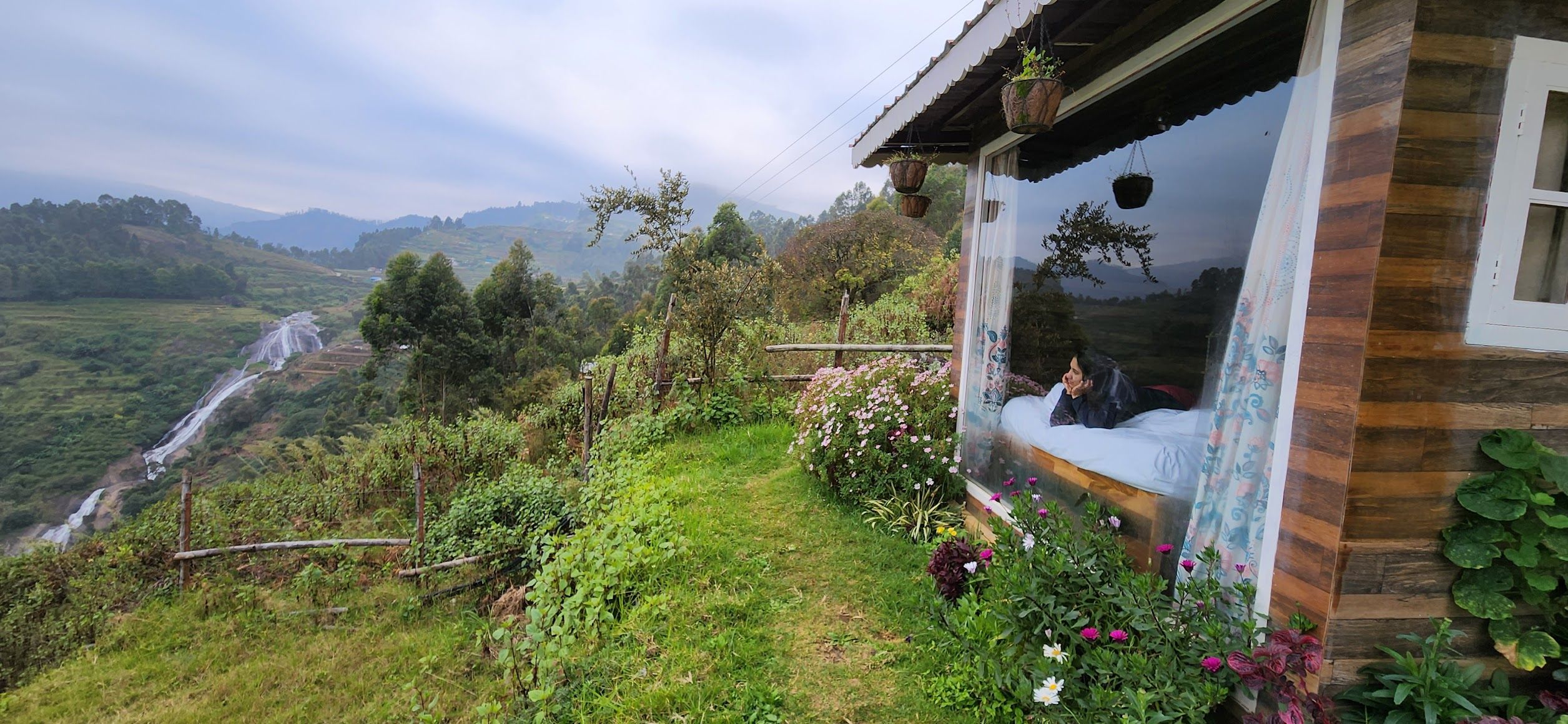
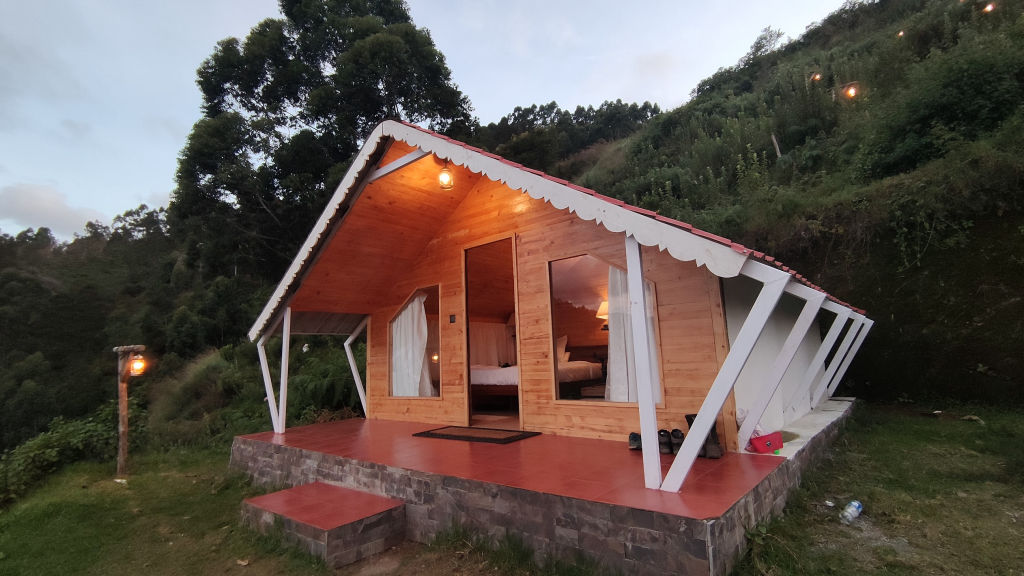
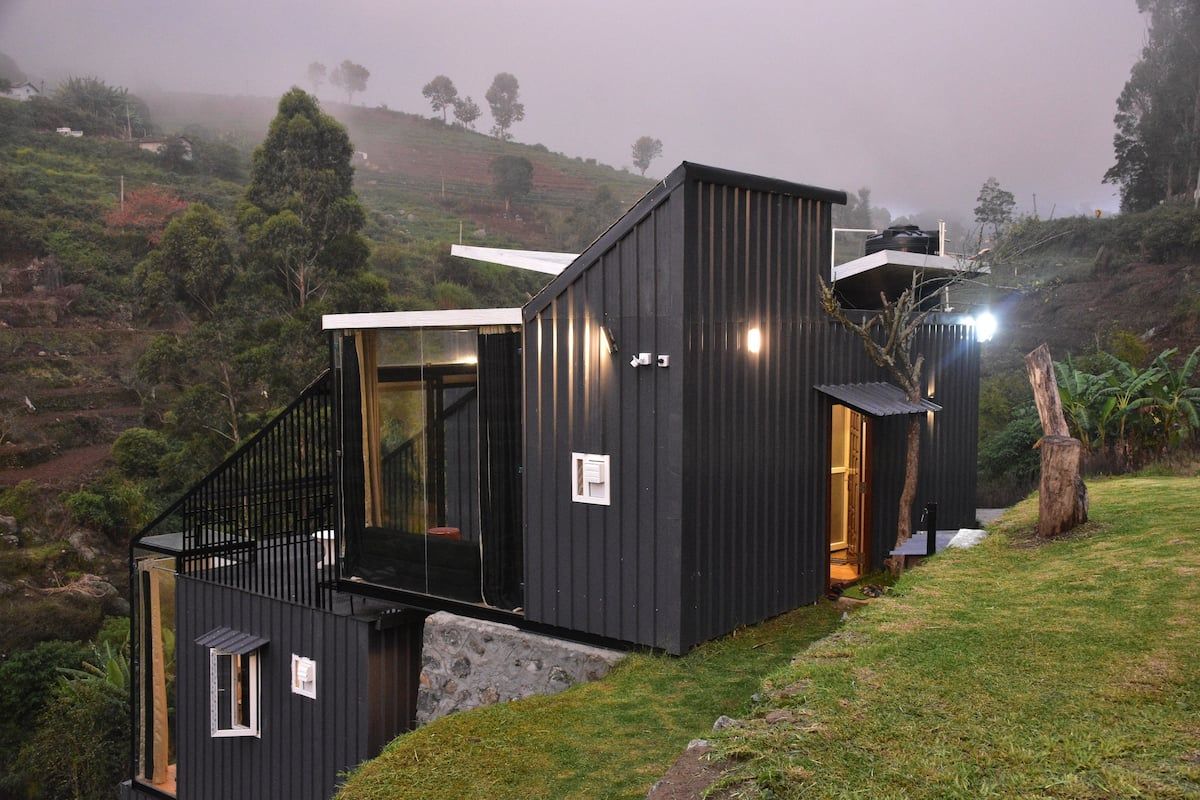
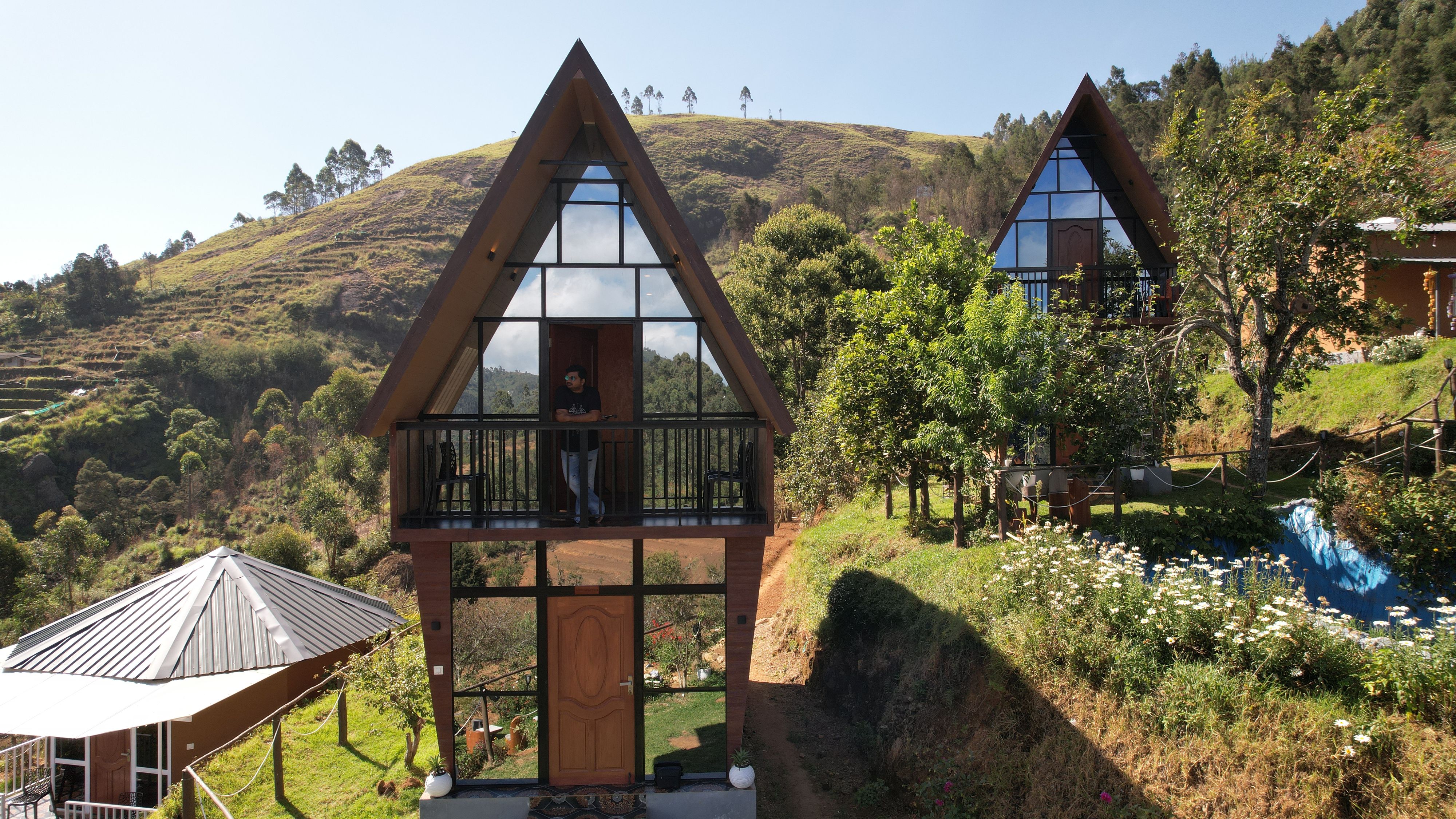
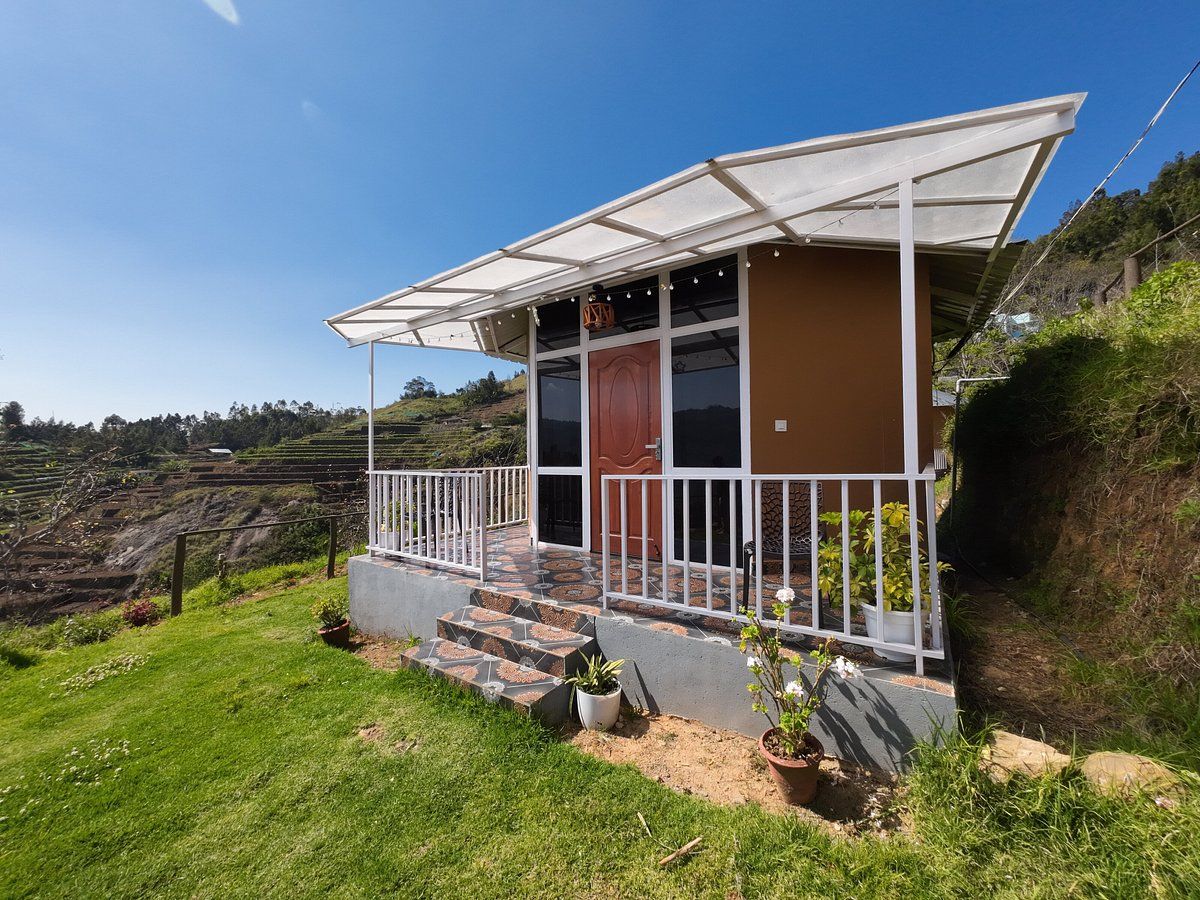
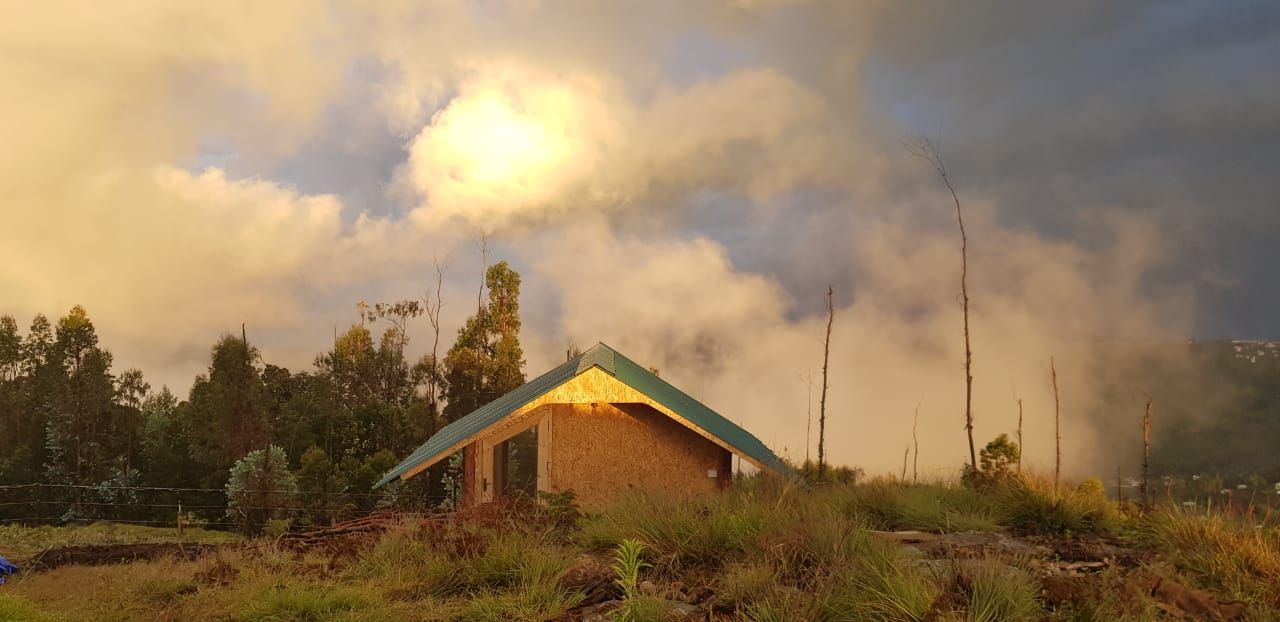
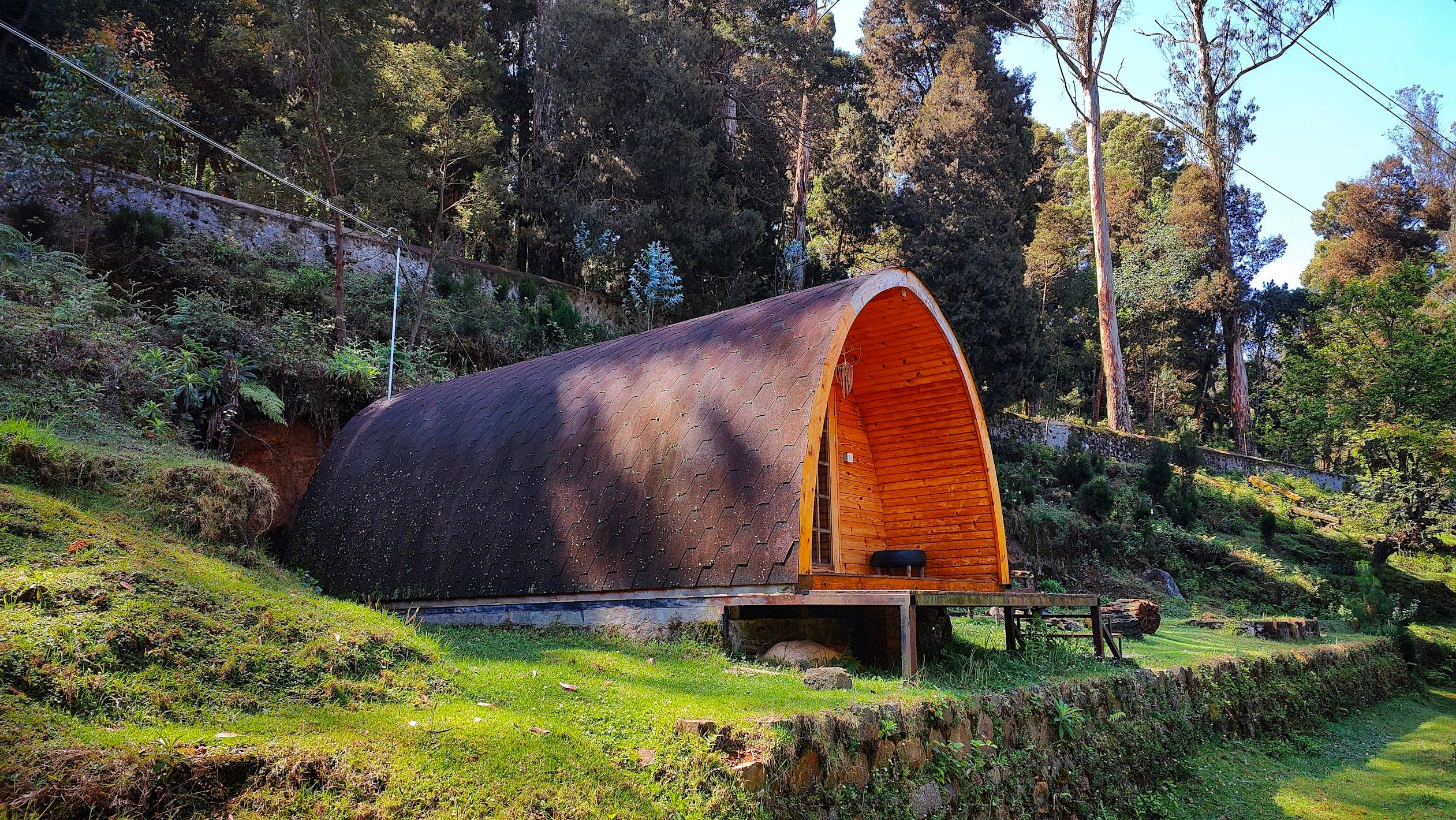
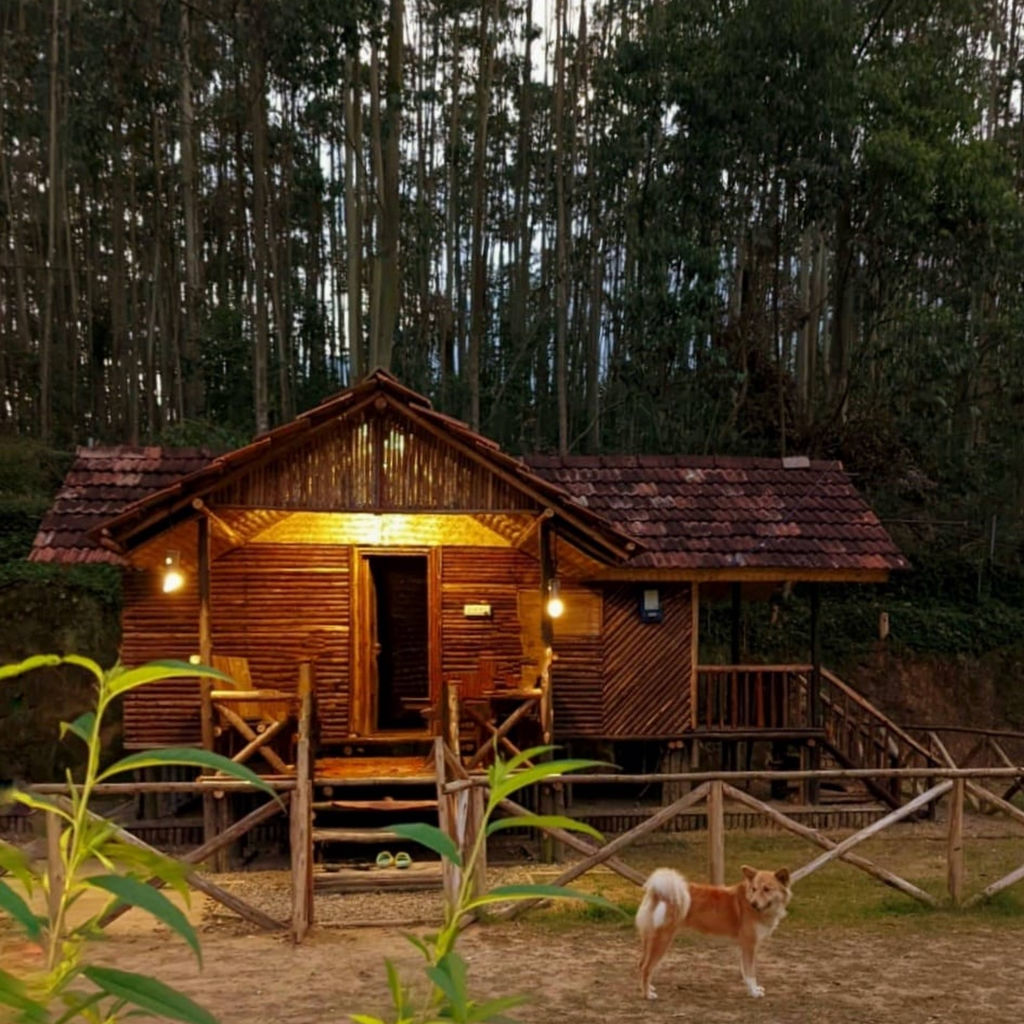
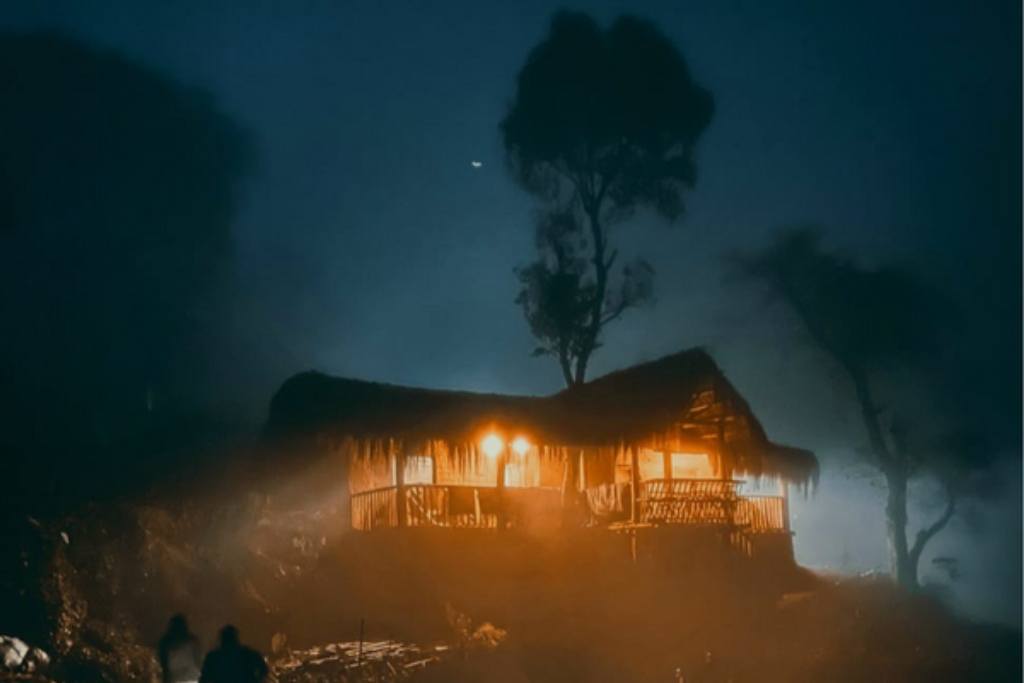
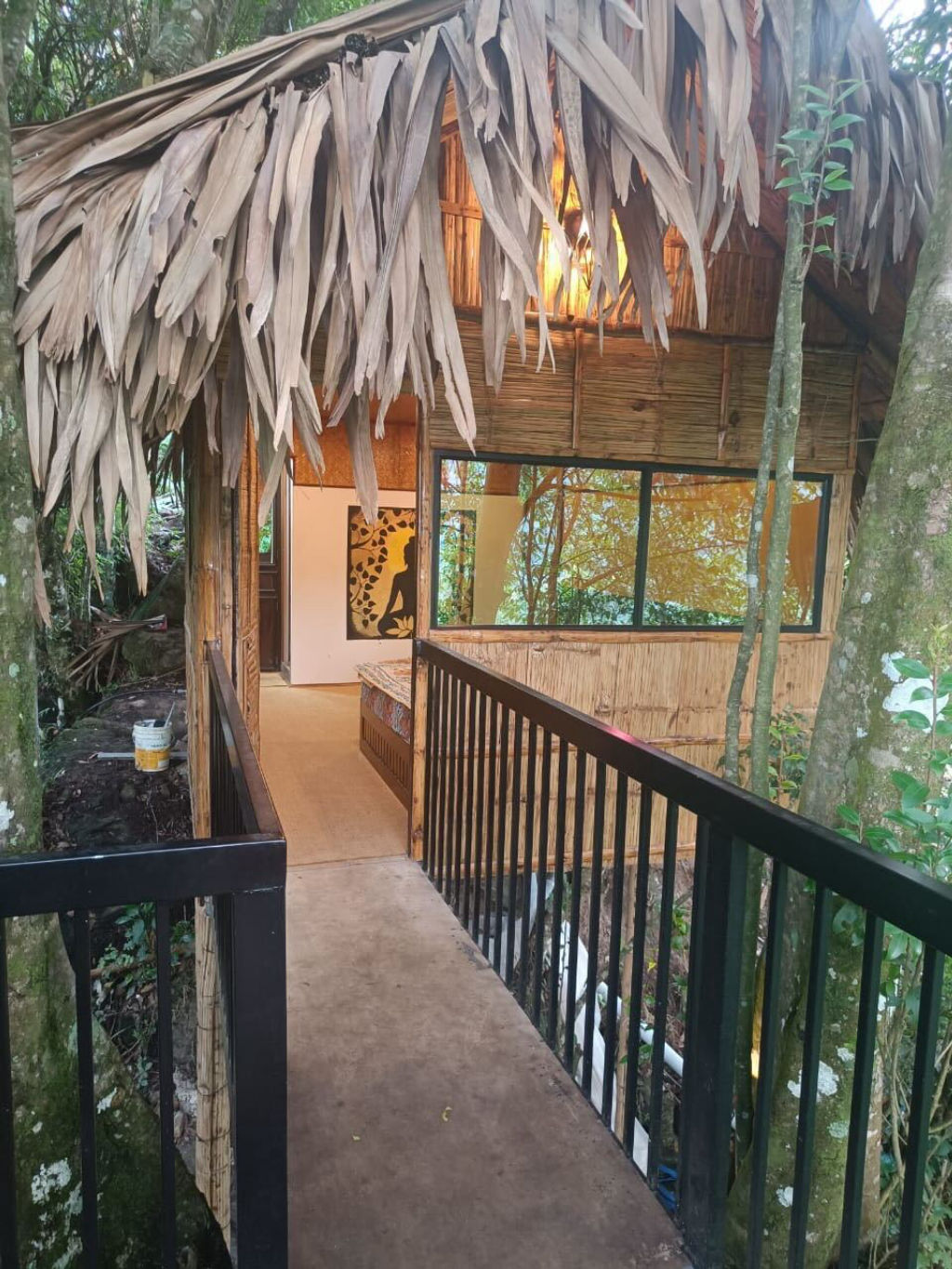
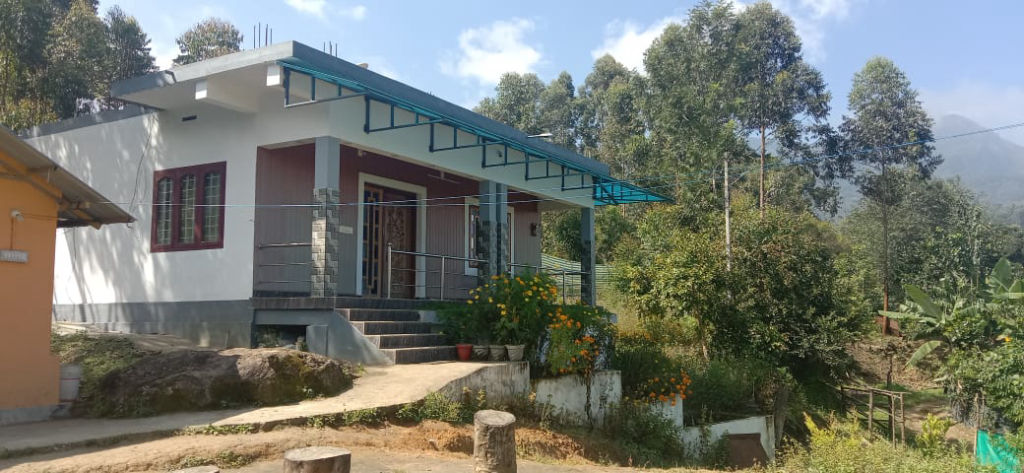
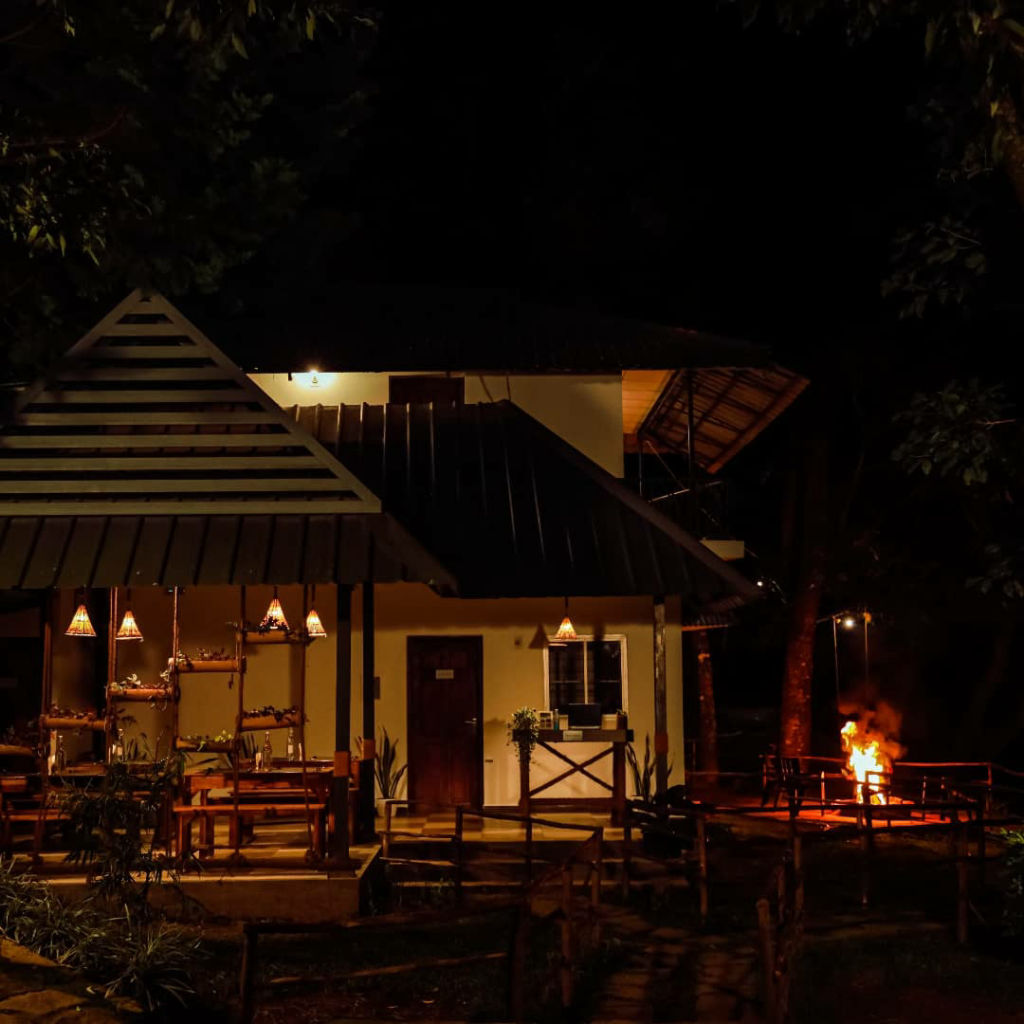
Travellers seeking an authentic, peaceful mountain getaway can choose from a growing number of community homestays, rustic valley cottages, and scenic tented campsites in and around Poombarai.
Staying right in the village or on the nearby ridges allows you to wake up to birdsong and uninterrupted views of the sun illuminating the terraced fields below. A variety of verified outdoor camping spots and local homestays in the Poombarai area can be booked through HireACamp.
Frequently asked questions
What is Poombarai famous for?
Poombarai is famous for its vibrant terraced farmlands, the ancient Kuzhanthai Velappar Temple dedicated to Lord Murugan, and its high-grade hill garlic, which holds a Geographical Indication tag.
How far is Poombarai from Kodaikanal?
Poombarai is situated approximately eighteen to twenty kilometres west of central Kodaikanal, reachable in around forty-five minutes to an hour depending on mountain road conditions.
Can I visit Poombarai as a day trip from Kodaikanal?
Yes, many visitors make a half-day or full-day trip to Poombarai and the nearby village of Mannavanur from Kodaikanal, though staying overnight offers a much quieter and more immersive experience.
What is the best time to see the lush green terraces in Poombarai?
The terraces are at their greenest during and immediately following the monsoon season, from August through November, when the crops are flourishing and rainfall keeps the hillsides vibrant.
Is public transport available to Poombarai?
Yes, Tamil Nadu State Transport Corporation buses operate periodically between the main Kodaikanal bus stand and Poombarai, though local taxis are also readily available for more flexibility.
Where you'll be
12 stays nearby shown with prices
Stays near Poombarai
Book a place to stay close by
Things to do in Poombarai
48 places creators recommend within 30 km


Built from 0 Instagram posts by 0 creators. Every tip links back to the post it came from, and where creators disagree we show both sides.






