
Prantik
Destination in West Bengal
Prantik is a quiet township bordering Santiniketan in the Birbhum district of West Bengal. Known for its distinct red laterite soil, sonajhuri groves, and artistic heritage, it provides a peaceful rural alternative to the busier quarters of neighbouring Bolpur. Travellers visit to experience Bengal's pastoral beauty, listen to wandering Baul musicians, and immerse themselves in the literary and craft traditions of the region.
Getting there
By road
- From Kolkata3 hr 50 min · 166 km
- From Ranchi7 hr 5 min · 319 km
Typical drive times without traffic. Stations and airports from OLA Maps; distances and typical drive times from OpenStreetMap (© OpenStreetMap contributors); notes from creators' Reels.
About Prantik
Written with AI from map data and general knowledge. Check prices and timings locally before you go.
What makes Prantik special
Prantik is set in the undulating terrain of Birbhum, characterised by ranga mati, the striking red soil native to this part of rural Bengal. Originally developed as an extension of Santiniketan, the locality has evolved into a creative haven where scholars, artists, and retirees have built homes amid groves of sal, mahua, and sonajhuri trees. The rhythm of life here is noticeably slower than in conventional tourist hubs, marked by bird calls in the morning and cycle bells in the afternoon.
The town's identity is inextricably linked to the surrounding Khoai, an open landscape shaped by wind and rainwater runoff that creates miniature canyons in the laterite earth. Here, under the sparse shade of sonajhuri trees, travellers find a setting that has inspired poets, painters, and filmmakers for decades. Prantik maintains an organic connection to surrounding santhal villages, allowing visitors to glimpse traditional mud architecture, folk murals, and community-led living in a respectful, unhurried manner.
Things to do in and around Prantik
A quintessential Prantik experience is visiting the Sonajhuri forest during the weekend open-air market, widely known as the Khoai Haat. Local artisans gather beneath the trees to lay out kantha-stitch garments, handmade leather bags, terracotta jewellery, dokra metal crafts, and wooden toys. As you browse, Baul and Fakir folk singers often sit on mats under the canopy, singing spiritual verses with the ektara and dotara, welcoming listeners to pause and take in the atmosphere.
Exploring the surrounding countryside by bicycle or electric rickshaw is another popular activity. The lanes leading out of Prantik wind past quiet homesteads, lotus-covered water bodies, and seasonal farmland towards the Kopai River. This shallow, meandering stream figures prominently in Rabindranath Tagore's poetry and is ideal for an unhurried morning or sunset walk along its sandy banks.
For those interested in handicrafts, workshops in the vicinity showcase traditional leather embossing, batik printing, and weaving. Spending time observing local craftsmen offers insight into sustainable rural cottage industries that have sustained families across Birbhum for generations.
Read more
Places to visit near Prantik
Because Prantik sits directly adjacent to Santiniketan, exploring the Visva-Bharati university campus is simple and rewarding. The historic ashram grounds house the Uttarayan complex, where Rabindranath Tagore lived and worked, featuring an array of architecturally distinctive houses and a museum displaying his memorabilia, original manuscripts, and gifts received during his international travels. Kala Bhavana, the fine arts faculty, is famous for its outdoor sculptures and open-air murals created by masters such as Ramkinkar Baij and Nandalal Bose.
A short journey from Prantik brings you to Amar Kutir, a cooperative society set up along the Kopai River to revive village handicrafts. Visitors can see master craftsmen producing leather goods, hand-block textiles, and bamboo artefacts on site. Nearby, Ballavpur Wildlife Sanctuary offers quiet walking paths through a wooded deer park that attracts numerous resident and migratory birds during the cooler months.
Further outward in the district lies Kankalitala, situated on the banks of the Kopai River. It is regarded as one of the traditional Shakti Peethas and features a revered temple pond and quiet riverside groves, drawing pilgrims and those interested in sacred regional geography.
Best time to visit Prantik
The most comfortable time to visit Prantik is between late October and early March, when the weather in southern Bengal turns dry, crisp, and mildly cool. Daytime temperatures during these months are ideal for walking through the forests, cycling along village roads, and browsing outdoor markets without excessive heat.
Winter is also the season of prominent cultural celebrations in the area. In late December, the traditional Poush Mela festival takes place nearby, filling the region with folk musicians, craft exhibitions, and culinary stalls. In early spring, around March, the region celebrates Basanta Utsav, welcoming the arrival of spring with music, dance recitals, and dry colour celebrations.
Summers from April to June are intensely hot and dry, with daytime temperatures often climbing above forty degrees Celsius, making outdoor exploration challenging. However, the monsoon season from July to September brings dramatic relief. The red earth turns deep crimson, the foliage flourishes into vivid greens, and seasonal streams fill up, making it a peaceful, reflective season for photographers and writers who prefer quiet stays.
How to reach Prantik
Prantik is well connected to major transit routes across West Bengal. The town has its own railway stop, Prantik Railway Station, which is directly linked to Kolkata by several daily express and passenger trains departing from Howrah and Sealdah stations. Alternatively, the larger Bolpur Santiniketan Railway Station is located just a few kilometres away and handles additional long-distance trains from north and east India.
Travellers driving from Kolkata can take the Durgapur Expressway (NH 19) up to Burdwan or Panagarh, branching off onto state highways that lead directly through Ilambazar to Prantik. Under standard traffic conditions, the drive takes roughly four to five hours.
For air travellers, the closest airport with scheduled commercial flights is Kazi Nazrul Islam Airport in Durgapur, from where cabs to Prantik take under two hours. Netaji Subhash Chandra Bose International Airport in Kolkata is the nearest major international gateway, offering comprehensive domestic and overseas connectivity.
Tips for your visit
While Prantik is generally welcoming and relaxed, a few practical considerations ensure a smoother journey. Electric three-wheelers, locally known as totos, are the most reliable and affordable way to get around the township and travel between Prantik and Santiniketan. You can easily hire them by the trip or arrange a day hire with a local driver.
If you plan to shop at the weekend Khoai Haat or in small craft hamlets, make sure to carry sufficient cash. Digital network reception in the open forest can be inconsistent, and many village artisans do not accept mobile payments. Dress modestly when visiting local temples, rural communities, and active academic spaces across the Visva-Bharati campus.
Sun protection, comfortable walking shoes, and a refillable water bottle are essential, especially if you plan to explore the unpaved Khoai paths during the afternoon. Binoculars are recommended for visitors interested in birdwatching around the Kopai riverbanks and Ballavpur woods.
Where to stay in Prantik
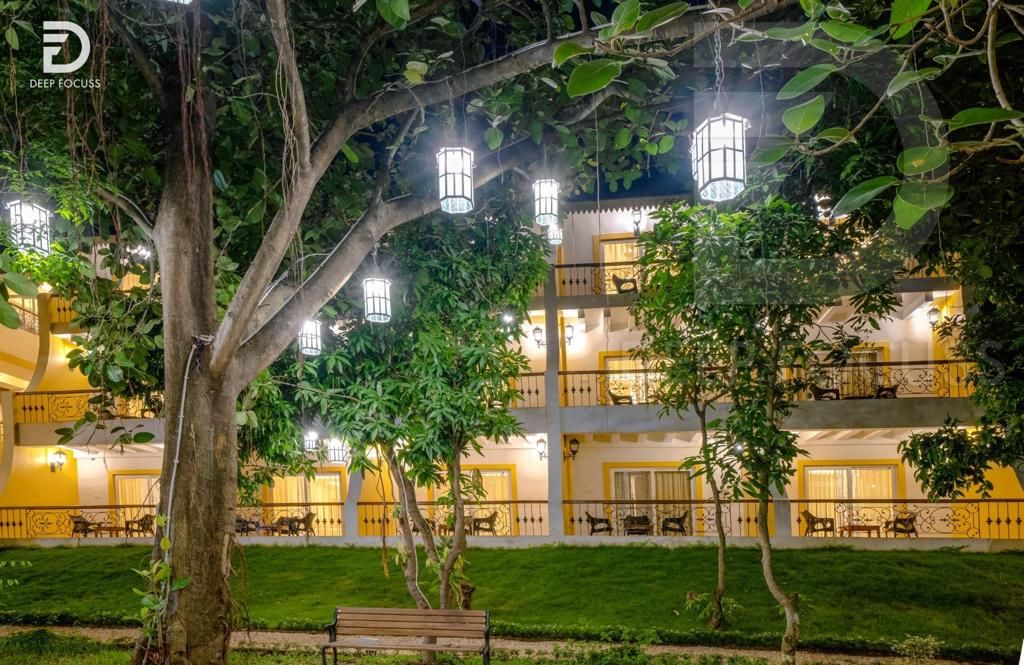
Accommodation around Prantik leans heavily towards peaceful residential stays, traditional mud-and-thatch cottages, rustic eco-retreats, and family-run homestays. Unlike commercial urban hubs, places to stay here emphasise open gardens, home-cooked Bengali meals, and calm surroundings close to nature.
Staying in Prantik rather than the commercial centre of Bolpur allows travellers to wake up within walking distance of the sonajhuri forests and village pathways. You can browse and book verified homestays, rural cottages, and garden stays in and around Prantik on HireACamp to find an experience that matches your travel pace.
Frequently asked questions
Is Prantik different from Santiniketan?
Prantik is a quiet residential neighbourhood and railway halt directly adjacent to Santiniketan. While Santiniketan contains the university campus and main historic sites, Prantik is known for its proximity to the Khoai landscape, sonajhuri groves, and peaceful homestays.
How do I travel locally within Prantik?
The most convenient way to travel within Prantik and to nearby Santiniketan is by hiring an electric three-wheeler, known locally as a toto. Bicycles are also widely available for rent and work well on the flat village lanes.
What should I buy when visiting Prantik?
Visitors typically look for Birbhum's regional crafts, including hand-stitched kantha embroidery, embossed leather bags and accessories, dokra brass figurines, terracotta pottery, and handwoven textiles.
When does the Sonajhuri Khoai Haat take place?
The famous open-air haat takes place under the sonajhuri trees on weekends, primarily on Saturday afternoons and extending into Sundays, featuring local craftspeople and folk musicians.
How far is Prantik from Kolkata?
Prantik is approximately 160 to 170 kilometres northwest of Kolkata by road, which typically takes four to five hours by car, or around two and a half to three hours aboard an express train.
Where you'll be
1 stay nearby shown with prices
Stays near Prantik
Book a place to stay close by
Things to do in Prantik
45 places creators recommend within 30 km
Built from 0 Instagram posts by 0 creators. Every tip links back to the post it came from, and where creators disagree we show both sides.






