
Pul Kanjri
Destination in Punjab
Pul Kanjri is a historic heritage site situated in the borderlands of Punjab near Amritsar, once serving as an important rest stop along the royal route between Amritsar and Lahore. Commissioned under the rule of Maharaja Ranjit Singh, the complex preserves a tranquil brick reservoir, historic pavilion, multi-faith shrines, and poignant wartime memories. Today, travellers visit to experience its quiet 19th-century architecture, rural Punjabi landscapes, and deep historical resonance away from crowded city sights.
Getting there
By road
- From Amritsar1 hr · 34 km
- From Ludhiana4 hr 35 min · 183 km
- From Chandigarh6 hr 25 min · 270 km
Typical drive times without traffic. Stations and airports from OLA Maps; distances and typical drive times from OpenStreetMap (© OpenStreetMap contributors); notes from creators' Reels.
Itinerary for Pul Kanjri and Amritsar Region
This practical itinerary covers the historical and cultural landmarks around Pul Kanjri and the broader Amritsar district, connecting border heritage, major sacred sites, and renowned regional culinary locations.
Essential Heritage and Border Retreat
Best for travellers with only one day seeking the key historical and border experiences
Day 1
Sacred Amritsar to Wagah Border
early_morning
Sri Harmandir SahibAbout 2 hr
Arrive early to experience the temple grounds in a calmer atmosphere or observe the early morning traditions and langar.
morning
Jallianwala BaghAbout 1 hr · 400 m from the last stop
Located within walking distance of the Golden Temple area, where you can see the preserved brick walls with 1919 bullet marks.
midday
Partition MuseumAbout 1 hr 15 min · 600 m from the last stop
Examine records and personal histories of the partition, situated about 3.8 km from Amritsar Junction.
afternoon
Attari - Wagah BorderAbout 3 hr · 29 km from the last stop
Arrive between 2:00 PM and 3:00 PM to clear security and secure stadium seats before the Beating Retreat ceremony starts in the late afternoon.
night
A One KulfaAbout 30 min · 29 km from the last stop
Stop for traditional evening desserts including phirni and kulfa.
- At Attari-Wagah Border security checkpoints, do not bring backpacks, power banks, earphones, or charging cables. Only small sling bags, phones, wallets, and water bottles are permitted, and violating this will require exiting the queue to use lockers.
- Plan to reach the Attari-Wagah Joint Check Post between 2:00 PM and 3:00 PM (around 2 hours early), as stadium seating fills rapidly and late arrivals miss good vantage points.
- Always ensure your head is covered and adhere to guidelines before entering the Golden Temple complex.
- A free 24-hour bus service operates directly between Amritsar Railway Station and Sachkhand Sri Harmandir Sahib.
Visit lengths are suggestions; distances are straight-line between stops.
About Pul Kanjri
Written with AI from map data and general knowledge. Check prices and timings locally before you go.
The History and Heritage of Pul Kanjri
Pul Kanjri sits quietly amidst fertile mustard and wheat fields in the border region of Punjab, roughly four kilometres from the Attari-Wagah border. In the early nineteenth century, during the reign of Maharaja Ranjit Singh, the settlement developed as an important transit station along the route connecting the royal court of Lahore with the spiritual centre of Amritsar. According to local lore, the site takes its name from a bridge commissioned by the Maharaja for Moran, a celebrated dancer from Lahore whom he later married. When her shoe slipped into the canal waters as she travelled to perform at the royal camp, the ruler ordered a bridge constructed for her convenience, giving rise to the name Pul Moran, also known as Pul Kanjri.
Beyond royal romance, the compound served as an oasis of cultural harmony and strategic transit. Travellers, soldiers, and royal entourages paused here to replenish water supplies, conduct prayers, and rest under the shade of trees. Pul Kanjri witnessed further chapters of Indian history during the Indo-Pakistani War of 1971, when the outpost saw fierce combat and was defended by Indian soldiers. Today, the Archaeological Survey of India oversees the preservation of this quiet complex, offering travellers a contemplative contrast to the buzzing city of Amritsar.
Things to See at Pul Kanjri
Walking into Pul Kanjri feels like stepping across several distinct eras preserved in weathered brick. The centrepiece of the complex is a large brick-lined water reservoir or sarovar, complete with broad flights of steps leading down to the water level. Adjacent to this reservoir stands a historic baradari, an open summer pavilion designed with arches to catch the cool evening breeze. While time and conflict weathered the structures, the craftsmanship of Sikh-era architecture remains evident in the thin Nanakshahi bricks and lime plaster detailing.
Scattered across the precinct are a collection of religious shrines that demonstrate the syncretic court culture of Maharaja Ranjit Singh. A small Shiv temple features vaulted ceilings and the faded traces of historic wall frescoes depicting scenes from mythology and royal life. Close by, an old mosque stands as a reminder of the community that once thrived around the trade route. Visitors can also pay respects at the war memorial erected on the site, dedicated to the Indian soldiers who laid down their lives during the recapture of Pul Kanjri in December 1971.
Read more
Places to Visit Around Pul Kanjri
Because Pul Kanjri is situated close to the western boundary of Punjab, a trip here easily pairs with other landmark destinations around Amritsar district. Just a short drive away lies the Attari-Wagah border, famous for the daily flag-lowering and beating retreat ceremony that draws thousands of spectators. Visiting Pul Kanjri earlier in the afternoon provides a quiet cultural prelude before attending the high-energy military spectacle at the border gates.
Heading back toward Amritsar, travellers encounter significant historical and cultural landmarks. Bhagwan Valmiki Tirath Sthal is located roughly nineteen kilometres east, featuring an expansive temple complex deeply tied to epic folklore. For those interested in regional heritage and living traditions, Sadda Pind offers a detailed reconstruction of a traditional Punjabi village along the bypass road. Closer to the core of Amritsar, about thirty kilometres away, lie world-renowned treasures including Sri Harmandir Sahib, commonly known as the Golden Temple, the somber memorial grounds of Jallianwala Bagh, the interactive Partition Museum in the historic Town Hall, and Gobindgarh Fort.
Best Time to Visit Pul Kanjri
The landscape around Pul Kanjri changes dramatically with the north Indian seasons. The best time to visit is during the winter and early spring months, from October through March. During this period, the days are bright, crisp, and comfortable, with temperatures that make walking around the open-air heritage site and nearby agricultural fields thoroughly enjoyable. In December and January, the surrounding countryside blooms with bright yellow mustard fields, creating a vivid backdrop against the brick structures.
Summers across the plains of Punjab, running from April to June, are intense and sweltering, with midday temperatures routinely climbing high. Visiting during these months is best done in the earliest hours of the morning or late afternoon to avoid the heat. The monsoon season arrives between July and September, bringing heavy spells of rain that wash the greenery and replenish the rural irrigation channels, though high humidity can make daytime touring sticky.
How to Reach Pul Kanjri
Pul Kanjri is located in the Amritsar district of Punjab, positioned just north of the Grand Trunk Road leading toward Attari. The easiest base for reaching Pul Kanjri is Amritsar, which boasts an international airport with regular domestic and international flights, as well as a major railway station connecting Punjab to northern, western, and central India.
From Amritsar, the distance is roughly thirty kilometres, typically taking about forty-five minutes to an hour by road depending on local traffic. The drive follows the main highway toward the Attari-Wagah border before turning off along smaller rural roads that weave through border villages and farmland. Private taxis, hired cars, and auto-rickshaws from Amritsar can be arranged for a round trip. Because public buses run primarily along the main highway toward Attari and do not enter the rural approach road to Pul Kanjri directly, private or chartered transport is the most practical choice.
Tips for Your Visit
Because Pul Kanjri sits very close to the international border, it is wise to carry an official government identity card, such as an Aadhaar card or passport, as security checkpoints by border security forces operate in the surrounding region. Photography within the heritage complex is generally welcomed, but visitors should always respect signage and refrain from photographing active military infrastructure or personnel nearby.
The site has minimal commercial development, so there are few facilities immediately outside the gates. Visitors should carry sufficient drinking water, sun protection, and walking shoes suitable for exploring unpaved paths and brick steps. Planning your itinerary to stop at Pul Kanjri en route to the afternoon border ceremony at Attari makes for an efficient and rewarding half-day excursion from Amritsar.
Where to Stay Near Pul Kanjri
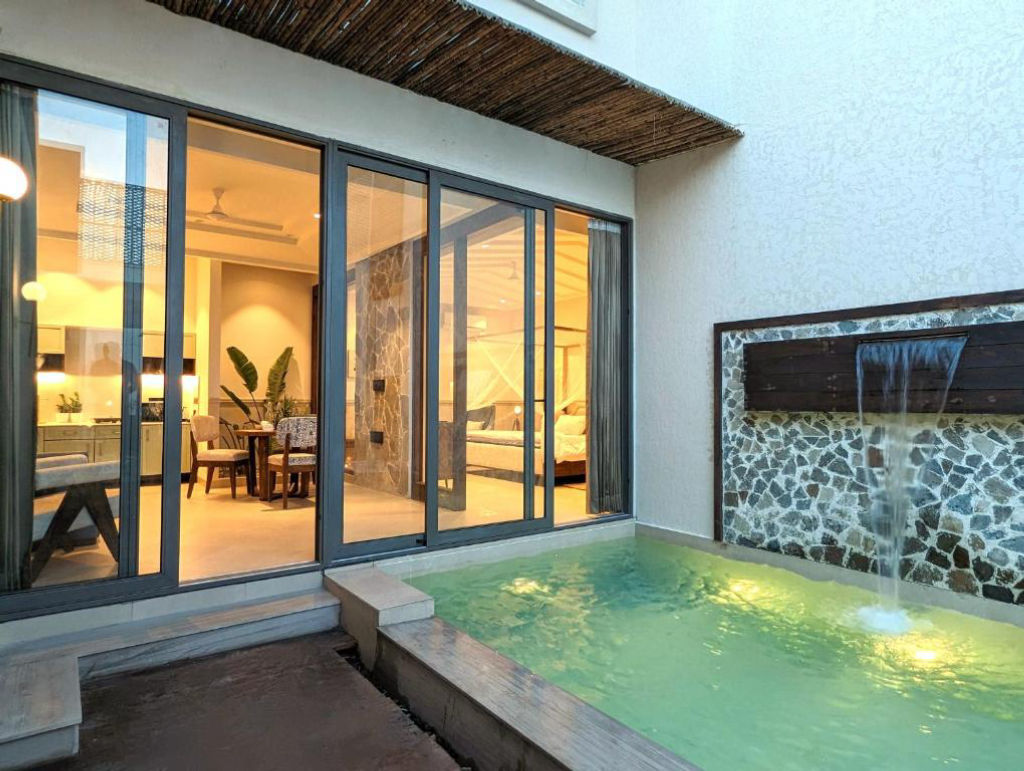
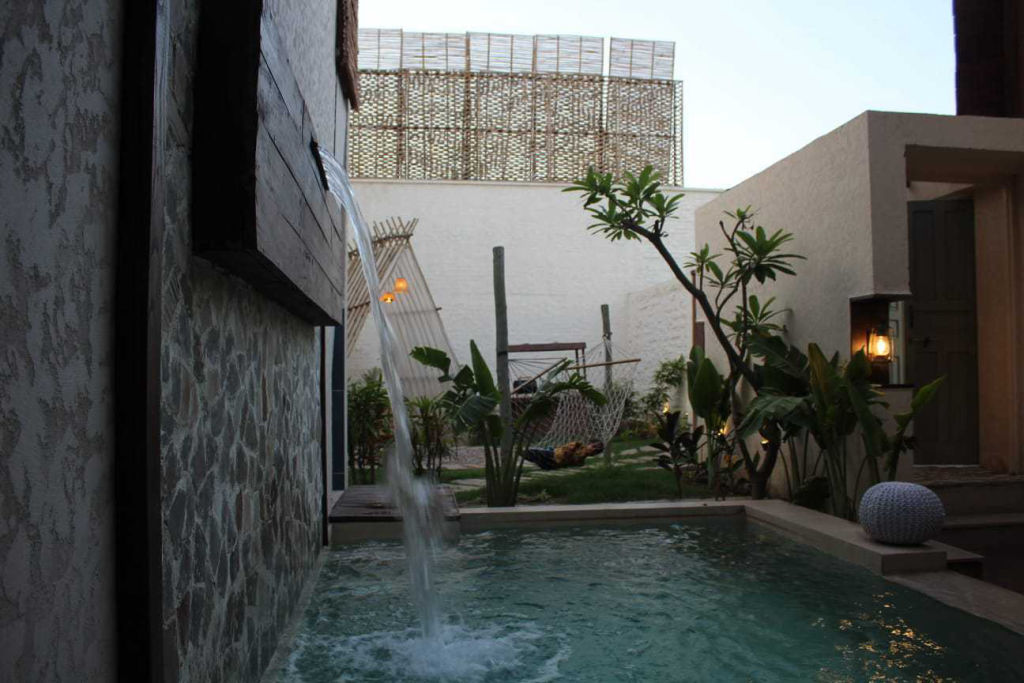
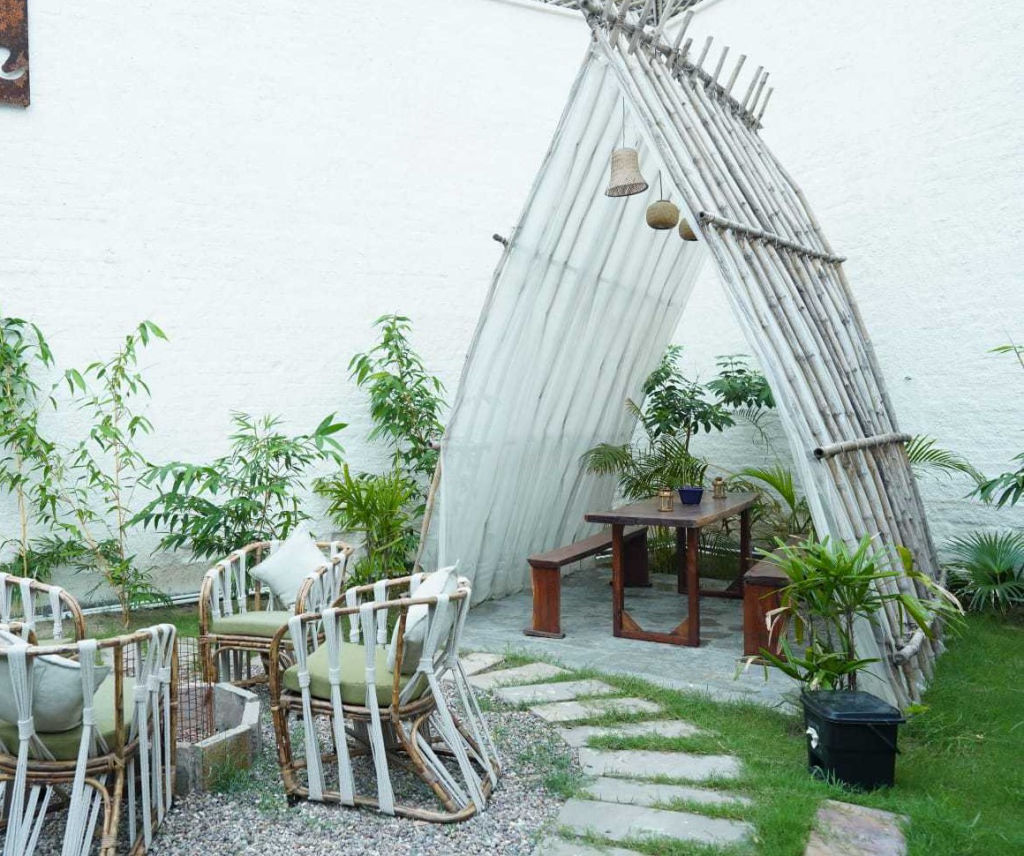
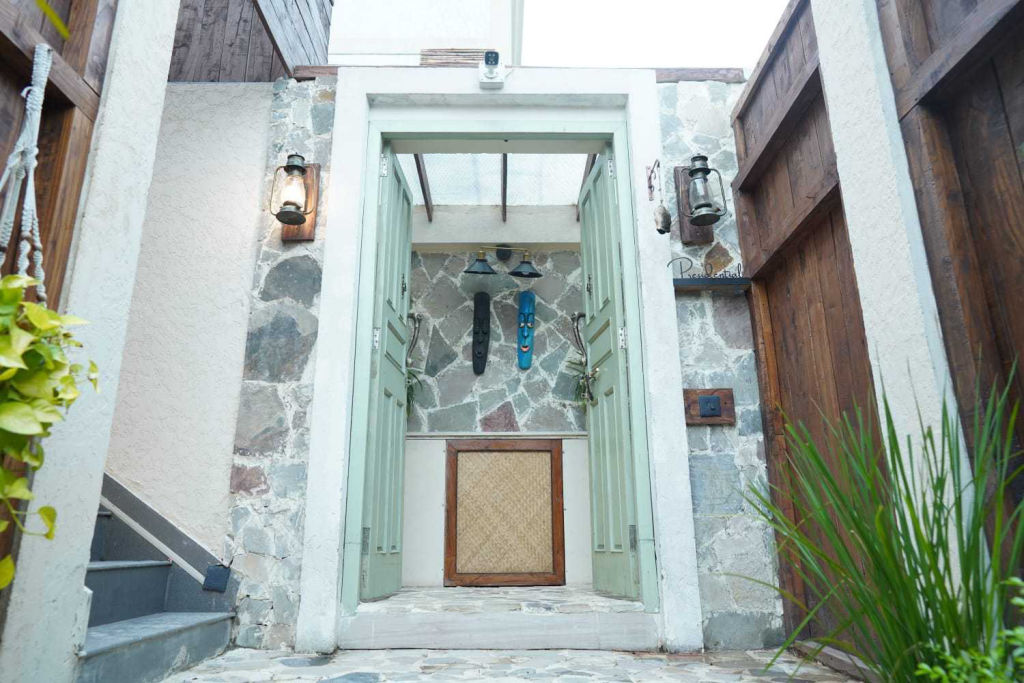
While there are no extensive lodging options directly at the quiet monument site of Pul Kanjri, the surrounding Amritsar countryside and city offer a wide selection of accommodations. Travellers who prefer peaceful countryside settings can look for homestays, farm stays, and experiential camps located in the villages surrounding Amritsar and along the rural roads near Attari.
Those who wish to stay closer to dining and evening activities can base themselves within Amritsar city, where a broad spectrum of boutique hotels, heritage guesthouses, and urban stays are available. Homestays, camps, and unique regional getaways near Pul Kanjri and Amritsar can be easily discovered and reserved through HireACamp.
Frequently asked questions
What is the historical significance of Pul Kanjri?
Pul Kanjri was developed as an important rest stop and military transit station along the royal route between Lahore and Amritsar by Maharaja Ranjit Singh. It contains historic pavilions, a water reservoir, a temple, a mosque, and a war memorial dedicated to Indian soldiers from the 1971 war.
How far is Pul Kanjri from the Attari-Wagah border?
Pul Kanjri is situated roughly four kilometres north-east of the Attari-Wagah border, making it very easy to combine both destinations in a single half-day itinerary.
How far is Pul Kanjri from central Amritsar?
Pul Kanjri is located approximately thirty kilometres west of central Amritsar, which usually takes around forty-five minutes to an hour by car.
Do I need to carry identification when visiting Pul Kanjri?
Yes, carrying an official government photo identity card is highly recommended, as the site is situated in close proximity to the international border and security checkpoints operate nearby.
Can I find food and drinks at Pul Kanjri?
There are limited commercial amenities right at the monument, so visitors are advised to carry their own drinking water and snacks or dine in nearby towns along the Grand Trunk Road and in Amritsar.
Where you'll be
4 stays nearby shown with prices
Stays near Pul Kanjri
Book a place to stay close by
Things to do in Pul Kanjri
45 places creators recommend within 30 km


Lists for this area
Ranked by how many creators recommend each place


Built from 0 Instagram posts by 0 creators. Every tip links back to the post it came from, and where creators disagree we show both sides.






