
Purandar
Destination in Maharashtra
Purandar is a historic region in Maharashtra's Pune district, anchored by the formidable twin hill forts of Purandar and Vajragad along the Western Ghats. Known as the birthplace of Chhatrapati Sambhaji Maharaj and celebrated for its sprawling fig and custard apple orchards, it is a favourite getaway for trekkers, history enthusiasts, and nature lovers. Visitors travel here to explore rugged mountain citadels, wander rural countryside trails, and take in expansive views of the Deccan plateau.
Getting there
By road
- From Pune1 hr 25 min · 55 km
- From Mumbai 3 hr 55 min · 200 km
- From Nashik6 hr 10 min · 288 km
Typical drive times without traffic. Stations and airports from OLA Maps; distances and typical drive times from OpenStreetMap (© OpenStreetMap contributors); notes from creators' Reels.
Purandar and Surrounding Sahyadri Itinerary
A regional travel plan connecting the historic approaches around Purandar, scenic Sahyadri mountain forts, reservoir views, and Pune heritage sites.
Saswad Foothills and Mastani Lake Tour
Best for day visitors exploring historic reservoirs and viewpoint routes
Day 1
Historic Lakes and Ghat Passages
morning
Dive GhatAbout 45 min
Take in views of Mastani Lake from the vantage points along Dive Ghat on the Pune to Saswad route.
morning
Mastani LakeAbout 1 hr 30 min · 900 m from the last stop
Explore the historic reservoir built in 1720 during the era of Peshwa Bajirao I and wander through the adjoining 14-acre temple premises.
afternoon
BAPS Shri Swaminarayan TempleAbout 1 hr · 17 km from the last stop
Visit the temple complex situated roughly 30 minutes outside central Pune.
- Do not treat the climb to Sinhagad Fort as a casual hill walk; it is a demanding trek with sudden weather changes at the summit, particularly during the monsoon.
- Allocate adequate time when visiting Aga Khan Palace to walk quietly through the grounds and absorb its historical significance as the memorial where Kasturba Gandhi passed away.
- The hills and ridges around both Kenjalgad and Kamalgad Fort become lush green during the monsoon and post-monsoon periods.
- Budget shoppers on Ferguson College Road can find apparel and accessories at street stalls selling items at ₹100 for two.
Visit lengths are suggestions; distances are straight-line between stops.
About Purandar
Written with AI from map data and general knowledge. Check prices and timings locally before you go.
A historic landscape in the Western Ghats
Purandar occupies a distinguished place in the history of Maharashtra, shaped by the towering ramparts of its twin fortresses and the fertile plains of the Karha river basin. Rising prominently south of Pune, the landscape transitions from rural farmland into dramatic basalt cliffs and stepped ridges typical of the northern Sahyadris. The region has witnessed significant chapters of the Maratha Empire, serving as a defensive bastion, a tactical stronghold, and the birthplace of Chhatrapati Sambhaji Maharaj.
Beyond its military past, Purandar offers travellers a tranquil rural atmosphere where life moves at an unhurried pace. Hill slopes are carved with terraced farms, while nearby hamlets showcase the enduring agricultural traditions of western Maharashtra. Whether approaching from the urban sprawl of Pune or driving along the winding passes of Dive Ghat, the transition into Purandar reveals sweeping vistas of rugged plateaus, seasonal streams, and wide open skies.
Things to do in Purandar
Trekking up to Purandar Fort remains the highlight for visitors coming to the region. The trail ascends past ancient stone bastions, defensive arched gateways, and ruined military structures that tell stories of historic sieges and treaties. Reaching the upper fort, known as Ballekilla, rewards hikers with panoramic views of the surrounding Deccan plains, neighbouring hill ranges, and the adjacent citadel of Vajragad. The plateau at the top is dotted with old temples, water cisterns cut directly into the rock, and silent watchtowers that offer expansive vantage points.
For casual explorers, the lower reaches provide gentle walking paths that meander through shaded scrub forest and open grasslands. Birdwatching is particularly rewarding in the early morning, when raptors catch thermal currents above the ridge and songbirds flit through the native trees. History buffs will also appreciate exploring the stone masonry, bastions, and structural relics scattered across both summits, offering deep insight into medieval mountain warfare and regional fortification techniques.
Read more
Exploring the countryside and orchards
Purandar is widely celebrated across Maharashtra for its distinctive horticulture, particularly its sweet figs and custard apples. The local microclimate, characterized by well-drained soils, crisp winters, and dry heat, creates ideal conditions for fruit farming. Visiting the countryside around Purandar provides a first-hand look at these sprawling orchards, where rows of fig trees line the valleys and local farmers tend to their crops throughout the season.
Taking a quiet drive along the backroads between rural settlements offers an authentic glimpse of village life. During harvest periods, small roadside stands appear where local growers sell freshly picked produce. Strolling through the rural belts allows visitors to slow down, witness the daily rhythms of farming communities, and appreciate the contrast between the dramatic defensive heights of the hills and the gentle, productive land below.
Places to explore around Purandar
A visit to Purandar easily combines with nearby geographic and cultural landmarks scattered across the region. A short drive away lies Dive Ghat, a winding mountain pass known for its sweeping viewpoints overlooking the valleys below, often filled with mist during the wetter months. At the base of this pass sits Mastani Lake, a historic reservoir built centuries ago that provides a peaceful stop for photography and bird spotting against quiet waters.
Further west stands the iconic Sinhagad Fort, another major bastion of Maratha history perched high on an isolated cliff, popular with day trekkers and history enthusiasts alike. For those travelling through or looking to extend their journey toward Pune, the surrounding territory features storied landmarks such as Shaniwar Wada, the grand Aga Khan Palace, and historic temples like the BAPS Shri Swaminarayan Temple and Shrimant Dagdusheth Halwai Ganpati Mandir. Exploring these sites alongside Purandar offers a rich narrative of the region's royal heritage and cultural evolution.
Best time to visit Purandar
The climate in Purandar follows the classic three-season cycle of the Deccan, making certain periods distinctly more comfortable for outdoor exploration. The monsoon months, from late June through September, transform the arid landscape into a vibrant tapestry of green. Low clouds often engulf the upper ridges of the fort, seasonal waterfalls cascade down the basalt slopes, and temperatures remain pleasantly cool, making it a favourite season for scenic drives and wet-weather treks.
The winter season, stretching from October to February, is widely regarded as the best overall time to visit. Days are mild with clear blue skies and crisp visibility, while nights can become brisk and cool. This period is ideal for strenuous hiking, exploring the fortifications in detail, and visiting fruit orchards during harvest. Summers, between March and May, are dry and hot during the day, making outdoor treks demanding, though early mornings and late afternoons still provide brief windows of comfortable exploration.
How to reach Purandar
Purandar is well-connected by road, making it an accessible destination from major urban hubs in western Maharashtra. Travellers starting from Pune can take the road via Saswad, crossing through Dive Ghat, which offers a scenic transition into the valley. Those journeying from Mumbai can reach the area via the Mumbai-Pune Expressway before bypassing Pune city through the southern routes toward Saswad and the base of the fort.
For travellers arriving from farther away, Pune serves as the most convenient transit hub. Pune Junction railway station provides frequent train connections to destinations across India, while Pune International Airport connects with major domestic cities. From Pune, local buses, private taxis, and personal vehicles provide seamless access to the foothills of Purandar. Road conditions are generally paved, though the final ascent up the fort road features narrow turns that require careful driving.
Where to stay in Purandar
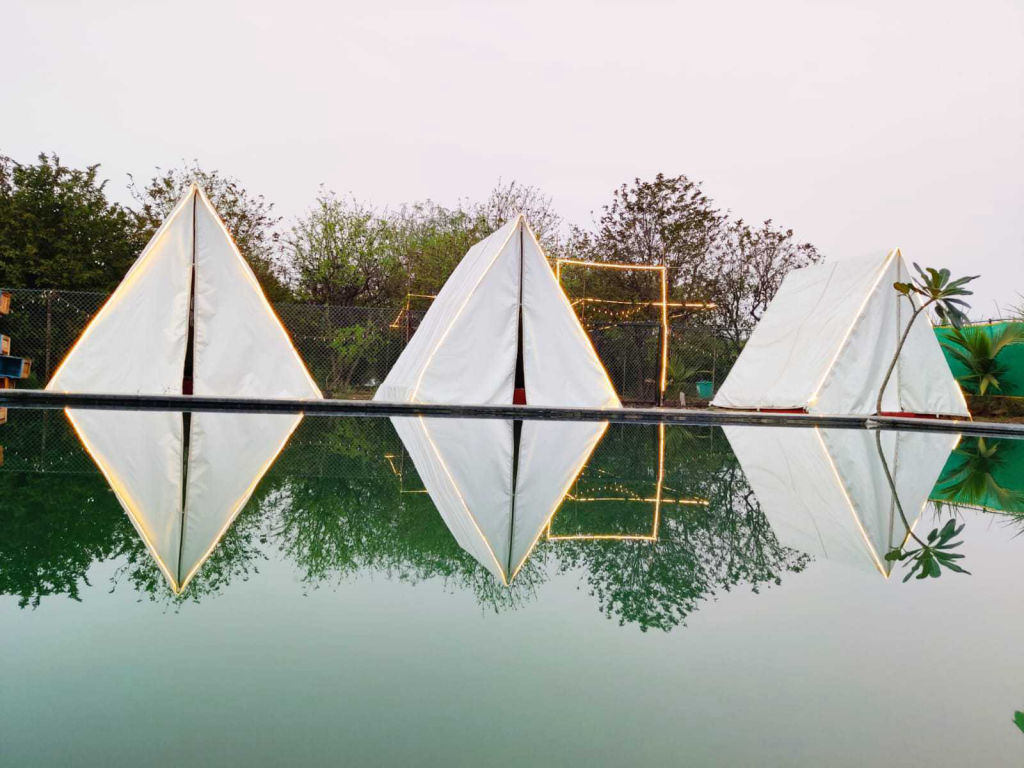
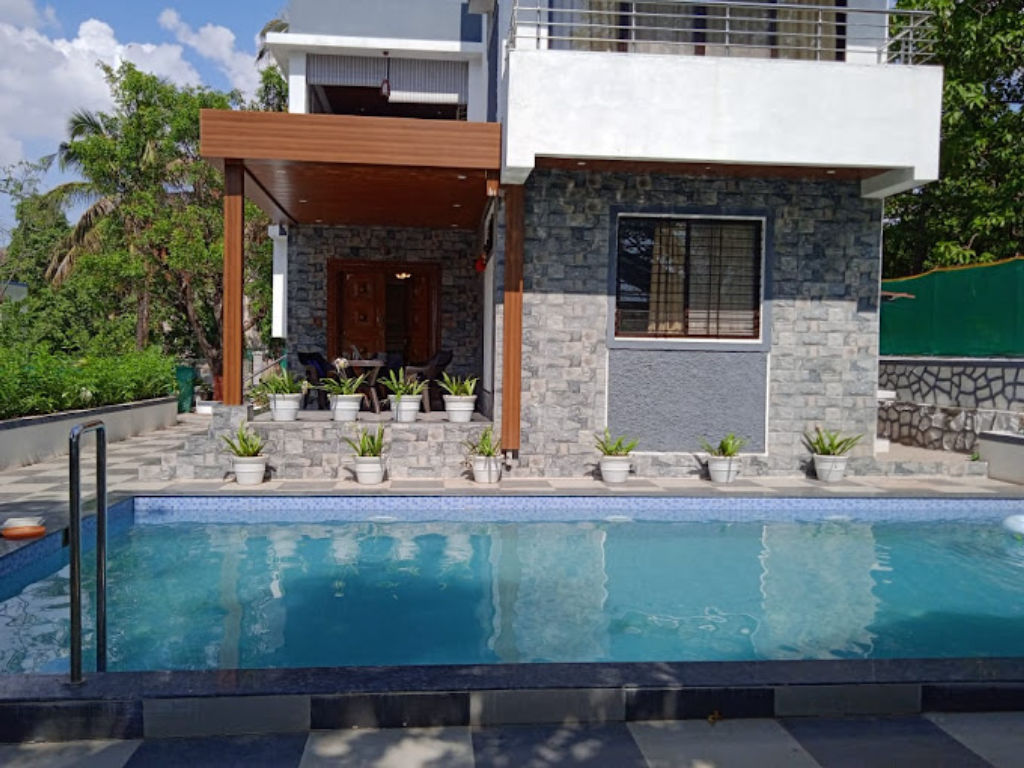
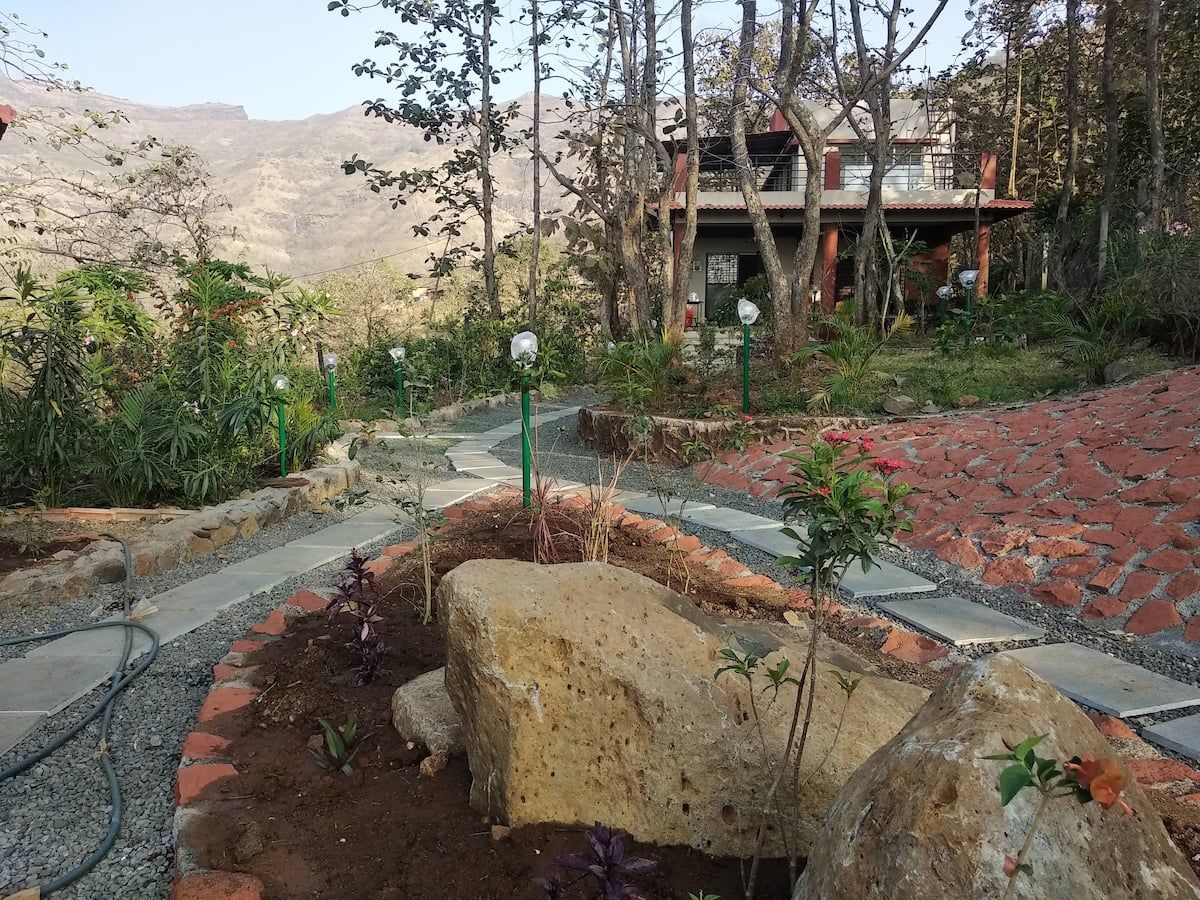
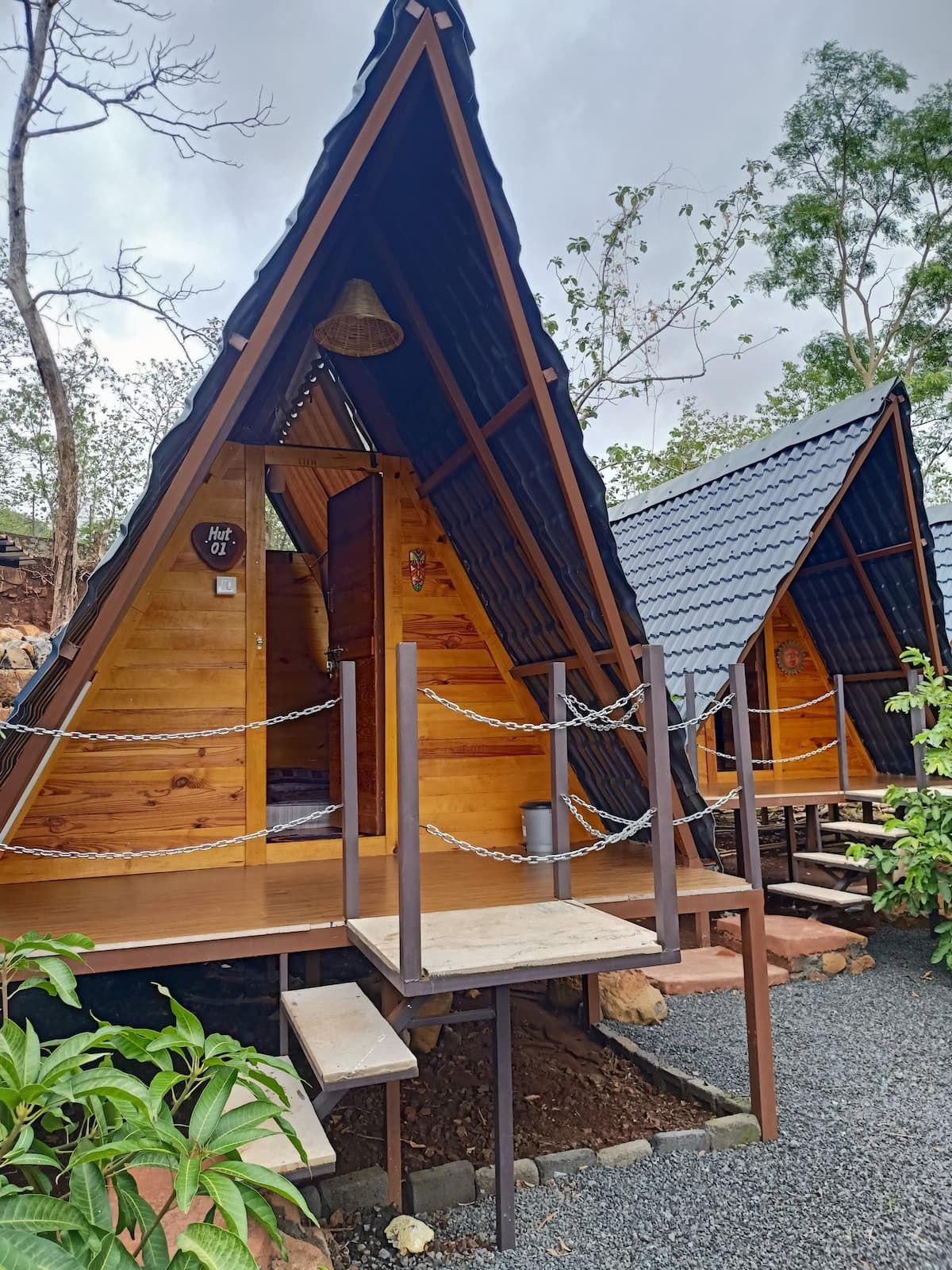
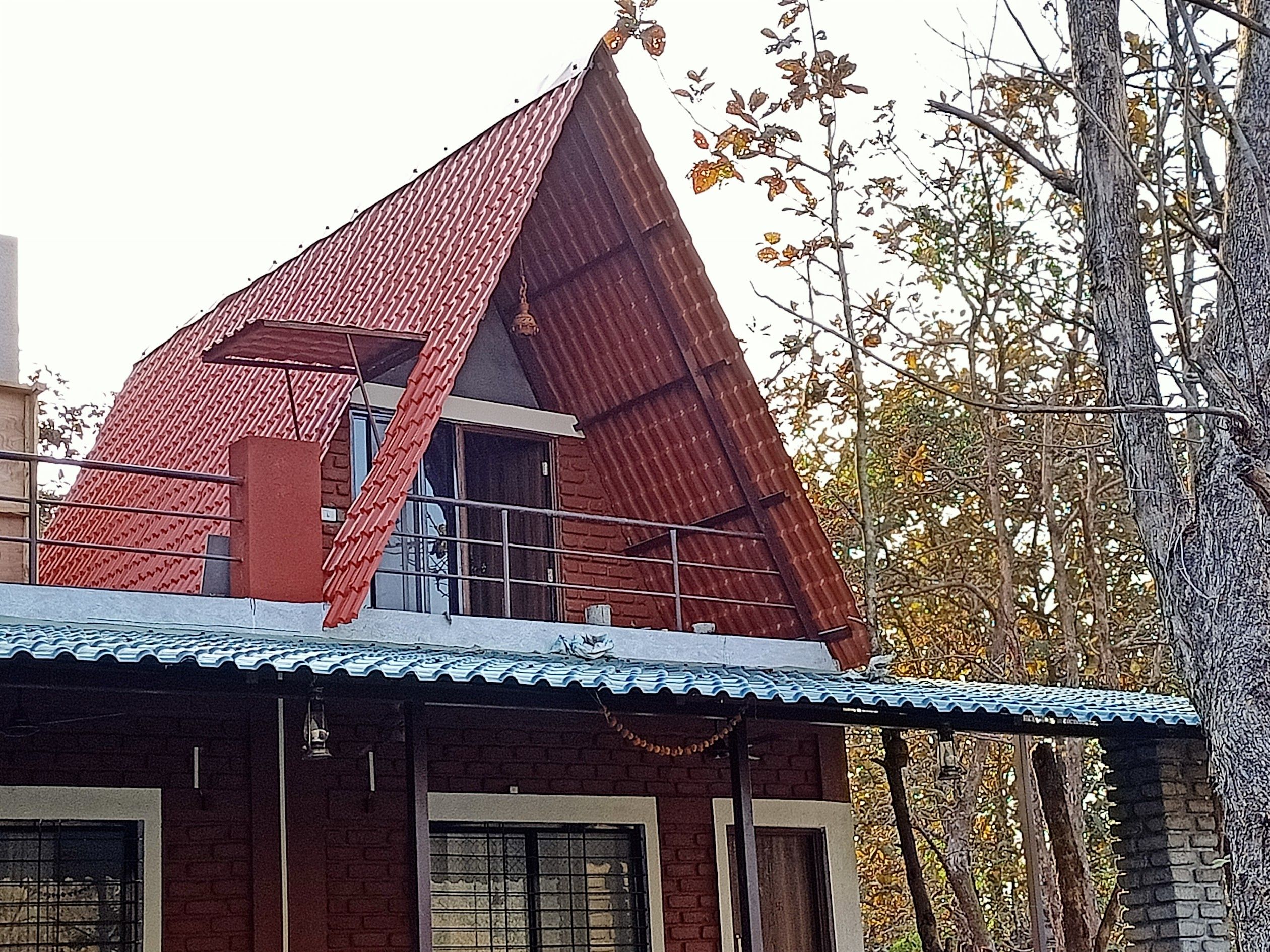
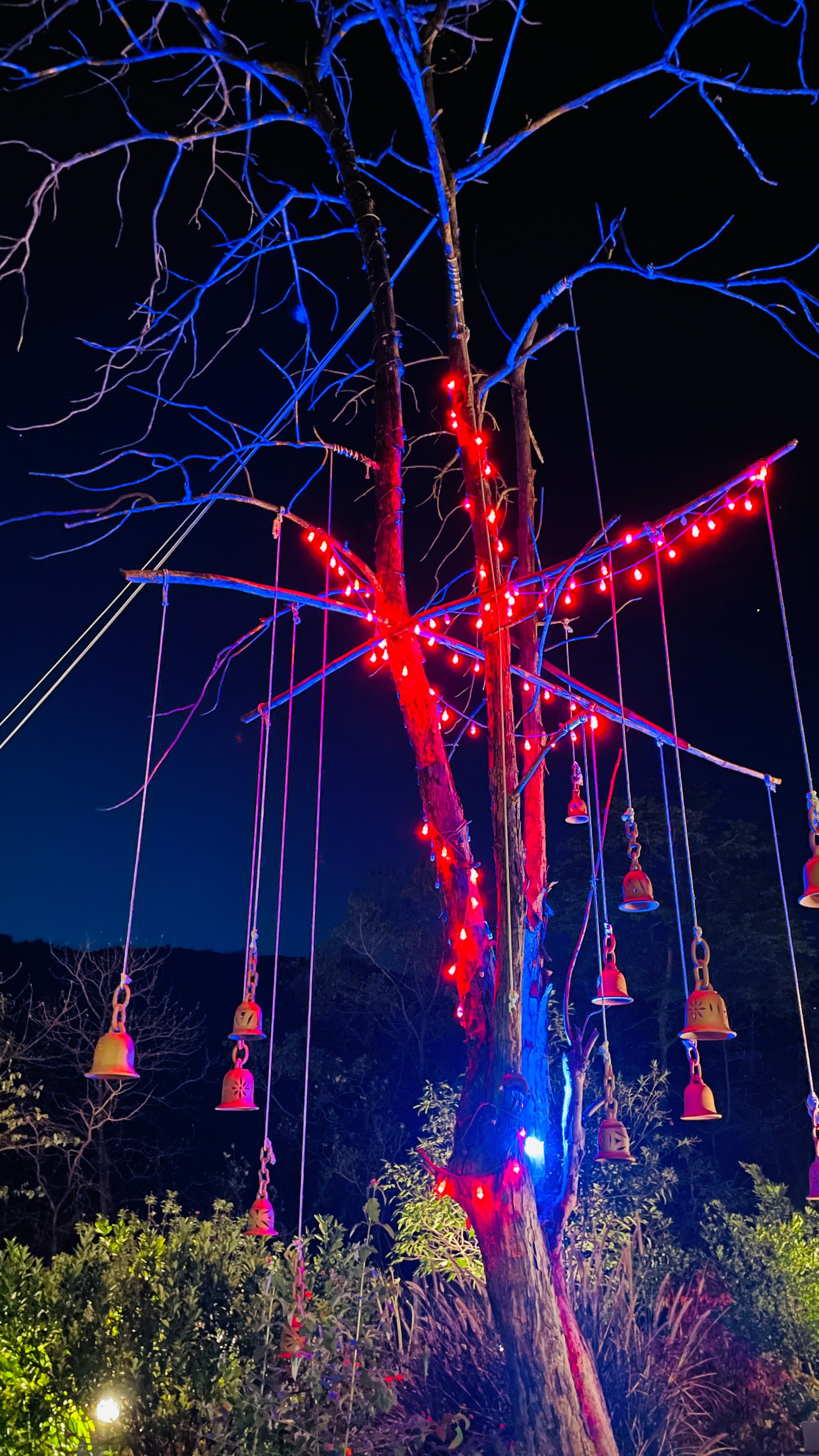
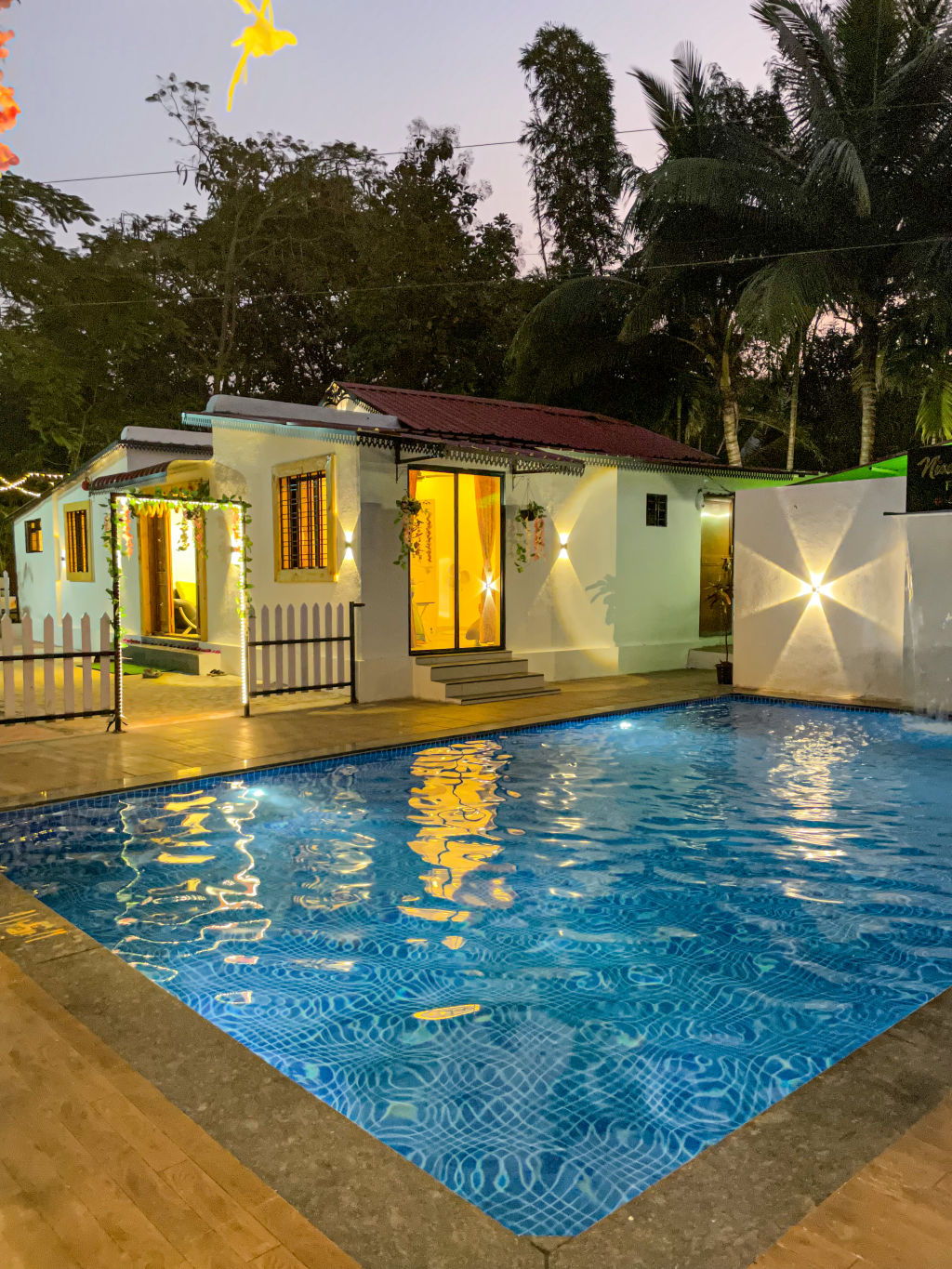
Accommodation options around Purandar cater primarily to travellers who appreciate nature, heritage, and peaceful rural surroundings. Rather than large commercial resorts, the region is known for immersive camping grounds, tranquil farm stays, and scenic homestays located around the rural valleys and foothills.
Staying at a campsite allows visitors to experience the clear night skies of the Deccan and wake up to cool mountain breezes right beneath the fort ramparts. For travellers seeking a taste of authentic local hospitality, regional homestays offer home-cooked Maharashtrian meals made from seasonal local ingredients. You can discover and book verified camps, homestays, and outdoor getaways in and around Purandar directly on HireACamp.
Frequently asked questions
What is Purandar famous for?
Purandar is renowned for its historic twin forts, Purandar and Vajragad, which played a vital role in Maratha history and mark the birthplace of Chhatrapati Sambhaji Maharaj. The region is also famous for its fertile agricultural valleys, particularly its sweet figs and custard apples.
Can you drive to the top of Purandar Fort?
Vehicles can travel up a winding mountain road to a designated parking area on the lower plateau of the fort. From there, visitors must continue on foot along stone pathways and trails to reach the upper fort and historic structures.
How difficult is the trek to Purandar Fort?
The trek from the parking area to the upper fort is considered moderate and suitable for beginners with basic fitness. It involves climbing stone steps and navigating gentle slopes, with panoramic views along the way.
What should I pack for a trip to Purandar?
Pack sturdy walking or trekking shoes with good grip, a hat, sunscreen, and plenty of drinking water, as facilities on the hill are limited. During the monsoon, carry reliable rain gear, and bring a light jacket or fleece for cool mornings and evenings in the winter.
Are there places to eat around Purandar?
Local eateries, small roadside dhabas, and village stalls along the roads near Saswad and the base of the fort serve simple Maharashtrian meals, snacks, and seasonal fruits. For a wider selection of dining establishments, visitors can head toward the outskirts of Pune.
Where you'll be
8 stays nearby shown with prices
Stays near Purandar
Book a place to stay close by
Things to do in Purandar
47 places creators recommend within 30 km


Lists for this area
Ranked by how many creators recommend each place


Built from 0 Instagram posts by 0 creators. Every tip links back to the post it came from, and where creators disagree we show both sides.


