
Quepem
Destination in Goa
Quepem is a historic inland town and taluka headquarters located in South Goa, surrounded by lush green hills, seasonal rivers, and fertile agricultural plains. Unlike the bustling coastal belts, travellers visit Quepem to experience Goa's traditional village heritage, grand colonial-era architecture, and tranquil country roads. Its proximity to both forested foothills and scenic heritage landmarks makes it a peaceful base for exploring the southern interior.
Getting there
By road
- From Pune9 hr 50 min · 464 km
Typical drive times without traffic. Stations and airports from OLA Maps; distances and typical drive times from OpenStreetMap (© OpenStreetMap contributors); notes from creators' Reels.
About Quepem
Written with AI from map data and general knowledge. Check prices and timings locally before you go.
About Quepem and its history
Quepem represents a distinctly pastoral chapter of Goan history. Located along the gentle waters of the Kushavati River basin, the town developed significantly during the late eighteenth century. A Portuguese Catholic priest and dean of the cathedral, Jose Paulo de Almeida, played a central role in founding modern Quepem by clearing scrubland, planting orchards, and establishing an estate house alongside civic planning that invited communities of diverse trades and faiths to settle together.
Today, Quepem retains much of this measured, village-like character. Tall raintrees, neat colonial homes with traditional Goan balcaos, and quiet parish lanes set the tone for daily life. The town acts as a market hub for surrounding farming hamlets, yet it manages to avoid the hectic commercial pace of the state's coastal tourist centers. Visiting Quepem offers a glimpse into how rural Goa functions away from the beach strips, where agriculture, cashew farming, and age-old local customs remain central to everyday existence.
Things to do in and around Quepem
Exploring the architectural remnants of the town is one of the most rewarding ways to spend time here. The town is famous for historic heritage estates constructed during the Portuguese era, including grand riverside mansions featuring distinctive Goan and Portuguese design, expansive landscaped gardens, belvederes, and preserved period furniture. Taking a quiet walking or cycling tour around the municipal area allows you to observe these historic dwellings, small roadside chapels, and the Holy Cross Church that forms the heart of the settlement.
Nature lovers and outdoor enthusiasts can spend time strolling along rural bylanes that lead toward the Kushavati River. The riverbanks and surrounding fields offer excellent opportunities for early morning birdwatching, where you can frequently spot kingfishers, egrets, drongos, and various migratory waterfowl during the cooler months. The gentle slopes surrounding the town also make for easy walking trails through cashew orchards and coconut groves, where you can observe seasonal farming practices like cashew harvesting in the spring.
Read more
Getaways and day trips near Quepem
Quepem is well-positioned for exploring several remarkable heritage and wilderness sites in South Goa. Just a short drive north lies Chandor, an ancient capital of the Kadamba dynasty, celebrated for its palatial Indo-Portuguese mansions, ancient fortifications, and historic parish churches. A journey east takes you toward the foothills of the Western Ghats, where you can visit traditional spice farms, organic plantations, and the forested tracts around Rivona, which houses ancient Buddhist caves carved out of laterite rock.
Further south and southeast, the landscapes become progressively wilder as you approach the Netravali Wildlife Sanctuary and the Cotigao Wildlife Sanctuary. These protected forests offer serene nature trails, perennial freshwater streams, scenic seasonal waterfalls, and the unique bubbling lake known as the Netravali bubble lake. Quepem serves as a practical stepping stone between South Goa's cultural heartland and its rugged, biodiversity-rich eastern frontiers.
Best time to visit Quepem
The ideal time to visit Quepem is during the winter months, from November to February. During this season, temperatures are mild and pleasant, humidity drops considerably, and daytime conditions are comfortable for cycling, village walking, and heritage tours. Evenings are refreshingly cool, making this period the most popular time for outdoor activities and cultural exploration.
The monsoon season, running from June to September, brings intense rainfall that revitalizes the surrounding countryside. While outdoor walks can be occasionally interrupted by downpours, the landscape turns exceptionally green, rivers and seasonal streams flow at their peak, and nearby waterfalls in the Western Ghats come alive. If you prefer quiet countryside settings and rich natural greenery, the monsoon and post-monsoon months of September and October are deeply atmospheric. The summer months from March to May are hot and humid, best suited for early morning activities and leisurely afternoons spent indoors.
How to reach Quepem
Quepem is accessible by road, rail, and air, with good connectivity through the major transport junctions of South Goa. The primary rail hub serving the area is Margao, situated roughly fifteen to sixteen kilometers northwest of Quepem. Margao railway station connects to key Indian cities along the Konkan Railway network. From the station, you can hire local taxis, auto-rickshaws, or take state-run buses that run frequently between Margao and Quepem.
For air travel, both Dabolim Airport and Manohar International Airport at Mopa connect Goa to domestic and international destinations. Dabolim is the closer airport to Quepem, reachable via a scenic road journey heading southeast through South Goa's inland districts. State transport buses run regular services connecting Quepem with Margao, Curchorem, and neighboring towns, while self-drive cars and rented scooters provide the most flexible way to navigate the rural lanes.
Where to stay in Quepem
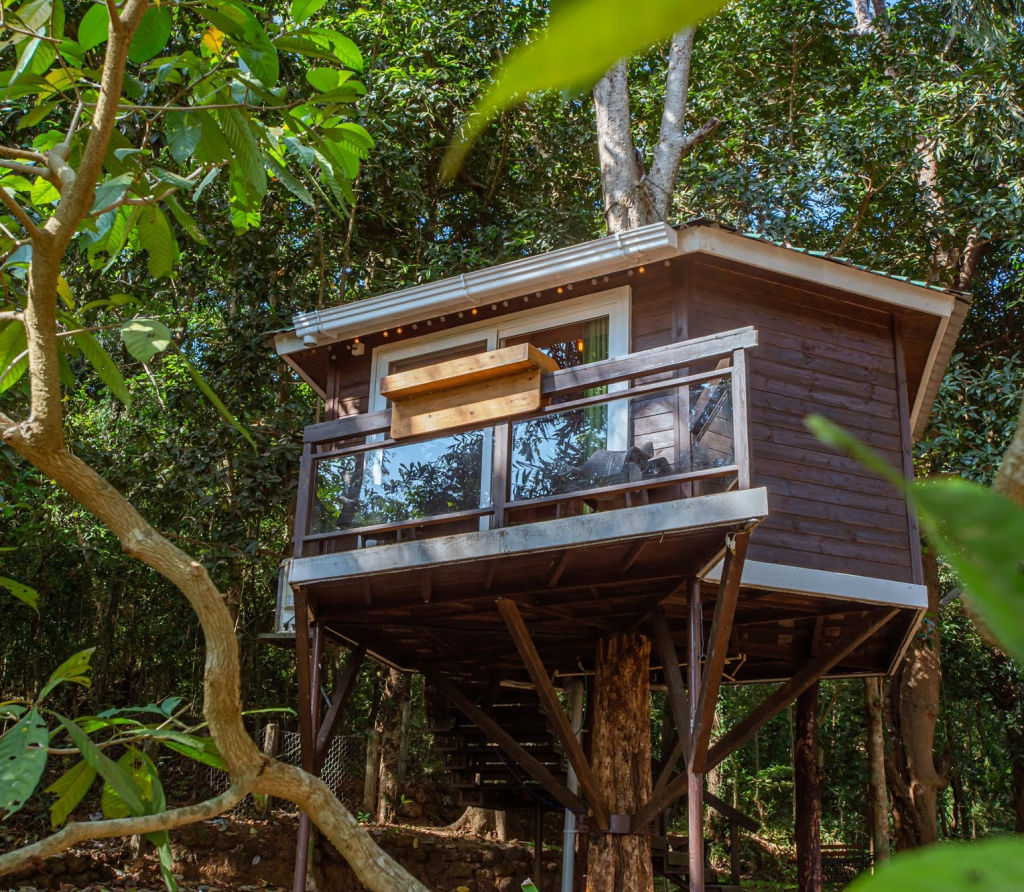
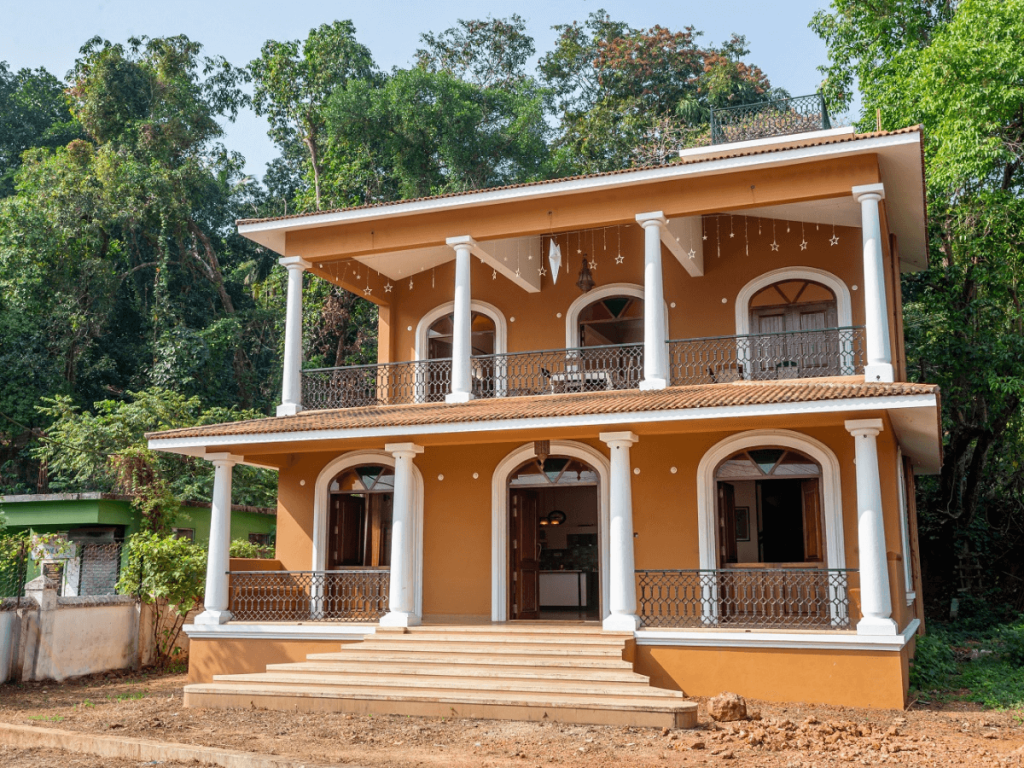
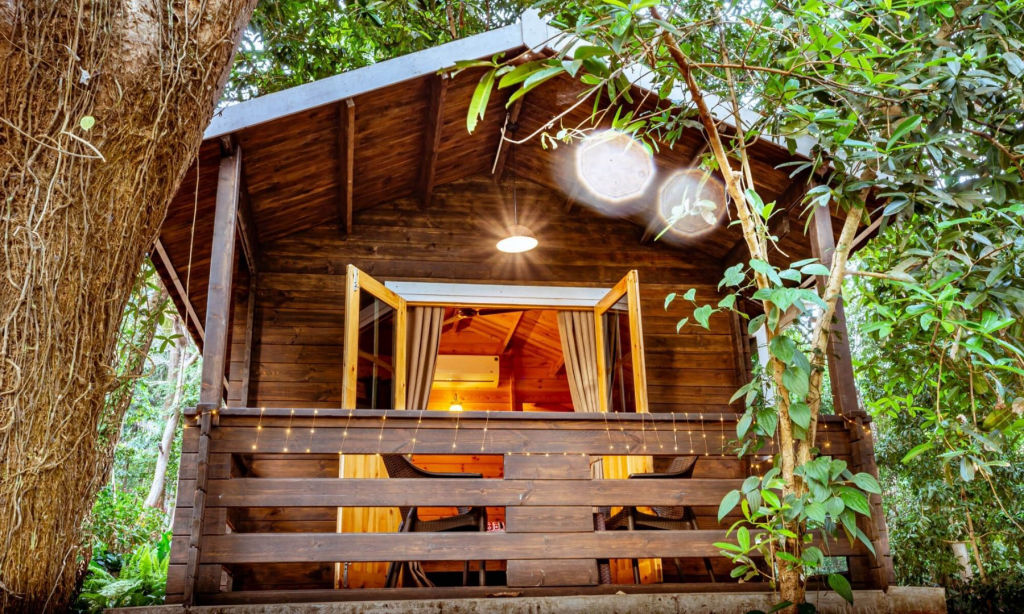
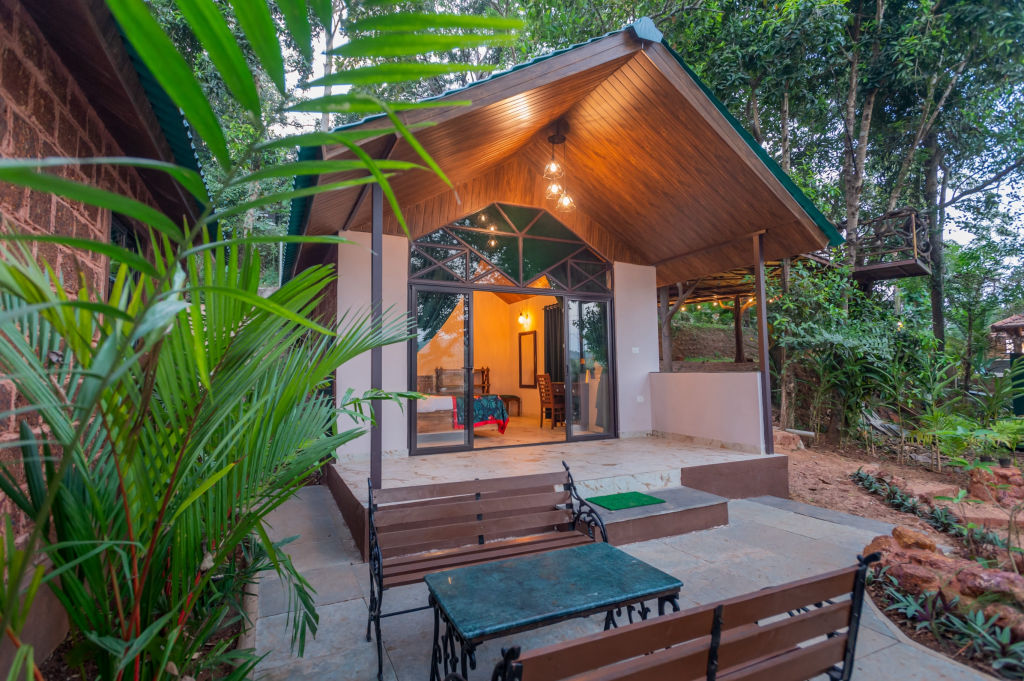
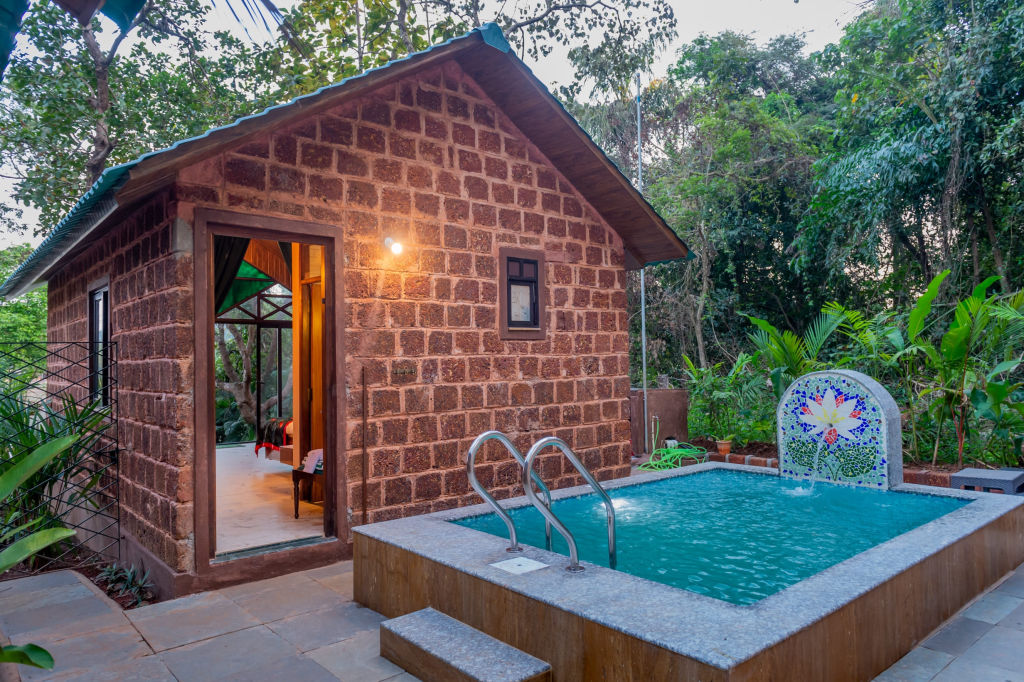
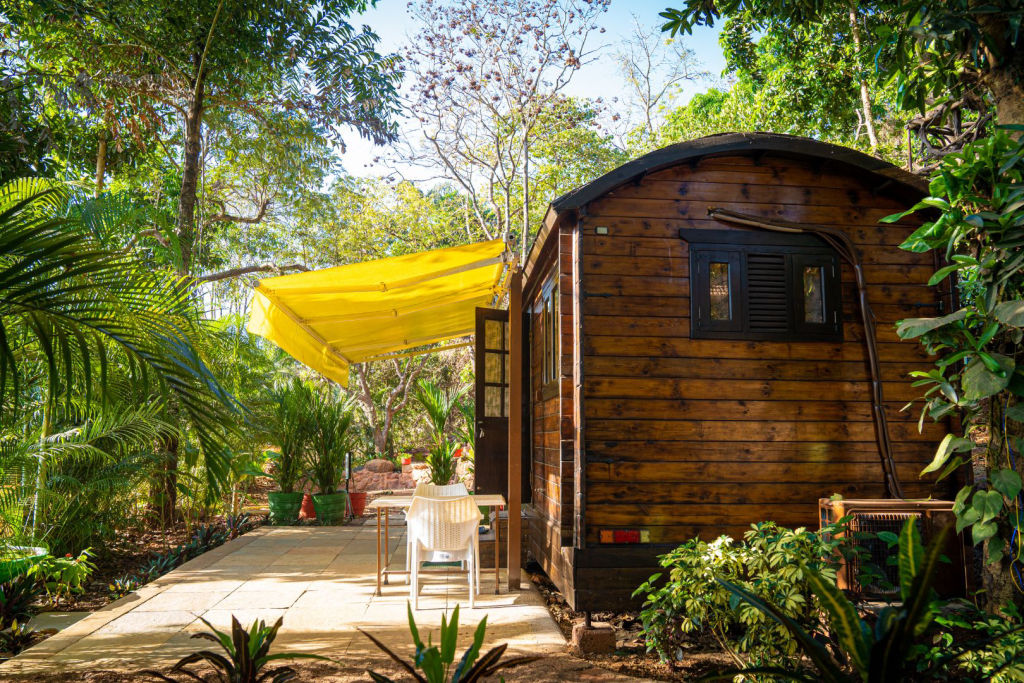
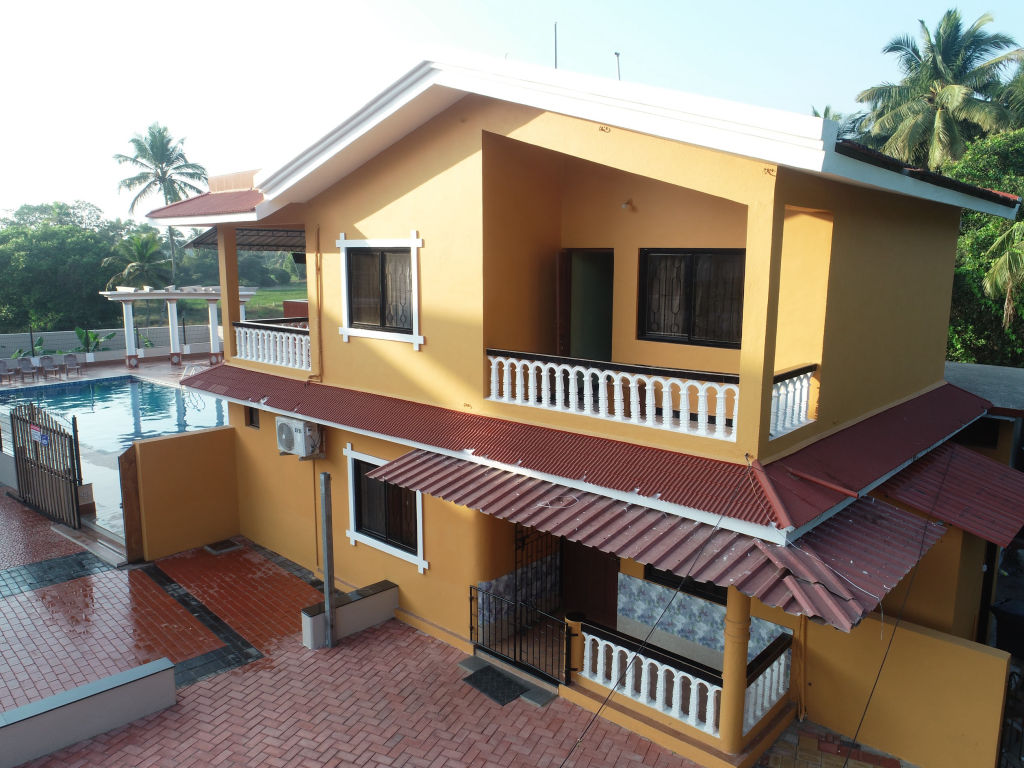
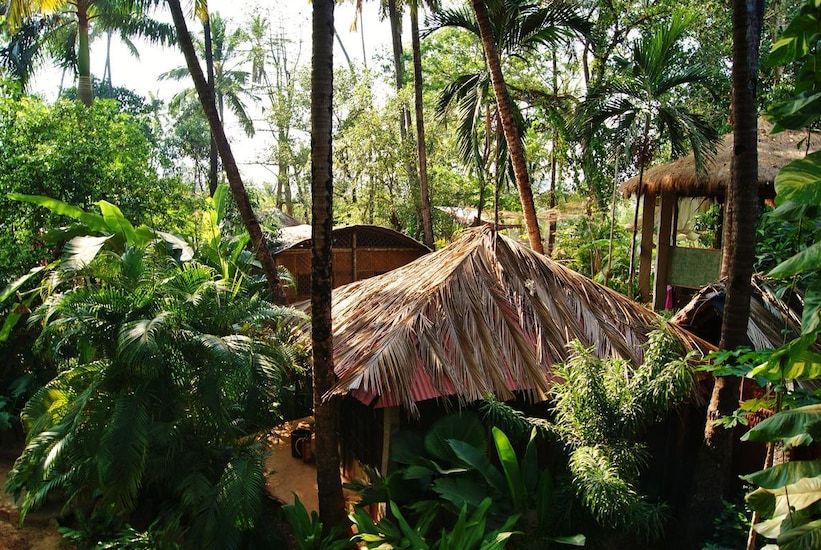
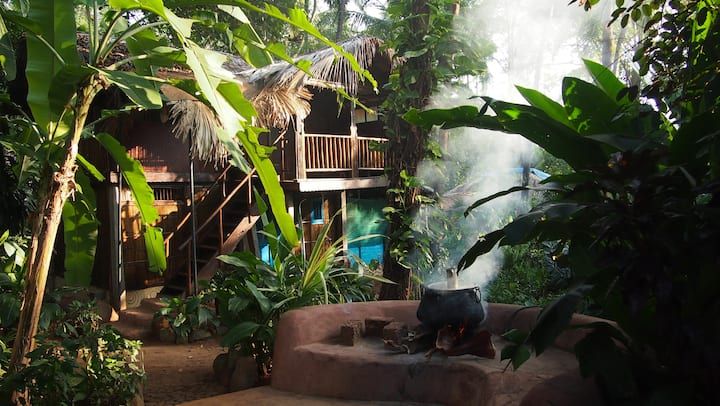
Accommodation options in and around Quepem range from restored heritage residences and peaceful village homestays to rustic eco-lodges near the forested foothills. Staying in a homestay allows travellers to experience authentic Goan hospitality and regional cuisine, while rural retreats situated closer to the spice belts provide immersed nature experiences away from traffic and crowd.
Travellers interested in outdoor getaways, riverside settings, and unique homestays around Quepem and the broader South Goa region can browse and book verified options directly on HireACamp. Staying inland gives you a refreshing alternative to standard coastal lodging, placing you closer to nature, local heritage, and untouched rural roads.
Frequently asked questions
What is Quepem best known for?
Quepem is best known for its calm rural atmosphere, lush agricultural surroundings, and historic colonial-era estates like the Palacio do Deao, alongside its quiet proximity to South Goa's forested wildlife sanctuaries.
How far is Quepem from Margao?
Quepem is located approximately fifteen to sixteen kilometers southeast of Margao, making it roughly a thirty to forty-minute drive depending on local traffic.
Is Quepem suitable for a family vacation?
Yes, Quepem is well-suited for families seeking a quiet retreat focused on nature, heritage homes, spice farm visits, and gentle countryside walks rather than loud nightlife.
Which airport is nearest to Quepem?
Dabolim Airport in South Goa is the closest airport to Quepem, offering convenient taxi and car rental connections to the town.
What should I pack for a trip to Quepem?
Pack lightweight cotton clothing for warm days, comfortable walking shoes for heritage walks and countryside paths, insect repellent for outdoor excursions, and modest clothing suitable for entering local places of worship.
Where you'll be
9 stays nearby shown with prices
Stays near Quepem
Book a place to stay close by
Things to do in Quepem
48 places creators recommend within 30 km
Built from 0 Instagram posts by 0 creators. Every tip links back to the post it came from, and where creators disagree we show both sides.






