
Shree Damodar Temple Zambaulim
Temple near Zambaulim, Goa
200 m from Zambaulim
The nearest town, for stays, food and fuel.
Shree Damodar Temple Zambaulim is a revered Hindu shrine situated along the serene banks of the Kushavati River near the town of Quepem in South Goa. Dedicated to Lord Damodar, a manifestation of Lord Shiva, the temple holds immense spiritual and historical value for communities across the state. Visitors travel here to take part in centuries-old traditions, admire distinctive Goan temple architecture, and experience the tranquil countryside of Goa's interior.
Getting there
By road
- From ZambaulimNearest town2 min · 400 m
- From Pune9 hr 55 min · 467 km
Typical drive times without traffic. Stations and airports from OLA Maps; distances and typical drive times from OpenStreetMap (© OpenStreetMap contributors); notes from creators' Reels.
About Shree Damodar Temple Zambaulim
Written with AI from map data and general knowledge. Check prices and timings locally before you go.
History and Significance of Shree Damodar Temple
The roots of Shree Damodar Temple Zambaulim are intimately tied to the history of Goa during the sixteenth century. Originally, the idol of Lord Damodar was enshrined in the bustling settlement of Margao, then known as Matha Grama. During the era of Portuguese colonial expansion and religious conversions in the mid-1500s, local devotees moved the sacred deity inland to safeguard it from destruction. The idol was carefully transported southward across the border into the territory of the Saundekar Rajas, finding a permanent sanctuary in the secluded village of Zambaulim.
Over the centuries, the shrine evolved into one of the most culturally significant pilgrimage sites in Goa. What makes the temple especially distinctive is the deep, communal reverence it commands. People from diverse religious and social backgrounds throughout the region hold Lord Damodar in high esteem, often seeking blessings for health, prosperity, and family milestones. The temple remains a living symbol of cultural resilience and shared Goan heritage.
The Temple Architecture and Kushavati River
Shree Damodar Temple displays the unique blend of Goan and regional temple architecture that flourished when temples were relocated away from coastal territories. Unlike ancient stone shrines of southern India, many historic Goan temples incorporate elements introduced during the colonial period, such as tiled roofs, domed towers, wooden carvings, and arched pillared mandapas. Within the temple compound, a traditional Deepastambha, or lamp tower, stands tall, lighting up gracefully during annual celebrations and religious ceremonies.
Flowing right beside the temple grounds is the sacred Kushavati River. In Goan folklore and Ayurvedic traditions, the waters of the Kushavati are believed to possess natural healing properties, attributed to the medicinal plants and mineral-rich soils of the Western Ghats forests through which the river journeys. Devotees often bathe in or sprinkle the river water over themselves before entering the inner sanctum. The peaceful riverbank, fringed by lush green foliage and palms, lends a calm, contemplative atmosphere to the entire temple complex.
Read more
Festivals and Traditions at Zambaulim
While daily rituals and weekly Monday gatherings bring regular footfall to the temple, the annual celebration of Shigmo, particularly the famous Zambaulim Gulal, transforms the village into a whirlwind of joy and devotion. Held during the month of Phalguna, usually falling between February and March, the festival commemorates the victory of good over evil and marks the arrival of spring.
During the Gulalotsav, devotees gather in thousands in front of the temple to shower each other with bright red vermilion powder, or gulal. The air turns into a vibrant crimson cloud as music, traditional drums, and devotional hymns echo through the valley. It is an extraordinary display of shared faith where people of various faiths and communities participate shoulder to shoulder. Beyond Shigmo, festivals like Mahashivratri and Diwali are celebrated with traditional pujas, temple chariot processions, and oil lamp illuminations.
Best Time to Visit Shree Damodar Temple
The cooler months from October to February offer the most pleasant weather for visiting Shree Damodar Temple Zambaulim. During this winter period, daytime temperatures remain moderate and humidity is relatively low, making it comfortable to explore the temple premises, walk down to the riverbank, and spend time in Quepem taluka.
If you wish to experience the temple at its most energetic and culturally vivid, plan your visit during the week of the Shigmo festival in late February or March. Be prepared for large crowds and vibrant celebrations during this time. The monsoon season from June to September brings heavy rains to South Goa, swelling the Kushavati River and turning the surrounding landscape intensely green. Visiting in the monsoon provides a quiet, mist-laden atmosphere, though outdoor walking around the river steps can become slippery.
How to Reach Shree Damodar Temple Zambaulim
Shree Damodar Temple is located in Zambaulim, just outside the market town of Quepem in South Goa. The major transportation hub of Margao is approximately twenty-two kilometres away, typically taking around thirty-five to forty-five minutes by road depending on local traffic. From Margao, state-run buses, private minibuses, and taxis operate regularly toward Quepem and Zambaulim.
Travellers arriving by air at Dabolim Airport can reach the temple in about an hour and fifteen minutes by car, covering a distance of roughly forty-five kilometres. From Manohar International Airport at Mopa in North Goa, the journey takes around two hours across the length of the state. The nearest major railway station is Madgaon Junction in Margao, which connects Goa with most parts of India. Having your own vehicle or hiring a scooter or car allows easy exploration of the scenic rural roads leading into the foothills of the Western Ghats.
Tips for Your Visit
As with any active place of worship, dress modestly when visiting Shree Damodar Temple Zambaulim. Shoulders and knees should be covered, and footwear must be removed at the designated counters before entering the inner courtyard. Photography is generally restricted or prohibited inside the main sanctum, so observe posted guidelines or ask temple priests before taking pictures.
Early mornings and late afternoons are the calmest times of the day to visit, allowing for unhurried prayer and reflection by the river. If you visit on a Monday or during major festival days, expect larger queues for darshan. Take care on the stone steps leading down to the Kushavati River, especially during the rainy season when moss makes surfaces slick. Carrying a water bottle and umbrella during summer or monsoon months will keep you prepared for Goa's changing weather.
Where to Stay Near Zambaulim
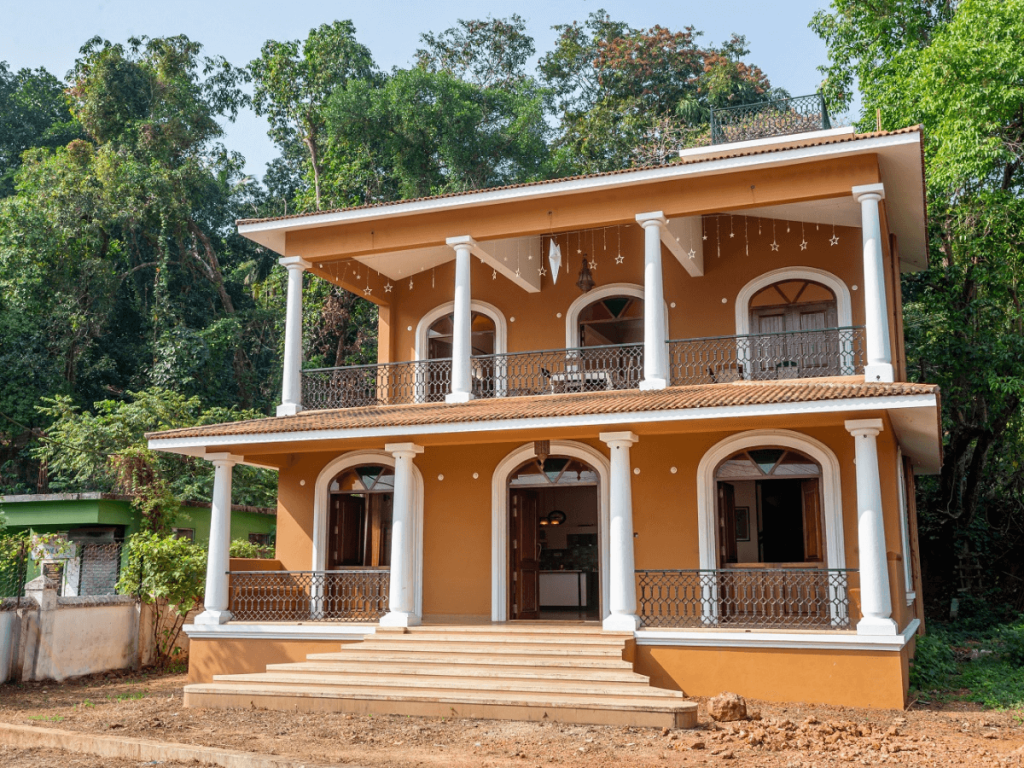
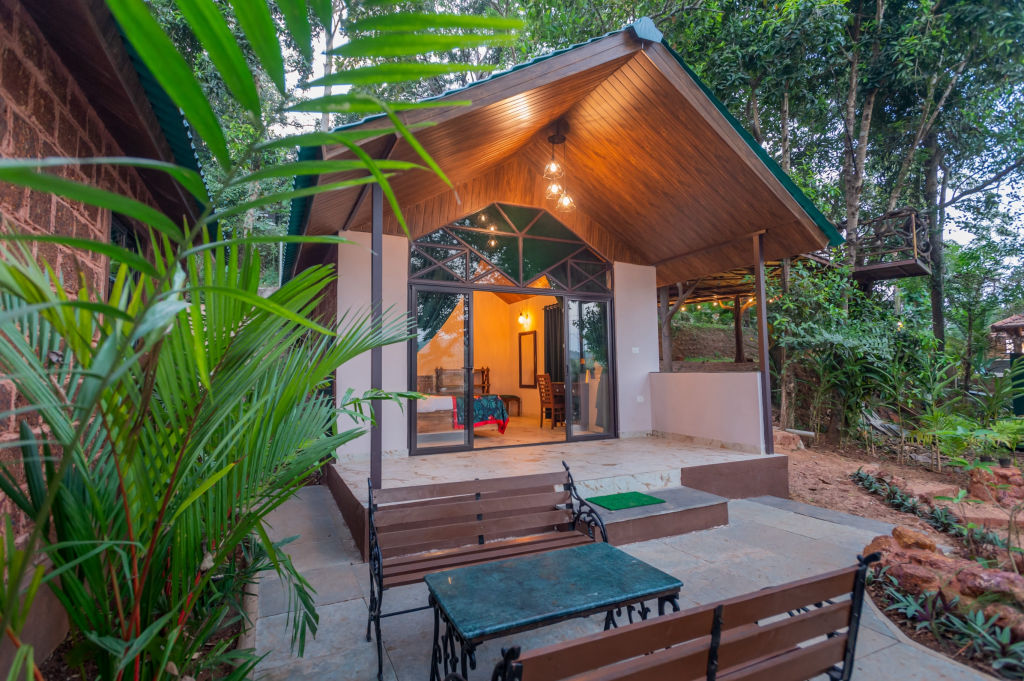
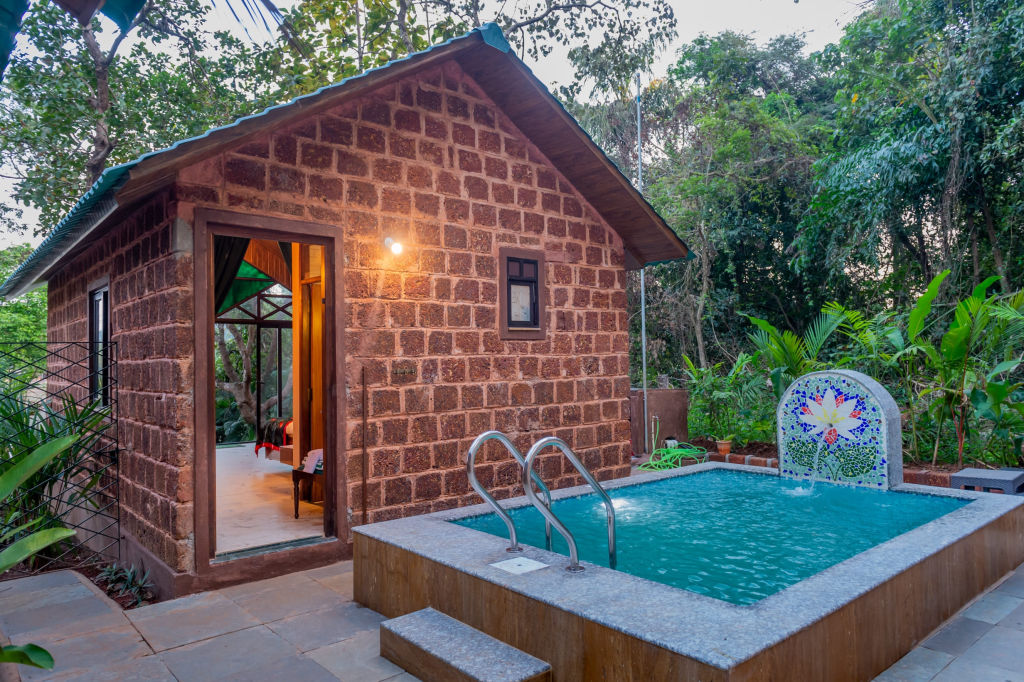
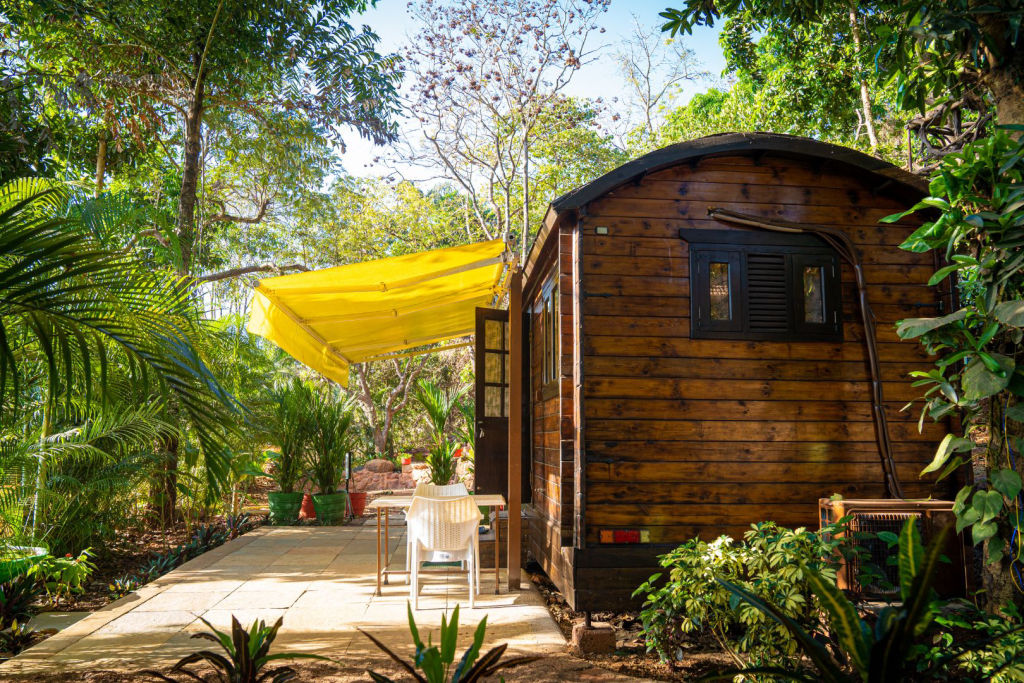
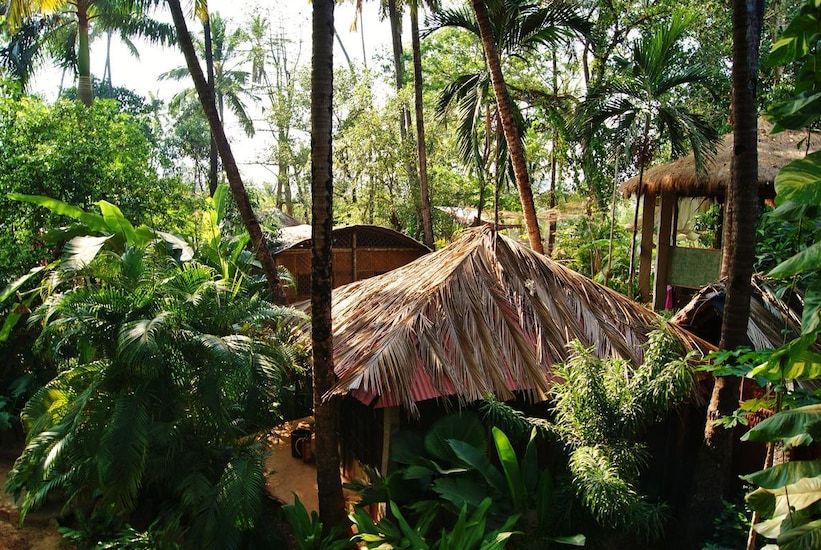
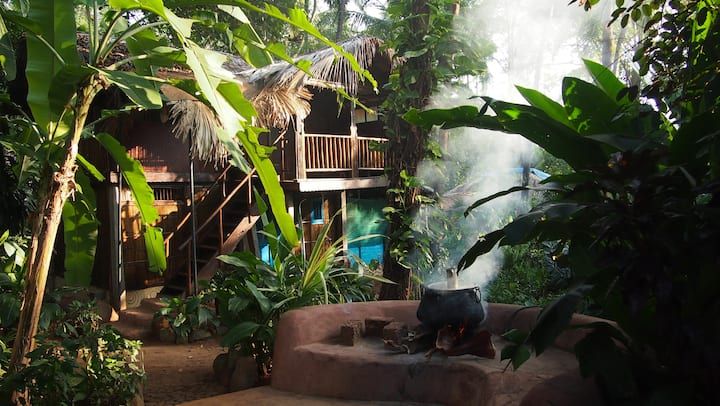
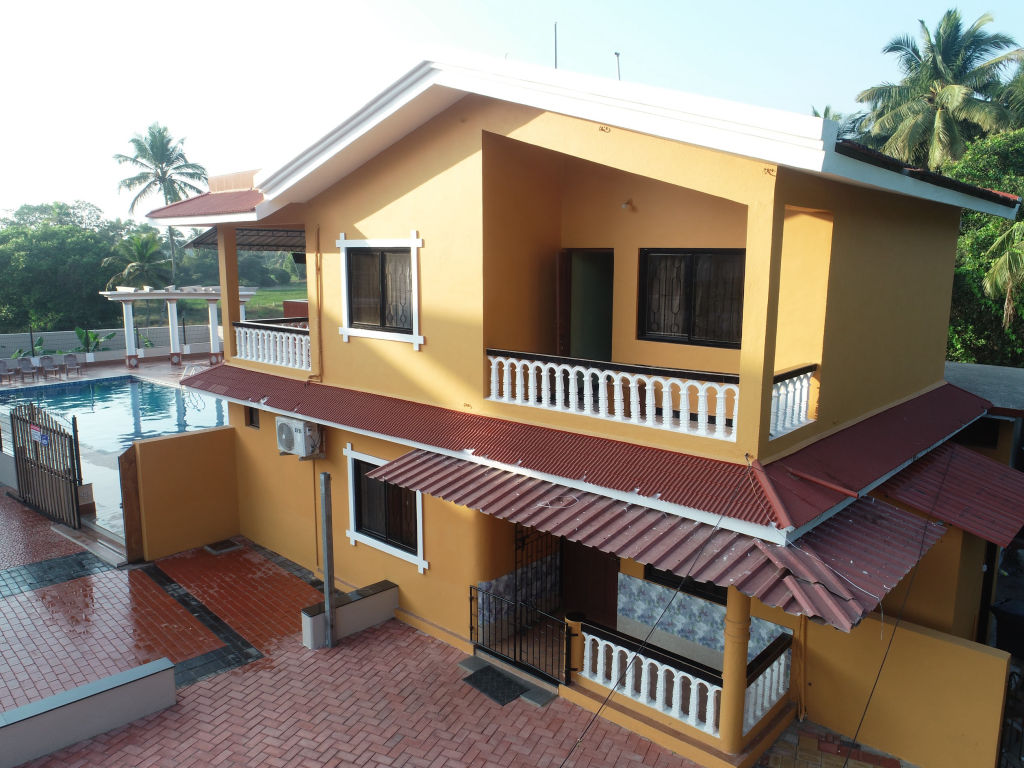
While the immediate vicinity of Zambaulim consists of peaceful villages and agricultural land, comfortable accommodations are widely available throughout South Goa. The nearby town of Quepem and the surrounding countryside offer authentic Goan homestays, rural cottages, and rustic plantation stays where visitors can slow down and enjoy local hospitality.
Those who prefer coastal breezes can stay along the quiet southern beaches, which are an easy driving distance away. You can find well-curated homestays, eco-friendly retreats, and scenic nature getaways near Quepem and across South Goa directly on HireACamp. Staying in the hinterland lets you wake up to birdsong, misty hills, and an unhurried perspective of Goa that many beachgoers never see.
Frequently asked questions
Which deity is worshipped at Shree Damodar Temple Zambaulim?
The presiding deity of the temple is Lord Damodar, a revered incarnation of Lord Shiva who is worshipped with deep devotion across Goa.
What is the significance of the Kushavati River at the temple?
The Kushavati River flows right beside the temple complex and is regarded as sacred. Its waters are traditionally believed to possess therapeutic and medicinal properties due to the forest plants lining its upstream path.
When does the famous Gulal festival take place in Zambaulim?
The Gulal festival takes place during the annual Shigmo celebrations in late February or March, drawing thousands of devotees who celebrate by showering bright red powder in the temple courtyard.
Are there specific dress codes for entering the temple?
Visitors are expected to dress modestly with shoulders and knees covered. Footwear must be removed before stepping into the inner temple premises.
How far is Shree Damodar Temple Zambaulim from Margao?
The temple is located approximately twenty-two kilometres from Margao, which typically takes between thirty-five and forty-five minutes by car or local bus.
Where you'll be
Quepem · 9 stays nearby shown with prices
Stays near Shree Damodar Temple Zambaulim
Book a place to stay close by


More places near Shree Damodar Temple Zambaulim
Within 20 km
Built from 0 Instagram posts by 0 creators. Every tip links back to the post it came from, and where creators disagree we show both sides.






