
Rajgad Balekilla
Trek near Velhe, Maharashtra
7 km from Velhe
The nearest town, for stays, food and fuel.
Rajgad Balekilla is the commanding citadel and highest point of the historic Rajgad Fort, located in the Velhe region of Pune district in Maharashtra. Serving as the primary seat of the Maratha Empire under Chhatrapati Shivaji Maharaj for over two decades, the fort stands as an enduring monument to Sahyadri military architecture. Trekkers and history enthusiasts ascend its steep rock-cut stairs to experience its dramatic ramparts and panoramic vistas of the surrounding Western Ghats.
Getting there
By road
- From VelheNearest town35 min · 13 km
- From Pune1 hr 50 min · 63 km
- From Mumbai 4 hr 10 min · 196 km
- From Nashik6 hr 25 min · 277 km
Typical drive times without traffic. Stations and airports from OLA Maps; distances and typical drive times from OpenStreetMap (© OpenStreetMap contributors); notes from creators' Reels.
About Rajgad Balekilla
Written with AI from map data and general knowledge. Check prices and timings locally before you go.
History and significance of Rajgad Balekilla
Rajgad, literally translating to the King of Forts, occupies a sacred place in the history of the Deccan plateau. For over twenty-five years, it served as the royal residence and military capital of Chhatrapati Shivaji Maharaj before the capital was shifted to Raigad Fort. The fort is built like an eagle's nest, featuring three extensive sub-plateaus known as machis, with the Balekilla crowned high above them in the center.
The Balekilla is the innermost sanctuary and citadel of the fort. In medieval mountain warfare, the citadel functioned as the final line of defense, designed to be completely self-sufficient and nearly unassailable even if the outer machis were breached. Walking through its formidable gateway reveals centuries of calculated tactical engineering, where sheer cliffs and massive stone masonry blend seamlessly into the rugged contours of the mountain.
The climb to Rajgad Balekilla
Reaching Balekilla is widely regarded as the crowning highlight of any trek on Rajgad Fort. Trekkers typically start from the base villages of Gunjavane or Pali, hiking up to the lower plateaus of Padmavati Machi or Sanjeevani Machi. From the central plateau near the Padmavati temple, the trail towards Balekilla narrows and ascends steeply toward the towering rock crown.
The final ascent involves navigating sheer rock faces via a sequence of steep, narrow steps carved straight into the volcanic basalt. Metal railings and safety chains have been anchored into the rock face to assist climbers along the most exposed sections. The final threshold is the magnificent Maha Darwaja of Balekilla, a towering double-bastioned stone gateway that still stands proud against the elements. Traversing this final stretch demands a steady head for heights and careful foot placement, rewarding trekkers with an exhilarating sense of adventure.
Read more
Key sights and views at the summit
Once inside the gates of Balekilla, the landscape opens into a windswept plateau dotted with historical ruins and stone relics. The summit houses the stone foundations of royal residences, storerooms, and council chambers, hinting at the vibrant court life that once thrived atop this remote peak. Ancient rock-cut water cisterns, known locally as tankis, remain carved into the rock, retaining clean, cool mountain water throughout the year.
The panoramic vistas from the edge of Balekilla are among the finest in Maharashtra. On clear days, one can gaze across the Sahyadri ranges to spot neighboring bastions like Torna Fort to the west, Sinhagad Fort to the north, and the distant battlements of Raigad Fort and Kenjalgad. Looking down directly onto the spread of Rajgad itself, you get a bird's-eye view of the zigzagging bastions of Sanjeevani Machi and Suvela Machi stretching outward like protective stone wings.
Best time to visit Rajgad Balekilla
The atmosphere at Rajgad Balekilla changes dramatically with the passing seasons. The monsoon months, from late June through September, transform the entire mountain into a vivid green sanctuary. Heavy clouds drift over the citadel, waterfalls tumble down the cliffs, and mist covers the trails. While the scenery is stunning, the rock steps leading up to the citadel can become extremely slick, requiring heightened caution.
The post-monsoon and winter window, spanning October to February, provides the most favorable trekking conditions. The skies clear to offer expansive views, the air turns crisp and cool, and the rock surfaces dry out, making the ascent much safer and more comfortable. Summer months from March to May bring high daytime temperatures and dry heat, so hikers attempting the climb during this period should start before dawn to avoid the midday sun.
How to reach Rajgad Balekilla
Rajgad Balekilla is accessible from the Velhe taluka of Pune district. Pune serves as the main transit hub, connected by air, rail, and broad road networks from across India. From Pune, travelers can drive or hire a vehicle toward the primary base hamlets: Gunjavane village or Pali village.
The route via Pali is known as the royal route, offering a more gradual stone-paved path that enters Rajgad through the Pali Darwaja. The route starting from Gunjavane is steeper and more rugged, popular among experienced trekkers. Both trails lead to the Padmavati plateau on the fort, from where the clearly marked trail heads up to the Balekilla summit. State transport buses run intermittently between Pune and Velhe or nearby stops, though private transport or personal vehicles offer significantly greater flexibility.
Trekking tips for your visit
Climbing Rajgad Balekilla requires moderate to high endurance, given the total elevation gain from the base village to the fort's highest point. Wear sturdy hiking shoes with deep rubber treads to ensure a firm grip on the smooth basalt steps. A lightweight backpack with at least two to three liters of water per person is essential, as hydration options on the climb itself are limited.
Start early in the morning, particularly if you plan to complete the ascent and return in a single day. If you are climbing during or immediately after the monsoon, carry a rain shell and pack your electronics in waterproof dry bags. Exercise patience and maintain a safe gap between trekkers on the vertical stairways, especially when passing others going in the opposite direction.
Places to explore nearby
The mountain valleys around Velhe are steeped in Maratha history and natural beauty. Just across the valley lies Torna Fort, the very first fort captured by Shivaji Maharaj, famous for its colossal ridge walks and challenging trails. To the north, Sinhagad Fort stands as an easily accessible historical stronghold overlooking the outskirts of Pune.
For those seeking longer road trips through the Western Ghats, the scenic passes of Tamhini Ghat and the placid waters of Mulshi Lake and Dhom Lake lie within driving distance. Further along the southern ridgelines, Kenjalgad and Kamalgad forts offer quieter trekking alternatives that capture the wild, untamed character of the Sahyadri range.
Where to stay near Rajgad
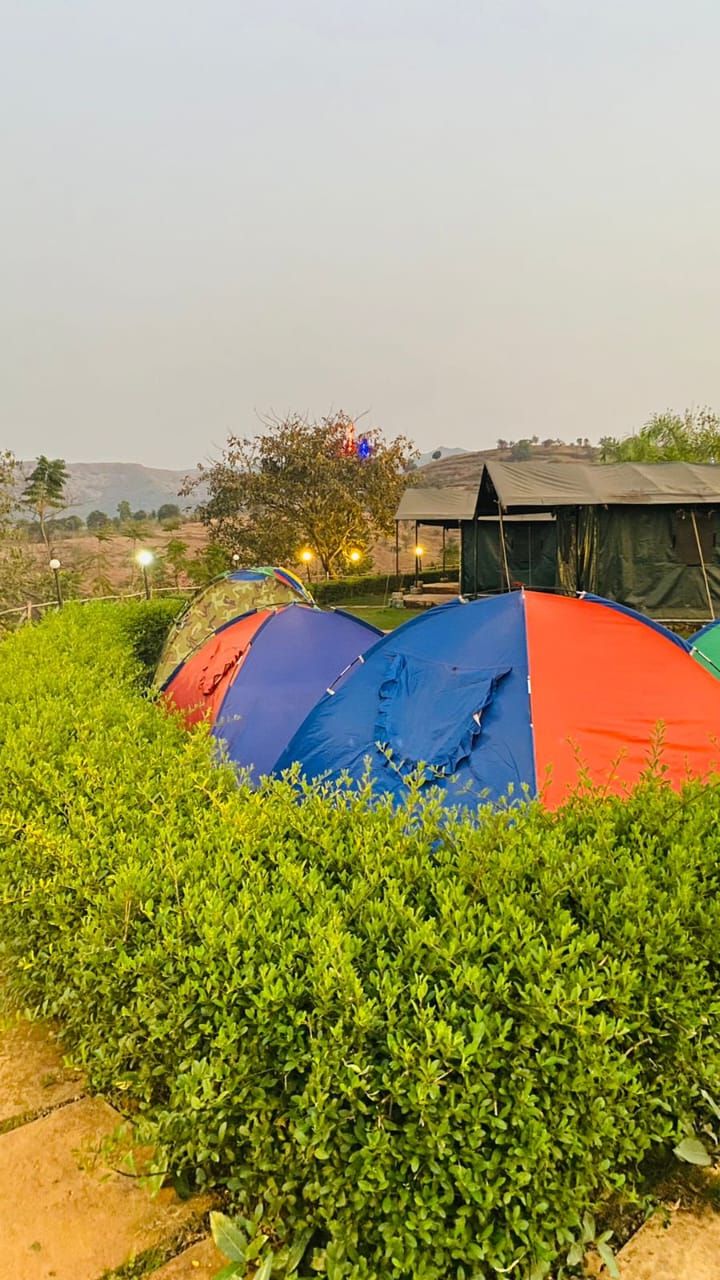
Many trekkers choose to camp atop Rajgad Fort, setting up tents on the open plateau of Padmavati Machi or taking shelter in the historic community halls of Padmavati temple during permissible weather. Trekkers choosing to camp should carry their own sleeping mats and warm layers, as nighttime winds on the mountain can be chilly.
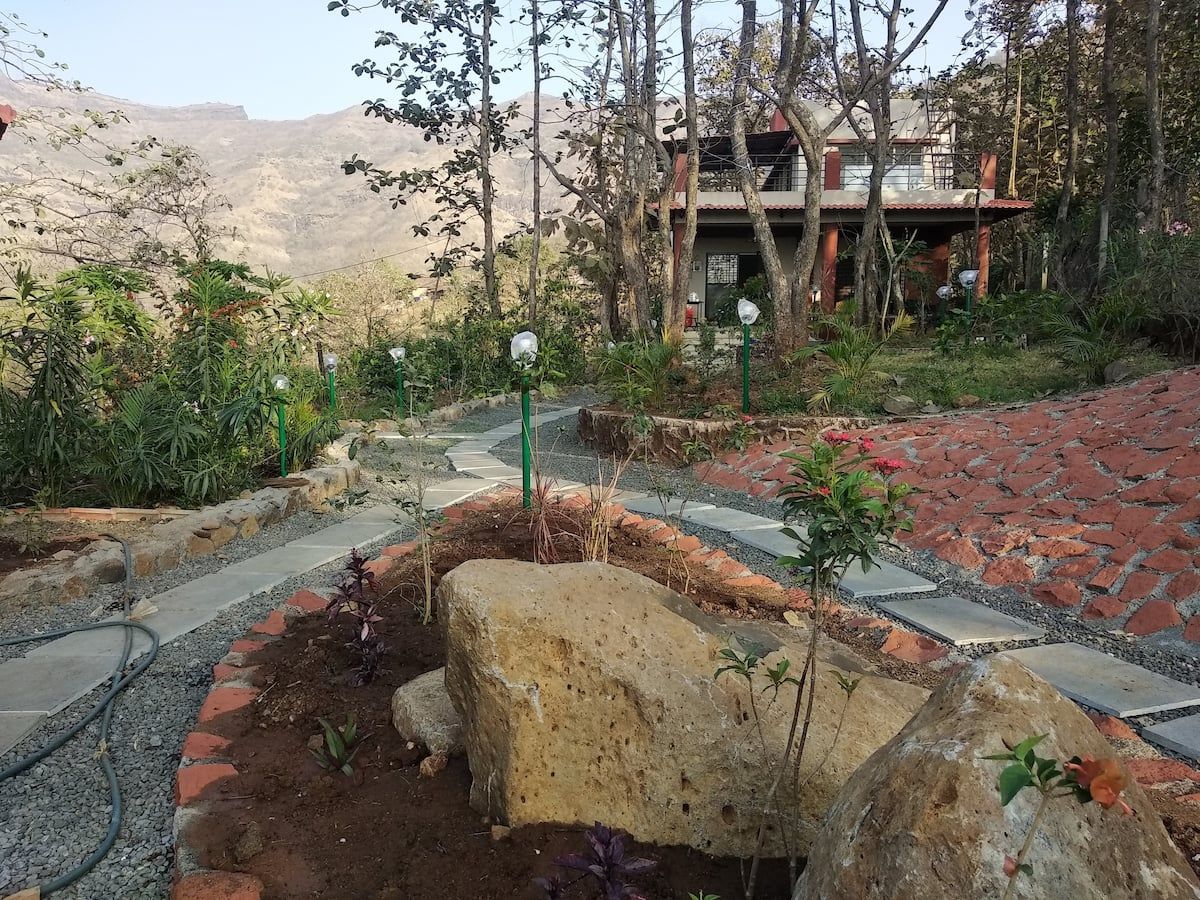
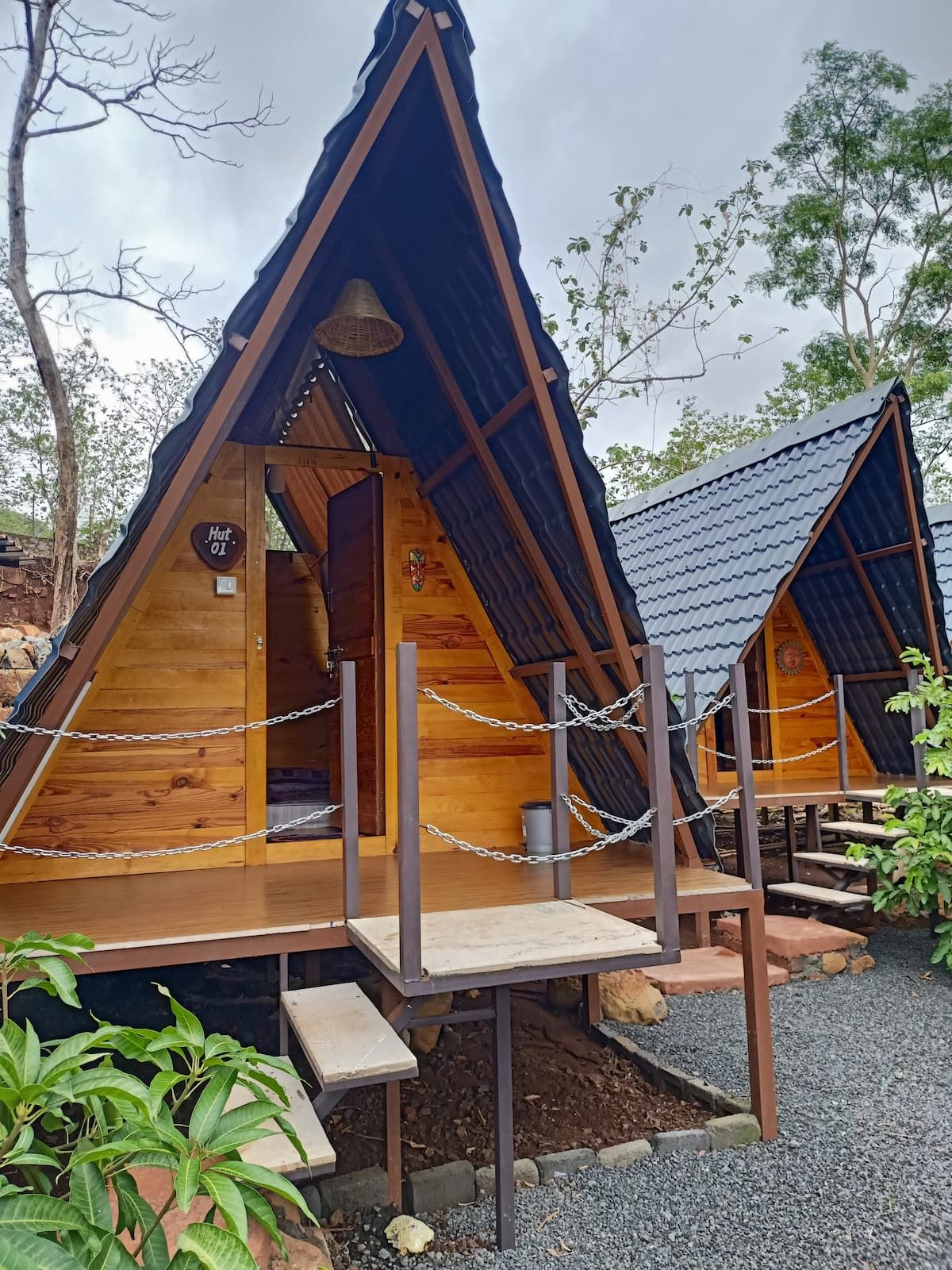
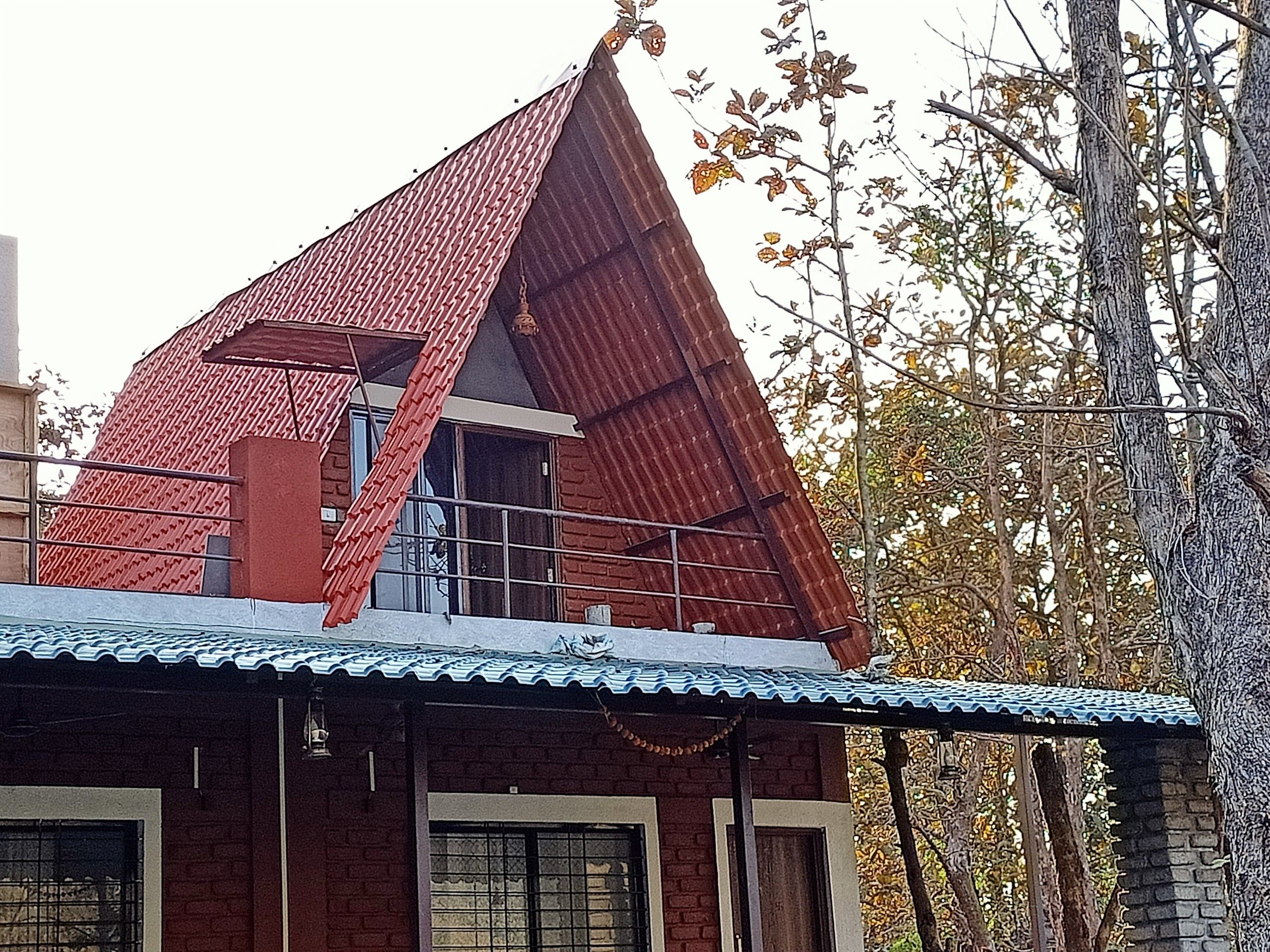
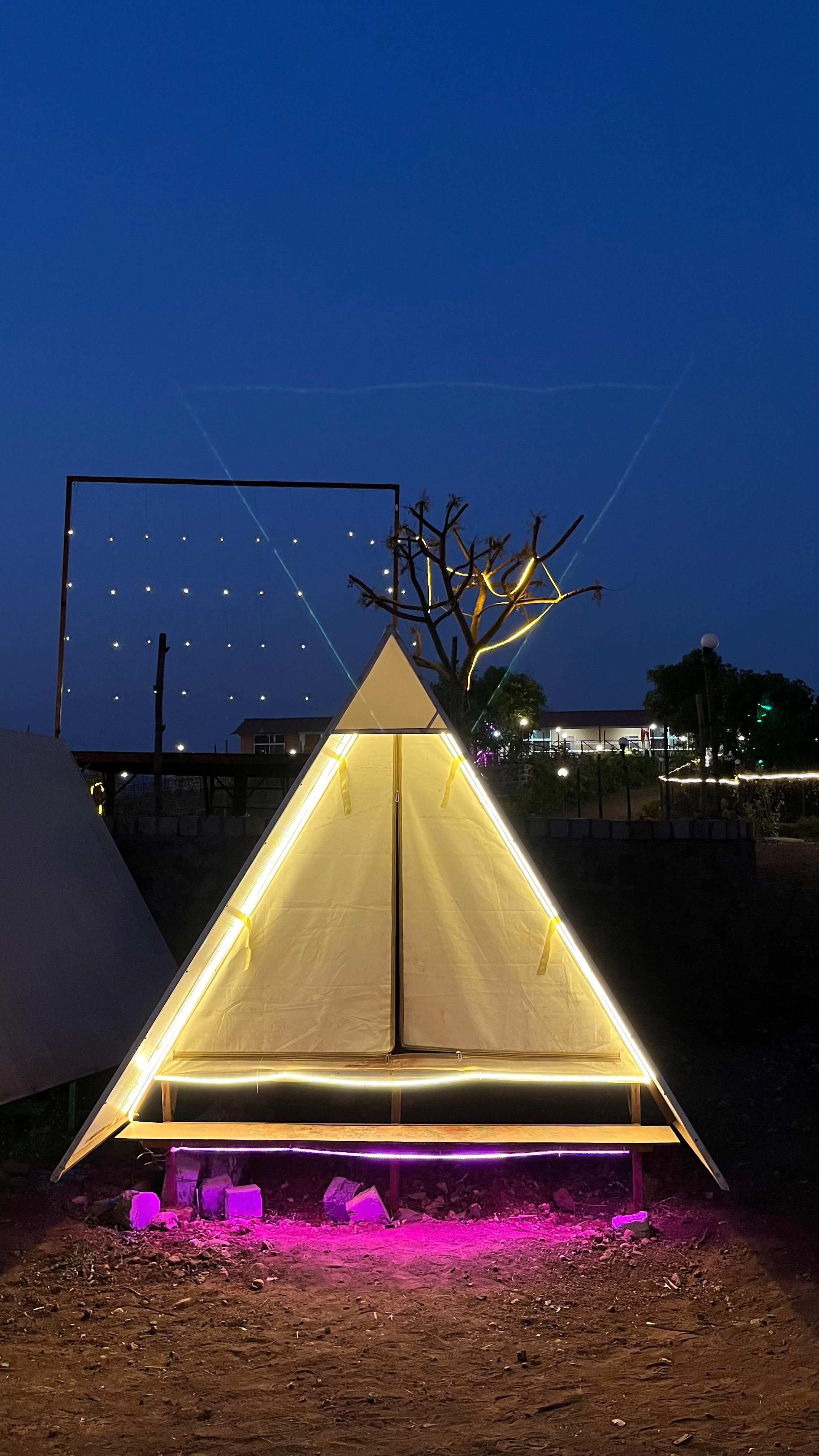
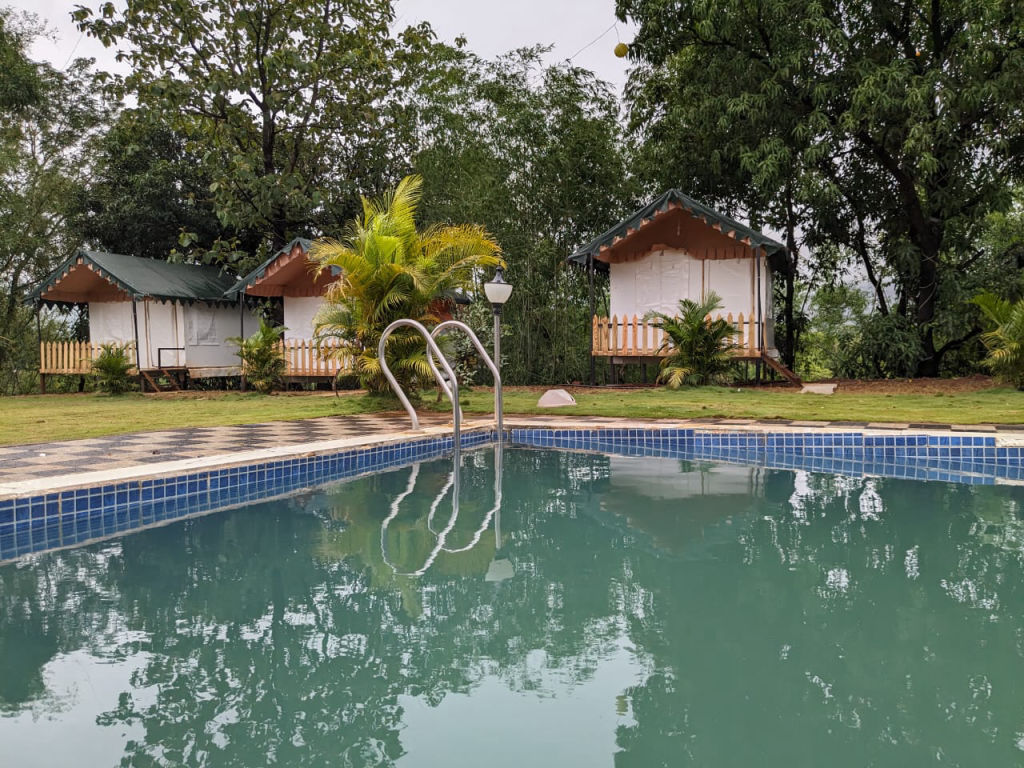
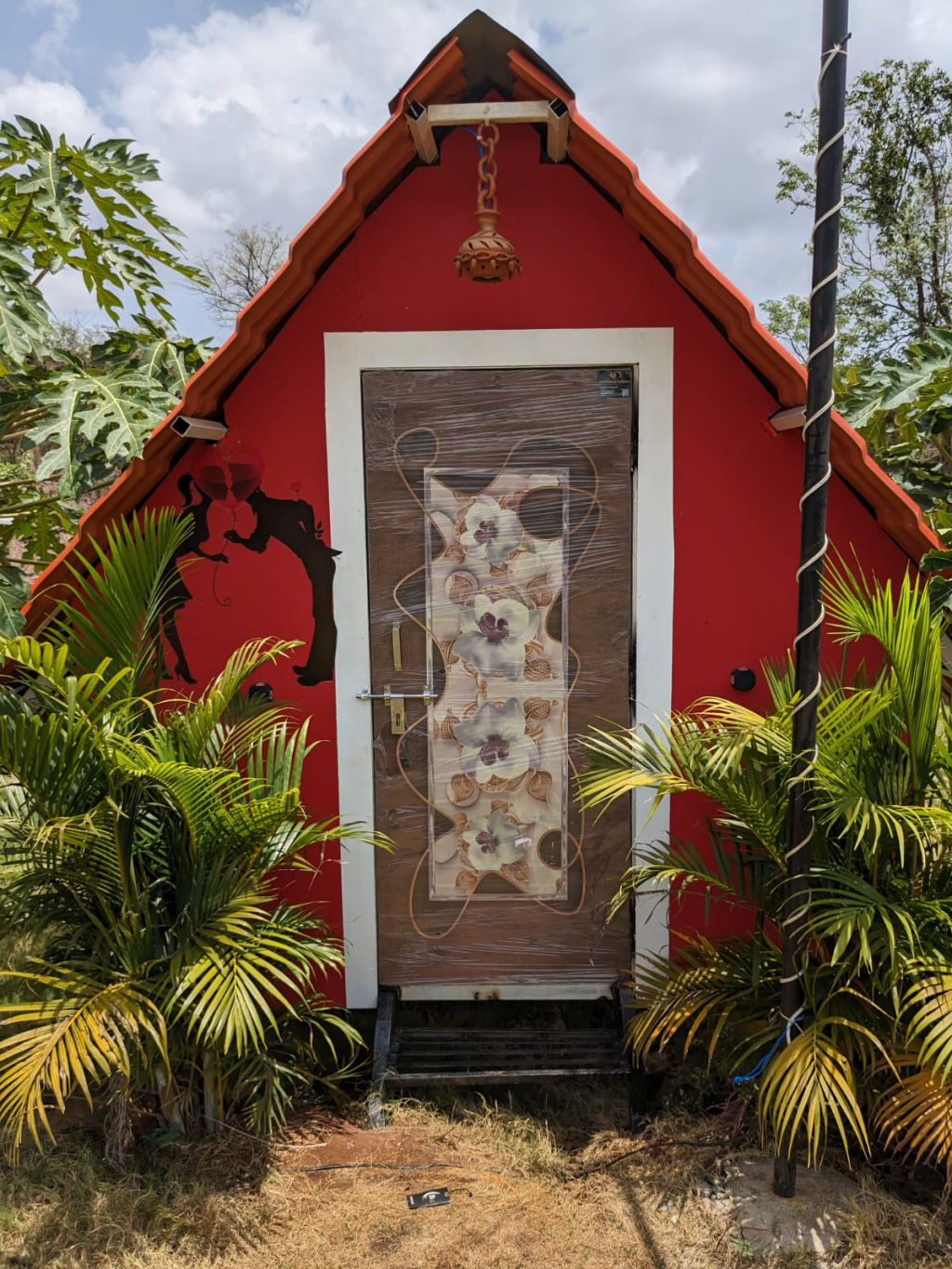
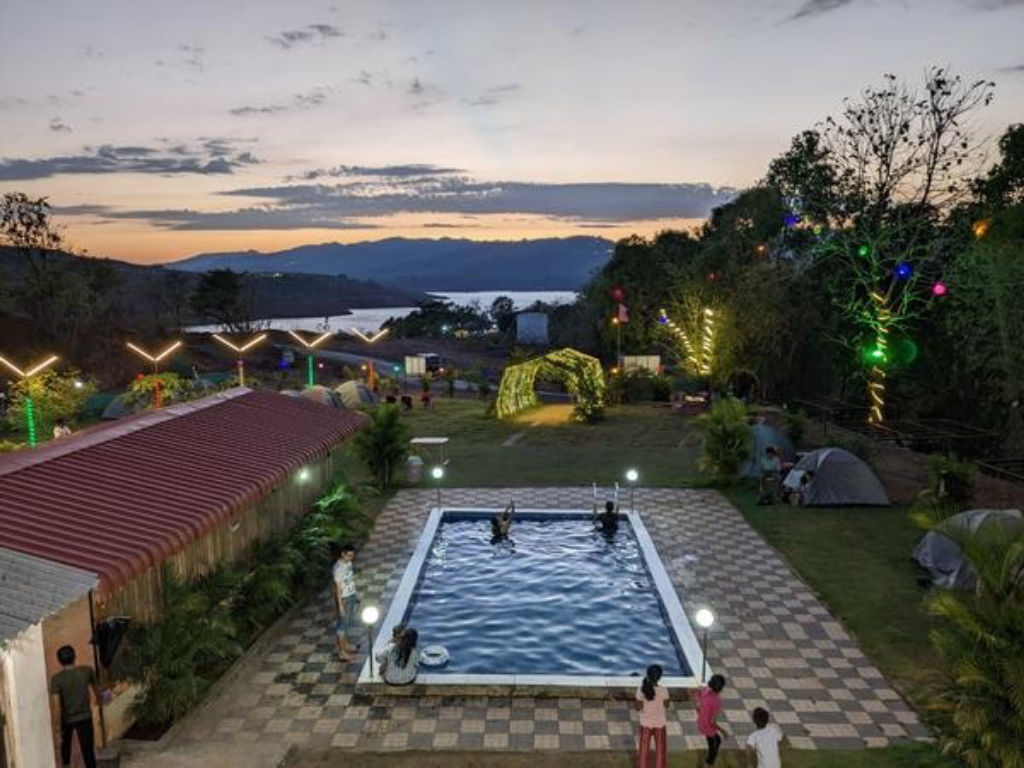
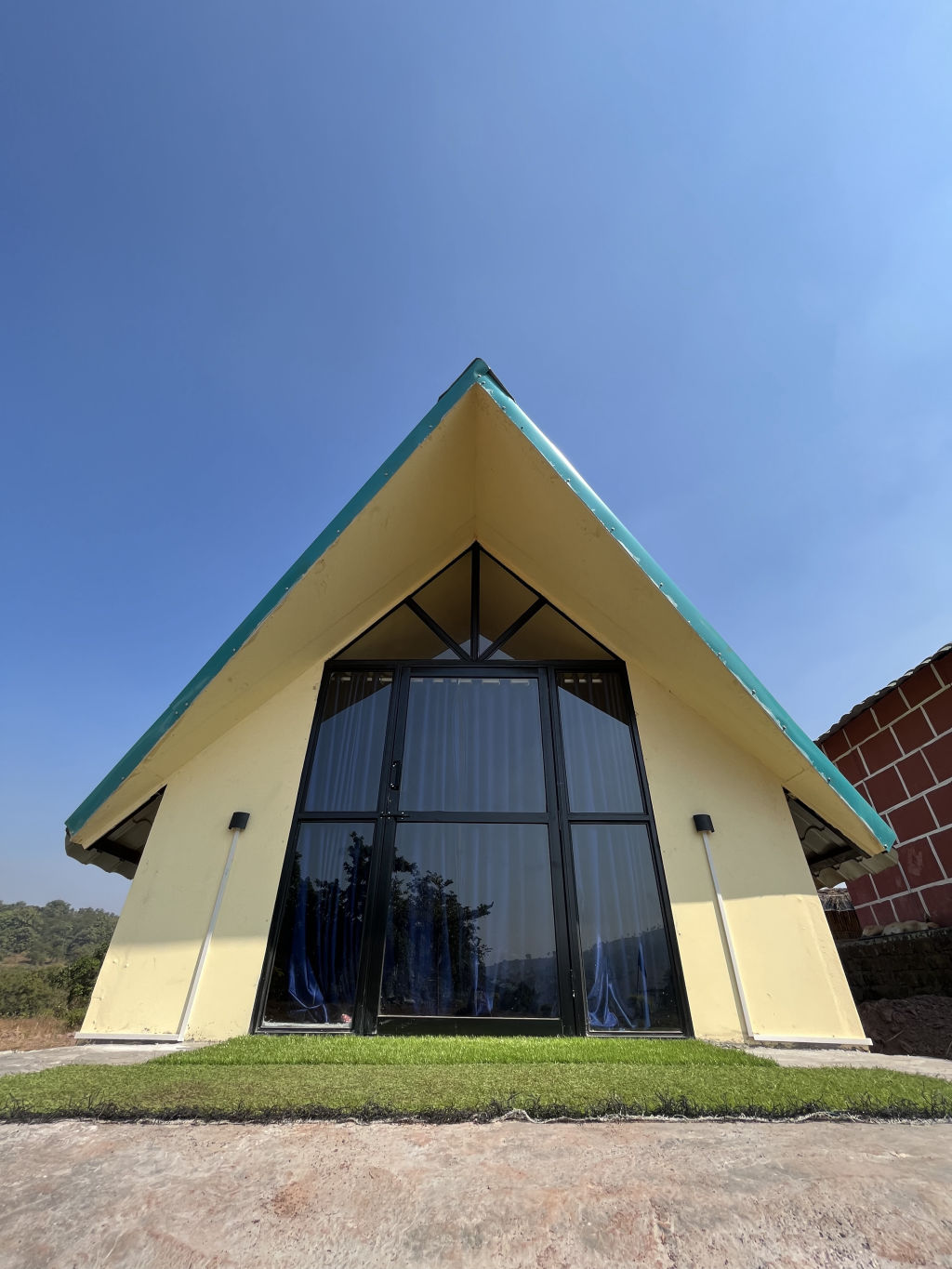
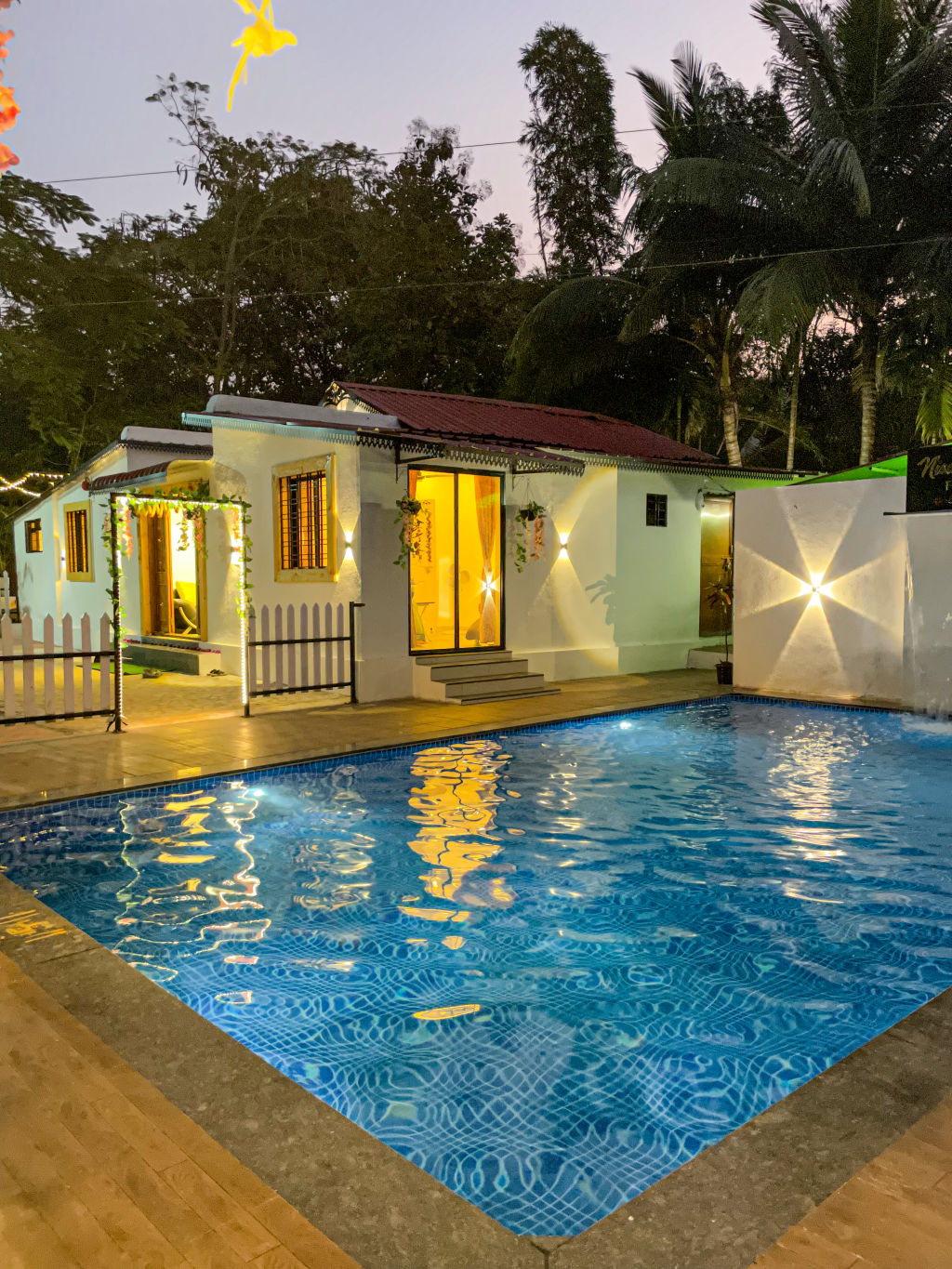
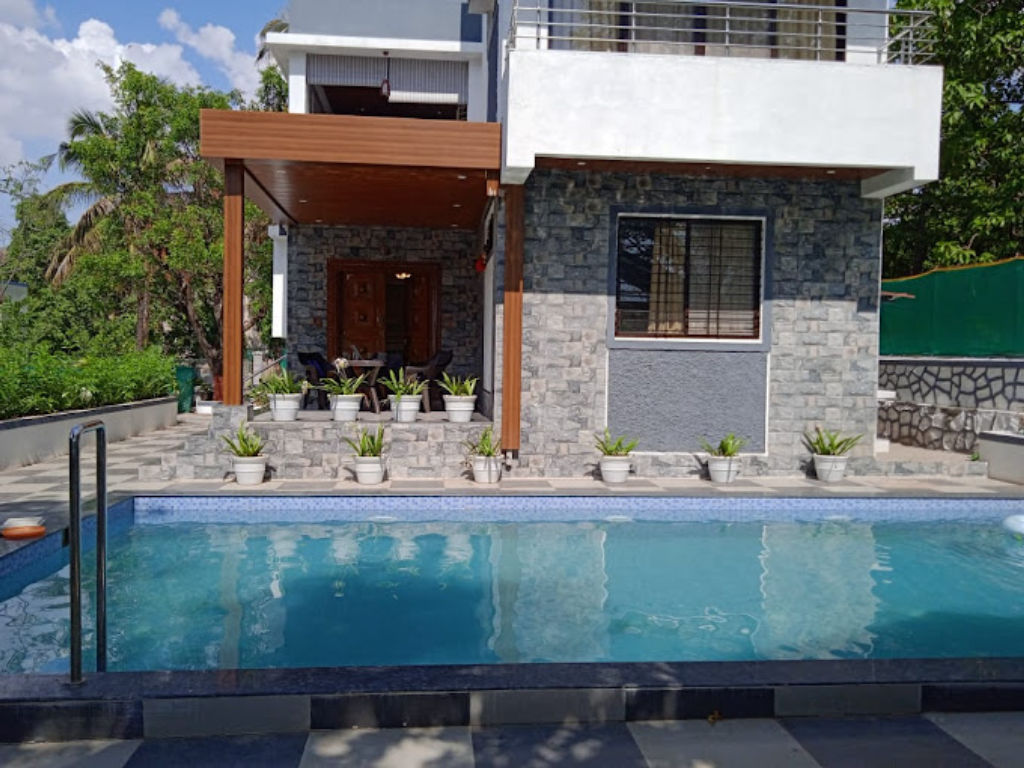
For those who prefer a comfortable bed and home-cooked meals after a full day on the trails, a variety of welcoming homestays, rural cottages, and rustic campsites are available at the base villages around Velhe and along the approach roads. You can discover and book verified stays and outdoor camps near Rajgad on HireACamp.
Frequently asked questions
How difficult is the trek to Rajgad Balekilla?
The trek to Rajgad Balekilla is considered moderately difficult. While the hike up to the lower plateaus is straightforward, the final ascent to Balekilla involves an almost vertical climb up steep rock-cut steps with railings, which requires good balance and a steady head for heights.
Can I visit Rajgad Balekilla during the monsoon season?
Yes, you can visit during the monsoon, when the landscape is lush and shrouded in mist. However, the carved rock steps on the citadel climb become slippery, so proper trekking shoes and extra caution are necessary.
Which base village is better for climbing Rajgad?
Pali village is ideal for beginners and families because it offers a broader, less steep stone-paved route. Gunjavane village offers a more rugged, scenic, and adventurous trail preferred by experienced hikers.
How long does it take to climb to Balekilla from the base?
Hiking from the base village to the Padmavati plateau usually takes around two to three hours. Ascending from the plateau to the summit of Balekilla and exploring the citadel takes an additional forty-five minutes to one hour.
Is drinking water available at the top of Rajgad?
There are natural freshwater cisterns on Rajgad and atop Balekilla that hold potable water, but quality can vary across seasons. It is always best to carry sufficient bottled water or a personal filtration bottle for your trek.
Where you'll be
Rajgad Fort, Velhe, MH · 12 stays nearby shown with prices
Stays near Rajgad Balekilla
Book a place to stay close by
More places near Rajgad Balekilla
Within 20 km


Lists for this area
Ranked by how many creators recommend each place


Built from 0 Instagram posts by 0 creators. Every tip links back to the post it came from, and where creators disagree we show both sides.






