
Ralliah Dam
Dam near Wellington, Tamil Nadu
4.4 km from Wellington
The nearest town, for stays, food and fuel.
Ralliah Dam is a historic water catchment reservoir nestled within the forested hills near Coonoor in the Nilgiris district of Tamil Nadu. Surrounded by dense pine woods and native shola vegetation, it attracts travellers seeking a calm walking trail and a quiet natural retreat away from busier hill station crowds. Visitors come to enjoy the forest walk, spot local birdlife, and take in peaceful views across the still waters.
Getting there
By road
- From WellingtonNearest town18 min · 8.1 km
- From Coimbatore2 hr 15 min · 82 km
- From Mysuru3 hr 55 min · 181 km
- From Bengaluru6 hr · 324 km
Typical drive times without traffic. Stations and airports from OLA Maps; distances and typical drive times from OpenStreetMap (© OpenStreetMap contributors); notes from creators' Reels.
About Ralliah Dam
Written with AI from map data and general knowledge. Check prices and timings locally before you go.
About Ralliah Dam
Ralliah Dam is an old stone-masonry reservoir tucked away in the upper elevations of the Nilgiris, close to the town of Coonoor in Tamil Nadu. Constructed in the mid-twentieth century during British administration to serve as a primary drinking water source for Coonoor, the dam continues to supply fresh water to the surrounding settlements. Unlike massive commercial dams that feature tourist boat rides and manicured public parks, Ralliah remains a functional, understated municipal waterworks surrounded by nature.
The water body is cradled by undulating hills clad in tall pine trees, eucalyptus groves, and patches of native shola forest. Its relative seclusion means that the area retains an unhurried, pastoral ambiance where the gentle lapping of water and the rustle of pine needles dominate the soundscape. Because the dam supplies drinking water to the region, the reservoir basin is kept free of commercial motorized activities, preserving both the water quality and the peaceful environment of the Nilgiri hills.
Walking Trail and Wildlife
Visiting Ralliah Dam requires stepping away from vehicular roads and venturing onto a tranquil walking track. Vehicles cannot be driven directly up to the edge of the water; instead, visitors park along the designated roadside area and complete a forest walk of approximately one kilometre. The path meanders under a high canopy of pine trees, carpeted with soft dry pine needles and bordered by wild mountain shrubs. The cool shade and crisp mountain air make the walk an integral part of the overall experience.
The dense tree cover around the dam provides an ideal refuge for local flora and fauna. Birdwatchers frequently visit the trail in the early morning to look for Nilgiri flycatchers, black-and-orange flycatchers, laughingthrushes, and emerald doves. Wild herbivores such as sambar deer, barking deer, and Indian gaurs also inhabit the contiguous forest reserves and occasionally graze in the clearing near the water. Visitors are encouraged to maintain silence during their stroll to improve their chances of spotting wildlife and to avoid disturbing animals that come to the reservoir to drink.
Read more
Best Time to Visit Ralliah Dam
The Nilgiri district enjoys a temperate sub-tropical highland climate, allowing visits to Ralliah Dam throughout much of the year, though each season offers distinct conditions. The post-monsoon months from October to February are generally considered the most pleasant. During this period, the reservoir is full from the autumn rains, the surrounding hills are lush and green, and daytime temperatures remain cool and comfortable for outdoor walking. Early mornings in mid-winter can be particularly brisk, with mist hanging low over the water surface before lifting under bright sunshine.
Summer, spanning from March to May, brings mild daytime weather that offers respite from the heat of the plains. While water levels at the dam recede slightly toward late spring, the dense forest canopy continues to provide cool shade along the path. The monsoon season, which usually extends from June through September, brings intense downpours to the region. The forest trails can become slick with mud and populated by forest leeches during heavy rains, so travellers visiting during these months should come prepared with sturdy waterproof footwear and rain gear.
How to Reach Ralliah Dam
Ralliah Dam is situated just outside Coonoor, making it accessible as a half-day excursion from town. The dam is roughly nine to ten kilometres by road from the centre of Coonoor, and the route winds through tea plantations, forest patches, and quiet hillside settlements. The nearest major city with an airport and extensive rail connectivity is Coimbatore, located around seventy kilometres away. From Coimbatore, travellers can drive or take state transport buses up the Mettupalayam ghat road to reach Coonoor. Ooty is situated about twenty-five kilometres northwest of the dam.
Taxis and private hire vehicles can be chartered from Coonoor or Wellington to reach the forest approach road. The final stretch narrows into an unpaved forest trail where visitors leave their cars and continue on foot. It is advisable to arrange for a return taxi or agree on waiting terms beforehand, as public transit buses do not ply directly along the access road to the dam, and finding on-demand transport in the area can take time.
Places to Visit Near Ralliah Dam
A trip to Ralliah Dam can easily be combined with visits to several nearby attractions around Coonoor and the wider Nilgiris plateau. Just a short drive away lie famous vantage points such as Lamb's Rock and Dolphin's Nose, both offering expansive panoramas across deep valleys, steep cliff faces, and the distant Coimbatore plains. Driving through the loop roads connecting these viewpoints takes travellers through endless spreads of green tea estates and small tea-processing units.
Heading further toward Ooty opens up access to Doddabetta Peak, the highest summit in the Nilgiris range, which provides panoramic views of the entire highland plateau on clear days. Nature enthusiasts can also plan extended day trips toward the Pykara region, known for its scenic freshwater lake and cascading waterfalls. For those interested in regional heritage, the historic Nilgiri Mountain Railway operates toy train services passing through Coonoor, winding along tunnels, bridges, and mountain contours.
Tips for Visiting Ralliah Dam
Because Ralliah Dam is a quiet conservation area rather than a commercial tourist park, visitors should plan ahead to make their trip comfortable and safe. Wear walking shoes with dependable grip, as the trail can be slippery from loose pine needles in the dry season or thick mud after rain. There are no food stalls or commercial vendors at the dam site itself, so it is recommended to carry adequate drinking water and light refreshments, ensuring that all wrappers and empty bottles are carried back out.
Daylight hours are the safest and most enjoyable time to explore the dam. It is best to conclude the walk and head back to your vehicle well before twilight sets in, as wildlife activity increases along the forest paths in the late evening. Respecting the municipal value of the dam is paramount: swimming, wading, or washing in the reservoir is strictly prohibited to maintain the cleanliness of the community's water supply. Maintaining low noise levels preserves the tranquil ambiance for both fellow visitors and resident animals.
Where to Stay Near Ralliah Dam
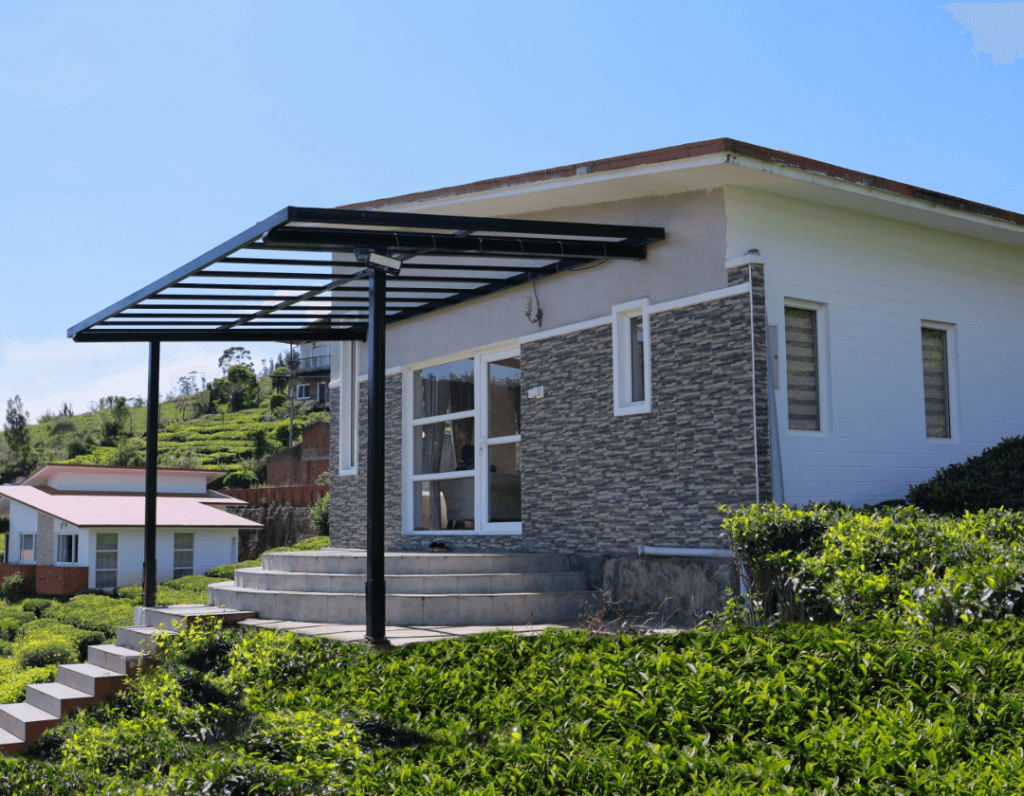
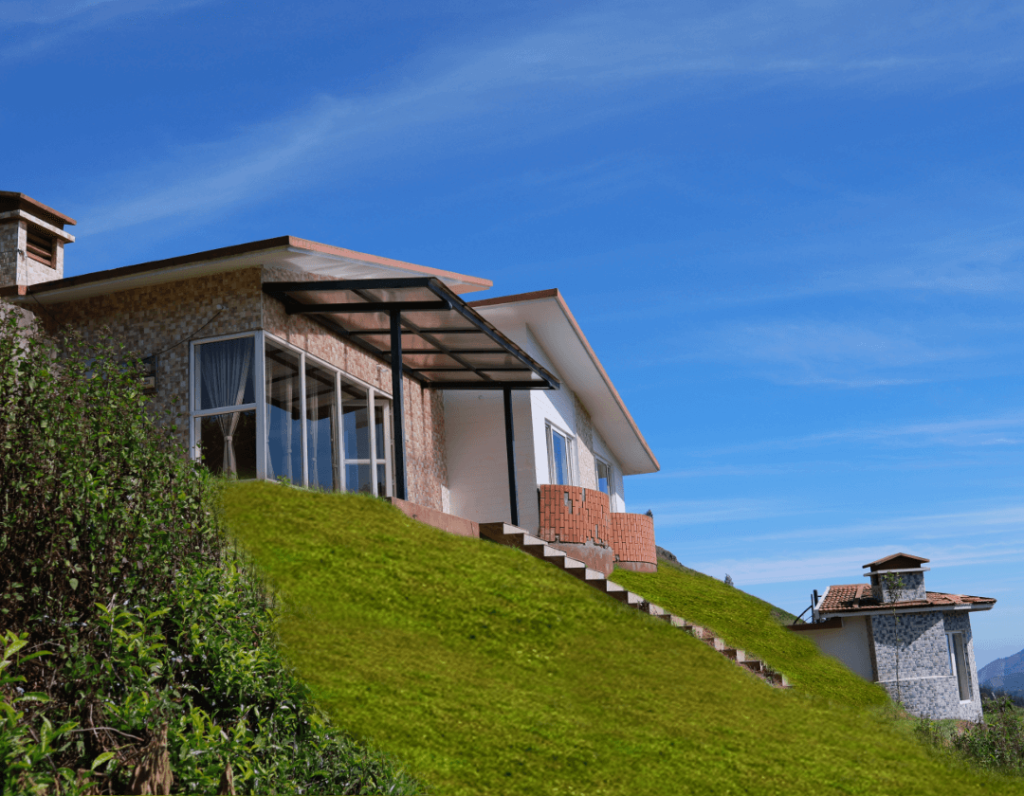
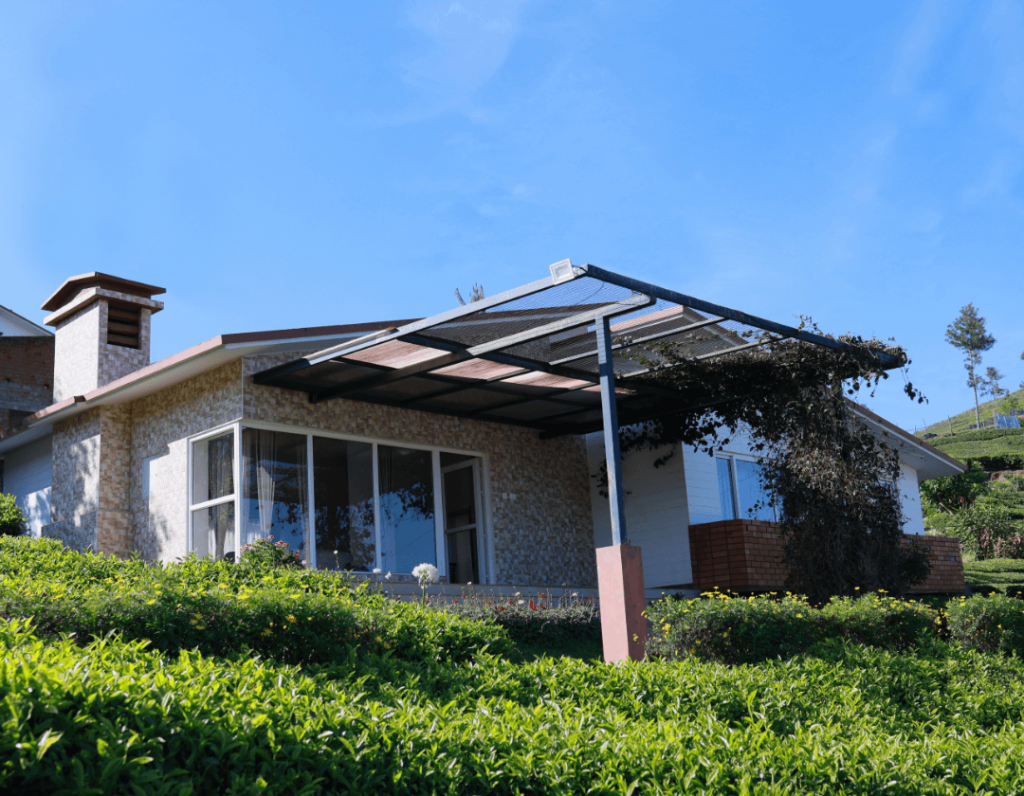
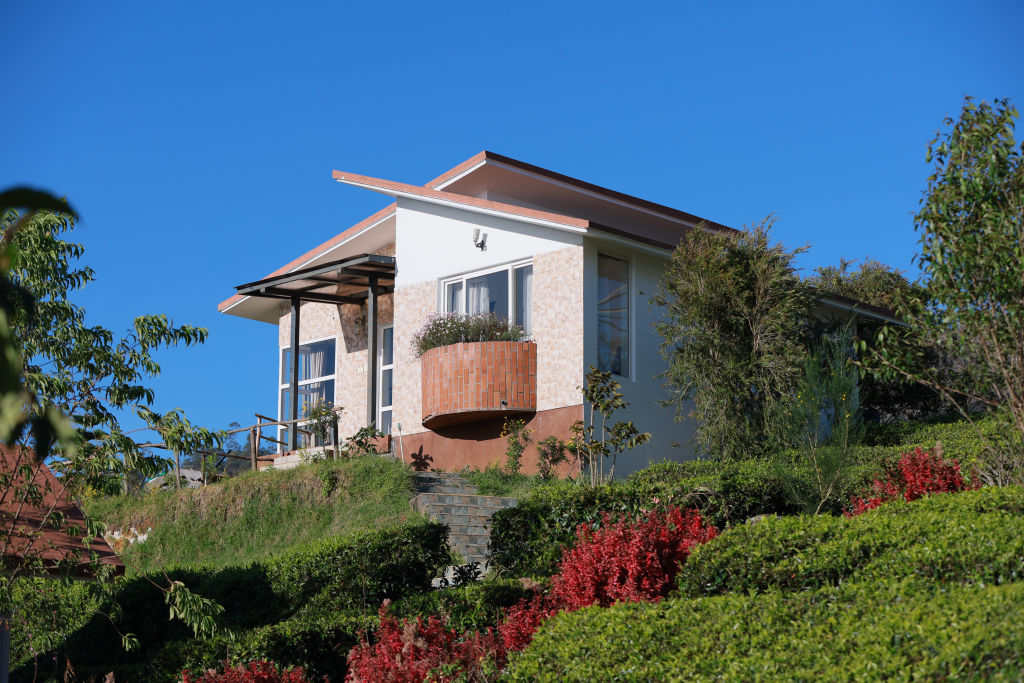
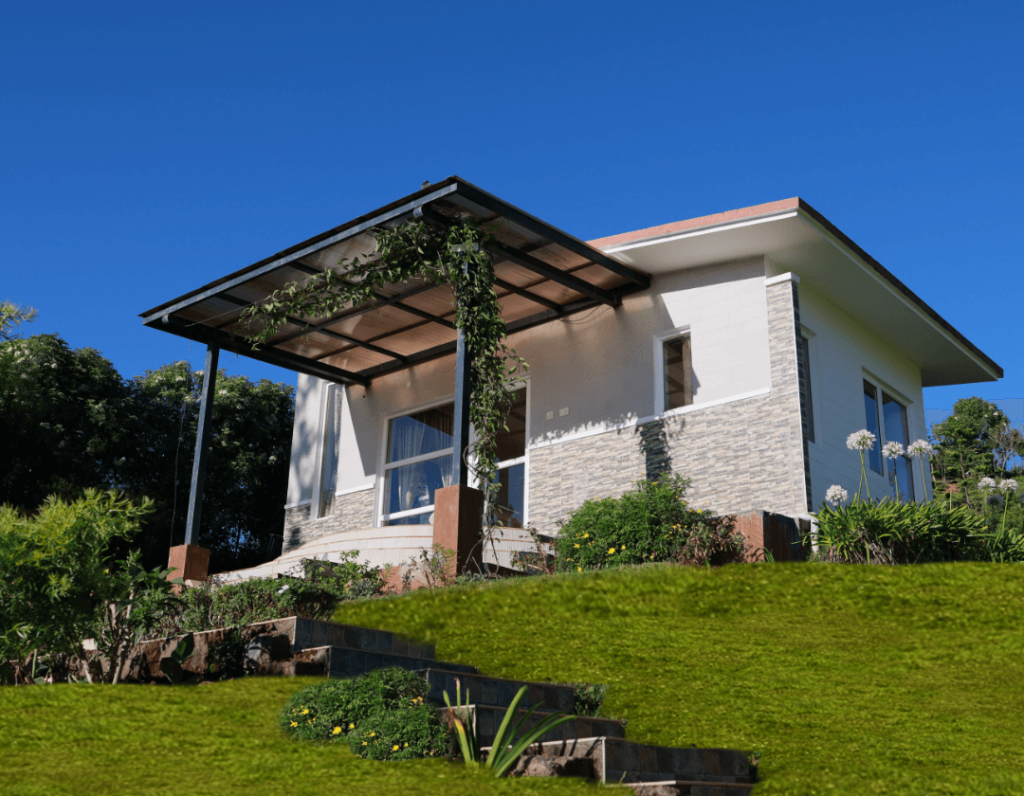
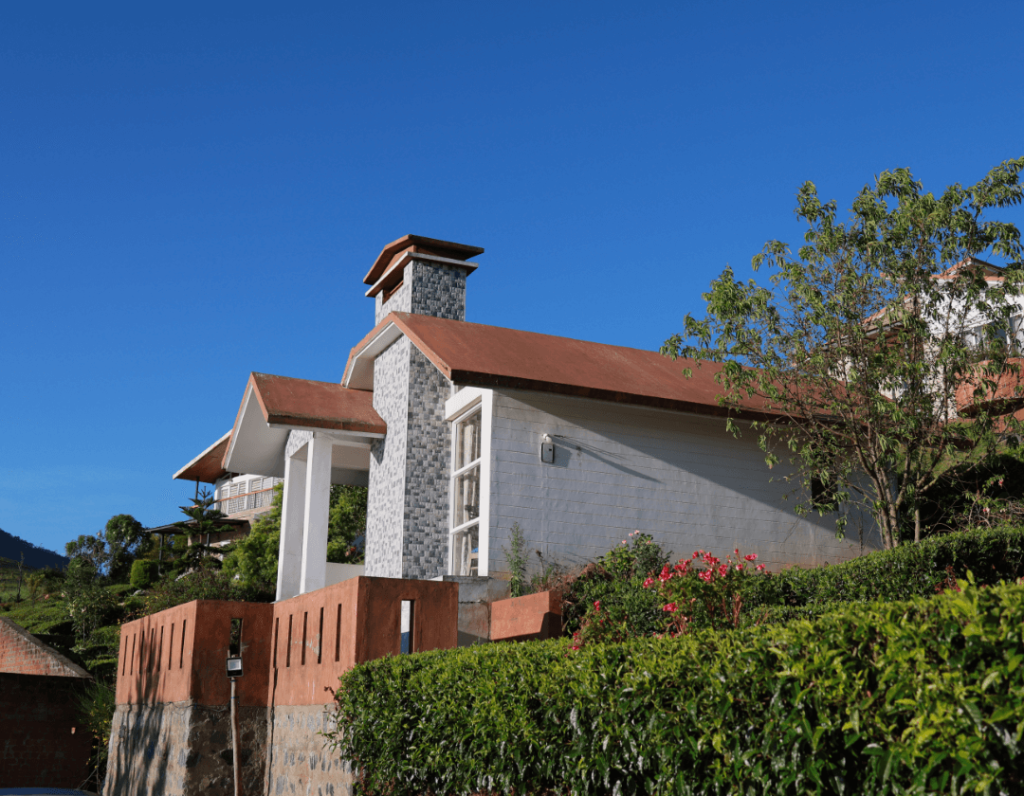
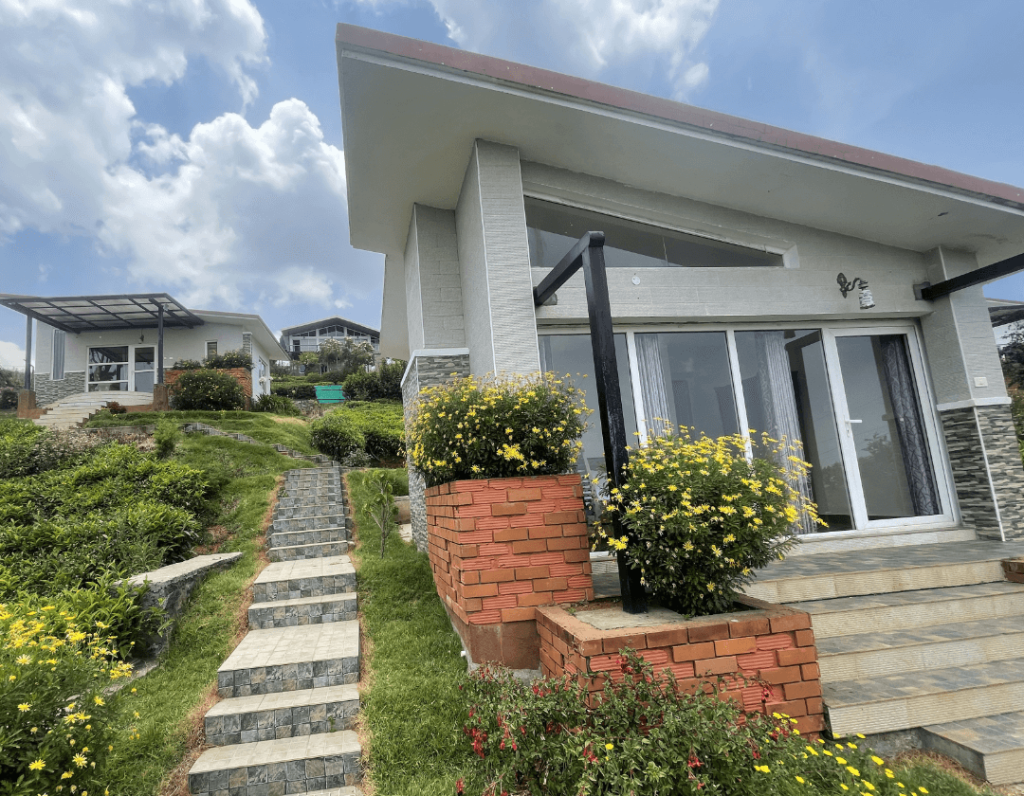
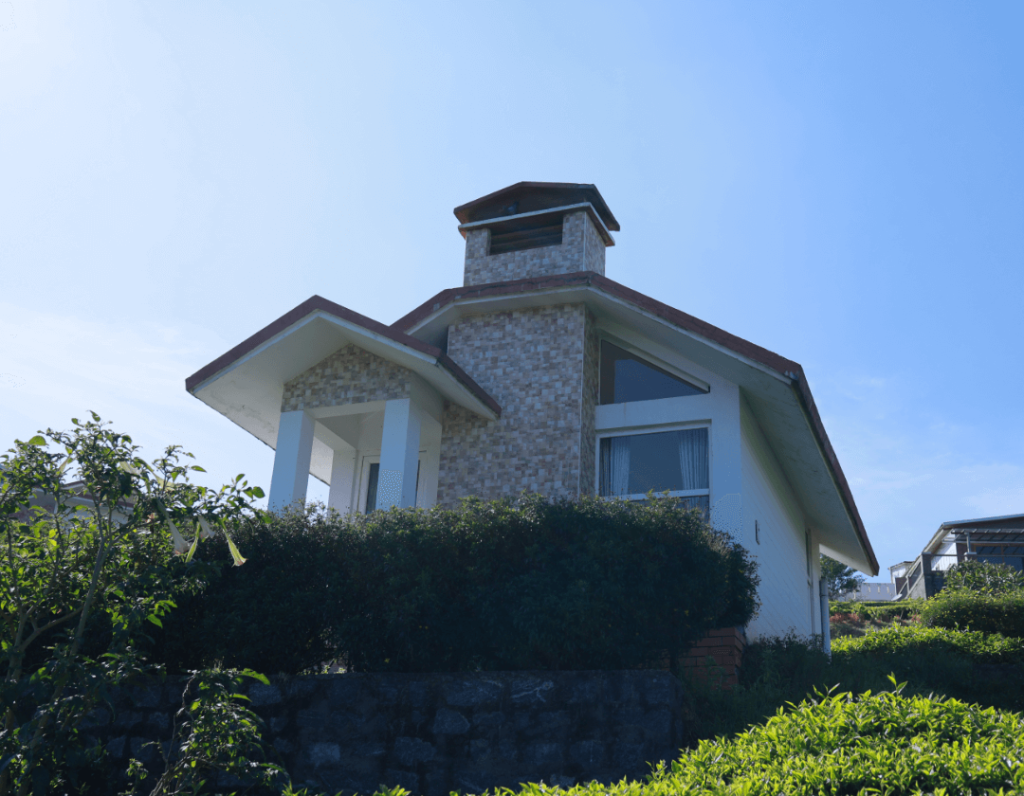
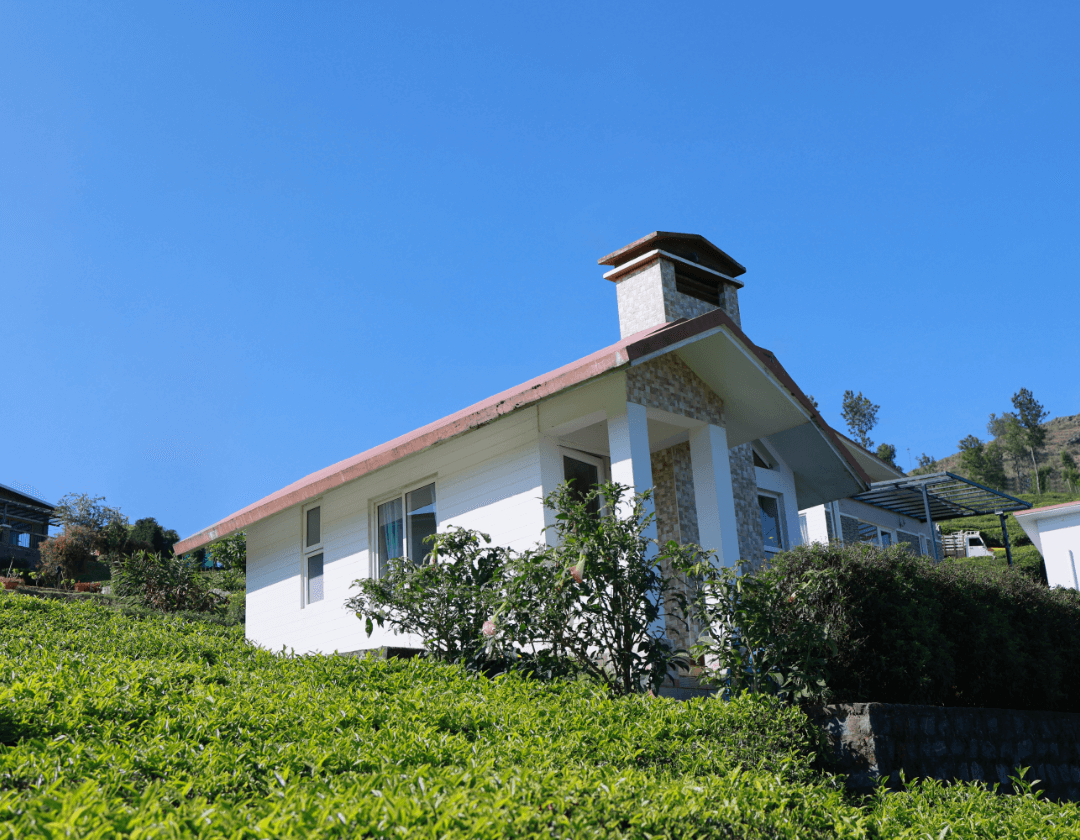
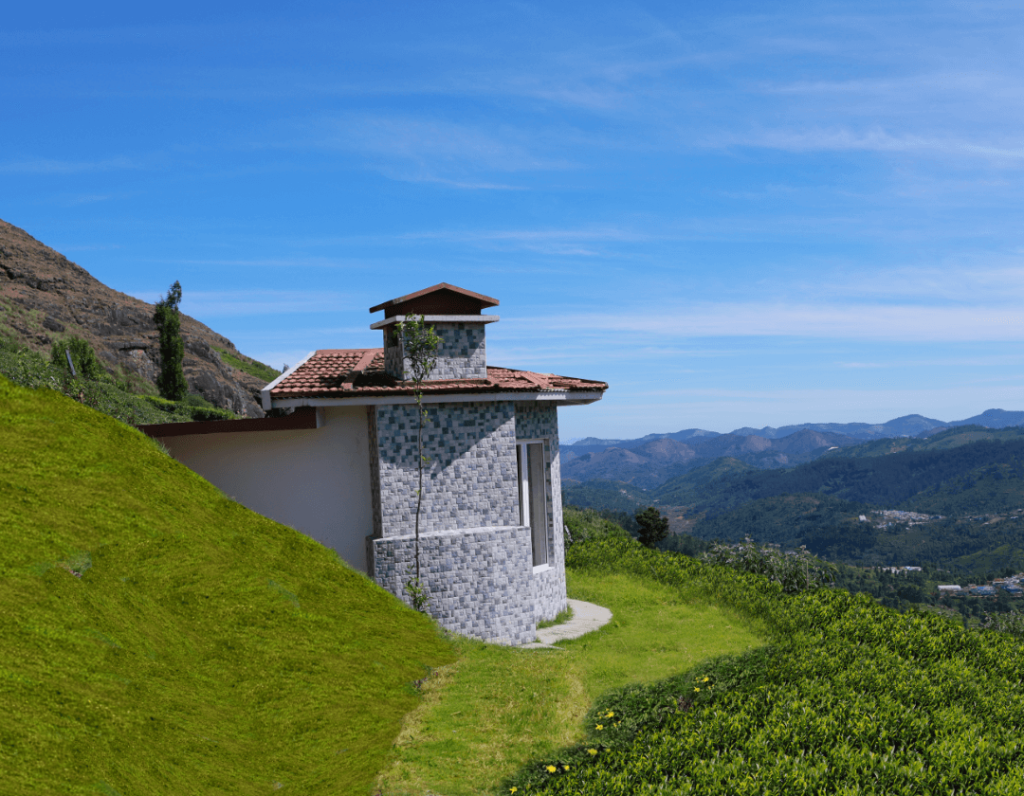
Travellers looking to spend a few days around Ralliah Dam will find a wide variety of accommodation choices throughout the Coonoor and Kotagiri valleys. The region features an assortment of peaceful hillside cottages, rustic tea plantation homestays, and tranquil tented camps nestled amidst evergreen groves. Staying outside the bustling town centre offers cooler nights, clear skies, and quick morning access to forest trails and vantage points.
A curated selection of verified campsites, independent homestays, and quiet nature getaways around Coonoor can be booked directly through HireACamp. Choosing a local homestay or campsite not only provides comfortable lodging close to nature but also gives you opportunities to learn about local Nilgiri culture, seasonal weather conditions, and regional hiking paths directly from resident hosts.
Frequently asked questions
Where is Ralliah Dam located?
Ralliah Dam is located near Coonoor in the Nilgiris district of Tamil Nadu, situated within forested hills a short drive from the town centre.
Can you drive directly to the edge of Ralliah Dam?
No, vehicles must be parked along the roadside approach, after which visitors walk approximately one kilometre along a dirt trail through the pine woods to reach the reservoir.
Is swimming permitted at Ralliah Dam?
No, swimming, wading, and washing are strictly prohibited because Ralliah Dam serves as an active drinking water reservoir for Coonoor.
What is the best time of year to visit Ralliah Dam?
The ideal period to visit is from October to March, when the weather is pleasantly cool, post-monsoon water levels are high, and the walking track is generally dry and comfortable.
Are there food stalls and restrooms at Ralliah Dam?
There are no commercial food stalls, shops, or formal public amenities at the dam site, so visitors should carry their own drinking water, bring light snacks, and carry all waste back with them.
Where you'll be
Coonoor · 10 stays nearby shown with prices
Stays near Ralliah Dam
Book a place to stay close by
More places near Ralliah Dam
Within 20 km


Lists for this area
Ranked by how many creators recommend each place


Built from 0 Instagram posts by 0 creators. Every tip links back to the post it came from, and where creators disagree we show both sides.






