
Ramadevara Betta Vulture Sanctuary
Bird sanctuary near Closepet, Karnataka
4.1 km from Closepet
The nearest town, for stays, food and fuel.
Ramadevara Betta Vulture Sanctuary is a protected haven set amidst rugged granite hills near Bidadi in Karnataka. Established to safeguard critically endangered vulture species in their natural nesting grounds, the hill attracts birdwatchers, hikers, and nature lovers seeking dramatic boulder-strewn landscapes. Travellers visit to climb the historic hill, take in sweeping views of the surrounding countryside, and catch glimpses of rare raptors soaring along the cliff faces.
Getting there
By road
- From ClosepetNearest town15 min · 5.5 km
- From Bengaluru1 hr · 51 km
- From Mysuru1 hr 50 min · 110 km
- From Coimbatore5 hr 50 min · 291 km
Typical drive times without traffic. Stations and airports from OLA Maps; distances and typical drive times from OpenStreetMap (© OpenStreetMap contributors); notes from creators' Reels.
About Ramadevara Betta Vulture Sanctuary
Written with AI from map data and general knowledge. Check prices and timings locally before you go.
About Ramadevara Betta Vulture Sanctuary
Ramadevara Betta Vulture Sanctuary is situated near Bidadi in the Ramanagara region of Karnataka, a landscape celebrated for its towering granite formations and dry deciduous scrub forests. Declared as a dedicated conservation area to preserve dwindling raptor populations, this rocky hill is one of the rare places in southern India where critically endangered long-billed vultures and Egyptian vultures find secure cliffs for nesting and roosting. The massive rock faces and steep crevices provide ideal natural ledges away from human interference, creating a vital refuge in a rapidly developing district. Beyond its ecological significance, Ramadevara Betta holds cultural and popular heritage, featuring an ancient temple perched high on the rock and historical associations with Indian cinema, most notably as the rugged backdrop for the iconic film Sholay. Today, travellers and conservation enthusiasts make their way here to appreciate the blend of rugged wilderness, local history, and panoramic hill country vistas.
Wildlife and Birdwatching at the Sanctuary
The sanctuary is primarily celebrated as a haven for raptors, drawing ornithologists and casual birdwatchers eager to observe species that have become exceedingly rare across the subcontinent. The sheer vertical cliffs of the hill offer nesting crevices for the Indian vulture, also known as the long-billed vulture, alongside the smaller Egyptian vulture. On clear mornings, visitors often spot these magnificent scavengers catching early thermal currents and gliding gracefully over the rocky expanses. In addition to vultures, the scrub forests and rocky thickets around the base and slopes support a diverse community of avian life, including yellow-throated bulbuls, peregrine falcons, black kites, common kestrels, and various warblers and babblers. The rocky outcrops also shelter small mammals, such as bonnet macaques, sloth bears, and leopards, though mammalian sightings remain rare and elusive due to the thick thorn scrub and rugged terrain. Carrying binoculars and maintaining quiet vigilance along the paths greatly enhances your chances of observing the rich natural biodiversity.
Read more
The Trek and Landscape of Ramadevara Betta
The physical terrain of Ramadevara Betta is defined by colossal granite monoliths, weathered boulders, and steep precipices characteristic of the Deccan plateau. The ascent up the hill follows a stone pathway featuring several hundred steps carved directly into the rock face, leading through patches of thorny vegetation and open granite ridges. While the climb requires moderate physical exertion, the route is well-defined and accessible to most travellers of reasonable fitness. Along the way, the stone steps pass ancient shrines and shaded resting spots before culminating near the temple complex and elevated viewpoints near the summit. From the highest viewpoints, visitors are treated to expansive panoramic scenes encompassing rolling boulder hills, agricultural patches, and distant reservoirs. The stark interplay of golden granite, deep shadow, and open blue sky creates an arresting landscape that photographers and walking enthusiasts find particularly captivating during the morning hours.
Best Time to Visit Ramadevara Betta
The most rewarding period to visit Ramadevara Betta Vulture Sanctuary runs from late October through February, when the post-monsoon winter climate brings moderate daytime temperatures and pleasant morning conditions across Karnataka. During these cooler months, climbing the exposed rock steps is comfortable, and atmospheric clarity provides expansive views across the surrounding countryside. Early mornings are especially fruitful, as cool winds allow vultures and other birds of prey to begin their flights as the sun warms the rock faces. The summer months from March to May bring intense dry heat, causing the dark granite boulders to radiate high temperatures, which makes walking and hill climbing physically taxing. If visiting during the summer, it is best to arrive immediately at sunrise to finish exploring before the sun reaches its zenith. The southwest monsoon from June to September brings intermittent showers that revive the scrub greenery, though wet conditions can make the stone steps slippery and obscure birding opportunities under heavy cloud cover.
How to Reach Ramadevara Betta Vulture Sanctuary
Ramadevara Betta Vulture Sanctuary is conveniently accessible from several major transit hubs in Karnataka due to its proximity to the town of Bidadi and the wider Bengaluru-Mysuru highway corridor. Travellers journeying by road from Bengaluru can follow the southwestern highway route towards Bidadi and Ramanagara, covering the journey via car, taxi, or private bus. The drive typically follows well-paved highways before turning onto secondary rural roads that wind through small villages and farm country leading towards the base of the hill. Regular state transport buses and passenger trains also connect Bengaluru and Mysuru with nearby stations, from which local auto-rickshaws or cabs can be hired to complete the final stretch to the sanctuary entrance. For visitors arriving from distant locations, Bengaluru Kempegowda International Airport serves as the nearest major aviation gateway. Because transport options at the hill base may be limited in the late afternoon, arranging return travel in advance is advisable.
Tips for Visiting Ramadevara Betta
Planning your visit to Ramadevara Betta requires preparation suited for a rocky, exposed hill environment. Because the sanctuary is a protected breeding and nesting ground for endangered raptors, visitors should remain mindful of conservation ethics by avoiding loud noises, remaining on designated pathways, and leaving no plastic or waste behind. Flying drones is strictly prohibited to avoid disturbing the resident vultures on their cliff nests. Sturdy walking shoes with reliable grip are essential for navigating the stone steps and smooth granite sections safely. You should also carry ample drinking water and sun protection, including a wide-brimmed hat and sunglasses, as large portions of the trail lack canopy shade. Carrying a good pair of binoculars or a camera equipped with a telephoto lens will greatly enhance your birdwatching experience, enabling you to identify raptors soaring high above the cliffs without encroaching on their territory.
Places to Visit Nearby and Where to Stay
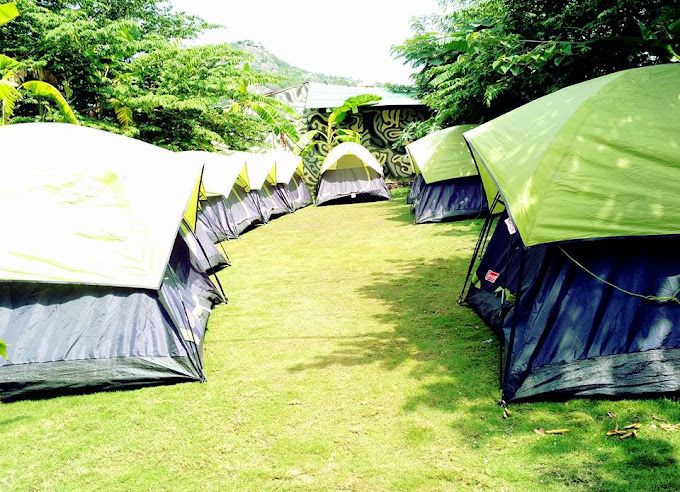
Travellers visiting the sanctuary can easily pair their excursion with other notable natural and cultural attractions in the surrounding landscape. Just nineteen kilometres to the north lies the immense monolith of Savandurga Hill, an imposing granite formation popular among seasoned trekkers and adventure seekers. The serene waters of Manchanabele Dam, situated approximately fourteen kilometres away, offer scenic reservoir vistas framed by distant hills and lush riverbanks. Further toward the outskirts of Bengaluru, nature enthusiasts can explore the extensive animal enclosures and safari zones of Bannerughatta National Park, located about thirty kilometres away. For those planning a multi-day getaway in this rugged belt of Karnataka, various eco-camps, nature retreats, and tranquil homestays can be booked directly through HireACamp, offering peaceful overnight bases set amid the rural greenery and granite outcrops of the region.
Frequently asked questions
Why is Ramadevara Betta Vulture Sanctuary significant?
Ramadevara Betta is a dedicated sanctuary established to protect critically endangered vulture species, including the Indian long-billed vulture and Egyptian vulture. The hill's tall granite cliffs provide secure, undisturbed nesting crevices essential for their survival.
Is trekking difficult at Ramadevara Betta?
The trek involves climbing several hundred stone steps cut directly into the hillside, making it moderately easy to moderate in difficulty. Most visitors with average fitness can reach the upper temple and viewpoints in under an hour.
Can visitors fly drones at Ramadevara Betta Vulture Sanctuary?
Drones are strictly banned at the sanctuary because buzzing aerial equipment can frighten and displace the endangered vultures nesting on the cliffs. Visitors are encouraged to bring binoculars or telephoto lenses instead.
What is the best time of day to spot vultures at the sanctuary?
Early mornings are the best time for birdwatching, as vultures often begin gliding on thermal air currents shortly after sunrise. Visiting early also helps travellers avoid the midday heat on the unshaded rock face.
Where can visitors stay near Ramadevara Betta Vulture Sanctuary?
Travellers looking to stay overnight in the area can discover and book nearby homestays, nature retreats, and outdoor camps on HireACamp.
Where you'll be
Bidadi, KA · 1 stay nearby shown with prices
Stays near Ramadevara Betta Vulture Sanctuary
Book a place to stay close by
More places near Ramadevara Betta Vulture Sanctuary
Within 20 km


Built from 0 Instagram posts by 0 creators. Every tip links back to the post it came from, and where creators disagree we show both sides.






