
Ramanagara Hills
Peak near Closepet, Karnataka
2.6 km from Closepet
The nearest town, for stays, food and fuel.
Ramanagara Hills is an expanse of rugged granite peaks and monolithic boulders located around the town of Ramanagara in southern Karnataka. Renowned for its dramatic rocky terrain, trekking routes, and rich biodiversity, the region is a favorite weekend escape for outdoor enthusiasts and nature lovers. It offers sweeping panoramic views of the Deccan plateau alongside quiet scrub forests home to rare raptors.
Getting there
By road
- From ClosepetNearest town8 min · 2.8 km
- From Bengaluru58 min · 50 km
- From Mysuru1 hr 45 min · 109 km
- From Coimbatore5 hr 45 min · 290 km
Typical drive times without traffic. Stations and airports from OLA Maps; distances and typical drive times from OpenStreetMap (© OpenStreetMap contributors); notes from creators' Reels.
About Ramanagara Hills
Written with AI from map data and general knowledge. Check prices and timings locally before you go.
Landscape and Geology of Ramanagara Hills
The landscape of Ramanagara Hills is characterized by massive granite formations, ancient rock towers, and sweeping boulder fields rising above the dry deciduous scrub of the Deccan plateau. Formed over billions of years, these granitic rocks rank among the oldest geological structures in the Indian subcontinent. The natural erosion has shaped steep vertical cliff faces, smooth domes, and curious rock formations that stand starkly against the skyline.
Tucked between the boulders are pockets of thorny scrub, thorny shrubs, and small seasonal streams that spring to life following monsoon rains. The contrast between raw, weathered granite and sparse green foliage creates a dramatic outdoor environment that draws hikers, geologists, and photographers alike.
Things to Do at Ramanagara Hills
Trekking is the primary activity throughout the Ramanagara hill range. Trails range from gentle morning ascents along rocky paths to strenuous hikes requiring scrambling over large granite slabs. Reaching the summits rewards hikers with expansive views of the surrounding countryside, scattered farm plots, and neighboring monolithic hills.
The vertical cliff faces and varied boulder clusters have long made the hills a renowned hub for rock climbing and bouldering. Climbers find natural routes across bare granite faces suitable for both beginners and experienced practitioners. Beyond technical climbing, the high vantage points provide tranquil locations for watching early morning sunrises and late evening sunsets, when the low light casts long shadows across the valley floor.
Birdwatching is equally rewarding in the hills. The scrub forests and cliffs provide shelter to a diverse variety of avian species, making it worthwhile to carry binoculars on any walk through the trails.
Read more
Wildlife and the Vulture Sanctuary
The rocky cliffs of Ramanagara provide a vital habitat for several species of birds of prey, most notably endangered vultures. The neighboring Ramadevara Betta area includes a dedicated sanctuary established to protect populations of the long-billed vulture and the Egyptian vulture, which nest and roost along the vertical rock fissures.
Beyond vultures, the hill ecosystem supports raptors such as peregrine falcons, kestrels, and eagle-owls, as well as yellow-throated bulbuls, nightjars, and coucals. On the ground, the scrub forest shelter reptiles, bonnet macaques, and occasional nocturnal mammals like sloth bears and leopards that move through the wider regional corridors. Visitors are encouraged to observe wildlife from a respectful distance to avoid disturbing nesting sites.
Best Time to Visit Ramanagara Hills
The cooler months from October to February are generally considered the best time to explore Ramanagara Hills. During this period, daytime temperatures remain moderate and pleasant for hiking, and clear skies provide excellent visibility across the surrounding landscape. Mornings can be crisp, making early starts comfortable.
The monsoon months between June and September bring fresh greenery to the valleys, and the surrounding countryside looks vibrant. However, rain makes the smooth granite surfaces extremely slick and hazardous to climb, so extra caution is necessary when hiking during wet weather.
Summer lasts from March to May and brings high temperatures, with midday heat radiating intensely from the bare rocks. If visiting during the summer season, it is best to plan hikes during dawn or late afternoon to avoid the hottest hours of the day.
How to Reach Ramanagara Hills
Ramanagara Hills are located adjacent to the town of Ramanagara in Karnataka, making them easily accessible by road and public transportation from major transit hubs in the region.
Travelers heading from Bengaluru can drive southwest via the Bengaluru-Mysuru expressway or regional highways, a journey that typically takes around one to two hours depending on departure location and traffic conditions. Regular passenger and express trains running on the Bengaluru-Mysuru railway line stop at the Ramanagara railway station, providing a convenient and economical alternative.
State transport buses also operate frequent services along the main highway between Bengaluru and Mysuru, dropping passengers directly in Ramanagara town. From the town center or railway station, local auto-rickshaws and taxis are readily available to reach the base of the various trailheads and rock formations.
Places to Visit Nearby
The region surrounding Ramanagara offers a rich variety of natural and cultural destinations that can be incorporated into a day trip or weekend itinerary. Just adjacent to the main hills is Ramadevara Betta, recognized for its historic hilltop temple and dedicated vulture sanctuary.
Further north lies Savandurga Hill, one of the largest single monoliths in Asia, known for its challenging trekking trail and historic fort ruins. Water lovers can travel a short distance to Manchanabele Dam, a scenic reservoir set against a backdrop of rolling hills and scrub forests.
Those willing to venture closer to the Bengaluru urban periphery can visit the wildlife safari and butterfly enclosure at Bannerughatta National Park, or explore historical landmarks such as Tipu Sultan's Summer Palace and the landscaped grounds of Lalbagh Botanical Garden.
Tips for Exploring Ramanagara Hills
A successful excursion into the rocky landscape requires basic preparation. Because trails traverse bare rock with little natural shade, visitors should carry ample drinking water, wear a hat, and apply sunscreen. Sturdy footwear with reliable rubber grip is essential for walking on sloping granite slabs.
Start your trek early in the morning to finish the climb before the sun heats the rock surfaces. Stick to established trails to avoid wandering into sensitive wildlife habitats, especially near cliff edges where vultures nest. Check locally before setting out regarding current trekking guidelines and local permissions, as certain protected areas may have designated entry points or conservation restrictions.
Always practice leave-no-trace principles by packing out all trash and food wrappers, as loose litter poses a direct hazard to the local fauna and detracts from the natural beauty of the hills.
Where to Stay Near Ramanagara Hills
Spending a night near Ramanagara Hills allows travelers to begin morning treks at first light and enjoy tranquil stargazing far away from heavy city lights. The surrounding rural landscape offers a range of stays that blend comfort with the outdoors.
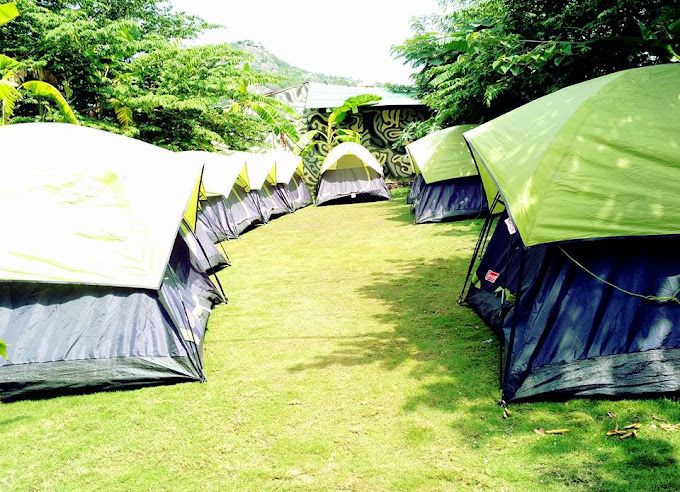
Travelers can find nature campsites, rustic farm stays, and traditional homestays in and around Ramanagara on HireACamp. These stays offer an authentic local experience, authentic regional cuisine, and convenient proximity to the trekking routes and climbing crags.
Frequently asked questions
Is Ramanagara Hills suitable for beginners to trek?
Yes, many routes around Ramanagara Hills are accessible for beginners with basic fitness, though proper trekking shoes with strong grip are required for navigating the granite rocks.
Why is Ramanagara famous?
Ramanagara is renowned for its vast granite rock formations, technical rock-climbing routes, and the vulture sanctuary at Ramadevara Betta, as well as its rich silk-rearing tradition.
What should I carry for a day trip to Ramanagara Hills?
Carry at least two liters of water, energy snacks, sun protection such as a hat and sunglasses, and wear sturdy footwear with good traction for walking on smooth granite.
Can I spot vultures at Ramanagara Hills?
Yes, Ramanagara is home to endangered long-billed and Egyptian vultures, particularly around the protected cliffs of the Ramadevara Betta Vulture Sanctuary.
How far are Ramanagara Hills from Bengaluru?
Ramanagara Hills are approximately 45 to 55 kilometers southwest of central Bengaluru, typically taking about one to two hours by road or rail.
Where you'll be
Ramanagara · 1 stay nearby shown with prices
Stays near Ramanagara Hills
Book a place to stay close by
More places near Ramanagara Hills
Within 20 km


Built from 0 Instagram posts by 0 creators. Every tip links back to the post it came from, and where creators disagree we show both sides.






