
Ranipuram Wildlife Sanctuary
Wildlife sanctuary near Talakaveri, Karnataka
9.9 km from Talakaveri
The nearest town, for stays, food and fuel.
Ranipuram Wildlife Sanctuary lies along the undulating ridges of the Western Ghats near Madikeri, straddling the verdant border territory between Karnataka and Kerala. Renowned for its mosaic of shola grasslands, evergreen canopies, and diverse wildlife, the sanctuary draws nature enthusiasts, hikers, and birdwatchers. Visitors travel here to experience dramatic ridgelines, quiet forest trails, and panoramic vistas of the surrounding mountain ranges.
Getting there
By road
- From TalakaveriNearest town1 hr 55 min · 71 km
- From Mangaluru2 hr 55 min · 115 km
- From Mysuru5 hr · 221 km
- From Bengaluru7 hr 15 min · 368 km
Typical drive times without traffic. Stations and airports from OLA Maps; distances and typical drive times from OpenStreetMap (© OpenStreetMap contributors); notes from creators' Reels.
About Ranipuram Wildlife Sanctuary
Written with AI from map data and general knowledge. Check prices and timings locally before you go.
About Ranipuram Wildlife Sanctuary
Ranipuram Wildlife Sanctuary occupies an ecologically significant stretch of the Western Ghats close to the hill town of Madikeri. The landscape is characterized by rolling high-altitude grasslands punctuated by patches of dense montane evergreen forest, commonly known as sholas. Because the sanctuary sits along an elevated ridgeline, it acts as a critical watershed and safe refuge for numerous endemic species native to southern India.
The environment here transitions rapidly from moist valleys filled with towering trees, ferns, and mosses to windswept grassy knolls that offer sweeping views across both Karnataka and Kerala. The area forms part of a continuous forested belt that links surrounding protected zones, allowing wildlife to migrate across forest corridors. For travellers journeying from Mercara and the wider Coorg plateau, the sanctuary presents an immersive look into an undisturbed Western Ghats habitat.
Flora and fauna in the sanctuary
The vegetation within Ranipuram Wildlife Sanctuary is a classic example of Western Ghats montane biodiversity. Sheltered ravines harbor shola evergreen forests with thick leaf litter, wild orchids, and tangled woody climbers, while exposed summits feature hardy grasses adapted to strong winds and seasonal droughts. This dual habitat sustains a wide array of wildlife, ranging from mammals to delicate invertebrates.
Herds of Asian elephants frequently traverse these forested valleys, utilizing ancient migratory corridors. The sanctuary is also home to leopards, wild boars, sambar deer, barking deer, and Indian crested porcupines. In the canopy, endangered arboreal creatures like the Malabar giant squirrel can be seen leaping across branches. The rich birdlife includes Western Ghats endemics such as the Malabar grey hornbill, Nilgiri wood pigeon, white-bellied treepie, and various flycatchers. Amphibians and reptiles flourish along the forest floor, especially during the wetter months when endemic bush frogs and pit vipers are active.
Read more
Trekking and outdoor trails
Exploring Ranipuram Wildlife Sanctuary involves walking through designated foot trails that lead up into the hills. The trek typically commences on the forest margins, ascending through shaded evergreen tracts where the air is cool and bird calls echo through the trees. As you ascend higher, the tree canopy abruptly gives way to open grasslands, exposing hikers to wide skies and steep valley drop-offs.
The walk along the grassy crest is both refreshing and scenic, offering views of distant peaks and surrounding plantation landscapes. Because weather patterns in this part of the Western Ghats change rapidly, trekkers frequently find themselves walking through moving banks of mist and sudden light breezes. Staying strictly to established trails is vital to prevent soil erosion and avoid disturbing resident wildlife.
Best time to visit Ranipuram
The post-monsoon and winter months, spanning from October to February, are the most comfortable times to visit Ranipuram Wildlife Sanctuary. During this window, the torrential rains recede, leaving the hills emerald green and the streams brimming with clear water. Daytime temperatures remain pleasant, and morning mist often settles gently across the valleys, making hiking and wildlife watching very rewarding.
From March to May, summer brings warmer and drier conditions. While midday can be relatively warm, morning and late afternoon walks are comfortable, and visibility across the distant ridgelines is clear. The monsoon season, which runs from June through September, brings intense downpours and thick cloud cover. While the landscape looks dramatic and rejuvenated during the rains, heavy downpours can make the trails slick, and leeches are common throughout the damp forest undergrowth.
How to reach Ranipuram Wildlife Sanctuary
The sanctuary is accessible by road from Madikeri, which serves as a major transit and cultural center in the Kodagu district. Travellers driving from Madikeri take winding state highways and ghat roads that lead down through coffee country toward the border forests. The drive offers scenic transitions from cultivated estates to natural forest patches.
For those travelling by public transport, buses run regularly between major Karnataka hubs like Mysuru and Mangaluru to Madikeri. From Madikeri, local buses or private taxis can be hired to reach the sanctuary perimeter. If you are arriving by air, the nearest airports are located at Mangaluru and Kannur, both of which provide rail and road connectivity toward the foothills of the Western Ghats.
Places to visit nearby
The region surrounding Ranipuram Wildlife Sanctuary offers an engaging blend of natural scenery and historical sites. A short drive away lies the Payaswini River, an ideal spot to stop by flowing mountain water and observe riparian vegetation. Closer to Sullia, the historic Thodikana and Sri Chennakeshava Temples feature traditional regional architecture set in serene rural surroundings.
If you journey back towards Madikeri, you can visit Raja's Seat, a renowned viewpoint offering panoramic vistas of the rolling Coorg hills and dramatic sunset views. Trekkers can also branch out towards Kakkabe to explore broader trails in the Brahmagiri range. For those interested in coastal defense architecture, the massive ramparts of Bekal Fort are located roughly forty kilometers away on the shoreline, making for an easy day excursion across the border.
Tips for your visit
When planning an excursion into Ranipuram Wildlife Sanctuary, wear sturdy walking shoes with reliable grip, as the ridgeline tracks feature loose gravel and uneven rocky surfaces. If you are visiting during or right after the monsoon, carrying leech gaiters or applying neem oil and salt is strongly recommended to deal with forest leeches along the damp sections of the path.
Carry sufficient drinking water and light refreshments, as there are no food or water points once you enter the upper trail network. Sun protection such as a hat and sunscreen is helpful when traversing the exposed open grasslands. Keep in mind that as a sensitive wildlife corridor, the sanctuary requires visitors to practice zero-waste principles; pack out every piece of plastic and trash you bring in, and avoid playing loud music or disturbing nesting birds.
Where to stay around Ranipuram
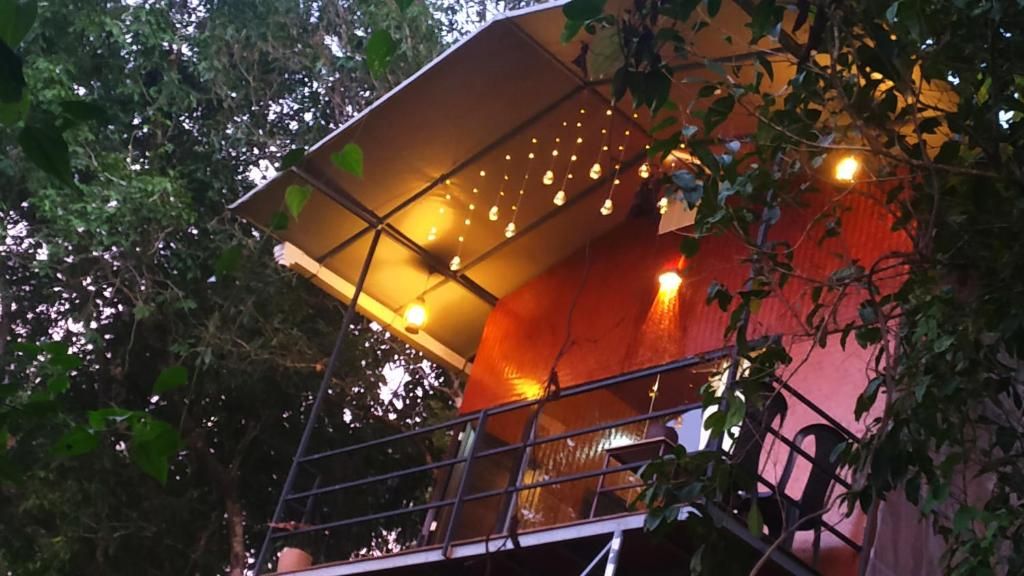
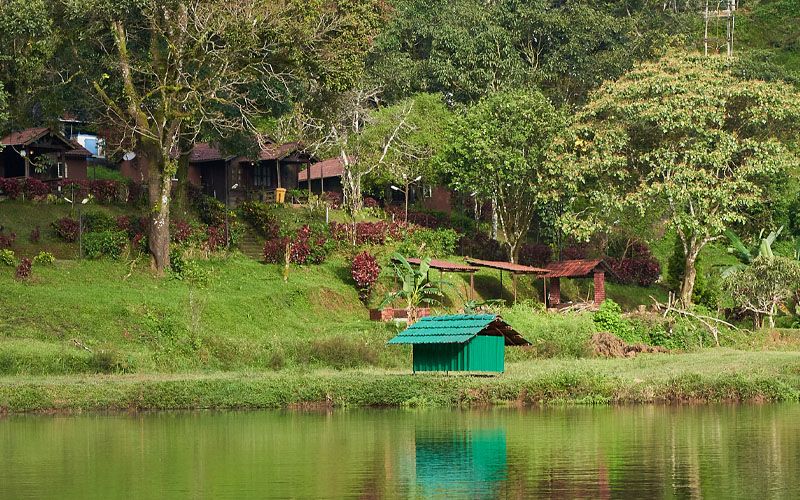
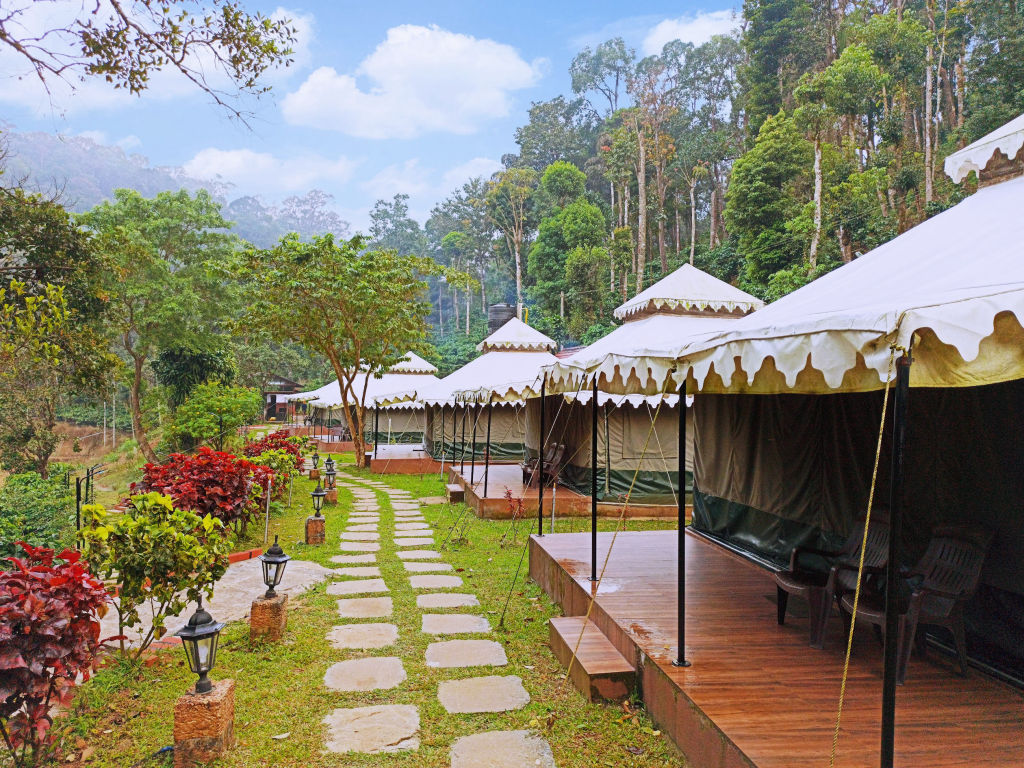
Travellers visiting the sanctuary can find a variety of accommodation styles in the surrounding countryside and along the Madikeri circuit. Homestays nestled amid coffee and spice plantations offer home-cooked regional meals and an authentic feel of local living. For those who want to stay outdoors, nature camps and eco-lodges are situated within easy driving distance of the trails. You can discover and book a diverse selection of camps, rural cottages, and homestays nearby on HireACamp.
Frequently asked questions
Is trekking allowed inside Ranipuram Wildlife Sanctuary?
Yes, walking along demarcated trails that lead through the forest up to the shola grasslands is permitted. Hikers are expected to keep to designated routes and adhere to forest department regulations.
What kind of wildlife can you spot at Ranipuram?
Visitors may see herds of Asian elephants, sambar deer, barking deer, and the Malabar giant squirrel, alongside a broad variety of endemic Western Ghats birds, butterflies, and reptiles.
Are there leeches on the Ranipuram trails?
Leeches are prevalent along the shaded, damp forest floors during the monsoon and the immediate post-monsoon months. Wearing protective socks or carrying salt is advisable during these periods.
What is the best season to explore the sanctuary?
The cooler months from October to February provide the most comfortable weather for trekking, featuring clear skies, lush greenery, and pleasant walking temperatures.
Where can I find accommodation near Ranipuram?
You can find local homestays, plantation cottages, and rustic campsites in the vicinity of Madikeri and the border areas by checking HireACamp.
Where you'll be
Mercara · 4 stays nearby shown with prices
Stays near Ranipuram Wildlife Sanctuary
Book a place to stay close by

More places near Ranipuram Wildlife Sanctuary
Within 20 km


Built from 0 Instagram posts by 0 creators. Every tip links back to the post it came from, and where creators disagree we show both sides.






