
Talakaveri Wildlife Sanctuary
Wildlife sanctuary near Talakaveri, Karnataka
5.8 km from Talakaveri
The nearest town, for stays, food and fuel.
Talakaveri Wildlife Sanctuary is a protected reserve situated in the Western Ghats of Karnataka, near the district headquarters of Madikeri in Kodagu. Named after Talakaveri, the sacred birthplace of the River Cauvery, the sanctuary protects vital catchment forests characterized by steep valleys and dense evergreen canopy. Nature lovers, birdwatchers, and conservation enthusiasts visit to experience one of the richest biodiversity zones in southern India.
Getting there
By road
- From TalakaveriNearest town33 min · 11 km
- From Mangaluru3 hr 30 min · 139 km
- From Mysuru4 hr · 161 km
- From Bengaluru6 hr 15 min · 307 km
Typical drive times without traffic. Stations and airports from OLA Maps; distances and typical drive times from OpenStreetMap (© OpenStreetMap contributors); notes from creators' Reels.
About Talakaveri Wildlife Sanctuary
Written with AI from map data and general knowledge. Check prices and timings locally before you go.
About Talakaveri Wildlife Sanctuary
Talakaveri Wildlife Sanctuary covers an expanse of tropical rainforest and shola grassland along the crestline of the Western Ghats in Karnataka. Established to safeguard the vital catchment ecosystem of the Cauvery River, this protected forest borders the state of Kerala and serves as an indispensable watershed for millions of people downstream. The terrain is marked by undulating hills, deep forested valleys, and perennial mountain streams that feed into the river basin.
The reserve forms part of a larger contiguous forest corridor connecting adjacent protected areas in Karnataka and Kerala, ensuring unrestricted movement for wide-ranging mammals. Because the topography is rugged and the canopy remains unbroken across substantial stretches, the sanctuary preserves an ancient, undisturbed forest landscape that feels remarkably remote despite its relative proximity to major Coorg towns.
Flora and Fauna of the Sanctuary
The vegetation of Talakaveri Wildlife Sanctuary is dominated by southern tropical wet evergreen forests, accompanied by semi-evergreen pockets and high-elevation shola-grassland complexes. Giant forest trees such as dipterocarps, wild cinnamon, and towering canarium form dense upper tiers, while the undergrowth teems with ferns, wild ginger, orchids, and climbing woody vines. The dense moisture-rich microclimate allows an extraordinary variety of fungi, mosses, and endemic plant species to thrive throughout the year.
Wildlife within the sanctuary is equally diverse and representative of the moist Western Ghats. Herbivores such as the Asian elephant, gaur, sambar deer, barking deer, and mouse deer roam the lower slopes and valleys. Predators including leopards, wild dogs, and occasionally tigers inhabit these dense woods, alongside smaller carnivores like the Asian palm civet, stripe-necked mongoose, and small Indian civet. The sanctuary is also home to primates such as the endangered lion-tailed macaque, Nilgiri langur, and bonnet macaque, which can often be heard foraging high in the canopy.
Bird enthusiasts will find the sanctuary rewarding, as it hosts numerous Western Ghats endemics. Species such as the Malabar grey hornbill, Malabar trogon, Nilgiri wood pigeon, white-bellied treepie, and several babbler species find shelter in the forest. Amphibians and reptiles are notably abundant, with numerous species of bush frogs, torrent frogs, pit vipers, and the king cobra recorded across the stream networks.
Read more
Best Time to Visit Talakaveri Wildlife Sanctuary
The sanctuary experiences a tropical monsoon climate characterized by heavy rainfall from June through September. During the monsoon months, the region receives downpours that replenish the mountain streams and transform the forest floor into a vibrant green landscape. However, heavy rains often cause mist-covered tracks, high leech activity, and difficult road conditions, making casual exploration challenging unless you are prepared for damp wilderness travel.
The period from October to March is widely considered the most comfortable time to visit. After the retreat of the southwest monsoon, skies clear, temperatures drop, and the weather becomes crisp and pleasant. Daytime temperatures remain mild, while early mornings and nights bring a refreshing mountain chill. Forest tracks dry out enough for manageable walking, and bird activity peaks during this period, with both resident and wintering species actively calling through the canopy.
From March to May, the weather warms up, though the dense forest canopy continues to offer shaded relief. During these summer months, wildlife often congregates closer to perennial watercourses, offering better chances of animal sightings along the lower valleys, although afternoon heat can make long walks more demanding.
How to Reach Talakaveri Wildlife Sanctuary
Madikeri serves as the primary base for visiting Talakaveri Wildlife Sanctuary. The sanctuary is situated in the western part of Kodagu district, reachable by road via scenic winding highways that climb past coffee plantations and misted ridges. Private vehicles, rental cars, and local taxis from Madikeri are the most convenient means of transport to reach entry points or nearby villages such as Bhagamandala and Kakkabe.
For those travelling by public transport, regular state transport buses connect major Karnataka cities like Bengaluru, Mysuru, and Mangaluru to Madikeri. From the Madikeri bus stand, local buses run frequently to Bhagamandala, from where local auto-rickshaws or private taxis can be hired to travel onward toward the sanctuary borders.
The nearest railway stations are at Kannur and Thalassery in Kerala, as well as Mysuru in Karnataka, all situated within manageable driving distances. For air travel, Kannur International Airport and Mangaluru International Airport are the closest transit hubs, offering regional and domestic flight connections followed by a picturesque uphill drive into the Coorg highlands.
Places to Visit Near Talakaveri Wildlife Sanctuary
A trip to the sanctuary can easily be combined with exploring the historical and natural attractions of the Kodagu region. Just outside the forest limits lies the Talacauvery Temple, dedicated to the origin of the sacred Cauvery River at the foot of Brahmagiri hill. Pilgrims and travellers gather here to witness the freshwater spring and to climb the adjacent steps that lead up to panoramic viewpoints overlooking the green forested ridges of the Western Ghats.
The nearby village of Kakkabe provides access to mountain trails, traditional Kodava cultural sites, and lush spice estates. Further afield, the hill town of Madikeri features historic landmarks such as Raja's Seat, a famed garden viewpoint overlooking deep rolling valleys that once served as a quiet retreat for the rulers of Kodagu. Just across the state border in Kerala, the trekking trails around Ranipuram Peak and Kottancheri Hills showcase high-altitude grasslands and sweeping vistas of the same mountain continuum.
Tips for Your Visit
Because Talakaveri Wildlife Sanctuary is a protected natural habitat, visitors should take deliberate care to minimize their impact on the environment. Always follow the guidelines established by local forest authorities, stay on designated access routes, and avoid making loud noises that disturb wildlife. The forest department manages forest access and regulated wilderness trails, so it is important to confirm current entry rules and permissions on the ground prior to venturing into reserve boundaries.
Practical clothing is essential for spending time in these humid evergreen forests. Sturdy walking shoes or trekking boots with good grip are recommended, especially on slick forest paths. During the monsoon and post-monsoon months, leech guards and salt or tobacco powder are indispensable for walking through moist undergrowth. Carrying sufficient drinking water in reusable bottles, light rain protection, and insect repellent will make your visit significantly more comfortable.
Where to Stay Near Talakaveri Wildlife Sanctuary
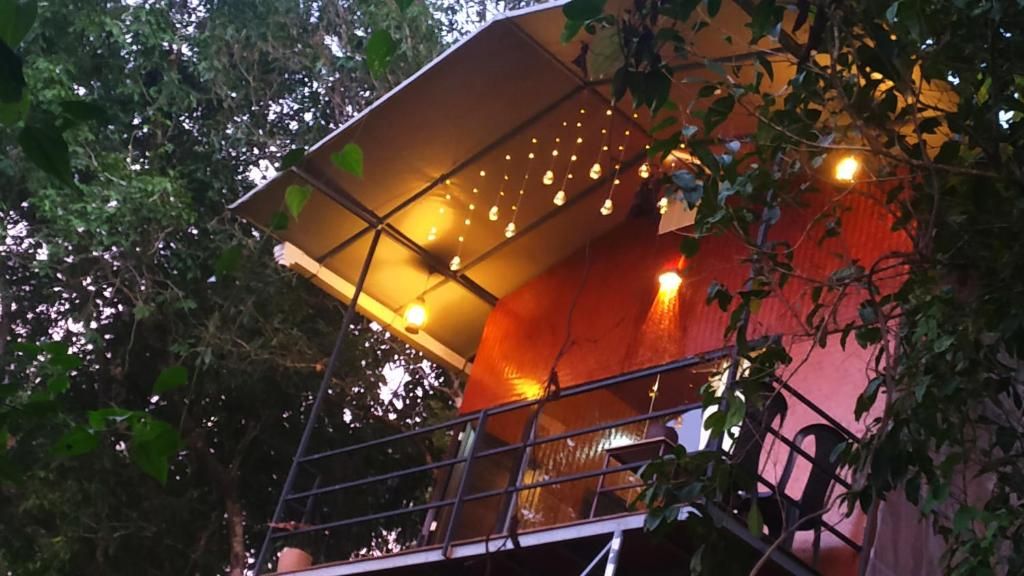
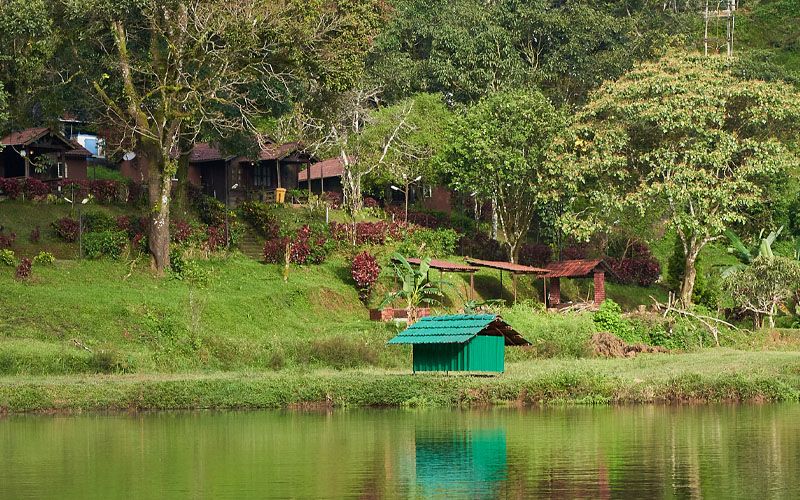
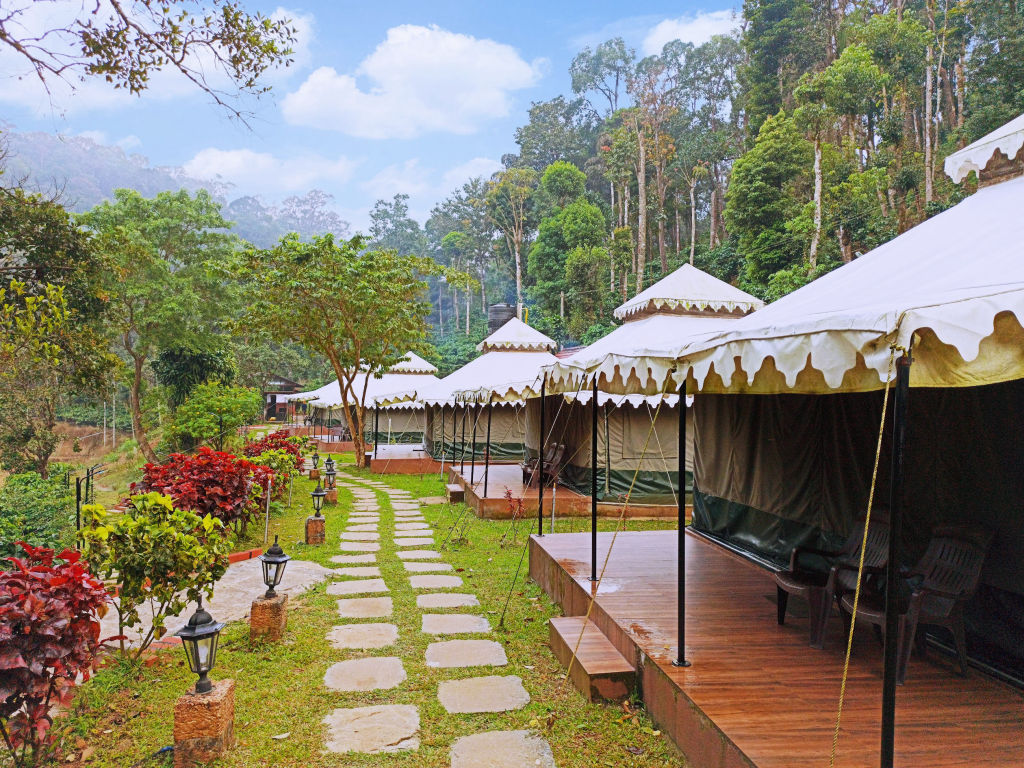
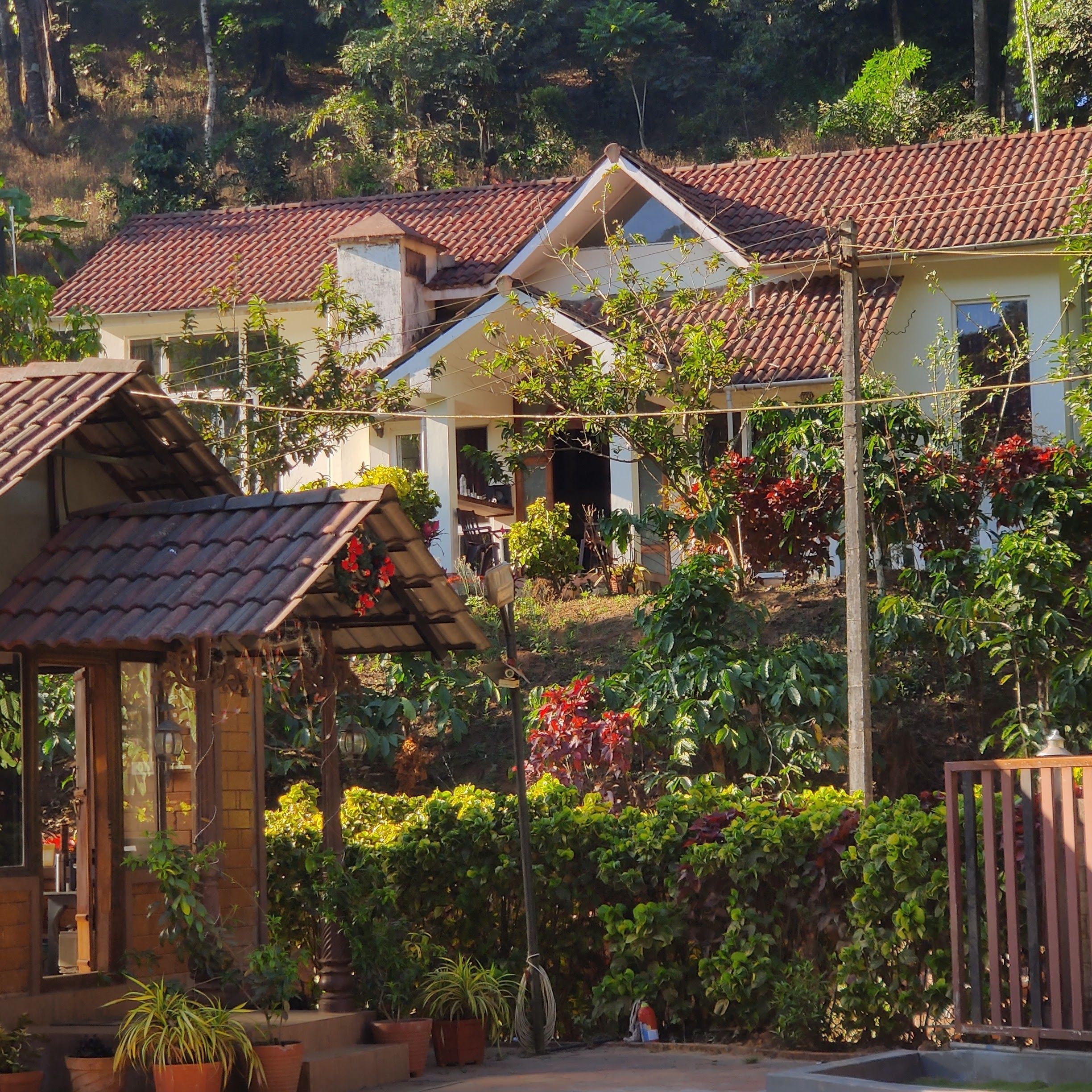
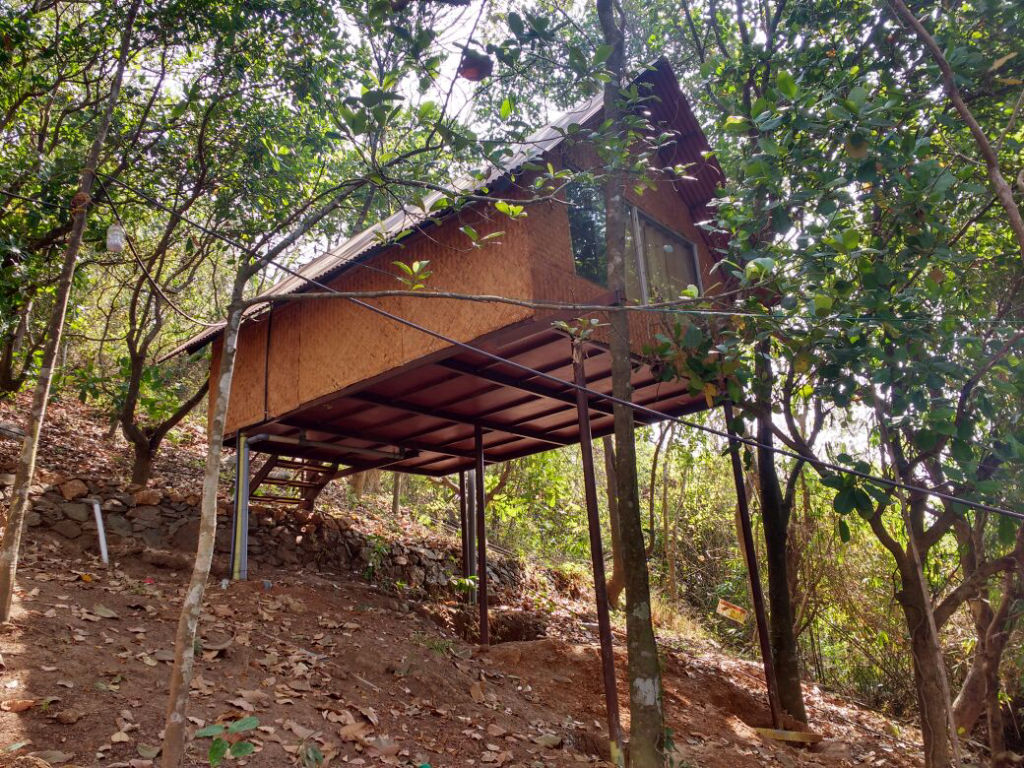
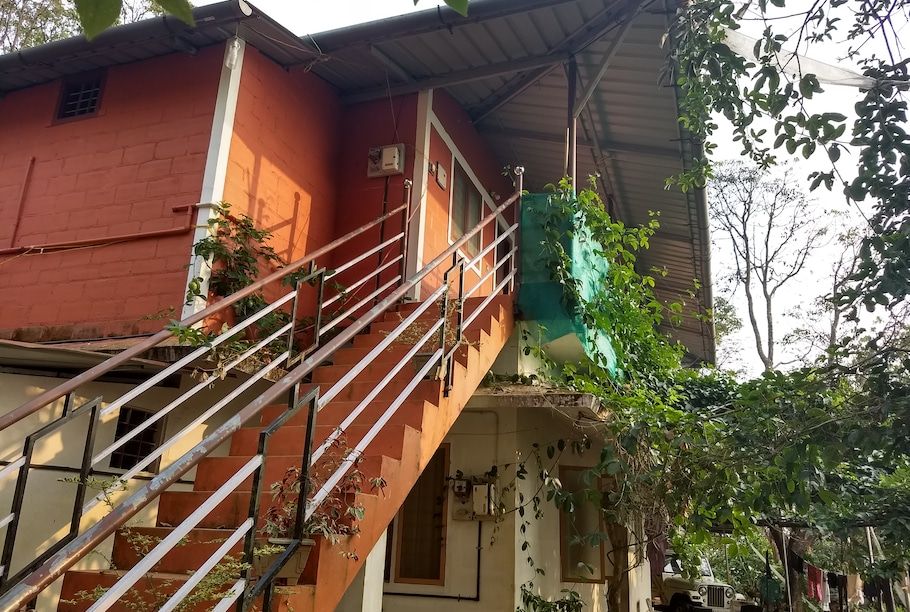
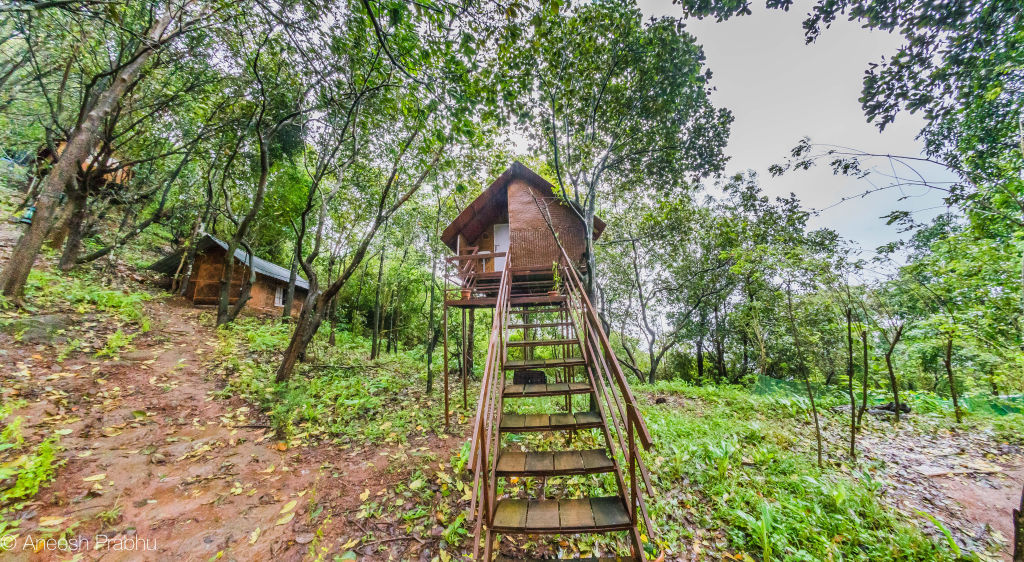
Staying near the sanctuary gives travellers the chance to wake up to the sound of forest birds and experience the cool climate of Kodagu up close. The surrounding countryside, particularly around Bhagamandala, Kakkabe, and Madikeri, features a wide variety of rural accommodations nestled among coffee and cardamom plantations.
Camps, nature retreats, and plantation homestays in the area can easily be discovered and reserved through HireACamp. Choosing a homestay or campsite near the reserve allows you to enjoy genuine local hospitality, taste home-cooked Kodava meals, and base yourself within an easy morning drive of the sanctuary edge.
Frequently asked questions
Where is Talakaveri Wildlife Sanctuary located?
Talakaveri Wildlife Sanctuary is located in the Kodagu district of Karnataka, along the Western Ghats border near the town of Madikeri and the pilgrimage site of Talacauvery.
What animals can be spotted in Talakaveri Wildlife Sanctuary?
The sanctuary is home to Asian elephants, leopards, gaur, sambar deer, barking deer, wild dogs, lion-tailed macaques, and a rich variety of birds and amphibians endemic to the Western Ghats.
Do I need permission to enter Talakaveri Wildlife Sanctuary?
Yes, access to protected forest zones and regulated trails is governed by the Karnataka Forest Department, so visitors should check entry regulations and obtain necessary clearances locally before visiting.
What is the best time of year to visit the sanctuary?
The most pleasant period to visit is from October to March, when the monsoon rains have subsided, forest tracks are accessible, and daytime weather is comfortable for wildlife watching.
Can I find stays close to Talakaveri Wildlife Sanctuary?
Yes, numerous plantation homestays, nature retreats, and riverside campsites located around Madikeri and Kakkabe can be booked directly through HireACamp.
Where you'll be
Mercara · 7 stays nearby shown with prices
Stays near Talakaveri Wildlife Sanctuary
Book a place to stay close by
More places near Talakaveri Wildlife Sanctuary
Within 20 km


Built from 0 Instagram posts by 0 creators. Every tip links back to the post it came from, and where creators disagree we show both sides.






