
Rohtang Pass
Viewpoint near Khoksar, Himachal Pradesh
4.2 km from Khoksar
The nearest town, for stays, food and fuel.
Rohtang Pass is a renowned high-altitude mountain pass in Himachal Pradesh, located approximately fifty kilometres north of Manali in the Pir Panjal Range. It serves as a natural gateway connecting the lush Kullu Valley with the arid high-altitude landscapes of Lahaul and Spiti. Travellers visit Rohtang Pass for its panoramic mountain vistas, dramatic snowfields, and the thrilling experience of crossing one of the most famous mountain passes in the Himalayas.
Getting there
By road
- From KhoksarNearest town45 min · 23 km
- From Chandigarh6 hr 50 min · 317 km
- From Ludhiana7 hr 25 min · 357 km
- From Amritsar9 hr 30 min · 468 km
Typical drive times without traffic. Stations and airports from OLA Maps; distances and typical drive times from OpenStreetMap (© OpenStreetMap contributors); notes from creators' Reels.
About Rohtang Pass
Written with AI from map data and general knowledge. Check prices and timings locally before you go.
About Rohtang Pass
Perched at an elevation of nearly four thousand metres above sea level, Rohtang Pass is one of the most prominent geographical landmarks in northern India. For centuries, this rugged mountain corridor served as an ancient trade route between the Kullu Valley and the higher plateaus of Central Asia and Ladakh. The name Rohtang historically translates to a pile of corpses, a stark reminder of the unpredictable blizzards and fierce weather conditions that once challenged traders, shepherds, and explorers traversing the pass on foot.
Today, Rohtang Pass is a magnet for travellers seeking expansive views of snow-clad peaks, glaciated valleys, and shifting cloudscapes. Crossing the pass marks an extraordinary visual shift, transitioning from the verdant pine forests and orchards of Kullu to the stark, windswept moonscapes of Lahaul. The dramatic elevation change, brisk winds, and sweeping views across the Pir Panjal and Great Himalayan ranges make it an iconic highlight of any journey into Himachal Pradesh.
The Landscape and Natural Setting
The terrain surrounding Rohtang Pass is characterized by stark ecological contrasts. To its south lies the green, water-rich Beas basin, nourished by dense Himalayan cedar, fir, and pine forests. In fact, the source of the Beas River originates near the crest of the pass at Beas Kund, trickling down toward the plains. To the north, the landscape abruptly shifts into dry, windswept scree slopes and barren crags that define the rain-shadow territory of the Lahaul Valley.
During the warmer summer months, the thawing snowpack feeds rushing meltwater streams, small alpine tarns, and brief flushes of resilient alpine flora. Wild wildflowers, mosses, and dwarf shrubs cling to the rocky soil, providing grazing grounds for local livestock and high-altitude wildlife. The towering summits encircling the pass remain partly glaciated throughout the year, offering dramatic contrast between slate-grey rock faces, bright white snowfields, and deep blue Himalayan skies.
Read more
Best Time to Visit Rohtang Pass
Because of its great altitude and heavy winter snowfall, Rohtang Pass remains completely cut off and buried under several feet of snow for half the year. The pass typically opens for vehicle traffic late in May or early in June, depending on how quickly snow-clearing operations can clear the high roads, and remains accessible through October or early November until winter storms set in again.
June is the most popular month for visitors who wish to experience deep snow walls and crisp alpine weather, though it is also the peak holiday season with substantial vehicular movement. By July and August, the monsoon brings moisture to the southern slopes near Manali, which can lead to slippery surfaces, rain, and occasional landslides along the climbing road, while the top of the pass is frequently enveloped in swirling mist. September and October offer some of the clearest skies, stable weather conditions, and crisp autumn temperatures, making early autumn an exceptional period for photography and sightseeing before the bitter winter freeze returns.
How to Reach Rohtang Pass
The starting point for almost every trip to Rohtang Pass is the town of Manali, located roughly fifty kilometres to the south. The road connecting Manali to the pass winds upward through picturesque mountain villages, thick cedar stands, and dramatic cliff sides via the Manali-Leh Highway. Because vehicular traffic is carefully regulated to protect the sensitive alpine ecology, visitors travelling by private car, taxi, or two-wheeler must ensure they have secured the mandatory permits well in advance before setting off.
Travellers arriving by air can fly into Kullu-Manali Airport at Bhuntar, situated about fifty kilometres south of Manali, from where taxis and local buses run regularly into town. Those coming by train typically travel to broad-gauge railheads like Chandigarh or the narrow-gauge station at Joginder Nagar, followed by a scenic mountain drive up the Beas Valley. The journey from Manali to the summit of the pass generally takes between two and four hours, depending entirely on weather, road surface conditions, and seasonal checkpoint queues. Leaving early in the morning is highly recommended to avoid the heaviest traffic on the climbing switchbacks.
Essential Tips for Visitors
Due to the significant altitude of Rohtang Pass, altitude sickness can affect travellers who gain elevation too quickly without acclimatizing in Manali first. Symptoms such as mild headaches, lightheadedness, and shortness of breath are common when walking uphill. Staying well hydrated, avoiding strenuous overexertion immediately after arriving at the pass, and carrying basic personal remedies can make a substantial difference in comfort.
The weather at the summit is notoriously fickle and can shift within minutes from clear sunshine to biting, icy winds or snow squalls. Dress in multiple layers, including a thermal inner base, an insulating fleece or sweater, and a windproof, waterproof outer jacket. Sturdy walking shoes with reliable traction are essential, especially when walking across frozen or melting snow patches that become slick underfoot. Do not forget quality UV-blocking sunglasses, heavy-duty sunscreen, and lip balm, as high-altitude ultraviolet radiation reflects intensely off the snow. Because there are limited facilities at the top, carry sufficient drinking water and light snacks, and always ensure that any trash brought up the pass is carried back down to Manali.
Where to Stay Near Rohtang Pass
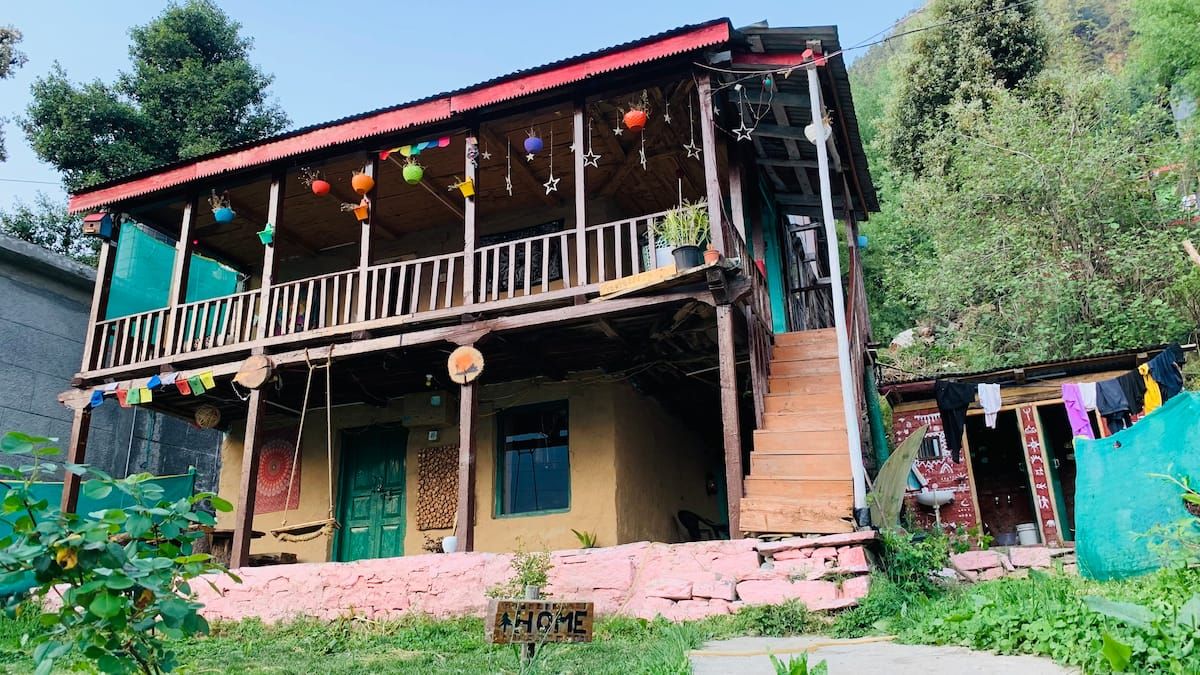
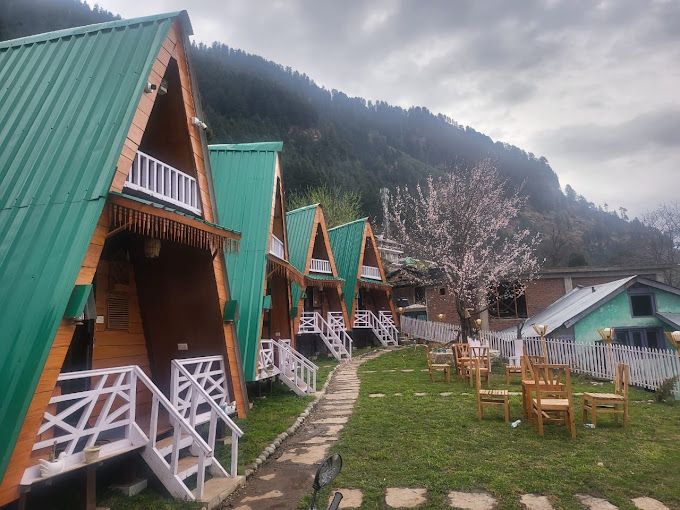
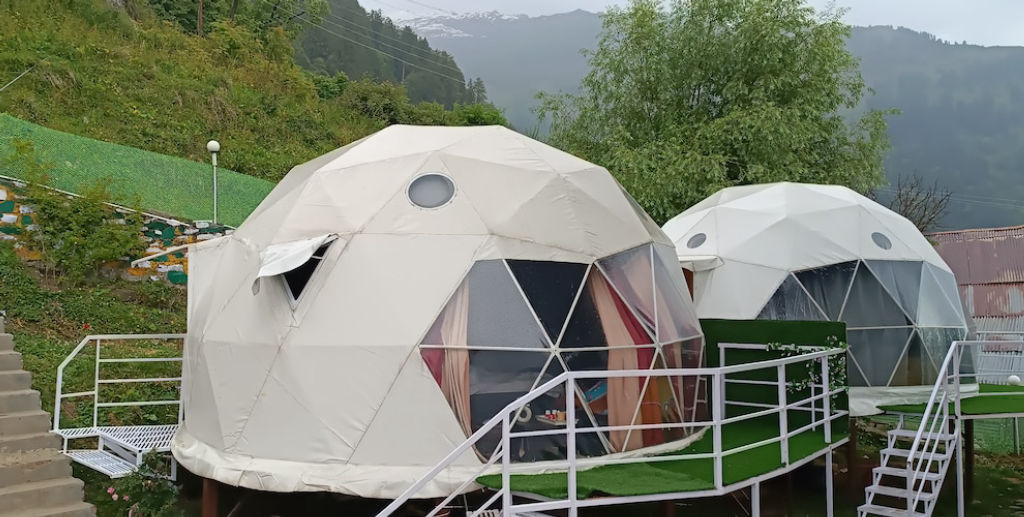
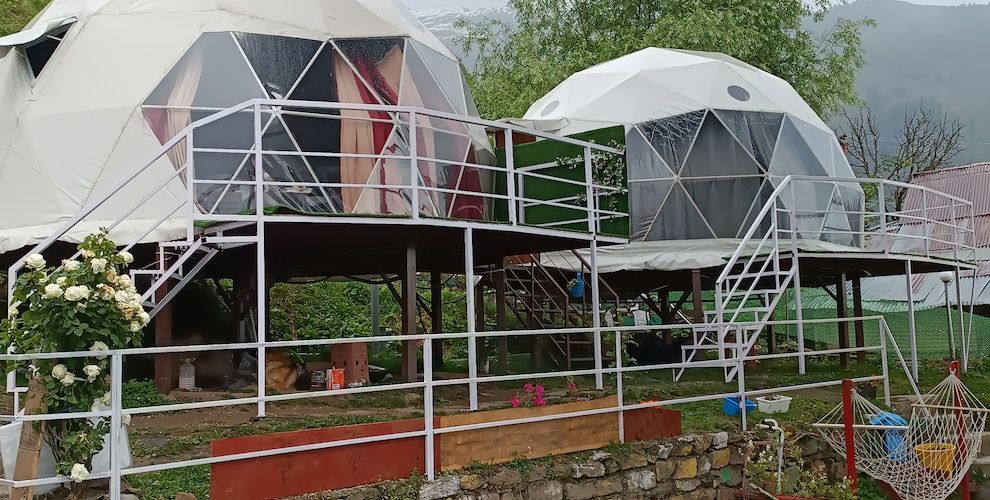
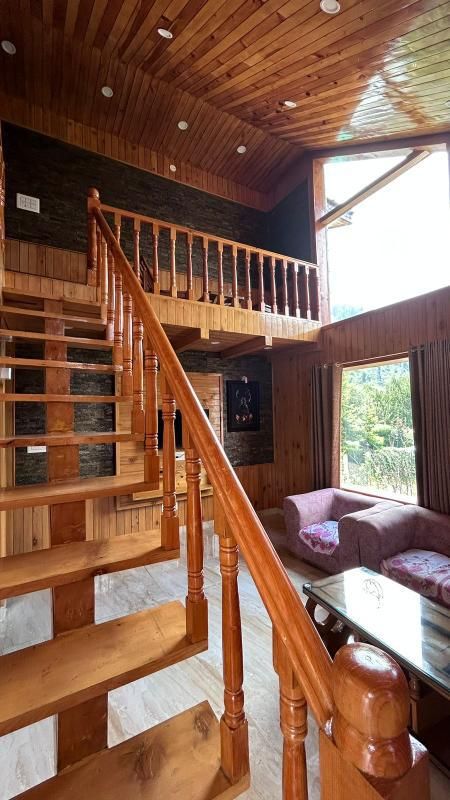
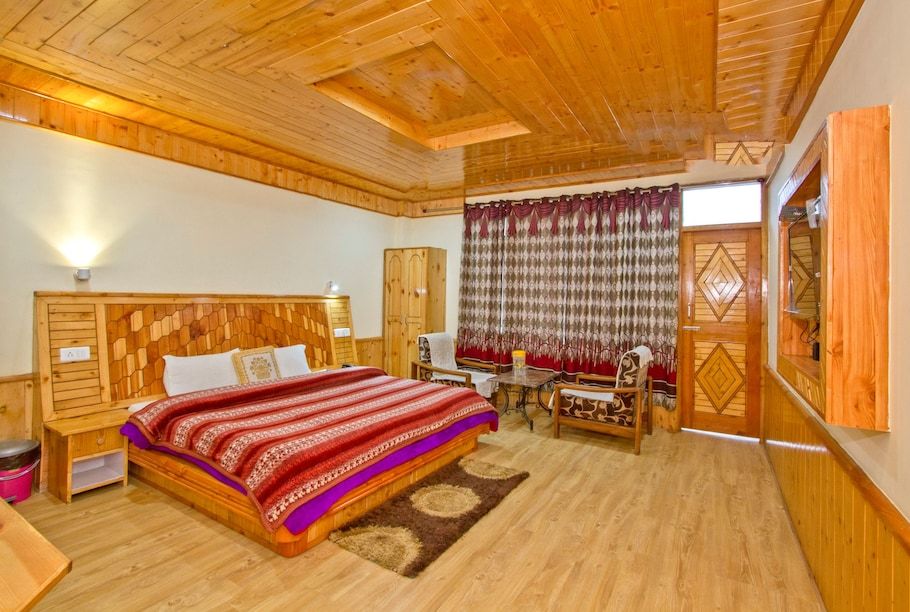
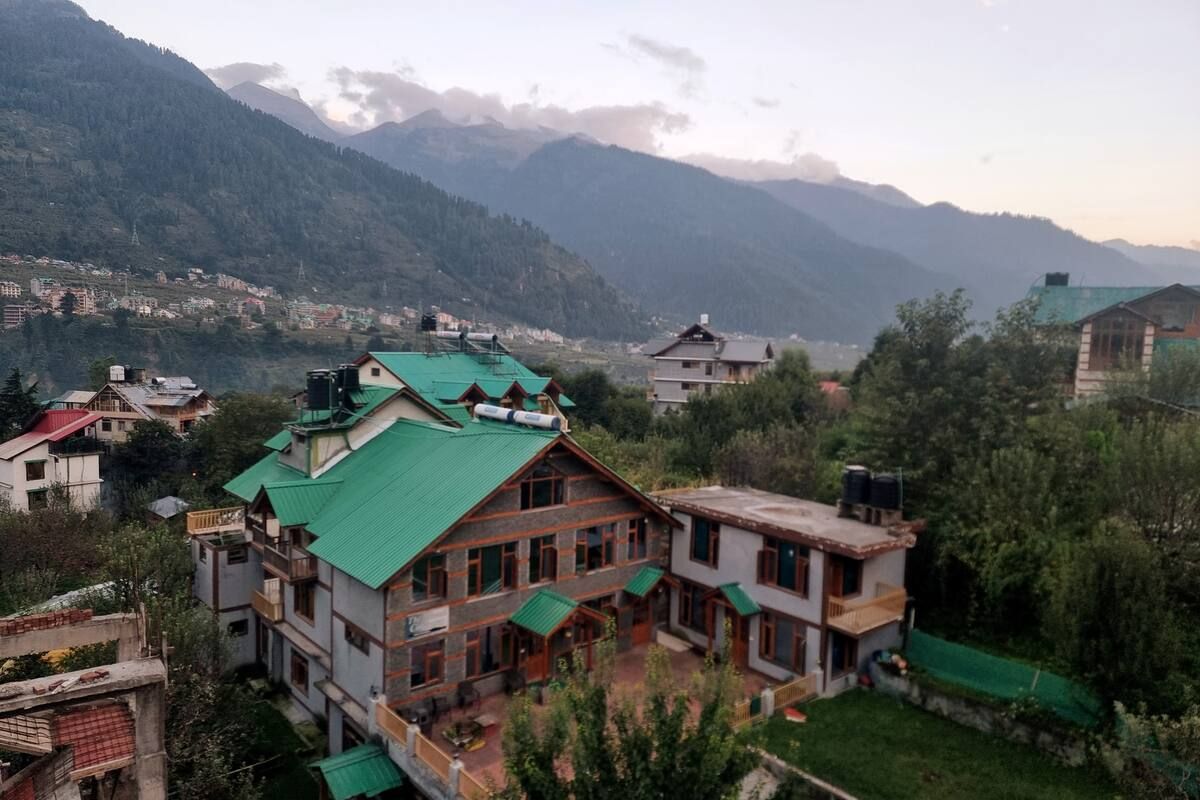
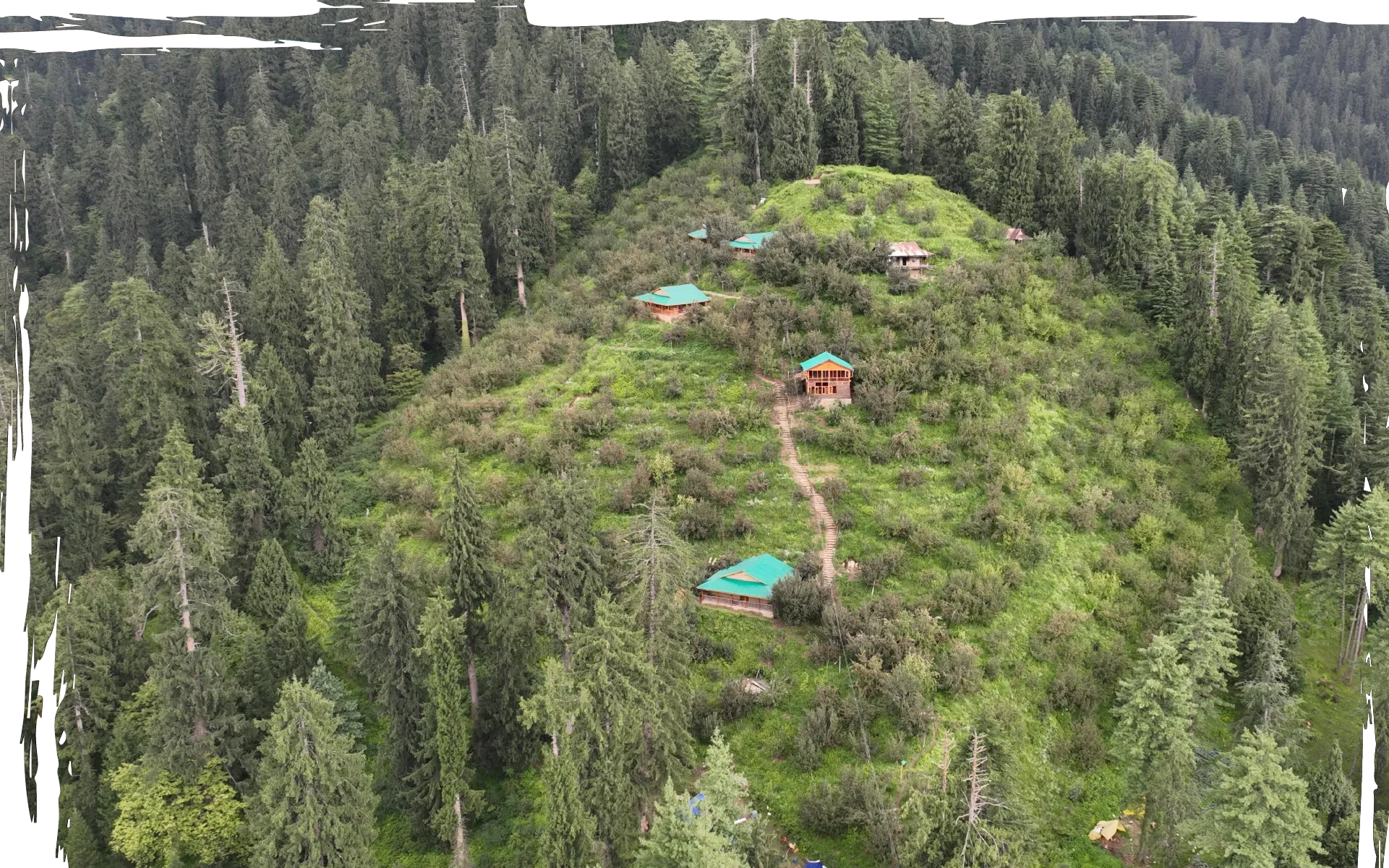
There are no permanent accommodations or overnight stay options at the crest of Rohtang Pass itself due to extreme weather, safety regulations, and the fragility of the alpine habitat. Most travellers base themselves in or around Manali and make a day trip up to the pass.
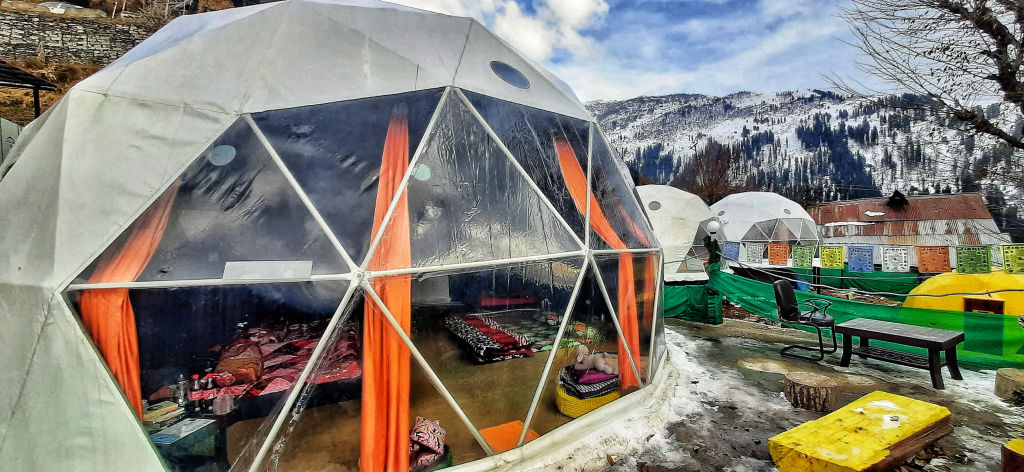
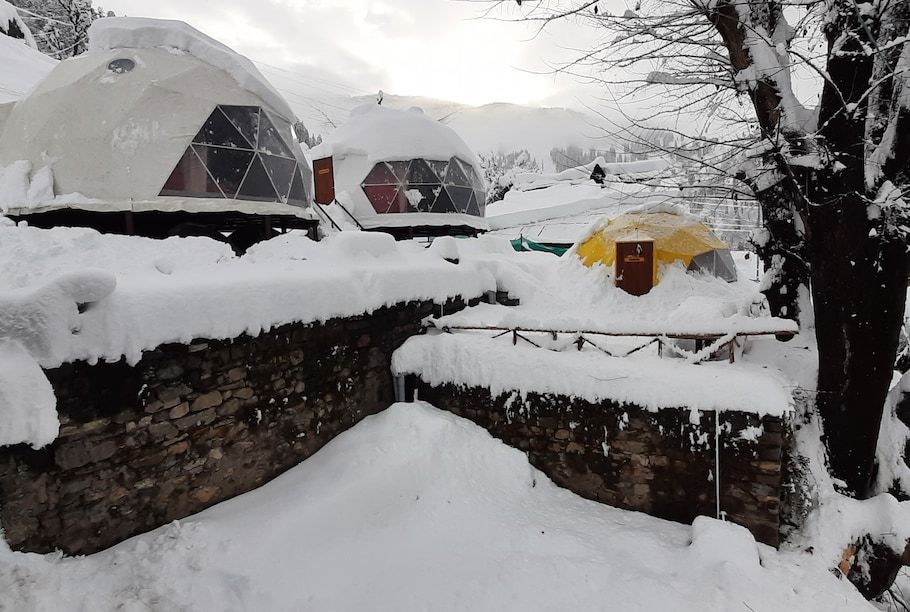
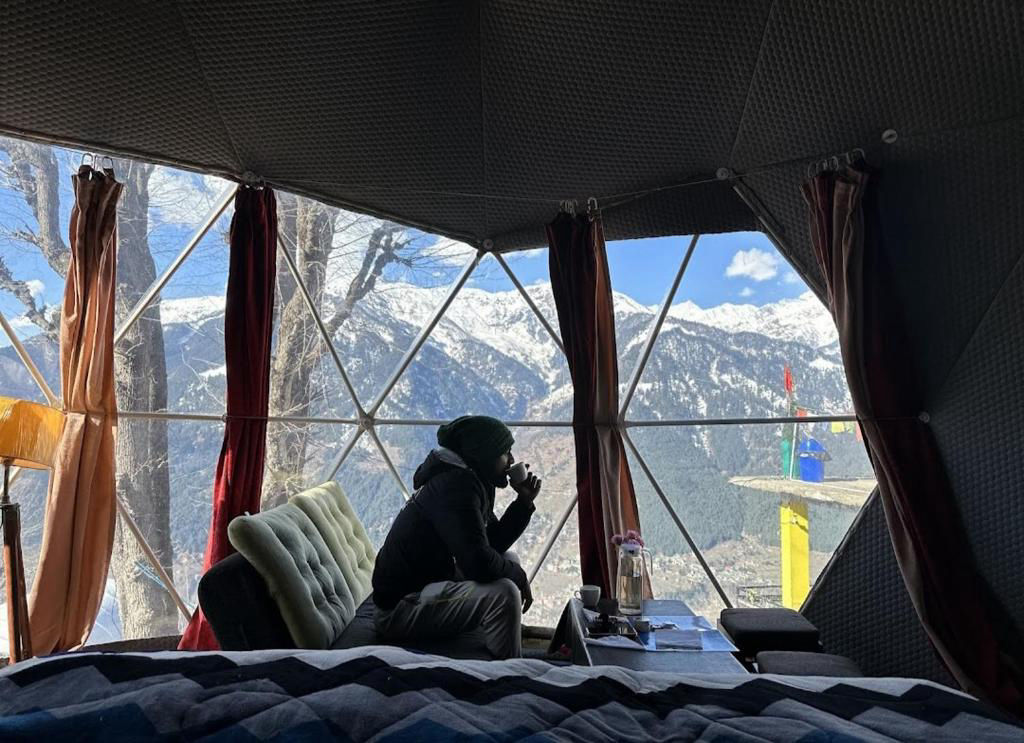
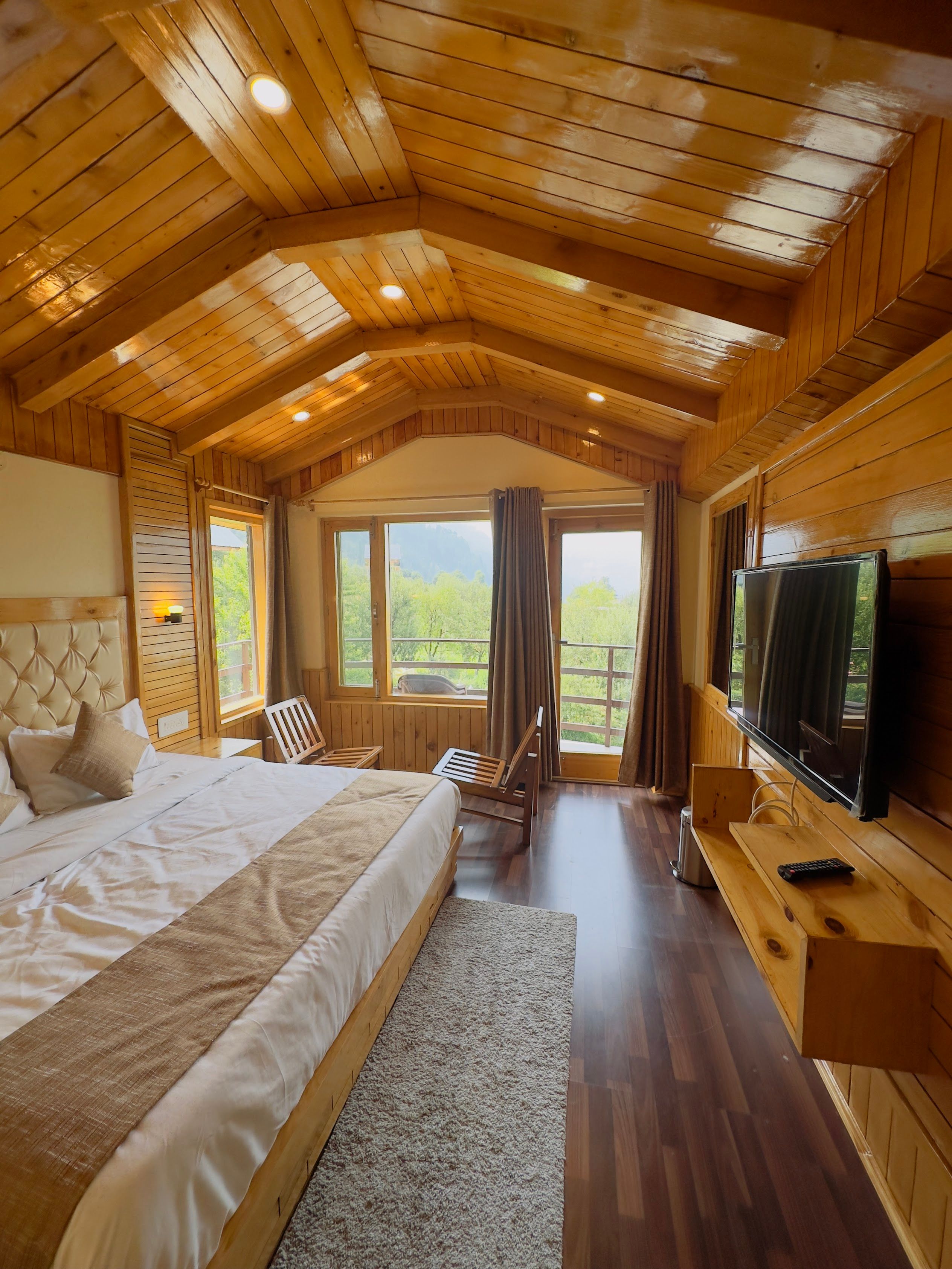
A wide selection of stays can be found along the Kullu Valley, ranging from peaceful riverside camps and orchard retreats to welcoming family-run homestays and rustic mountain cottages. Staying slightly outside the central market area of Manali along the Solang Valley road can offer a head start on morning traffic heading toward the pass. You can explore and book verified campsites, outdoor getaways, and homestays throughout the region on HireACamp.
Frequently asked questions
Is a permit required to visit Rohtang Pass?
Yes, all vehicles visiting Rohtang Pass require a special permit issued by local authorities to regulate daily traffic and protect the environment. Permits are limited per day and should be checked and booked online or through local operators ahead of your journey.
How far is Rohtang Pass from Manali?
Rohtang Pass is located about fifty kilometres north of Manali along the winding mountain highway. The drive usually takes between two to four hours depending on seasonal road conditions and checkpoint traffic.
Does Rohtang Pass stay open throughout the year?
No, Rohtang Pass remains closed during the winter months due to heavy snow accumulation and blizzards. It generally opens to visitors in late May or early June and closes around late October or early November depending on weather conditions.
Can I stay overnight at Rohtang Pass?
No, overnight stays are not permitted at Rohtang Pass due to extreme cold, high elevation, and environmental restrictions. Visitors make a day trip from accommodations located in Manali or surrounding villages.
What kind of clothing should I wear when visiting Rohtang Pass?
Wear warm clothing arranged in multiple layers, including thermal wear, an insulated fleece, and a wind-resistant jacket. Sturdy walking boots, gloves, a woollen cap, and UV-filtering sunglasses are also essential for protection against wind and snow glare.
Where you'll be
Himachal Pradesh · 12 stays nearby shown with prices
Stays near Rohtang Pass
Book a place to stay close by
More places near Rohtang Pass
Within 20 km

Built from 0 Instagram posts by 0 creators. Every tip links back to the post it came from, and where creators disagree we show both sides.






