
Vashisht temple
Temple near Vashisht, Himachal Pradesh
100 m from Vashisht
The nearest town, for stays, food and fuel.
Vashisht temple is an ancient Hindu shrine dedicated to Sage Vashistha, situated in the village of Vashisht just across the Beas River from Manali in Himachal Pradesh. The temple is renowned for its traditional wood carving architecture and the natural hot sulfur springs that flow directly within its premises. Pilgrims and travellers come here to experience centuries-old mountain traditions, take a dip in the medicinal mineral waters, and explore the charming stone-paved lanes of the village.
Getting there
By road
- From Chandigarh5 hr 40 min · 269 km
- From Ludhiana6 hr 5 min · 299 km
- From Amritsar8 hr 10 min · 410 km
- From Dehradun9 hr 5 min · 451 km
Typical drive times without traffic. Stations and airports from OLA Maps; distances and typical drive times from OpenStreetMap (© OpenStreetMap contributors); notes from creators' Reels.
About Vashisht temple
Written with AI from map data and general knowledge. Check prices and timings locally before you go.
About Vashisht temple
Vashisht temple stands as one of the most culturally significant spiritual sites in the Kullu Valley. Located on a steep hillside overlooking the Beas River, the temple is dedicated to Maharishi Vashistha, one of the revered Saptarishis and the primary guru of Lord Rama in Hindu tradition. According to regional mythology, Sage Vashistha retired to this valley to meditate after suffering deep personal grief, and the hot springs were created to provide him warmth in the harsh mountain climate.
Over the centuries, the village of Vashisht developed around this spiritual core. The area retains a distinct heritage feel, characterized by slate-roofed timber homes, narrow alleys, and small local craft shops. Walking up to the temple complex takes visitors away from the commercial hustle of central Manali and places them into an older, slower-paced Himalayan community where sacred rituals remain an integral part of daily routine.
The natural hot springs
The primary draw for many visitors to Vashisht temple is the presence of natural geothermal springs, locally called kunds. The water emerges from subterranean fissures rich in minerals, particularly sulfur, which gives it a distinct aroma and reputed therapeutic qualities. For generations, locals and travelers have bathed in these waters to seek relief from skin conditions, muscular fatigue, and joint pains.
Inside the temple complex, dedicated enclosures provide segregated bathing facilities for men and women. The water is piped straight from the natural spring head into deep stone tanks. Stepping into the warm, mineral-rich bath after a cold mountain journey is a deeply relaxing cultural tradition, though the temperature of the incoming water can be quite high, requiring cautious initial immersion.
Read more
Architecture and sacred craftsmanship
The architecture of Vashisht temple displays the classic elements of traditional Himachali timber construction, often referred to as the Kathkuni style. This indigenous building technique alternates interlocking wooden beams with dry stone masonry without the use of mortar, providing both thermal insulation and remarkable resilience against seismic activity.
Visitors should take time to observe the intricate wood carvings that adorn the doorframes, pillars, and eaves of the inner sanctum. These bas-relief sculptures depict deities, celestial figures, geometric patterns, and scenes from ancient epics. The dark cedar wood has weathered over several generations, acquiring a polished patina from constant mountain air and ceremonial offerings, reflecting the high caliber of local woodworking artistry.
Best time to visit Vashisht temple
Vashisht temple remains accessible throughout the entire year, with each season offering a distinctly different atmosphere. The spring and summer months between April and June bring comfortable temperatures, clear skies, and blooming apple orchards along the approaches. This is the busiest period for tourism, making early morning visits ideal for those seeking a quiet experience.
The autumn months of September and October offer crisp mountain weather and great visibility across the valley as the monsoons subside. Winter transforms Vashisht dramatically from December through February, when snowfall blankets the rooftops and village slopes. Visiting the hot springs during freezing winter temperatures is particularly rewarding, as the rising steam creates a striking contrast against the snow-covered pine slopes.
How to reach Vashisht temple
Vashisht temple is situated approximately three to four kilometers north of the main bus stand in Manali. Visitors based in central Manali or Old Manali can easily hire a local auto-rickshaw or taxi to reach the vehicle drop-off point at the entrance of Vashisht village. From there, the temple is just a short, gently sloping walk through stone-paved pedestrian alleys lined with village shops.
For those travelling from outside Himachal Pradesh, the nearest airport is at Bhuntar, roughly fifty kilometers south along the valley floor. Regular overnight buses connect major northern hubs like Delhi and Chandigarh directly to Manali. From the main transit drop in town, the drive up to Vashisht takes around fifteen to twenty minutes under normal traffic conditions.
Tips for your visit
When planning a visit to Vashisht temple, remember that it is an active place of worship and daily community life. Dress modestly, covering shoulders and knees before entering the temple courtyard. Footwear must be removed at the designated storage areas outside the main sanctum and the bathing enclosures.
If you plan to bathe in the sulfur springs, carry your own towel, fresh change of clothes, and a plastic bag for damp garments, as amenities are rustic and traditional. The stone floors around the baths can become slippery with wet mineral sediment, so tread carefully. Early morning hours are the cleanest and least crowded time to visit both the shrine and the bathing tanks.
Where to stay near Vashisht temple
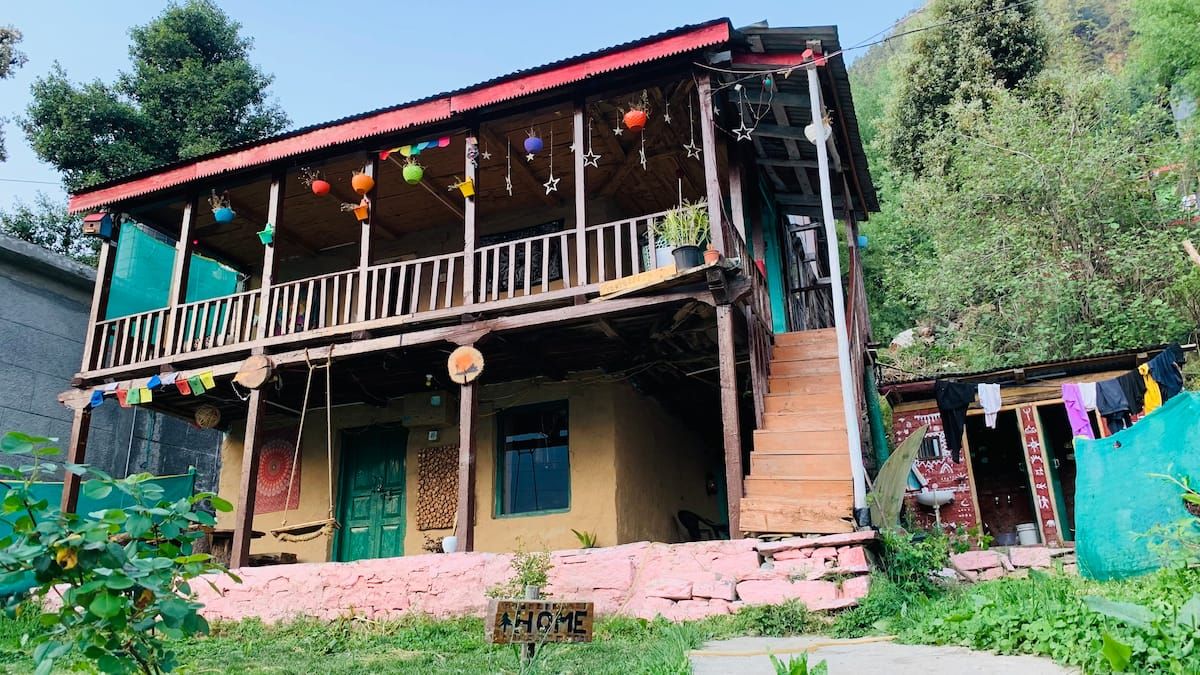
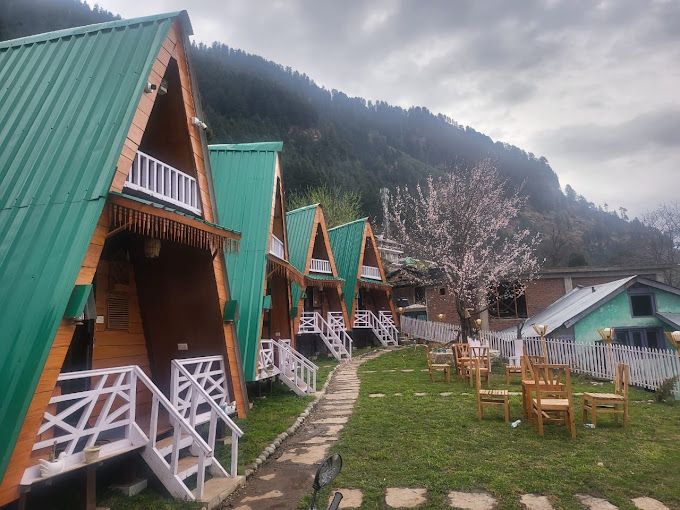
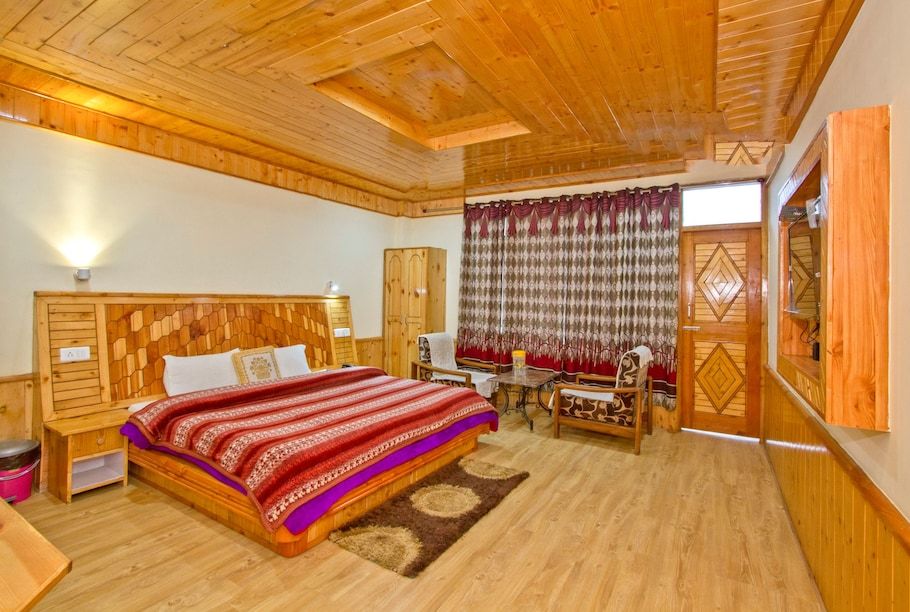
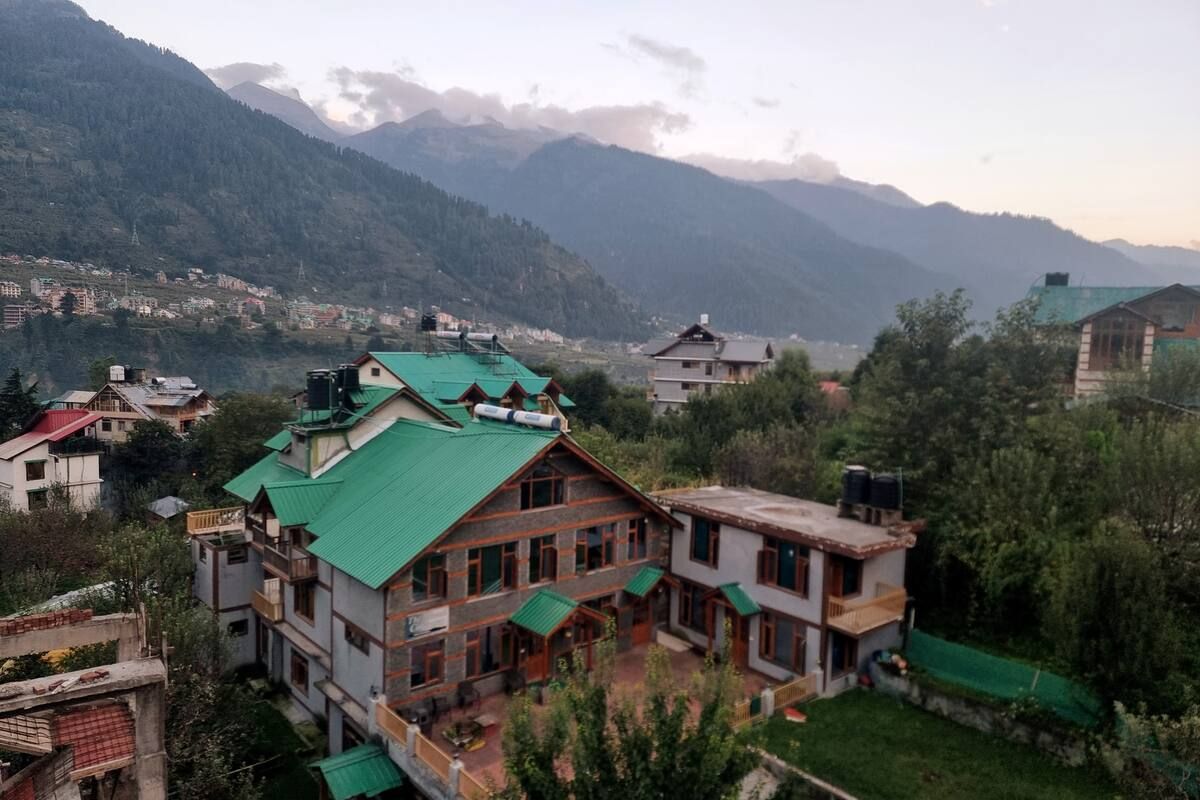
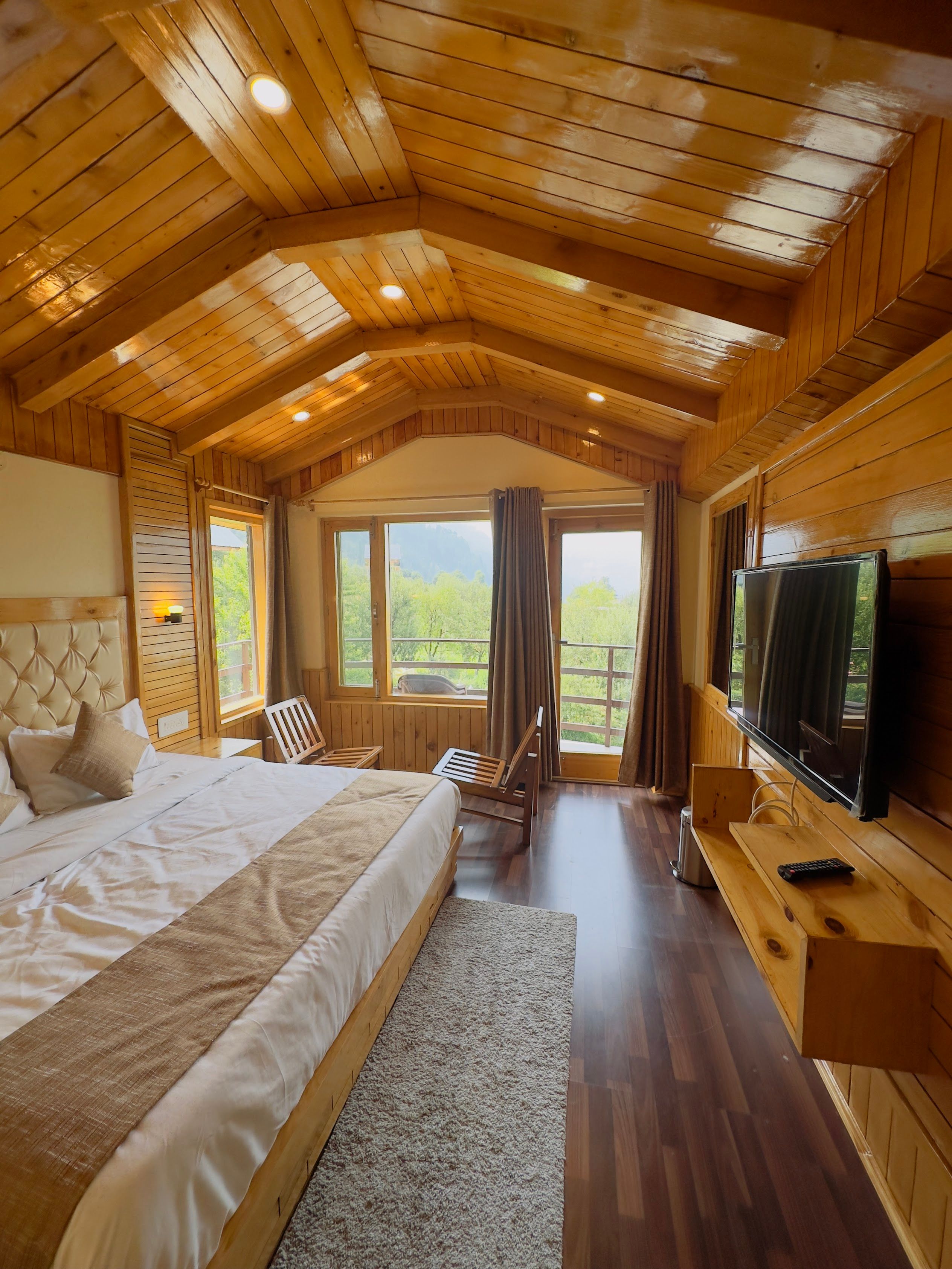
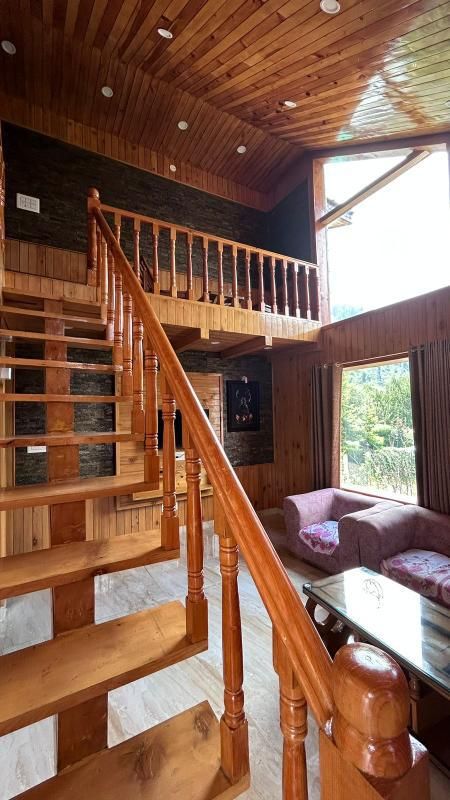
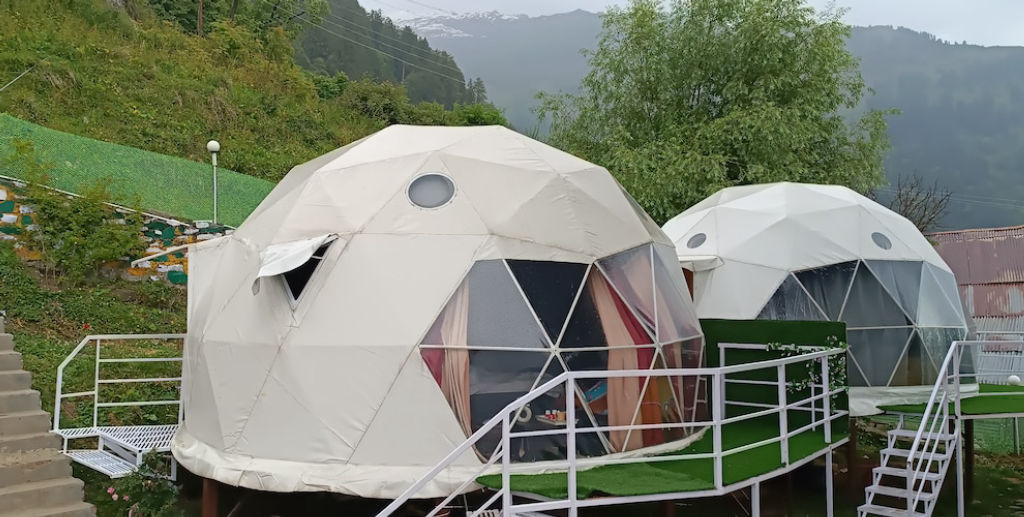
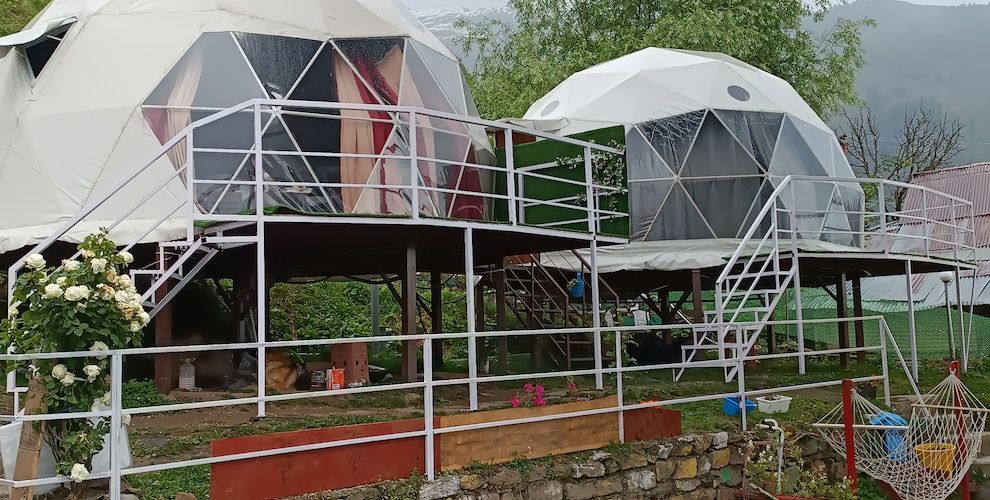
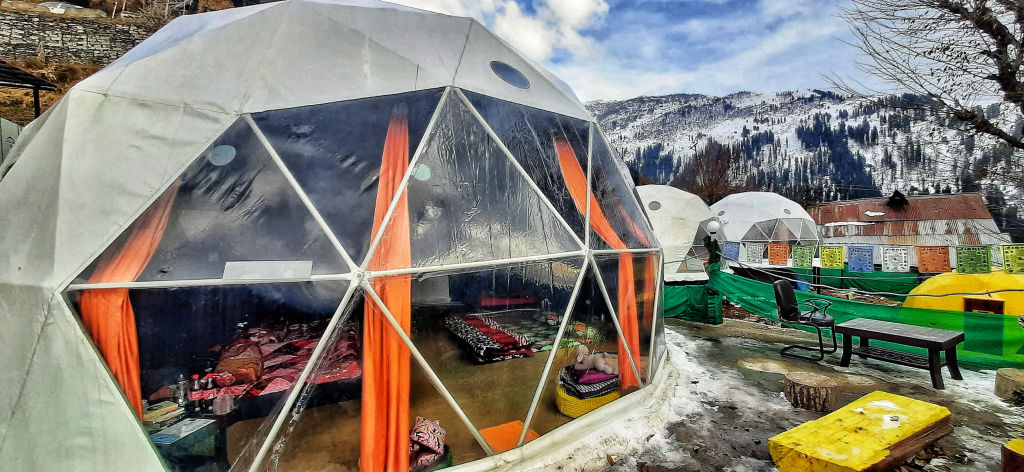
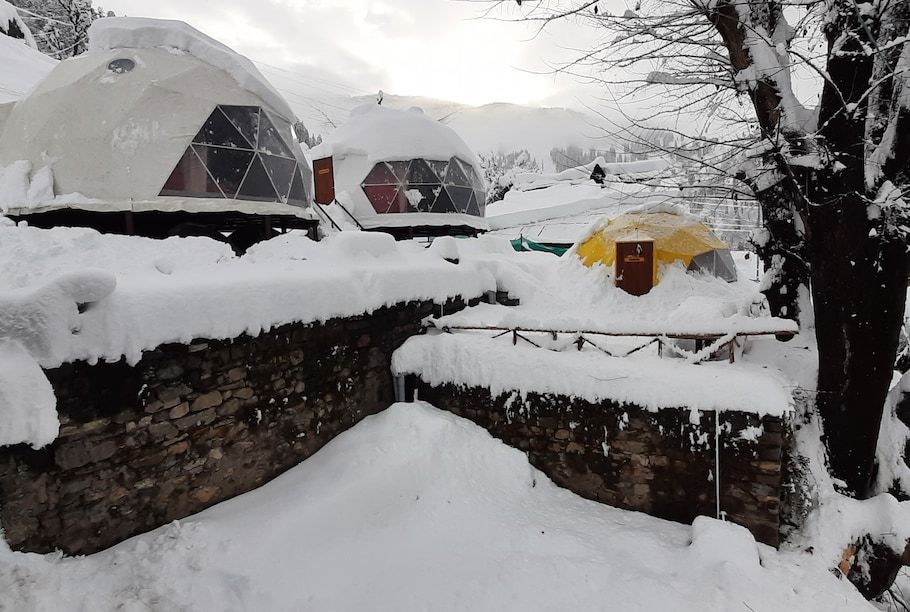
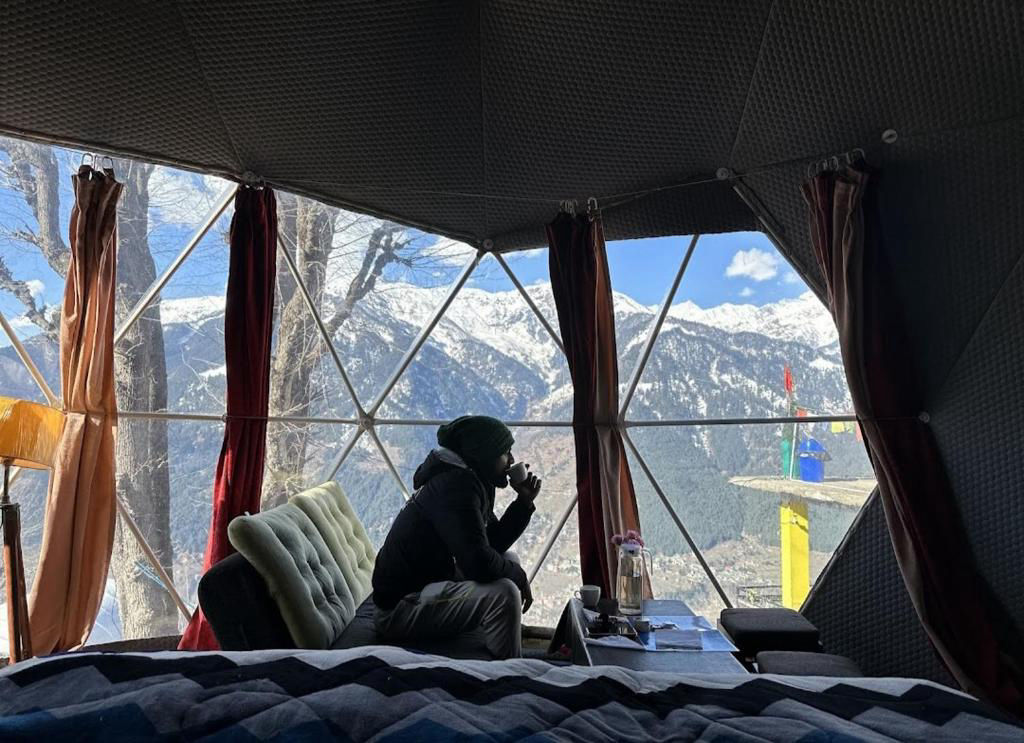
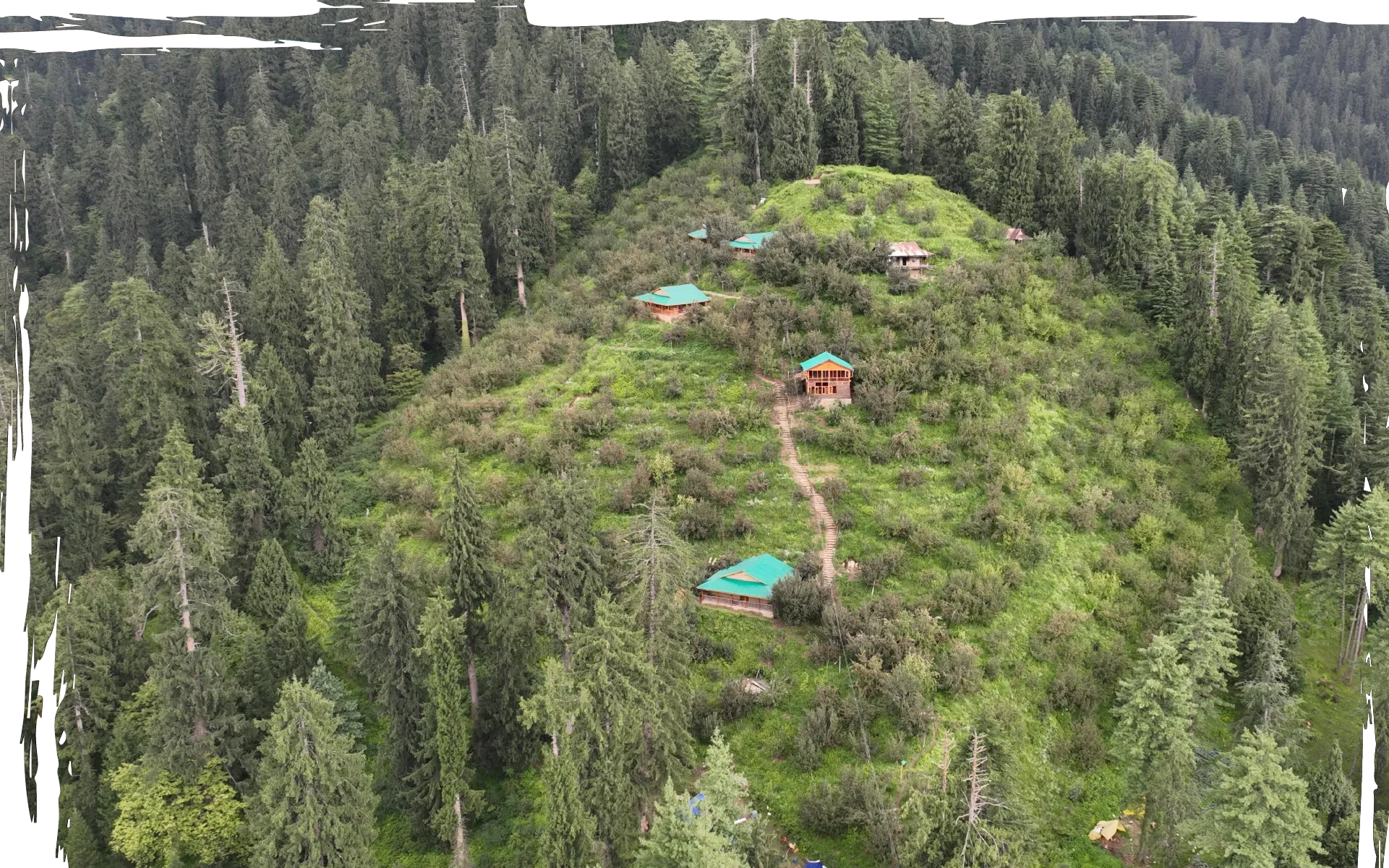
The slopes around Vashisht and the greater Manali sub-district offer a wide range of scenic accommodations for travellers seeking to remain close to mountain trails and river valleys. Whether you are searching for quiet riverside campsites, rustic orchardside homestays, or hillside cottages with valley views, you can find and book an ideal base through HireACamp.
Frequently asked questions
Are there separate bathing areas for men and women at Vashisht temple?
Yes, the temple complex features enclosed, separate bathing tanks for men and women to ensure privacy while bathing in the natural hot springs.
Is there an entry fee to visit Vashisht temple or the hot springs?
There is no official entry fee to enter the temple or use the communal public hot springs, though visitors may offer voluntary donations in the temple charity boxes.
What should I carry if I want to bathe in the hot springs?
You should bring your own towel, soap, a fresh change of clothes, and a waterproof bag for damp items, as private changing supplies are not provided at the public baths.
Can I walk to Vashisht temple from Manali town?
Yes, active walkers can hike uphill from the Beas River bridge near Manali to Vashisht in about 45 minutes to an hour, though local auto-rickshaws and taxis are readily available.
Is Vashisht temple open during the winter months?
Yes, the temple and the hot sulfur springs remain open through the winter, even when snow falls in and around the village.
Where you'll be
Manali Sub-District · 12 stays nearby shown with prices
Stays near Vashisht temple
Book a place to stay close by
More places near Vashisht temple
Within 20 km


Built from 0 Instagram posts by 0 creators. Every tip links back to the post it came from, and where creators disagree we show both sides.






