
Shikari Devi Wildlife Sanctuary
Wildlife sanctuary near Nihri, Himachal Pradesh
7.7 km from Nihri
The nearest town, for stays, food and fuel.
Shikari Devi Wildlife Sanctuary is a protected high-altitude forest reserve nestled across the rugged ridges between Mandi and Kullu districts in Himachal Pradesh. Set against rolling alpine meadows and dense stands of oak and conifer, it is celebrated for its scenic trekking routes, panoramic Himalayan horizons, and rich biodiversity. Travellers and outdoor enthusiasts visit the sanctuary to escape busy tourist corridors, experience peaceful wilderness walks, and explore the high ridges near Banjar.
Getting there
By road
- From NihriNearest town1 hr 5 min · 28 km
- From Chandigarh5 hr 50 min · 261 km
- From Ludhiana6 hr 20 min · 290 km
- From Amritsar8 hr 20 min · 401 km
Typical drive times without traffic. Stations and airports from OLA Maps; distances and typical drive times from OpenStreetMap (© OpenStreetMap contributors); notes from creators' Reels.
About Shikari Devi Wildlife Sanctuary
Written with AI from map data and general knowledge. Check prices and timings locally before you go.
About Shikari Devi Wildlife Sanctuary
Shikari Devi Wildlife Sanctuary encompasses an expansive stretch of temperate and sub-alpine forest in central Himachal Pradesh. The sanctuary drapes over dramatic mountain slopes, rising towards the prominent Shikari Devi ridge that offers sweeping views of the surrounding Himalayan ranges. Because of its varied elevation and relatively undisturbed topography, the sanctuary acts as a vital ecological corridor in the Western Himalayas.
The terrain here transitions smoothly from thick woodland to exposed grassy knolls and rocky crags. Forest paths weave through pristine stands of Himalayan cedar, horse chestnut, blue pine, and several species of oak. During late spring, the hillsides brighten with patches of wild rhododendron blossoms. The sanctuary remains far quieter than many mainstream national parks in the state, making it an appealing destination for naturalists, photographers, and self-sufficient trekkers.
Wildlife and Biodiversity
The protected woodlands of Shikari Devi Wildlife Sanctuary provide habitat for a broad range of mountain fauna. Dense undergrowth and quiet forest corridors shelter elusive mammals such as the Himalayan black bear, leopard, musk deer, barking deer, and goral. Smaller mammals, including the Himalayan palm civet, red fox, and various rodent species, also thrive in these secluded hills.
Birdwatchers will find the sanctuary exceptionally rewarding. The forests and open alpine clearings support healthy populations of pheasants, including the vibrant Western tragopan, the Himalayan monal, and the koklass pheasant. Raptors such as the golden eagle, Himalayan griffon, and steppe eagle can often be seen riding thermal currents high above the ridgelines. As with most Himalayan sanctuaries, sightings of large mammals require quiet observation, early starts, and patience.
Read more
Trekking Trails and Walks
Walking is the primary way to explore Shikari Devi Wildlife Sanctuary. Several walking trails link quiet foothill villages to the higher crests, leading travellers past high-altitude grazing grounds, babbling mountain rivulets, and moss-draped forest canopies. The path heading towards the summit ridge is among the most well-known, rewarded at the top by a panoramic view of layered mountain valleys and snow-crowned peaks.
Trekkers can also connect their hikes with trails leading from the nearby hamlets of Gadagushaini or through paths running down towards the Thachi Valley. These routes offer varying gradients ranging from gentle woodland rambles to steep alpine ascents. Because trails within the sanctuary are mostly natural earth paths used by shepherds and local villagers, it is wise to navigate carefully, carry a basic trail map or offline GPS track, and consider hiring a knowledgeable guide from a nearby village for longer hikes.
Best Time to Visit
The climate in the sanctuary shifts dramatically with the changing seasons, and each period offers a distinctly different outdoor experience. Summer, extending from April to June, brings pleasant daytime temperatures, blooming wildflowers, and clear footpaths, making it the most comfortable window for trekking, birdwatching, and camping in designated peripheral spots.
The monsoon months of July and August bring heavy rainfall to the slopes, which can turn mountain trails slippery and trigger localized landslides along access roads. While the landscape is intensely green, travel during this season requires careful monitoring of regional weather reports. Autumn, spanning September to November, brings crisp weather, stable trails, and exceptionally clear views of the high peaks. From December to March, the higher reaches of the sanctuary receive heavy snowfall, creating a winter wonderland that is best suited only for experienced trekkers equipped with cold-weather gear.
How to Reach Shikari Devi Wildlife Sanctuary
Reaching Shikari Devi Wildlife Sanctuary involves travelling along winding mountain routes that branch off the major arterial highways of Himachal Pradesh. Travellers heading from Chandigarh or Delhi typically travel towards Mandi or the Aut tunnel before turning onto secondary mountain roads that wind toward Banjar or Janjehli, both of which serve as launch points for the reserve.
From Banjar, road links pass through scenic hamlets like Gadagushaini before reaching the access points of the sanctuary. The final stretches of road are narrow and unpaved in sections, making high-clearance vehicles or local four-wheel-drive taxis the most sensible choice, especially after rain or light snow. Public buses run along the main valley roads, but private taxis or personal vehicles provide the greatest flexibility for reaching remote trailheads.
Places to Visit Nearby
The area surrounding Shikari Devi Wildlife Sanctuary is dotted with serene villages and cultural landmarks. Gadagushaini, situated just down the valley, is a tranquil riverside village framed by cedar forests and terraced fields, making it a peaceful stop before or after a trek. Further north lies Jalori Pass, a high mountain gap that connects the inner valleys and offers dramatic views and hikes toward Serolsar Lake.
Travellers interested in traditional hill architecture and spiritual sites can explore the ancient Kamru Naag Temple set near its sacred mountain lake, or head down towards the Magru Mahadev Temple, known for its intricate wooden carvings. The picturesque Shangarh village in the Sainj Valley, home to the Shangchul Mahadev Temple and its expansive meadow, is also within driving distance for those planning a broader regional itinerary.
Tips for Your Visit
Because the sanctuary is a protected nature reserve, visitors are required to follow strict leave-no-trace outdoor ethics. Carry all plastic, food wrappers, and bottles back with you, as waste management facilities do not exist along the trails. Campfires should not be lit in wild woodland areas to protect the dry floor litter and wild animals.
Weather conditions in the mountains can change without warning, so even day hikers should pack warm thermal layers, a waterproof outer shell, and sturdy hiking shoes with good grip. Carry adequate drinking water and dry snacks, as there are no shops once you leave the village road-heads. If you plan to hike deeply into the forested trails, enquire locally about trail conditions and check with forest department offices regarding entry permissions and safety advice.
Where to Stay
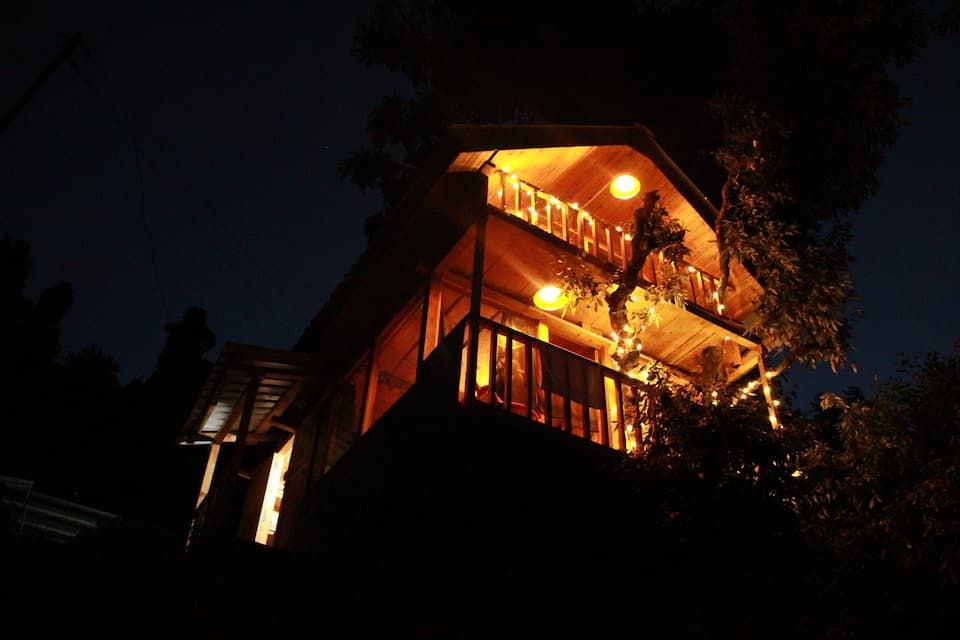
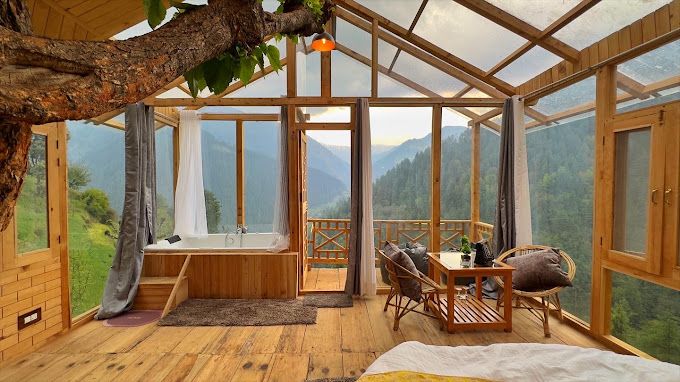
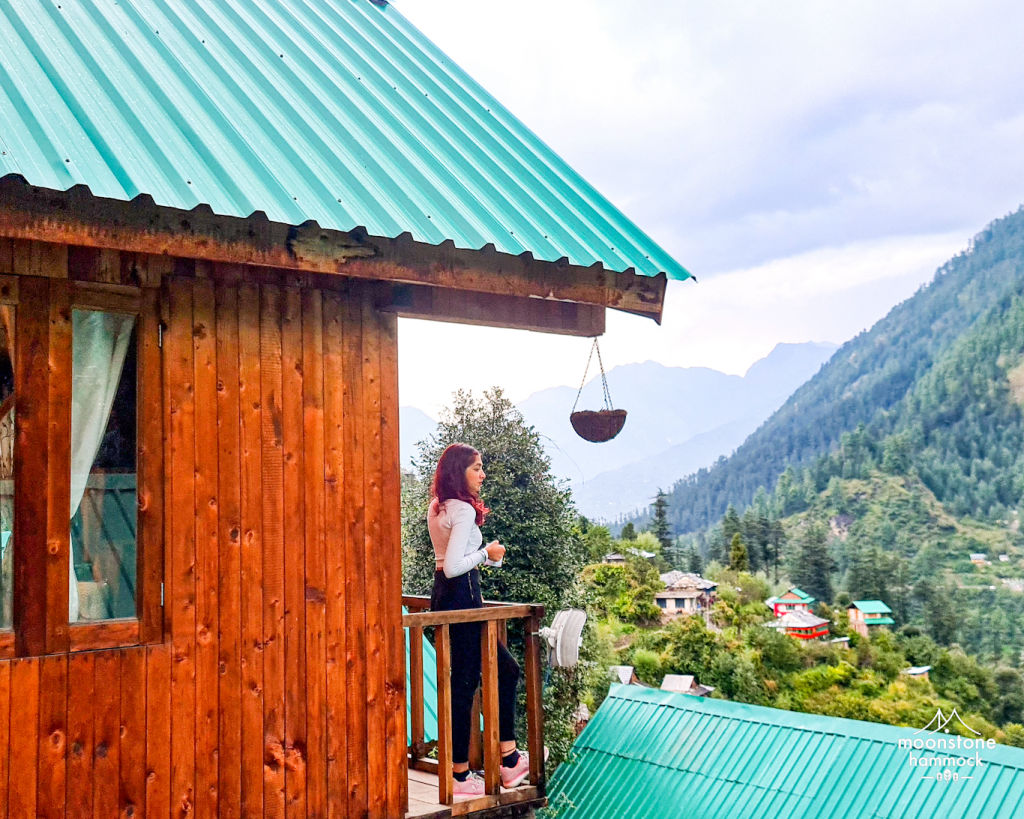
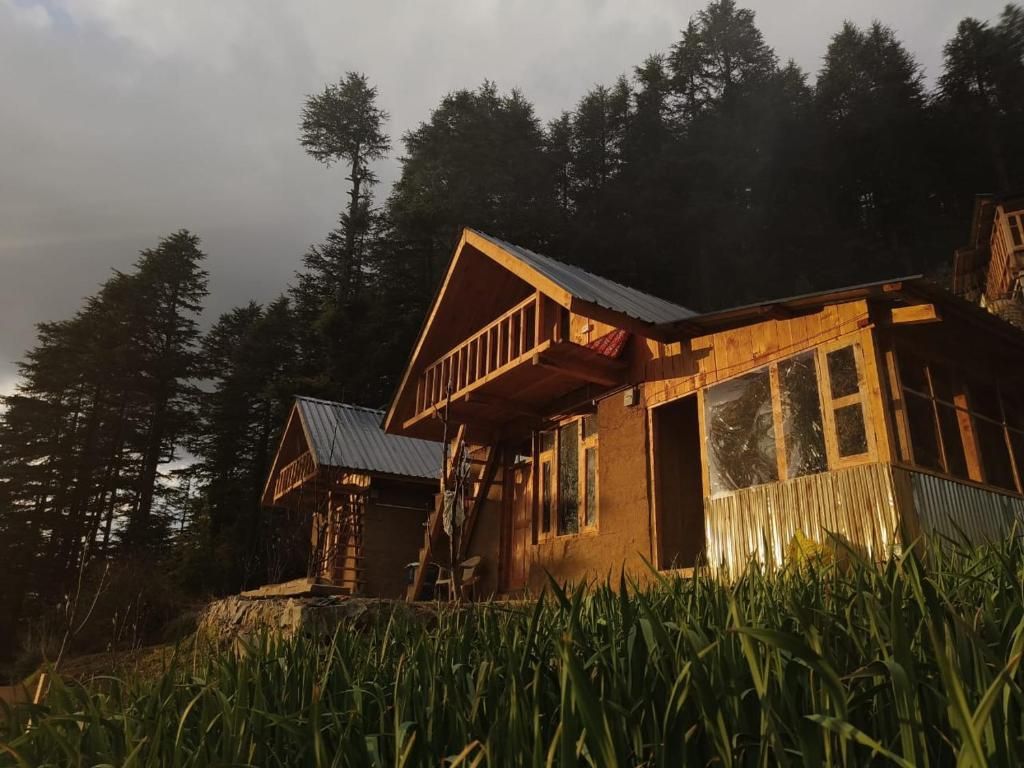
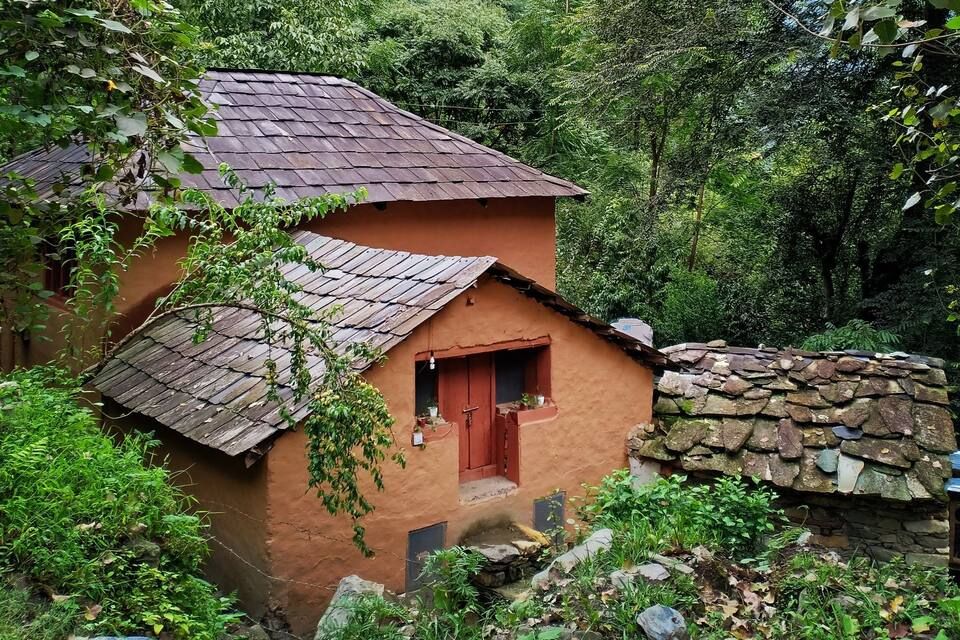
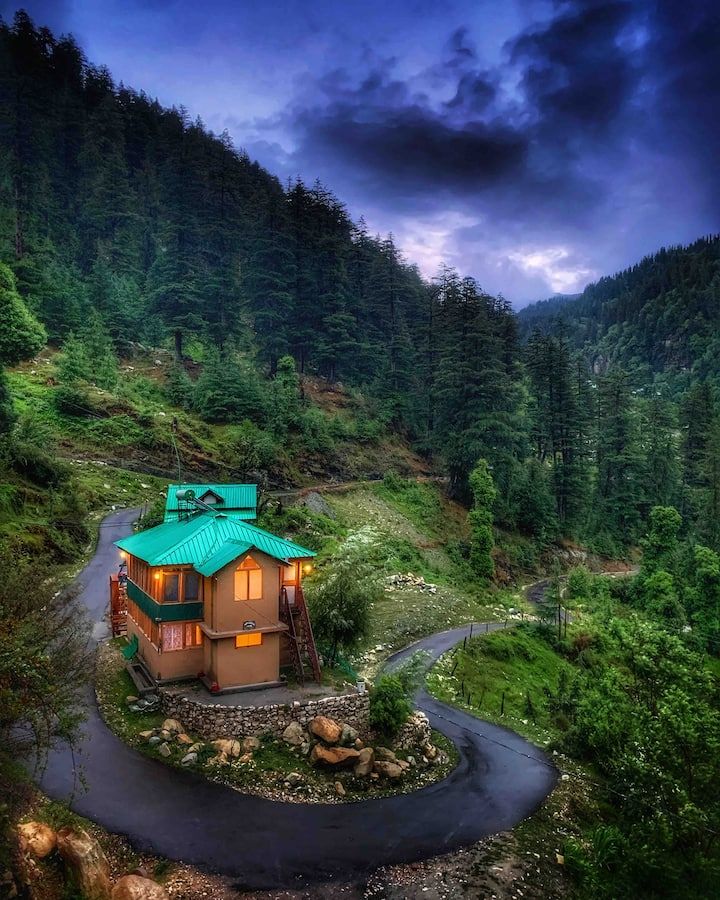
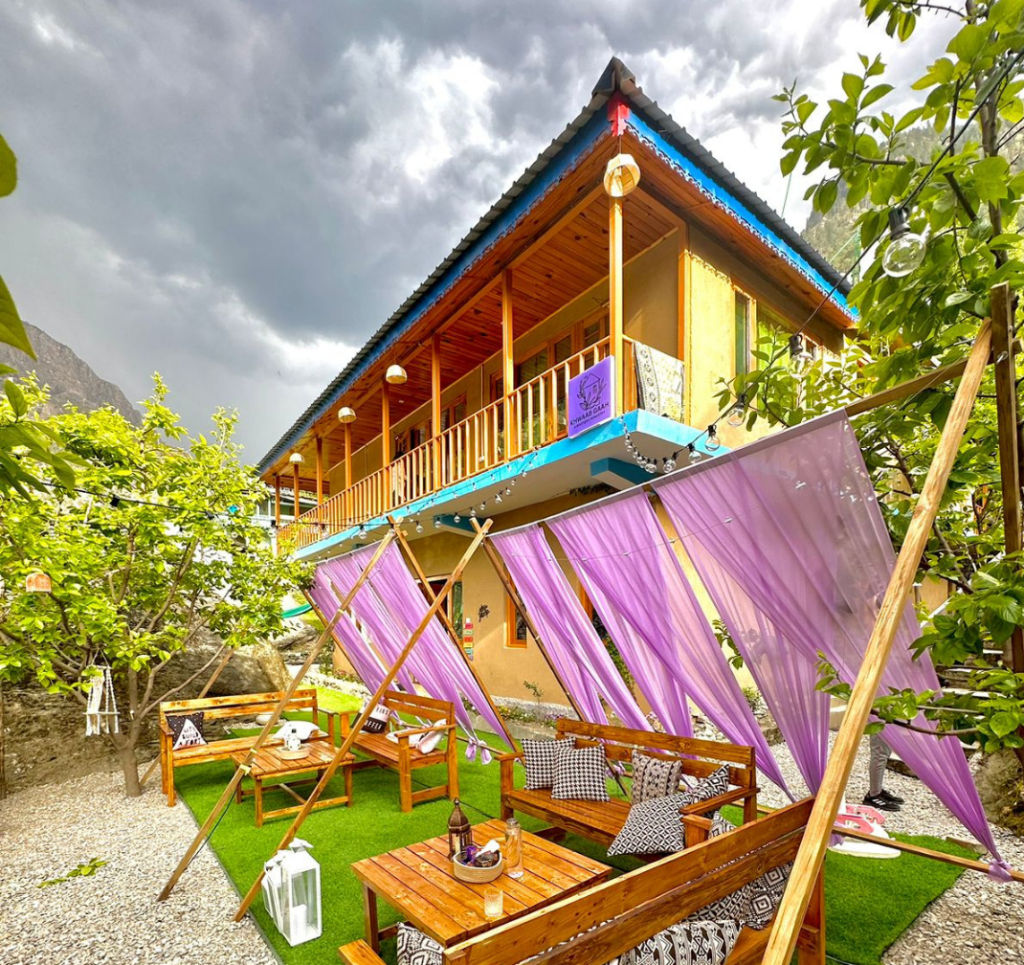
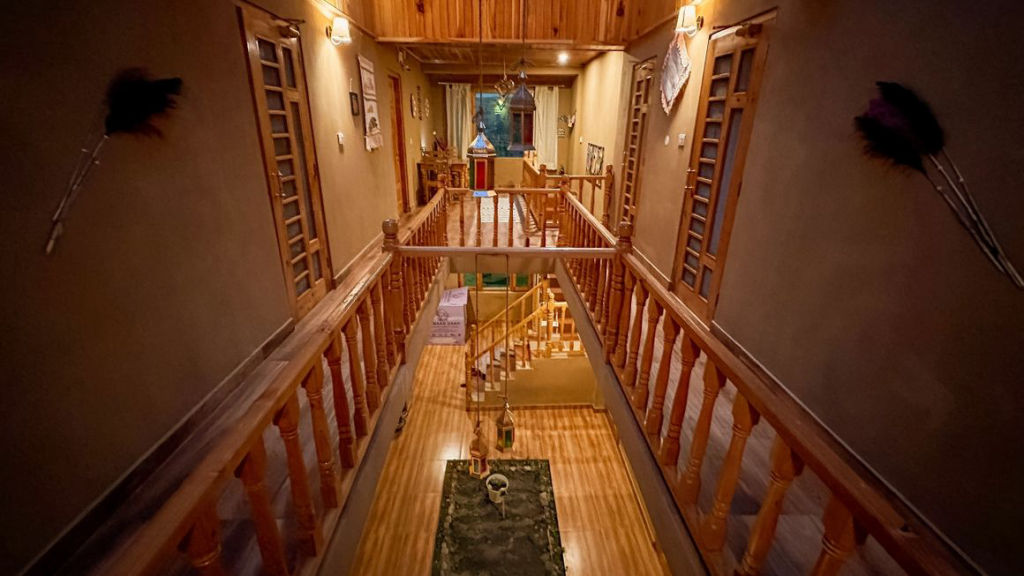
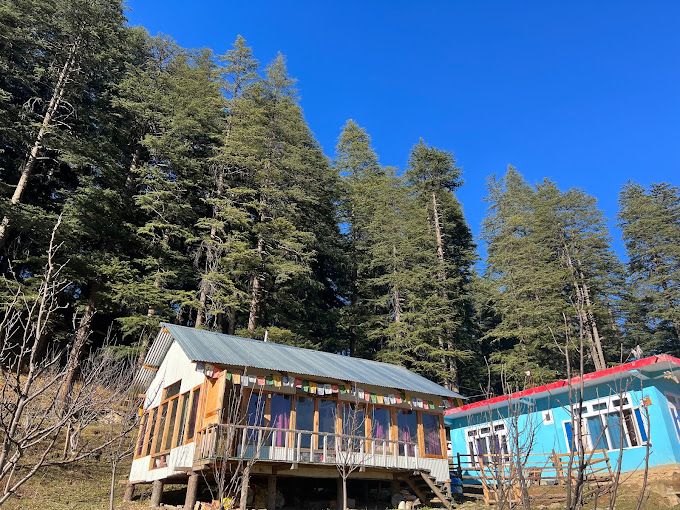
Accommodation options immediately inside the sanctuary boundaries are intentionally limited to preserve the native ecosystem. Visitors typically base themselves in traditional mountain homestays, riverside cabins, or village guesthouses in neighboring settlements such as Gadagushaini, Banjar, and the broader Jibhi and Tirthan valleys.
Staying in a nearby village allows you to experience warm Himachali hospitality and local cuisine while remaining a short drive from the sanctuary trails. You can find curated riverside camps, rustic cottages, and homestays throughout this region on HireACamp to suit your travel style.
Frequently asked questions
Where is Shikari Devi Wildlife Sanctuary located?
Shikari Devi Wildlife Sanctuary is situated in the high hills of Himachal Pradesh, accessible via trailheads and mountain roads near Banjar and Janjehli.
What is the best time of year to visit the sanctuary?
The best months to visit are from April to June for pleasant weather and blooming flora, and from September to November for clear skies and crisp mountain views.
Do I need a permit to visit Shikari Devi Wildlife Sanctuary?
While general day visitors walking common trails may not always need advance clearances, entry regulations can change. It is best to check locally with Himachal Pradesh Forest Department checkpoints before entering.
What animals can be spotted in the sanctuary?
The sanctuary is home to Himalayan black bears, musk deer, barking deer, leopards, and pheasants such as the Himalayan monal and Western tragopan.
Are there places to stay inside the wildlife sanctuary?
Commercial stays are not located inside the core forest area. Travellers stay in homestays, camps, and guesthouses in nearby villages like Gadagushaini or Banjar.
Where you'll be
11 stays nearby shown with prices
Stays near Shikari Devi Wildlife Sanctuary
Book a place to stay close by


More places near Shikari Devi Wildlife Sanctuary
Within 20 km


Built from 0 Instagram posts by 0 creators. Every tip links back to the post it came from, and where creators disagree we show both sides.






