
Shikari Devi Temple
Temple near Nihri, Himachal Pradesh
5.2 km from Nihri
The nearest town, for stays, food and fuel.
Shikari Devi Temple is an ancient high-altitude shrine set atop the highest peak in the Mandi district near Janjehli, Himachal Pradesh. Worshipped as the guardian deity of the surrounding wilderness, the shrine is uniquely famous for having no roof and remaining open to the sky. Travellers and pilgrims visit to experience its deep spiritual legacy, pristine oak forests, and sweeping panoramic views across snow-clad Himalayan ranges.
Getting there
By road
- From NihriNearest town2 hr 50 min · 85 km
- From Chandigarh5 hr 25 min · 207 km
- From Ludhiana5 hr 55 min · 248 km
- From Amritsar8 hr · 359 km
Typical drive times without traffic. Stations and airports from OLA Maps; distances and typical drive times from OpenStreetMap (© OpenStreetMap contributors); notes from creators' Reels.
About Shikari Devi Temple
Written with AI from map data and general knowledge. Check prices and timings locally before you go.
The Legend and Significance of Shikari Devi Temple
Perched atop a crest at an altitude of over 3,300 metres, Shikari Devi Temple holds a singular place in the folklore of Himachal Pradesh. According to local beliefs, the shrine has stood for centuries dedicated to Shikari Devi, the goddess of hunters. Ancient hunters would pray here for safety and success before entering the dense, predator-rich forests. Local tradition also links the site to the Pandavas of the Mahabharata, who are believed to have meditated and established the deity during their period of exile.
The most striking feature of the temple is that it has no roof. Folklore maintains that several attempts to construct a ceiling over the sanctum failed, as the goddess desires to be open to the sky and the sun. Even during the peak of winter, when several feet of snow blanketing the surrounding ridge creates a dramatic white expanse, the sacred stone idols remain exposed to the open air. Devotees visit throughout the season to offer brass bells and tridents, giving the mountaintop a quiet, reverent atmosphere.
The Trek and Journey to the Summit
Reaching the summit of Shikari Devi combines a scenic mountain drive with a rewarding ridge walk. Most travellers begin their final ascent from the vehicle road head winding upward from Janjehli or Karsog. From this parking point, a well-defined pathway of stone and concrete steps leads straight up to the temple courtyard. Climbing the stairs requires moderate stamina due to the thin mountain air, but the walkway is straightforward and interspersed with viewing points.
For avid hikers, longer backcountry trails lead through the thick forest from lower villages such as Janjehli and Thunag. These hiking routes pass through peaceful clearings, old-growth oak woodlands, and grassy knolls before topping out on the exposed ridgeline. As you near the apex, the tree cover recedes to unveil dramatic Himalayan vistas, looking out toward distant layered peaks and rolling green valleys.
Read more
Shikari Devi Wildlife Sanctuary and Natural Landscape
The temple is located within the Shikari Devi Wildlife Sanctuary, an ecologically fragile and heavily wooded conservation area. The lower and middle slopes are dominated by towering deodar, kharsu oak, pine, and fir trees. In spring, wild rhododendrons burst into brilliant red and pink blooms along the forest floor, creating a colorful contrast against the evergreen foliage.
The sanctuary provides a safe habitat for a diverse range of Himalayan fauna. While larger animals avoid human thoroughfares, the region is known to support Himalayan black bears, barking deer, musk deer, and leopards, alongside the brightly colored monal pheasant, the state bird of Himachal Pradesh. Birdwatchers walking along the quieter stretches of the ridge can frequently spot high-altitude birds among the tree canopy, making the ascent a memorable outing for nature lovers.
Best Time to Visit Shikari Devi Temple
Planning a visit to Shikari Devi depends heavily on the mountain seasons and prevailing road conditions. The warmer months, stretching from April through June, offer the most comfortable weather for travel. During this period, the winter snow recedes from the motorable road, days are pleasantly cool, and the forest trails are alive with fresh foliage and mountain blossoms.
Autumn, from September to November, is another wonderful window to visit the temple. Following the end of the monsoon, the mountain air turns exceptionally clear, offering unhindered views of the snow-crested Dhauladhar and Pir Panjal ranges across the horizon. Winter brings intense cold and heavy snowfall to the sanctuary, often blocking road access between December and March. While intrepid trekkers sometimes visit during winter under proper guidance, the peak cold months require specialized winter gear. During the height of the summer monsoon in July and August, travel can be unpredictable due to slippery paths and the risk of mountain landslides.
How to Reach Shikari Devi Temple
Shikari Devi Temple is located in the Mandi district of Himachal Pradesh and is approached primarily through Janjehli or the Karsog Valley. The nearest major transit point is Mandi town, which has regular road connectivity to Chandigarh and Delhi via national highways. Travellers arriving by bus or train generally reach Mandi first before heading deeper into the hills.
From Mandi, the route passes through Ner Chowk, Chachyot, and Thunag before arriving in Janjehli. Another scenic road leads up from the south via Shimla and Karsog. From Janjehli, a steep and narrow mountain road climbs up toward the temple base camp, where vehicles are parked before visitors take the steps to the top. Because public transport up the final mountain stretch is scarce, hiring a local taxi or travelling in a high-clearance vehicle is recommended. Always check locally for current road conditions before driving up the final ascent.
Places to Visit Near Shikari Devi Temple
A trip to Shikari Devi Temple can easily be combined with exploring the scenic hamlets of Mandi and Kullu districts. Janjehli serves as an ideal base, known for its terraced farmland, traditional wooden houses, and peaceful walking trails. Just a short drive away stands the ancient Magru Mahadev Temple, celebrated for its classical multi-tiered pagoda architecture and intricate wood carvings.
Further outward, the peaceful settlement of Gadagushaini offers stream-side walks and open pasturelands. Adventurous travellers can continue toward Jalori Pass and the Tirthan Valley, which connect to the fringes of the Great Himalayan National Park. To the south lies the fertile Karsog Valley, filled with ancient apple orchards and heritage shrines such as Somakothi Temple. Exploring these surrounding valleys gives travellers a broader look at the distinctive architecture, culture, and ecology of central Himachal.
Tips for Visitors and Where to Stay
Due to the temple's high elevation, conditions on the ridge can change very quickly. Even in summer, temperatures can drop suddenly and chilly winds are common, so carrying a warm jacket and a light windproof layer is essential. Wear sturdy walking shoes with reliable traction for the stone steps, especially in the early morning when mist or frost can make stone surfaces slick.
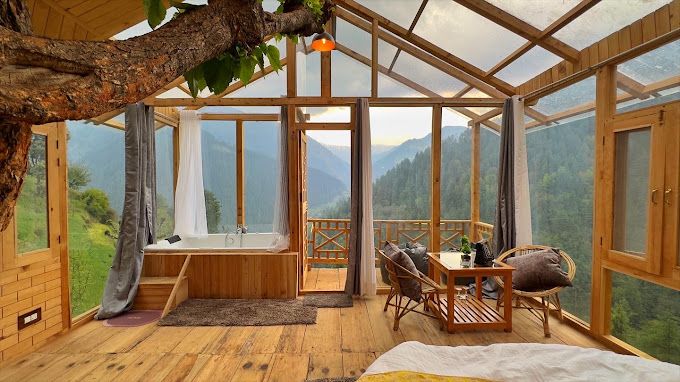
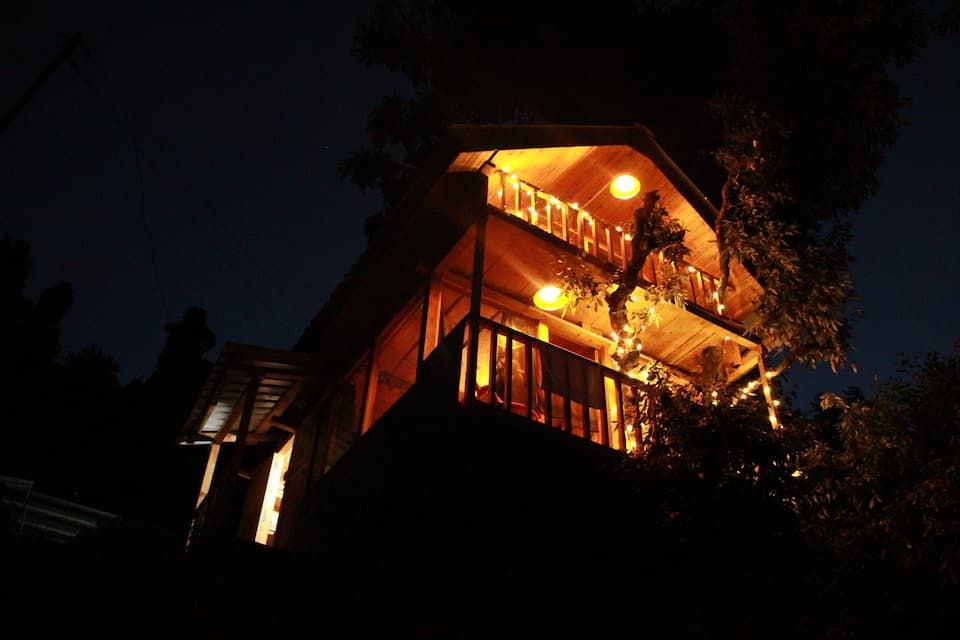
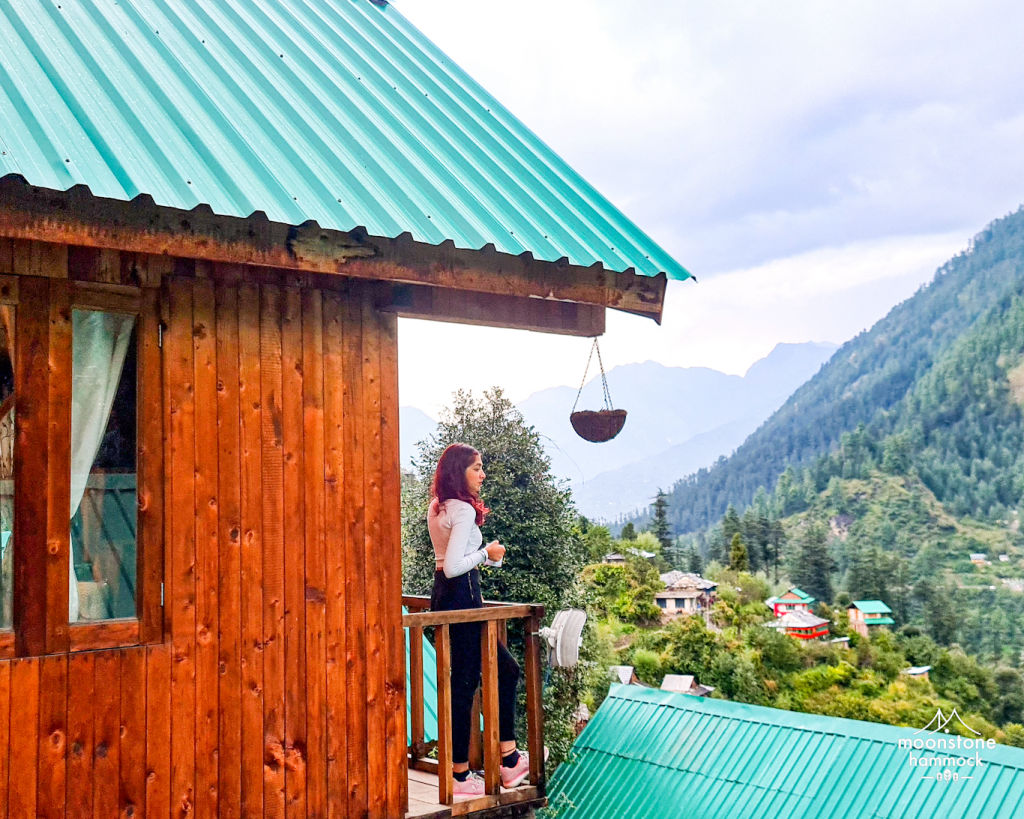
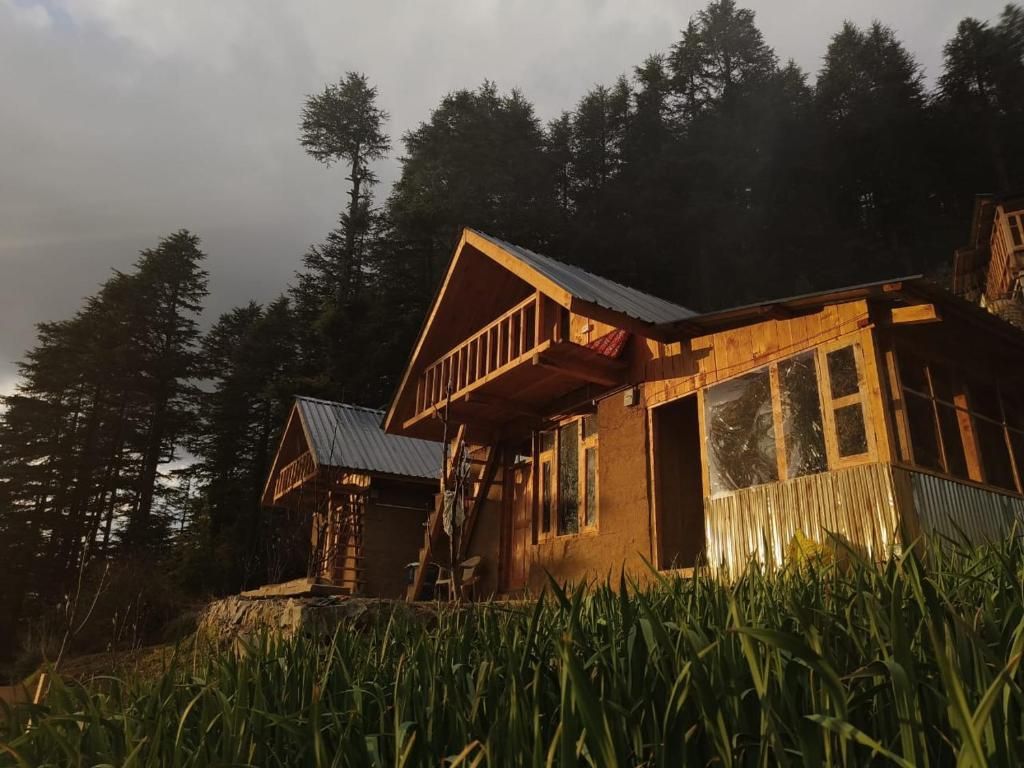
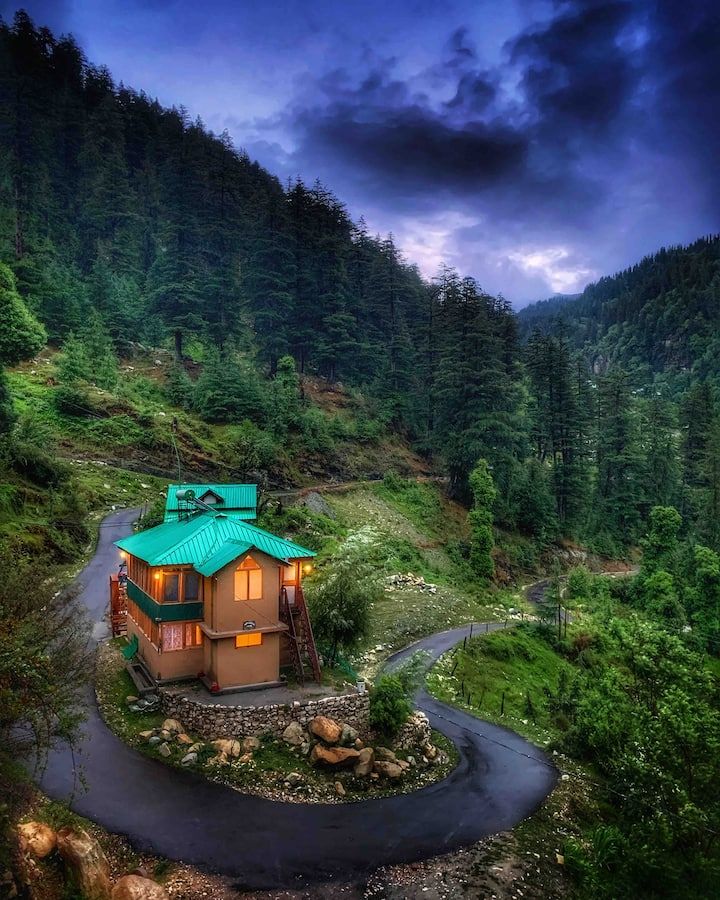
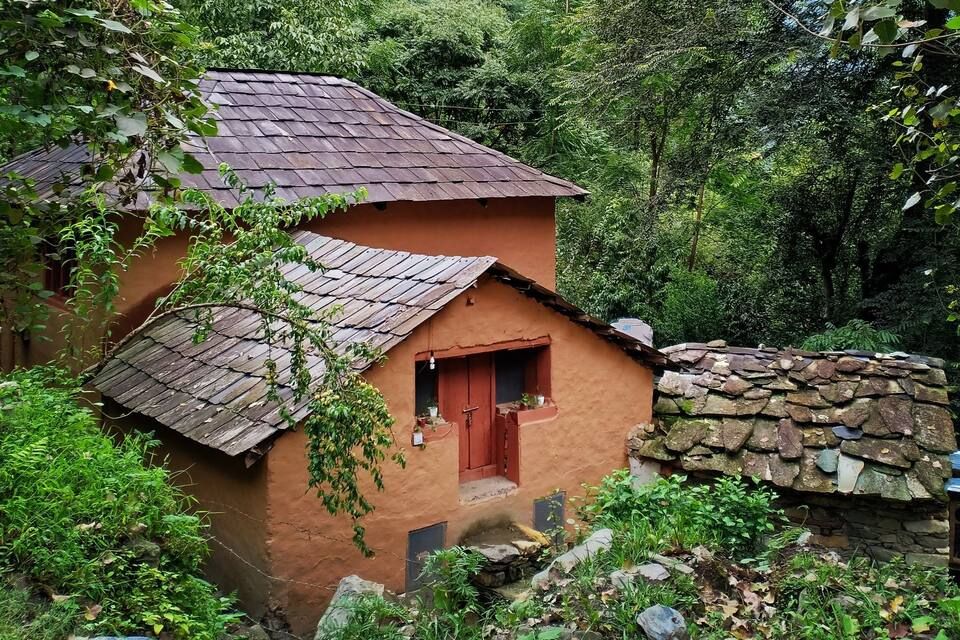
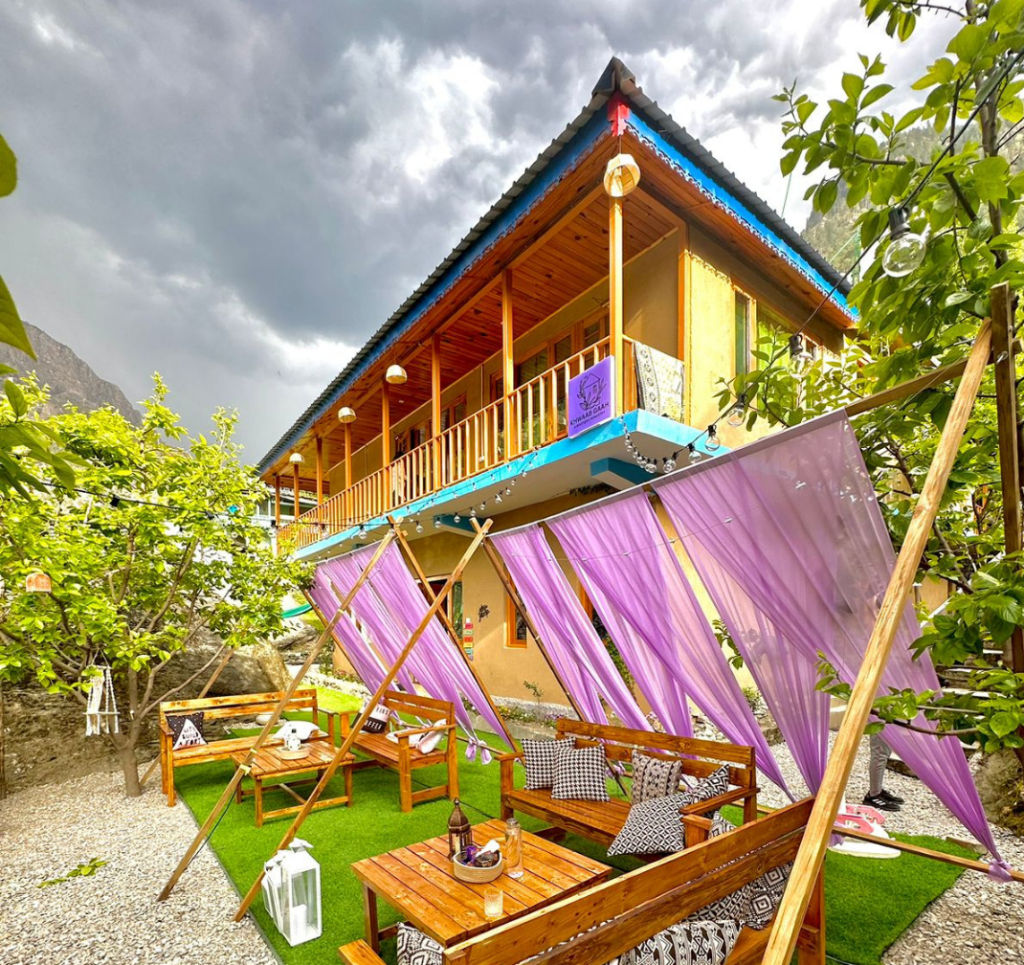
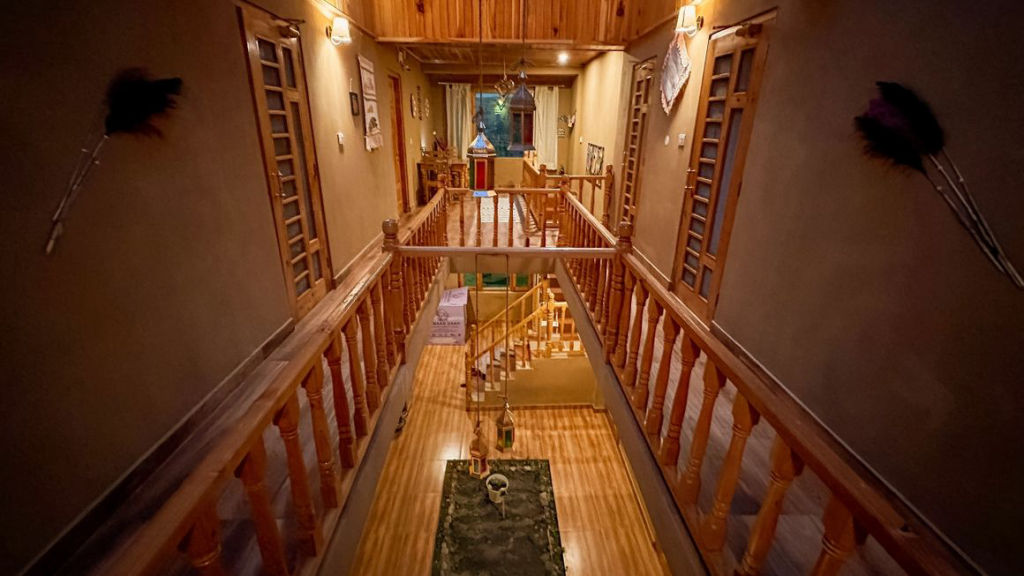
There are limited facilities at the summit, so travellers should carry adequate drinking water and light refreshments. Visitors are expected to treat the mountain with care by packing out all personal trash and plastics. For accommodation, a range of welcoming homestays, traditional village houses, and scenic campsites in Janjehli and the nearby valleys can be explored and booked on HireACamp.
Frequently asked questions
Why does Shikari Devi Temple not have a roof?
According to ancient tradition and local belief, the goddess desires to remain open to the elements. Past attempts to construct a roof over the sanctum are said to have failed, and the idols stay open to the sky year-round despite heavy mountain snowfall.
Can you drive all the way to Shikari Devi Temple?
Vehicles can travel up to a designated parking area on the mountain ridge. From the road head, visitors must complete the remaining climb on foot using a flight of stone and concrete steps.
Is Shikari Devi Temple open during the winter?
While the open-air temple remains in place throughout the year, the road leading up to it is often closed by heavy snowfall between December and March. Winter visits are typically only undertaken by experienced trekkers carrying proper snow gear when weather permits.
What is the best base town for visiting Shikari Devi Temple?
Janjehli is the closest and most convenient base town, offering road connectivity, local amenities, and varied homestays and outdoor camps. The Karsog Valley also serves as an alternative southern approach to the peak.
Where you'll be
Janjehli,Mandi .H.P, Thunag(S.T) · 10 stays nearby shown with prices
Stays near Shikari Devi Temple
Book a place to stay close by


More places near Shikari Devi Temple
Within 20 km


Built from 0 Instagram posts by 0 creators. Every tip links back to the post it came from, and where creators disagree we show both sides.






