
Simsa Mata Temple
Temple near Joginder Nagar, Himachal Pradesh
300 m from Joginder Nagar
The nearest town, for stays, food and fuel.
Simsa Mata Temple is a sacred hill shrine situated in the village of Simas near Jogindarnagar in Himachal Pradesh. Dedicated to Goddess Simsa, who is revered as a granter of children and family blessings, the shrine holds immense cultural importance throughout the region. Travellers and pilgrims come here to experience age-old local traditions, serene pine-clad hillsides, and expansive views across the valleys of Himachal.
Getting there
By road
- From Joginder NagarNearest town1 min · 700 m
- From Chandigarh4 hr 30 min · 208 km
- From Ludhiana5 hr 5 min · 249 km
- From Amritsar5 hr 25 min · 264 km
Typical drive times without traffic. Stations and airports from OLA Maps; distances and typical drive times from OpenStreetMap (© OpenStreetMap contributors); notes from creators' Reels.
About Simsa Mata Temple
Written with AI from map data and general knowledge. Check prices and timings locally before you go.
About Simsa Mata Temple
Simsa Mata Temple, also referred to by locals as the Santan Datri temple, is an ancient place of worship dedicated to Goddess Simsa, a regional manifestation of the divine mother. Situated quietly in the hamlet of Simas, the shrine holds deep significance in the religious folklore of Mandi and Kangra districts. For generations, women wishing for offspring have undertaken long journeys to the temple, trusting in the benevolence of the deity.
The most notable tradition associated with Simsa Mata Temple occurs during the bi-annual Navratri fairs. During this period, known locally as the Salindra festival, devotees practice a ritual of sleeping on the smooth stone floor of the temple courtyard. According to local belief, the goddess communicates through dreams to convey blessings of motherhood. Beyond its religious mystique, the temple features classic hill architecture, with carved woodwork, stone courtyards, and quiet shrines that reflect the centuries-old cultural fabric of rural Himachal Pradesh.
The Landscape and Setting
Nestled in the lesser Himalayan ranges, Simsa Mata Temple sits amidst quiet forested slopes and traditional terraced farmlands. The surroundings are dominated by chir pine and deodar trees, filling the air with a crisp mountain scent throughout the year. From the temple ridge, visitors are treated to wide panoramas of the rolling hills that tumble down towards the Uhl and Beas river basins.
The village of Simas remains largely rural, giving travellers a glimpse into the slow, rhythmic cadence of Himachali village life. Stone-slate roofs, cattle grazing on step terraces, and narrow footpaths traversing wooded ridges define the landscape. The atmosphere around the temple premises remains peaceful and reflective, away from heavy commercial development, making it an appealing retreat for quiet contemplation and scenic photography.
Read more
Best time to visit Simsa Mata Temple
Simsa Mata Temple can be visited throughout the year, but the experience varies distinctly by season. Spring and early summer, from March through June, offer pleasant daytime temperatures and clear skies, making it the most comfortable time for road travel and outdoor exploration. During these months, the surrounding orchards and green slopes are at their liveliest.
The autumn months of September, October, and November bring crisp air, low humidity, and unobstructed visibility across the mountain ranges. This period also coincides with the autumn Navratri, drawing devotees from across Himachal Pradesh and neighbouring states. Winter, running from December through February, brings brisk conditions and cold mornings, though snow is infrequent at the temple's specific elevation. The monsoon months between July and August see heavy rainfall across the Kangra and Mandi belts, which can cause roadblocks and slippery hillside pathways, so travellers during this season should check local weather updates before starting.
How to reach Simsa Mata Temple
Simsa Mata Temple is located near the town of Jogindarnagar, which acts as the primary gateway for reaching the shrine. Jogindarnagar is well connected by road to major towns including Mandi, Kangra, and Palampur. National and state highways wind through picturesque valleys, making the drive scenic and manageable in regular vehicles.
Travellers arriving by air generally use Kangra Airport at Gaggal or Kullu-Manali Airport at Bhuntar, both of which are connected to major Indian cities. From either airport, taxis and local buses run towards Jogindarnagar. Jogindarnagar is also the terminus of the historic narrow-gauge Kangra Valley Railway, which originates at Pathankot, offering a nostalgic and scenic journey for those who prefer rail travel. From the center of Jogindarnagar, local taxis and rural bus routes cover the remaining uphill drive to the temple in Simas.
Places to visit nearby
A visit to Simsa Mata Temple can easily be paired with several natural and cultural landmarks scattered across the Jogindarnagar region. Just a short journey away lies Lapas Waterfalls, a pristine cascade tucked into a forested gorge, perfect for a short day excursion and quiet picnic.
Further outward, travellers can explore the paragliding and monastery hub around Bir, known for its Buddhist heritage, tea estates, and open green landing grounds. The historic town of Baijnath, famed for its ancient stone Shiva temple dating back to the thirteenth century, is situated within easy driving distance. Toward Mandi lies Rewalsar Lake, a tranquil body of water held sacred by Hindus, Buddhists, and Sikhs alike. Combining these destinations creates a rich itinerary spanning cultural heritage, spirituality, and outdoor scenery.
Tips for your visit and where to stay
When visiting Simsa Mata Temple, remember that it is an active and revered sanctuary. Dress modestly, covering shoulders and knees, and remove your footwear before stepping into the sanctum sanctorum. Photography may be restricted inside the inner temple areas, so it is best to check locally with the priests or caretakers before taking photographs.
Carry some cash in small denominations for offerings and local transport, as mobile payment networks can occasionally be inconsistent in rural pockets. If you plan to visit during the major Navratri festivals, be prepared for substantial crowds and limited parking along the access roads.
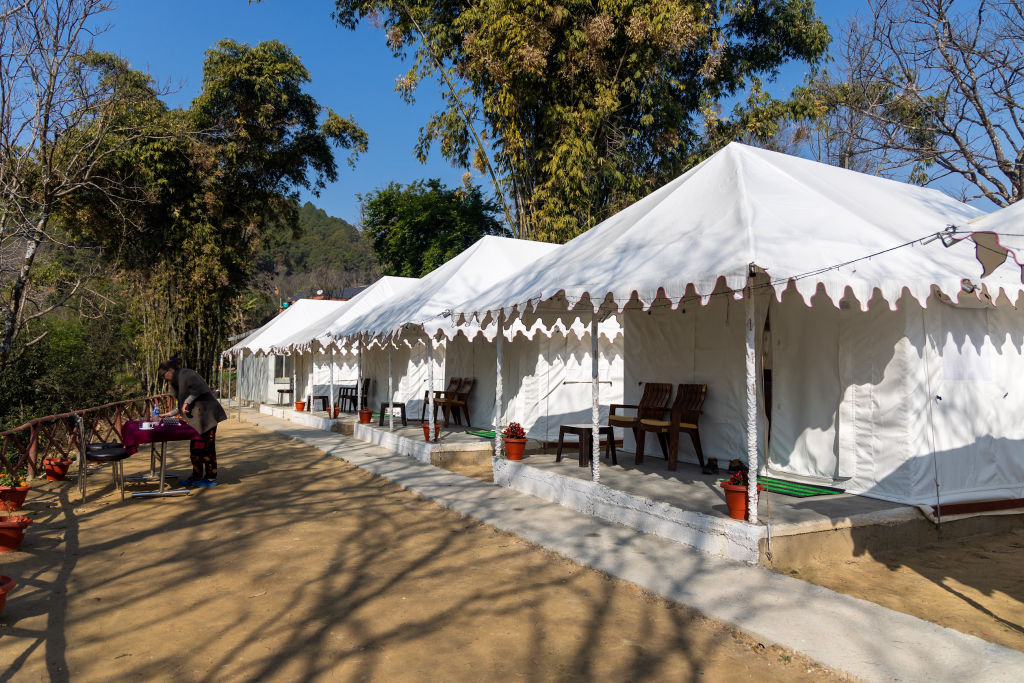
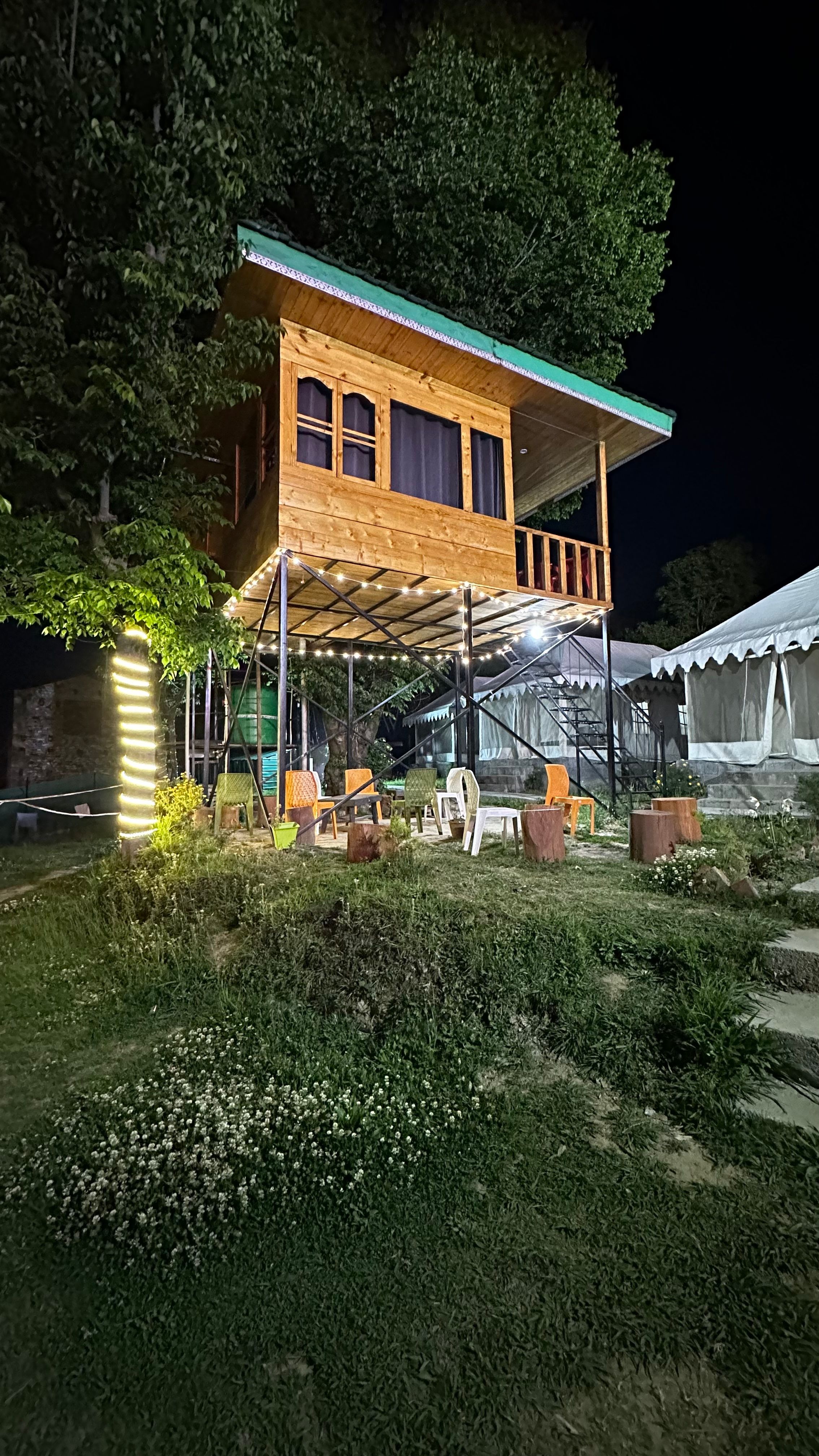
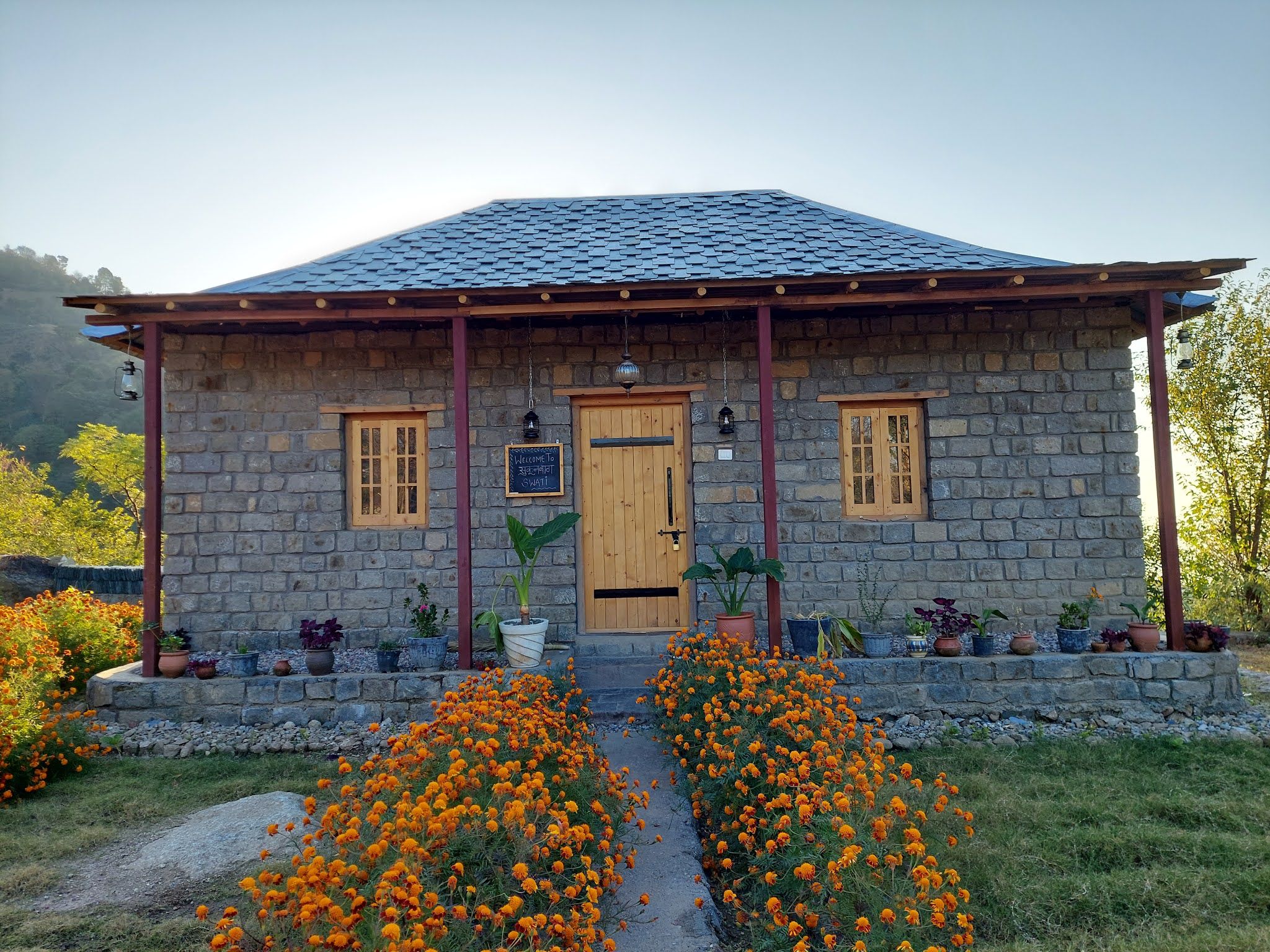
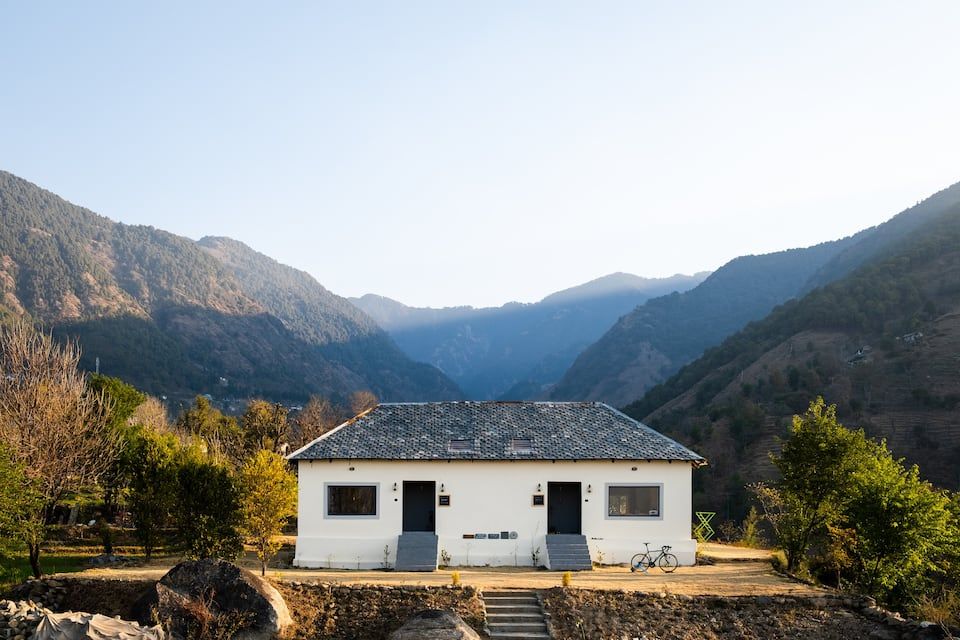
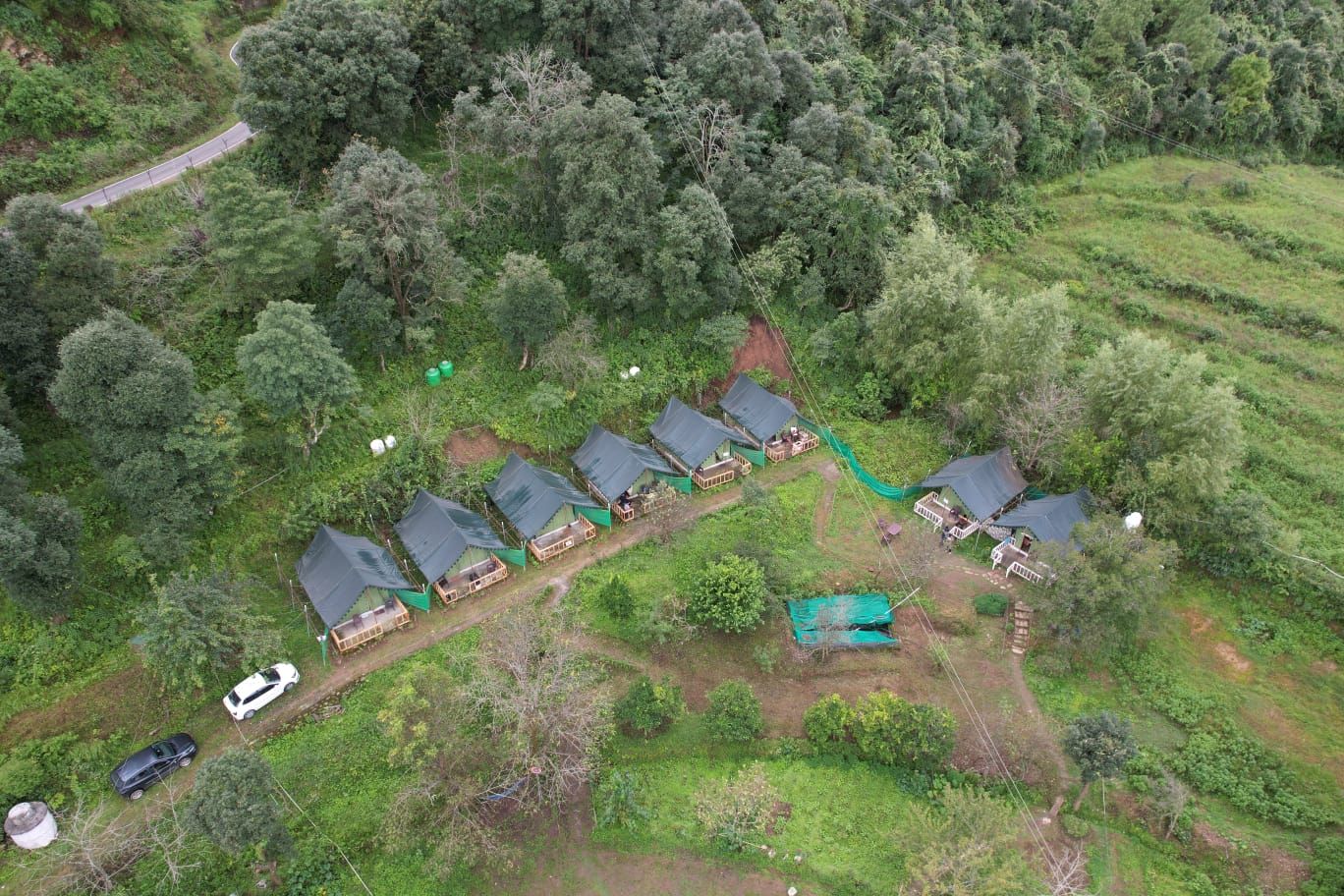
For accommodation, travellers will find a range of experiential stays in the surrounding hills. Camps, homestays, and rustic guesthouses nearby can be discovered and reserved on HireACamp, providing a peaceful base from which to explore the temple and the broader valley.
Frequently asked questions
Where is Simsa Mata Temple located?
Simsa Mata Temple is located in Simas village, situated close to the town of Jogindarnagar in Himachal Pradesh, India.
What is Simsa Mata Temple famous for?
The temple is renowned for its traditions centered on fertility and child blessings, where devotees gather during Navratri hoping to receive auspicious dreams from Goddess Simsa.
How do I get to Simsa Mata Temple from Jogindarnagar?
You can reach the temple from Jogindarnagar by hiring a local taxi, taking a regional bus, or driving up the connecting village road into Simas.
When is the best time to visit the temple?
The best time to visit is between March and June or from September through November, when the weather is mild and road conditions are generally favorable.
Where can I stay while visiting Simsa Mata Temple?
You can stay at nearby camps, homestays, and mountain lodgings in the Jogindarnagar and Kangra valley belt, which can be found on HireACamp.
Where you'll be
Simas Himachal Pradesh, Jogindarnagar · 5 stays nearby shown with prices
Stays near Simsa Mata Temple
Book a place to stay close by
More places near Simsa Mata Temple
Within 20 km


Built from 0 Instagram posts by 0 creators. Every tip links back to the post it came from, and where creators disagree we show both sides.






