
Nargu Wildlife Sanctuary
Wildlife sanctuary near Lapas, Himachal Pradesh
900 m from Lapas
The nearest town, for stays, food and fuel.
Nargu Wildlife Sanctuary is a protected reserve situated along the forested flanks of the Uhl Valley near Barot and Lapas in Himachal Pradesh. Covering a broad altitudinal range of temperate woodlands and sub-alpine pastures, it provides an undisturbed refuge for diverse Himalayan species such as the monal, musk deer, and black bear. Travellers and nature enthusiasts visit the sanctuary to explore tranquil walking trails, observe native birds, and experience the quieter, rural stretches of the lower Dhauladhar region.
Getting there
By road
- From LapasNearest town3 min · 1.2 km
- From Chandigarh5 hr · 215 km
- From Ludhiana5 hr 35 min · 256 km
- From Amritsar6 hr 25 min · 298 km
Typical drive times without traffic. Stations and airports from OLA Maps; distances and typical drive times from OpenStreetMap (© OpenStreetMap contributors); notes from creators' Reels.
About Nargu Wildlife Sanctuary
Written with AI from map data and general knowledge. Check prices and timings locally before you go.
About Nargu Wildlife Sanctuary
Nargu Wildlife Sanctuary lies on the eastern flanks of the Uhl River basin, bordering the Mandi and Kullu districts of Himachal Pradesh. Established as a designated wildlife sanctuary in 1974, the reserve spans a rugged altitudinal gradient that transitions from mixed broadleaf forests in the valley bottoms to dense conifer belts and high-altitude alpine grasslands higher up the ridges.
The terrain is defined by steep gullies, mountain streams, and heavily wooded spurs. Because the area sees far fewer commercial tourists than neighbouring valleys in the state, it retains a wild and largely untouched atmosphere. Rural settlements such as Barot and Lapas rest at its fringes, where terraced fields blend seamlessly into native forests of oak, deodar, and horse chestnut.
Wildlife and flora in the sanctuary
The rich biodiversity of Nargu Wildlife Sanctuary reflects its varied elevations and healthy forest cover. The lower slopes are cloaked in dense stands of cedar, blue pine, and several species of oak, which give way to silver fir and rhododendron thickets at higher reaches. In springtime, the rhododendron bloom paints the forested ridges in deep shades of crimson and pink.
The sanctuary is known to support several mammalian species adapted to cold temperate mountain habitats. Visitors and forest watchers occasionally spot barking deer, musk deer, goral, leopard, and the Himalayan black bear. The reserve is particularly rewarding for birdwatchers, serving as a habitat for colourful pheasants such as the Himalayan monal and the western tragopan, alongside woodpeckers, thrushes, and raptors soaring across the ridgelines.
Read more
Things to do at Nargu Wildlife Sanctuary
Exploration inside the sanctuary revolves primarily around hiking, wildlife tracking, and nature observation. Established footpaths and shepherd routes wind up into the core forest areas from the outer villages, offering hikers scenic walks beneath towering conifer canopies accompanied by the sounds of rushing mountain brooks.
Birdwatching is one of the most rewarding pastimes here, especially during the early morning hours when forest edges and riverbanks are filled with avian activity. Visitors can also spend quiet afternoons walking along the banks of the Uhl River, photographing native alpine plants, or taking short day treks to scenic viewpoints that overlook the snow-dusted Dhauladhar ranges in the distance.
Best time to visit
The ideal time to visit Nargu Wildlife Sanctuary is between April and June, as well as from September to November. Spring and early summer bring pleasant daytime temperatures, lush forest greenery, and active wildlife, making it the most comfortable window for hiking and daytime exploration.
Monsoon arrives between July and August, bringing heavy rainfall to the valleys. During this period, mountain roads in Himachal Pradesh can be prone to landslides and footpaths become slick and leech-prone. Autumn, starting in September, brings clear skies, crisp mountain air, and golden foliage, offering exceptional long-distance views across the ridges. Winter brings sharp drops in temperature, with higher parts of the reserve receiving moderate to heavy snowfall between December and February, which appeals to experienced winter trekkers but restricts access to the upper reaches.
How to reach Nargu Wildlife Sanctuary
The primary approach to Nargu Wildlife Sanctuary is through the town of Joginder Nagar or via Mandi. From Joginder Nagar or Mandi, a winding mountain road climbs past Ghatasani and descends into the Uhl Valley towards Barot and Lapas, which serve as base points for reaching the sanctuary boundaries. Travel times by road can vary depending on weather and mountain traffic conditions.
The nearest broad-gauge railway station is located at Pathankot, from where regular road transport and a narrow-gauge mountain train run towards Joginder Nagar. The closest commercial airport is Kangra Airport near Gaggal, situated roughly a three to four hour drive away. From the main transit hubs, private taxis and state-run buses ply into Barot, after which footpaths and link roads lead directly into the reserve perimeter.
Places to visit nearby
The countryside surrounding the sanctuary features a mix of natural landmarks and traditional mountain shrines. Just a short walk from Lapas village, the Lapas Waterfalls offer a quiet cascade set among green rocks and overhanging trees, making it a popular spot for a gentle day walk.
Further along the valley floor lies Macchial Lake, a revered freshwater lake populated by sacred mahseer fish, where fishing is prohibited and feeding the fish is considered auspicious. Travellers can also explore traditional wooden shrines dotted across the neighbouring hamlets, including the Dev Pashakot Mandir, Simsa Mata Temple, Mata Banderi Temple, and the peaceful Zabsang Choekhor Ling Monastery located across the valley slopes.
Tips for your visit
Nargu Wildlife Sanctuary is an ecologically sensitive area, and visitors are expected to maintain low noise levels and stick to recognised forest tracks to avoid disturbing wild animals. Because facilities inside the reserve are minimal, carry sufficient drinking water, high-energy snacks, and personal medication on day walks.
Sturdy walking shoes or trekking boots with good tread are essential, as forest paths can be rocky and damp. Pack layered clothing regardless of the season, as temperatures drop rapidly once the sun sets over the mountains. There are no waste disposal systems along the trails, so pack out all plastic, wrappers, and litter to keep the forest pristine. It is also wise to check with local forest officials in Barot or Lapas regarding any current trail permissions before setting out on long hikes into the upper zones.
Where to stay near Nargu Wildlife Sanctuary
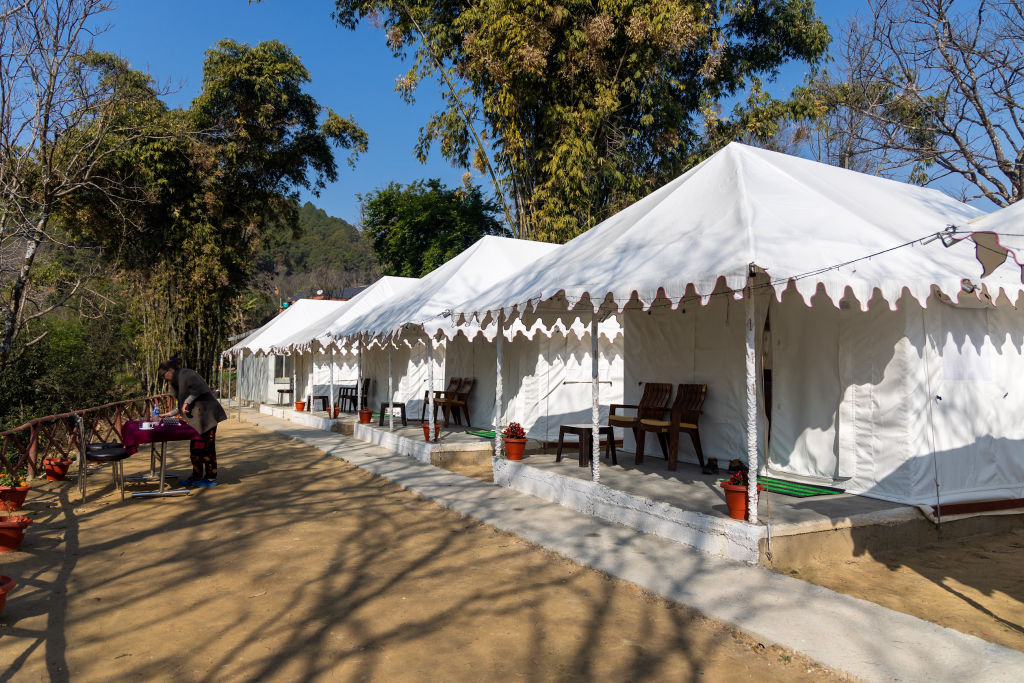
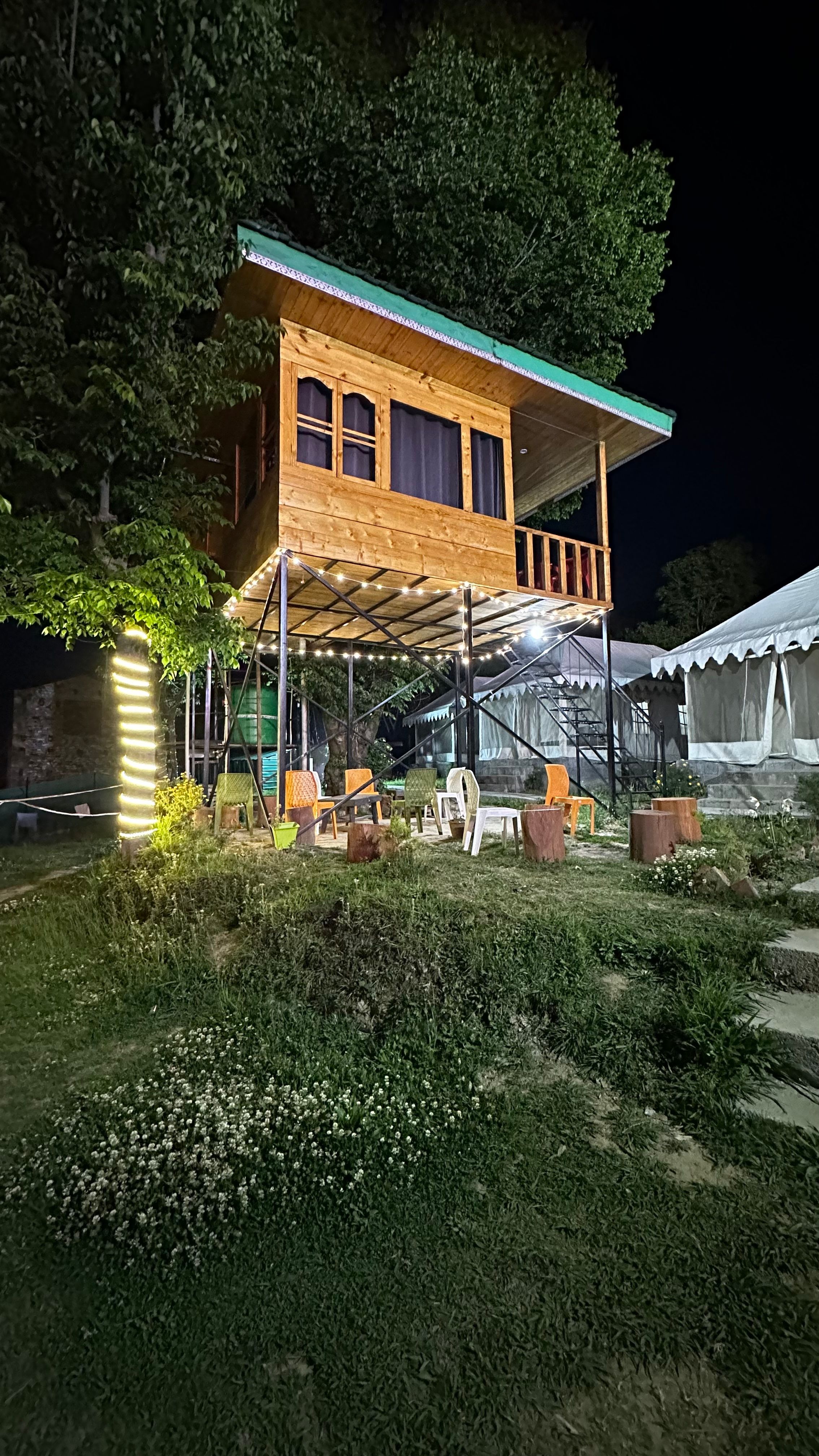
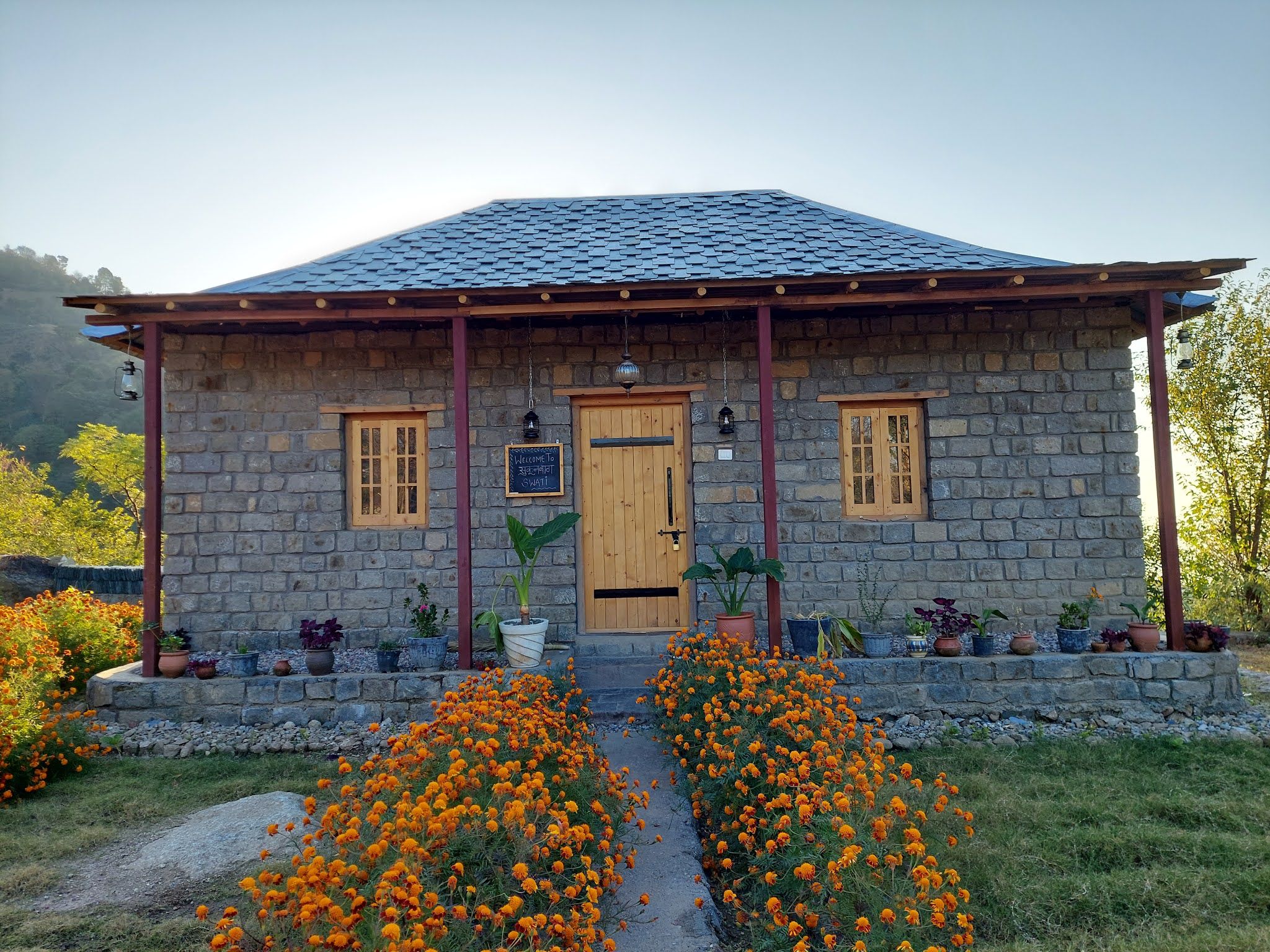
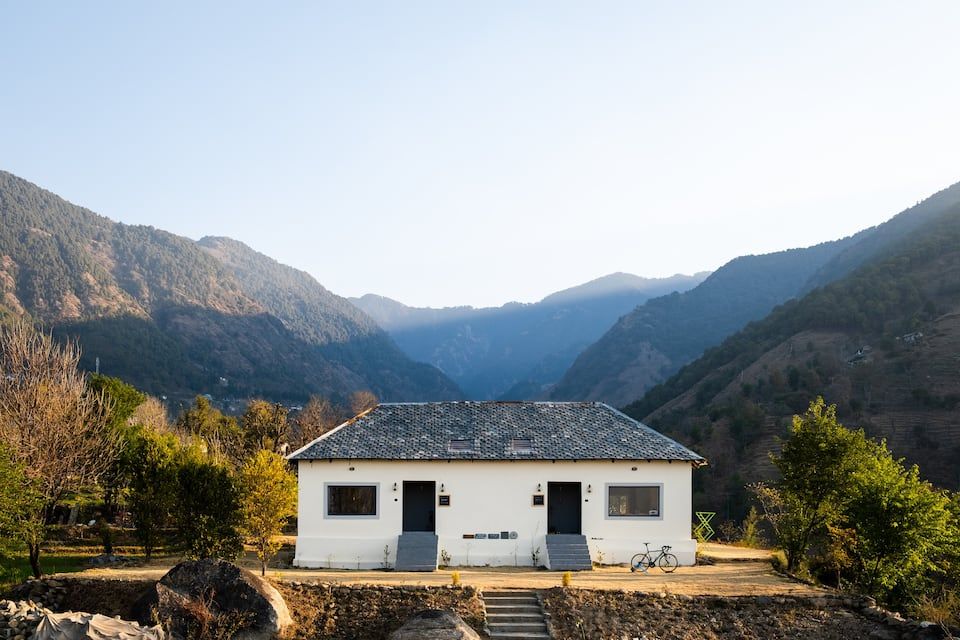
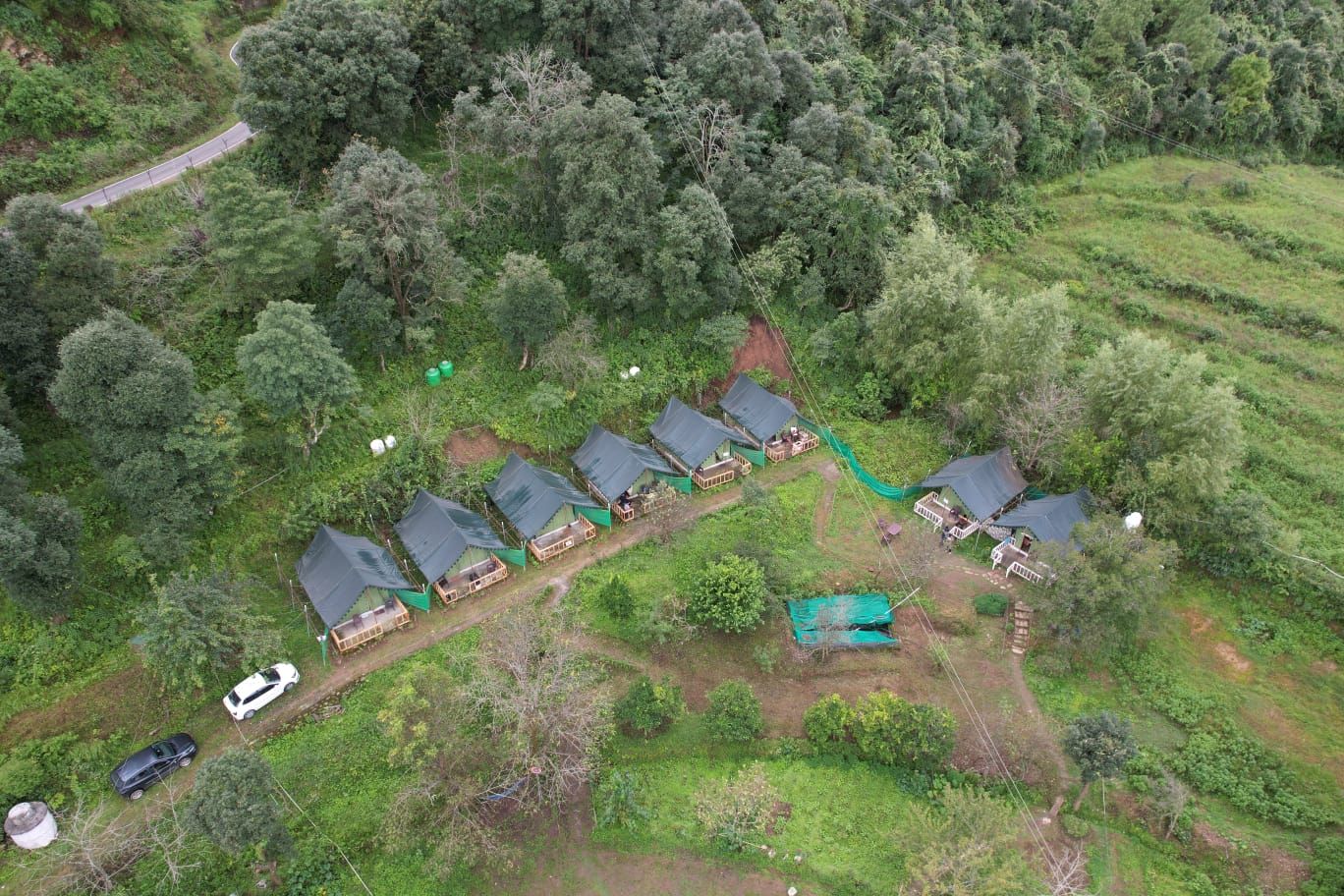
Accommodation options are concentrated in the nearby villages of Barot and Lapas rather than within the reserve itself. Travellers can find traditional riverside homestays, rustic guesthouses, and designated camping sites set against the forested hills.
Staying in the local villages allows visitors to support resident families while enjoying freshly cooked Himachali meals and quiet rural hospitality. A curated selection of camps, village homestays, and outdoor stays near Nargu Wildlife Sanctuary can be discovered and reserved on HireACamp.
Frequently asked questions
Where is Nargu Wildlife Sanctuary located?
Nargu Wildlife Sanctuary is located in the Uhl River valley near the villages of Barot and Lapas in Himachal Pradesh, bordering the Mandi and Kullu districts.
What animals can be spotted in Nargu Wildlife Sanctuary?
The sanctuary is home to wildlife such as the Himalayan black bear, barking deer, musk deer, goral, and leopards, alongside pheasants including the Himalayan monal.
Do I need a permit to enter Nargu Wildlife Sanctuary?
Day walks near the perimeter are generally accessible, but deeper forest treks may require local forestry registration. It is best to check locally with forest department staff in Barot before venturing deep into the interior.
Which season is best for hiking in the sanctuary?
The most comfortable seasons for hiking are spring from April to June and autumn from September to November, when the weather is mild and trails are largely dry.
Are there places to eat inside the sanctuary?
There are no dining facilities inside the sanctuary boundaries. Visitors should carry their own food and water, or dine in the neighbouring villages of Barot and Lapas.
Where you'll be
Barot Village, Lapas, HP · 5 stays nearby shown with prices
Stays near Nargu Wildlife Sanctuary
Book a place to stay close by
More places near Nargu Wildlife Sanctuary
Within 20 km

Built from 0 Instagram posts by 0 creators. Every tip links back to the post it came from, and where creators disagree we show both sides.






