
Sirohi Hills
Peak near Dhauj, Delhi
1.8 km from Dhauj
The nearest town, for stays, food and fuel.
Sirohi Hills is an elevated natural ridge situated along the southern edge of the National Capital Region near Bhati. Forming part of the ancient Aravalli range, it attracts outdoor enthusiasts, hikers, and trail runners looking for rugged terrain, rocky viewpoints, and open skies away from the urban bustle.
Getting there
By road
- From DhaujNearest town9 min · 2.2 km
- From New Delhi1 hr 35 min · 41 km
- From Jaipur3 hr 45 min · 256 km
- From Dehradun4 hr 25 min · 281 km
Typical drive times without traffic. Stations and airports from OLA Maps; distances and typical drive times from OpenStreetMap (© OpenStreetMap contributors); notes from creators' Reels.
About Sirohi Hills
Written with AI from map data and general knowledge. Check prices and timings locally before you go.
About Sirohi Hills
Sirohi Hills forms a prominent geographical feature in the undulating terrain of the southern Delhi-Haryana border, set close to the rural settlement of Bhati. Unlike the flat alluvial plains that define much of Delhi, this stretch is anchored in the ancient Aravalli mountain system, one of the oldest geological formations on earth. The terrain here is marked by quartzite boulders, rocky outcrops, and sparse thorny scrub that give the landscape an austere, rugged charm.
Over the years, the area has become a retreat for locals seeking natural elevations and open horizons close to the capital. While much of the surrounding territory has seen extensive development, the ridges around Sirohi retain a wilder character. The higher points provide sweeping panoramas of the scrub forest, nearby rural tracts, and the low-lying hollows left behind by decades of historic quarrying. For anyone looking to understand the natural topography of the Delhi region before modern urbanization, walking through Sirohi Hills offers a vivid window into the landscape's geological heritage.
Outdoor activities and hiking at Sirohi Hills
The primary draw of Sirohi Hills is its network of unpaved trails and natural ridge paths. Hikers and trail runners frequently explore the slopes, finding a variety of inclines and loose gravel paths that challenge endurance without requiring technical mountaineering skills. Early mornings are especially rewarding, as trail enthusiasts can climb to elevated vantage points to watch the sunrise break across the wide, uninterrupted skyline.
Birdwatching and nature photography are equally popular along the trails. Because the area borders broader forest corridors, observers often spot indigenous avifauna such as peafowl, grey francolins, babblers, Indian rollers, and several species of raptors circling overhead. Exploring the rocky knolls also gives visitors a chance to observe specialized dry-scrub ecology up close, with hardy shrubs like dhau, kikar, and seasonal wildflowers clinging to the mineral-rich stone. It is an unhurried landscape best savoured on foot with binoculars and a camera in hand.
Read more
Flora and wildlife in the surrounding ridge
The vegetation around Sirohi Hills is classic Northern Tropical Thorn Forest. The trees and shrubs here are adapted to thrive in harsh, rocky soil with minimal ground water. Thorny acacias, caper bushes, and seasonal grasses dominate the slopes. During the monsoon, this dry, muted palette transforms into a vibrant green cover as dormant seeds sprout across the thin soil layers.
This semi-arid ecosystem also supports a surprising array of wildlife. Smaller mammals such as blue bulls, golden jackals, Indian hares, and desert hedgehogs inhabit the scrubland. Reptiles, including monitor lizards and rock-dwelling geckos, can often be seen sunning themselves on exposed rock faces during cooler hours. Because the hills connect to adjacent forest corridors, wildlife movements are frequent, making it important for visitors to tread lightly, stay on established footpaths, and respect the natural habitat.
Best time to visit Sirohi Hills
The best period to explore Sirohi Hills is during the cooler months from October to March. During this window, daytime temperatures in the Delhi area range from mild to pleasantly crisp, creating ideal conditions for hiking, photography, and long walks in open terrain. December and January bring cold mornings that usually give way to bright, clear afternoons, making mid-morning treks very comfortable.
Monsoon season, extending from July through September, brings cooler breezes and paints the rocky ridge in vivid shades of green. However, rain can make the loose gravel and rocky surfaces slick, requiring extra caution on steeper ascents. By contrast, the summer months from April to June are intensely hot, with temperatures often climbing past forty degrees Celsius. Trekking during peak summer is not recommended due to heat exhaustion risks, though very early mornings before sunrise can still offer a brief window for quick walks.
How to reach Sirohi Hills
Sirohi Hills is located near Bhati along the southern fringe of Delhi, within reasonable driving distance of major hubs in the capital, Gurugram, and Faridabad. Travellers arriving by private car or taxi generally approach via the Mehrauli-Badarpur road or through connecting arterial roads leading south toward the Haryana border. Depending on city traffic, driving from central locations like Connaught Place typically takes around one to one and a half hours, while trips from South Delhi neighbourhoods are considerably shorter.
For those relying on public transit, the most practical method is to take the Delhi Metro to the closest station on the Yellow or Violet line in South Delhi or Faridabad, and then hire an auto-rickshaw or cab for the final leg to the trailhead near Bhati. Because local transport can be sparse directly at the trail base, planning your return journey in advance or keeping a vehicle on standby is strongly recommended.
Tips for planning your visit
Visiting Sirohi Hills requires thoughtful preparation, as the trails are largely undeveloped and lack commercial facilities. Wear sturdy hiking shoes or trail runners with dependable grip, as the terrain consists of loose scree, sharp quartz stones, and sudden elevation changes. Pack plenty of drinking water and light energy snacks, as there are no shops or clean water points along the higher ridges.
Sun protection is essential throughout the year. Bring a wide-brimmed hat, sunglasses, and sunscreen, especially since shade along the upper paths is limited. It is best to visit in groups and conclude your hike well before sunset, as trails are unlit and navigation becomes difficult after dark. Finally, practice leave-no-trace principles by carrying all wrappers, bottles, and waste back with you to keep the Aravalli slopes clean.
Places to visit nearby
A day trip to Sirohi Hills can easily be combined with visits to several prominent historical and cultural landmarks across South Delhi. Roughly twenty kilometres to the north lies The Garden of Five Senses, a sprawling landscape park designed for leisurely strolls amidst sculptures and themed gardens. Just beyond it are Qutab Minar and the Mehrauli Archaeological Park, where centuries of medieval architecture, stepwells, and ancient tombs sit tucked within mature woodland.
Further into the city, travellers can discover the historic ruins of Hauz Khas Fort, the peaceful lawns of Lodhi Garden, and architectural masterpieces such as Safdarjung Tomb, Humayun's Tomb, and Sunder Nursery. For spiritual architecture and quiet reflection, the Bahá'í Lotus Temple is situated around twenty-five kilometres away. These varied sites offer an excellent cultural complement to an active morning spent on the ridges of Sirohi.
Where to stay near Sirohi Hills
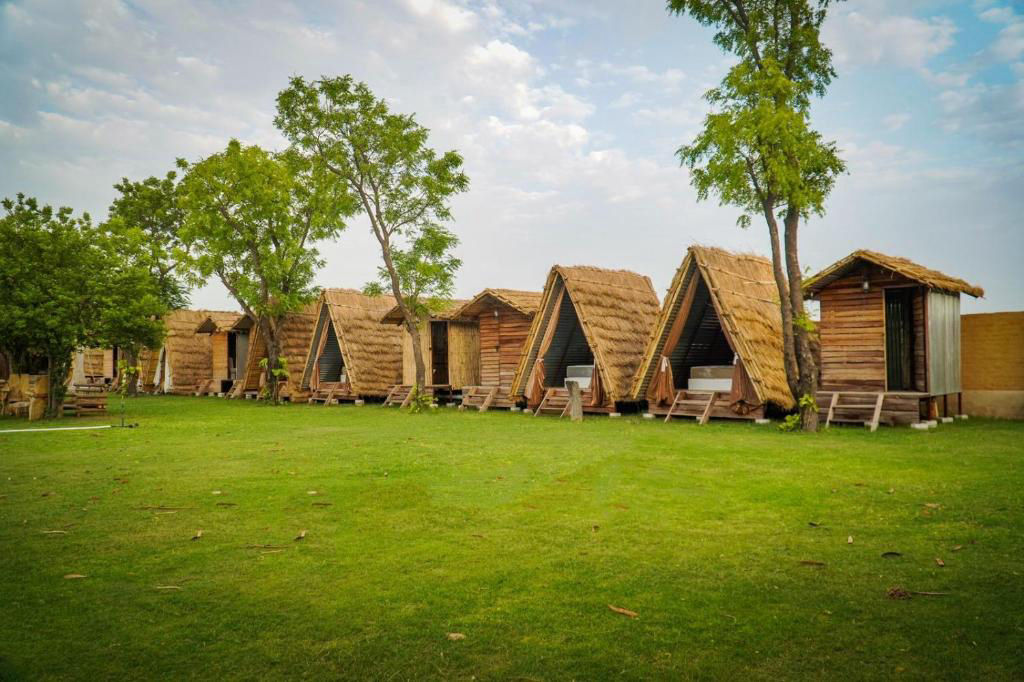
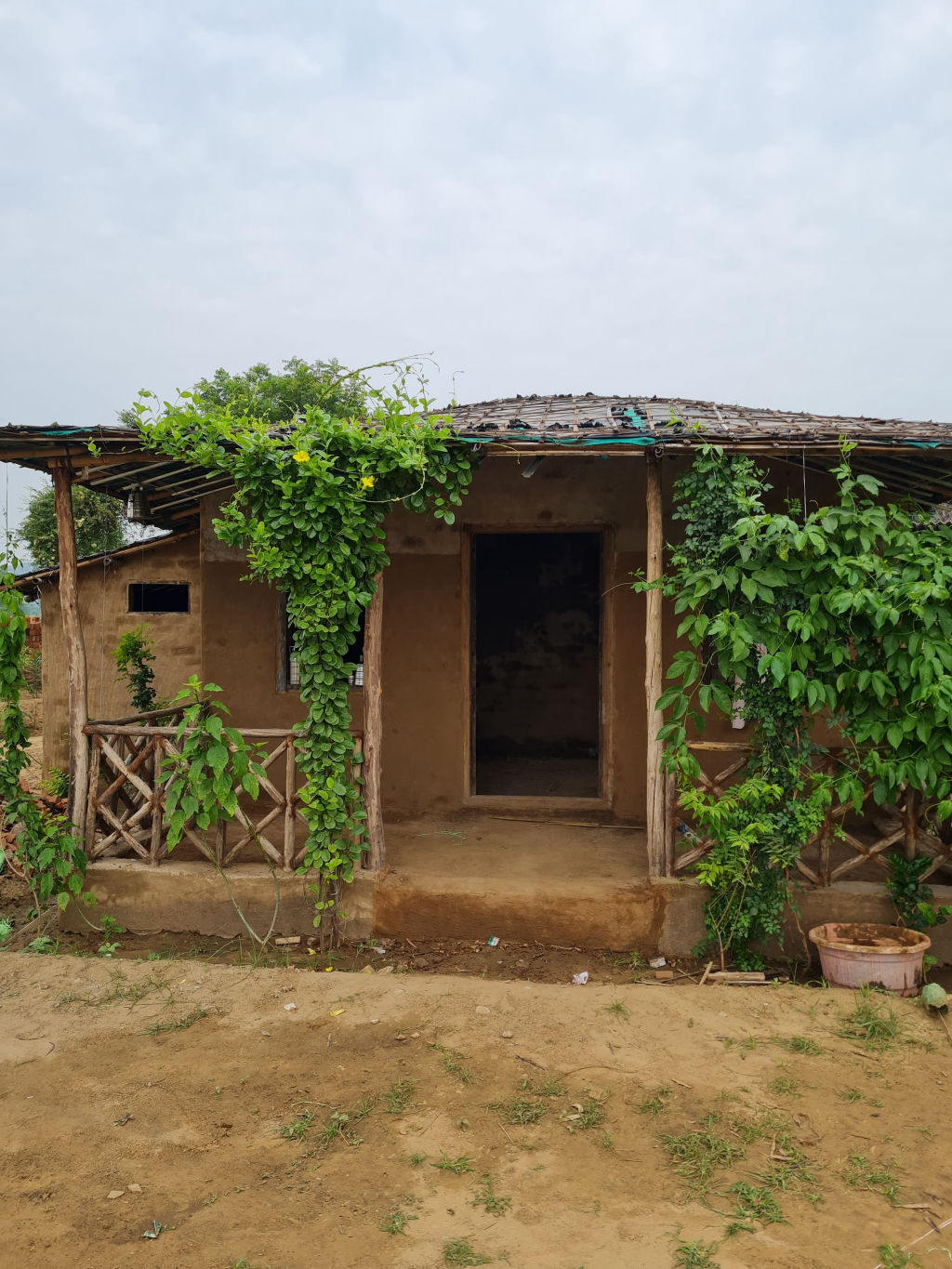
Because Sirohi Hills is situated on the rural outskirts of the capital, it makes an easy half-day or full-day excursion for residents and visitors staying anywhere across Delhi, Gurugram, or Faridabad. For those wanting a more immersive nature getaway close to the ridge, rural farm stays, eco-lodges, and outdoor camps can be found in the countryside nearby.
Travellers looking to spend the night under canvas, stay in quiet countryside cottages, or book scenic outdoor homestays in the area can explore curated accommodation options on HireACamp. Booking a stay nearby allows you to hit the trails at dawn before the midday heat sets in.
Frequently asked questions
Where is Sirohi Hills located?
Sirohi Hills is located along the southern edge of Delhi NCR near Bhati and the Haryana border, forming part of the rocky Aravalli range.
Is Sirohi Hills suitable for beginners?
Yes, the walking trails feature modest elevation gains suitable for beginners with basic fitness, though proper footwear is needed to handle loose stones and uneven terrain.
What is the best time of day to hike at Sirohi Hills?
Early morning around sunrise is the best time to visit, offering cooler temperatures, soft light for photography, and active birdlife.
Are there food and water stalls at the hilltop?
No, the trails on Sirohi Hills are largely wild and undeveloped, so you must carry adequate drinking water, snacks, and personal essentials with you.
Can I find stays or camping options near Sirohi Hills?
Yes, you can discover experiential outdoor stays, nature camps, and rural homestays located within driving distance of the hills on HireACamp.
Where you'll be
4 stays nearby shown with prices
Stays near Sirohi Hills
Book a place to stay close by


More places near Sirohi Hills
Within 20 km


Lists for this area
Ranked by how many creators recommend each place


Built from 0 Instagram posts by 0 creators. Every tip links back to the post it came from, and where creators disagree we show both sides.






