
The Lost Lake
Lake near Bhundsi, Haryana
6.3 km from Bhundsi
The nearest town, for stays, food and fuel.
The Lost Lake is a scenic waterbody tucked within the rugged Aravalli ridge on the outskirts of Gurugram, Haryana. Formed naturally within old rocky depressions and sustained by seasonal rainfall, it serves as a tranquil outdoor retreat away from the city's urban sprawl. Visitors head here primarily for trail walks, weekend cycling, bird watching, and peaceful mornings surrounded by raw nature.
Getting there
By road
- From BhundsiNearest town1 hr 15 min · 18 km
- From New Delhi1 hr 55 min · 40 km
- From Jaipur4 hr 45 min · 274 km
- From Dehradun5 hr 15 min · 267 km
Typical drive times without traffic. Stations and airports from OLA Maps; distances and typical drive times from OpenStreetMap (© OpenStreetMap contributors); notes from creators' Reels.
About The Lost Lake
Written with AI from map data and general knowledge. Check prices and timings locally before you go.
About The Lost Lake
The Lost Lake is located in the southern fringes of Gurugram along the ancient Aravalli range in Haryana. Unlike manicured municipal lakes or recreational waterfront parks, this waterbody sits in an untamed, rocky valley that has filled with groundwater and monsoon runoff over the years. Its striking contrast of still blue water set against barren, ochre-tinted cliffs gives it a wild, secluded character that stands apart from the high-rises of the National Capital Region.
Over the past decade, the spot has evolved from a quiet local curiosity into a favoured destination for outdoor enthusiasts from across Gurugram, Delhi, and Faridabad. It attracts runners, mountain bikers, nature photographers, and small groups looking to spend a few hours in an open landscape without travelling far from the city.
The Landscape and Wildlife of the Aravallis
The terrain surrounding The Lost Lake is typical of the northern Aravalli biodiversity corridor, characterised by dry deciduous scrub forest, thorny acacia trees, and exposed quartzite boulders. The ground is dry, dusty, and strewn with loose stones, with gentle hillocks framing the water's edge. In the cooler months and right after the monsoon rains, the scrubland comes alive with fresh green foliage, wildflowers, and flowing grass.
This stretch of the Aravallis forms an essential ecological sanctuary for regional wildlife. Visitors visiting in the quiet early hours of the morning may spot Indian peafowls, grey francolins, laughing doves, and various species of kingfishers hovering near the water. The surrounding scrub is also home to mammalian fauna such as nilgai, golden jackals, jungle cats, and occasionally striped hyenas. Because the animals depend on quiet and open access to water, keeping noise to an absolute minimum is essential.
Read more
Things to Do at The Lost Lake
The primary draw of The Lost Lake is its surrounding trail network. The unpaved dirt tracks and undulating rocky paths that wind through the hills provide excellent ground for trail running, walking, and mountain biking. Cyclists often ride in groups from Gurugram or south Delhi, taking on the challenge of loose gravel and incline before reaching the water's edge.
Nature observation and outdoor photography are equally popular. The low morning light casts long shadows across the lake and the ridge, offering striking angles for landscape photography. Many visitors come simply to sit on the higher rocky ledges, unwind, and watch the breeze ripple across the water. It is important to note that the lake water is deep and untreated, and because there are no lifeguards or safety barriers in place, swimming is neither safe nor permitted.
Best Time to Visit
The ideal time to explore The Lost Lake is during the cooler months between October and March. Gurugram and the surrounding plains experience pleasant morning temperatures during this period, with crisp air and mild afternoon sunshine that make walking the unshaded trails enjoyable. December and January bring cold, misty mornings that lend a dramatic look to the landscape.
The monsoon season from July to September transforms the surroundings by reviving the vegetation and topping up the water level. However, heavy rains can make the dirt tracks muddy, slippery, and difficult to traverse, especially for ordinary road vehicles. The summer months from April to June are harsh, with temperatures frequently climbing well past forty degrees Celsius. If you choose to visit during summer, restrict your trip to the hour immediately around dawn, as the rocky terrain retains heat and offers virtually no overhead shade.
How to Reach The Lost Lake
The Lost Lake is located on the southern outskirts of Gurugram and is accessible by road from Delhi, Gurugram, and Faridabad. From central Gurugram, the drive generally leads towards the Faridabad-Gurgaon road or southern peripheral corridors before branching off onto narrower countryside roads that approach the ridge.
The final approach to the lake is via rough, unpaved dirt paths. While high-clearance vehicles handle the approach with ease, low-clearance hatchbacks and sedans may struggle with uneven surfaces and protruding rocks. Many visitors prefer parking safely where the asphalt ends and walking or cycling the remaining distance on foot. Public transit options do not run directly to the lake, so hiring a private taxi or driving a personal vehicle is recommended.
Tips for Your Visit
Because The Lost Lake is an undeveloped natural area, there are no commercial stalls, drinking water facilities, or restrooms anywhere nearby. You must bring all your supplies, including ample drinking water, light snacks, and sun protection such as a hat and sunglasses. Wear sturdy hiking shoes with decent grip, as the loose stones and scree along the slopes can be slippery underfoot.
Plan your arrival around sunrise to experience the calmest weather, best birding opportunities, and cooler temperatures. It is strongly advised to leave before dusk falls, as the surrounding area is unlit, largely uninhabited, and devoid of emergency services. Lastly, practise responsible outdoor ethics by packing out all your rubbish. Plastic bottles and snack wrappers damage the fragile habitat and harm the wildlife that depends on this water source.
Where to Stay Near The Lost Lake
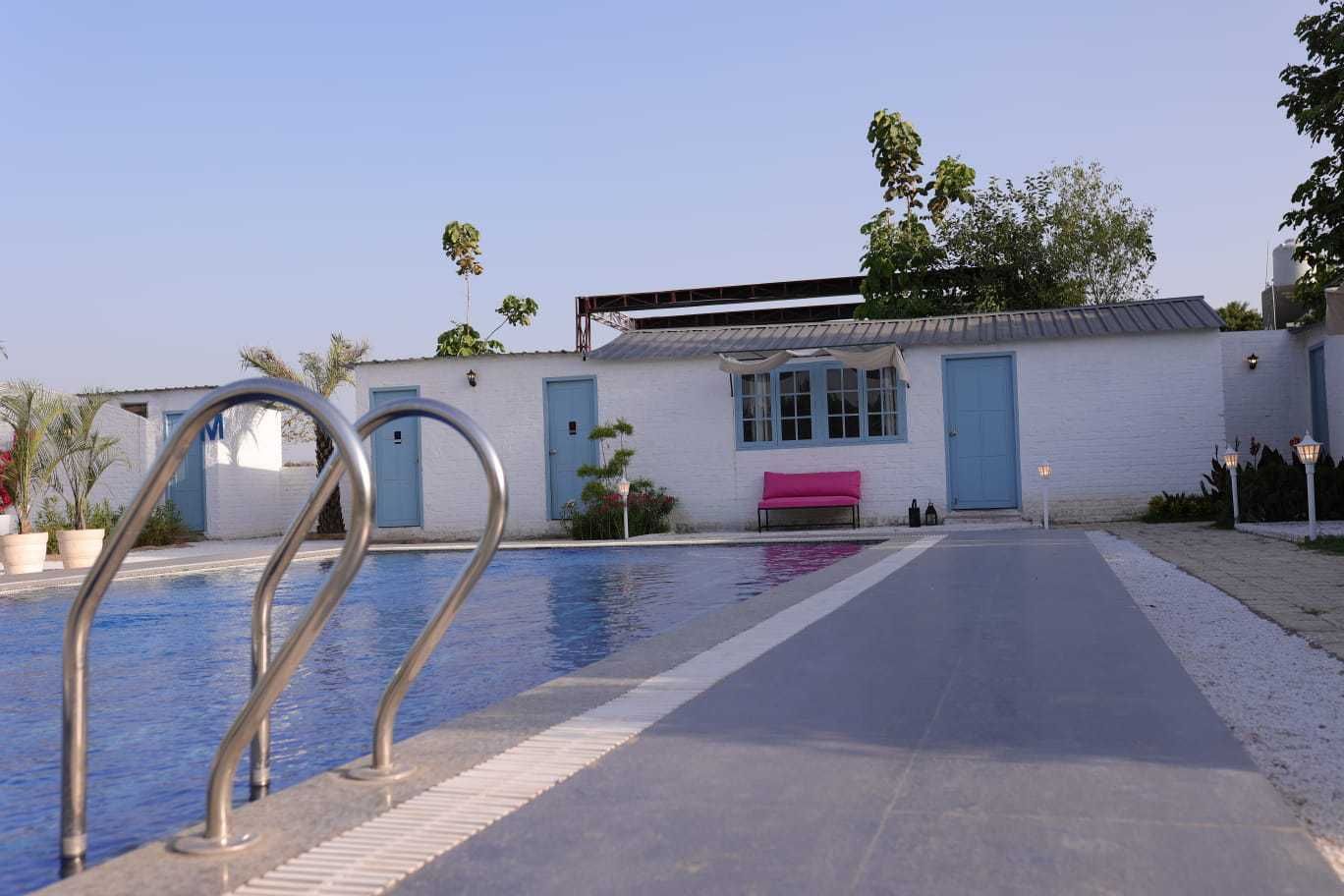
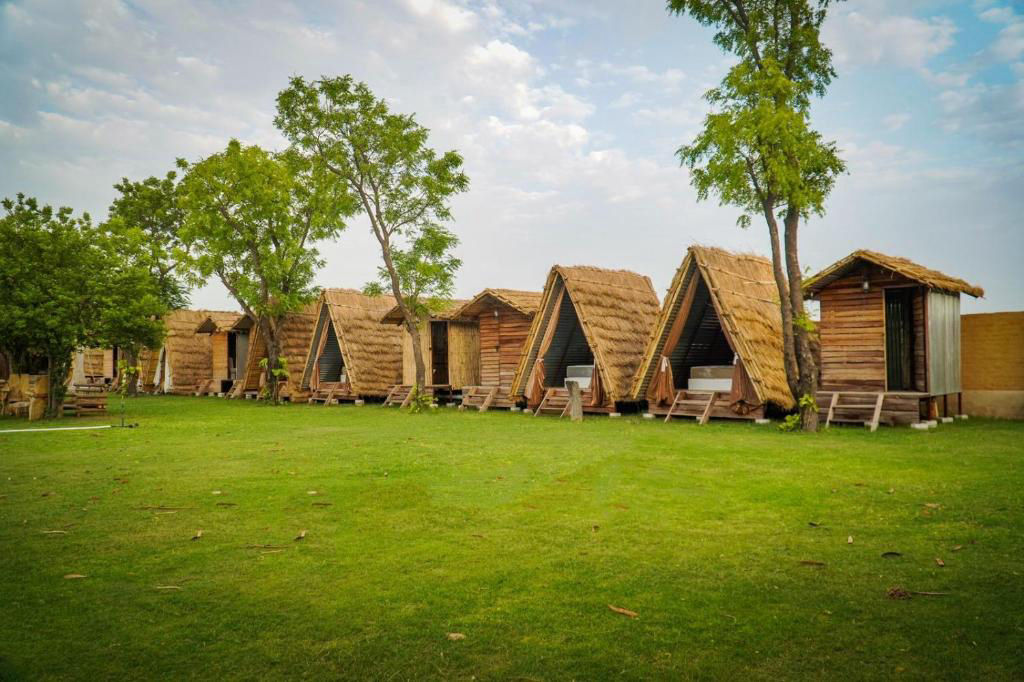
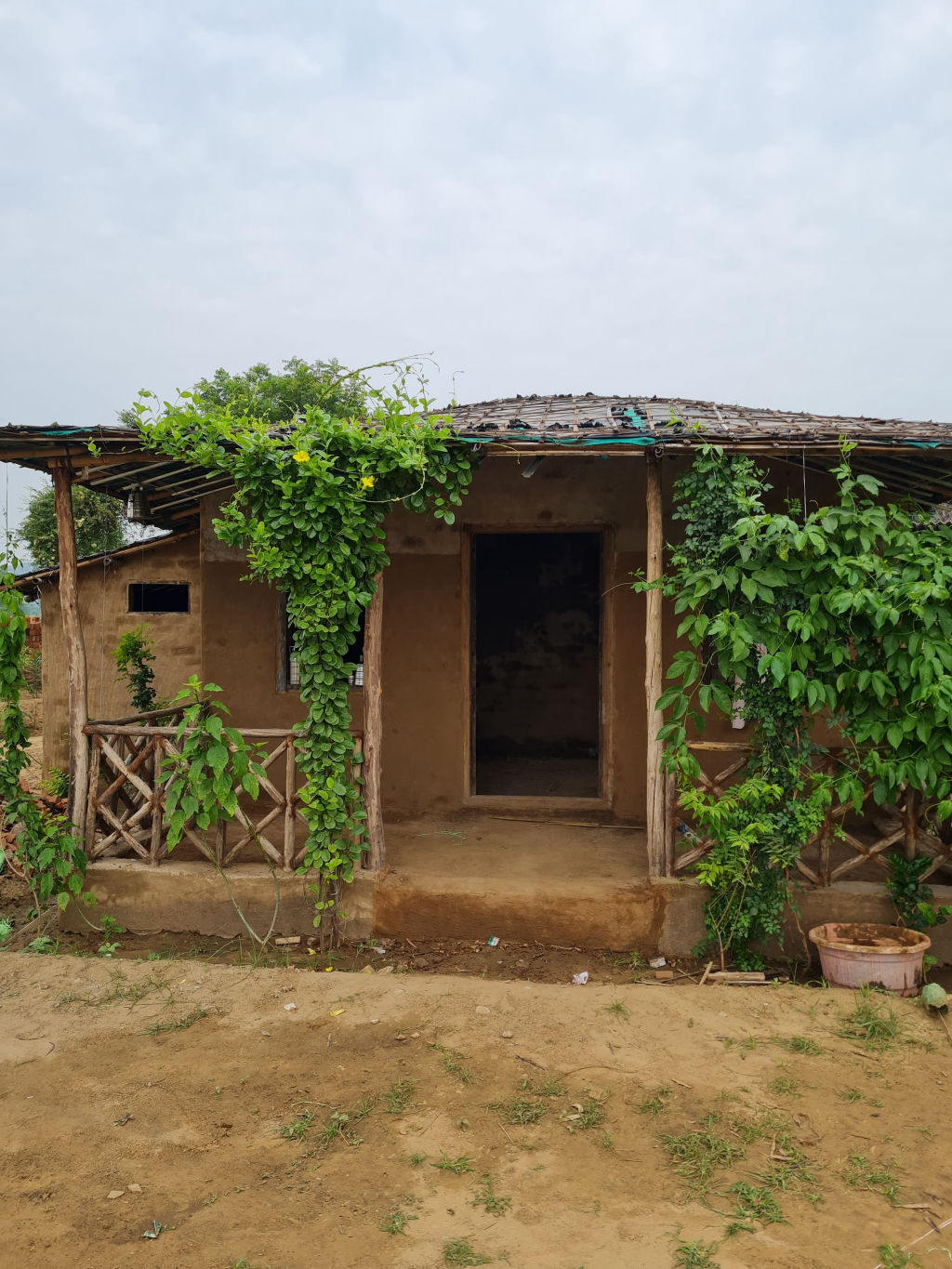
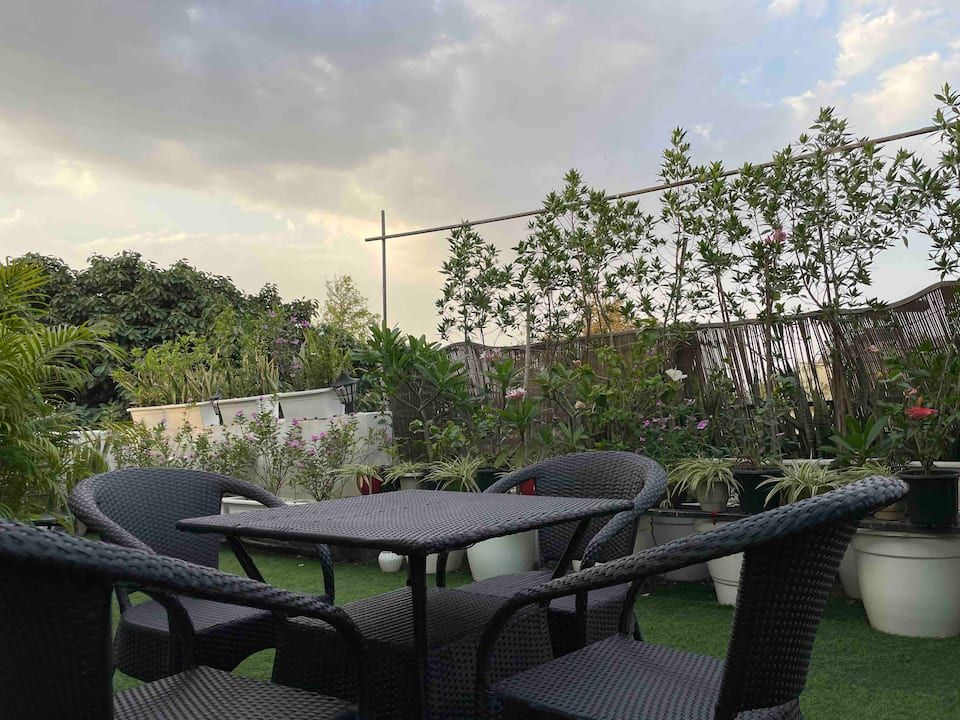
If you are planning an extended weekend trip or an outdoor getaway in the countryside around Gurugram and south Delhi, several distinct stay choices exist within driving distance. The outskirts of Gurugram offer private farm stays, eco-lodges, and nature-focused retreats nestled against the Aravalli foothills.
Travellers interested in outdoor experiences, scenic tent stays, and tranquil rural homestays across Haryana and nearby regions can discover and book verified stays directly on HireACamp. Staying nearby lets you get an early start on the trails before city day-trippers arrive.
Frequently asked questions
Where is The Lost Lake located?
The Lost Lake is situated within the Aravalli hills on the southeastern periphery of Gurugram, Haryana, near the border areas connecting to Faridabad.
Can you swim in The Lost Lake?
No, swimming in The Lost Lake is strongly discouraged. The water is deep, unmonitored, and surrounded by steep, uneven rocks without any safety equipment or lifeguards.
What is the best time of day to visit The Lost Lake?
Early morning around sunrise is the best time to visit, as temperatures are mild, light conditions are ideal for photos, and local bird species are most active.
Is the trail to The Lost Lake suitable for children?
Older children who are comfortable with walking on uneven and rocky ground can manage the trail, but close supervision is essential around the lake's unfenced and steep edges.
Are there food stalls or restrooms at The Lost Lake?
No, there are no shops, food vendors, or public restrooms at or near the lake. Visitors must carry their own drinking water, food, and basic necessities.
Where you'll be
Gurgaon, HR · 4 stays nearby shown with prices
Stays near The Lost Lake
Book a place to stay close by
More places near The Lost Lake
Within 20 km


Lists for this area
Ranked by how many creators recommend each place


Built from 0 Instagram posts by 0 creators. Every tip links back to the post it came from, and where creators disagree we show both sides.






