
Sissu
Village in Himachal Pradesh
1 post · 1 sourced tip
Guide from 1 post by 1 creator
@chandigarhbytes
Travel Guide to Sissu
Essential travel information for reaching Sissu by road from Chandigarh.
Good to know
Tips from creators' posts. Each one links to its source.
Getting There
Sissu is located approximately 310 km from Chandigarh, which is about a 7 hour and 30 minute drive.
Reported by @chandigarhbytesSource
Getting there
By road
- From Chandigarh6 hr 15 min · 295 km
- From Ludhiana6 hr 45 min · 336 km
- From Amritsar8 hr 50 min · 447 km
- From Dehradun9 hr 40 min · 488 km
Typical drive times without traffic. Stations and airports from OLA Maps; distances and typical drive times from OpenStreetMap (© OpenStreetMap contributors); notes from creators' Reels.
About Sissu
Written with AI from creators' posts and map data. Check prices and timings locally before you go.
About Sissu and its landscape
Sissu, also known historically as Shashur or Shashin, sits on the right bank of the Chandra River at an elevation of roughly 3,100 metres above sea level. For generations, this quiet agricultural village was cut off from the rest of Himachal Pradesh for nearly six months every year due to heavy snowfall on the high Rohtang Pass. With the opening of the Atal Tunnel, the journey into the Lahaul Valley changed overnight, making Sissu accessible throughout much of the year.
The landscape here forms a striking contrast with the verdant, cedar-covered hills of the Kullu Valley on the other side of the mountains. In Sissu, high arid crags rise dramatically above agricultural terraces lined with silver poplar trees and alpine willows. Glacial streams pour down sheer vertical rock faces, feeding into the cold, grey-green waters of the Chandra River. The village itself is dotted with traditional slate-roofed houses, Buddhist prayer flags fluttering in the breeze, and fields of potatoes, peas, and barley that flourish during the brief alpine summer.
Things to do in and around Sissu
The focal point for most visitors arriving in Sissu is the magnificent Sissu Waterfall, known locally as Palden Lhamo Dhar. Plummeting down an imposing cliff face directly opposite the village, the waterfall creates a constant spray of mist that nourishes lush patches of greenery beneath it. Travellers can walk across a pedestrian suspension bridge spanning the Chandra River to follow the dirt trail up toward the base of the falls. The spray is icy and refreshing, and the vantage point offers sweeping views of the valley floor.
Beyond the waterfall, spending unhurried time along the riverside is one of the simplest pleasures in Sissu. The Chandra River creates broad gravel banks and small seasonal pools where you can sit and absorb the sheer scale of the surrounding peaks. Walking through the village paths takes you past stone homesteads, terraced vegetable plots, and small local shrines where daily life carries on at a gentle, grounded rhythm.
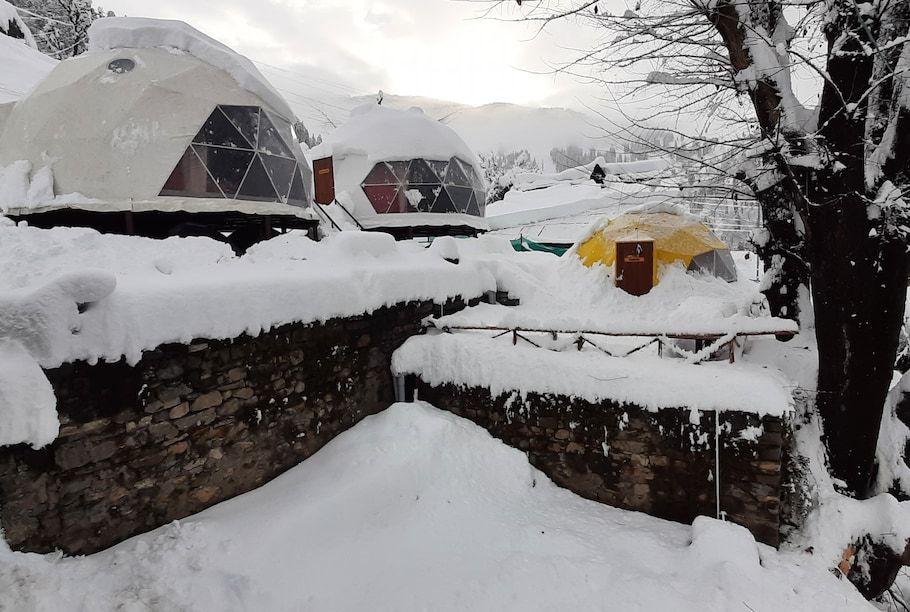
During the winter months, Sissu transforms into a vast natural snow park. Thick blankets of powder cover the terraces and riverside, drawing visitors keen on snow trekking, making snowmen, or trying winter photography against the frozen falls and ice-rimmed riverbanks.
Read more
Day trips and getaways near Sissu
Sissu is positioned well for exploring the wider Lahaul Valley. Driving further down the Chandra Valley brings you to Tandi, where the Chandra and Bhaga rivers merge to form the Chandrabhaga, later known as the Chenab in Jammu and Kashmir. The confluence is culturally revered and provides a fascinating view of two distinct mountain currents combining into one roaring waterway.
Just upstream from Tandi lies Keylong, the administrative headquarters of Lahaul and Spiti district, perched on hillside terraces facing the Kardang Monastery. A trip towards Keylong allows travellers to explore historic Buddhist monasteries, including Shashur Gompa, which is known for its summer festival and serene views over the valley.
Heading slightly down the valley towards Gondhla reveals the historic Gondhla Fort, a multi-storey royal tower built with timber and stone that represents traditional western Himalayan vernacular architecture. For those seeking alpine lakes and higher passes, travelling north toward Jispa and Darcha offers raw, expansive vistas characteristic of high-altitude Himalayan wilderness.
Best time to visit Sissu
Sissu experiences distinctly different seasons, each offering a completely transformed visual setting. The spring and summer months, from May through September, bring pleasant daytime temperatures and provide relief from the heat of the plains. During this window, the valley awakens with blooming wildflowers, lush green willow patches, and flowing meltwater streams. Road travel through the valleys is generally smooth, making it ideal for walking, sightseeing, and camping.
Autumn arrives in October, painting the valley in rich hues of amber, gold, and rust as the poplar and willow leaves turn before dropping. The skies during autumn are consistently deep blue and the mountain air turns sharply crisp, making it a favorite time for landscape photographers.
Winter, lasting from late November through March, brings heavy snowfall and sub-zero temperatures. Sissu becomes a white wonderland, with frozen waterfalls and snow-covered slopes. While travel during winter requires careful preparation and vehicles suited to ice and snow, experiencing the deep quiet of a Himalayan winter is unforgettable.
How to reach Sissu
Sissu is located approximately 310 kilometres from Chandigarh, which makes for a drive of about 7 hours and 30 minutes under normal traffic conditions. The journey from Chandigarh follows the Himalayan expressway toward Kiratpur, continues past Mandi and Kullu, and ascends past Manali before crossing through the Atal Tunnel under the Rohtang ridge. Emerging from the north portal of the tunnel brings you into the Lahaul Valley, with Sissu lying just a few kilometres ahead.
For travellers arriving by air, the nearest domestic airfield is Bhuntar Airport near Kullu, situated roughly 85 kilometres south of Sissu. Taxis and private rentals operate from the airport through the valley. Alternatively, regular overnight buses run from major northern cities such as Delhi and Chandigarh to Manali, from where local transport and shared taxis regularly depart for Sissu throughout the daytime.
Tips for your visit
Because Sissu sits above 3,100 metres, travellers arriving directly from the plains may feel mild symptoms of high altitude, such as breathlessness or slight headaches. It is wise to take things slowly on your first day, stay well hydrated, and avoid strenuous climbs until your body adjusts to the thinner air.
Weather conditions in the high mountains can change rapidly even during midsummer. Always pack warm layers, a windproof outer jacket, and sturdy footwear suitable for loose scree and rocky paths. If you plan to drive to Sissu during the late autumn or winter months, check local road advisories in Manali before heading out, as black ice and sudden snowfall on the approach roads can necessitate snow chains or four-wheel-drive capability.
Where to stay around Sissu
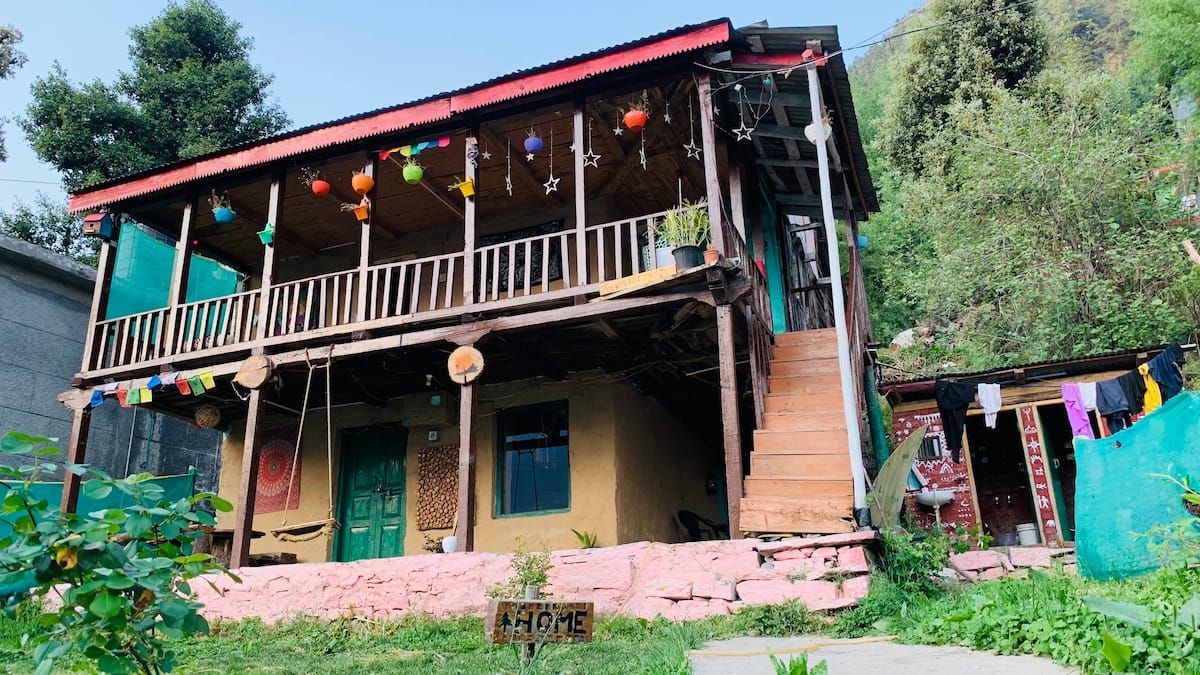
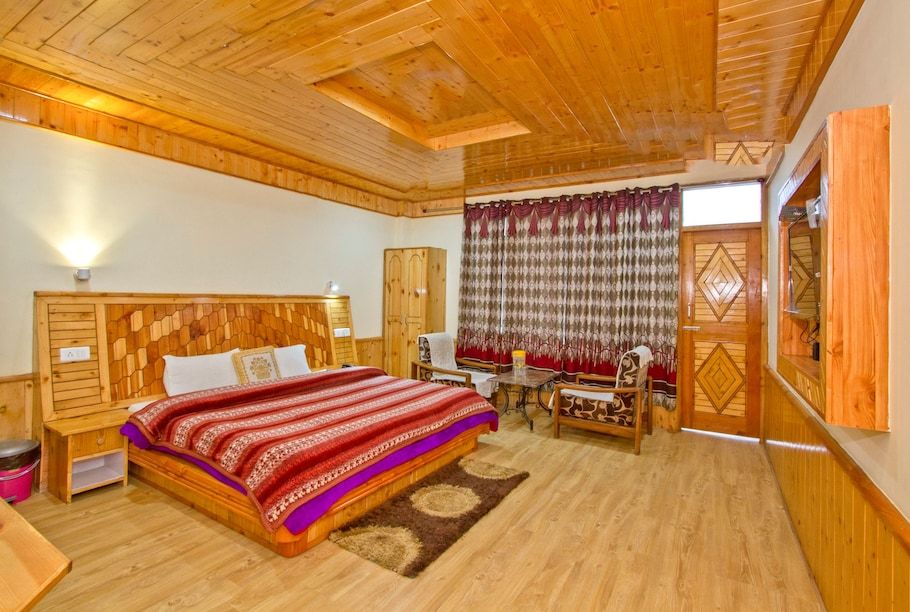
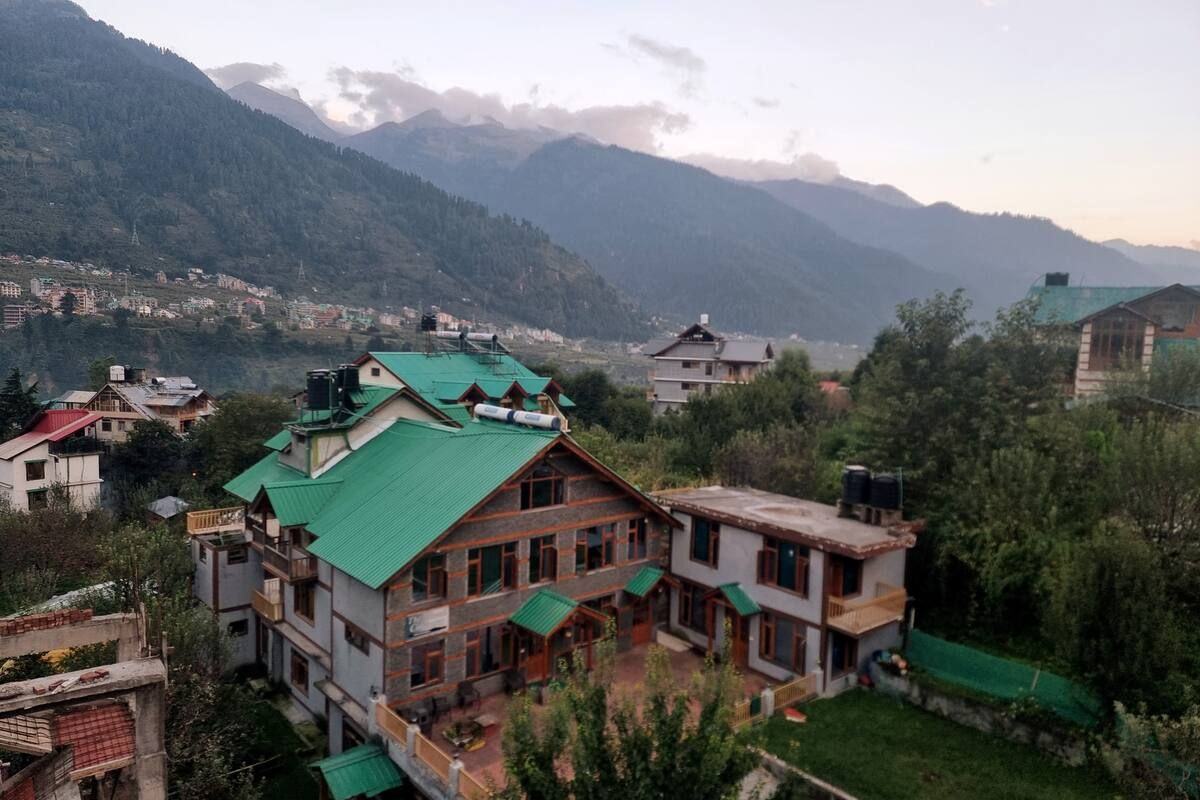
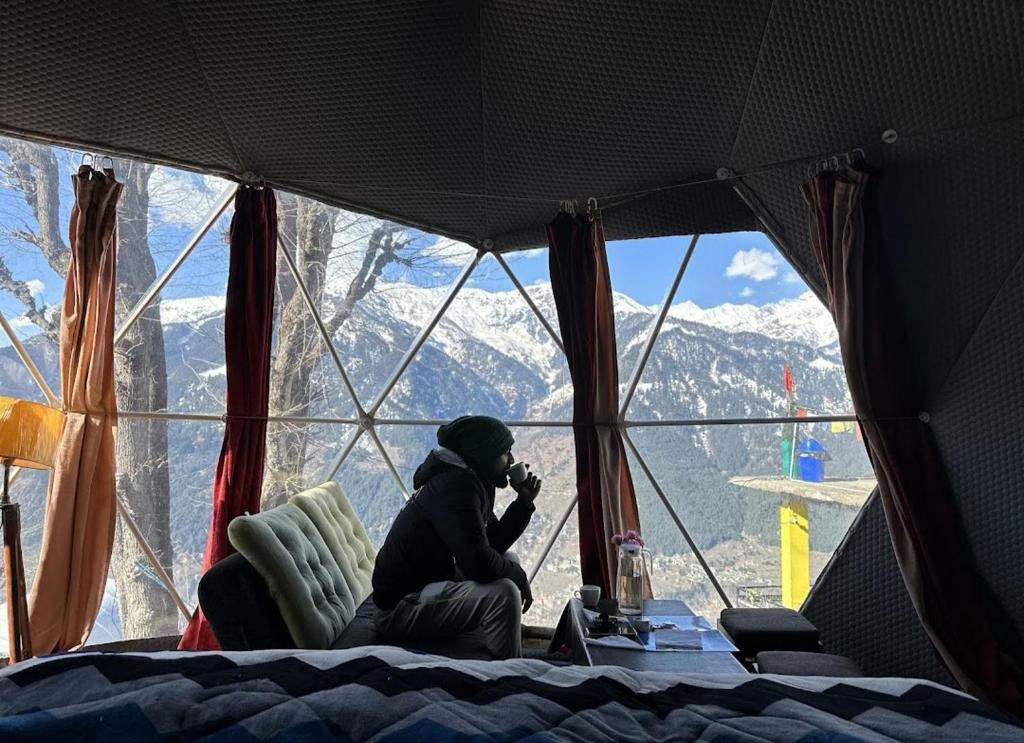
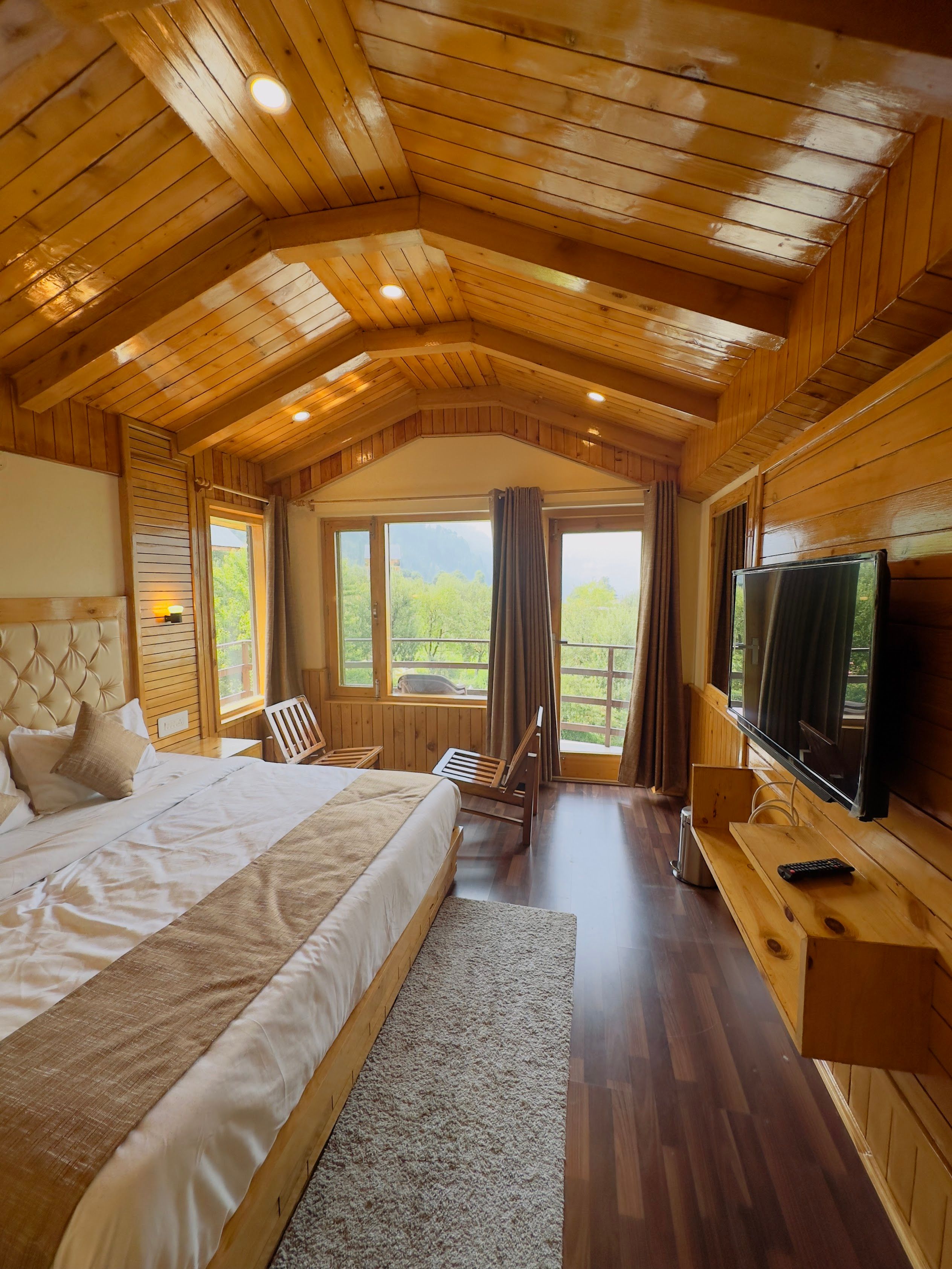
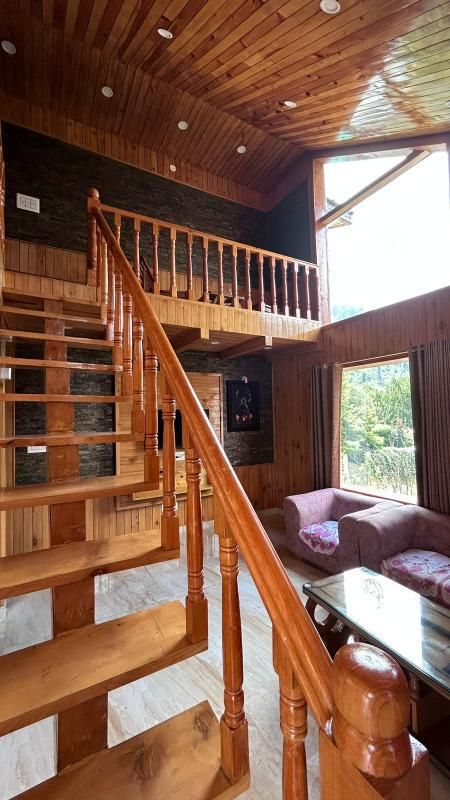
Accommodations in and around Sissu cater primarily to travellers who appreciate a close connection with nature. You will find family-run village homestays where hosts serve home-cooked regional meals made from locally harvested buckwheat, potatoes, and barley, providing a warm glimpse into Lahauli hospitality.
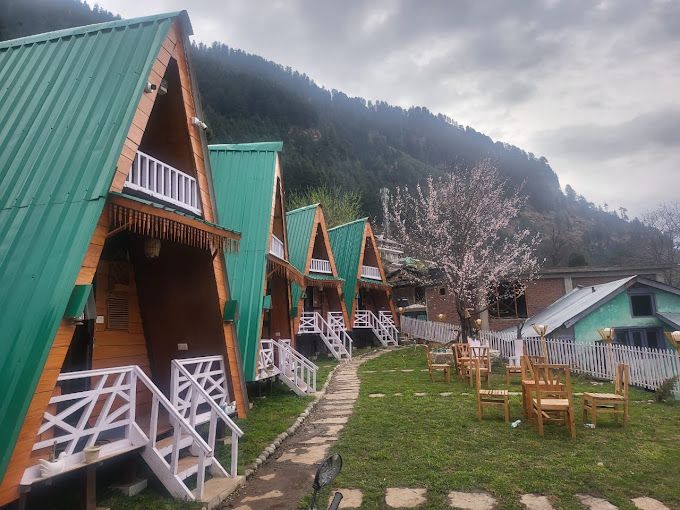
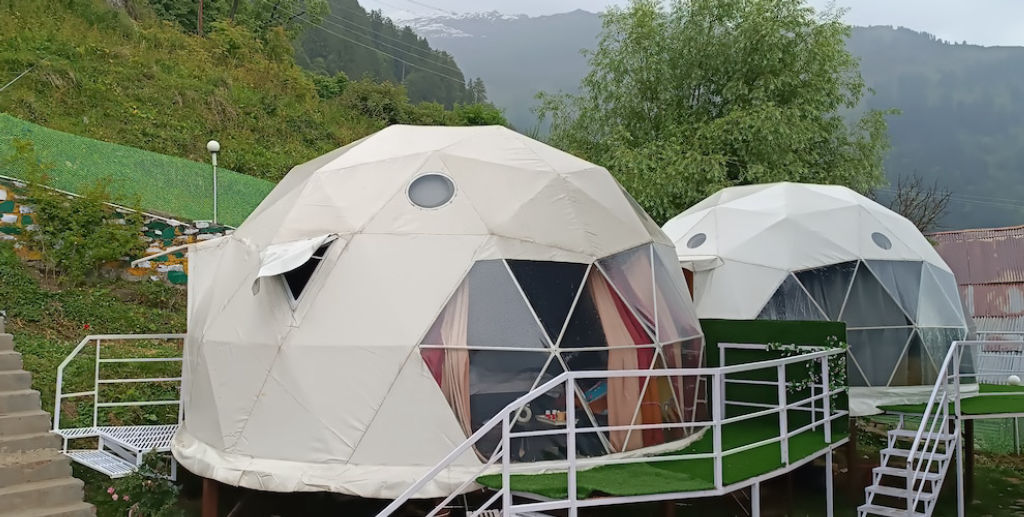
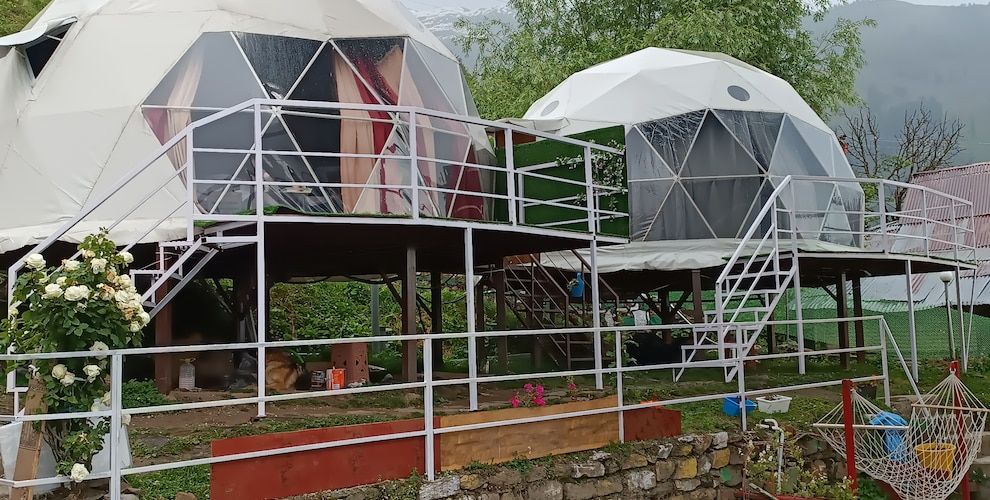
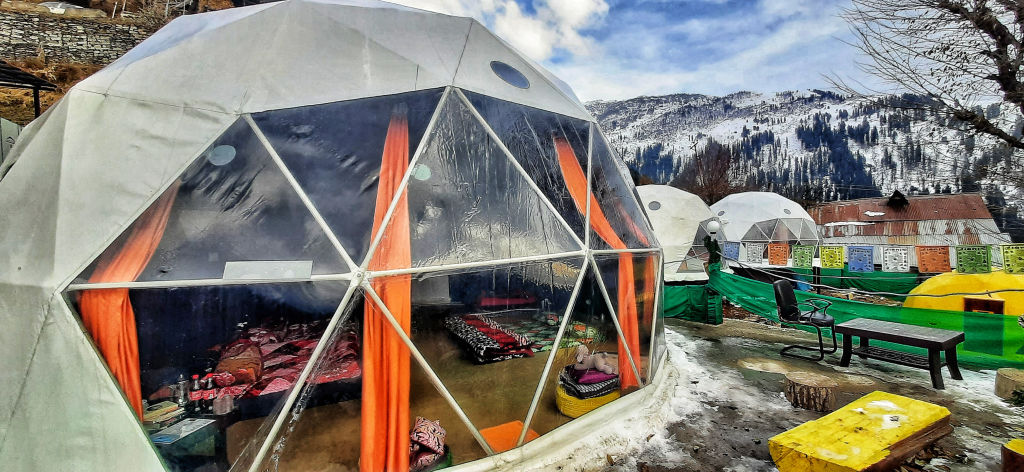
Along the riverbanks and open meadows surrounding the village, seasonal campsites provide comfortable outdoor stays under star-filled night skies. Whether you are looking for a simple tent pitched near the river or a traditional mountain homestay, you can explore and book verified stays around Sissu on HireACamp.
Frequently asked questions
How far is Sissu from Chandigarh?
Sissu is approximately 310 kilometres from Chandigarh, which typically takes around 7 hours and 30 minutes to drive depending on road and traffic conditions.
Can I visit Sissu Waterfall during the winter?
Yes, Sissu can be visited during winter, and the waterfall frequently freezes into massive columns of ice, though footpaths may be covered in deep snow.
Do I need a special permit to enter Sissu?
Indian citizens do not need a special inner line permit to visit Sissu, but it is always wise to carry valid government identification and check local road advisories before your trip.
Is Sissu accessible throughout the entire year?
Thanks to the Atal Tunnel, Sissu is generally accessible for most of the year, although severe winter snowstorms can occasionally lead to short temporary road closures.
Where you'll be
11 stays nearby shown with prices
As seen on Instagram
The posts this guide is built from
Stays near Sissu
Book a place to stay close by
Things to do in Sissu
48 places creators recommend within 30 km
Built from 1 Instagram post by 1 creator. Every tip links back to the post it came from, and where creators disagree we show both sides. Guide updated 23 Oct 2026.






