
Sonanadi Wildlife Sanctuary
Wildlife sanctuary near Lansdowne, Uttarakhand
16 km from Lansdowne
The nearest town, for stays, food and fuel.
Sonanadi Wildlife Sanctuary is a pristine protected forest nestled in the Shiwalik foothills of Uttarakhand's Pauri Garhwal district, adjacent to Jim Corbett National Park. Known for its dense sal woodlands, wandering elephant herds, and diverse avian life, it offers a peaceful wilderness experience away from crowded safari corridors. Travellers visit to immerse themselves in untamed nature, spot native wildlife, and enjoy the tranquil Himalayan foothills.
Getting there
By road
- From LansdowneNearest town1 hr · 38 km
- From Dehradun3 hr 40 min · 171 km
- From New Delhi5 hr 20 min · 259 km
- From Chandigarh7 hr 15 min · 338 km
Typical drive times without traffic. Stations and airports from OLA Maps; distances and typical drive times from OpenStreetMap (© OpenStreetMap contributors); notes from creators' Reels.
About Sonanadi Wildlife Sanctuary
Written with AI from map data and general knowledge. Check prices and timings locally before you go.
About Sonanadi Wildlife Sanctuary
Sonanadi Wildlife Sanctuary covers an expansive stretch of the outer Himalayan foothills in Uttarakhand, acting as an essential ecological link within the broader Corbett landscape. The sanctuary takes its name from the Sonanadi River, which translates literally to the river of gold, referencing historical accounts of alluvial gold panning once conducted in its waters. Tucked within the Pauri Garhwal administrative division, the sanctuary preserves an undisturbed wilderness of rugged valleys, clear streams, and undulating forested ridges.
Unlike more heavily commercialised wildlife destinations, Sonanadi offers an atmosphere of stillness and unhurried exploration. The area was established to secure a critical movement corridor for larger mammals, particularly Asian elephants and Bengal tigers traversing between regional forest blocks. Visiting Sonanadi allows nature lovers to witness the sub-Himalayan terai and bhabar ecosystem in a remarkably raw and unvarnished state.
Wildlife and landscape of the sanctuary
The landscape of Sonanadi Wildlife Sanctuary is dominated by dense mixed deciduous forests, primarily composed of towering sal trees alongside thick clumps of bamboo, sheesham, and semal. The varied topography ranges from gentle plains along riverbeds to sharp ridges rising through the Shiwalik range. Seasonal streams weave across the valley floors, providing life-sustaining waterholes for resident wildlife during the dry pre-monsoon months.
Wildlife enthusiasts visit the sanctuary primarily for its rich megafauna. Large herds of wild elephants frequent the area, utilizing its dense bamboo brakes for feeding and forest corridors for seasonal migration. Bengal tigers and leopards roam these hills, supported by healthy populations of prey animals such as sambar, chital, barking deer, and wild boar. Sonanadi is also an exceptional haven for birdwatchers, with hundreds of species recorded across its canopies and riverbanks, including hornbills, fish eagles, kingfishers, flycatchers, and pheasants.
Read more
Things to do at Sonanadi Wildlife Sanctuary
Exploring the forests of Sonanadi is largely centered on guided nature safaris and mindful wildlife tracking. Authorized vehicle safaris allow visitors to journey through dense forest tracks, where sudden clearings often reveal grazing deer herds or elephant family groups feeding quietly among the trees. Early morning and late afternoon drives present the most rewarding opportunities for spotting wildlife moving toward watering spots.
Birdwatching is another rewarding pursuit within and around the sanctuary borders. Because the forest bridges the northern plains and the lower Himalayan hills, birders can observe both lowland wetland species and montane woodland birds within short distances of one another. Walking along demarcated paths near village boundaries and designated buffer zones offers an immersive way to study endemic flora, butterflies, and smaller forest life. Visitors should always adhere to official park regulations and avoid wandering unescorted deep into active wildlife zones.
Best time to visit Sonanadi Wildlife Sanctuary
The sanctuary experiences distinct seasons, with each offering a different facet of the Himalayan foothills. The most popular period to plan a trip is between mid-November and March. During these winter months, daytime temperatures remain comfortably cool and sunny, while early mornings and evenings can get decidedly brisk. Clear skies make wildlife spotting, forest drives, and photography particularly pleasant during this window.
April through June brings warmer weather, marking the summer season. While daytime heat can be intense, this period often yields higher frequencies of wildlife sightings as forest vegetation thins out and animals gather reliably around remaining water sources. The monsoon arrives between July and September, bringing heavy rainfall that replenishes the landscape and transforms the hills into vibrant green. However, forest safaris and inner dirt tracks are typically restricted or closed during the peak wet months due to muddy trails and river swells, making post-monsoon through spring the ideal timeframe.
How to reach Sonanadi Wildlife Sanctuary
Sonanadi Wildlife Sanctuary is accessible from major cities in northern India via both road and rail networks. The gateway town of Kotdwar serves as the nearest railhead, connecting directly with regular train services from Delhi and other regional centers. From Kotdwar, local taxis and buses make the uphill journey toward Lansdowne and the peripheral forest checkpoints serving the sanctuary.
Travelers arriving by air will find the airport in Dehradun to be the most convenient commercial aviation hub. From Dehradun, private taxis can be hired to drive south-east toward the Garhwal foothills. For motorists driving from Delhi and the National Capital Region, the route typically heads through western Uttar Pradesh toward Kotdwar before climbing into the hill tracks. Roads wind through scenic countryside, but travelers should factor in extra time for winding ghat sections and verify local forest entry points prior to setting out.
Places to visit near Sonanadi Wildlife Sanctuary
The historic hill station of Lansdowne sits within easy driving distance of the sanctuary and provides a tranquil base for exploring the region. Lansdowne retains an old-world cantonment charm characterized by tall blue pine and oak forests, quiet walking lanes, and panoramic viewpoints overlooking the distant Himalayan peaks. Sites such as the Garhwal War Memorial and Darwan Singh Sangrahalaya offer deep insights into the region's storied military heritage.
Other peaceful attractions near Lansdowne include Bhulla Taal, a quiet man-made lake surrounded by well-kept gardens, and historic architecture such as St. Mary's Church and Kaleshwar Temple. Combining a wildlife excursion at Sonanadi with a relaxed retreat in the pine-scented hills of Lansdowne provides a well-rounded itinerary that balances forest safaris with mountain vistas.
Where to stay near Sonanadi
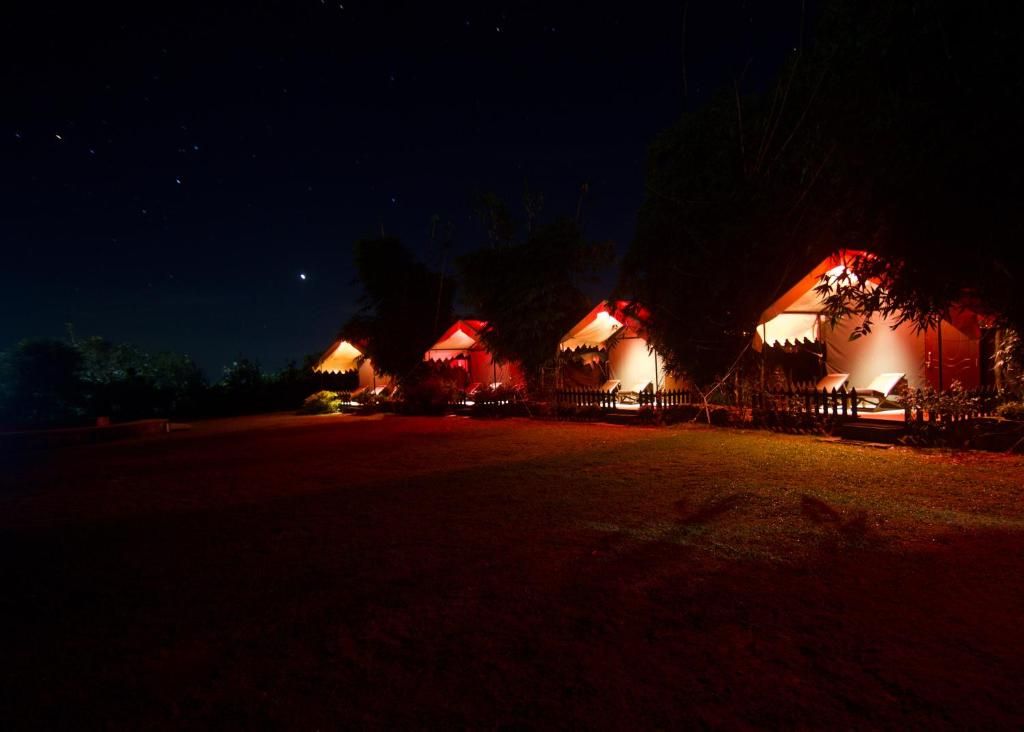
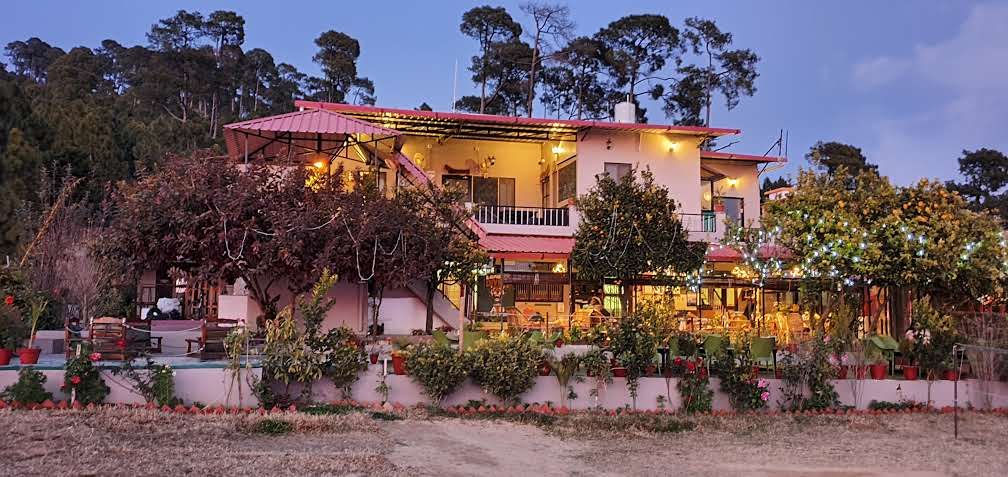
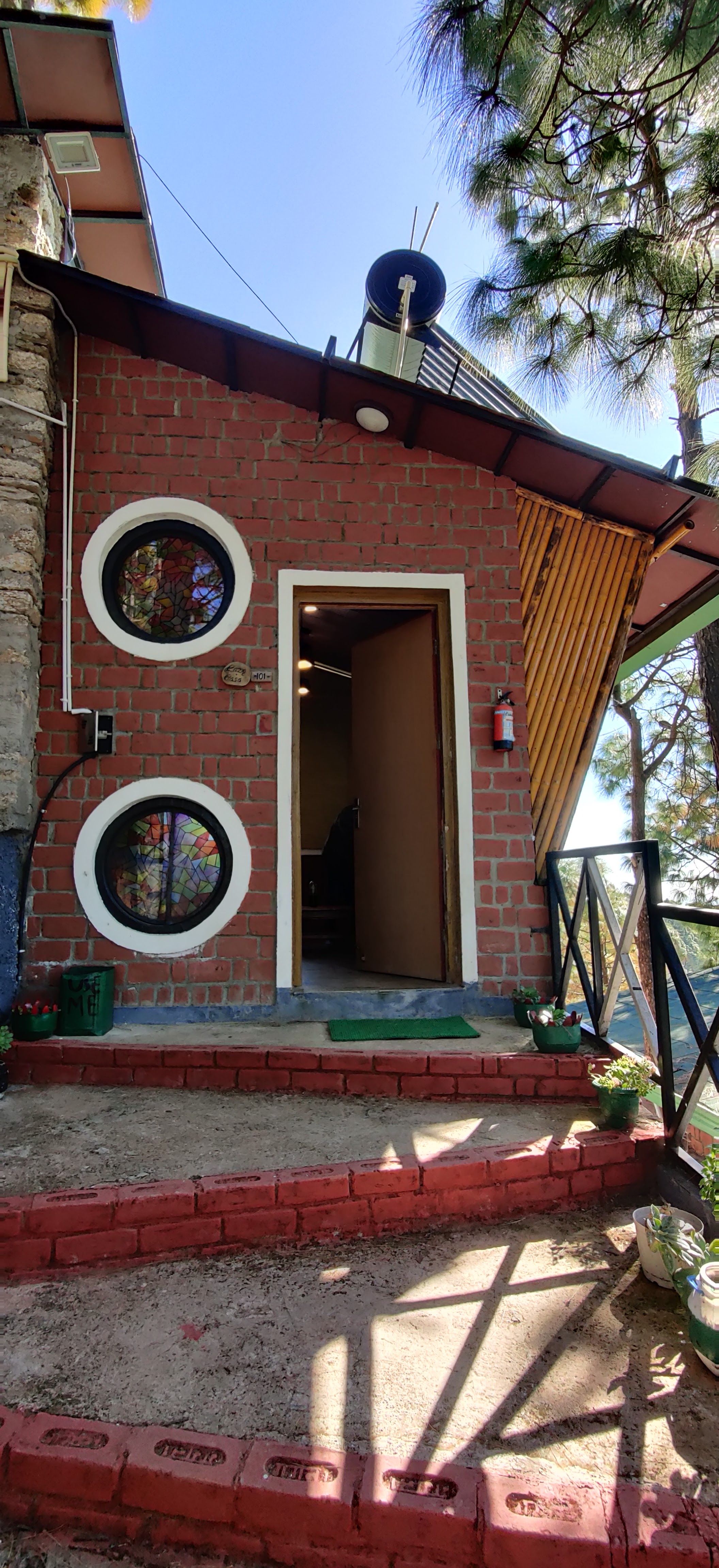
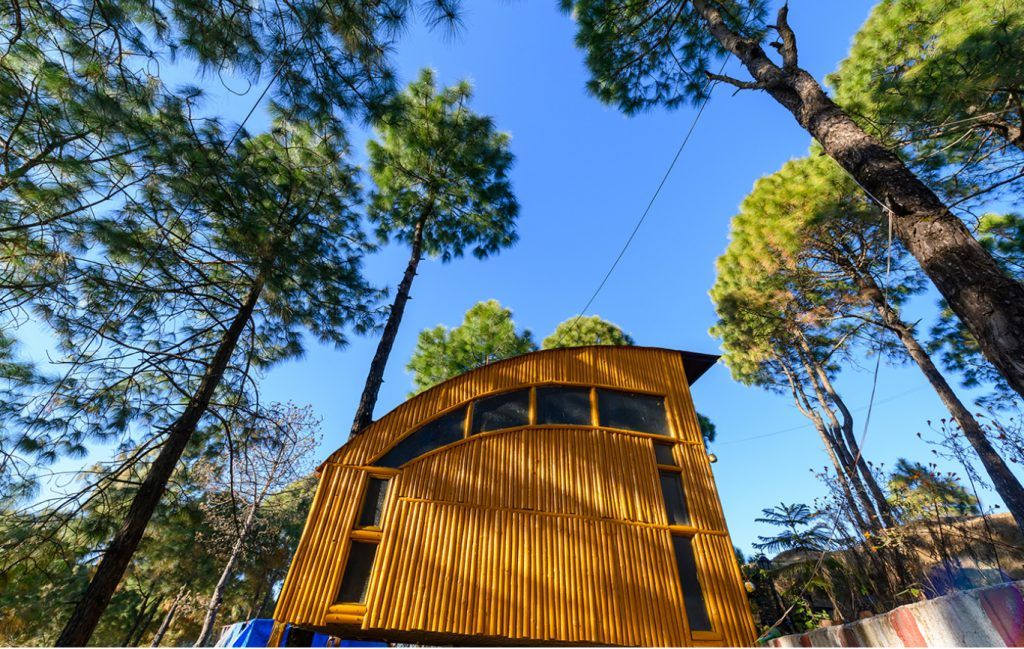
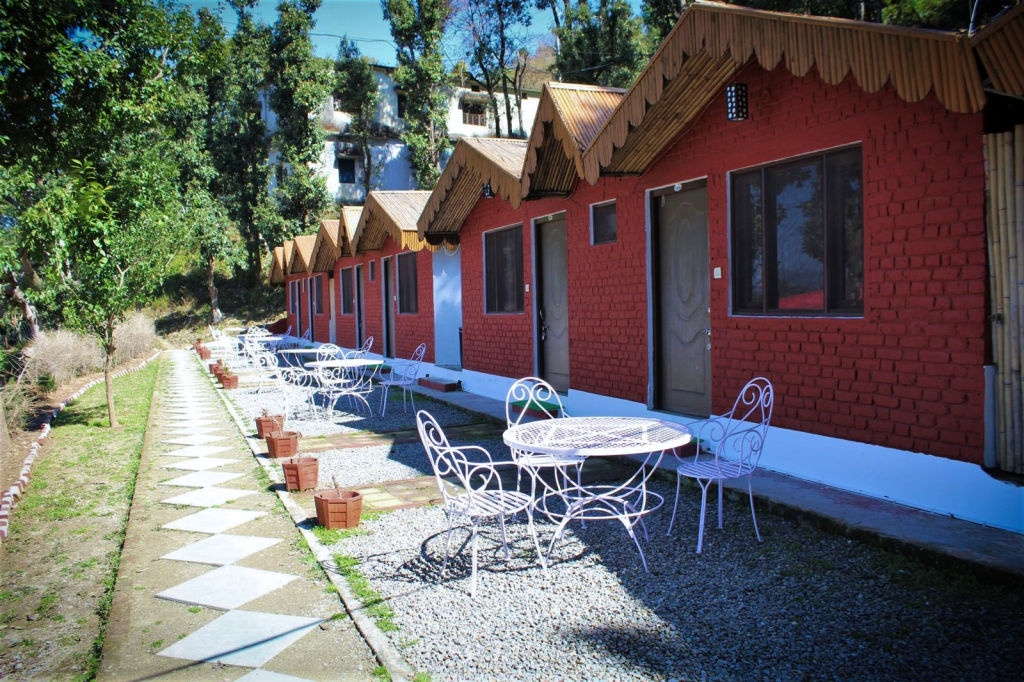
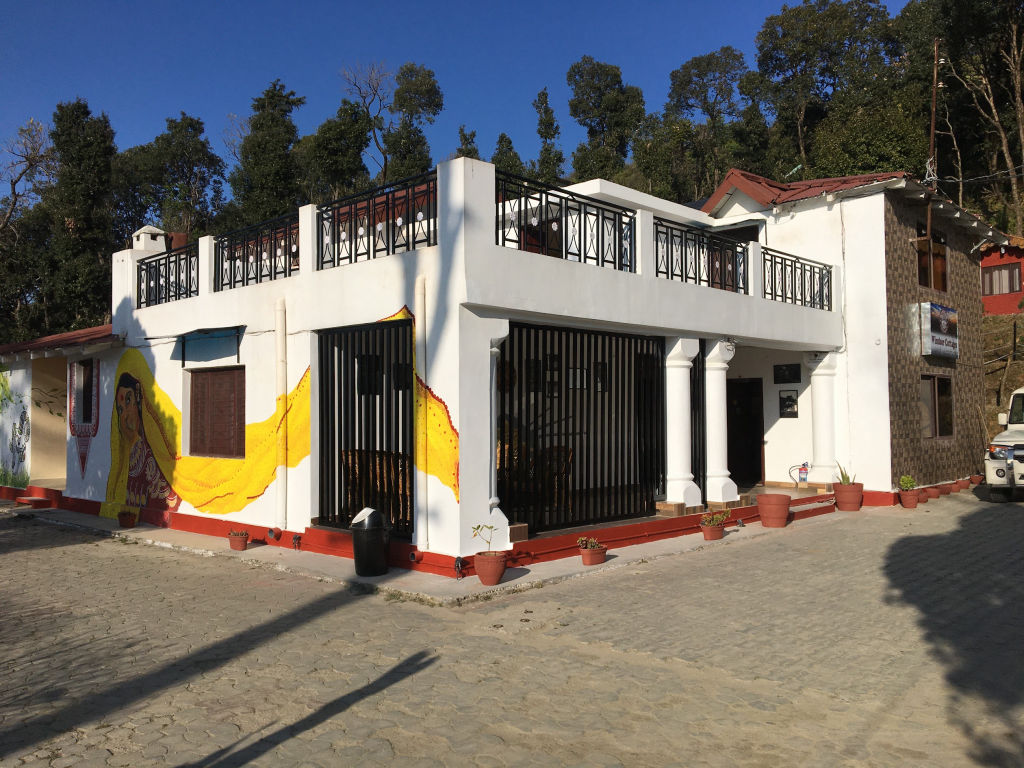
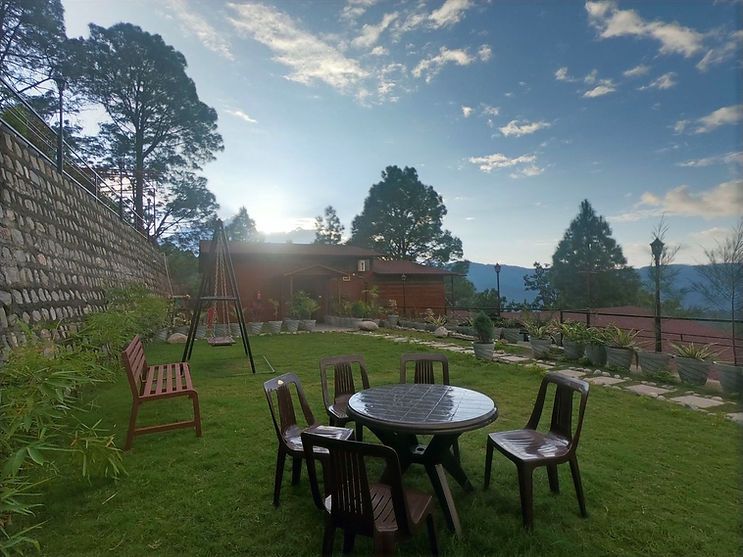
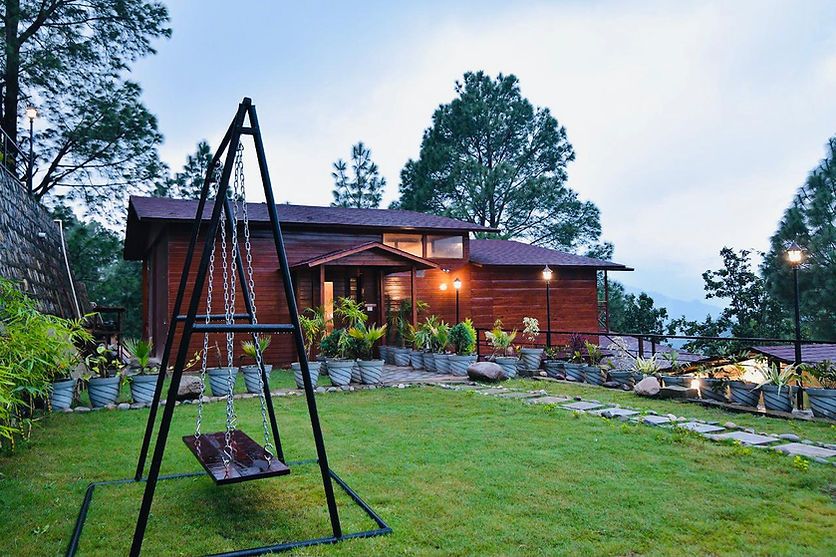
Because Sonanadi is a protected reserve with strictly regulated inner zones, most visitors base themselves in the surrounding buffer fringes or in the nearby hill station of Lansdowne. The region features a variety of peaceful mountain stays, riverside nature retreats, and family-run homestays tucked among pine groves and terraced valleys.
If you prefer falling asleep to forest sounds and waking to birdsong, you can find and book vetted nature camps, homestays, and quiet outdoor getaways nearby on HireACamp. Booking your stay along the forest fringes or in the quiet outskirts of Lansdowne allows you to experience the natural rhythm of the foothills while remaining within comfortable driving range of safari gates and town amenities.
Tips for your visit
When traveling to Sonanadi, planning ahead ensures a safe and fulfilling journey. Wear neutral-toned clothing in earthy shades of olive, khaki, brown, or beige to avoid alerting wildlife during drives. Bring layered clothing, as morning safaris in the winter months can be bitterly cold, requiring windproof jackets, woolens, and warm headgear.
Always carry adequate drinking water in reusable bottles, binoculars for spotting distant birds and game, and a reliable camera with a telephoto lens. Strict conservation guidelines apply throughout the forest: maintain absolute silence during animal encounters, never step out of your vehicle unless accompanied by an authorized forest guide at an assigned post, and practice leave-no-trace ethics by taking all personal waste back with you.
Frequently asked questions
Where is Sonanadi Wildlife Sanctuary located?
Sonanadi Wildlife Sanctuary is situated in the Pauri Garhwal district of Uttarakhand, bordering Jim Corbett National Park and lying within driving range of Lansdowne.
What animals can be seen at Sonanadi Wildlife Sanctuary?
The sanctuary is home to Asian elephants, Bengal tigers, leopards, sambar, barking deer, chital, wild boars, and a vast diversity of woodland and water birds.
Is Sonanadi Wildlife Sanctuary open throughout the year?
Forest tracks and safari zones generally shut or remain restricted during the heavy monsoon season from July to October for safety and conservation reasons. The optimal window for visiting is between mid-November and early June.
How far is Sonanadi Wildlife Sanctuary from Lansdowne?
The sanctuary borders the lower foothills below Lansdowne, with peripheral zones and access points situated roughly an hour to two hours by road depending on the chosen gate.
Do I need a permit to enter Sonanadi Wildlife Sanctuary?
Yes, visiting the core and designated safari zones requires prior entry permits and registered guides as governed by forest department regulations, which should be checked and arranged locally before your visit.
Where you'll be
Lansdowne · 9 stays nearby shown with prices
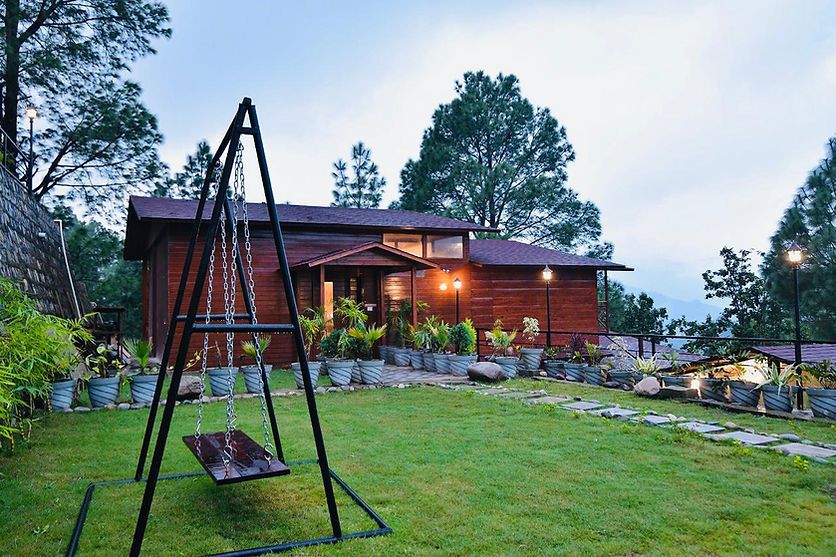
Stays near Sonanadi Wildlife Sanctuary
Book a place to stay close by
More places near Sonanadi Wildlife Sanctuary
Within 20 km


Built from 0 Instagram posts by 0 creators. Every tip links back to the post it came from, and where creators disagree we show both sides.






